Study Room Furniture Design: Smart Ideas for Comfortable and Productive Spaces
By Usha Balasubramanyan- July 08, 2026
AI Summary
3 key insights · 1 expert tip
Study room furniture design focuses on creating comfortable, productive spaces using ergonomic tables, chairs, and smart storage solutions for Indian homes.
Key Insights:
What You'll Read Here:
Ergonomic study table height should be around 28-30 inches for comfortable posture.
Matte laminate finishes reduce glare and fingerprints, ideal for study surfaces.
Vertical storage and compact desks maximise usability in small study areas.
HOMELANE EXPERT TIPBy our design team
Prioritise comfort and usability first when designing your study space; the visual appeal can be refined later for optimal productivity.
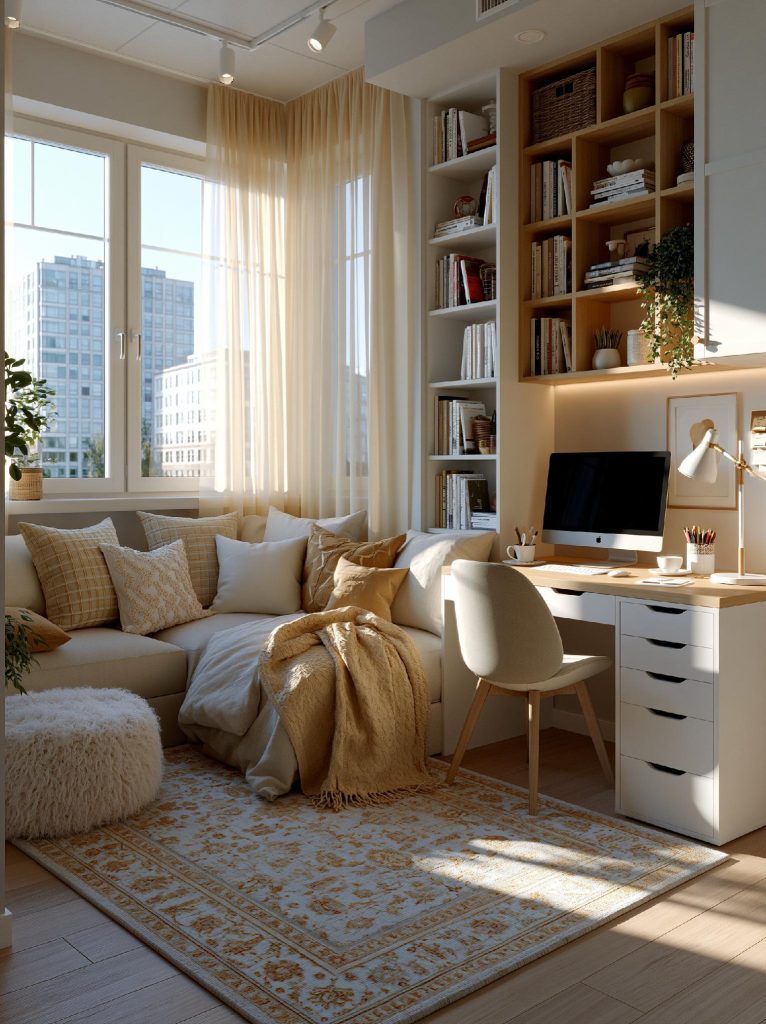
A compact study corner with wall shelves and natural light creates a calm, productive workspace.
The right study room furniture design can turn even a small corner into a space where you can focus, work, or study without distractions. When furniture is planned properly, everything feels easier, from sitting comfortably for longer hours to keeping essentials within reach.
It also helps create a mental shift. Even a small, well-defined setup can signal that it’s time to focus, making it easier to stay consistent with work or study routines.
A well-designed study setup is not about adding more furniture. It’s about choosing the right pieces and placing them in a way that supports how you actually use the space.
Why Study Room Furniture Design Matters
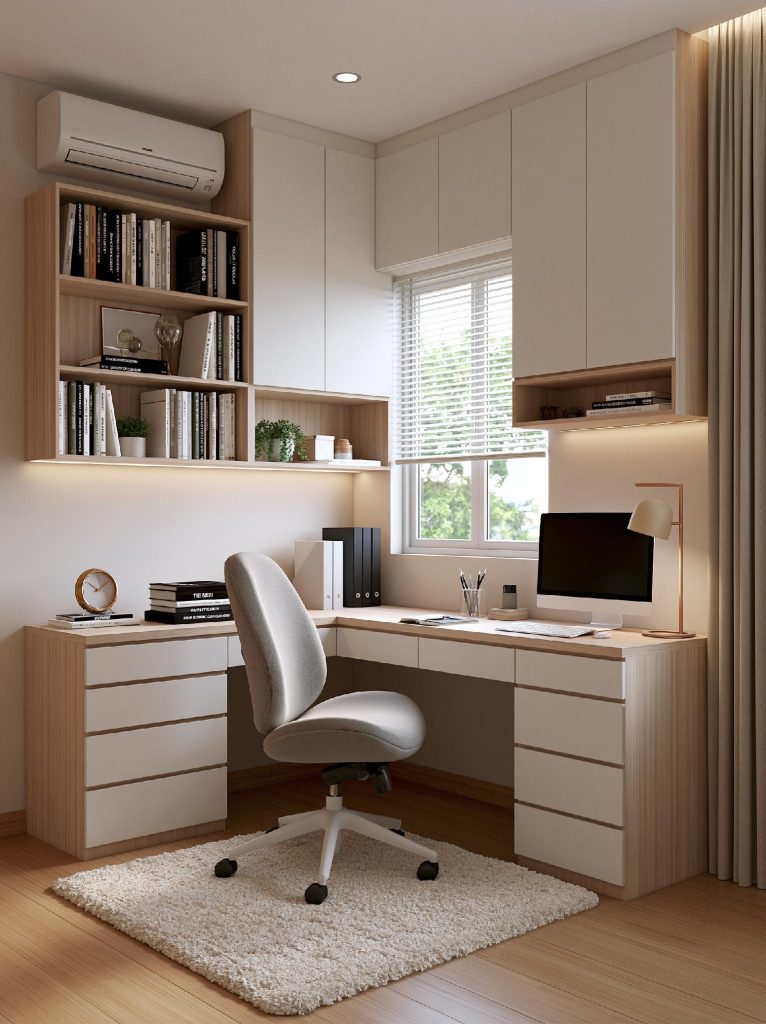
A built-in L-shaped study desk with open shelves keeps books and essentials neatly within reach.
Good study room furniture ideas directly affect how productive the space feels.
An uncomfortable chair or a poorly placed table can make it harder to focus. A desk at the wrong height forces you to hunch, which drains your focus in under an hour. On the other hand, a well-planned setup supports posture, reduces clutter, and keeps distractions to a minimum.
In Indian homes where study areas are often part of bedrooms or living spaces, furniture plays an even bigger role. It helps define the space without needing a separate room.
Essential Furniture Pieces for a Study Room
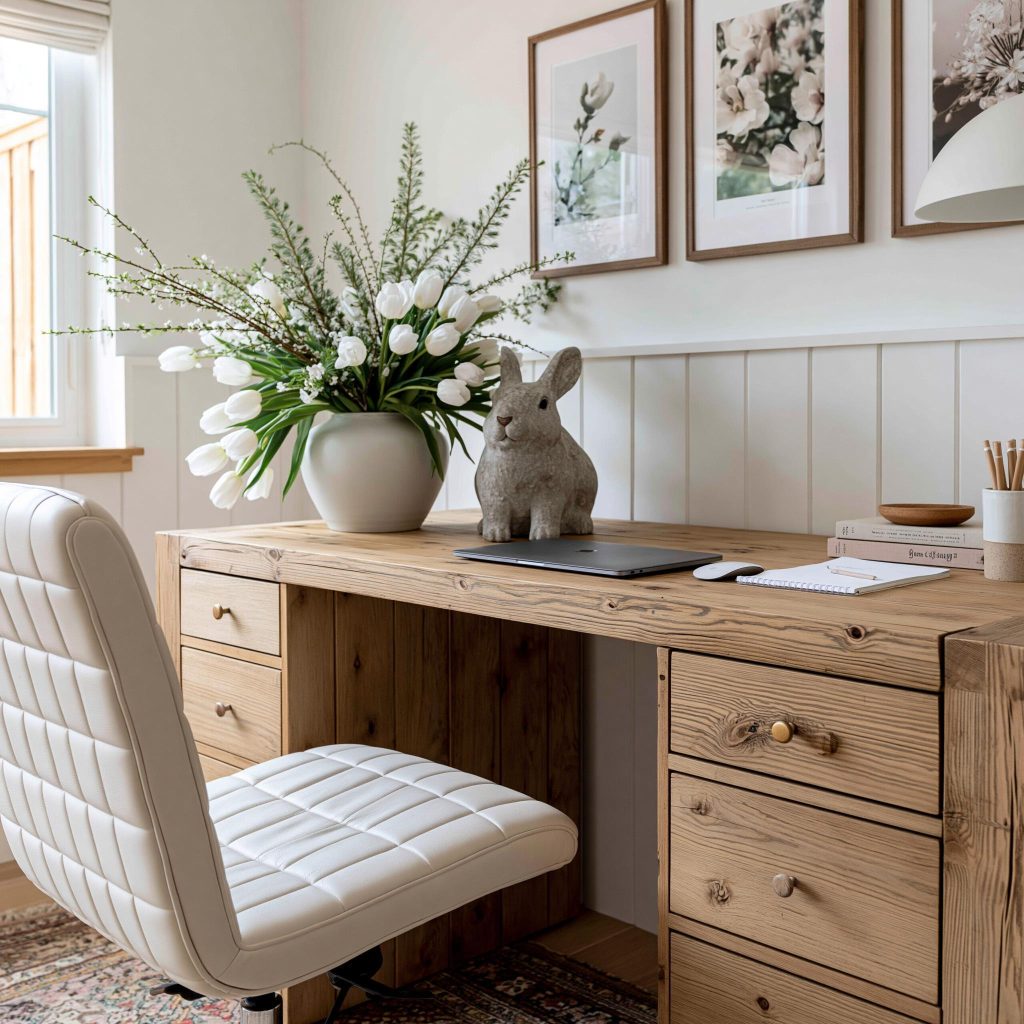
A solid wood study table with drawers and a cushioned chair covers the essentials for daily use.
A functional study room furniture design doesn’t need too many elements, just the right ones.
Study table (comfortable height and enough surface area)
Chair (good back support for long hours; look for adjustable height and lumbar support)
Storage (drawers, shelves, or cabinets)
Lighting (focused task lighting)
For a small study room furniture setup, a compact desk with wall-mounted shelves works better than bulky units.
Best Materials for Study Room Furniture
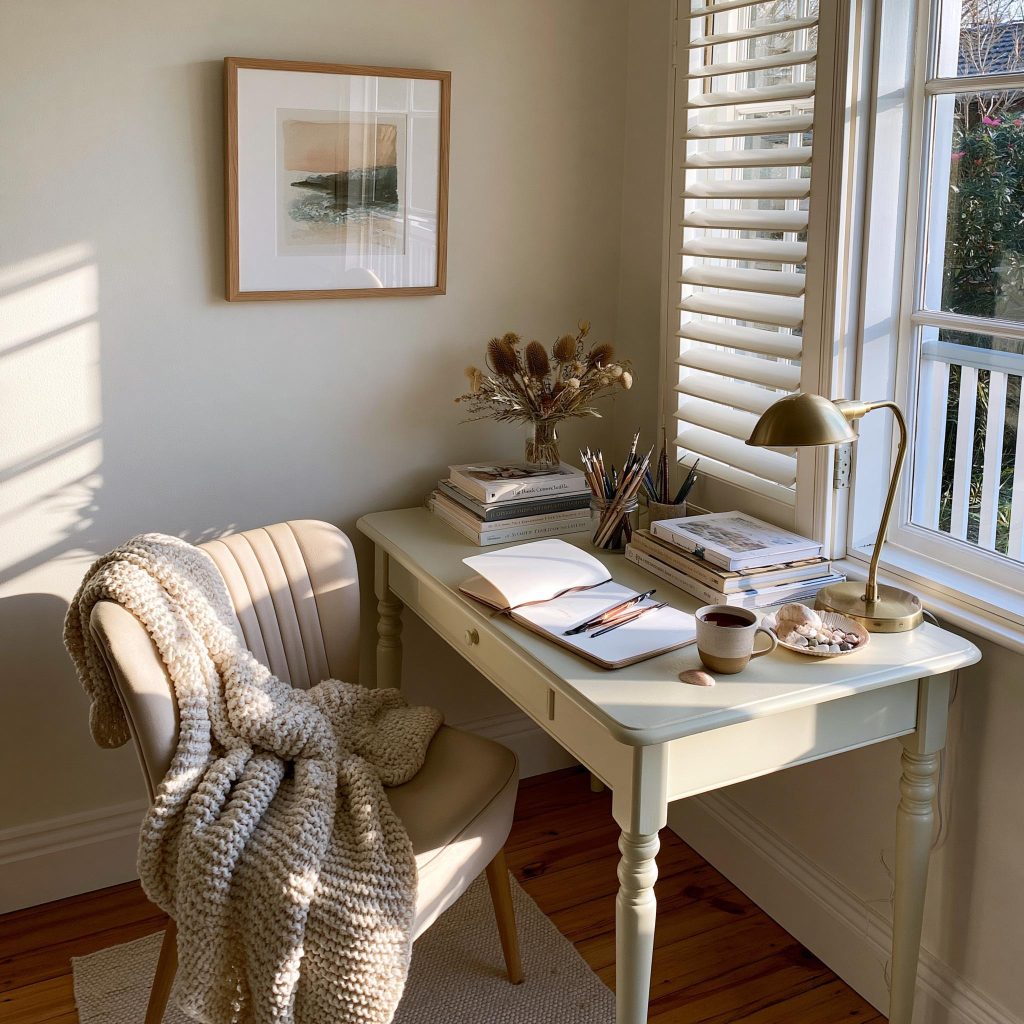
The right study table surface and materials keep daily essentials organised and easy to reach.
Element
What to Use
Why It Works
Table
Plywood / MDF with laminate
Durable and easy to maintain
Chair
Fabric or mesh
Comfortable for long use
Shelves
Engineered wood
Lightweight and stable
Finish
Matte laminate
Reduces glare and fingerprints
In study spaces, matte finishes work better because they reduce reflections and distractions, especially under artificial lighting.
Study Room Furniture Design Tips for Better Productivity
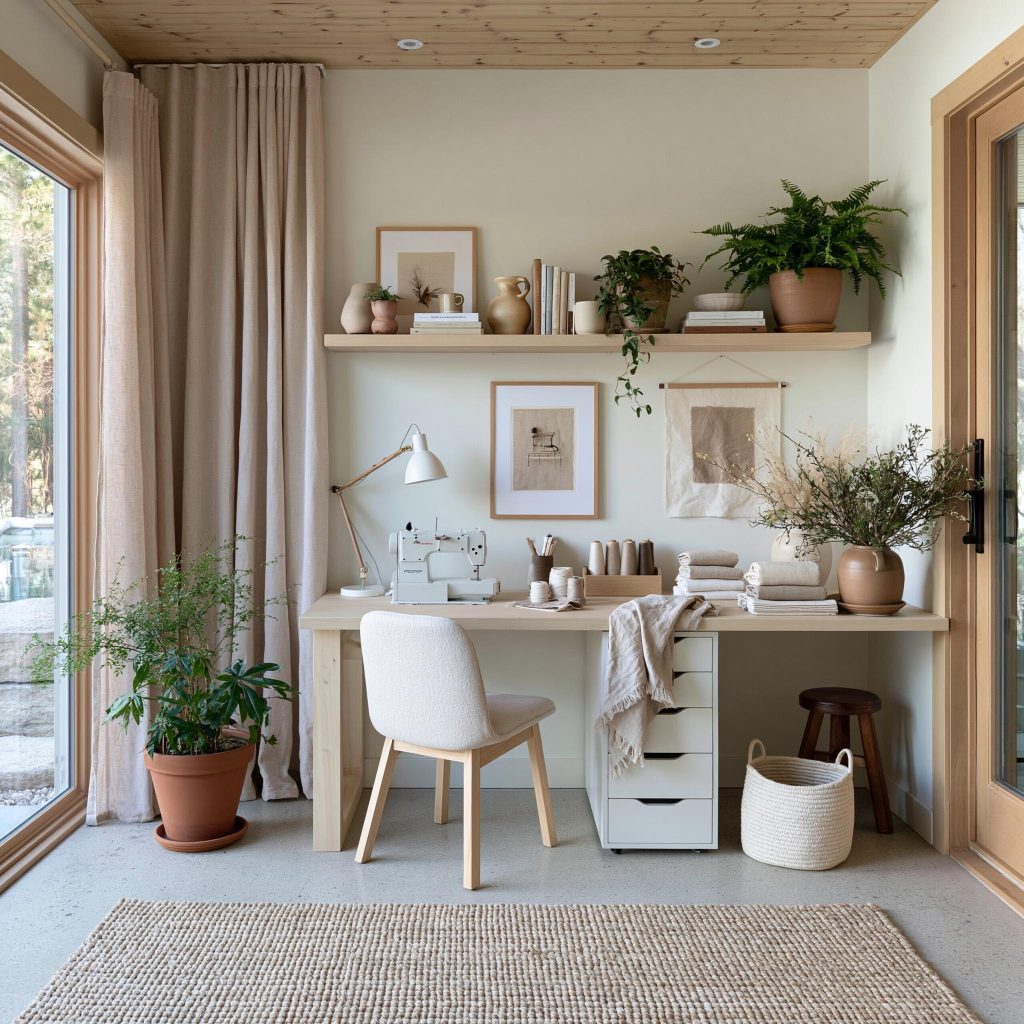
A white study table placed beside a window uses natural light to support focus and comfort.
Modern study room furniture should support both comfort and focus. Start with ergonomics. As a rule of thumb, the study table height should be around 28 to 30 inches, with enough leg space underneath.
Position the table near natural light if possible, but avoid direct glare on the screen or work surface. Keep frequently used items within arm’s reach. This reduces movement and helps maintain focus.
If the space is shared, consider a creative study room furniture design with dual desks or extended counters.
How to Make a Small Study Room Work Better
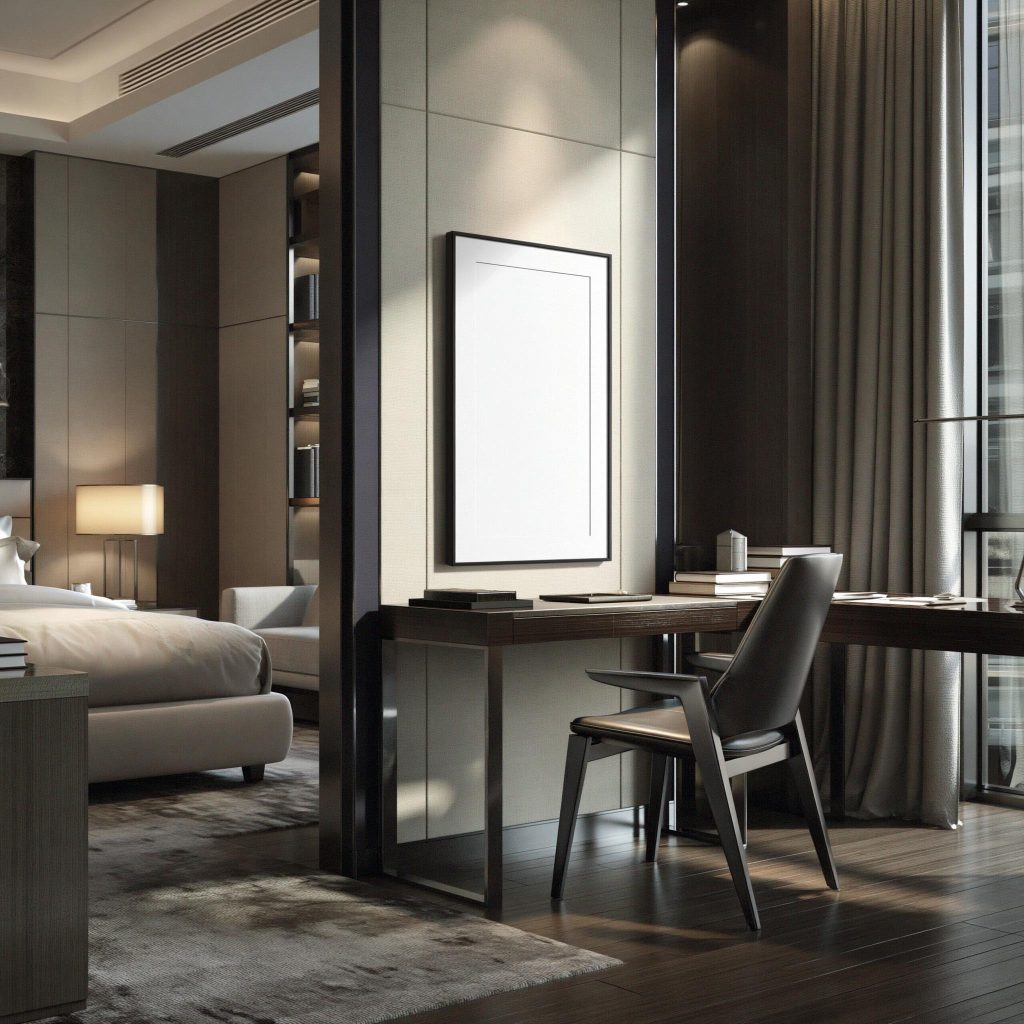
A slim dark wood desk fitted into a bedroom corner creates a focused study zone without crowding the space.
In compact homes, space needs to be used carefully. A simple study room furniture design with wall-mounted desks or foldable tables can free up floor space. Vertical storage helps keep the area organised without crowding it.
Light colours make the space feel more open, while clutter-free surfaces improve concentration.
Keep at least 30 inches of clearance behind your chair, so that the room does not feel cramped.
A Real HomeLane Project: What Worked and Why
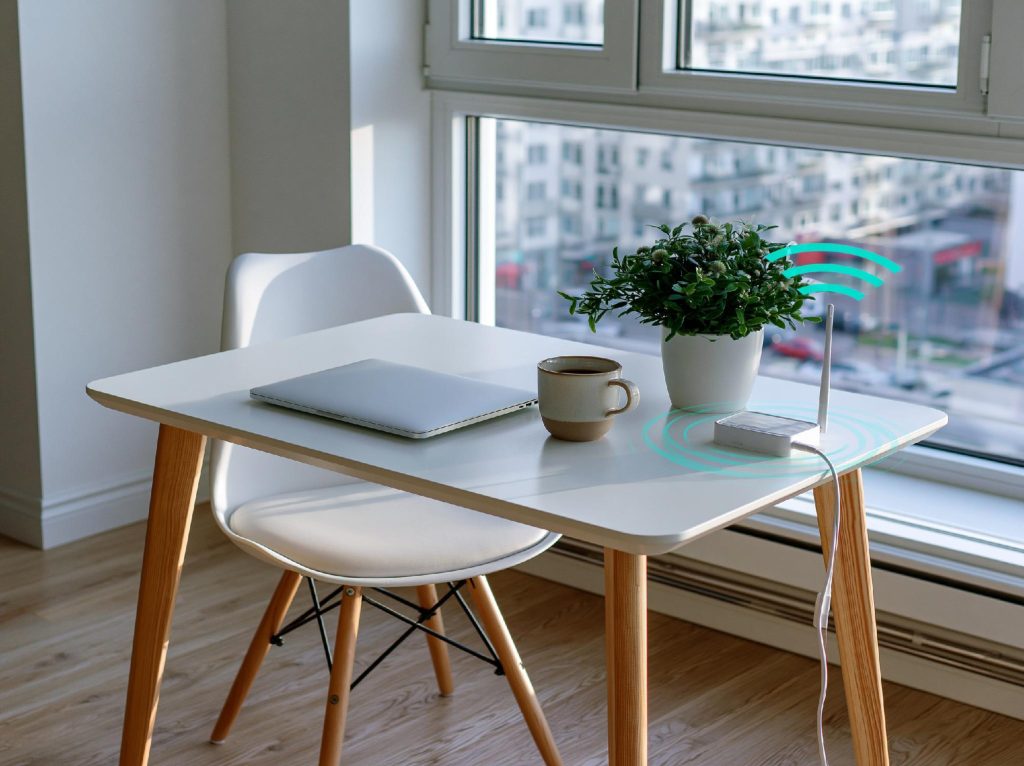
A compact white study table aligned with the window brings in natural light for daily work or study.
In a recent 2BHK in Bangalore, the homeowner needed a study setup within the bedroom without making the space feel crowded.
Instead of adding a bulky desk, the design team created a small study room furniture setup, with a lightweight table and chair. The table was aligned with the window to maximise natural light, while shelves nearby kept books and essentials within easy reach.
A compact chair with proper back support completed the setup without taking up too much floor space. The result was a focused work zone that blended into the room very nicely.
Common Study Room Furniture Mistakes to Avoid
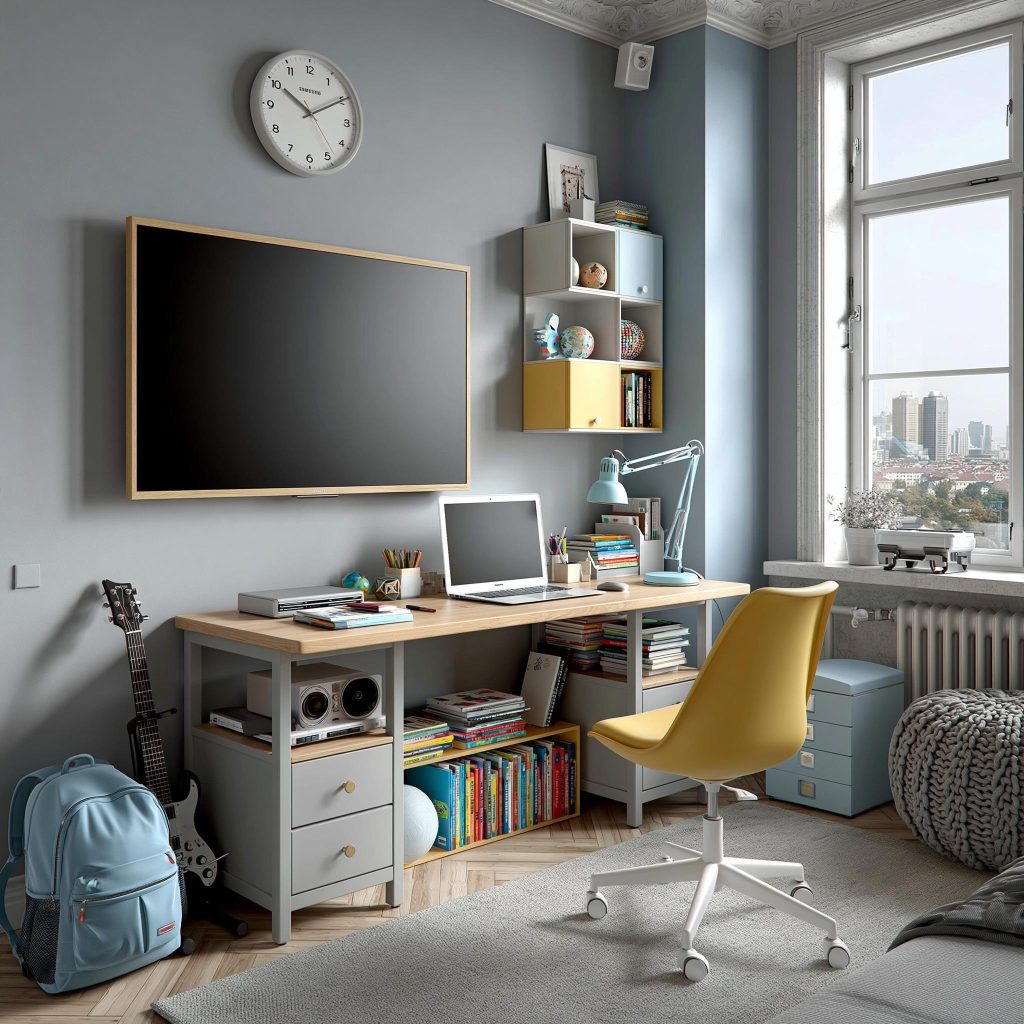
A creative study setup with wall shelves and colourful storage keeps the space organised for students.
A common mistake is focusing only on how the room looks. Choosing a table that is too small can limit usability. A chair without proper support can lead to discomfort during long hours.
Another issue is poor lighting. Insufficient or harsh lighting can strain the eyes and reduce productivity. The better approach is to prioritise comfort and usability first, and then refine the design.
What to Check Before You Finalise Your Study Furniture
A study room with floor-to-ceiling shelves and a well-lit desk balances storage and productivity.
Before finalising your study room furniture design, check three things.
First, ensure the table and chair height support good posture. You should actually sit and work for a while, and see whether the heights are comfortable.
Second, plan storage so essentials are easy to access. What you reach for daily should be at hand without having to get up.
Third, check lighting conditions to avoid glare and shadows. Look for lights that keep you alert without eye strain.
If you want a study setup that feels comfortable and works every day, book a free consultation with HomeLane and get a design tailored to your space. Talk to a designer who knows your space…they’ll map your requirements to a layout that fits your floor plan!
FAQs
1. What furniture should be included in a study room?
A study table, chair, storage, and proper lighting are essential. These elements support comfort and organisation. Additional pieces can be added based on space.
2. How do I design furniture for a small study room?
Use compact desks and wall-mounted storage. Keep the layout simple and uncluttered. This helps maximise space and improve usability.
3. What is the best study room furniture design for students?
A comfortable chair and a well-sized desk are most important. Storage should be easy to access. The setup should support long study hours.
4. How can I make my study room look more attractive?
Use light colours, good lighting, and minimal décor. Keep the space clean and organised. Small design touches can improve the overall feel.
5. Which colour is best for study room furniture?
Neutral colours like white, beige, and light wood work best. They create a calm and focused environment. Avoid overly dark or distracting shades.
6. What is the ideal study table size?
A standard table height of 28–30 inches works well. Width depends on usage, but there should be enough space for books or a laptop. Comfort and usability matter most.
















 EXPLORE MORE