Villa Interior Design: A Complete Guide to Designing Your Dream Home
By Usha Balasubramanyan- January 22, 2026
AI Summary
3 key insights · 1 expert tip
Elevate your villa with 18 timeless interior design ideas, balancing grandeur with personal style for a sophisticated and functional home.
Key Insights:
What You'll Read Here:
Create understated elegance with a cohesive neutral palette and contrasting darker accents for a refined look.
Utilise expansive spaces for opulent décor, combining elements like chandeliers, textured walls, and marble flooring.
Consider dedicated spaces like cosy nooks or entertainment rooms to enhance comfort and family connection.
HOMELANE EXPERT TIPBy our design team
When designing a villa, prioritise a harmonious blend of aesthetics and functionality, allowing ample space for both opulent details and personal comfort.
A villa gives you something every interior designer loves: space! It also gives you plenty of opportunities to get that space wrong.
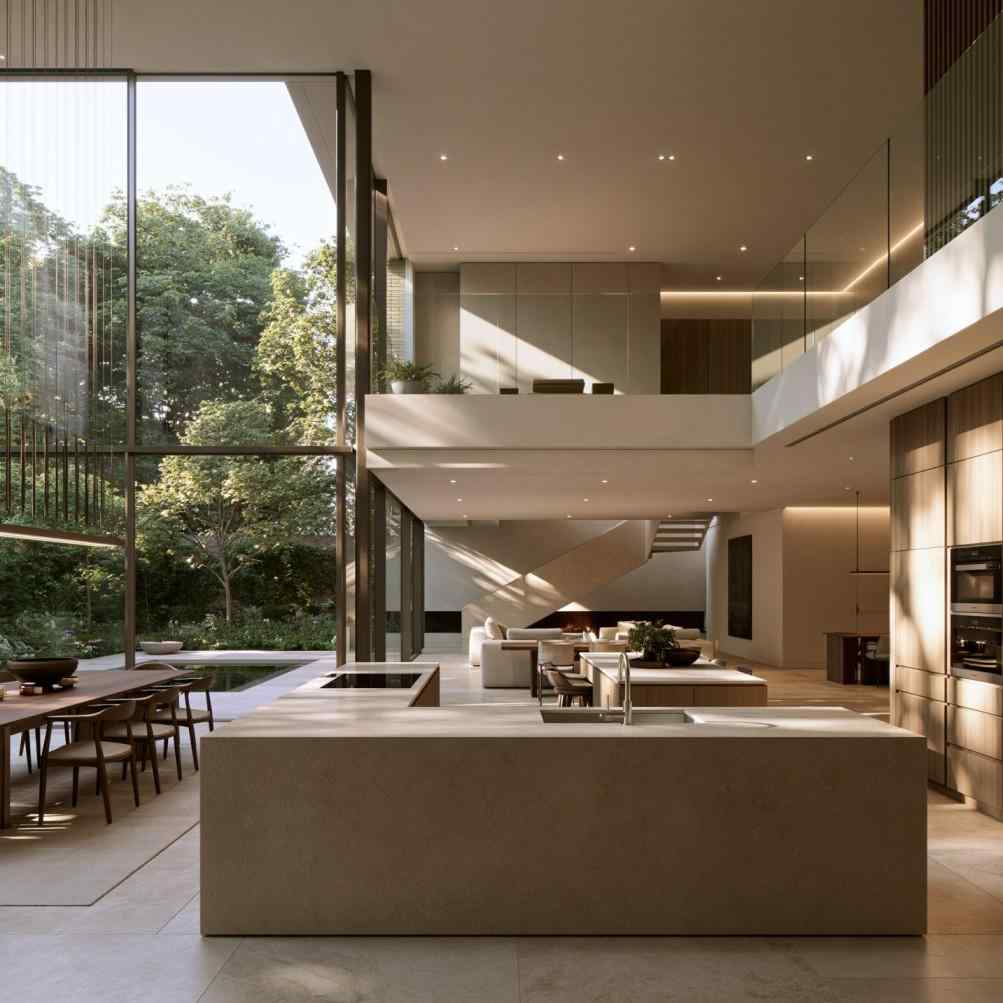
A double-height living space links kitchen, dining and garden in this modern villa interior.
A huge sofa can still be the wrong sofa. A spectacular chandelier can disappear in the wrong volume. And six individually beautiful rooms can somehow add up to a home that feels disconnected.
Successful villa interior design starts with the big picture. How will you move through the home? Which spaces should connect? Where should the eye travel? Once those decisions are right, colours, furniture and those gorgeous finishing touches have a much better chance of falling into place.
What Is Villa Interior Design and What Makes It Different?
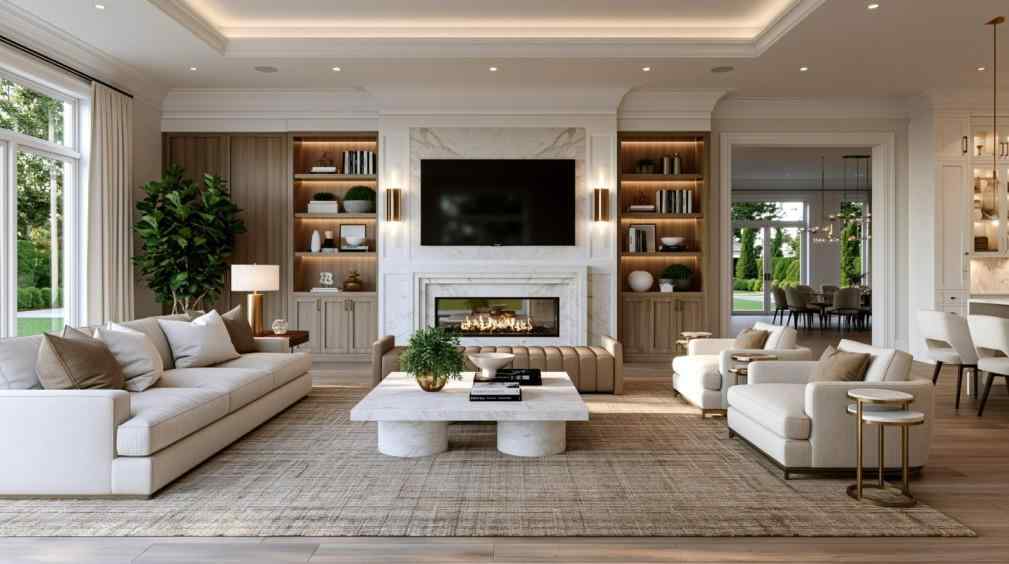
Built-in shelving, a marble fireplace and cream sofas give this villa living room quiet luxury.
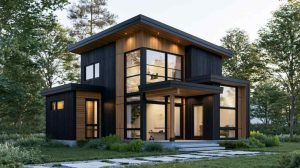
A villa is usually planned on a larger scale than an apartment and may extend over multiple floors. That introduces design opportunities such as staircases, double-height living areas, larger windows, terraces and stronger connections between indoor and outdoor spaces.
But more square footage doesn’t mean every room should be filled. Negative space becomes an important design tool. Furniture needs to relate to the proportions of each room, while lighting must work at different heights and scales.
The challenge is also continuity. Every space should still feel as though it belongs to the same house.
What Are the Best Villa Interior Design Ideas for a Stylish Home?
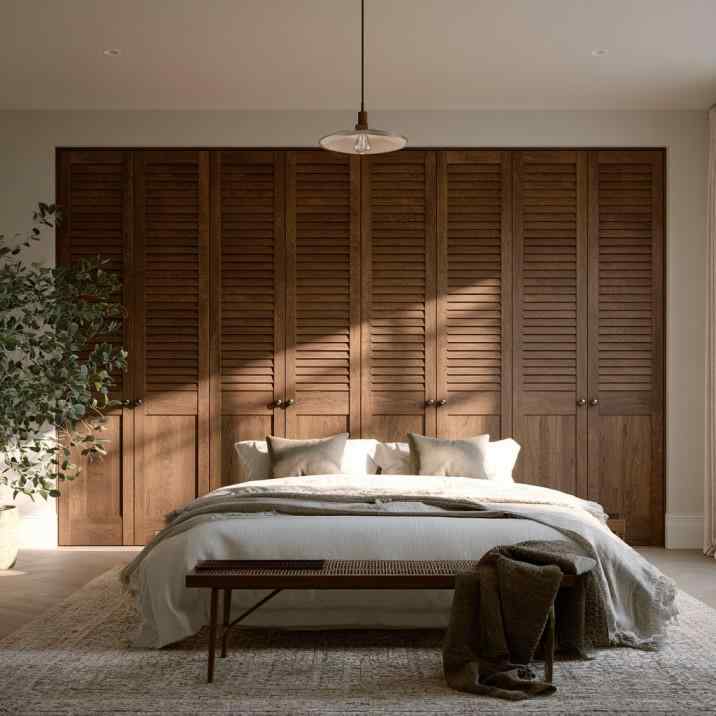
A full-wall louvred wardrobe adds warmth and generous storage to this calm villa bedroom.
Start by identifying the architectural strengths of the villa rather than decorating over them. A double-height living room could be enhanced with a tall light installation or textured feature wall. A staircase can become a sculptural element. Large windows can frame gardens rather than being buried behind elaborate curtains.
A modern villa interior design usually benefits from clean architectural lines, generous but carefully chosen furniture and restrained finishes. Warm timber, stone, textured fabrics and subtle metal details can prevent minimal spaces from becoming sterile.
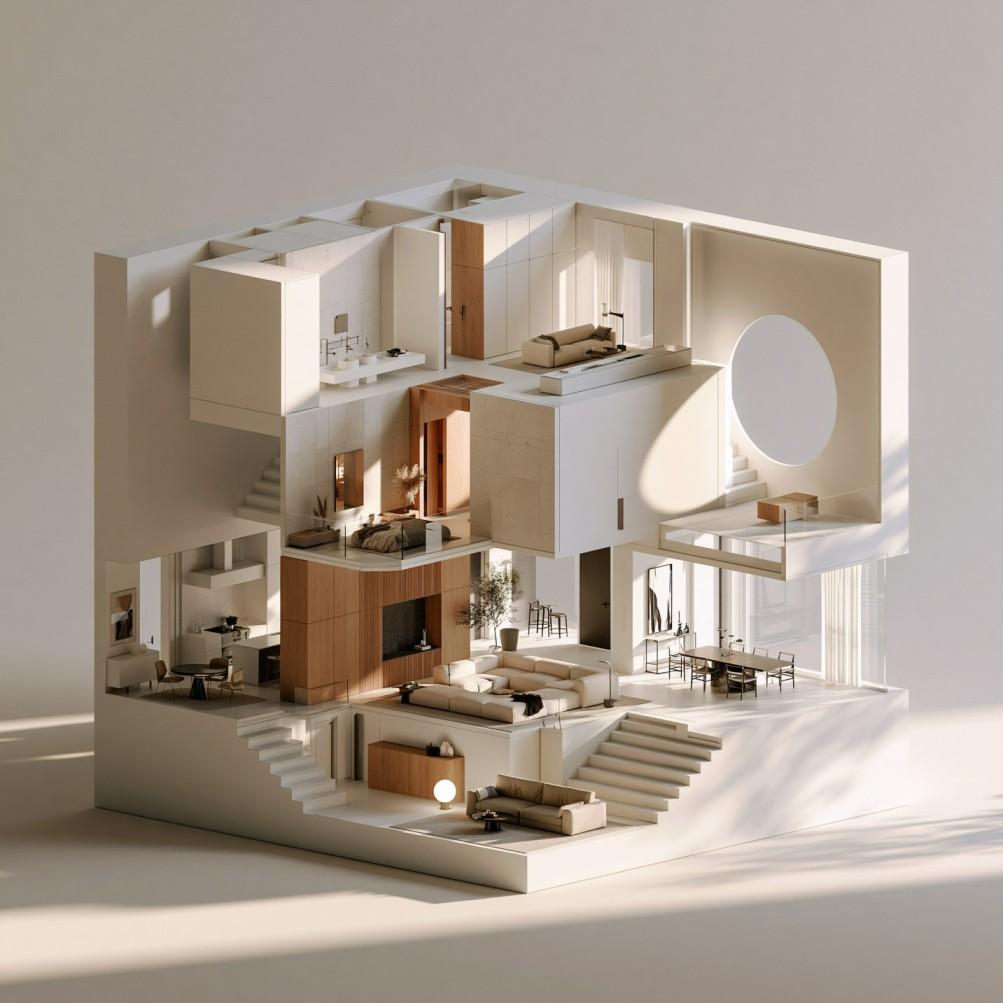
Planning a villa as one connected home helps every floor share a coherent design language.
For a luxury villa interior design, focus on quality rather than quantity. Natural stone, veneer, bespoke cabinetry, layered lighting and beautifully finished joinery create a richer impression than simply adding more decorative objects.
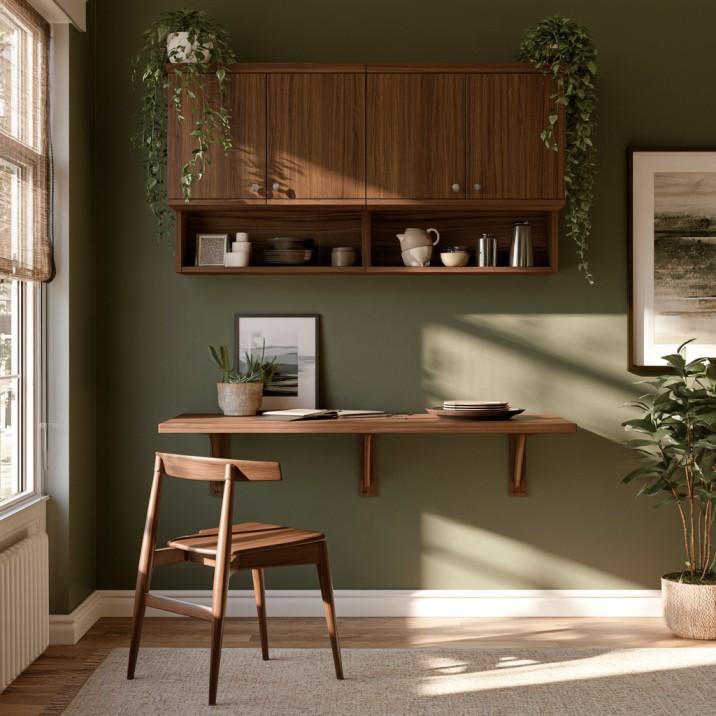
A wall-mounted desk with overhead storage makes smart use of space in a small villa.
A villa doesn’t have to be enormous! With small villa interior design, the goal is to retain the character of a villa without chopping the available floor area into too many visually separate zones.
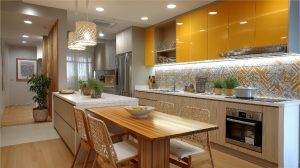
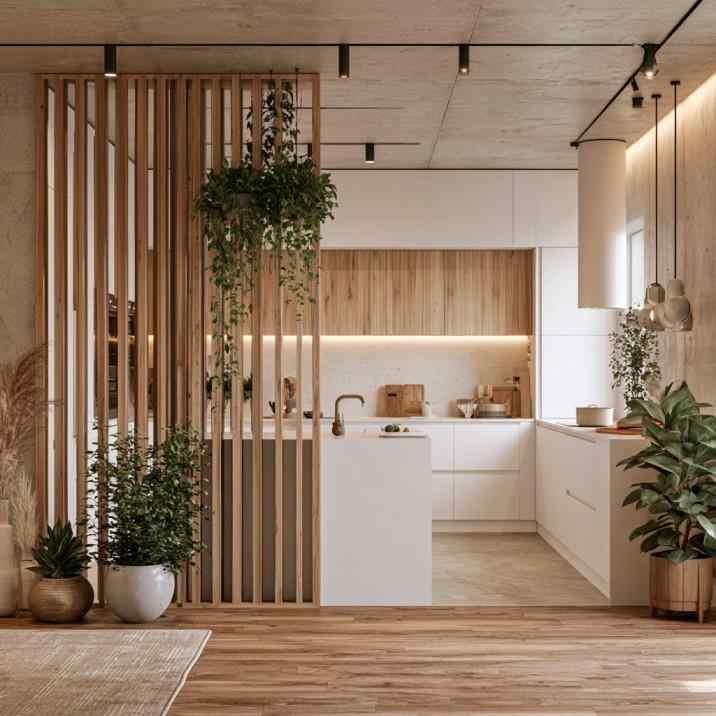
A wooden slat partition defines the kitchen without closing off this open villa layout.
Keep sightlines open where practical. Living and dining areas can share one larger volume, while a breakfast counter or lightweight partition can define the kitchen.
Built-in storage is another space saver. Use under-stair areas, full-height wardrobes and integrated TV or study units instead of adding several freestanding cabinets.
How Should You Plan the Interior Design of Different Villa Spaces?
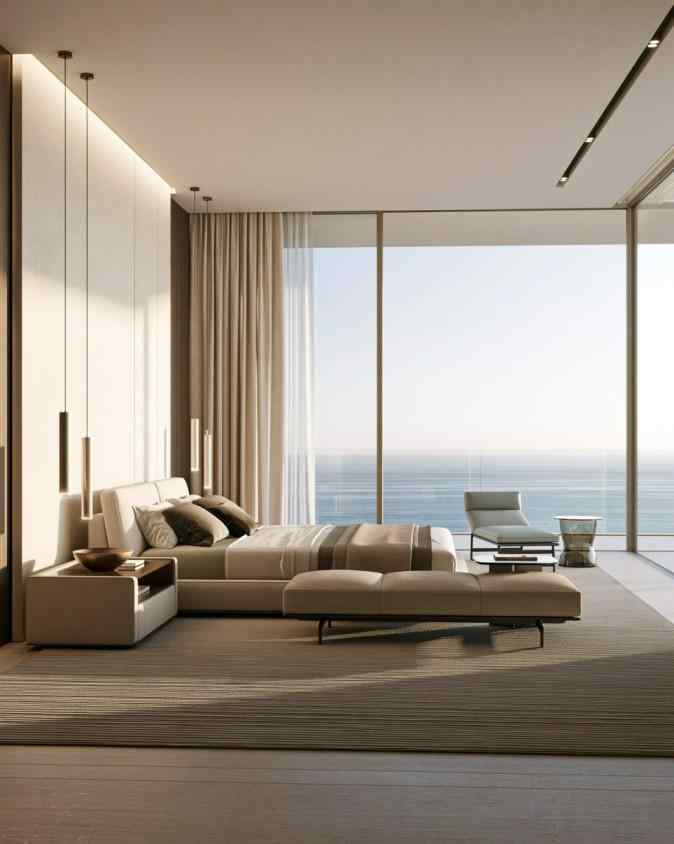
Floor-to-ceiling glass frames the sea view in this serene modern luxury villa bedroom.
Each part of the villa has a different job, but the design language should travel naturally between them.
Space
Design Priority
Useful Approach
Entrance
Strong first impression
Console, art and layered lighting
Living room
Scale and conversation
Furniture groupings rather than wall-hugging layouts
Dining room
Connection and ambience
Statement light and comfortable circulation
Kitchen
Workflow and storage
Efficient zones and durable finishes
Bedrooms
Comfort and privacy
Softer colours, storage and layered textiles, personality shines
Balconies/terraces
Indoor-outdoor flow
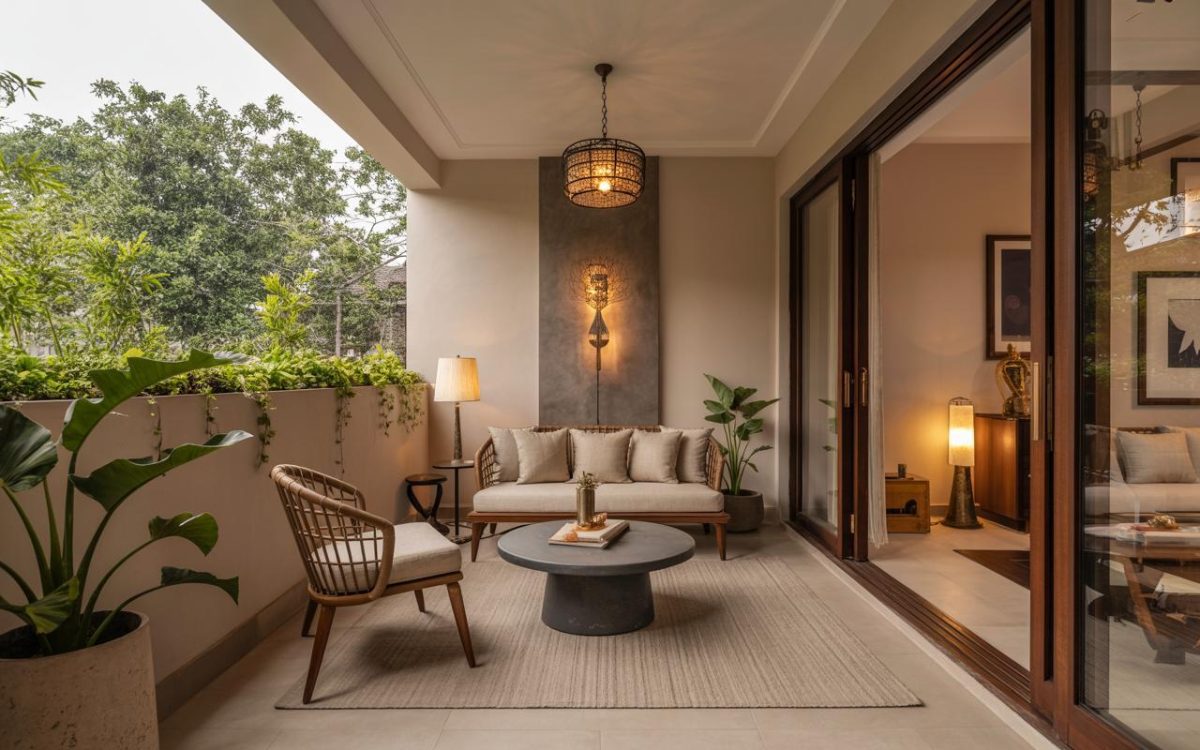
Weather-resistant furniture and greenery
Expert Tip: In a large living room, consider creating more than one furniture grouping instead of pushing everything to the perimeter.
How to Choose Colours, Materials, Furniture and Finishes for a Villa?
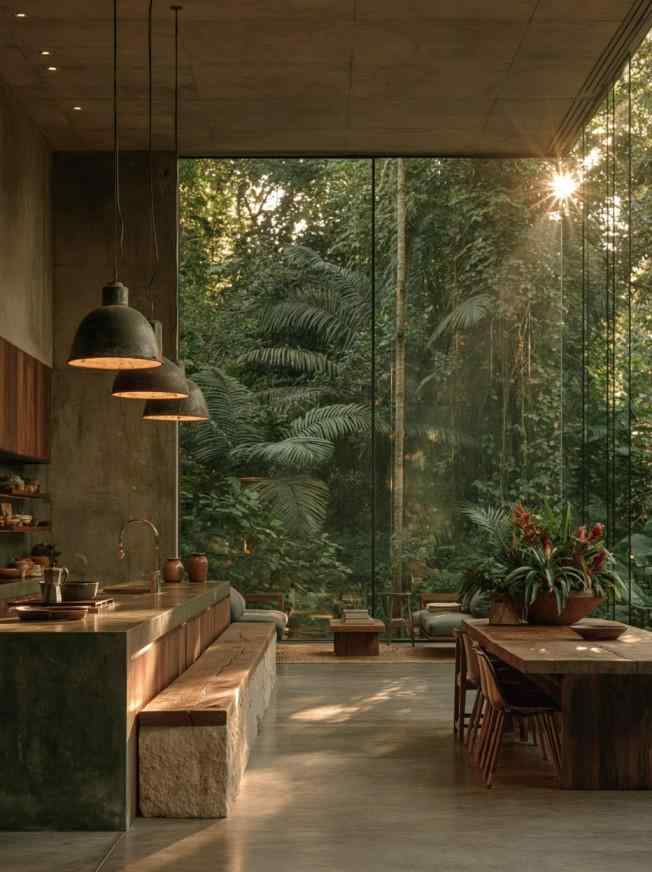
Full-height glazing opens this villa kitchen to lush greenery for a strong indoor-outdoor link.
The best villa interior design isn’t built around one fashionable colour. Begin with a base palette that works with the villa’s natural light and architecture, then introduce deeper colours selectively.
Material repetition creates continuity. If warm oak appears in the living room, for example, you might repeat a similar timber tone on the staircase or bedroom wardrobes. The same goes for stone and metal finishes.
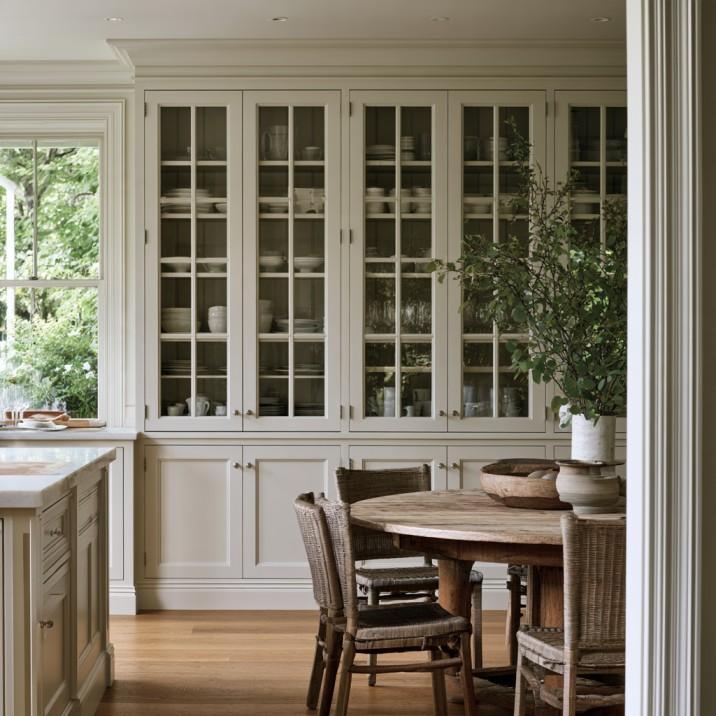
Glass-front crockery cabinets and a rustic round table create a warm villa dining space.
A modern luxury villa interior design can combine stone, wood, glass, metal and tactile fabrics, but give each material enough room to be noticed. Too many premium finishes competing in one space can make the interior feel busy rather than luxurious.
Furniture should also suit the scale. Larger rooms can accommodate deeper sofas, generous dining tables and statement pieces, but resist the urge to fill every corner.
What Should You Plan Before Designing Your Villa Interior?
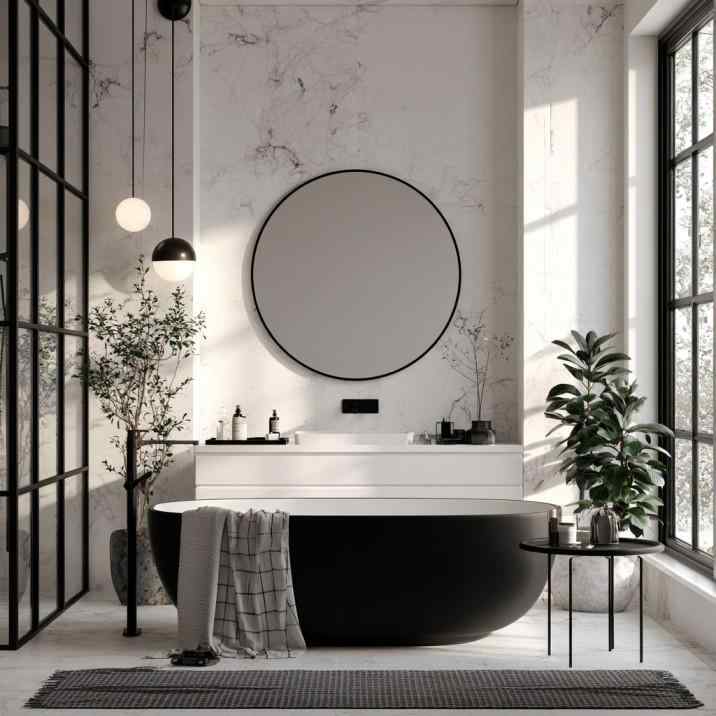
Marble walls and a black freestanding tub bring spa-like luxury to this villa bathroom.
Start with lifestyle rather than Pinterest! How many people live in the villa? Do you entertain frequently? Do you need a home office, pooja room, children’s study or accommodation for elderly parents?
Next, establish your budget and priorities. Permanent elements such as flooring, electrical work, plumbing, kitchens, wardrobes and built-in cabinetry deserve careful investment because changing them later is disruptive.
Plan lighting early too. Villas require a combination of ambient, task, accent and decorative lighting, especially around staircases and double-height spaces.
Finally, think about the entire home before completing individual rooms. Creating a master plan for furniture, electrical points, storage, finishes and lighting reduces expensive changes during execution.
Design the Villa as One Home, Not Ten Rooms!
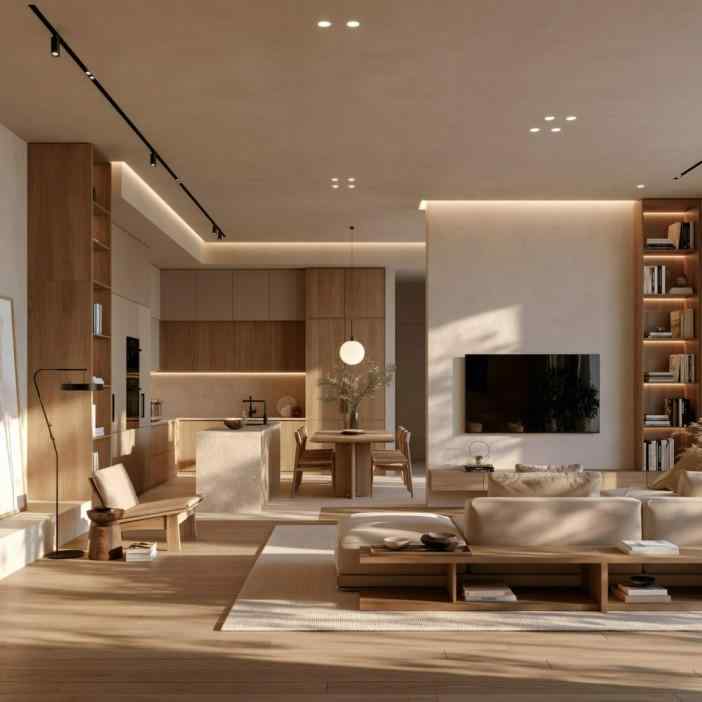
Repeating warm timber across living, dining and kitchen keeps this villa interior cohesive.
The most memorable villa interior design ideas aren’t necessarily the grandest. They’re the ones that make architecture, furniture, lighting and materials feel naturally connected.
Give important spaces room to make an impression, let smaller areas remain functional and repeat selected design elements throughout the villa. That’s how a large home develops character without losing coherence.
HomeLane designers can help you plan your villa from overall layouts and storage to finishes, furniture and lighting. Book a free consultation and turn your villa into a home that feels considered from the front door to the final bedroom!
FAQs
1. What is the best interior design style for a villa?
There is no single best style. Contemporary, modern, minimal, classic and transitional interiors can all work beautifully. Choose a style that suits the villa’s architecture and your lifestyle rather than following trends alone.
2. How much does villa interior design cost?
As broad guidance, villa interiors may range from around INR 1,500 to INR 5,000+ per sq ft, depending on scope and specification. Premium materials, bespoke furniture and extensive customisation can push costs higher.
3. How can I make a small villa look spacious?
Keep sightlines open, use appropriately scaled furniture, build storage vertically and maintain continuity in flooring and colours. Avoid filling every available corner with furniture.
4. What are the latest trends in villa interior design?
Warm minimalism, natural materials, sculptural lighting, curved furniture, integrated storage and stronger indoor-outdoor connections are shaping contemporary villa interiors. Personalisation is increasingly more important than following one defined style.
5. What is the difference between modern and luxury villa interior design?
Modern design focuses primarily on clean lines, function and restrained detailing. Luxury design emphasises premium materials, craftsmanship, bespoke elements and sophisticated finishes. A villa can, of course, combine both.
6. How do I maintain a consistent design across a large villa?
Establish a core palette of colours, materials and finishes and repeat selected elements throughout the house. Individual rooms can then introduce their own accents without feeling disconnected from the overall design.










 EXPLORE MORE