Eco-Friendly Living Room Ideas for a Stylish and Sustainable Home
By Bivin Peter- April 15, 2026
AI Summary
3 key insights · 1 expert tip
Eco-friendly living room designs prioritise durable furniture, natural materials, and responsible practices for a healthier, more lasting, and beautiful home.
Key Insights:
What You'll Read Here:
Choose solid, certified wood, reclaimed timber, bamboo, or cane for furniture that lasts.
Opt for organic cotton, linen, or recycled blends for upholstery to enhance air quality.
Prioritise modular layouts and durable finishes for flexibility and reduced future waste.
HOMELANE EXPERT TIPBy our design team
Start with a few high-quality, durable core furniture pieces and layer in sustainable fabrics and decor for a balanced, eco-conscious living space.
Summary
Many living rooms end up filled with furniture that looks good at first but wears out quickly, feels cluttered, or relies on materials that are not great for the environment. The result is frequent replacements, rising costs, and a space that never quite feels calm or lasting. However, by choosing durable furniture, natural fabrics, responsibly sourced wood, and green lighting, you create a living room that is healthier over time. With thoughtful planning, your space becomes easier to maintain, kinder to the planet, and is more satisfying to live in every day.
Best for:
Homeowners who want a stylish, comfortable living room that minimises environmental impact through smarter material and furniture choices.
Expert tip:
HomeLane designers suggest that you start with durable core pieces such as a well-built sofa or responsibly sourced wood storage, then layer in sustainable fabrics and décor.
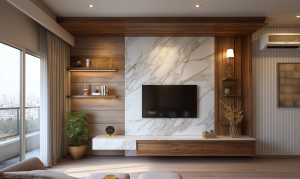
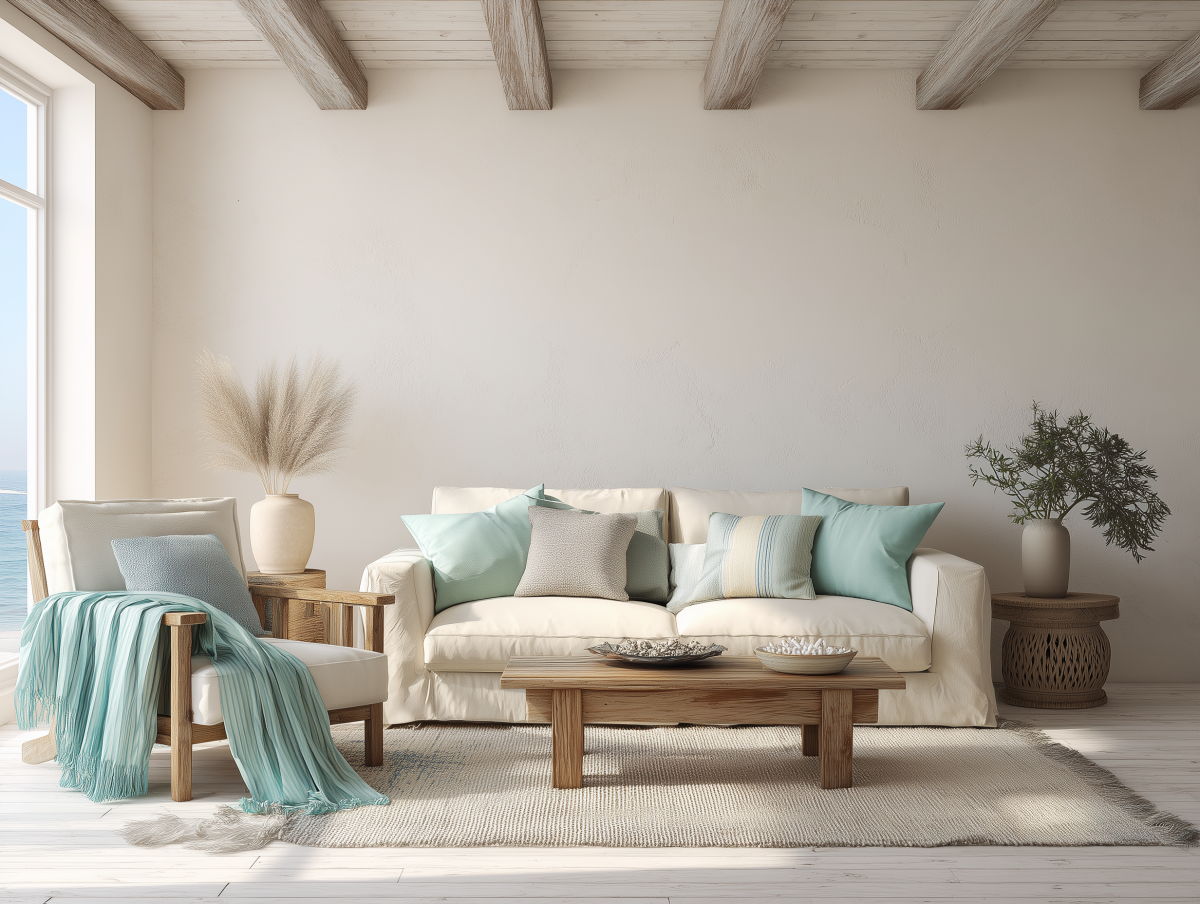
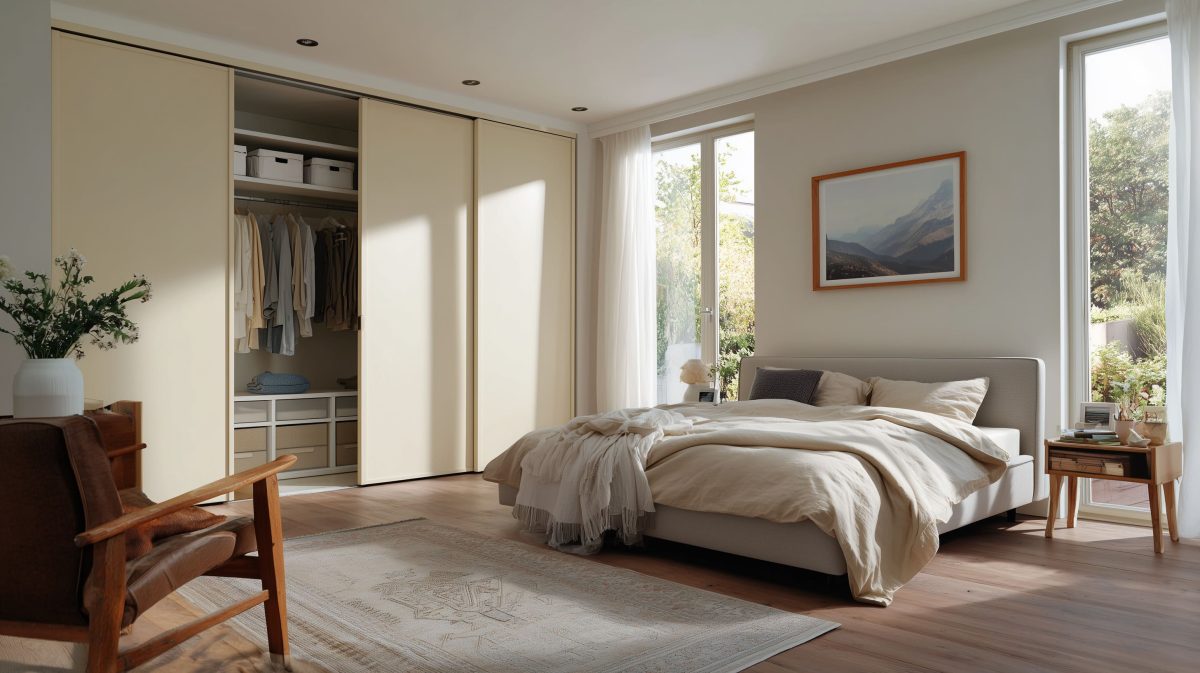
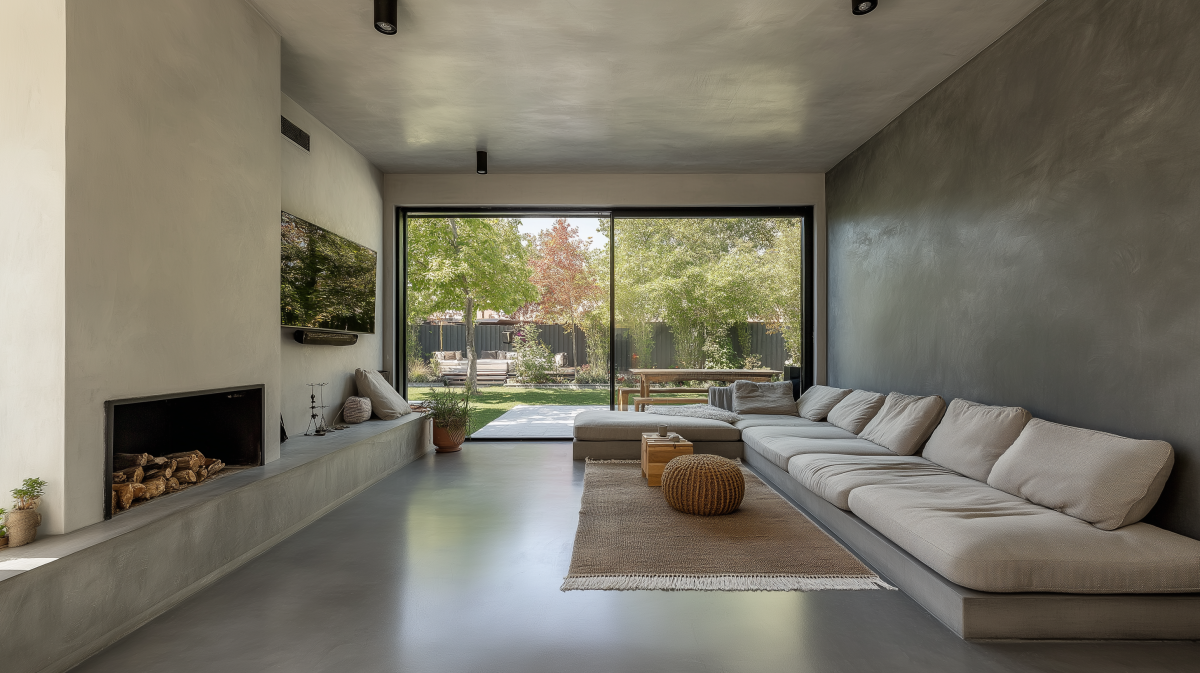
Eco-friendly living room with natural wood, soft tones and calming minimalist design
There are some living rooms that look stunning for a few months. And there are others that keep feeling good year after year! What’s the difference between the two? It’s in the choices that were made behind the scenes. Not just colours or cushions, but materials, craftsmanship, and how thoughtfully everything has been put together.
Today, many homeowners are rethinking their spaces with a quieter question in mind. Can this room feel stylish, comfortable, and kinder to the planet at the same time? The answer is yes, and it does not require dramatic changes or complicated rules.
If you are exploring living room interior design with sustainability in mind, a few mindful decisions can transform your space into one that feels warmer, healthier, and far more meaningful to live in.
Why Go Eco-Friendly in Your Living Room? The Core Benefits
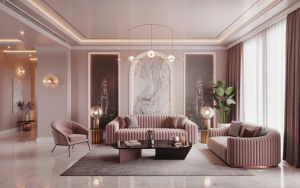
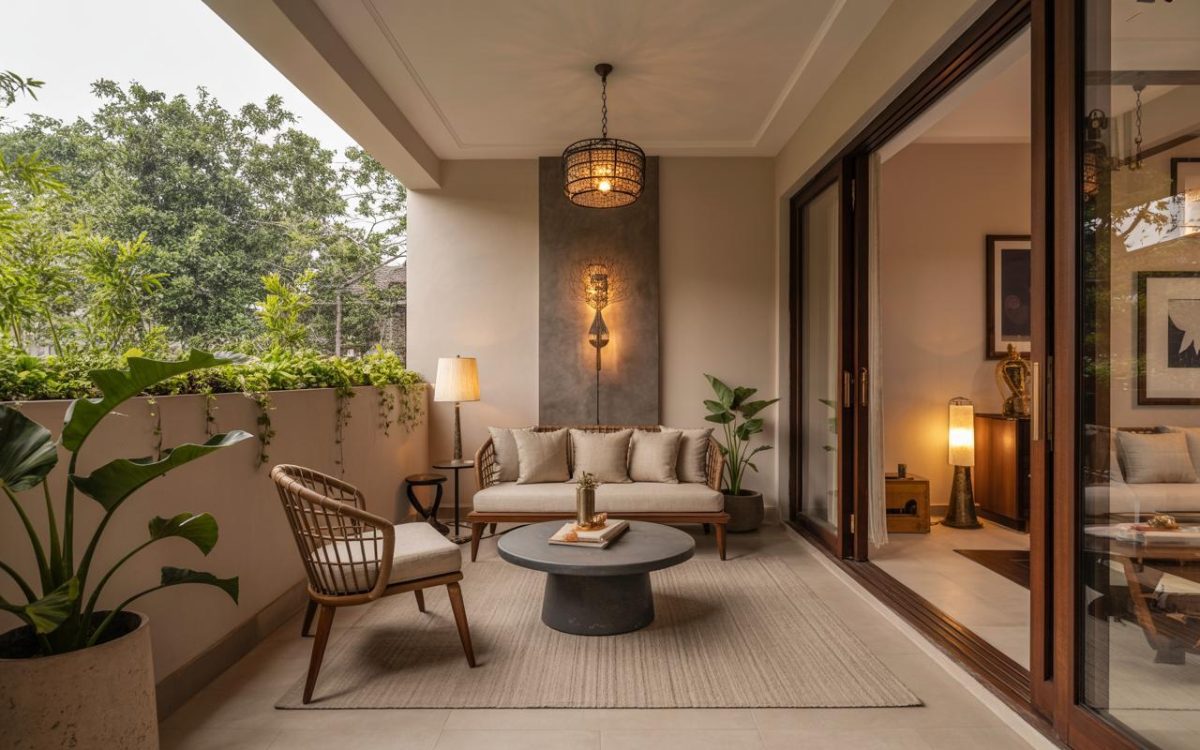
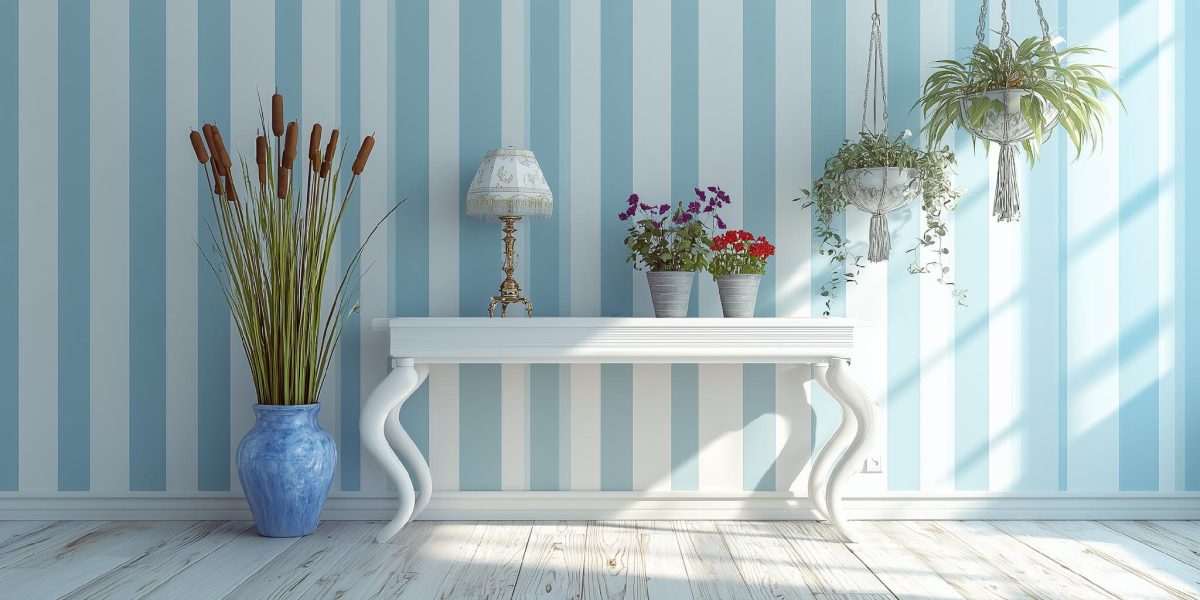
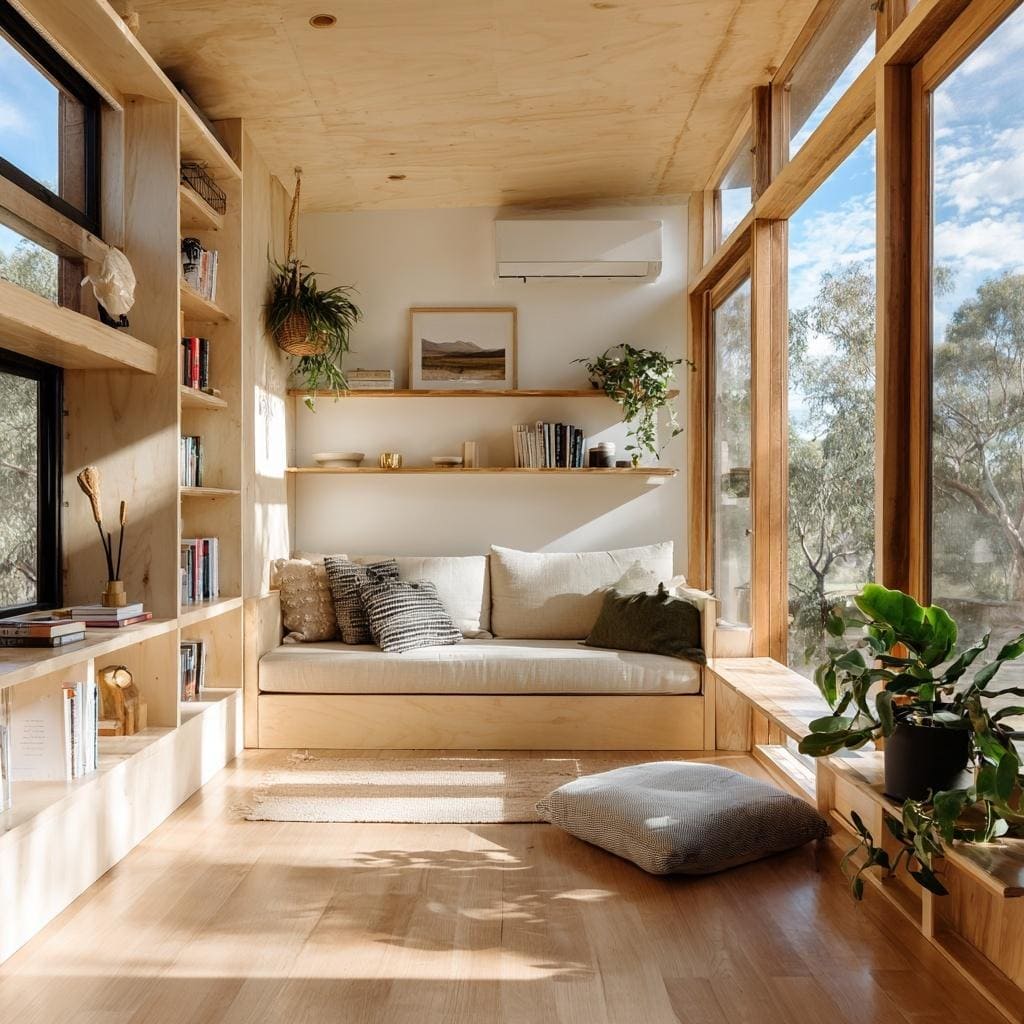
Eco-friendly living room wood furniture with greenery and warm modern design
Your living room is where most families really live. Family chats, evening tea, weekend films, unexpected guests….the list goes on! So why not make it a healthier and more responsible space?
An eco-friendly living room supports:
Better indoor air quality through low-VOC finishes and natural fabrics
More long-lasting furniture, that naturally reduces waste and replacement costs
Lower environmental impact thanks to responsibly sourced materials
Many homeowners today are actively searching for eco-friendly living room ideas that balance beauty with responsibility. The surprise is how elegant these choices can look. Sustainability is no longer rustic or basic. It can feel refined, cosy, and very modern.
Sustainable Furniture Choices for Your Living Room
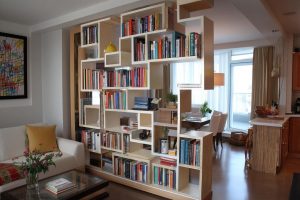
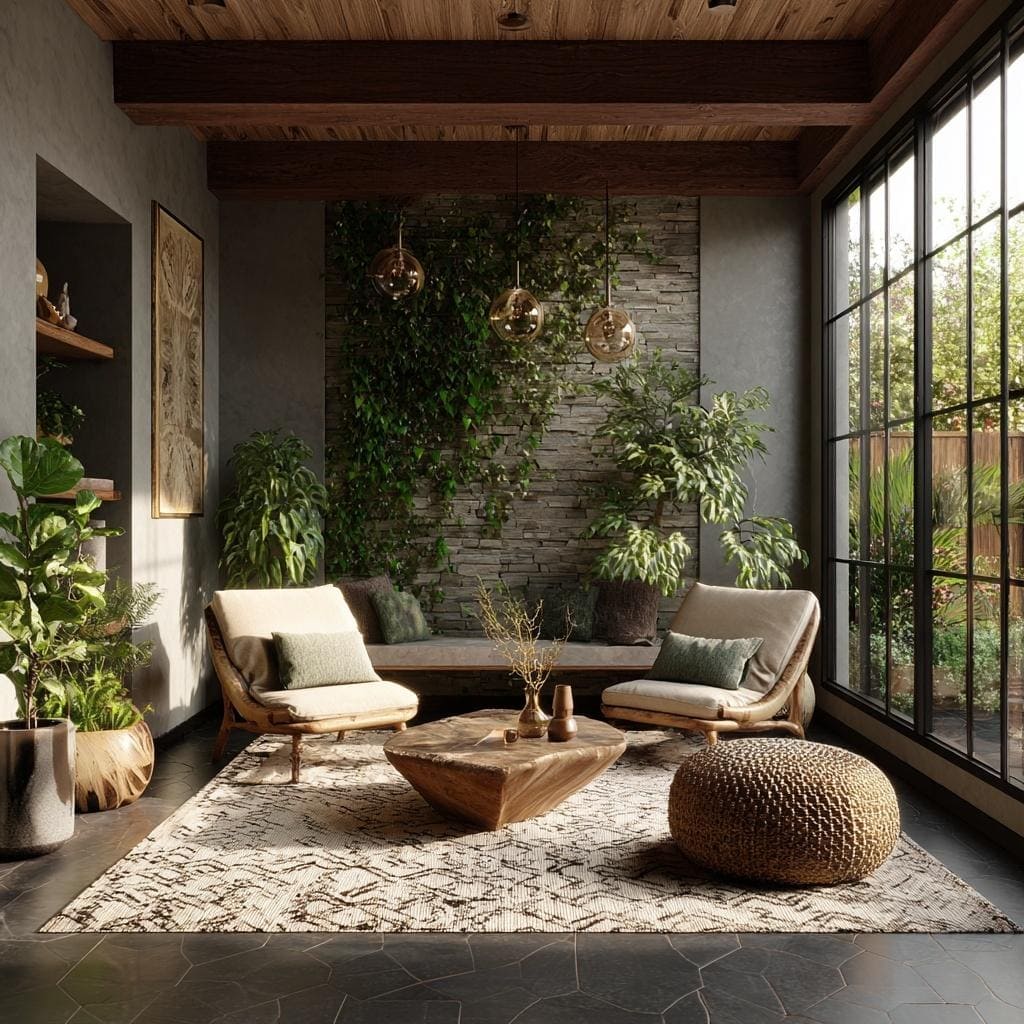
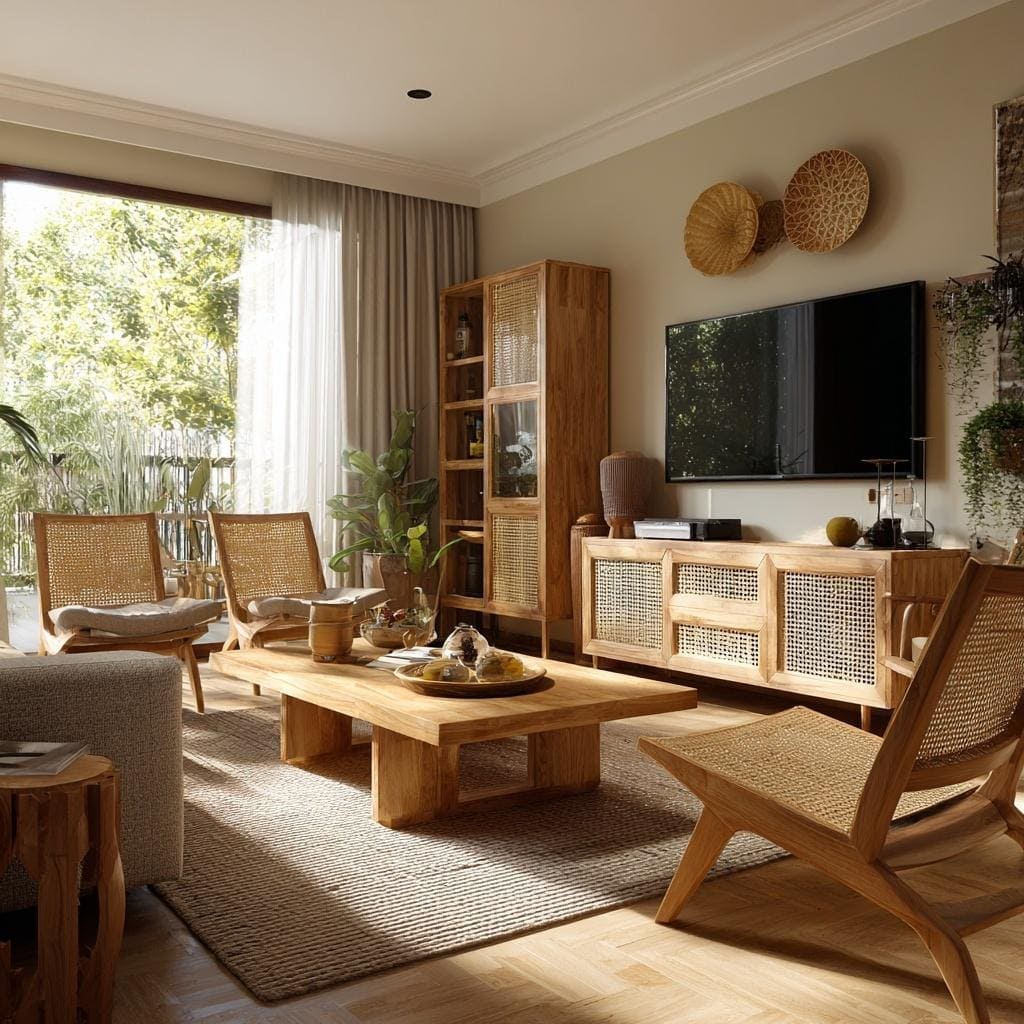
Environmentally friendly living room design with greenery and warm natural textures
Furniture is the heart of your living room, so let’s start here. Instead of focusing only on trends, ask a simple question. Will this piece last for years?
Look for:
Solid wood from certified sources rather than particleboard
Reclaimed timber pieces with character and durability
Bamboo or cane furniture, that’s known to be quick-growing and highly renewable
Upholstery in organic cotton, linen, or recycled blends
Well-crafted eco-friendly living room wood furniture brings warmth while reducing demand for freshly cut hardwood forests.
If you are planning a full interior design for the living room, choose fewer but better-quality pieces. A sturdy sofa, a timeless coffee table, and versatile storage often work better than filling the room with short-lived décor.
Some homeowners worry sustainable means expensive. Not always. Smart simple eco-friendly living room ideas include refurbishing existing furniture, reupholstering instead of replacing, or sourcing vintage pieces that already have a story.
Eco-Conscious Decor and Accessories
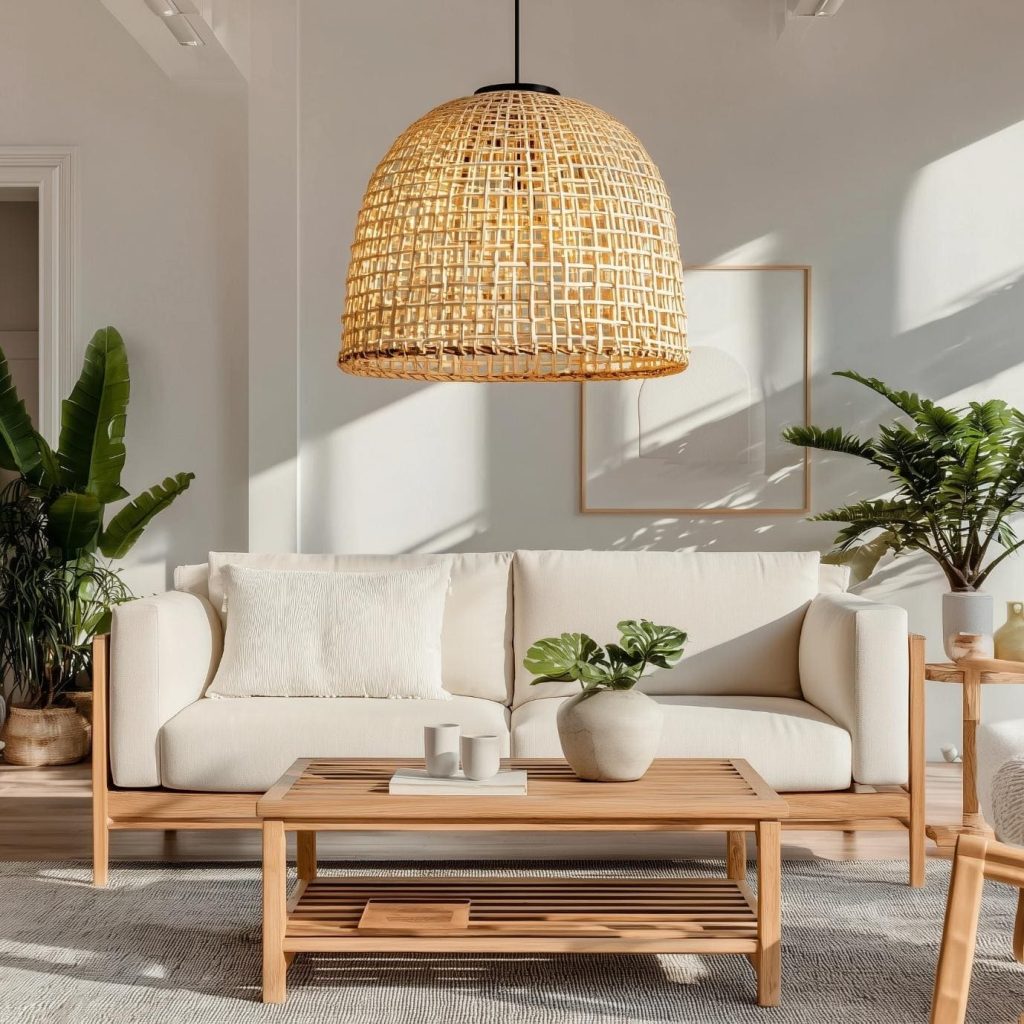
Simple eco-friendly living room ideas with wood accents and calming natural light
Once your furniture is sorted, add personality to your room through smaller touches. This is where sustainability can feel playful and creative.
Try these environmentally friendly living room ideas:
Handwoven dhurries made from natural fibres
Cushion covers crafted by local artisans
Terracotta, ceramic, or recycled glass décor
Indoor plants that purify air and soften the room
Thoughtful environmentally friendly living room decor feels more personal than mass-produced accessories. A handmade lamp or reclaimed wood frame has a quirky charm that factory perfection is never able to match.
Lighting is another important element. Switch to LED fixtures, maximise daylight with sheer curtains, and position mirrors to reflect natural light deeper into the room.
These small changes reduce electricity use while making your space feel brighter and more welcoming.
Beyond Products: Sustainable Practices for Your Living Room
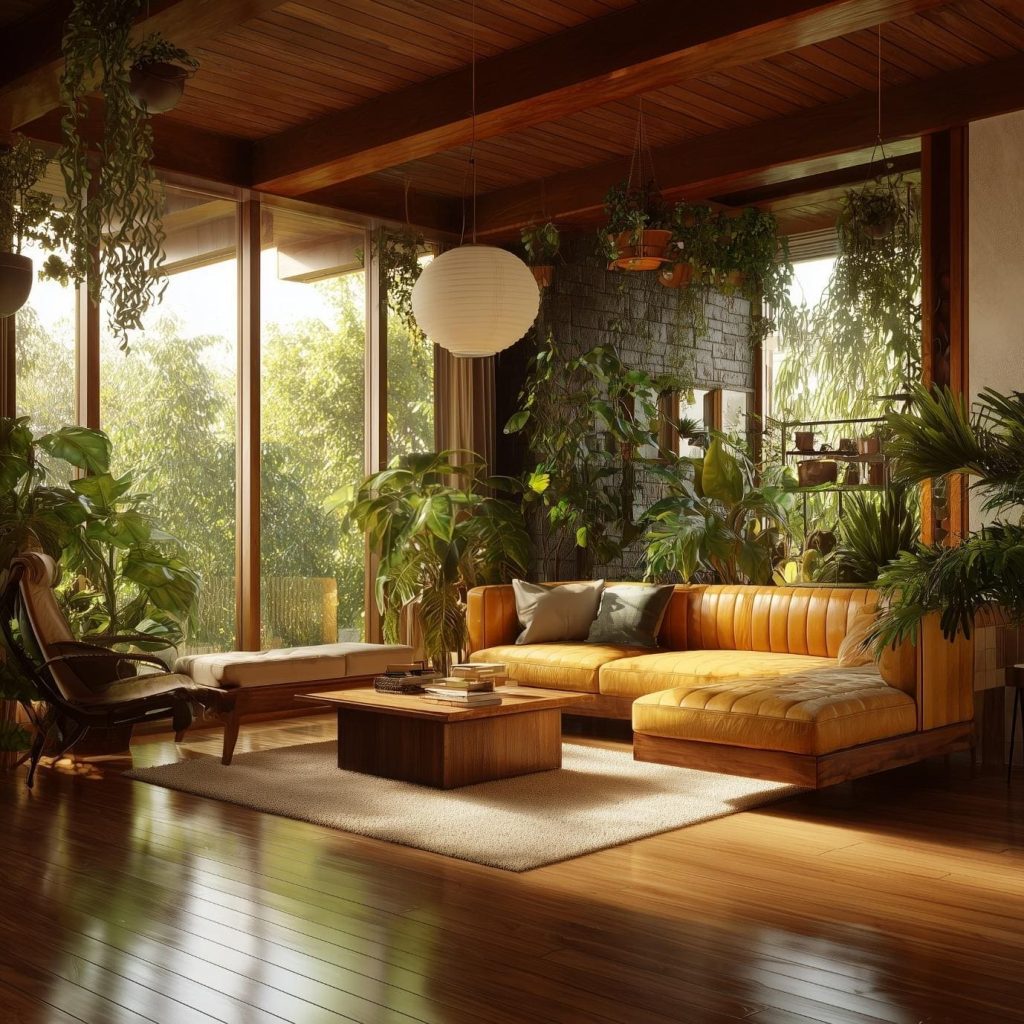
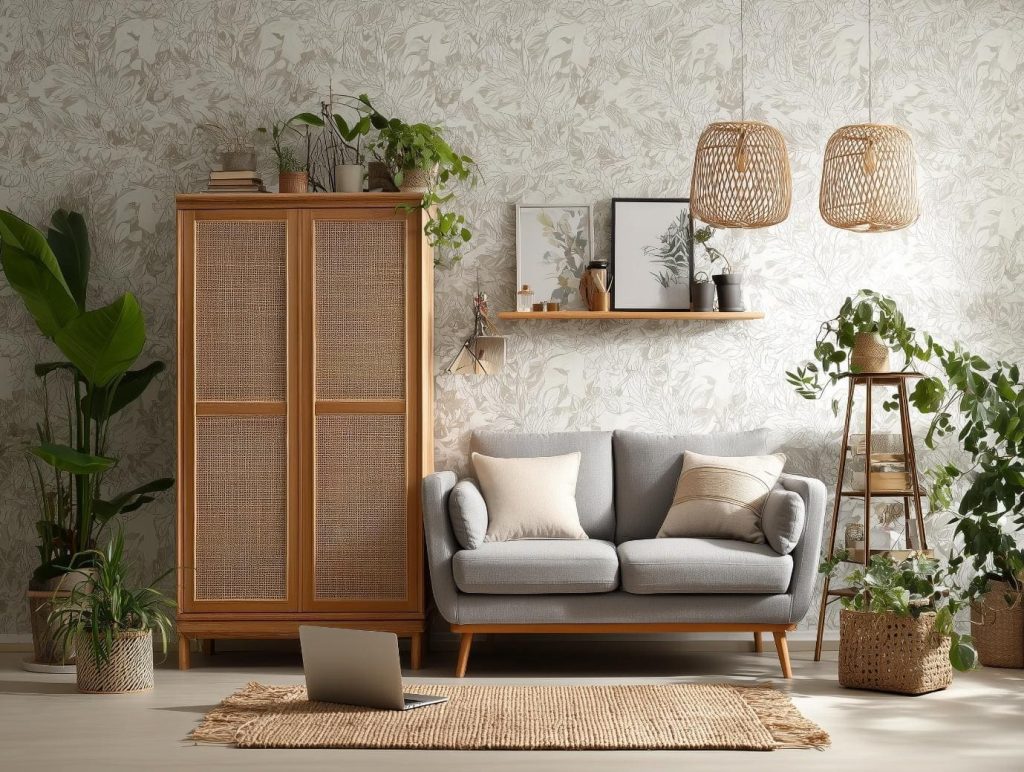
Environmentally friendly living room furniture with wood tones and cozy natural style
Sustainability is not only about what you buy. It is also about how you design and use the space.
Environmentally friendly living room design considers:
Furniture placement that improves airflow and reduces need for fans or cooling
Durable finishes that do not require repainting often
Modular layouts, so you can add on units as your needs change
When planning an interior design living room layout, think long-term. Can the sofa work if you move homes? Can shelves be reused in another room? Flexibility prevents future waste.
Cleaning habits matter too. Natural cleaners, washable slipcovers, and sunlight instead of chemical fresheners help maintain a healthier environment.
Many families are now prioritising environmentally friendly living room furniture not only for sustainability but also for reduced toxins inside the home. Children and pets especially benefit from this shift.
Challenges and Considerations in India
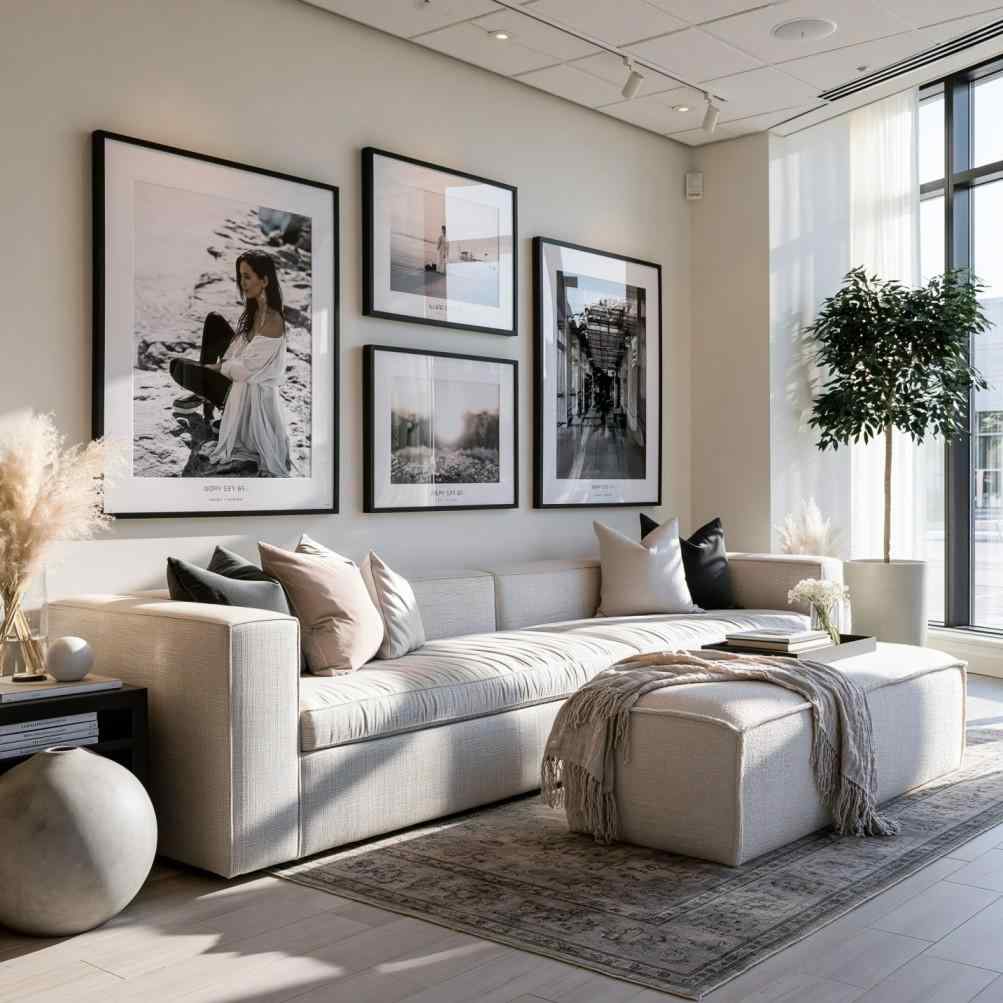
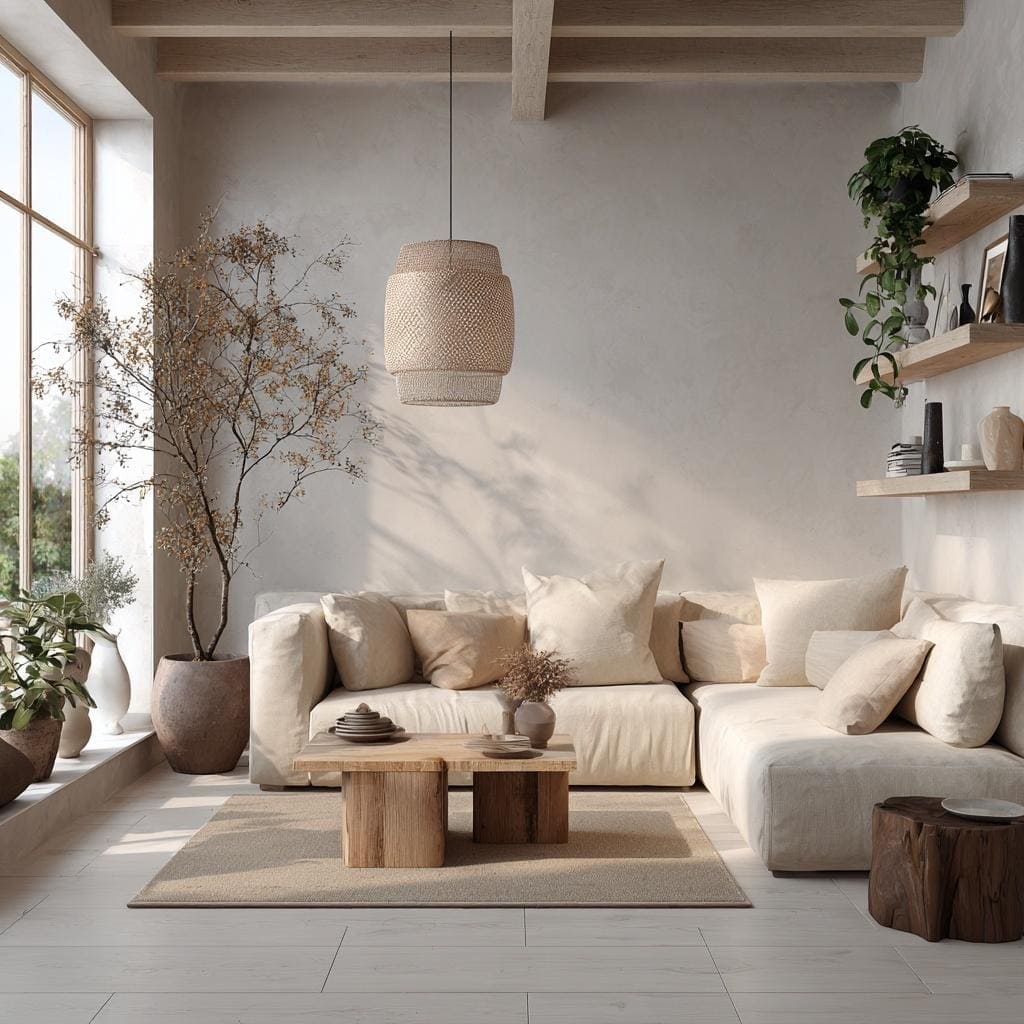
Eco-friendly living room ideas with natural textures and bright minimalist style
When creating a green home in India, you must factor in many challenges. The vagaries of local climate which can be very harsh, dust levels, and availability of materials can influence your interior choices.
Humidity and heat call for breathable fabrics like cotton or linen
Termite protection is a must when choosing natural wood
Locally sourced materials reduce transport emissions and costs
Skilled carpenters can refurbish old furniture beautifully
If you are planning an environmentally friendly living room, try mixing modern sustainable brands with trusted local craftsmanship.
Many homeowners also mix contemporary pieces with hand-me-down furniture. After all, sustainability is as much about preserving memories as protecting nature!
Toward a Green Future
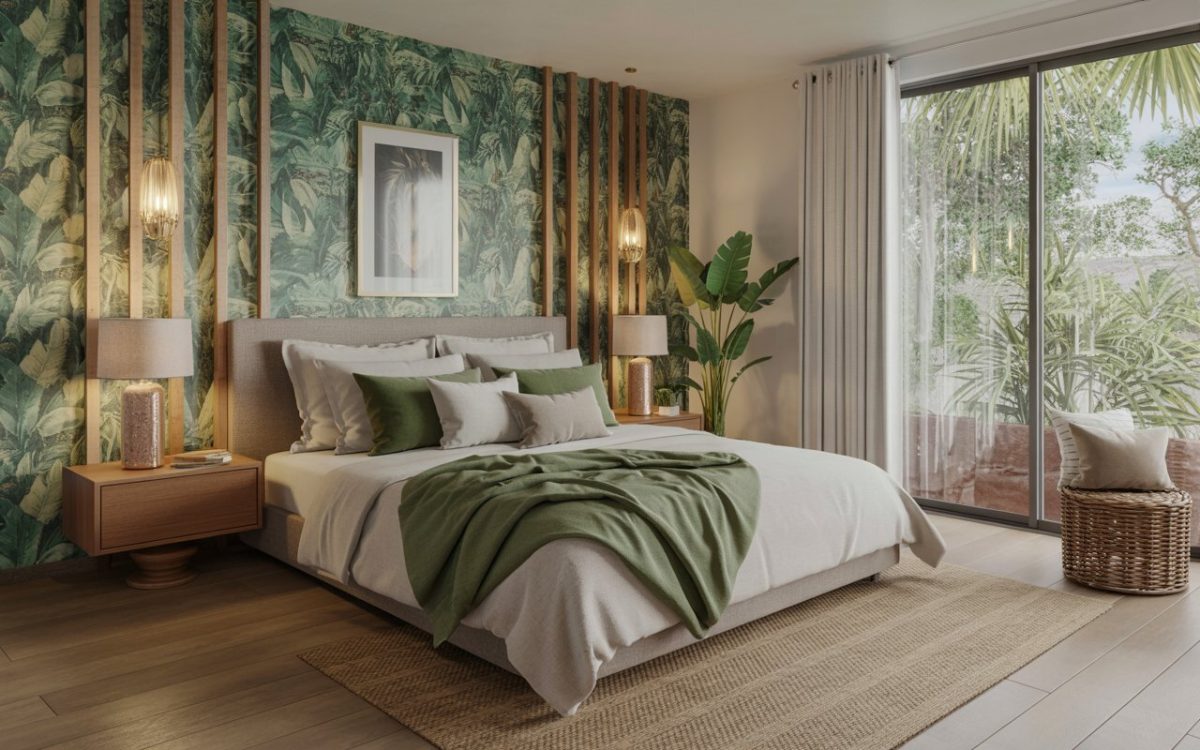
Eco-friendly living room wood furniture with rattan accents and cozy natural vibe
Designing a greener living room is not about making everything picture-perfect; instead, make smaller and more conscious choices! One better sofa choice, one reclaimed table, an easy switch to natural fabrics.
Imagine welcoming guests into a space that looks elegant, feels healthy, and reflects your ethics and values. That is the beauty of eco-conscious design.
Ready to take a deep dive into sustainable materials and smarter layouts? HomeLane can help you craft a living room interior design that stays thoughtful for decades to come. Why not begin that journey now?
FAQs
1. Which sustainable materials are best for living room furniture?
Solid wood from certified forests, reclaimed timber, bamboo, cane, cork, and metal frames with recycled content are excellent choices. Upholstery in organic cotton, linen, or recycled fabrics improves durability and indoor air quality while lowering environmental impact.
2. How can I design a living room using recycled or upcycled décor?
Start with what you already own. Refinish old tables, repaint wooden chairs, or convert trunks into coffee tables. Add décor made from recycled glass, reclaimed wood frames, or handcrafted textiles. Mixing these elements creates warmth in your living room interior design, while reducing waste.
3. Can eco-conscious design still reflect luxury and style?
Absolutely; sustainability in fact enhances elegance. Natural stone, solid wood, artisan textiles, and thoughtfully curated lighting create a refined atmosphere. Hand-pick organic materials, sustainable processes, and timeless colours; and don’t go into decoration overkill!
4. How can I reduce my living room’s carbon footprint through design choices?
Choose durable furniture, locally sourced materials, LED lighting, and natural ventilation. Avoid frequent replacements by selecting timeless designs. Even small actions like washable fabrics and energy-efficient lighting significantly reduce long-term impact.
5. What are the benefits of using bamboo, cork, reclaimed wood and so on in your living room interior design?
Bamboo grows quickly, cork regenerates without cutting trees, and reclaimed wood reduces demand for fresh timber. All three materials add texture, warmth, and character while lowering environmental strain compared to newly harvested hardwoods.










 EXPLORE MORE