Kitchen Dado Tiles: Designs, Height, Sizes and Price Guide for Indian Homes
By Usha Balasubramanyan- August 25, 2026
AI Summary
3 key insights · 1 expert tip
Kitchen dado tiles protect the wall above the counter from stains and moisture, and choosing the right size, height and finish keeps daily cleaning easy while still looking finished.
Key Insights:
What You'll Read Here:
Larger tiles or slabs with fewer grout lines create a seamless, easier-to-clean look, while small tiles like subway tiles add detail but trap more dirt in the joints.
Standard dado height in Indian kitchens is 2 to 2.5 feet above the counter up to the overhead cabinets, extending to 3 to 4 feet or full wall height for heavier cooking or kitchens without overhead units.
For a typical 30 to 50 sq ft dado area, total costs range from roughly Rs. 3,000 to Rs. 40,000 or more depending on material and finish, with labour and grout adding another 20 to 30%.
HOMELANE EXPERT TIPBy our design team
Ask for epoxy grout rather than standard cement-based grout on kitchen dado joints, because epoxy resists oil staining and doesn't need periodic resealing, which matters far more in a wall that sees daily splattering than in floor or bathroom grout.
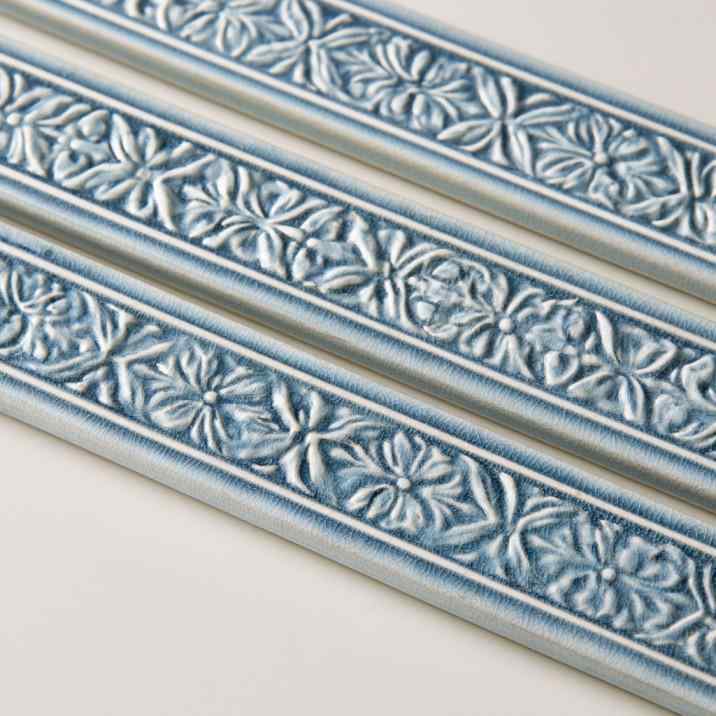
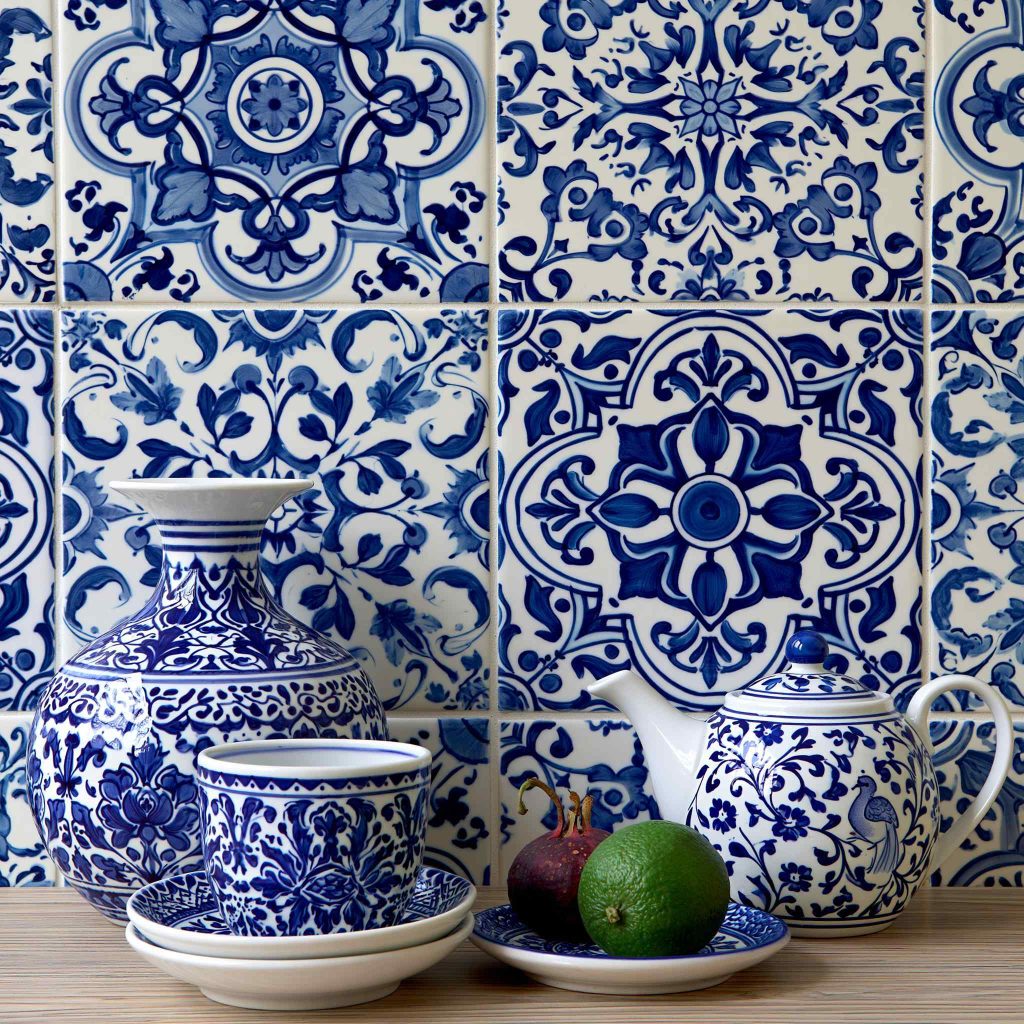
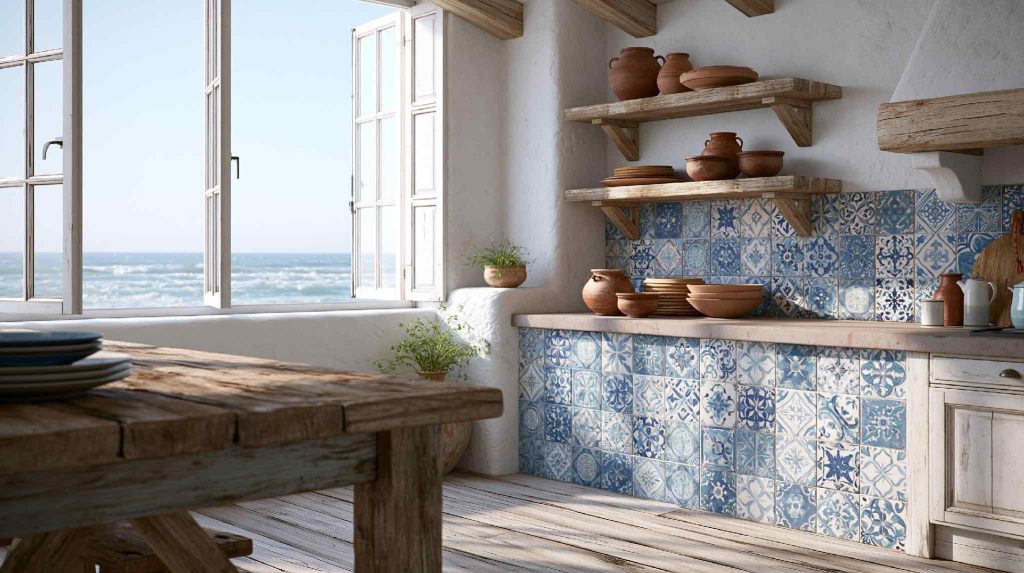
Decorative blue and white kitchen dado tiles add old-world charm
Kitchen walls go through the most wear in any part of the home. From oil splashes to moisture and daily cleaning, this is where finishes are tested the most. That’s why choosing the right kitchen dado tiles is not just about looks, but about durability and ease of maintenance.
A well-planned dado protects your walls, simplifies cleaning, and adds a clean, finished look to the kitchen.
What Are Kitchen Dado Tiles?
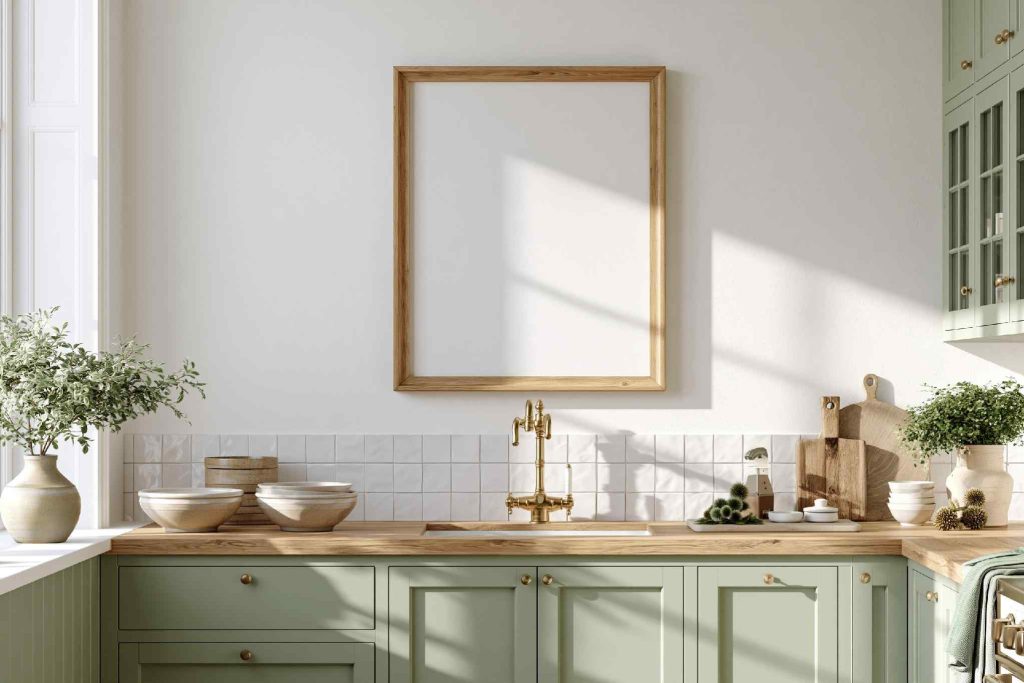
Small square dado tiles above the counter suit compact kitchens
Kitchen dado tiles are the tiles installed on the wall above the countertop, typically between the counter and the overhead cabinets. Their primary function is protection. They prevent stains, grease, and moisture from damaging the wall surface. At the same time, they also contribute to the visual style of the kitchen.
In most Indian kitchens, dado tiles are essential because of heavy cooking and frequent cleaning.
Kitchen Dado Tiles Texture: Gloss vs Matte vs Satin
Small dado tiles create more grout lines needing regular cleaning
Texture affects both maintenance and appearance.
Gloss finish Easy to clean and reflects light Best for small kitchens Trade-off:Shows smudges and fingerprints easily
Matte finish Softer look, hides marks better Best for low-maintenance setups Trade-off:Slightly harder to clean grease
Satin finish Balanced option between gloss and matte Best for everyday use
Your kitchen dado tiles texture should match how often you cook and clean.
Seamless Kitchen Dado Tiles: How to Achieve the Look
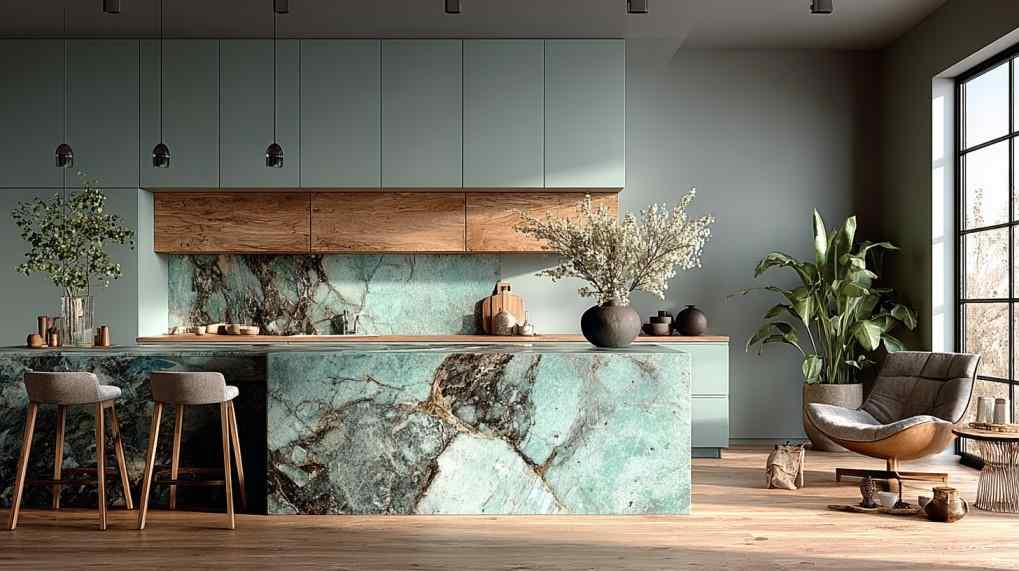
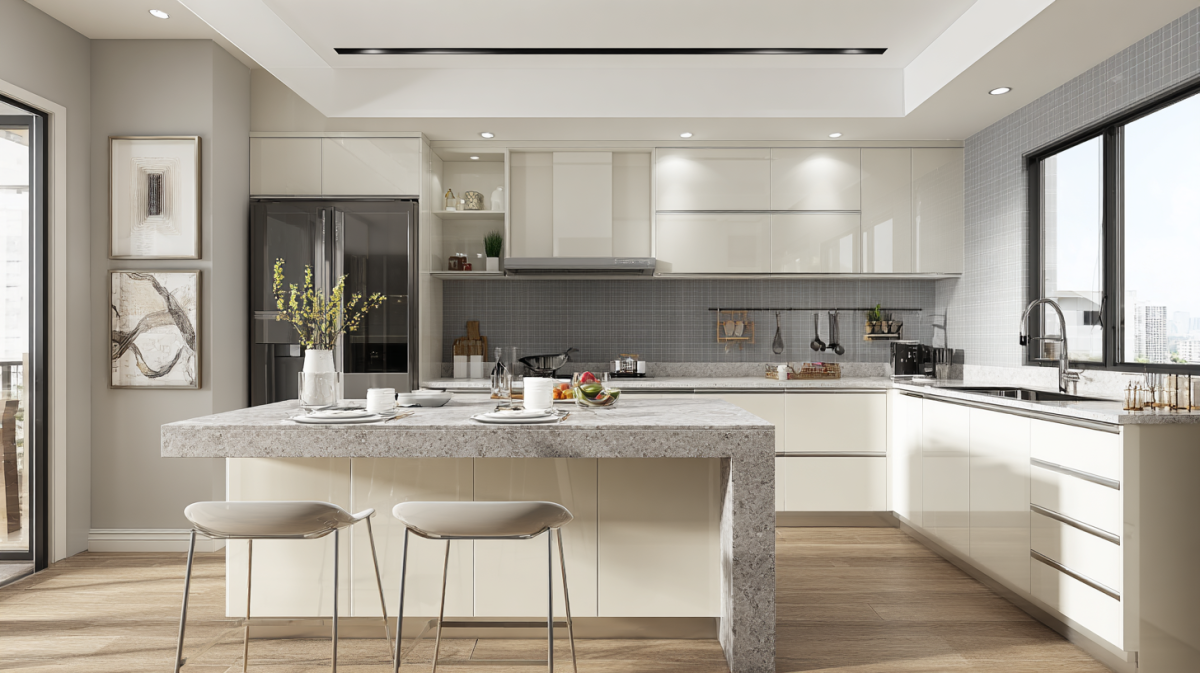
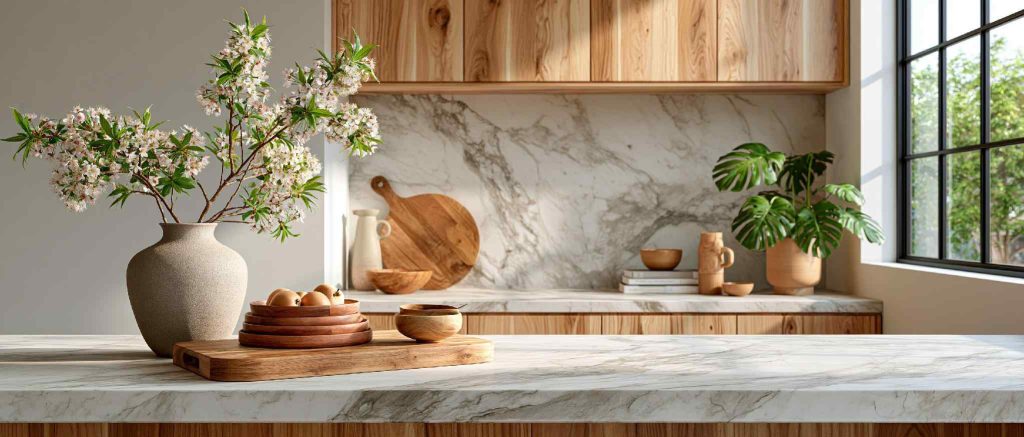
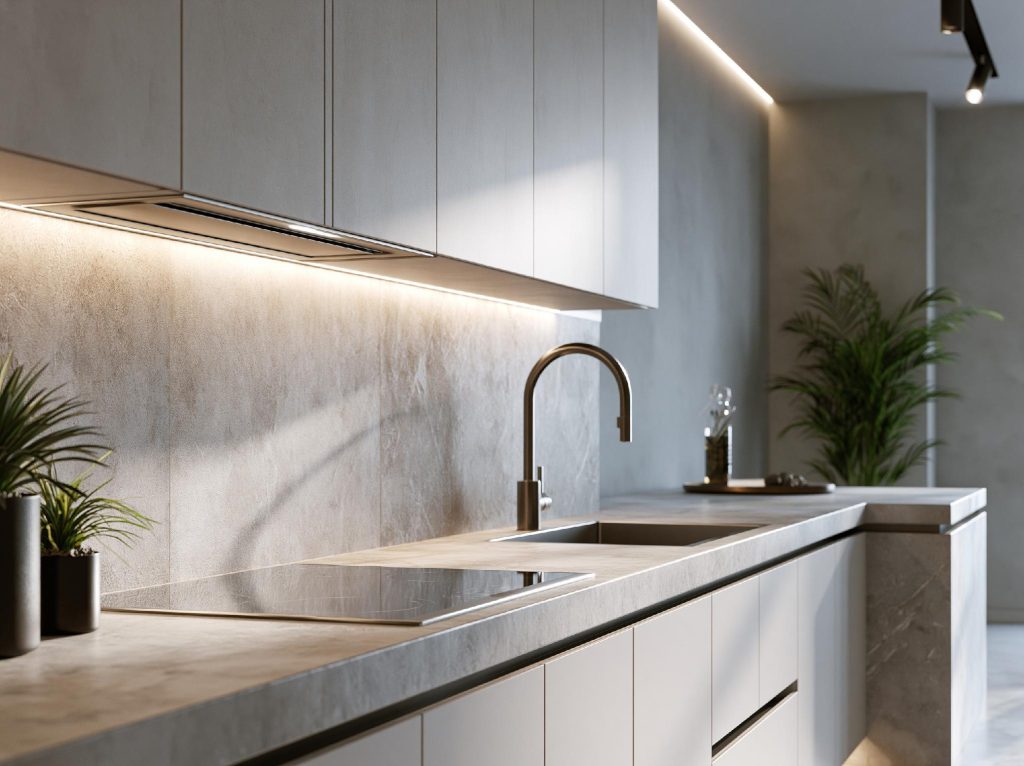
Seamless marble slab dado tiles give a modern, joint-free look
When it comes to kitchen dado tiles, a seamless aesthetic makes the kitchen feel larger and more modern. This is achieved by using larger tiles or slabs with minimal grout lines. Fewer joints mean less dirt accumulation and easier cleaning.
Light-coloured grout matching the tile also helps reduce visual breaks. Seamless designs work especially well in compact kitchens where too many lines can make the space feel busy.
Kitchen Dado Tiles Sizes: Which Format Works Best?
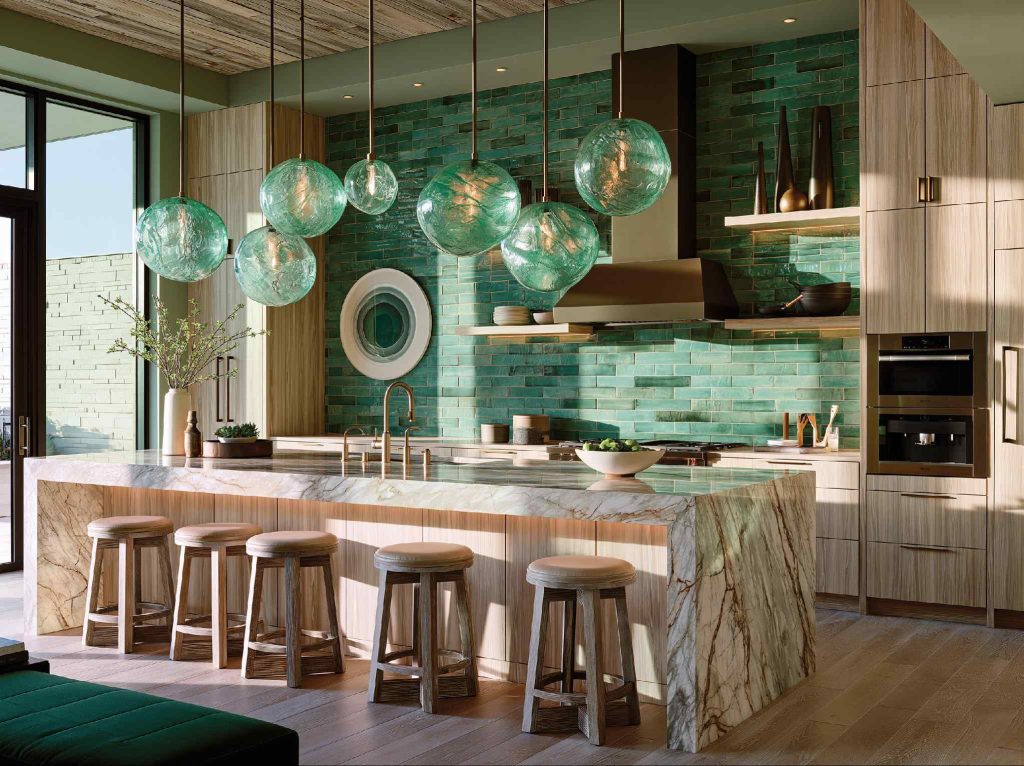
Textured green dado tiles bring bold colour to modern kitchens
Tile size directly impacts both design and maintenance.
Small tiles (2×2 or subway tiles) More joints, more detailing Best for:decorative kitchens
Medium tiles (2×4 feet approx.) Balanced look Best for:most Indian kitchens
Large-format tiles/slabs Minimal joints, cleaner look Best for:modern kitchens
As a rule of thumb, fewer grout lines mean easier maintenance, especially in high-use kitchens.
Recommended Kitchen Dado Tiles Height (Important)
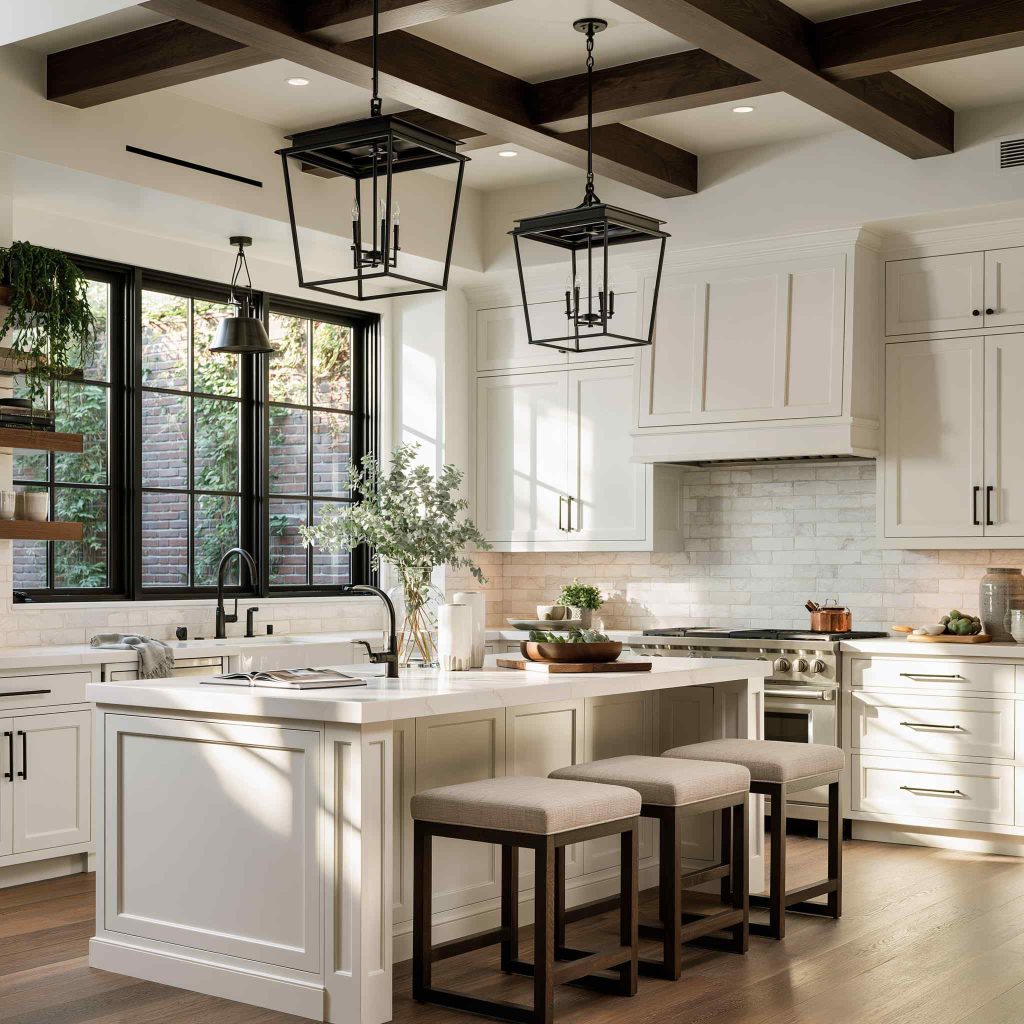
Light stone-effect dado tiles suit classic white kitchen designs
Height is one of the most important practical decisions. In most Indian kitchens, the standard kitchen dado tiles height is 2 to 2.5 feet above the countertop, typically up to the bottom of the overhead cabinets.
In kitchens without overhead units, dado height can go up to 3–4 feet, or even full wall height for easier cleaning. The choice depends on cooking habits: heavy cooking setups benefit from higher coverage.
Total Cost Estimation for a Standard Indian Kitchen Dado
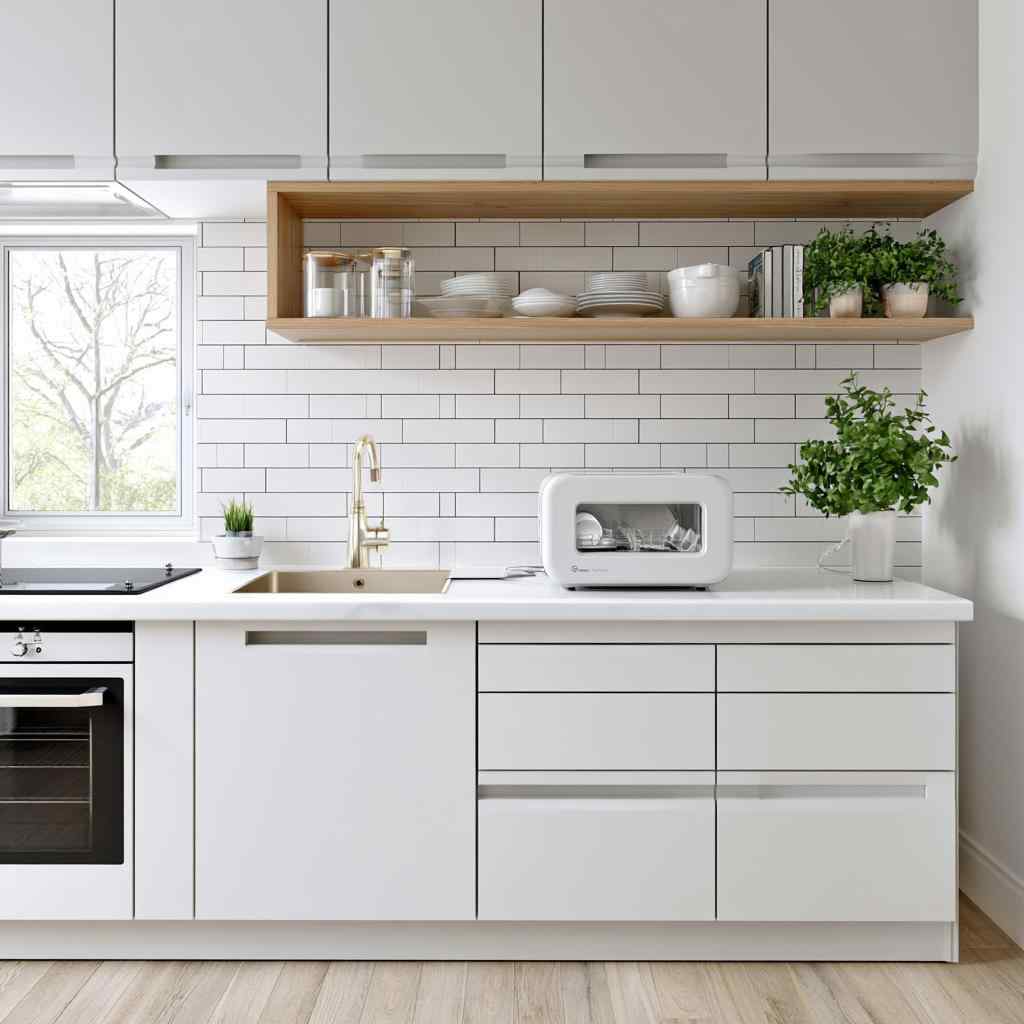
Classic white subway dado tiles offer an easy-to-clean finish
Your kitchen dado tiles price depends on material, size, and finish.
Basic ceramic tiles→ INR 40–INR 80 per sq ft
Vitrified tiles→ INR 80–INR 150 per sq ft
Designer or textured tiles→ INR 150–INR 400+ per sq ft
Large slabs or premium finishes→ INR 400–INR 1200+ per sq ft
For a typical kitchen (30–50 sq ft dado area), the total cost can range from INR 3,000 to INR 40,000+, depending on material and finish.
Labour, grout, and installation can add another 20–30% to the total.
A Real HomeLane Project: What Worked and Why
Large-format grey dado tiles minimise joints for easy upkeep
In a 2BHK kitchen in Mumbai, the homeowners initially chose small patterned tiles for the dado. However, due to heavy cooking, the grout lines became difficult to maintain. The design team replaced them with larger kitchen wall dado tiles in a satin finish with minimal joints.
This reduced cleaning effort significantly and made the kitchen look more streamlined without changing the layout.
Design Mistakes That Affect Performance
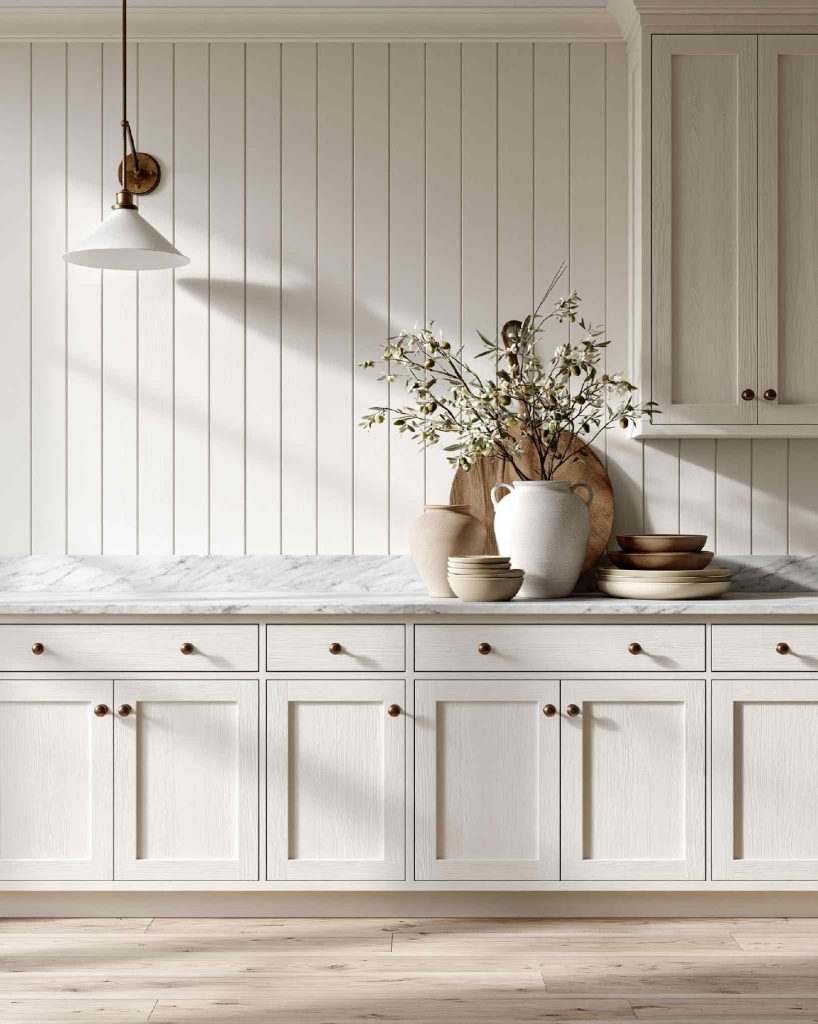
Minimal panelled dado offers a soft, low-maintenance kitchen look
The biggest mistake is choosing tiles based only on appearance. Highly textured tiles can trap grease, making them harder to clean. Too many grout lines increase maintenance effort over time.
Incorrect height is another issue. Low dado coverage can leave walls exposed to stains. The better approach is to prioritise ease of cleaning along with design.
How Lighting and Finish Impact Dado Tiles
Moroccan-style blue dado tiles add decorative charm to kitchens
Lighting changes how dado tiles look and perform. Glossy tiles reflect light, making small kitchens feel larger, but they also highlight smudges under strong lighting. Matte tiles absorb light, creating a softer look but may require more effort to clean grease.
In kitchens with under-cabinet lighting, lighter or satin finishes work best because they balance reflection and visibility. A well-planned kitchen dado tiles design considers both lighting direction and finish to maintain usability over time.
What to Finalise Before You Lock Your Dado Design
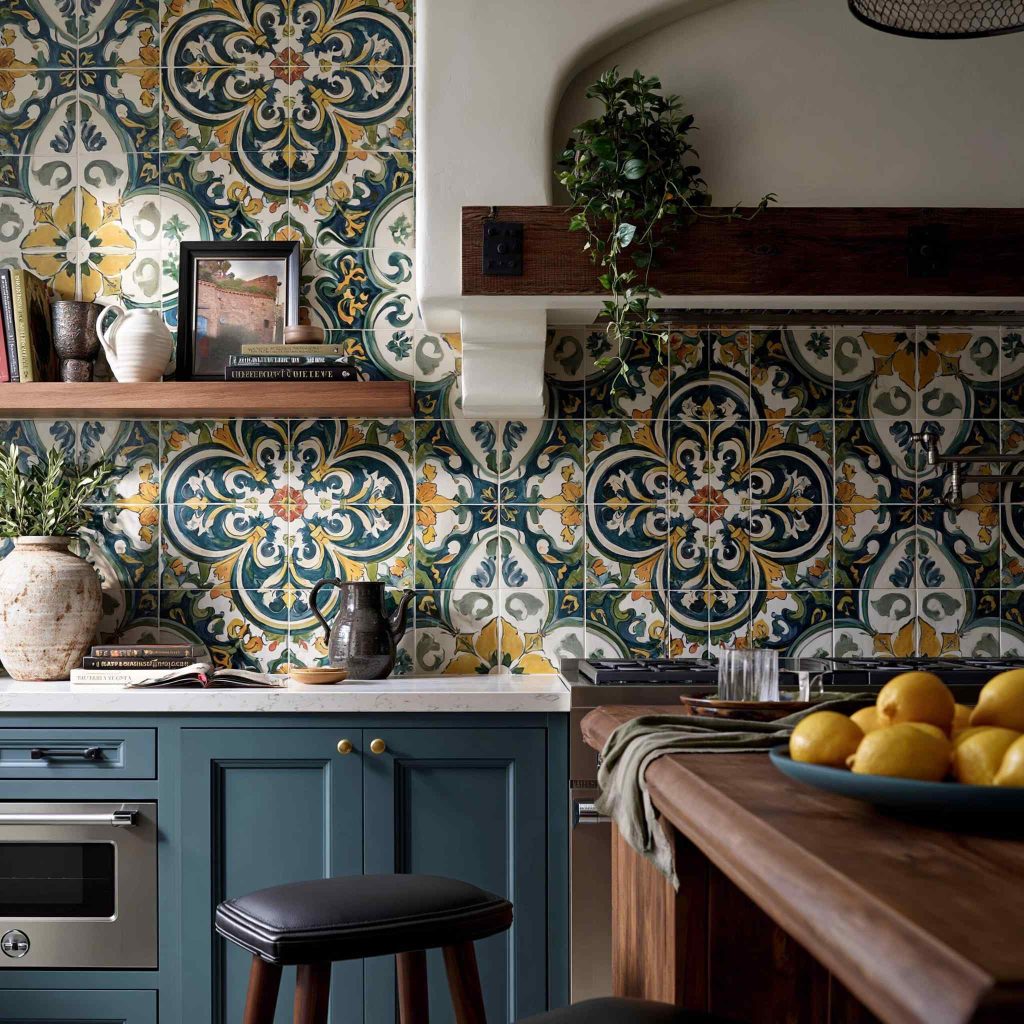
Full-wall patterned dado tiles create a striking kitchen focal point
Before finalising your kitchen dado tiles design, focus on three things.
Check the tile size and number of joints.
Choose a finish based on cleaning needs.
Confirm height based on cooking habits.
Get these right, and the dado will work long-term.
If you want a kitchen that balances design and practicality, book a free consultation with HomeLane. We’ll handpick dado tiles together!
FAQs
1. What is a dado tile in the kitchen?
It is the wall tile installed above the countertop, which protects walls from stains and moisture. This area is most exposed to splashes (hence is also called a backsplash), making dado tiles essential for durability.
2. Are dado tiles waterproof?
Yes, most kitchen tiles are water-resistant. They prevent moisture from damaging walls. Proper installation and grout sealing ensure long-term water protection.
3. Why is it called dado tiles?
The term comes from architectural design. It refers to the lower wall section. In kitchens, it applies to the wall area above the counter.
4. What are the benefits of using dado tiles?
They protect walls, simplify cleaning, and improve appearance, which makes them practical for daily use. They also reduce long-term maintenance compared to painted surfaces.
5. What are the disadvantages of a dado joint?
Too many joints can collect dirt and grease, and this increases cleaning effort. Choosing larger tiles reduces this issue a great deal.
6. Can I use kitchen dado tiles on the full wall?
Yes, full-wall tiling is possible, and it is a good idea as it offers maximum protection and a seamless look. It is especially useful in high-use kitchens where wall exposure is higher.











 EXPLORE MORE