Interior Design for the Humid Climate in India: What Works and What to Avoid
By Usha Balasubramanyan- June 11, 2026
AI Summary
3 key insights · 1 expert tip
Choosing marine-grade plywood, moisture-resistant flooring like tiles or stone, and anti-fungal paints early on protects Indian home interiors from the slow, hidden damage humidity causes over time.
Key Insights:
What You'll Read Here:
Marine-grade BWP or BWR plywood with sealed edges resists swelling far better than raw MDF or particle board, since poorly finished edges are where moisture enters first.
Tiles, vitrified flooring and natural stone resist moisture well, while solid wood flooring expands and cracks in high humidity, and carpets trap moisture and develop odour.
Kitchens and bathrooms need marine plywood or aluminium cabinet structures with sealed edges, strong exhaust ventilation, and countertops in granite or quartz that don’t absorb water.
HOMELANE EXPERT TIPBy our design team
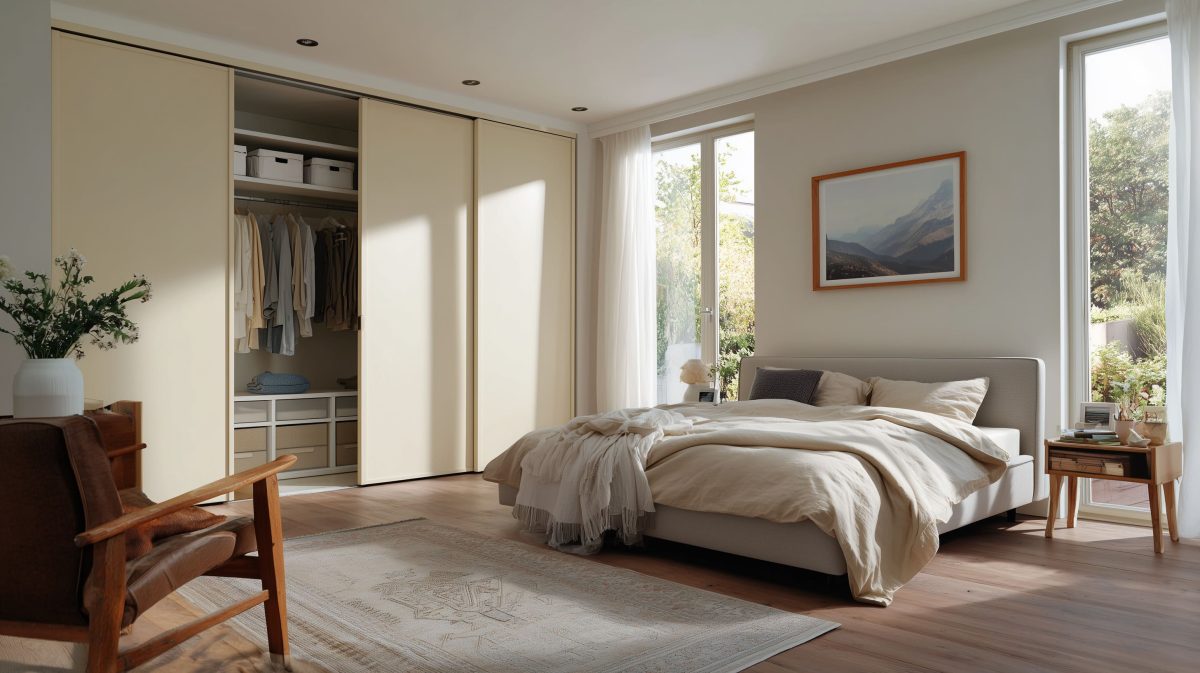
Leave at least a 3 to 5mm gap between the back of built-in wardrobes or cabinets and the wall, rather than mounting them flush, because that small air gap is often enough to stop trapped moisture behind the unit from condensing and causing the back panel to swell first.
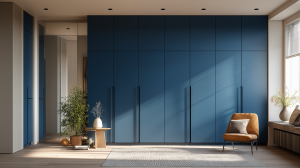
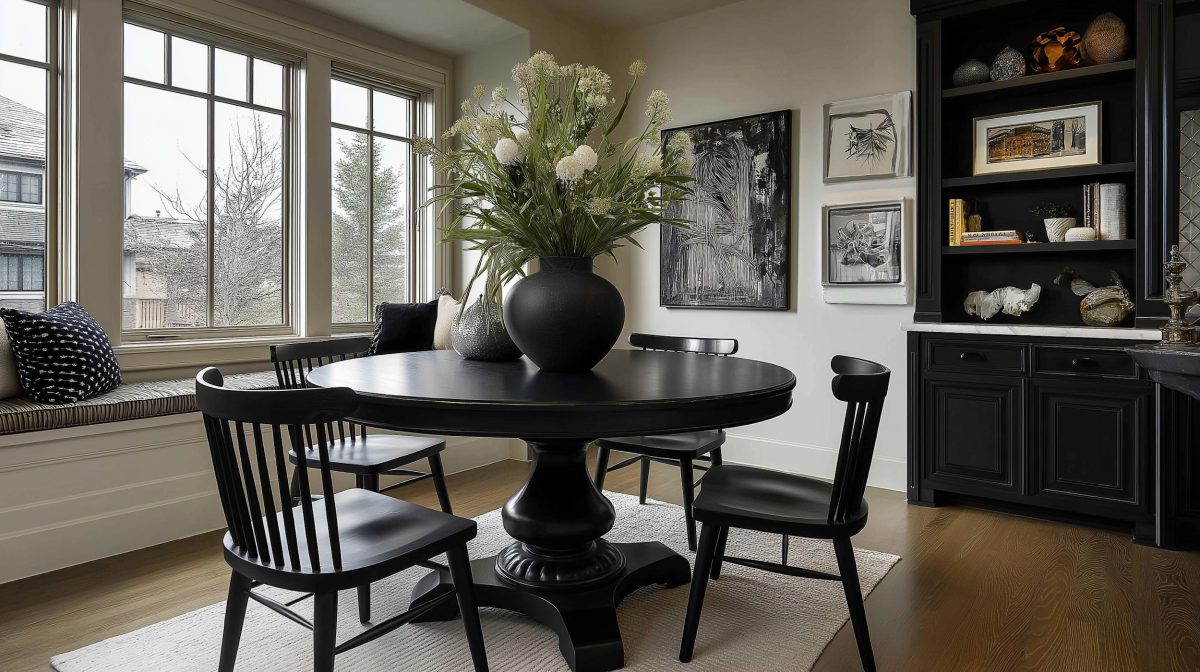
A well-ventilated living room with moisture-resistant paint is key for humid Indian homes.
During the monsoon, there are some homes that can’t shake that damp, slightly sticky air. Wooden doors don’t shut, cabinets are tight, and there’s a faint musty smell you can’t quite ignore. That’s just humidity doing its thing! And in many Indian homes, it’s not just a seasonal issue. The tricky part is, a lot of this damage builds up quietly. And by the time you notice peeling paint or warped furniture, it’s often way too late to do anything about it.
But you can avoid most of this with the right choices upfront. If you’re planning or upgrading home interiors for humid weather in India, a few smart decisions can keep your home looking good and working well, even through the toughest monsoons.
How Humidity Damages Home Interiors
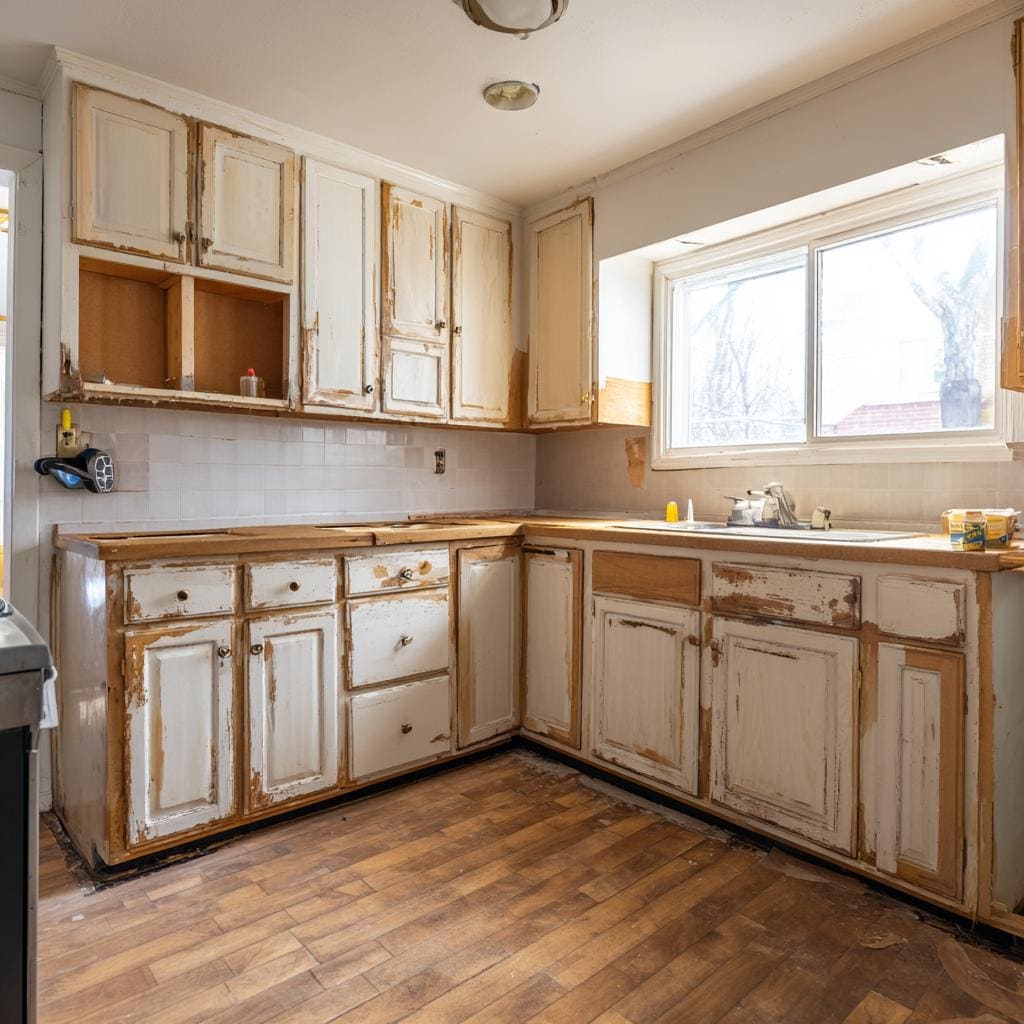
Peeling kitchen cabinets show how humidity damage builds quietly in Indian homes over time.
Humidity doesn’t always show up right away, and that’s what makes it hard to address. It builds slowly and then starts to affect everything.
Wood swells and warps. Laminates begin to lift at the edges. Metal fittings can rust over time. Fabrics hold moisture and develop odour. Even walls start to show patches or peeling paint. When you’re working on interior design for humid coastal areas in India, these issues are common because the air carries moisture almost all year. The damage is not sudden, but it is steady. Once the damp sets in, fixing it becomes much harder. That’s why prevention matters more than repair!
Best and Worst Materials for Humid Indian Interiors
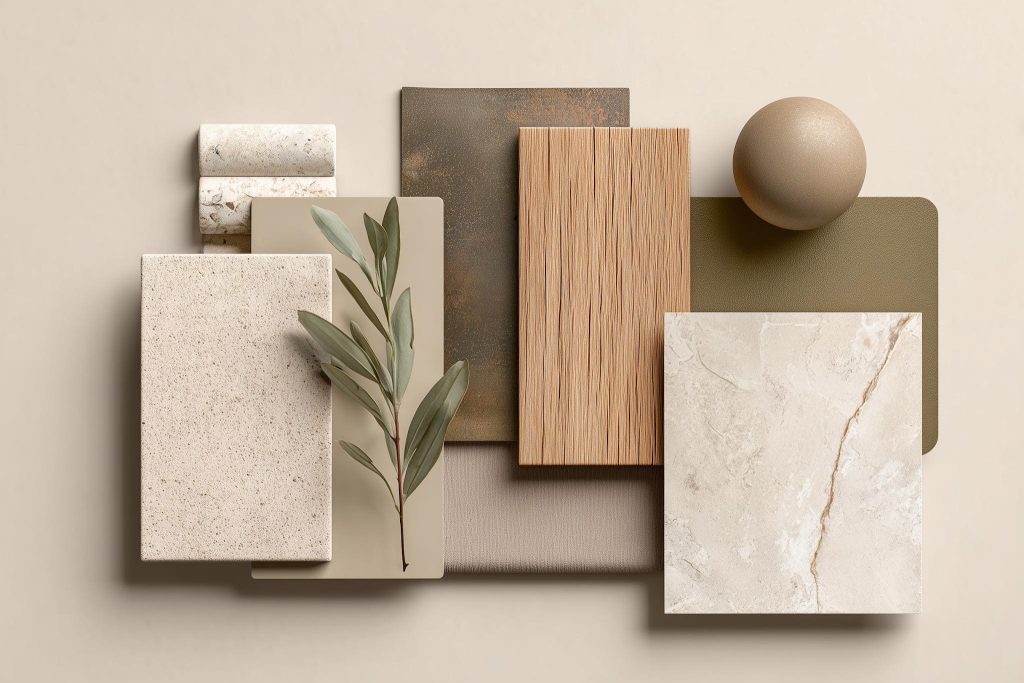
Choosing the right materials like stone, treated wood, and laminates is essential for humid Indian interiors.
Let’s start with materials, because they make the biggest difference!
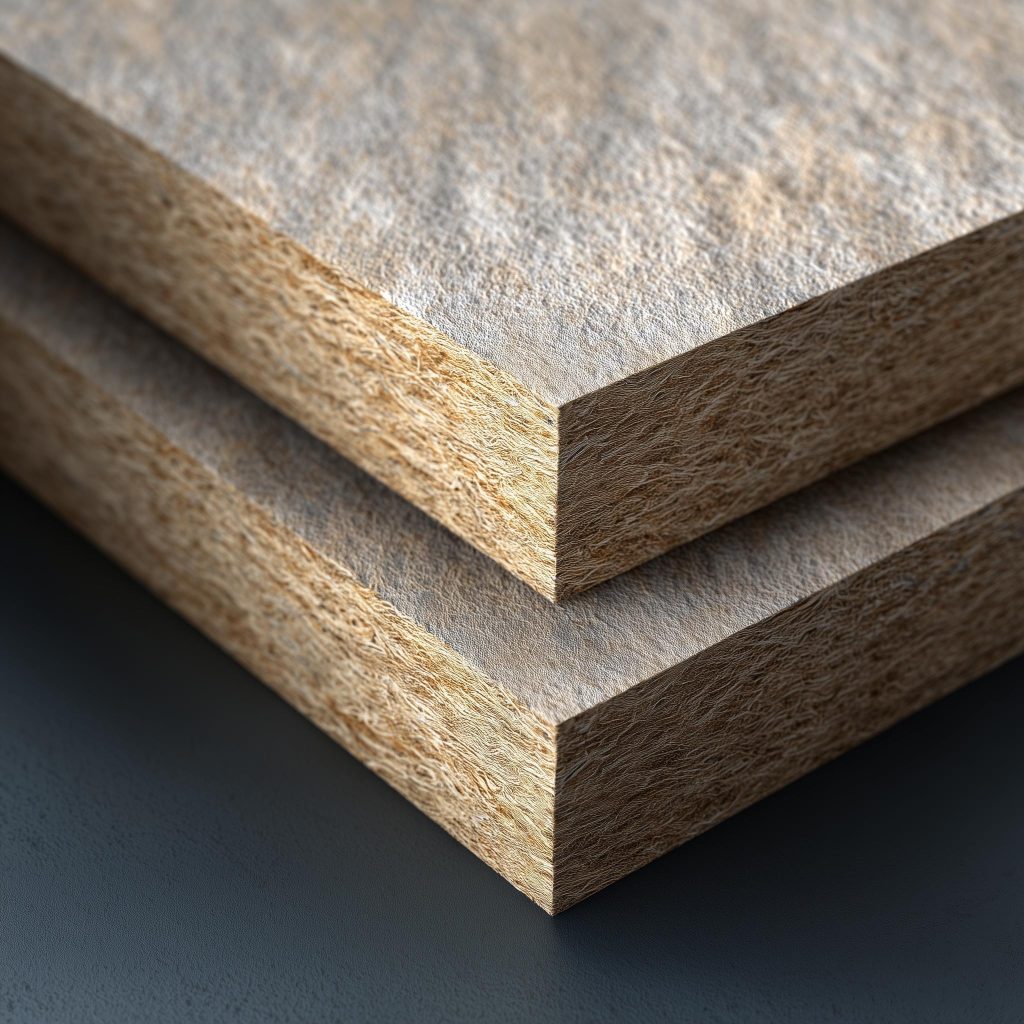
When it comes to the best interior materials for humid climate in India, plywood with proper treatment works better than raw MDF or particle board. Marine-grade plywood is even more reliable in high-moisture zones. Laminates are generally safe, but edge sealing is important. Poorly finished edges are where moisture enters first. Avoid untreated wood, low-quality boards, and materials that absorb moisture easily. They may look fine at the start, but they don’t last.
If you’re aiming for humidity proof interior design in India, material choice is where it begins.
Humidity-Proof Flooring: What to Use and What to Avoid
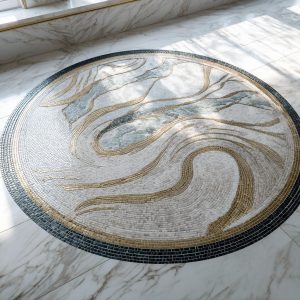
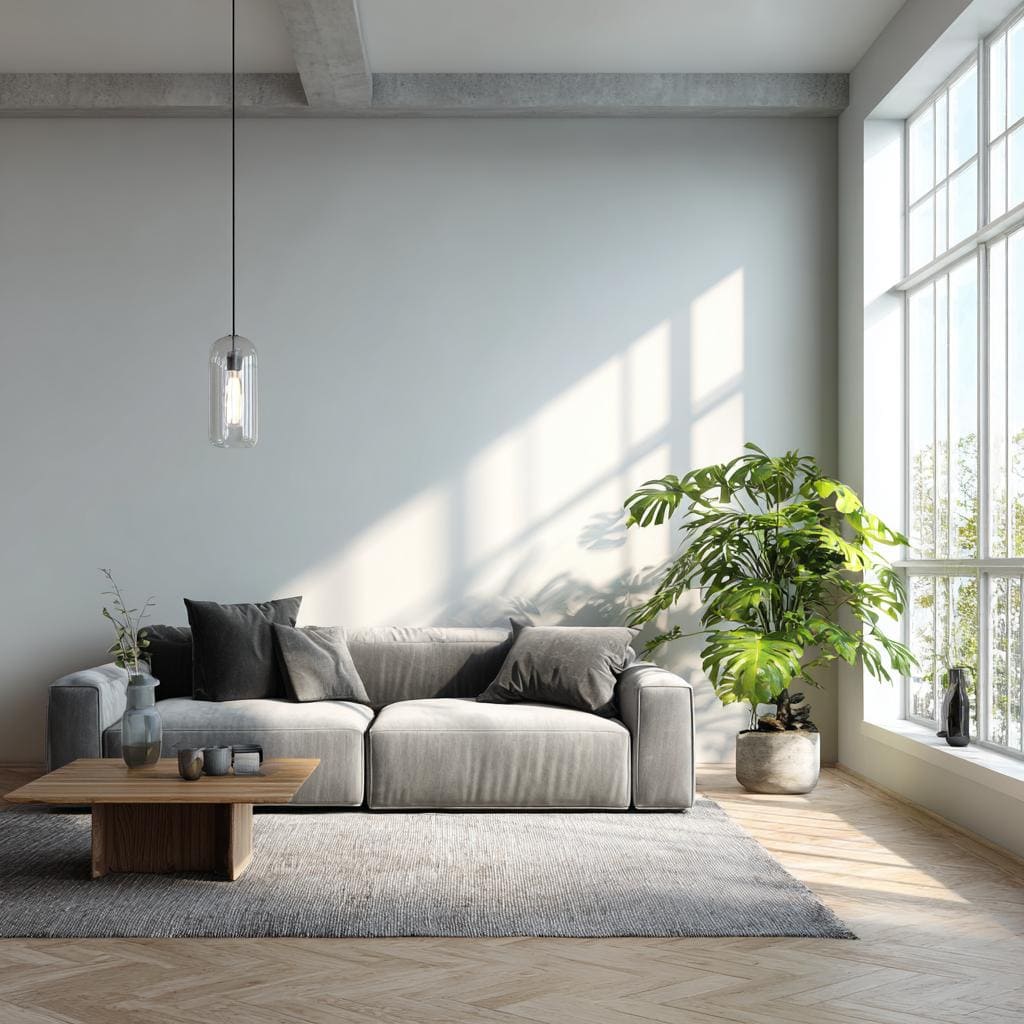
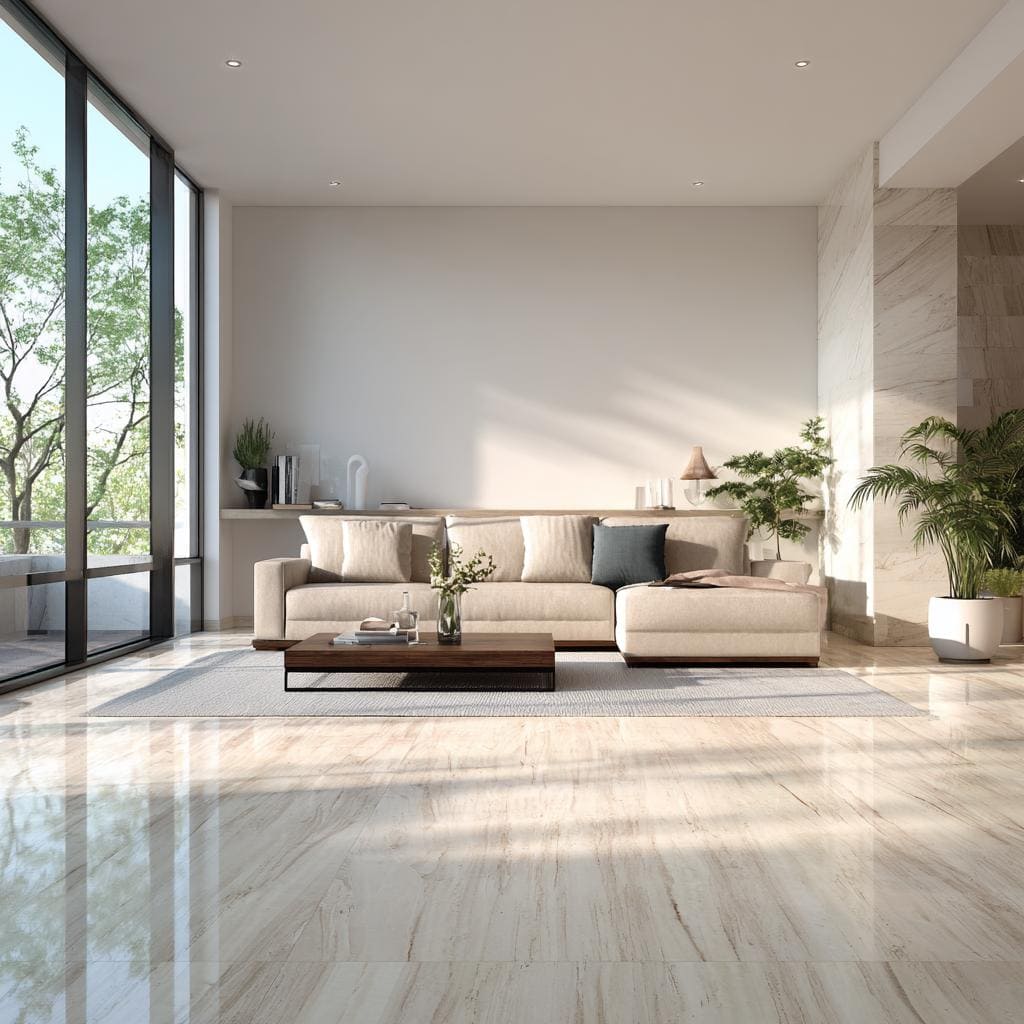
Vitrified tile flooring in a living room is a reliable humidity-proof choice for Indian homes.
Flooring takes a lot of stress in humid conditions.
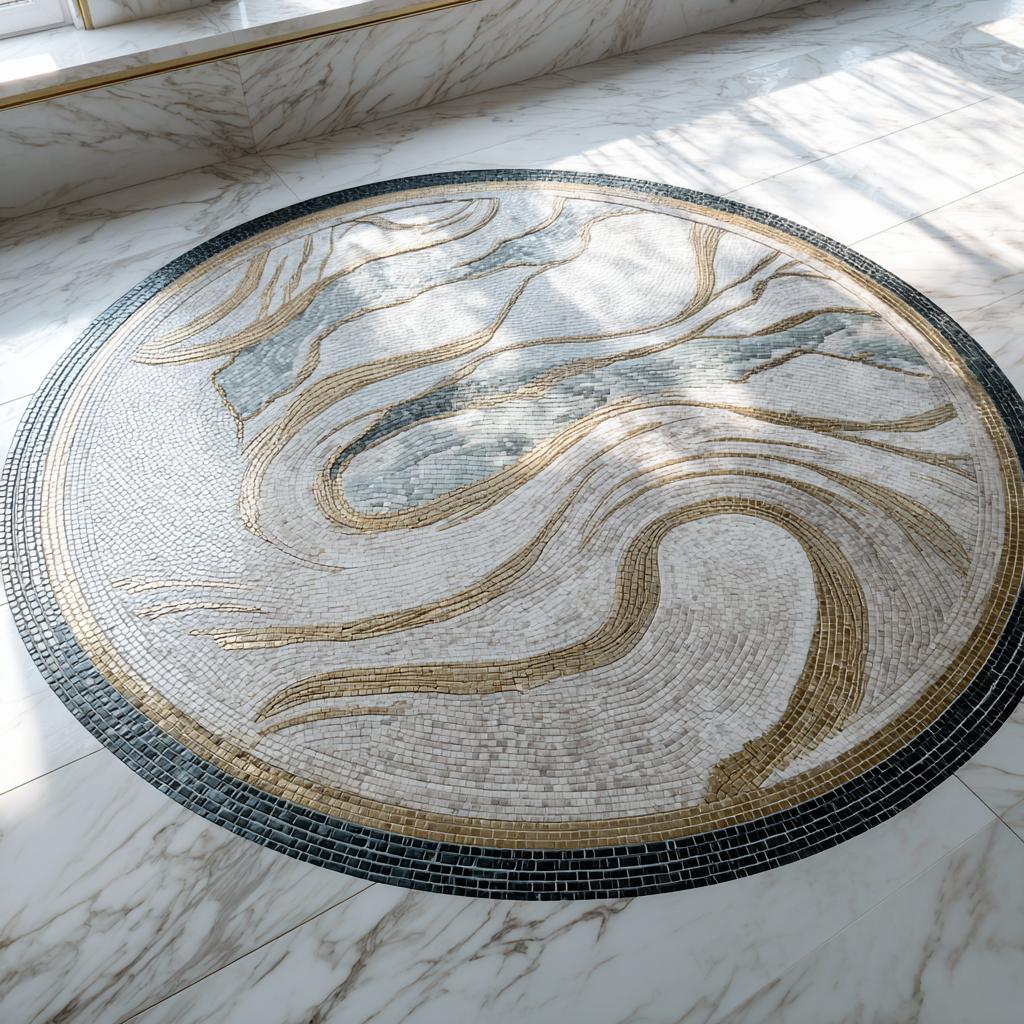
Tiles, vitrified flooring, and natural stone are good choices. They don’t absorb moisture and are easy to maintain. These are reliable options for humidity proof flooring in India, especially in homes that deal with long monsoon seasons or coastal air. If you like the look of wood, engineered wood or high-quality laminates can work, but only with proper installation. A moisture barrier underneath is important. Without it, you may start noticing swelling, gaps, or lifting over time.
Avoid solid wood flooring in high-humidity areas. It reacts to moisture, expands, and can develop cracks. Carpets are also not ideal, as they trap moisture and can develop odour or mildew. A consistent, moisture-resistant floor keeps your home looking stable through changing seasons.
Furniture and Upholstery That Survives Indian Monsoons
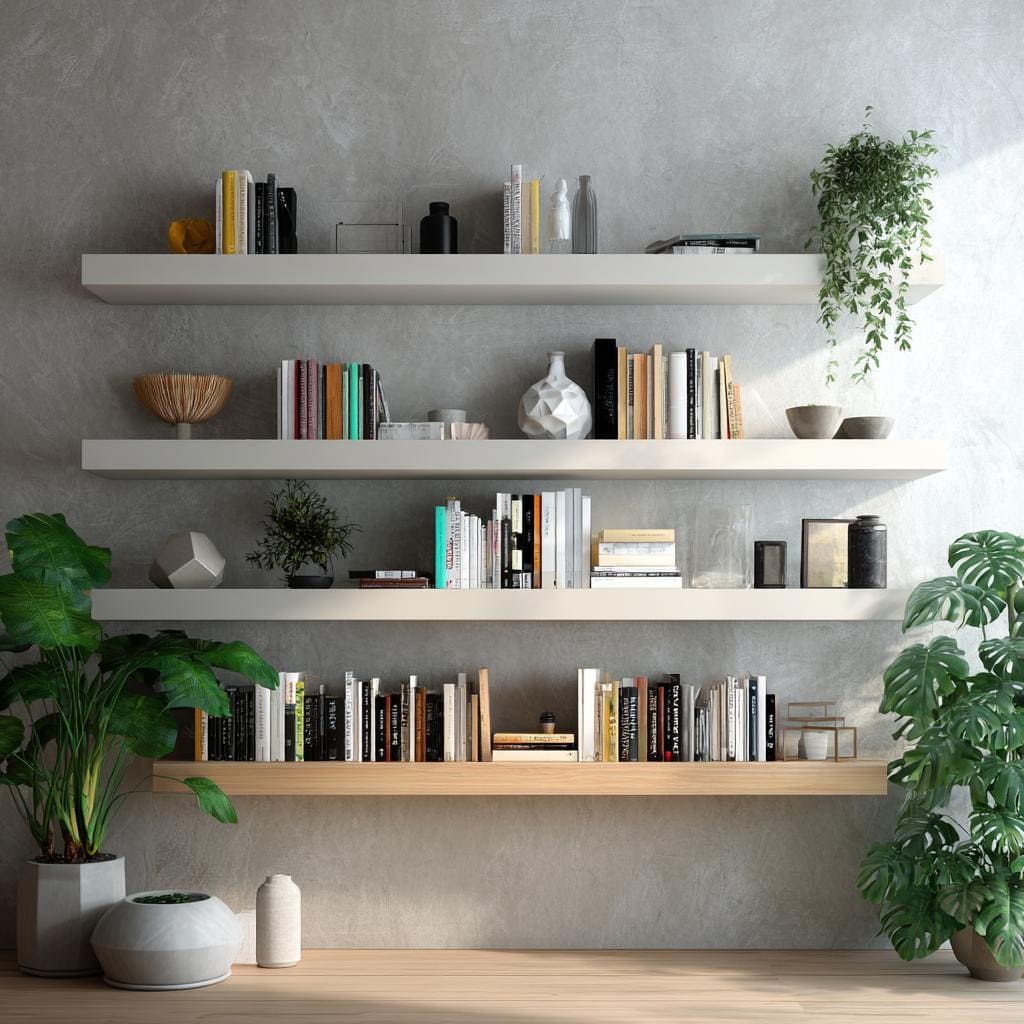
Floating wall shelves with treated boards keep furniture off damp surfaces in humid Indian homes.
For moisture resistant furniture in India, look for treated wood, metal frames, or water-resistant engineered boards. These hold up better over time. Fabric choice also matters. Heavy fabrics can trap moisture and develop odour. Leave some space between your furniture and the walls, and never back up couches or bookshelves right against the wall. This allows air movement, drying out the humidity. Choosing slightly raised furniture with legs also helps reduce direct moisture contact with the floor.
Small choices like these help furniture last longer without constant upkeep.
Wall Treatments, Paint Finishes and Colours for Humid Rooms
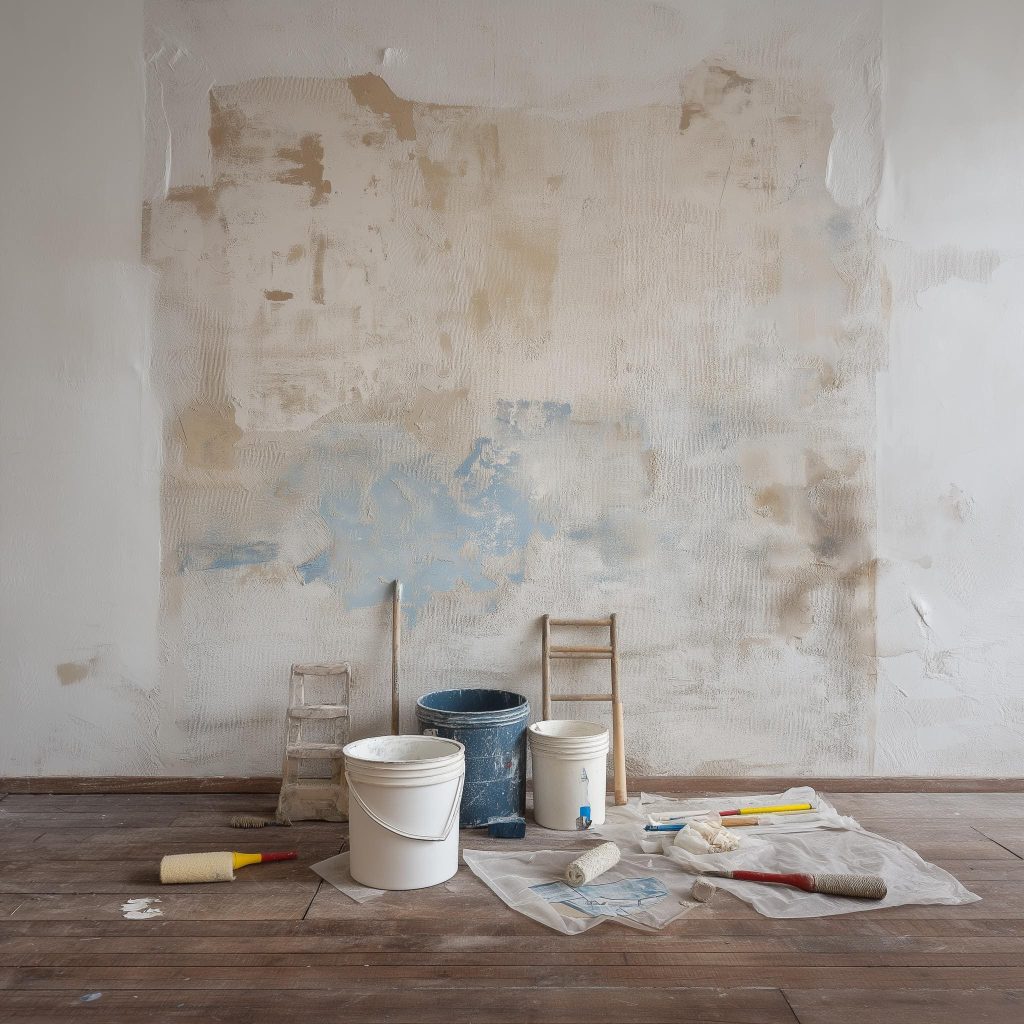
Peeling and patchy walls from moisture damage need anti-fungal paint and proper surface prep to fix.
Walls show humidity damage quite quickly. Damp patches, peeling paint, and stains are common in high-moisture homes. That’s why paint selection matters. Always take care to choose moisture-resistant or anti-fungal paints, and only from good brands. Prep the surface well before painting, with one or two coats of waterproofing and then primer.
Kitchen and Bathroom Interior Design for High Humidity Zones
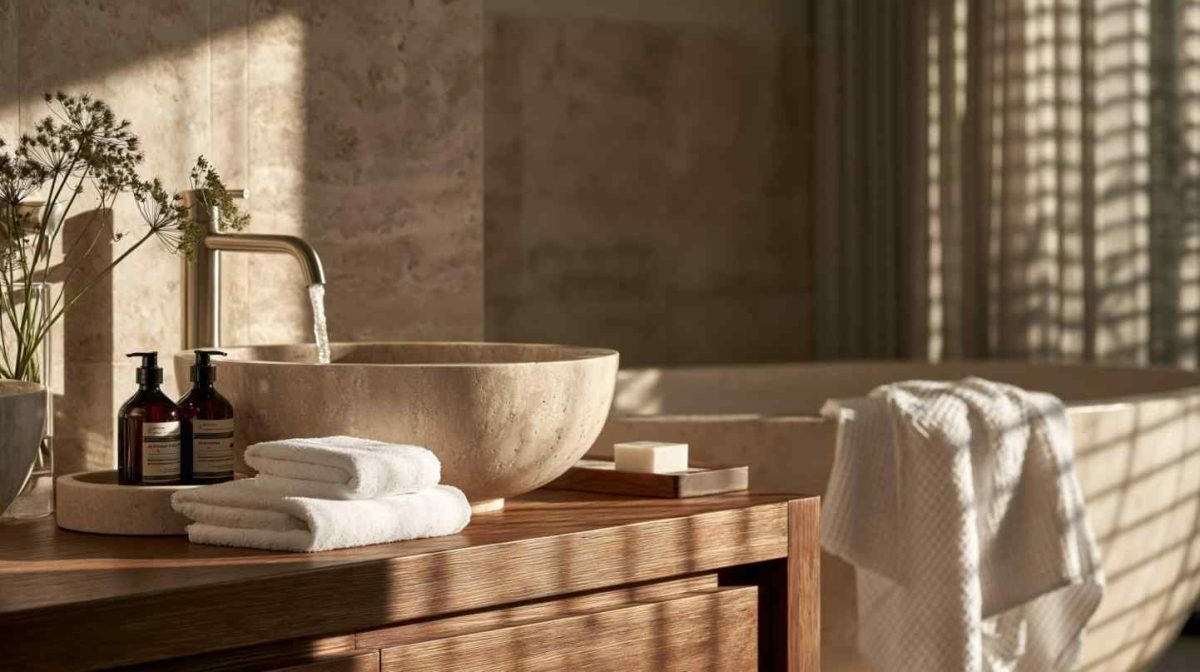
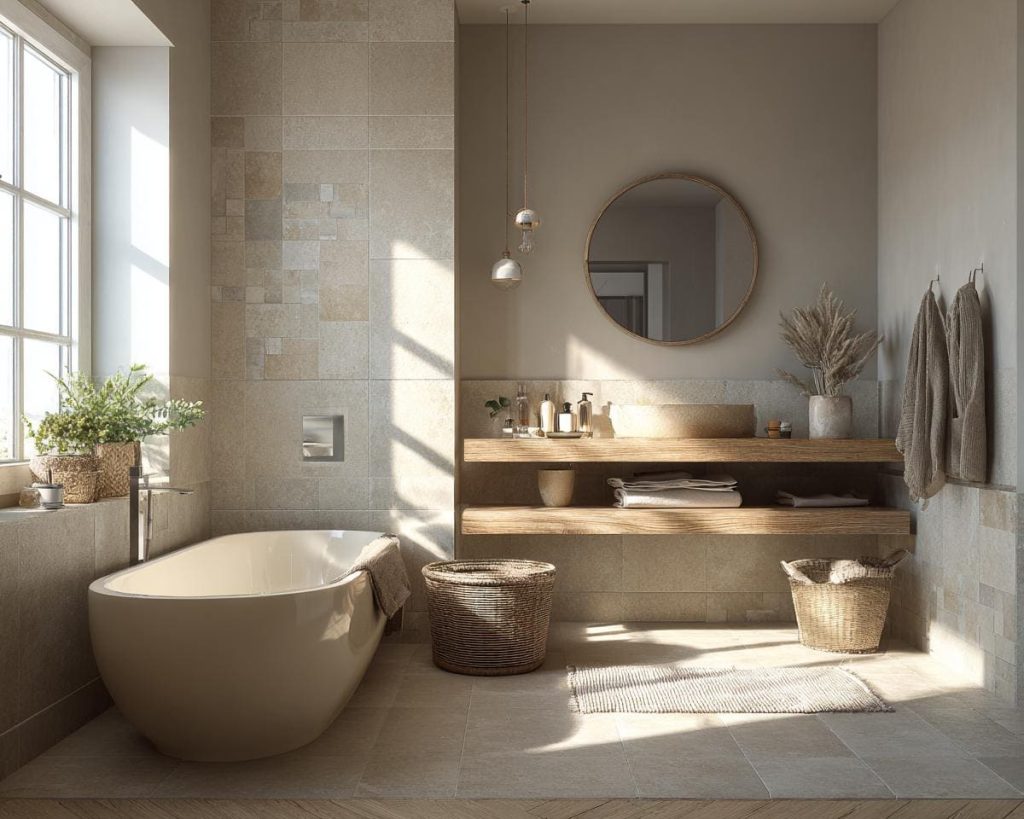
A well-tiled bathroom with good ventilation and stone finishes handles high humidity effectively.
Kitchens and bathrooms are always exposed to moisture, so they need extra care and thought.
Use marine plywood or aluminium structures for cabinets. Ensure edges are sealed properly. Small steps like these are of critical importance when it comes to humidity proof interior design in India. Good ventilation is a must-have, too. Exhaust fans, chimneys with high suction, windows, and proper airflow reduce moisture buildup. For countertops, granite or quartz works well. Take care to avoid materials that absorb water easily.
How to Fix Humidity Damage Without Redoing Your Entire Interior
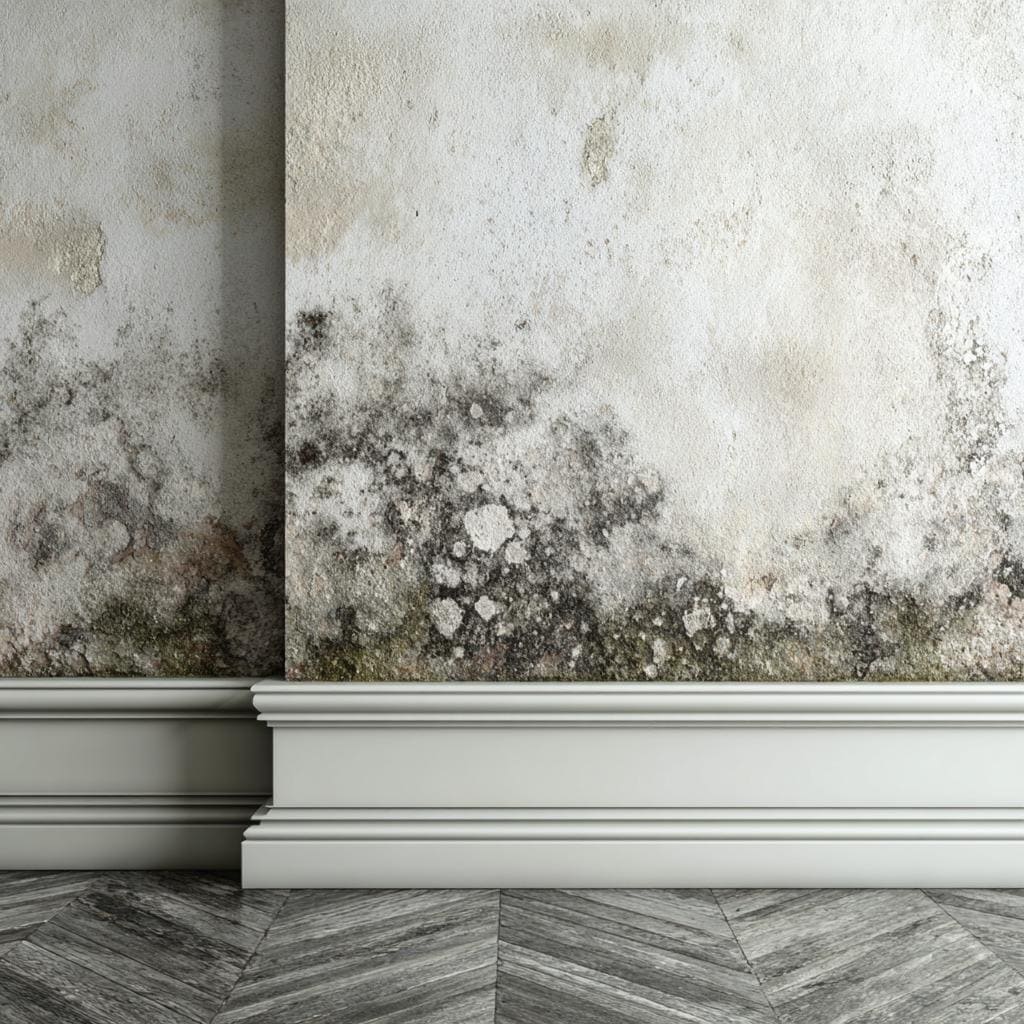
Mould and damp patches on walls are common humidity damage signs in Indian homes during monsoon.
Start with the root cause of the problem. Open up your room to better cross-ventilation and let air circulate. If you see damp panels or peeling laminates, replace just those shutters or cabinets, instead of planning to redo everything from scratch. Take a good look around, and fix any leaks or damp spots first. Sort out waterproofing (use the services of an expert if needed), then repaint affected walls with moisture-resistant paint. In areas that stay damp, using a dehumidifier or even simple moisture absorbers can really help keep things under control.
Designing Interiors That Handle the Weather
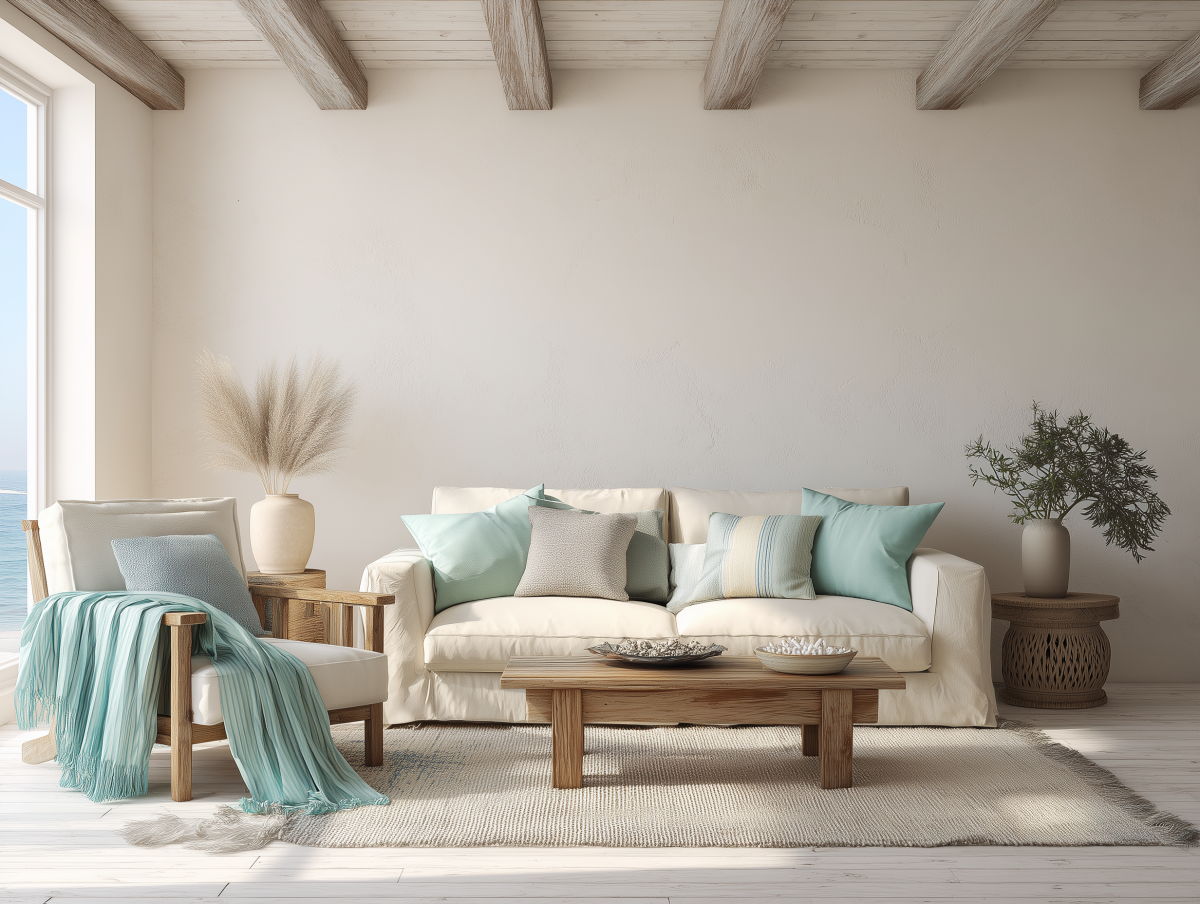
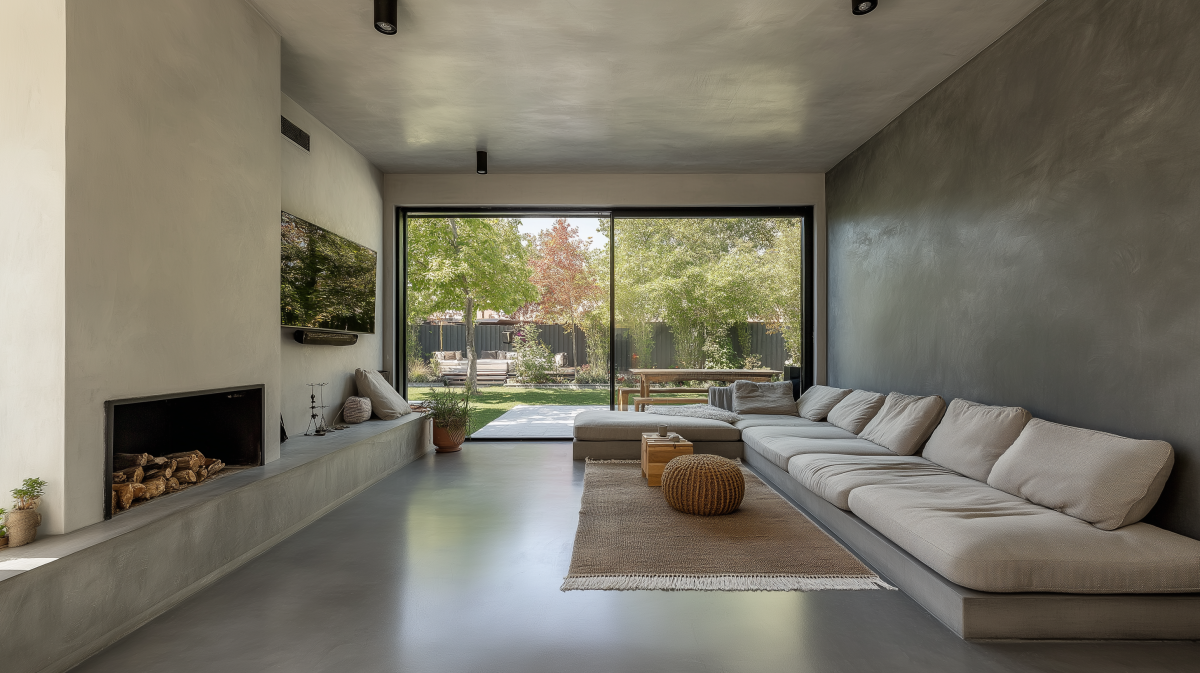
A coastal-style living room with natural materials and good airflow suits humid Indian climates well.
Humidity is not something you can really avoid, but it is something you can surely plan for! When materials, finishes, and layout are chosen with climate in mind, your interiors stay stable and easier to maintain.
If you’re unsure what works best for your space, getting expert input can save time and cost. At HomeLane, designers help you create home interiors for humid weather in India that handle moisture without compromising on style.
FAQs
1. Which interior materials are best for humid climates in India?
Marine-grade BWP or BWR plywood along with moisture-resistant finishes such as laminates works best. These materials resist swelling and last longer in high-moisture conditions. The edges should always be sealed well to prevent entry of moisture.
2. Does humidity damage modular kitchen cabinets in India?
Yes, if materials and edge sealing are not done properly, your cabinets can swell or peel at the edges. Proper ventilation and good-quality boards can keep this from happening.
3. Which flooring is best for humid climates in India?
Tiles, vitrified flooring, and stone are good options, as they resist moisture. They are also easier to maintain and are dimensionally stable, even with changing humidity levels.
4. How do I protect my wooden furniture in a humid home?
Use treated and well-seasoned wood, maintain good airflow in the room, and avoid placing furniture directly against damp walls. Furniture should be cleaned and polished every once in a while.
5. Which paint finish is best for humid rooms in India?
Use moisture-resistant, anti-fungal paints with matte or satin finishes for humid spaces. They keep your walls looking fresh for years.













 EXPLORE MORE