Various kitchen cabinet types, designs, materials, and dimensions, helping homeowners plan functional and stylish kitchen spaces.
Key Insights:
What You'll Read Here:
Base, wall, and tall cabinets are the primary functional types, with drawers and pull-outs offering enhanced usability.
Laminate, acrylic, and veneer finishes offer varying durability and aesthetics, matching different lifestyles and budgets.
Standard base cabinets are ~24 deep and 34–36 high; wall cabinets are 12–15 deep for easy access.
HOMELANE EXPERT TIPBy our design team
Prioritise your kitchen's functional needs and usage patterns first; let these considerations drive every cabinet selection and design choice.
Summary
Kitchen cabinets do much more than store things. They define how your kitchen moves, how easily you cook, and how organised the space feels at the end of a long day. Understanding the types of kitchen cabinets helps you plan a kitchen that actually works for you, not just one that looks good on day one.
Best for
Homeowners planning a new kitchen or upgrading an existing one. Especially useful if you are comparing layouts, materials, and storage options.
Expert tip
Start with how you use your kitchen, not how you want it to look. Function should guide every cabinet decision.
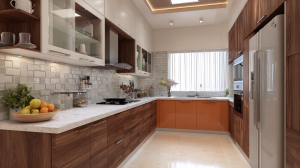
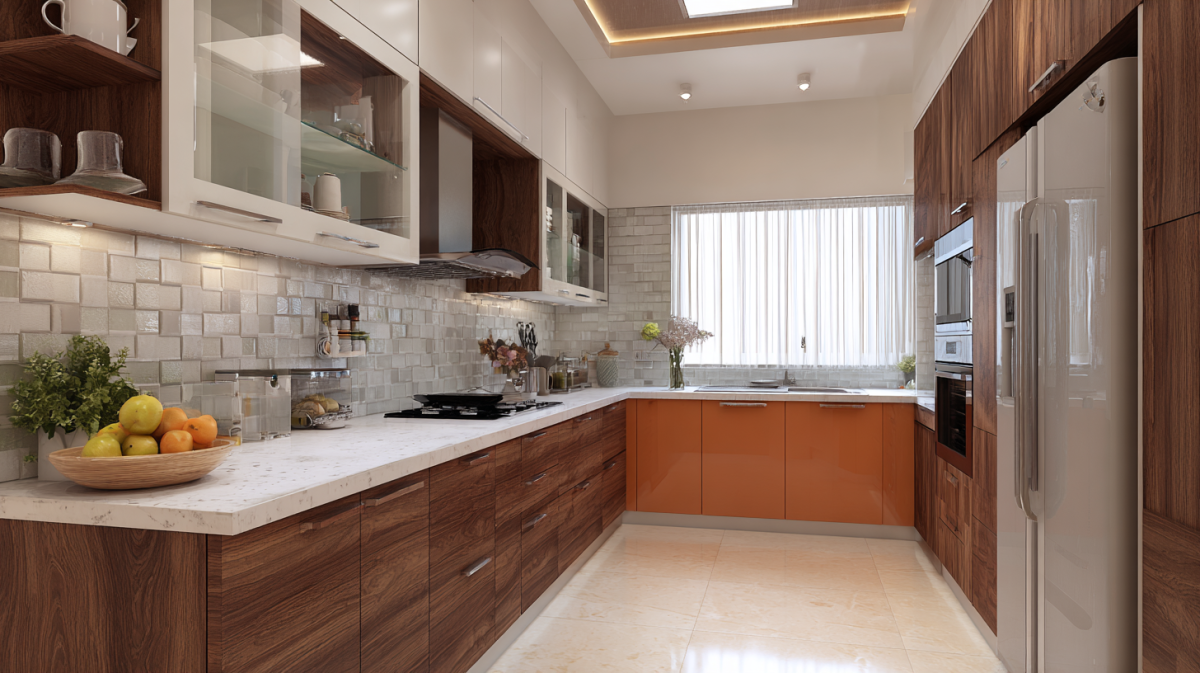
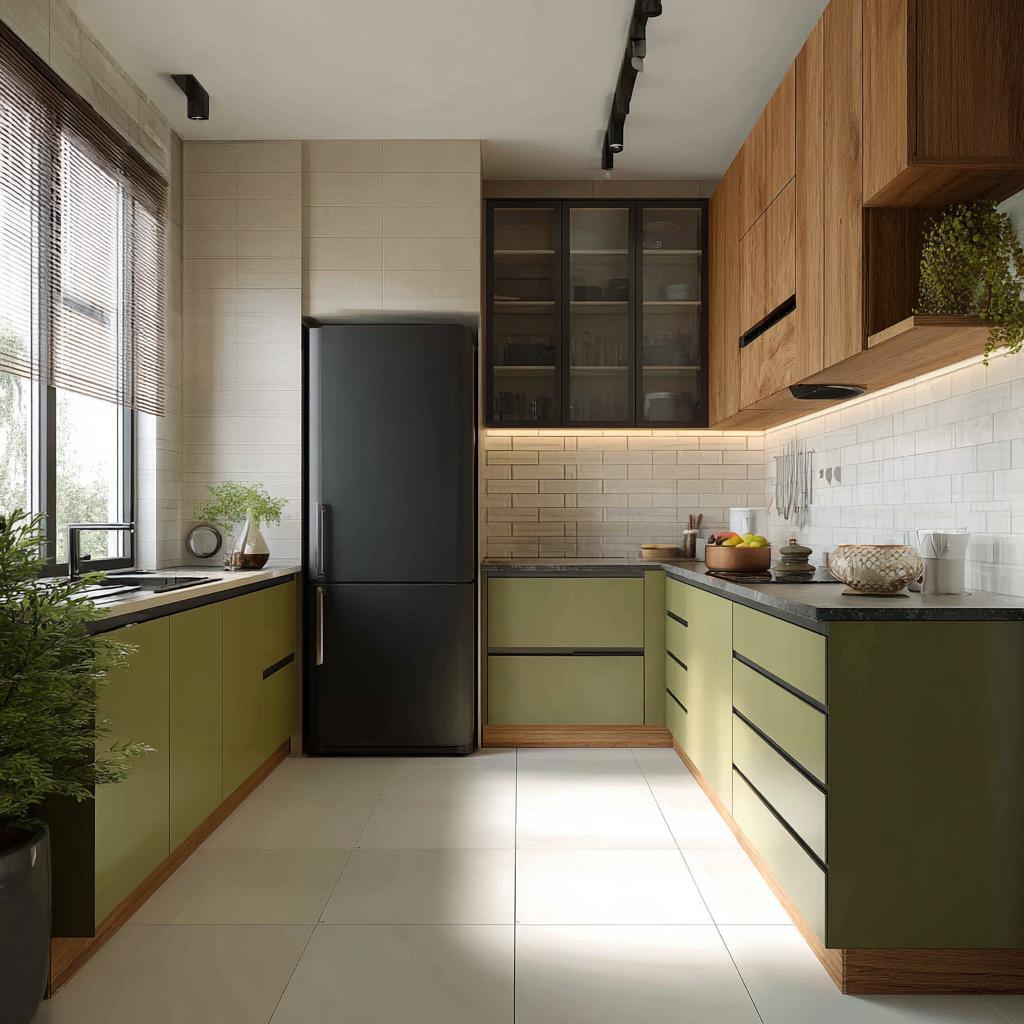
An L-shaped modular kitchen with wood and glass cabinets showcases different types of kitchen cabinets.
Walk into any kitchen and it might look complete. Cabinets in place, finishes done, everything aligned. But spend a few days using it, and you’ll quickly notice what works and what doesn’t. And that usually comes down to the cabinets; not just how they look, but how they are planned.
The right types of kitchen cabinets can make your kitchen feel effortless to use. The wrong ones can make even a beautiful space feel inconvenient. That is why it helps to understand your options before you decide. Once you do, you stop choosing randomly and start building a kitchen that actually fits the way you live.
Understanding the Different Types of Kitchen Cabinets
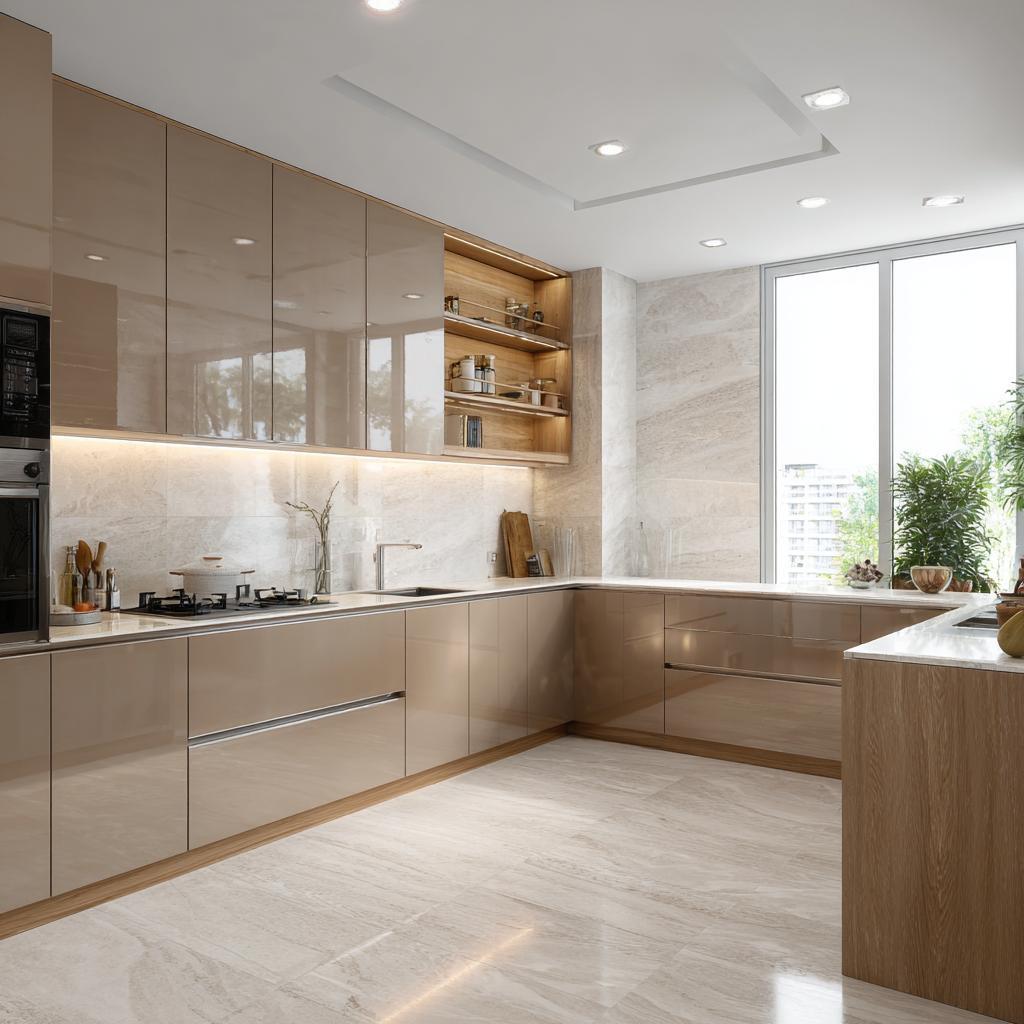
A glossy L-shaped kitchen with wall and base cabinets illustrates different types of kitchen cabinet layouts.
Base cabinets sit below the countertop and handle the bulk of storage.
Wall cabinets are mounted above and keep everyday items within easy reach.
Tall cabinets, or pantry units, use vertical space for larger storage needs.
Then there are the corner cabinets, which form an L at the corner of the kitchen.
These are the core types of kitchen cabinet names you will come across. But within these, there are many variations. Drawers, pull-outs, corner units, and open shelves all fall into these categories. Understanding this structure helps you plan your kitchen more efficiently. It also ensures that storage is balanced across the space, instead of being concentrated in one area.
Types of Modular Kitchen Cabinets for Modern Homes
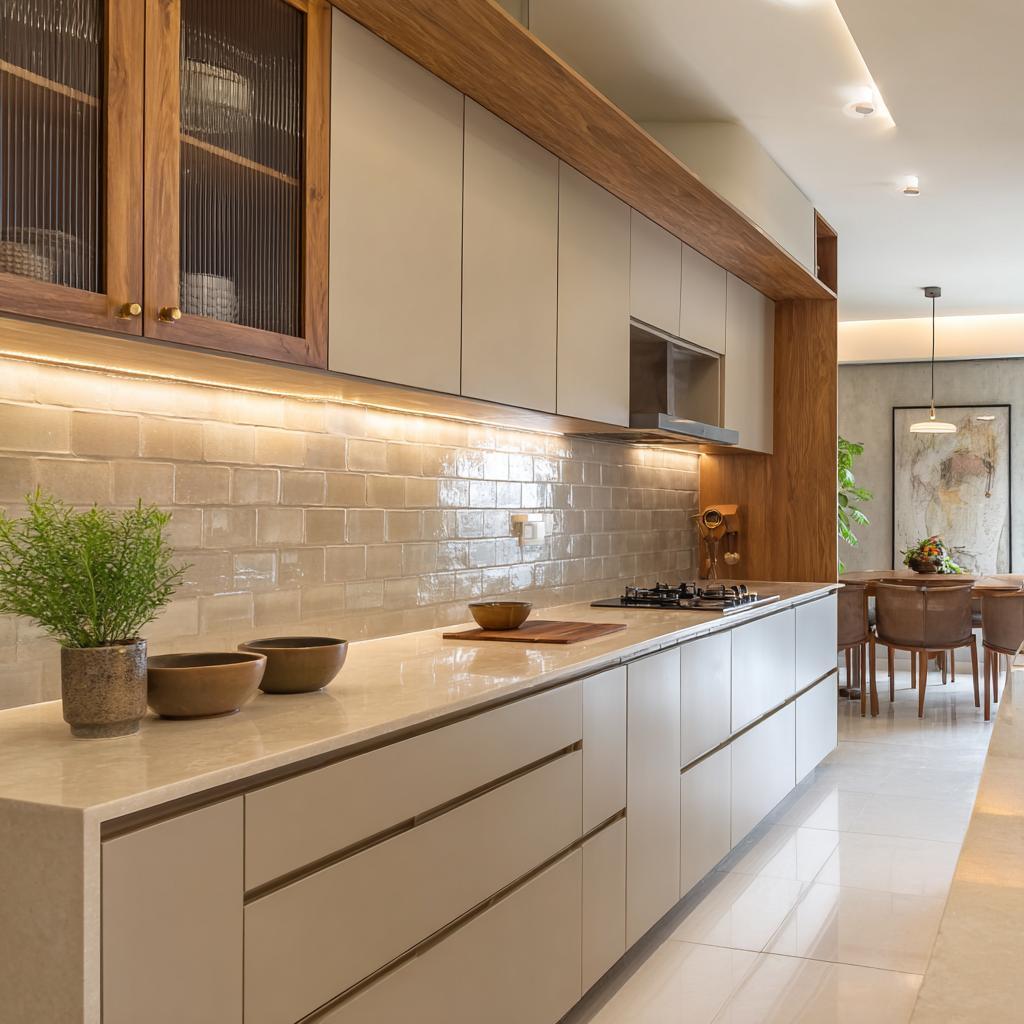
A straight-line modular kitchen with wall cabinets and under-cabinet lighting highlights functional cabinet types.
Modern kitchens are all about flexibility. The types of modular kitchen cabinets are designed to fit different layouts and lifestyles.
Straight-line kitchens work well for compact homes. L-shaped kitchens use corners effectively. U-shaped layouts maximise storage, while parallel kitchens create clear work zones. Island kitchens add extra space where available.
Each layout uses cabinets differently. For example, corner cabinets in L-shaped kitchens can be optimised with pull-out systems. In parallel kitchens, storage is often split across two sides for better workflow. Choosing the right configuration ensures that your kitchen feels easy to move around in, not cramped or confusing.
Different Types of Kitchen Cabinet Designs and Styles
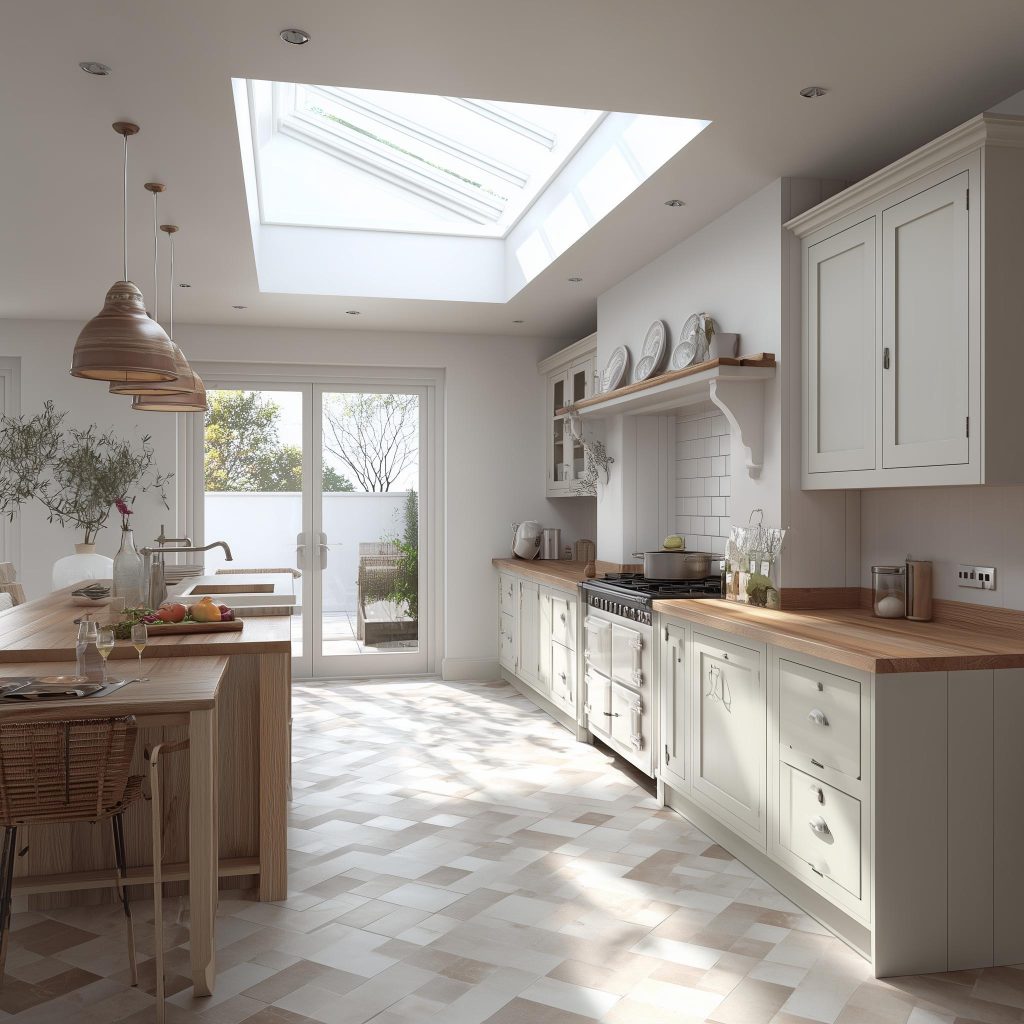
A bright shaker-style kitchen with open shelves and base cabinets reflects timeless kitchen cabinet designs.
Cabinet style defines the overall feel of your kitchen.
Some of the most popular different types of kitchen cabinet designs include flat-panel cabinets for a clean, minimal look, and shaker-style cabinets for a more balanced, timeless feel.
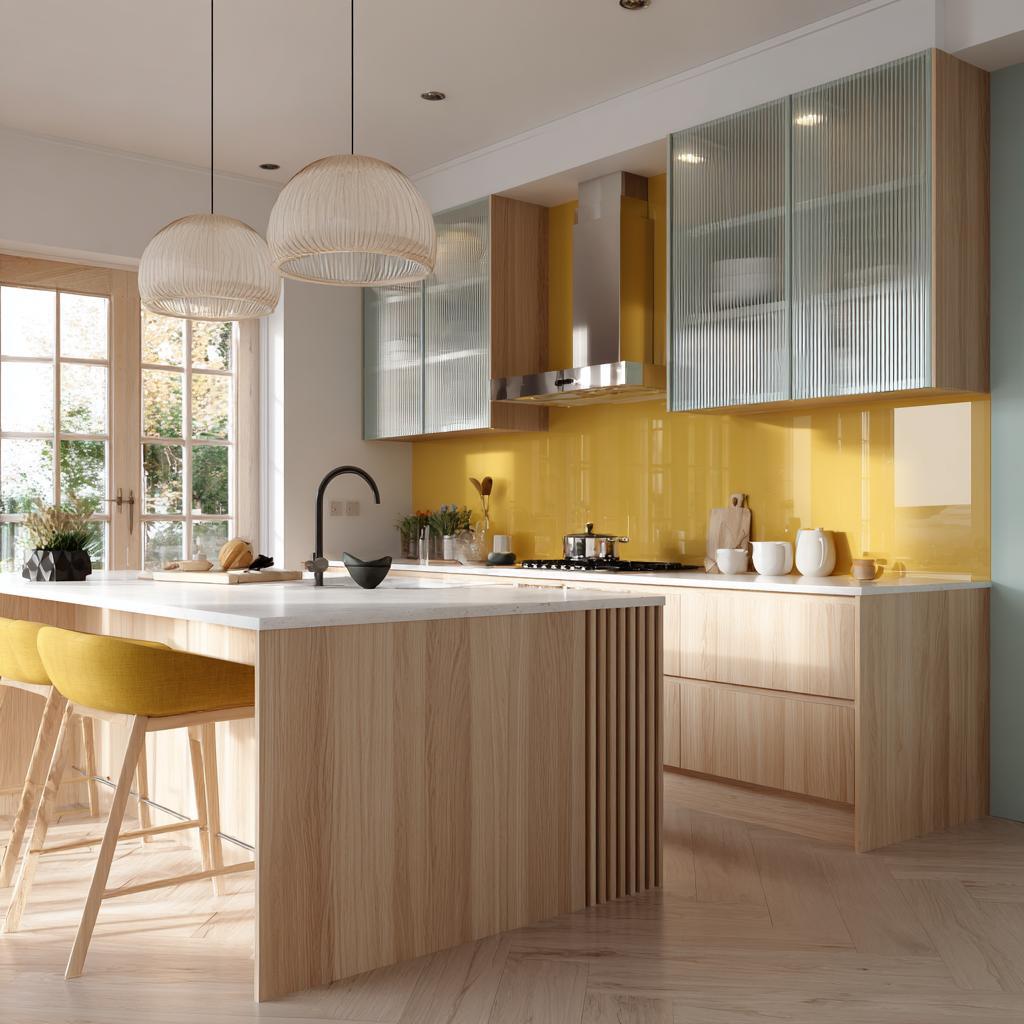
Glass-front wall cabinets and a wood island kitchen highlight modern types of kitchen cabinet designs.
Glass-front cabinets can make the kitchen feel lighter and more open. Open shelving works well for frequently used items or for display. Mixing styles is also becoming more common.
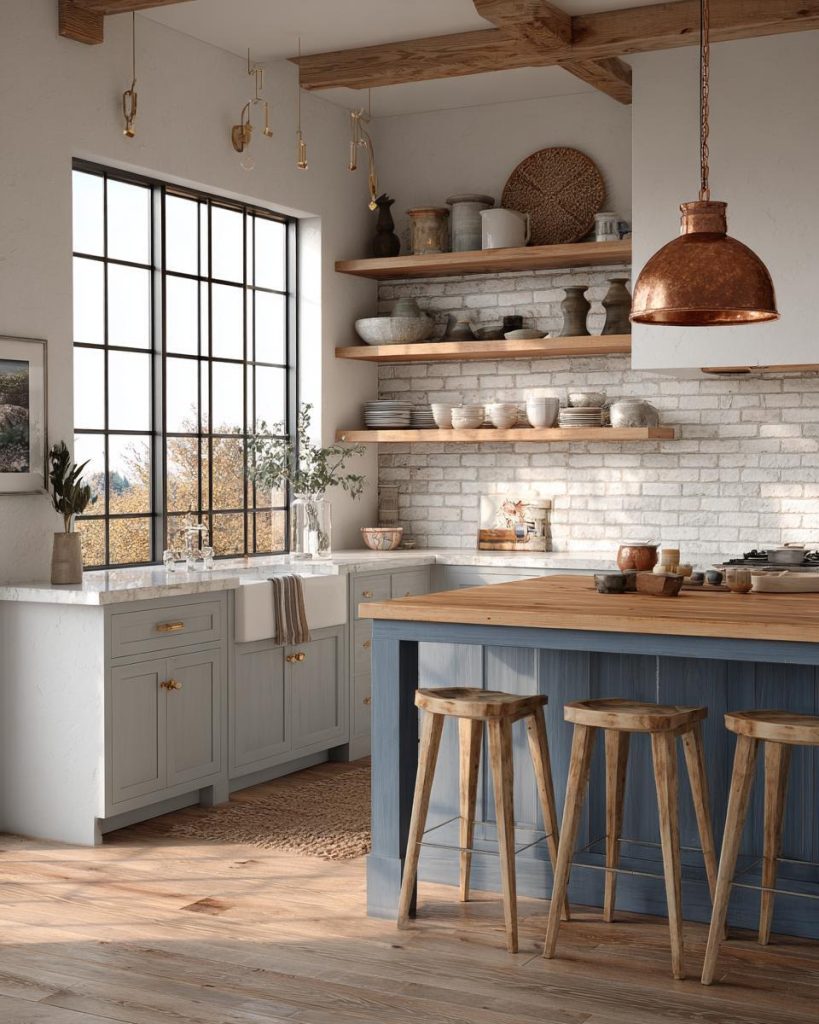
Open shelving with shaker base cabinets and an island shows versatile kitchen cabinet types and designs.
For example, you might use closed cabinets for storage and a few open shelves for visual relief. This keeps the space functional while still feeling designed. The key is to maintain consistency. Too many styles can make the kitchen feel disconnected.
Kitchen Cabinet Types Based on Materials and Finishes
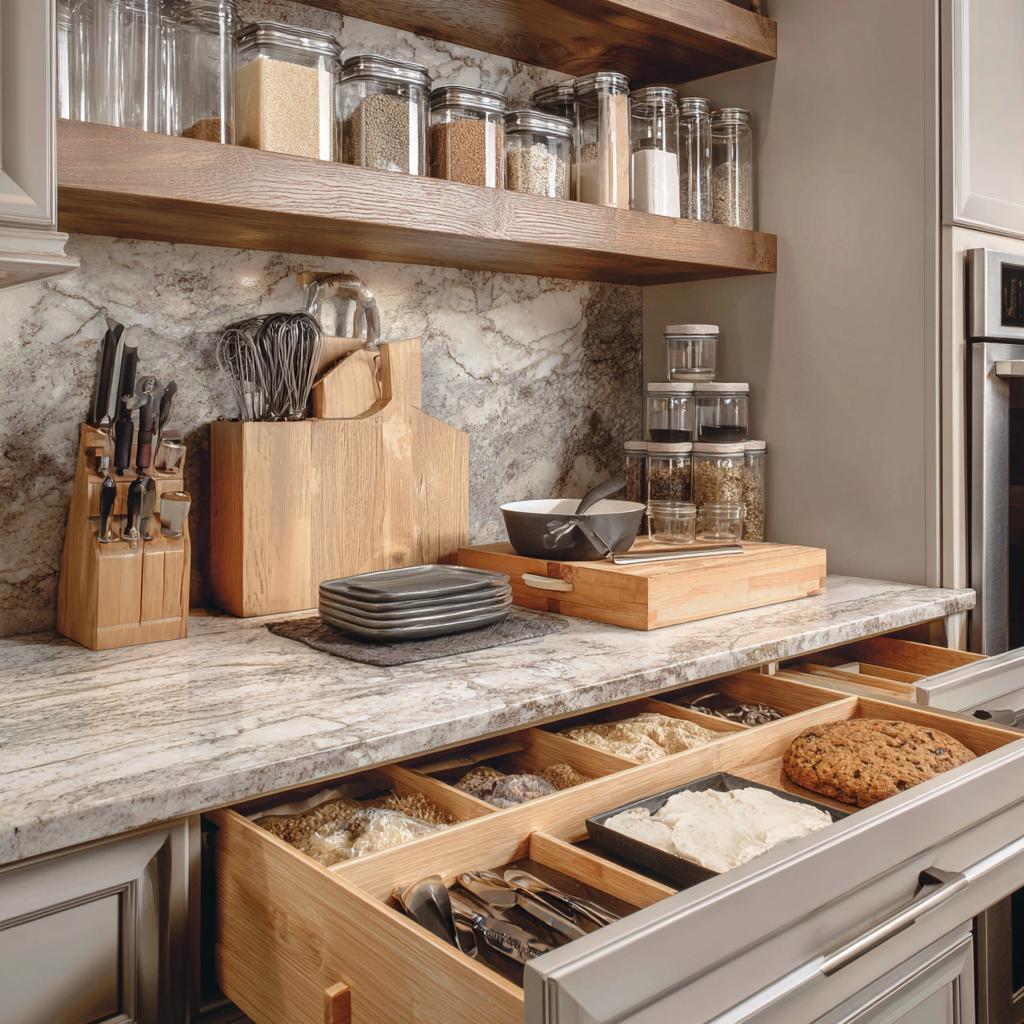
A wood base cabinet with organised pull-out drawers reflects how kitchen cabinet materials affect functionality.
Materials determine how your cabinets perform over time. Common materials include plywood, MDF, HDHMR, and particle board. Each has its own strengths depending on usage and budget. Finishes also play an important role.
Laminate is durable and easy to maintain. Acrylic offers a glossy, modern look. Veneer gives a more natural finish, while PU coatings provide a premium feel. These different types of kitchen cabinets vary in both appearance and practicality. It is important to match material and finish to your lifestyle. A busy kitchen needs durable, low-maintenance options that can handle daily wear.
Kitchen Cabinet Types and Sizes: Standard Dimensions Guide
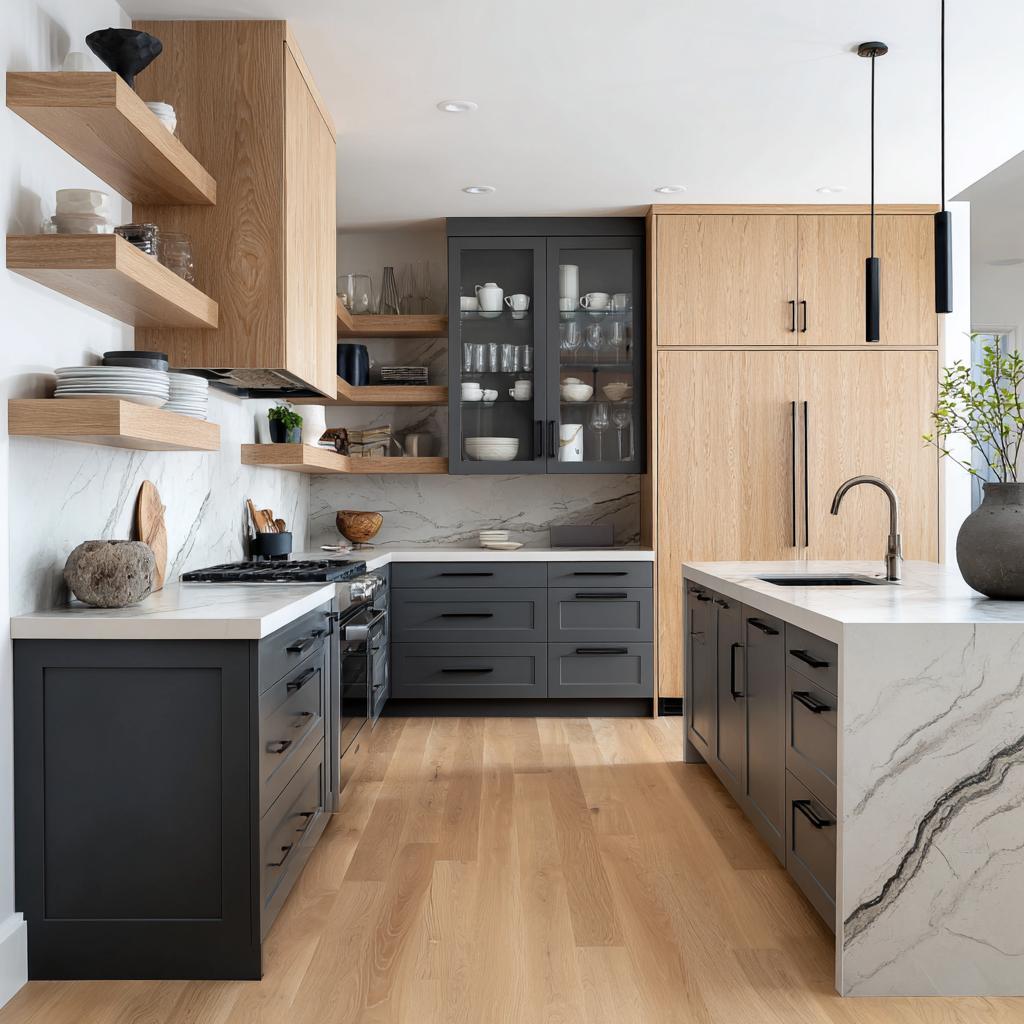
Dark shaker cabinets with open shelves and a marble island demonstrate varied kitchen cabinet types and sizes.
Size affects usability a great deal. Standard base cabinets are around 24 inches deep and 34–36 inches high. Wall cabinets are usually 12–15 inches deep, making them easier to access. Tall cabinets can extend up to the ceiling, providing maximum storage.
Understanding these kitchen cabinet types and sizes helps you avoid awkward gaps or hard-to-reach spaces. It also ensures that your kitchen feels comfortable to use daily. Proper proportions make a noticeable difference in how the space functions.
How to Choose the Right Kitchen Cabinet Type for Your Home
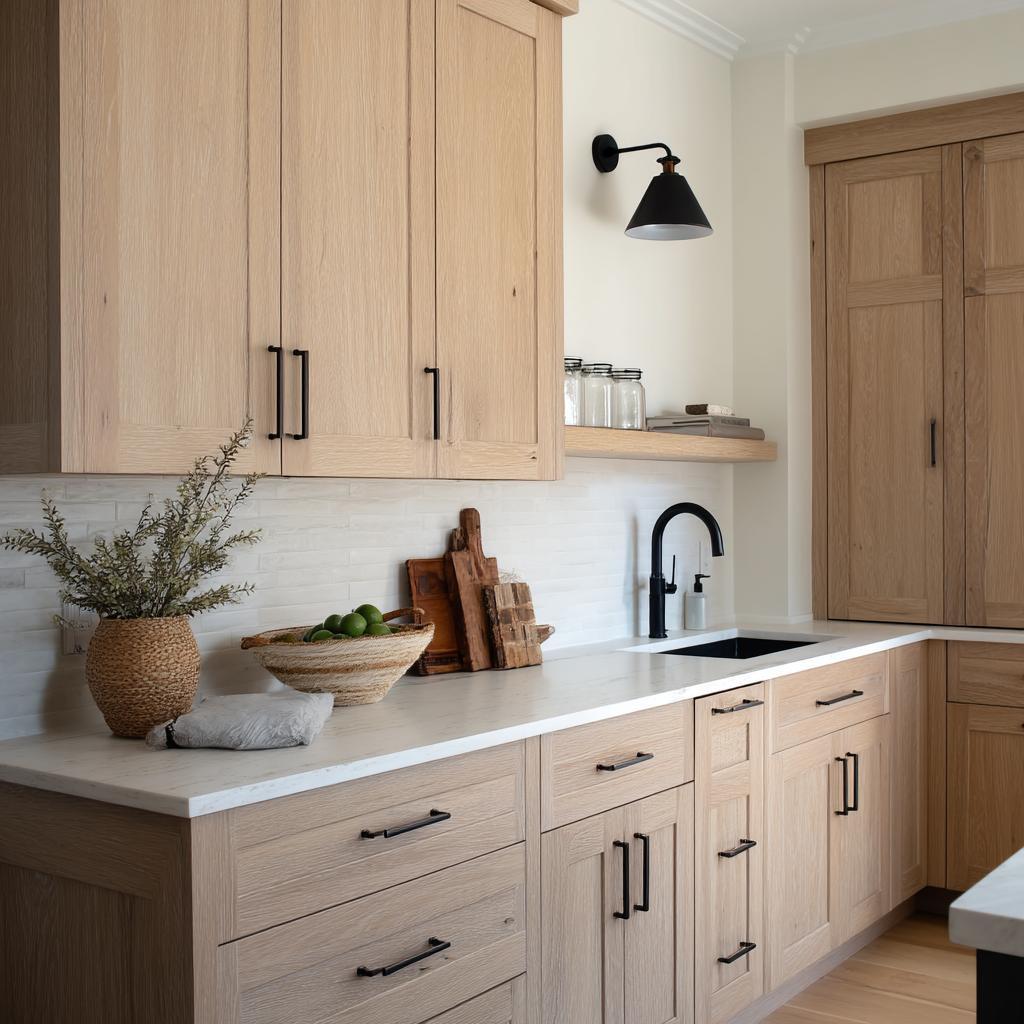
Natural wood wall and base cabinets with open shelving help illustrate how to choose the right kitchen cabinet type.
Start with your space! A smaller kitchen calls for clever storage solutions that maximise every inch. Larger kitchens allow more creativity; but you still need to plan with care. Next, think about your storage habits. Do you prefer drawers or shelves? Do you need more space for groceries or cookware?
Maintenance is another key factor. Some finishes require more care than others, so choose what suits your lifestyle. The right cabinet choice is always a balance between function, design, and long-term use.
A Kitchen That Works with You, Not Against You
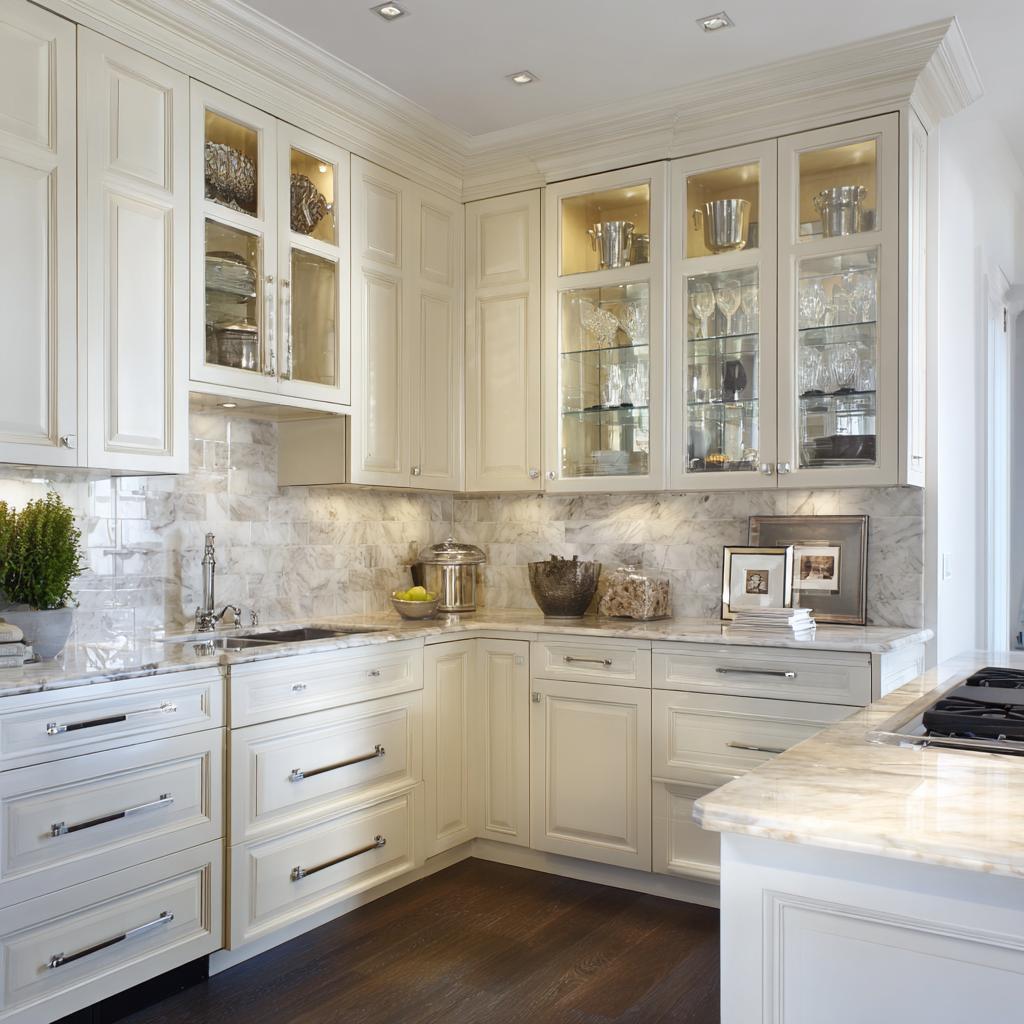
Classic white glass-front wall cabinets with base units represent well-known types of kitchen cabinet names.
The best kitchens are not the ones that look perfect. They are the ones that feel easy to use. When you understand the types of kitchen cabinets, you are able to start planning with clarity. And that is what turns a good kitchen into one that truly works every day. Need support? HomeLane is always happy to step in.
FAQs
1. What are the different types of kitchen cabinets?
Base, wall, and tall units each serve a specific function. Put together, they create a complete storage system for the kitchen. Within these, there are variations like drawers, pull-outs, and corner units that improve the function, usage and storage.
2. What are the most common types of kitchen cabinet names?
Common names include base cabinets, wall cabinets, pantry units (or tall units), and corner cabinets. These names indicate where the cabinets are placed and how they are used. Using the correct names makes it easier to communicate your requirements clearly and get the design that you want.
3. Which type of kitchen cabinet is best for small kitchens?
Compact base cabinets with smart storage and vertical units work best in small kitchens. They maximise available space without making the room feel crowded. Features like pull-out drawers and corner units can improve functionality. Choosing the right layout also plays a big role in small spaces.
4. What are the standard sizes of kitchen cabinets?
Base cabinets are generally 34–36 inches high and about 24 inches deep. Wall cabinets are always shallower so that you don’t bump your head; around 12–15 inches deep for easy access. Tall cabinets can go all the way up to the ceiling height, depending on the design. Some kitchens also have two upper runs of cabinets, the one on top going till the ceiling.
5. How do I choose the right kitchen cabinet type for my home?
First take a look at your space and daily usage. Choose cabinets that support the way you cook, and your storage needs. Planning ahead helps you avoid costly changes later and ensures long-term convenience.









 EXPLORE MORE