What’s the Difference Between Scandinavian and Nordic Style?
By Usha Balasubramanyan- May 05, 2026
AI Summary
3 key insights · 1 expert tip
Scandinavian design emphasises minimalism and light, while Nordic design offers more variation with richer tones and textures for a layered feel.
Key Insights:
What You'll Read Here:
Scandinavian interiors often use lighter woods and minimal decor for an airy look.
Nordic interiors embrace darker tones and mixed materials for a richer, layered feel.
Both styles are subsets of each other and can be beautifully blended in modern homes.
HOMELANE EXPERT TIPBy our design team
To choose between Scandinavian and Nordic, consider your desired mood: lighter, softer spaces lean Scandinavian, while moodier, layered interiors suit Nordic.
Summary
Scandinavian and Nordic styles are often used interchangeably, which makes choosing between them difficult to say the least. While they share roots, they are not exactly the same. Understanding the core concepts of Scandinavian vs Nordic design helps you pick a style that truly fits your home, instead of ending up with a mix that feels unclear or unfinished. Get the lowdown on both, the background, design direction and more.
Best for
Homeowners exploring clean, minimal, and cosy interiors, especially if you are designing a modern home and want clarity before committing to a style.
Expert tip
HomeLane designers suggest starting with the mood you want. If you prefer softer, lighter spaces, lean Scandinavian. If you like slightly moodier, layered interiors, Nordic might feel more natural.
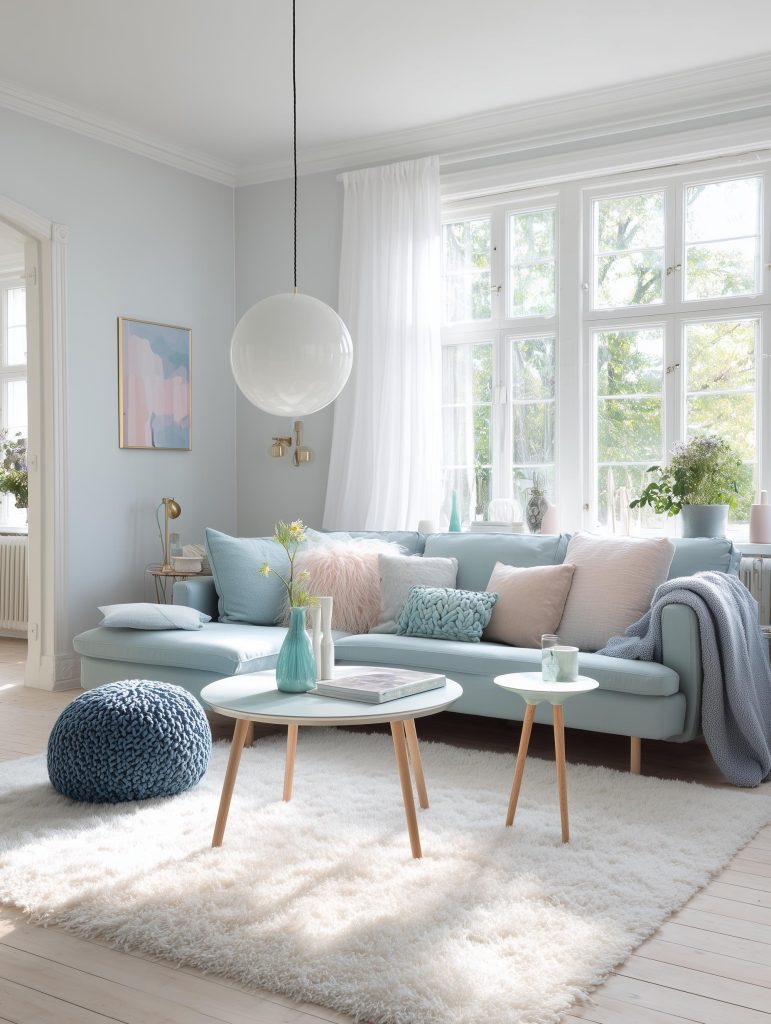
A bright Scandinavian living room with pastel tones, soft textures, and natural light
Let’s clear up the confusion first! You have probably heard both terms. Scandinavian. Nordic.
They sound similar, look similar, and are often used as if they mean the same thing. But once you start designing your home, the differences begin to matter. So what really sets them apart? And more importantly, which one will actually feel right for you every single day?
Brief Background: Origin of Both Styles
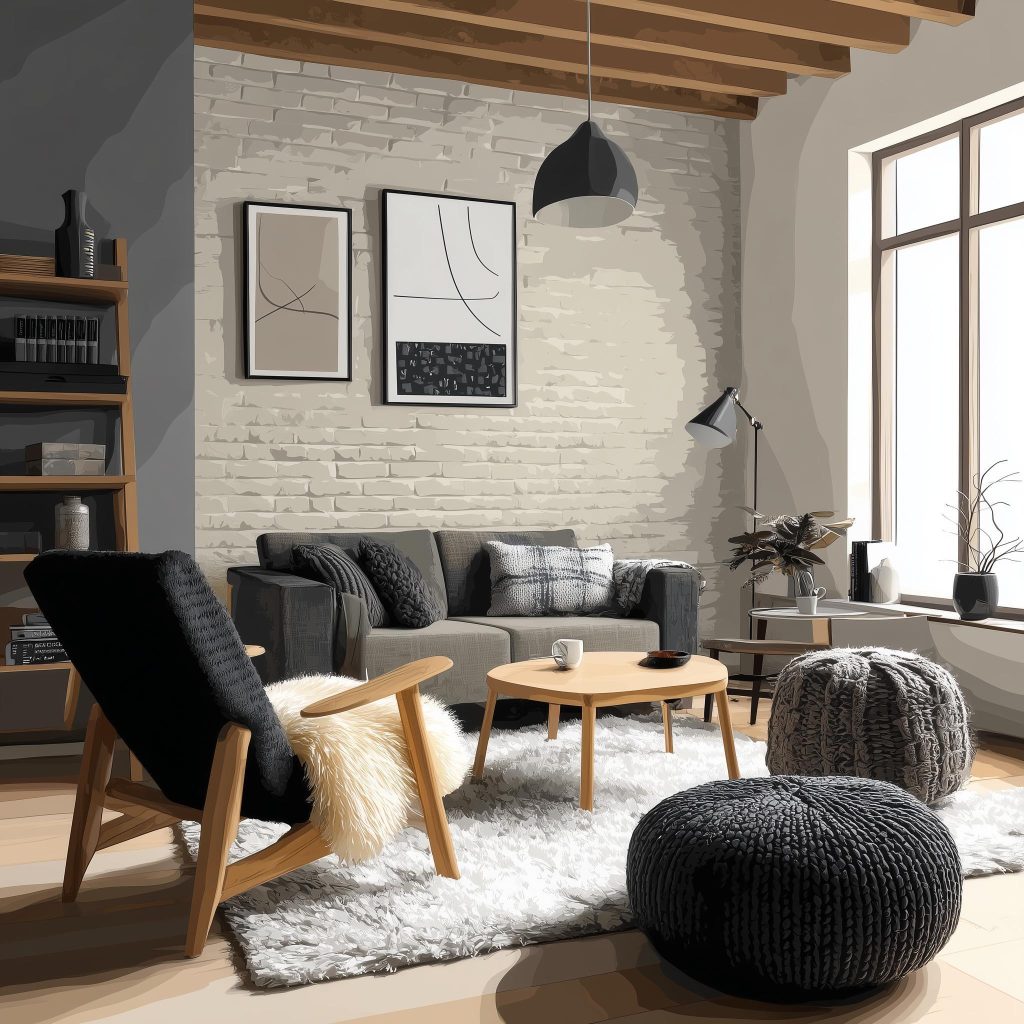
A Nordic Scandinavian living room with grey tones, white brick wall, wooden furniture, and layered textures
Scandinavian design, as the name indicates, comes from countries like Sweden, Denmark, and Norway. It gained popularity for its simplicity, functionality, and focus on everyday comfort. Nordic design, on the other hand, is a broader term. It includes Scandinavian countries but also extends to places like Finland and Iceland.
So when you compare Nordic vs Scandinavian, think of Scandinavian as a part of Nordic, not a separate category. This also explains why the two styles overlap so much, yet still feel slightly different when you look closely.
Core Philosophy Comparison
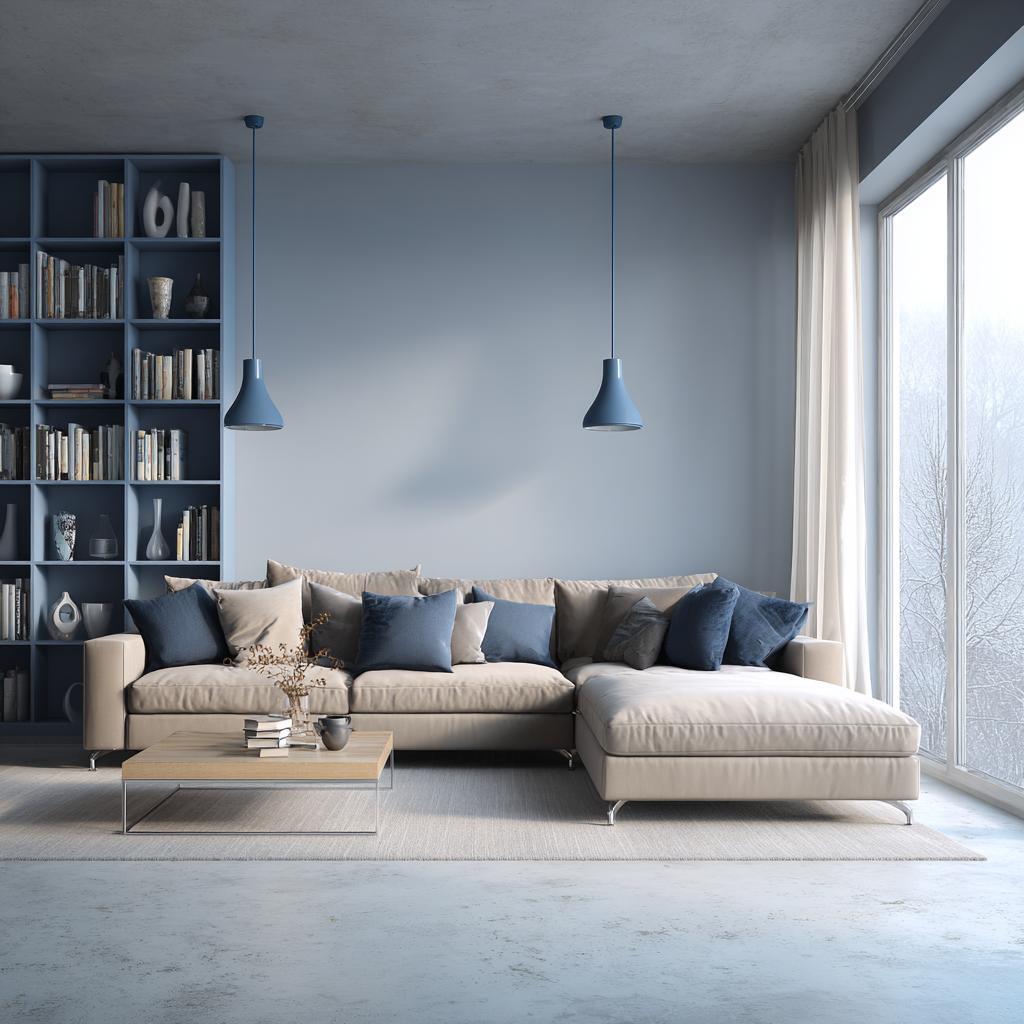
A Nordic living room with deep blue tones, layered cushions, and a moody cosy atmosphere
At the heart of Scandinavian vs Nordic design, the philosophies are similar but not identical. Scandinavian design focuses on simplicity, light, and functionality. It aims to make everyday living easy and beautiful without excess.
Nordic design includes that, but adds more variation. It can be slightly more expressive, sometimes darker, and a bit more experimental while still staying grounded. If Scandinavian feels calm and minimal, Nordic feels a little more layered and flexible.
It is almost like Scandinavian is about clarity, while Nordic allows a bit more personality to come through.
Design Element Breakdown
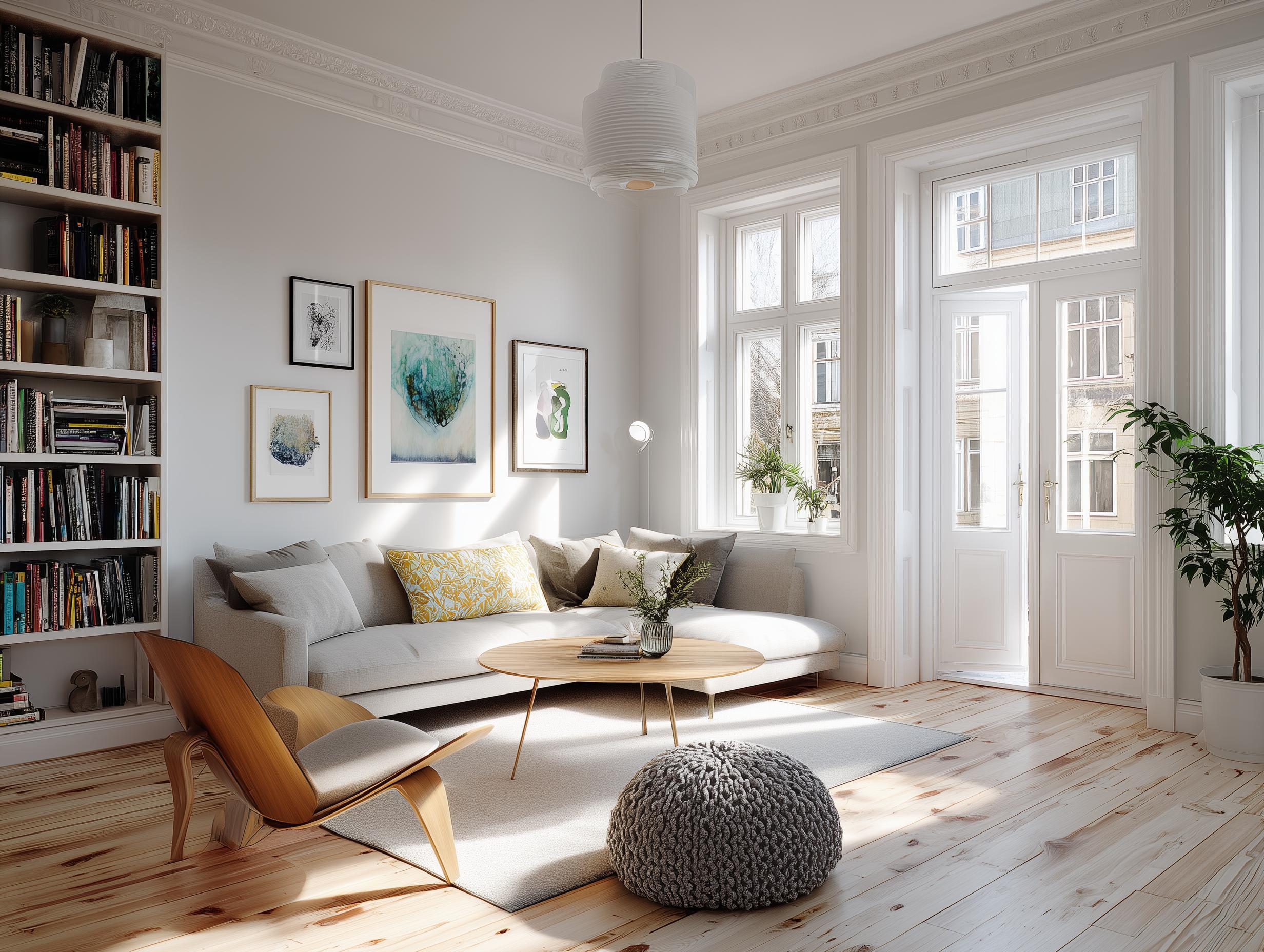
A clean Scandinavian living room with white walls, light wood floors, and minimal decor
When you look closely at the two: Scandinavian style vs Nordic, the differences start to show up in the smallest details. Scandinavian spaces often use lighter woods, clean lines, and minimal decor. Each nook and corner is thoughtfully curated, beautifully clean.
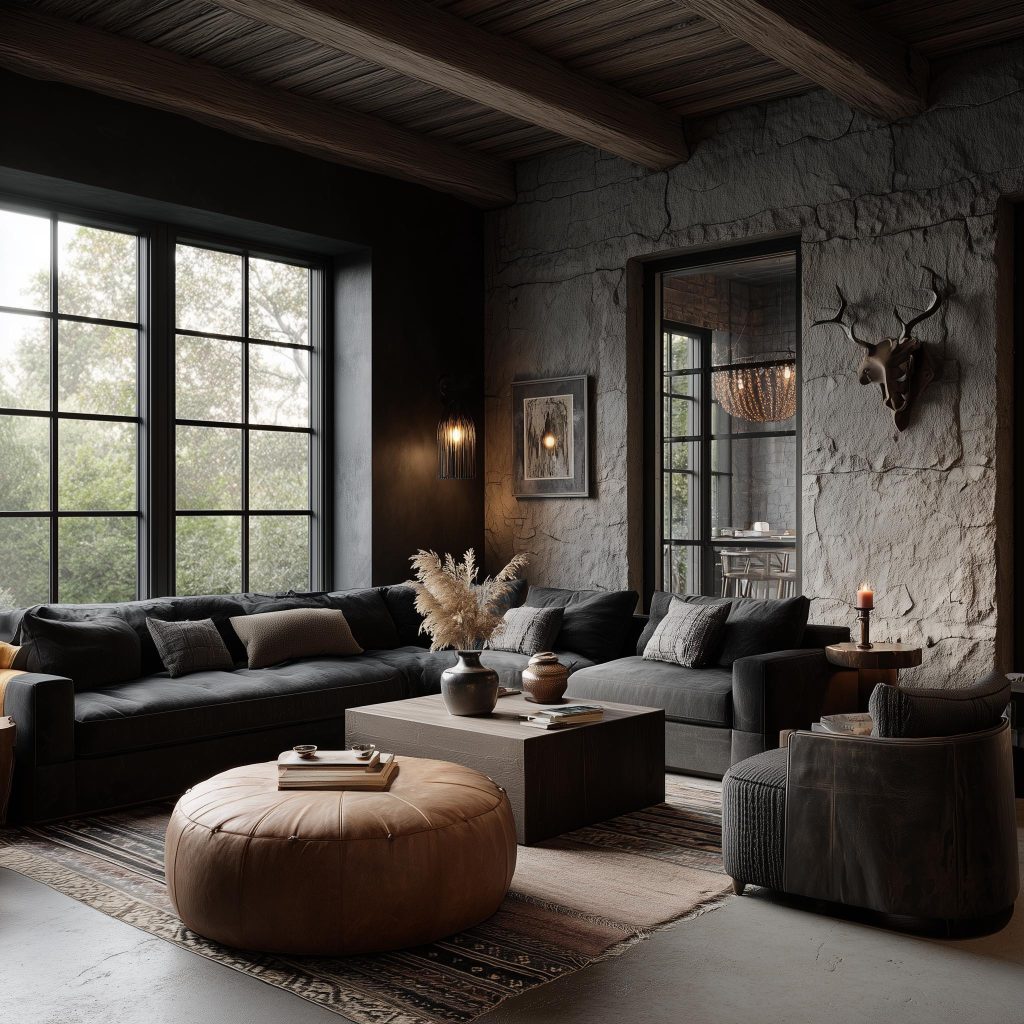
A dark Nordic living room with stone walls, textured decor, and warm moody lighting
Nordic interiors may include darker tones, mixed materials, and a bit more texture. You might see bolder contrasts or slightly more decorative elements. In a Nordic vs Scandinavian living room, this could mean a softer, airy look for Scandinavian, versus a richer, more layered feel for Nordic.
You might also notice that Nordic spaces are a bit more forgiving. They allow slight imperfections, personal touches, and a mix of styles without feeling out of place.
Lighting and Atmosphere Differences
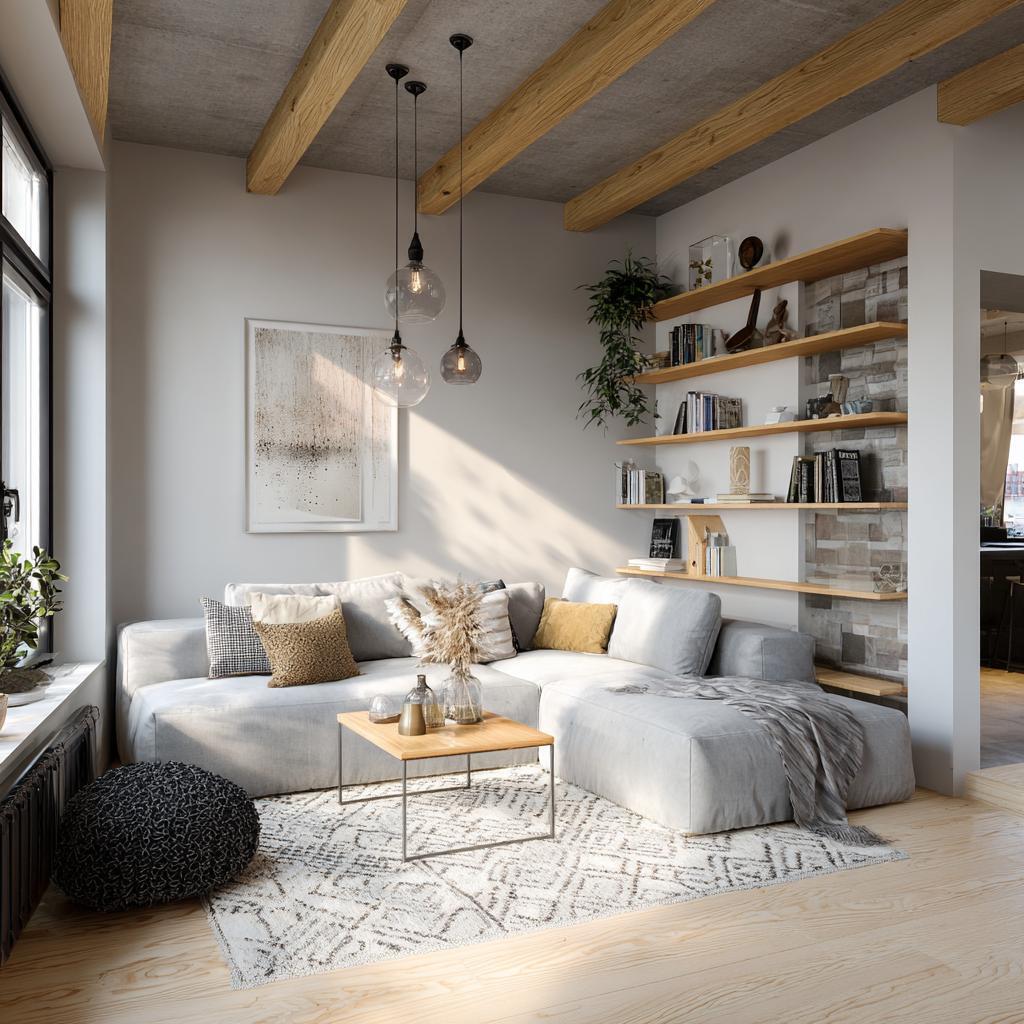
A cosy Nordic Scandinavian living room with grey sofa, wooden shelves, and warm pendant lights
Lighting plays a huge role in both these styles! Scandinavian interiors maximise natural light. Light walls, sheer curtains, and reflective surfaces help keep the space bright.
Nordic interiors still value light, but they are more comfortable with contrast. You may see deeper tones paired with warm lighting to create a cosy, slightly moody atmosphere. Both feel inviting, just in different ways. One feels like a bright winter morning, while the other feels like a warm evening indoors.
How to Choose the Right Style for Your Home
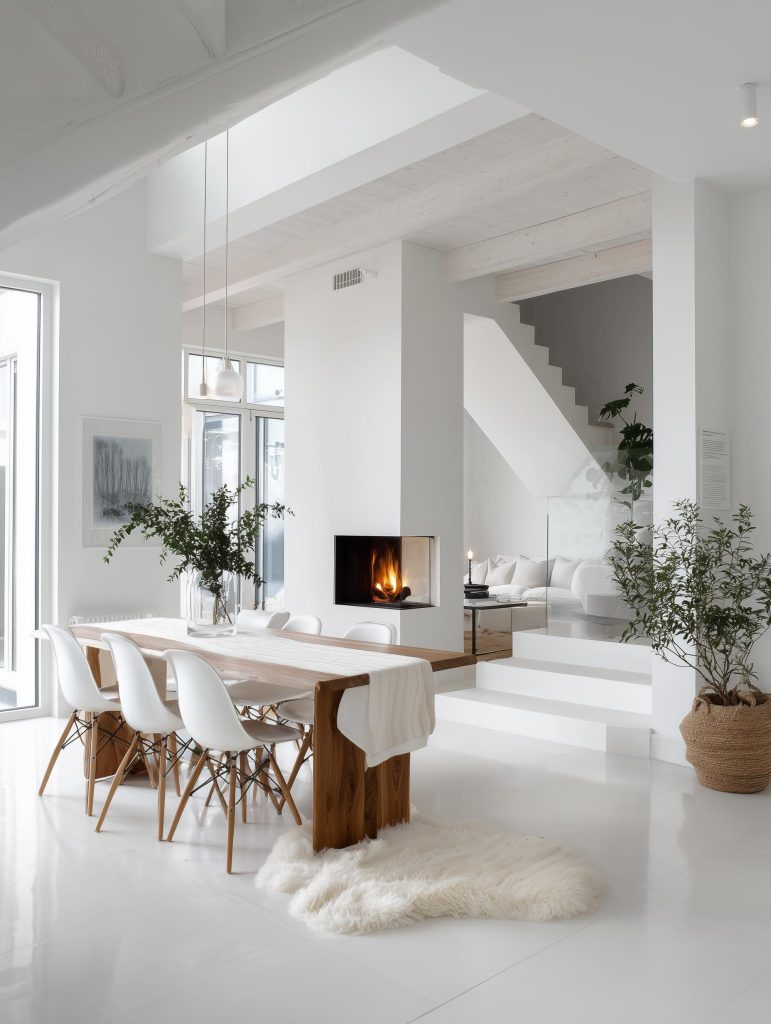
A minimal Scandinavian dining area with white interiors, wooden table, and an indoor fireplace
So which one should you choose? If you like clean, airy spaces with a strong focus on simplicity, Scandinavian might be the better fit.
If you prefer a bit more depth, contrast, and layering, Nordic could feel more natural. You can also blend the two. Many homes today combine elements of both, creating a balanced look that feels both calm and interesting. Start small if you are unsure. Try a colour palette, a few materials, or even just lighting changes before committing fully.
How These Styles Work in Real Homes
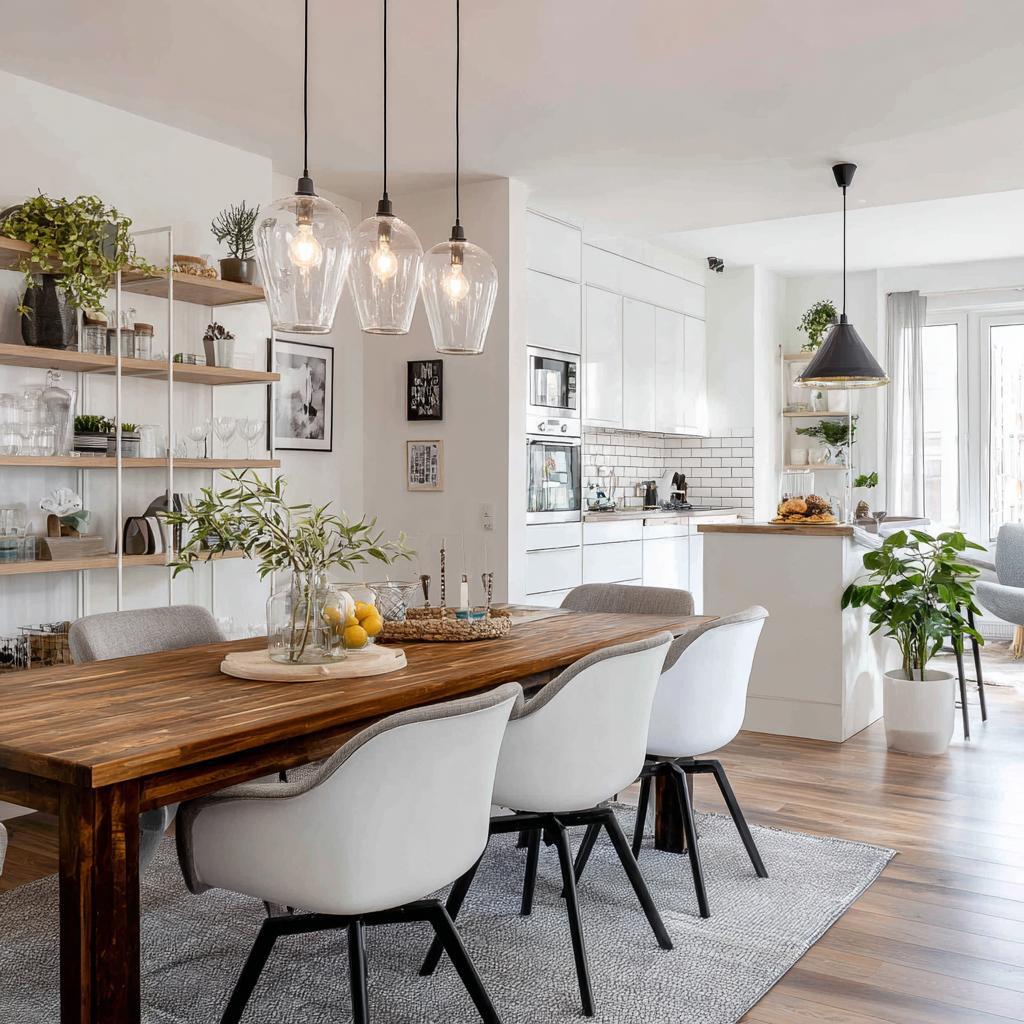
A bright Scandinavian kitchen and dining area with open shelves, wooden table, and white cabinets
It is one thing to understand Scandinavian vs Nordic styles in theory, and another to see how they actually play out in everyday homes.
In a typical urban apartment, Scandinavian style often shows up through light walls, simple furniture, and a clutter-free layout. It works especially well in smaller spaces because it makes everything feel more open and breathable. Nordic style, on the other hand, adapts beautifully when you want a bit more character. You might find a darker accent wall, beautifully layered textiles, or a mix of materials that add depth and extra dimension to your rooms.
Think about your lifestyle here. Do you prefer a space that feels calm and minimal all the time, or one that feels slightly richer and more lived-in? Even small choices can shift the vibe. A light oak coffee table and white walls lean Scandinavian. Add a darker rug, textured cushions, and warmer lighting, and your room starts to feel more Nordic.
A Style That Feels Like You
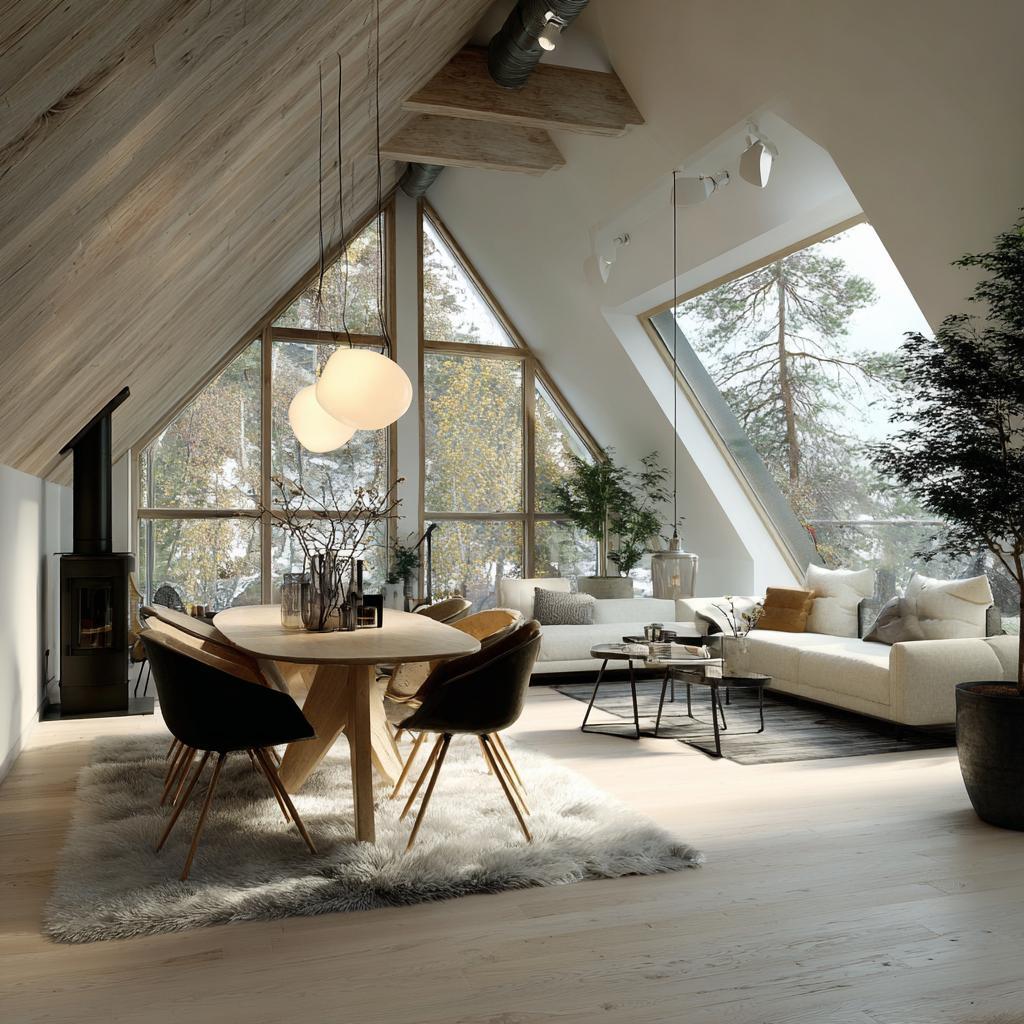
A Nordic home interior with vaulted wood ceiling, large glass windows, and natural light
At the end of the day, these styles are just starting points. Your home should reflect how you live and what you enjoy, not just a label.
Understanding Nordic Scandinavian home decor helps you make more confident choices, but the real goal is creating a space that feels comfortable every day. And if you are exploring design directions, HomeLane can help you bring the right mix together in a way that feels deeply personal.
FAQs
1. What is the difference between Scandinavian and Nordic style?
Scandinavian style is a subset of Nordic design, focused on minimalism, light colours, and functionality. Nordic style is broader and can include more variation in colours, textures, and overall expression. Think of Scandinavian as more minimal and Nordic as slightly more flexible.
2. How do colour palettes differ between Scandinavian and Nordic?
Scandinavian palettes are usually much lighter, with whites, soft greys, and pale woods. Nordic palettes can include darker tones, deeper contrasts, and warmer hues. This creates a slightly richer and more layered look in Nordic interiors.
3. Which style suits modern homes better?
Both styles work well in modern homes because they focus on simplicity and functionality. Scandi style is just right for homes that need brightness and openness, while Nordic works well if you want more depth and character.
4. What materials are common in Nordic vs Scandinavian design?
Both styles use natural materials like wood, linen, wool, and stone. Scandinavian leans towards lighter woods, while Nordic can include a wider mix of colours, finishes and textures. This difference adds a distinct flavour to how each style feels.
5. Can I combine Scandinavian and Nordic styles in one home?
Yes, and it works beautifully! Blending the two can give you the simplicity of Scandinavian design with the warmth and depth of Nordic elements, creating a space that feels balanced and lived-in.













 EXPLORE MORE