Difference Between WPC and PVC: Make the Best Choice for Your Interiors
By Usha Balasubramanyan- May 05, 2026
AI Summary
3 key insights · 1 expert tip
Understand the key differences between PVC and WPC to select the best material for your interiors, balancing moisture resistance, durability, and finish.
Key Insights:
What You'll Read Here:
PVC offers a cost-effective, lightweight, and highly moisture-resistant solution, ideal for bathrooms and ceilings.
WPC provides superior strength, durability, and a wood-like aesthetic, making it suitable for furniture and premium finishes.
Choosing depends on the application: PVC for high moisture, WPC for structural integrity and a richer feel.
HOMELANE EXPERT TIPBy our design team
For bathrooms and ceilings, opt for PVC's high moisture resistance, while WPC is better suited for wardrobes and doors where strength and a premium finish are desired.
Summary
PVC and WPC are often used interchangeably, which leads to wrong choices during home design. You may end up picking something that looks good but does not perform well in your space. Understanding the difference between PVC and WPC helps you choose materials that match your needs, whether it is durability, moisture resistance, or overall finish.
Best for
Perfect for homeowners planning interiors, especially for kitchens, bathrooms, wardrobes, and wall panels where material choice directly affects longevity and maintenance.
Expert tip
HomeLane designers suggest using PVC for high-moisture areas and WPC where you want a more solid, wood-like feel with better strength.
pvc vs wpc wall panel difference between pvc and wpc board
Let’s clear the confusion first! PVC and WPC sound similar. They are both used for panels, boards, and furniture. They both claim to be durable and easy to maintain. But they behave very differently.
And that difference matters a lot when you are designing your home.
What is PVC (Polyvinyl Chloride)?
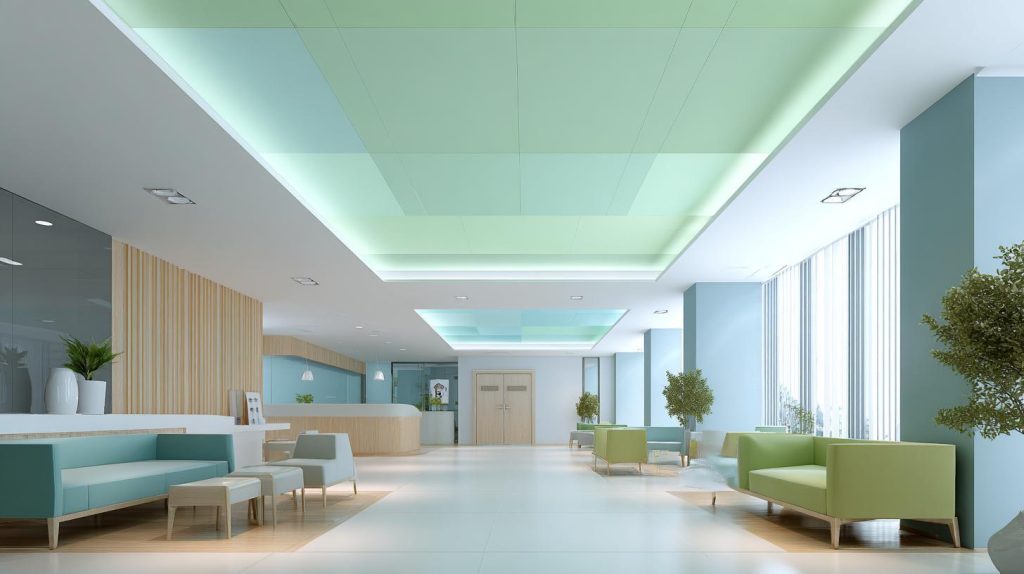
difference between pvc and wpc pvc vs wpc wall panel ceiling
PVC is a synthetic plastic material widely used in interiors for its water resistance and affordability. It is lightweight, flexible, and easy to install, which makes it popular for quick and budget-friendly solutions. It is especially useful in areas where practicality matters more than structure.
Types of PVC Products Used in Interiors
You will commonly see PVC used in wall panels, ceiling panels, cabinets, and decorative surfaces. PVC sheets and hollow boards are also used in modular furniture and partitions.
Key Features of PVC
PVC is highly moisture-resistant, which makes it ideal for areas exposed to water. It is also termite-proof, easy to clean, and available in a wide range of colours and finishes. However, it is relatively lighter and less rigid compared to other materials.
Common Applications
PVC is widely used in bathrooms, kitchens, ceilings, and decorative panels. A PVC panel or PVC design is often chosen for areas where water exposure is frequent and maintenance needs to be minimal.
What is WPC (Wood Plastic Composite)?
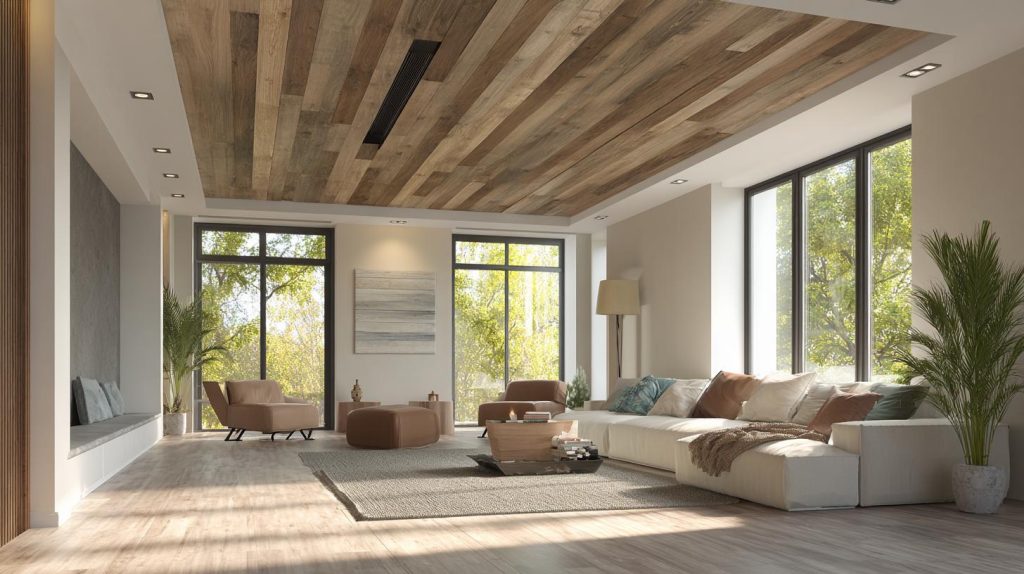
wpc vs pvc panel difference between wpc and pvc board ceiling
WPC is made by combining wood fibres with plastic polymers. This gives it the strength of wood along with the durability of plastic. It feels more solid and structured compared to PVC. This makes it a better fit for applications where strength and longevity are important.
Types of WPC Products Used in Interiors
WPC is used for boards, wall panels, furniture, and even doors. You will often see WPC board, WPC panel, and WPC ceiling applications in modern interiors.
Key Features of WPC
WPC is strong, durable, and resistant to moisture and termites. It has a more natural, wood-like appearance, which makes it suitable for furniture and premium finishes. It is also heavier and more rigid than PVC.
Common Applications
WPC is commonly used for wardrobes, cabinets, doors, and wall panels. A WPC design works well where you need both durability and a slightly richer finish.
Key Differences Between PVC and WPC in Interior Applications
When comparing PVC vs WPC, the differences become clearer.
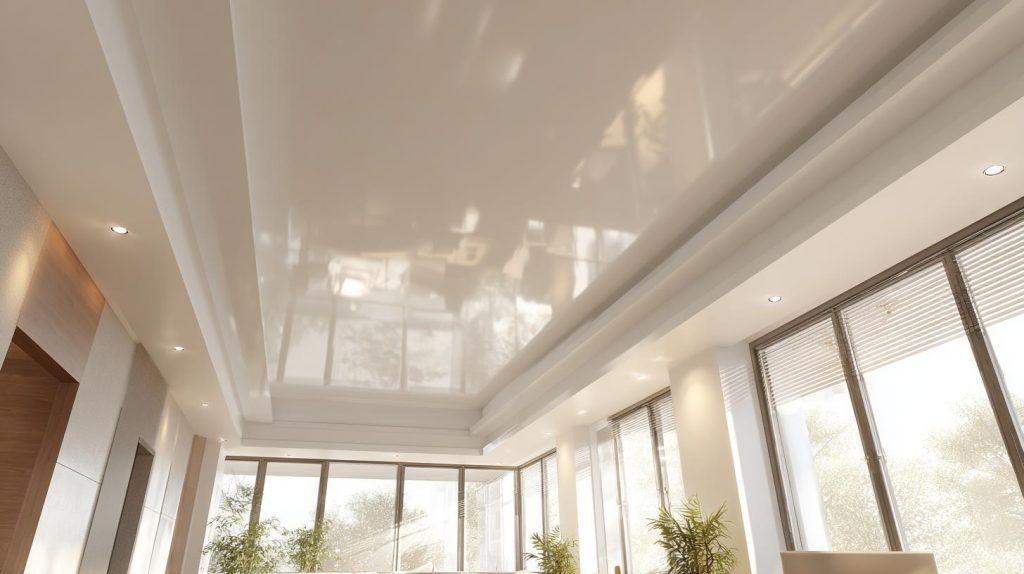
pvc vs wpc ceiling panels difference between pvc and wpc
PVC is lighter, more flexible, and usually more affordable. It works well in moisture-prone areas but may not handle heavy loads as effectively.
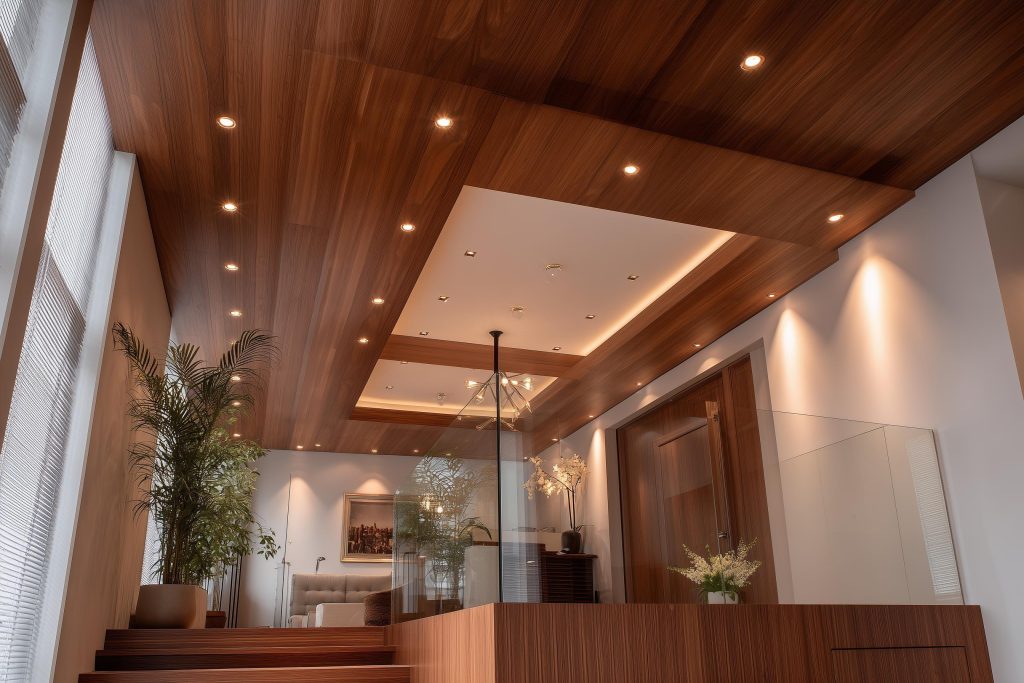
WPC ceiling panels with wood finish and recessed lighting
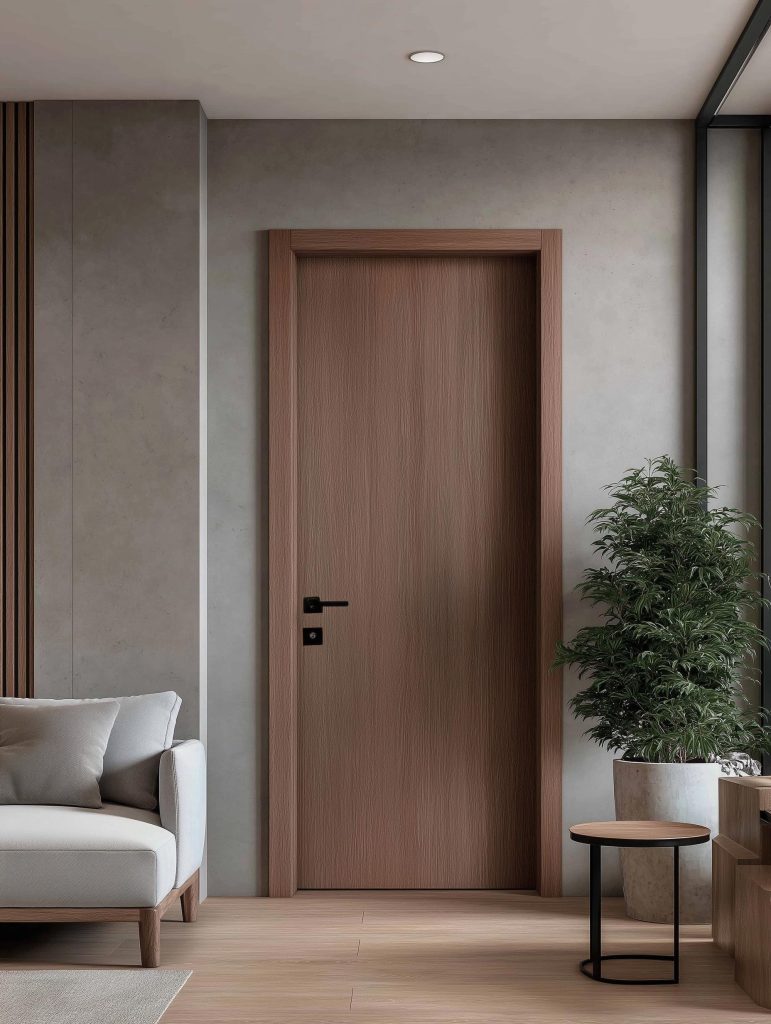
WPC, on the other hand, is stronger and more durable. It feels closer to wood and performs better in structural applications. This is also evident in the difference between PVC and WPC doors, where PVC doors are lighter and suited for bathrooms, while WPC doors are sturdier and better for long-term use in main interior spaces.
So in simple terms, PVC is more about convenience and cost, while WPC is about strength and finish.
Best Uses of PVC vs WPC in Interior Design
WPC door in a modern interior corridor
Choosing between them depends on where you are using them. PVC works best for ceilings, bathroom panels, and lightweight partitions. It is ideal where water resistance is the priority.
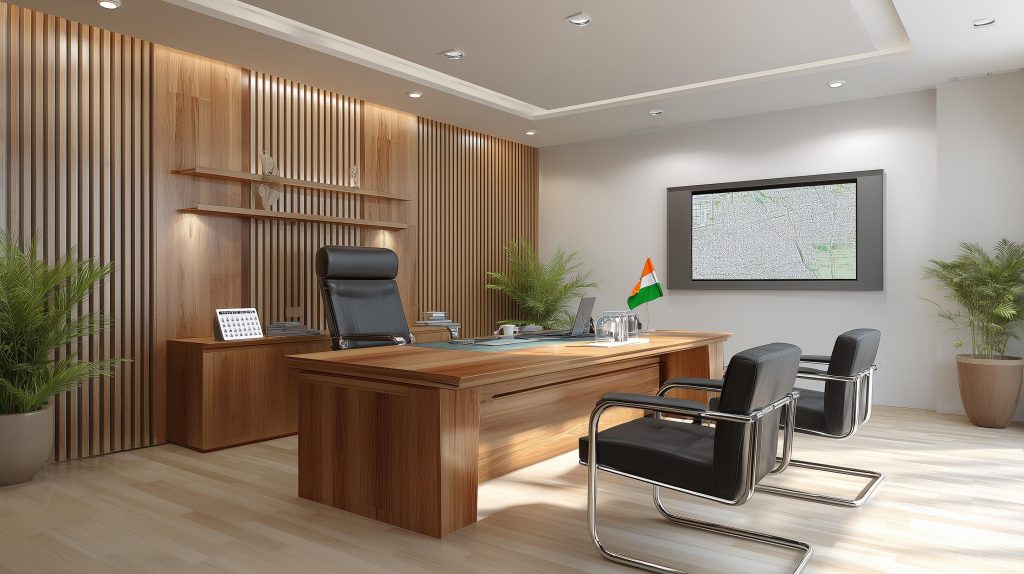
WPC is better for furniture, doors, and cabinets where strength matters. It also works well for wall panels where you want a more premium feel. In a PVC vs WPC wall panel comparison, PVC is easier to install, while WPC offers better durability and finish.
Advantages and Disadvantages: PVC vs WPC in Interior Design
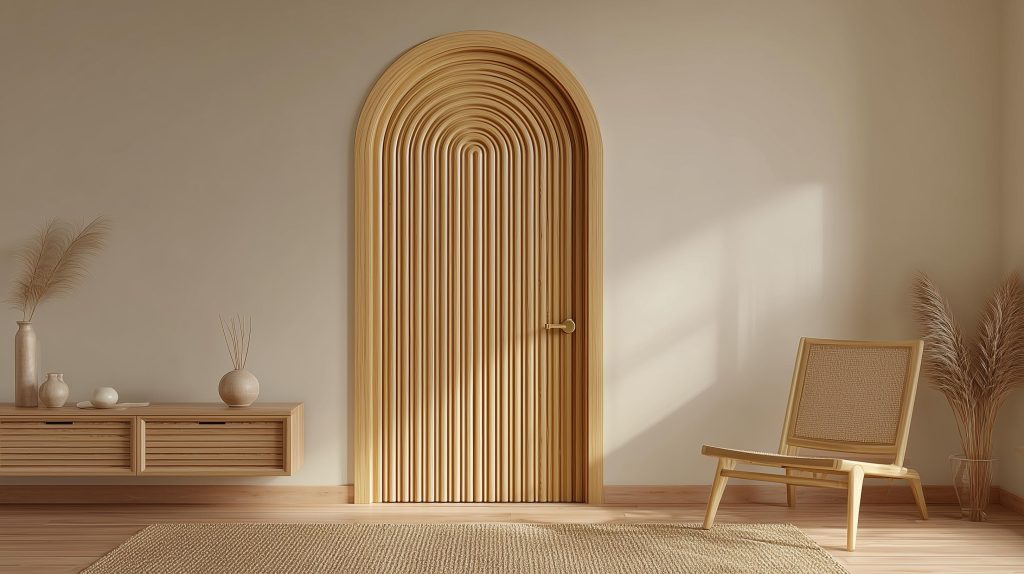
Decorative WPC arched door with fluted design
PVC has the advantage of being lightweight, affordable, and highly water-resistant. But it may not be as strong or long-lasting under heavy use.
WPC offers better strength, durability, and a more refined look. However, it is heavier and usually more expensive. Understanding these trade-offs helps you make a more practical decision.
How to Choose Between PVC and WPC for Your Interior Design Project
WPC wall panels in modern office interior design
Start by looking at the purpose. If the area is exposed to moisture, like bathrooms or ceilings, PVC is a safe and practical choice.
If you need something sturdy for furniture or long-term use, WPC is usually the better option. Budget also plays a role. PVC is more economical, while WPC requires a slightly higher investment. Think about how the material will be used daily, not just how it looks initially.
A Smarter Choice Starts with Clarity!
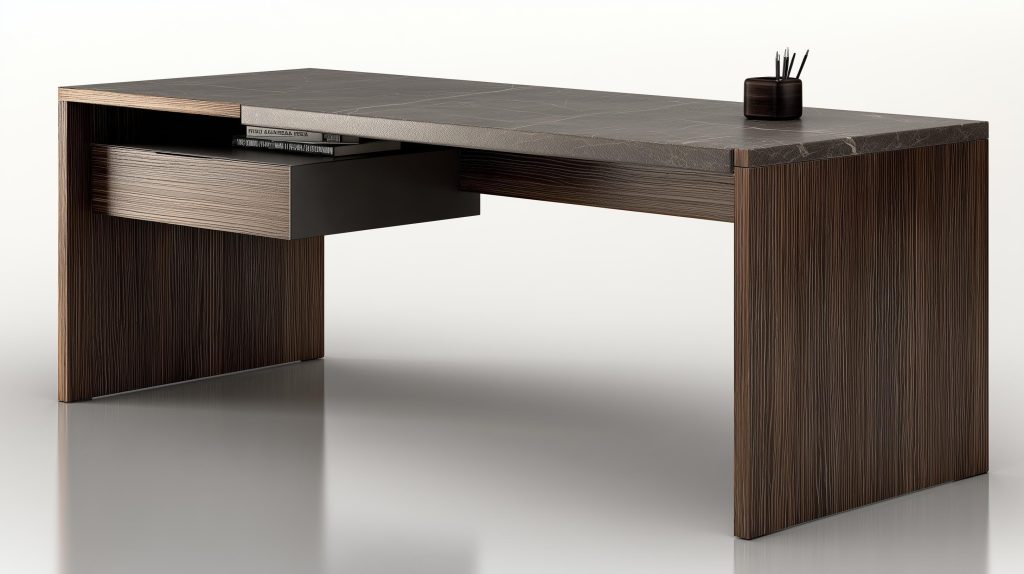
WPC board furniture desk with wood grain finish
There is no one “best” material. Only the right material for the right space. Understanding the difference between WPC and PVC boards helps you avoid common mistakes and make choices that last longer and work better.
And if you are planning your interiors, HomeLane can help you choose materials that balance durability, design, and practicality.
FAQs
1. What is the main difference between PVC and WPC wall panels?
PVC panels are lightweight and highly water-resistant, while WPC panels are stronger and more rigid. WPC also offers a more natural, wood-like finish compared to PVC. This makes WPC a better choice where both strength and appearance matter.
2. Are WPC wall panels waterproof?
WPC panels are moisture-resistant and can handle humidity well. They are not completely waterproof but perform better than traditional wood-based materials. With proper installation, they can still work reliably in most indoor spaces.
3. Can PVC or WPC panels be used outdoors?
Both can be used outdoors, but WPC performs better due to its strength and durability. PVC may work in covered areas but is less suited for heavy outdoor exposure. Choosing the right finish can also improve outdoor performance.
4. Which wall panel lasts longer?
WPC panels generally last longer because they are stronger and more durable. PVC panels may wear out faster under heavy use or stress. For long-term use, WPC is usually the more reliable option.
5. Which is better for a bathroom — PVC or WPC?
PVC is usually the better choice for bathrooms because of its superior water resistance. It handles moisture more easily and requires less maintenance. This makes it more practical for spaces with constant water exposure.
6. Which is better for flooring: PVC or WPC?
WPC is generally better for flooring because it is stronger, more stable, and feels closer to wood underfoot. PVC flooring works in lighter-use areas but may not handle long-term wear as well.
7. Is WPC more eco-friendly than PVC?
WPC can be considered more eco-friendly as it uses wood fibres and recycled materials in its composition. PVC is fully synthetic, though some variants are designed to be more sustainable today.












 EXPLORE MORE