7 Wabi Sabi Interior Designs for Simple and Peaceful Home Living
By Bivin Peter- April 15, 2026
AI Summary
3 key insights · 1 expert tip
Embrace wabi sabi interior design by celebrating imperfection, natural materials, and mindful living to create a peaceful sanctuary that honours the passage of time.
Key Insights:
What You'll Read Here:
Wabi sabi design prioritises raw materials like reclaimed wood, terracotta, bamboo, jute, concrete, and rough plaster for an authentic feel.
An earthy, muted colour palette featuring tones of ash, oatmeal, olive, rusted iron, and slate promotes a calming and natural aesthetic.
Focus on negative space, natural wrinkles in textiles, and asymmetry to foster a relaxed, lived-in atmosphere rather than manufactured perfection.
HOMELANE EXPERT TIPBy our design team
Achieve authentic wabi sabi depth and movement on walls by using lime-wash or clay-based paints, which naturally age and interact beautifully with light.
Summary:
Embracing wabi sabi interior design involves shifting focus from unattainable perfection to the organic beauty of imperfection and transience. Rooted in ancient Japanese philosophy, this wabi sabi interior design style prioritises natural materials, earthy palettes, and a deep connection to the passage of time. For modern Indian homeowners, incorporating wabi sabi interior design ideas means choosing artisanal furniture, textured walls, and asymmetrical layouts that foster a sense of calm. This guide explores how to achieve a modern wabi sabi interior design by balancing simplicity with history, ensuring your home becomes a sanctuary of peace and effortless elegance in 2026.
Best For:
Homeowners seeking a quiet, meditative, and sustainable wabi sabi interior design that celebrates natural materials and mindful living.
Expert Tip:
HomeLane designers recommend using lime-wash or clay-based paints for your walls to achieve that signature wabi sabi interior design depth and movement, as these paints naturally age and change with the light.
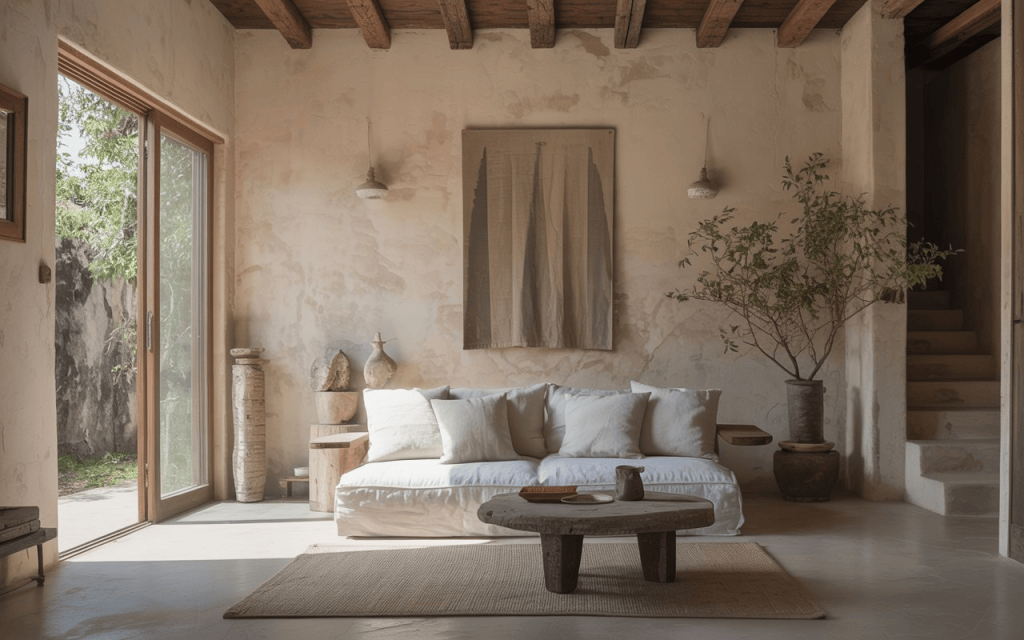
A calm wabi sabi interior design living room with organic textures.
Finding Beauty in the Imperfect
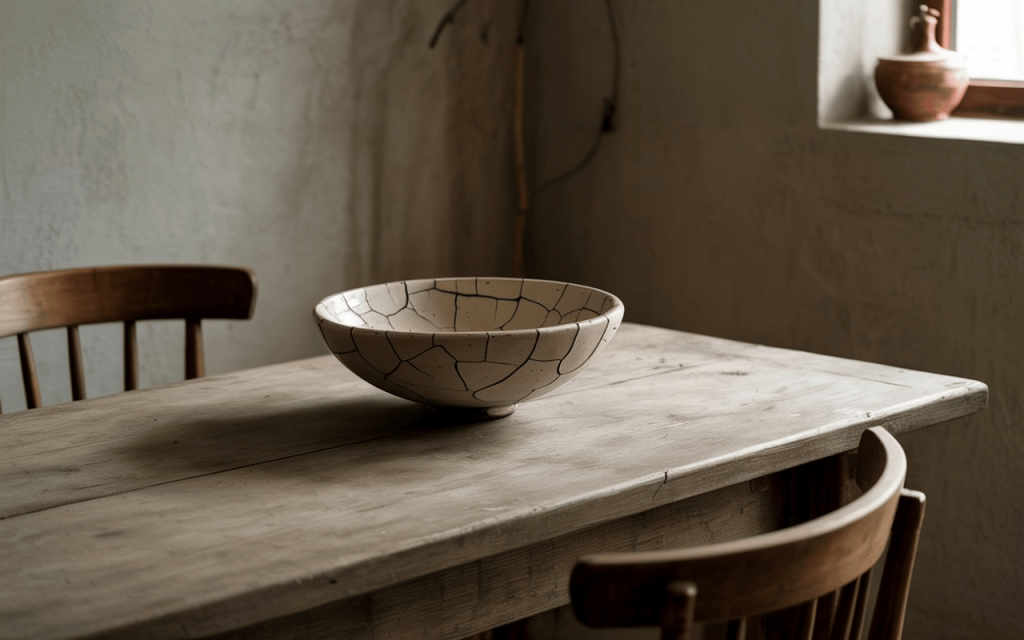
Hand-cracked ceramic bowl showing beauty in imperfection.
Is the constant pressure to maintain a “picture-perfect” home becoming a source of stress rather than joy? In an era of high-gloss finishes and ultra-precise modular furniture, many Indian urbanites are finding that their homes feel more like showrooms than sanctuaries. The solution to this modern fatigue lies in a centuries-old Japanese philosophy: Wabi Sabi. This design movement suggests that a cracked ceramic bowl or a weathered wooden table is more beautiful than a flawless, mass-produced item because it tells a story.
Adopting a wabi sabi interior design approach is about unlearning the need for symmetry and shine. It is about creating a minimalist wabi sabi interior design that respects the natural cycle of growth and decay. In a busy city like Mumbai or Bengaluru, a wabi-sabi interior design offers a much-needed retreat from the chaotic outside world, grounding the inhabitants in the present moment through tactile textures and honest materials.
What is Wabi Sabi Interior Design?
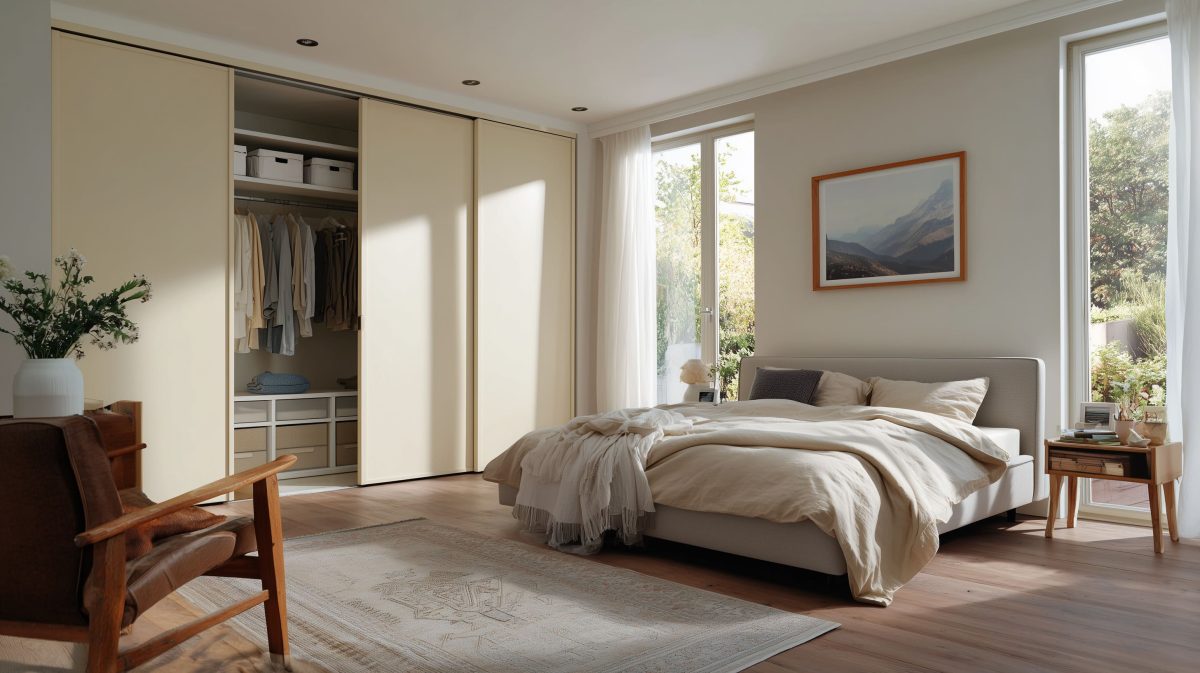
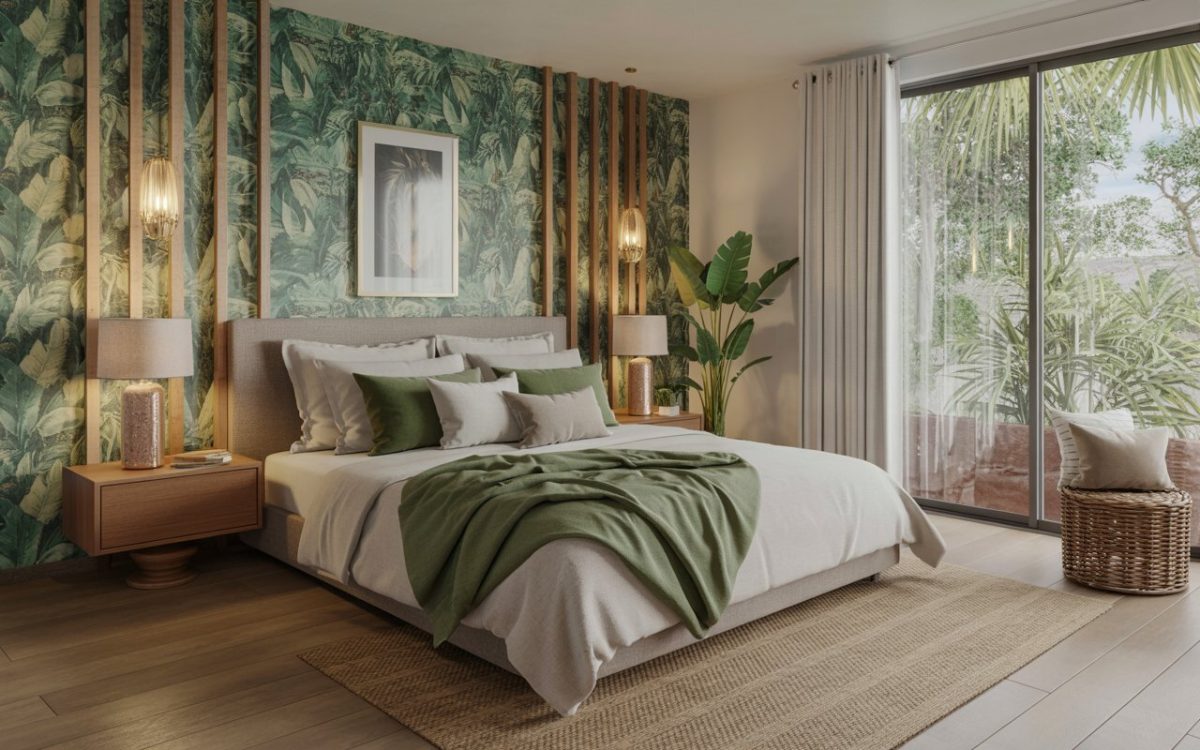
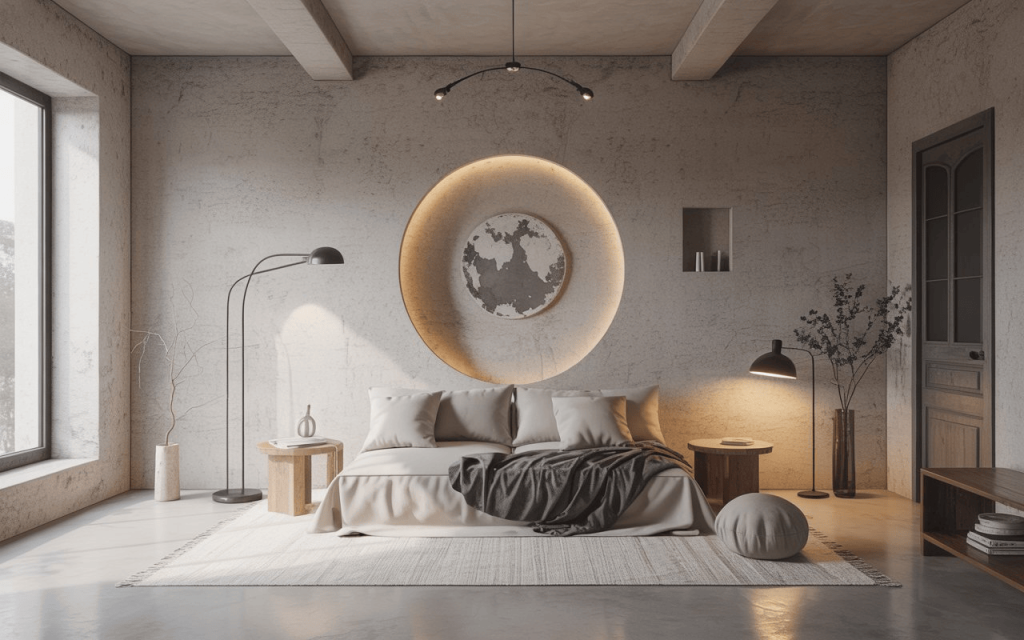
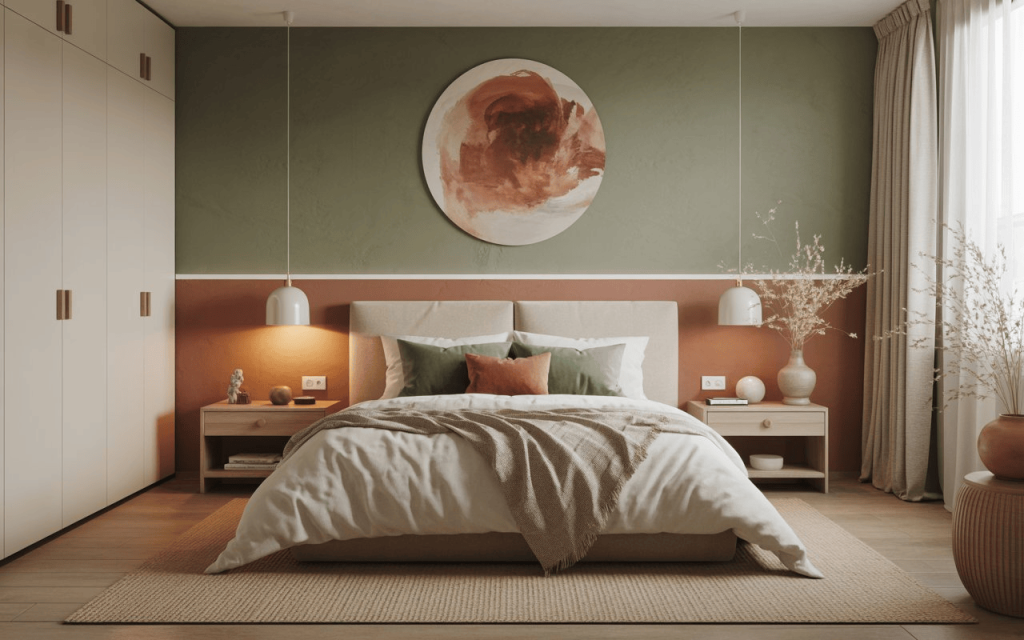
Create a restful sanctuary with wabi sabi interior design bedroom.
At its core, interior design wabi sabi is the celebration of the “imperfect, impermanent, and incomplete.” “Wabi” refers to the rustic simplicity and the beauty found in being alone with nature, while “Sabi” refers to the beauty that comes with age and the visible passage of time.
In a wabi sabi interior design style, you will not find harsh synthetic materials or perfectly matching furniture sets. Instead, the focus is on a minimalist wabi sabi interior design that feels warm and human. It is a philosophy that encourages one to keep only what is essential and to cherish the flaws that make an object unique.
How to Incorporate Wabi Sabi in Modern Homes
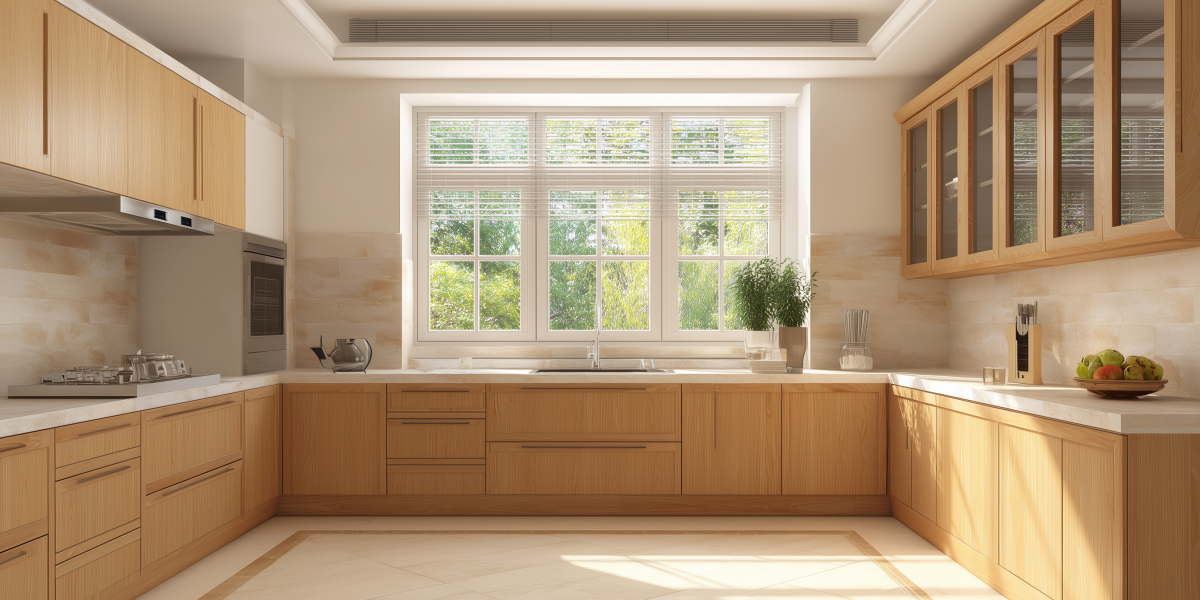
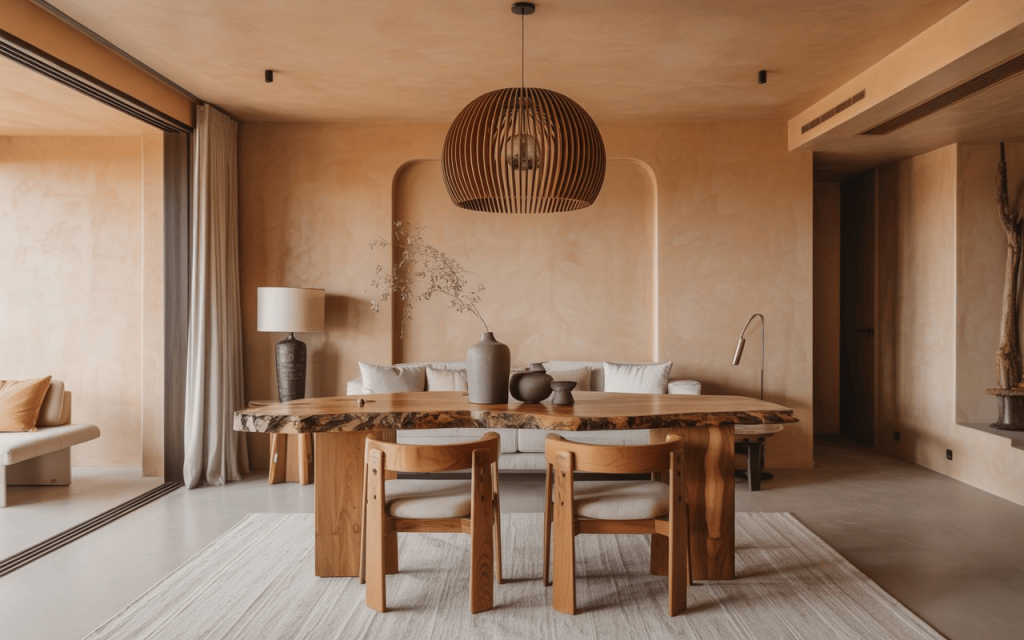
Natural wood finishes enhance a wabi-sabi interior design space.
Transitioning to a modern wabi sabi interior design does not require a complete overhaul. It begins with a change in perspective. One should start by stripping back unnecessary layers of decor and focusing on high-quality, raw materials. For instance, replacing a plastic laminate surface with a live-edge wooden slab or using lime-wash paint instead of standard plastic emulsion can instantly evoke the wabi sabi interior design aesthetic.
Benefits of Wabi Sabi Design Style
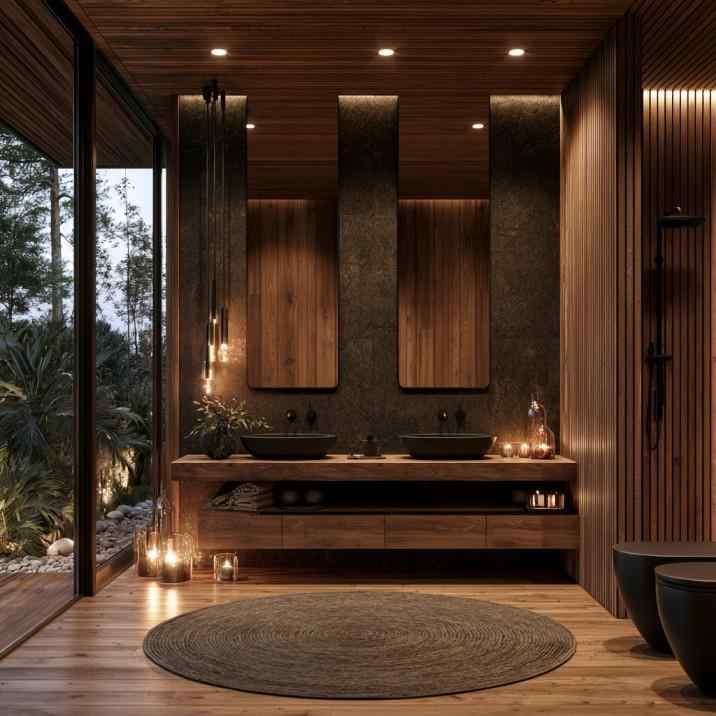
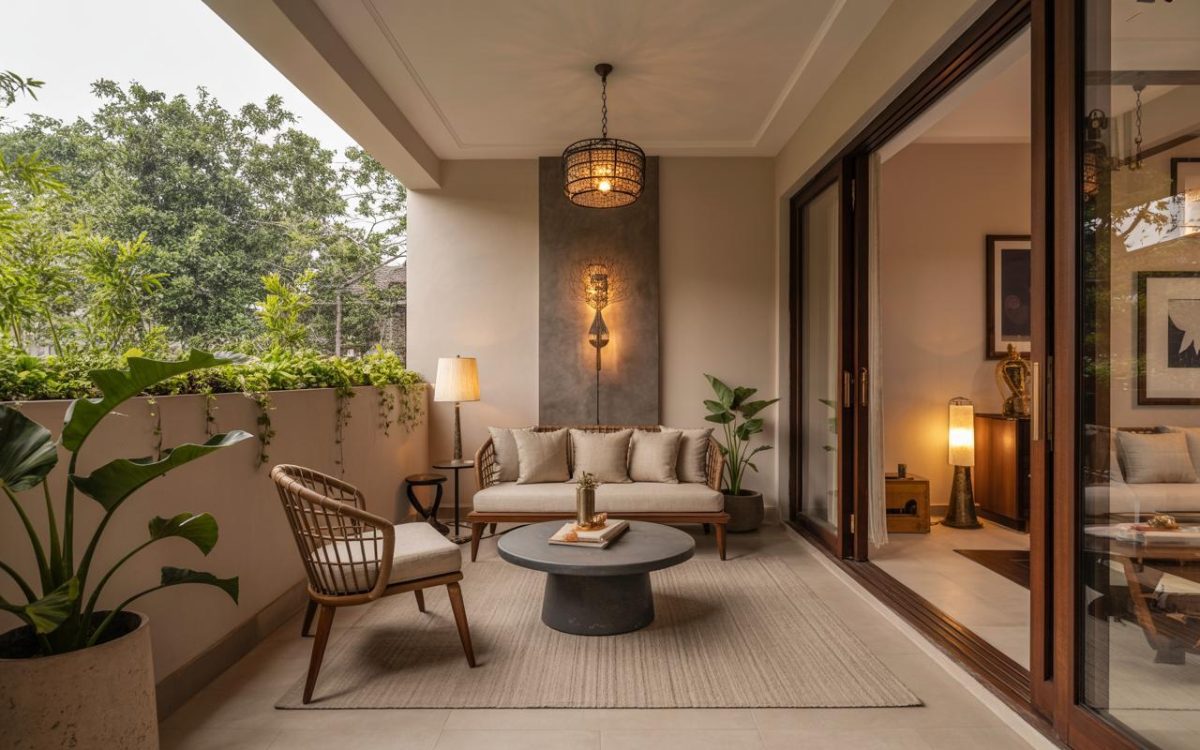
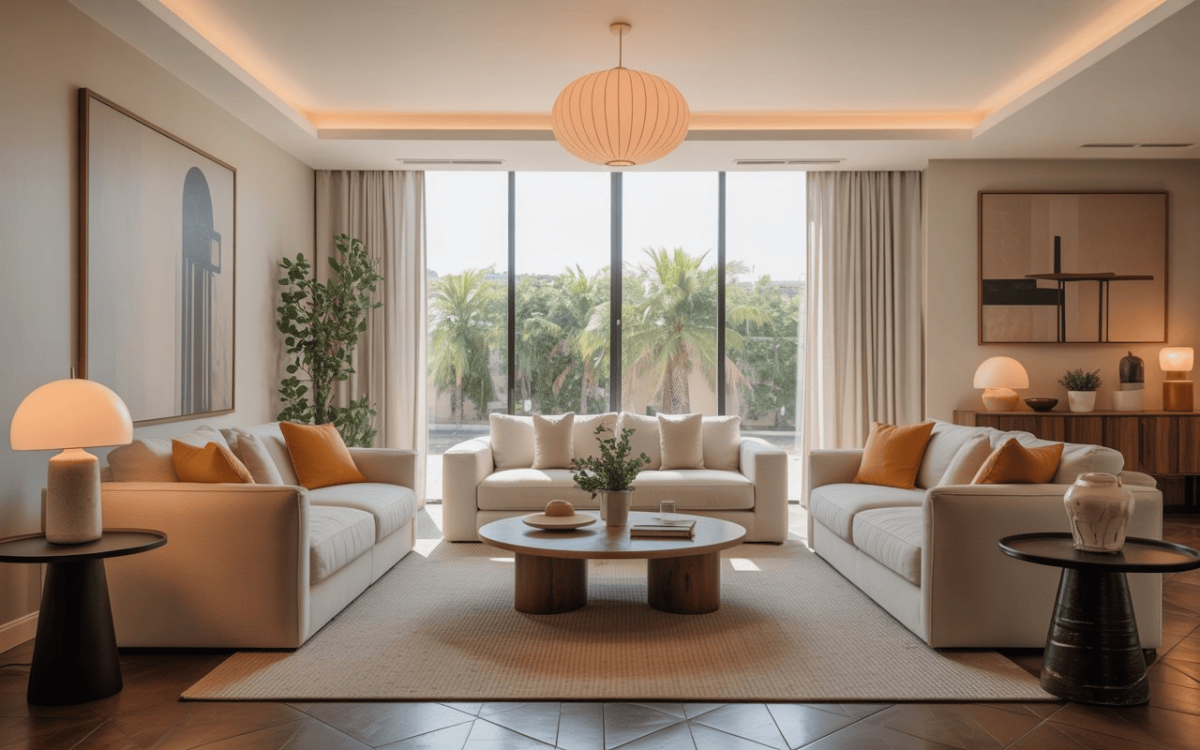
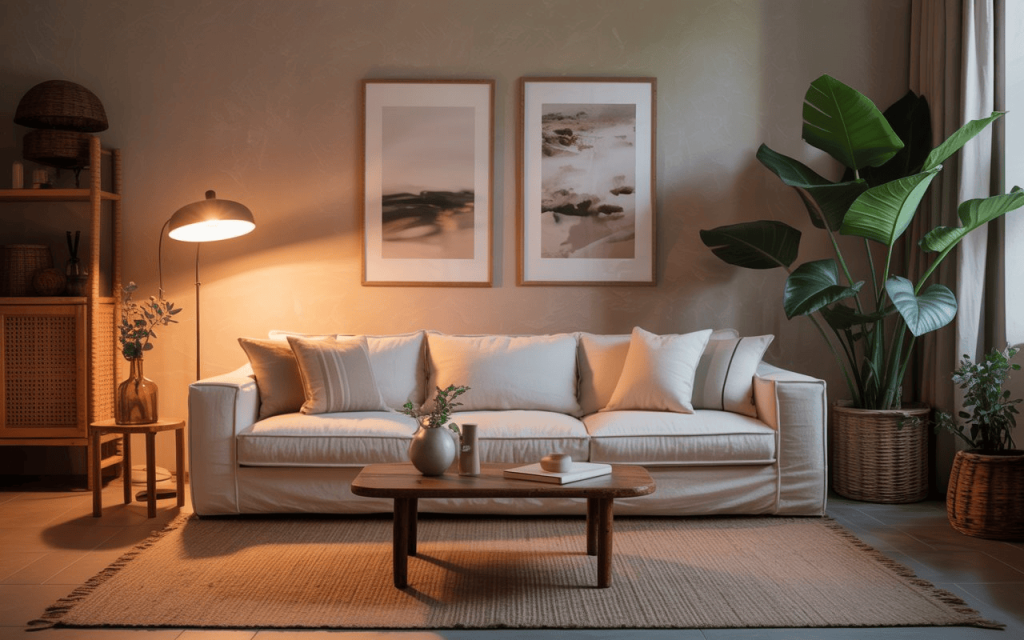
Warm, ambient lighting enhances modern wabi sabi interior design.
Reduced Stress: The cluttered-free, quiet environment of a wabi sabi interior design living room significantly lowers anxiety levels.
Sustainability: By valuing aged items and natural materials, this style promotes a circular economy and discourages “fast furniture” culture.
Cost-Effectiveness: It encourages the reuse of old furniture and reduces the need for constant upgrades to stay “on trend.”
7 Wabi-Sabi Interior Design Ideas
1. Embrace Raw and Natural Materials
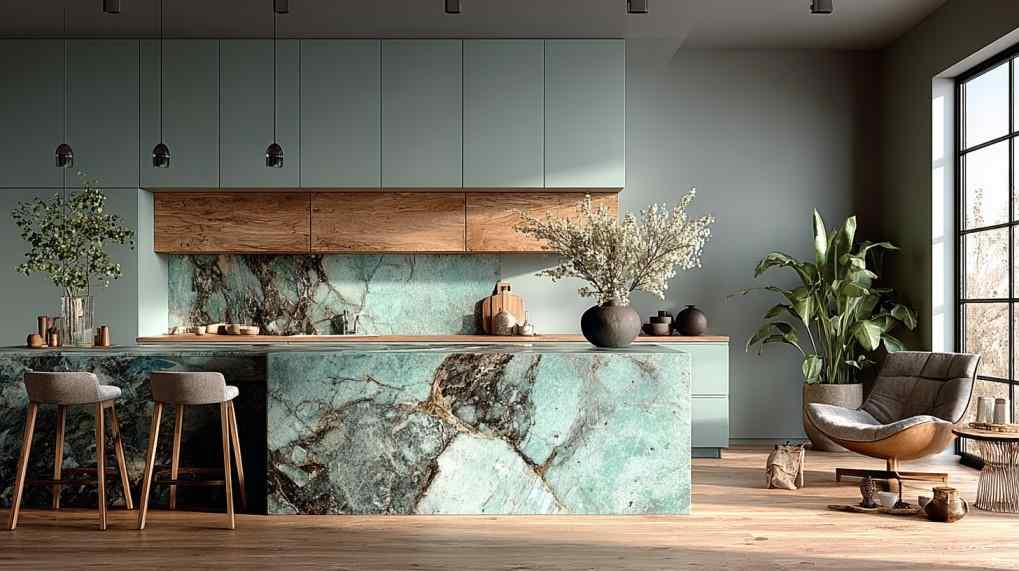
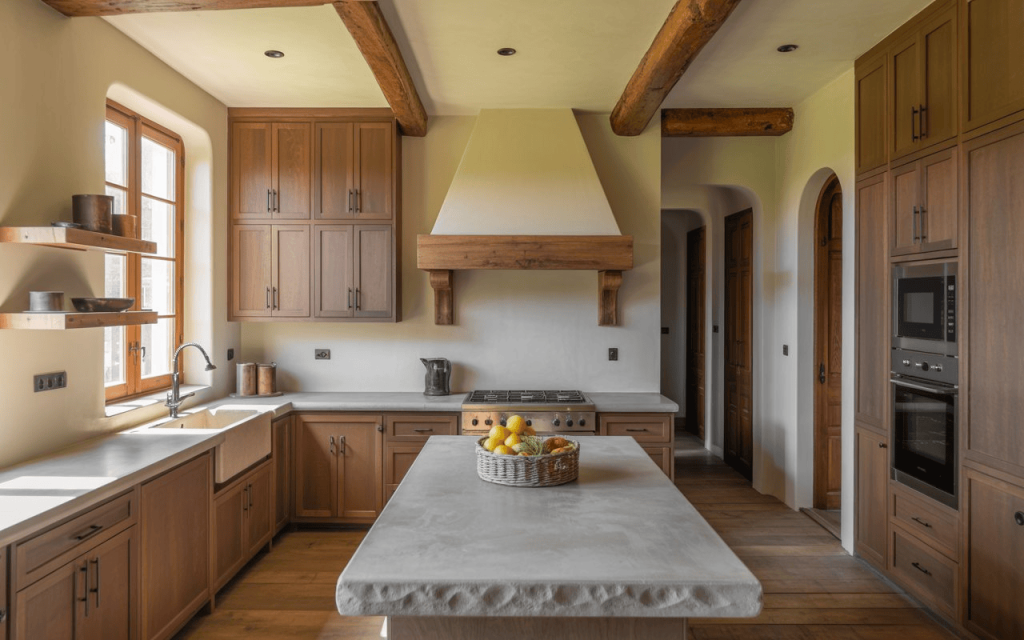
Incorporate interior design wabi sabi through raw stone surfaces.
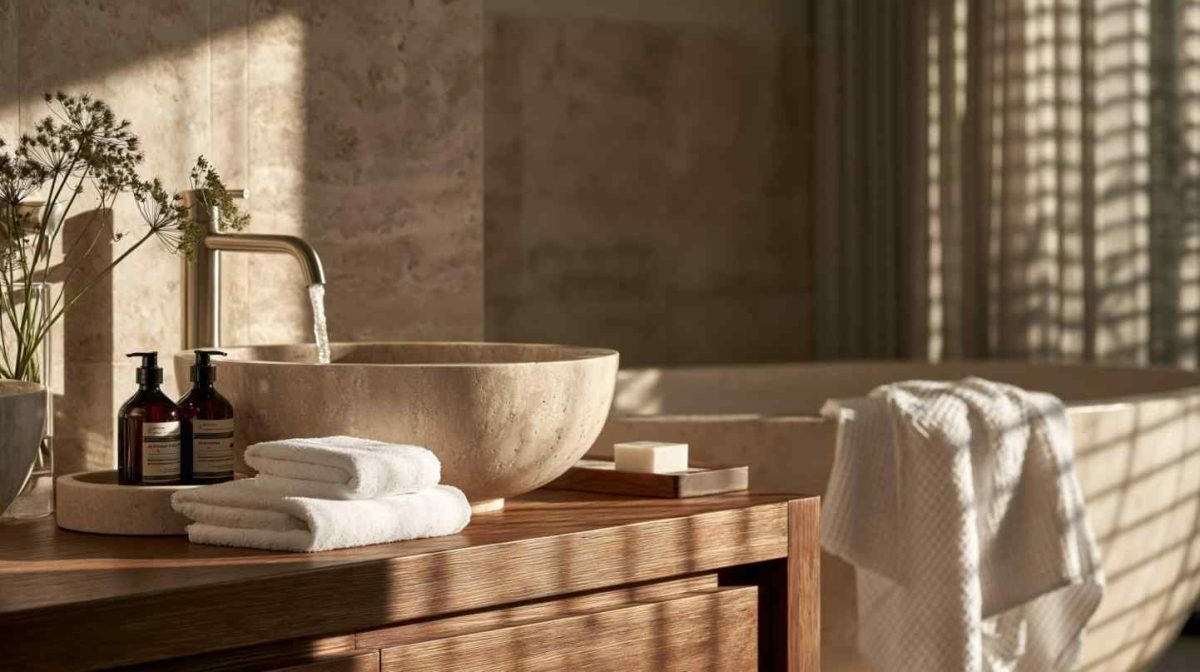
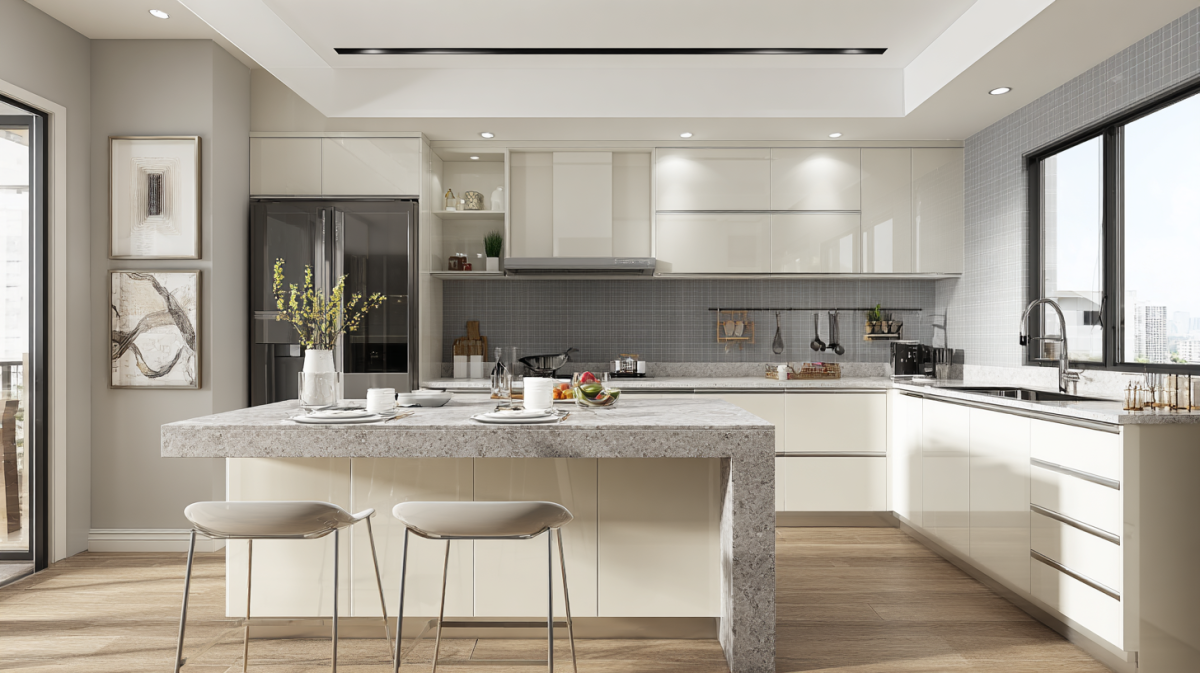
The foundation of wabi sabi interior design is the use of materials in their most natural state. Think unpolished stone, rough-hewn wood, and hand-woven linen. In a wabi sabi interior design kitchen, a granite countertop with a matte, leathered finish looks far more authentic than a high-gloss polished one.
2. Opt for an Earthy, Muted Palette
Use earthy palettes for a modern wabi sabi interior design style.
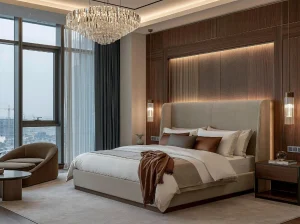
Steer clear of neon or highly saturated primary colours. A wabi sabi interior design bedroom should feature tones of sage green, sandy beige, charcoal grey, and terracotta. These colours mimic the natural world and create a soothing backdrop for rest.
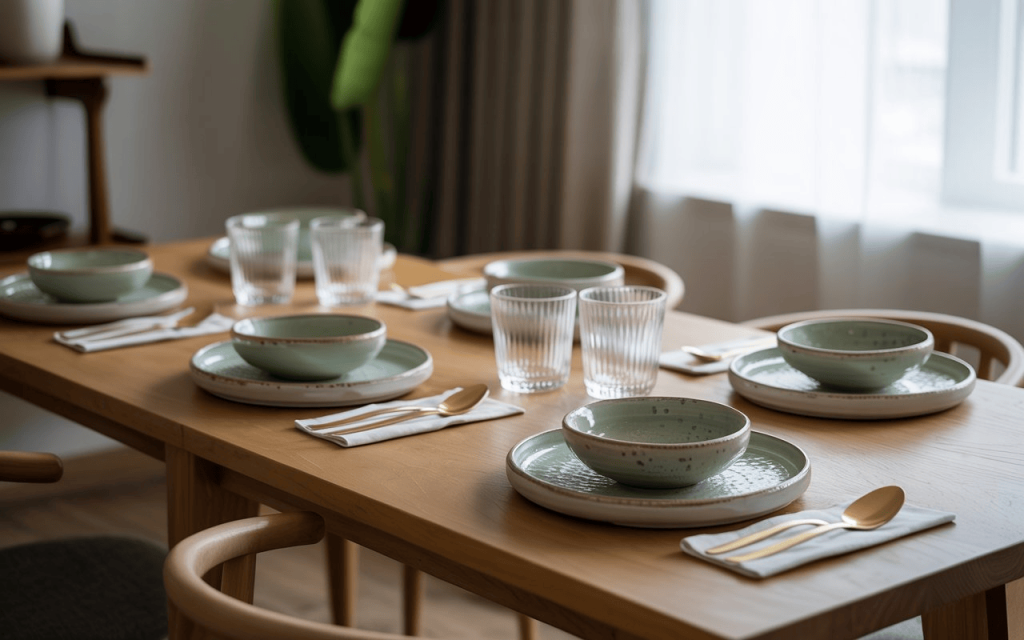
Mass-produced dinnerware has no place in interior design wabi sabi. Instead, choose hand-thrown pottery. The slight wobbles in the shape or the uneven glaze are exactly what make these pieces valuable in a wabi sabi interior design style.
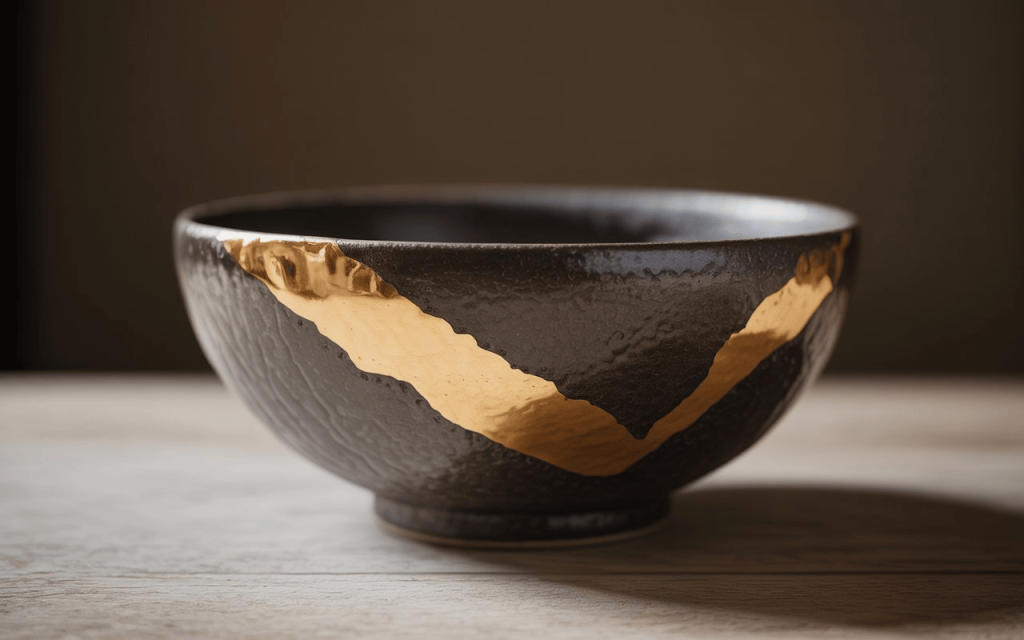
If a favourite vase breaks, do not throw it away. Kintsugi is the Japanese art of repairing broken pottery with gold lacquer. This embodies wabi sabi interior design ideas by highlighting the repair as a beautiful part of the object’s history rather than a flaw to be hidden.
5. Prioritise Negative Space
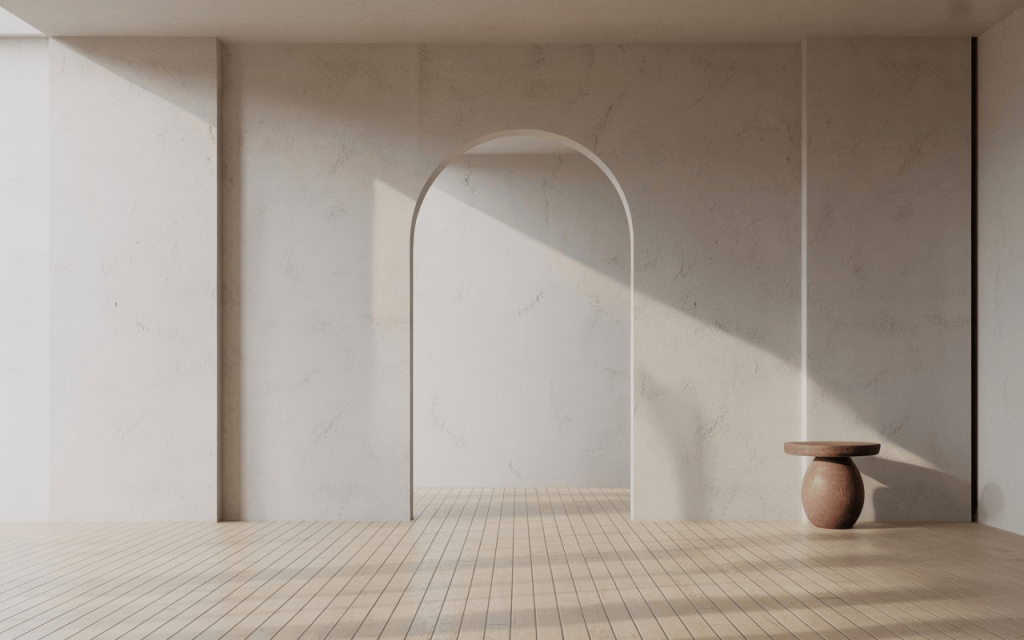
Embrace negative space with minimalist wabi sabi interior design.
A minimalist wabi sabi interior design thrives on air and light. Avoid the temptation to fill every corner of the room. Leave walls bare or allow a single, meaningful piece of art to breathe. This emptiness allows the eye to appreciate the textures that are present.
6. Use Textiles with Natural Wrinkles
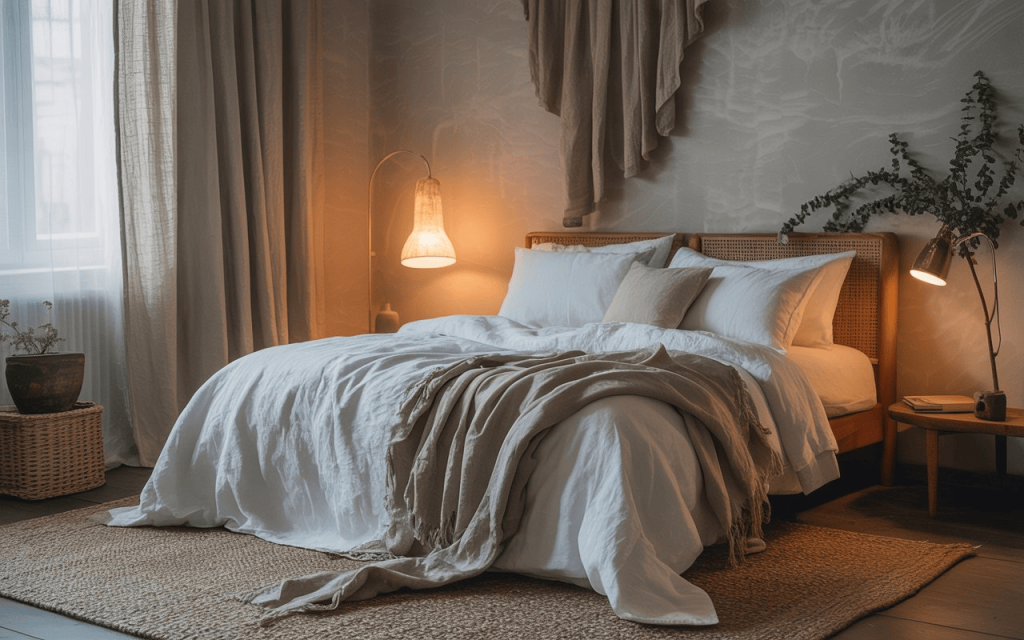
Master the wabi sabi interior design style with natural fabrics.
Forget the iron. In a wabi sabi interior design bedroom, linen sheets that are naturally wrinkled look more inviting and honest. Natural fibres like hemp, wool, and cotton add a layer of soft, tactile comfort that is central to the wabi-sabi interior design experience.
7. Incorporate Asymmetry
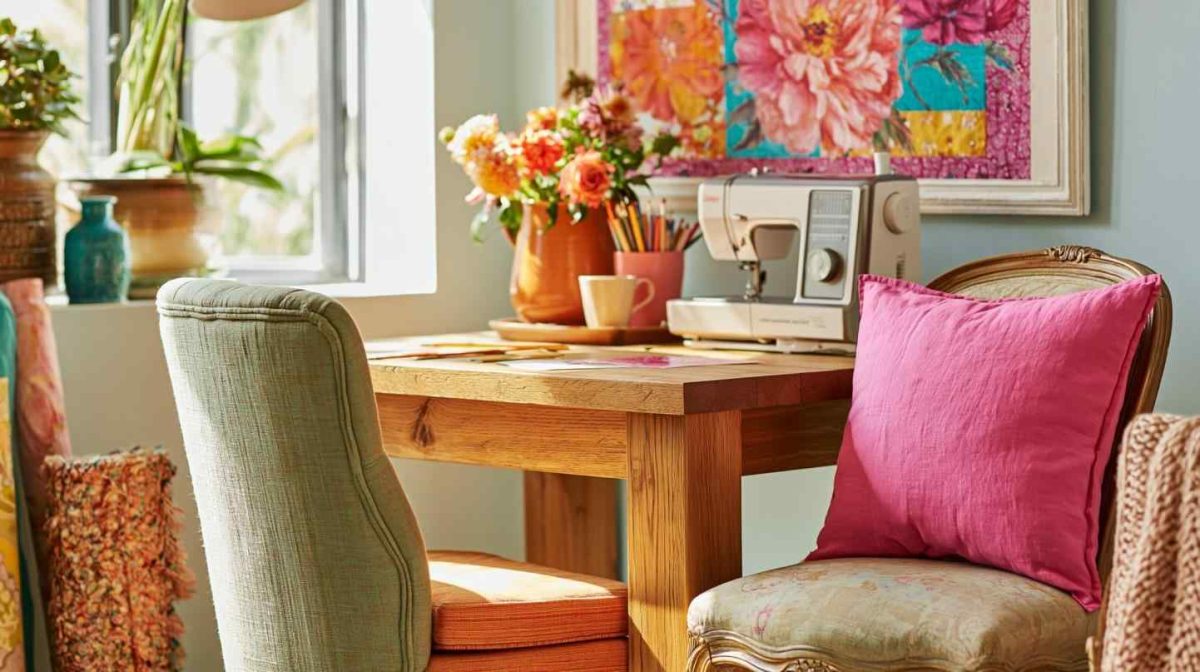
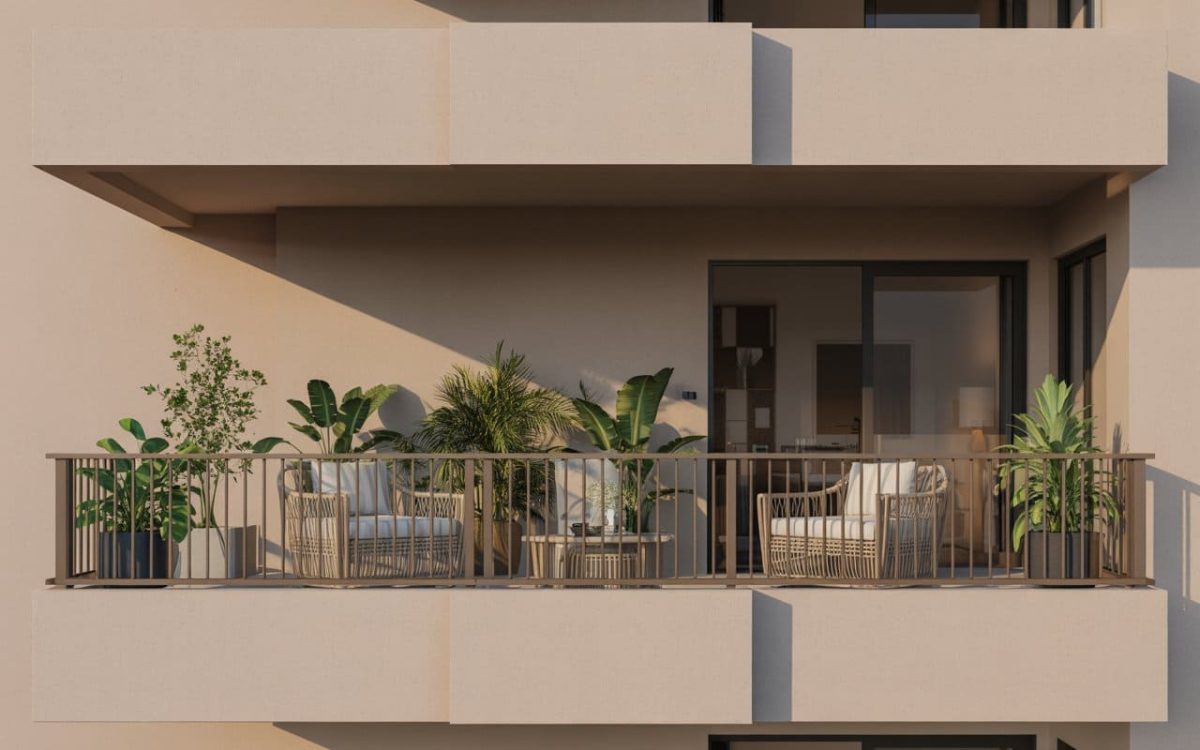
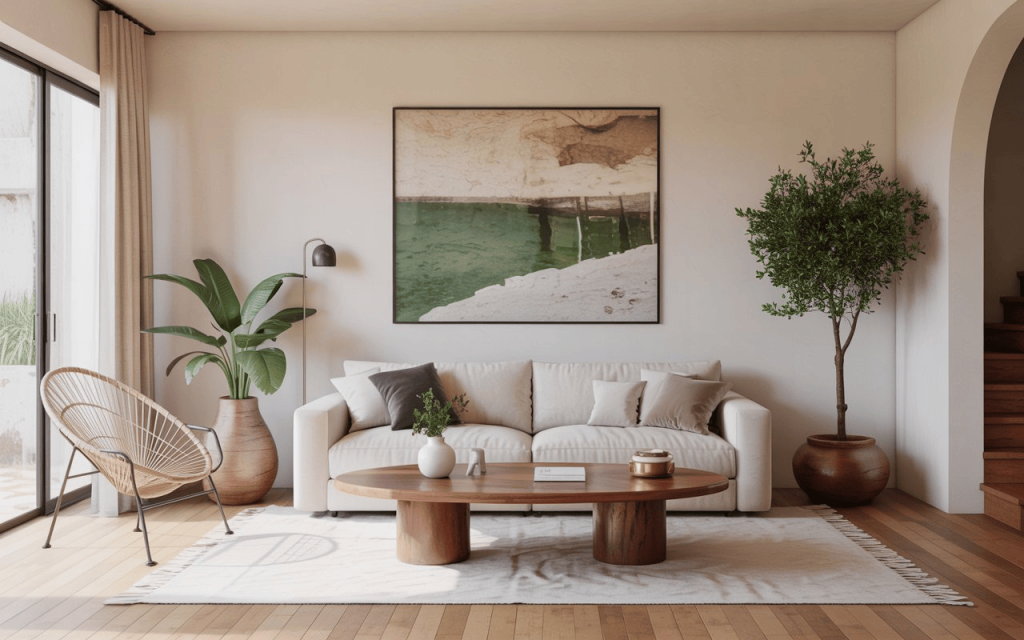
Discover fresh wabi sabi interior design ideas for your home.
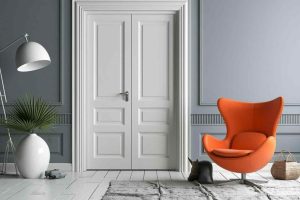
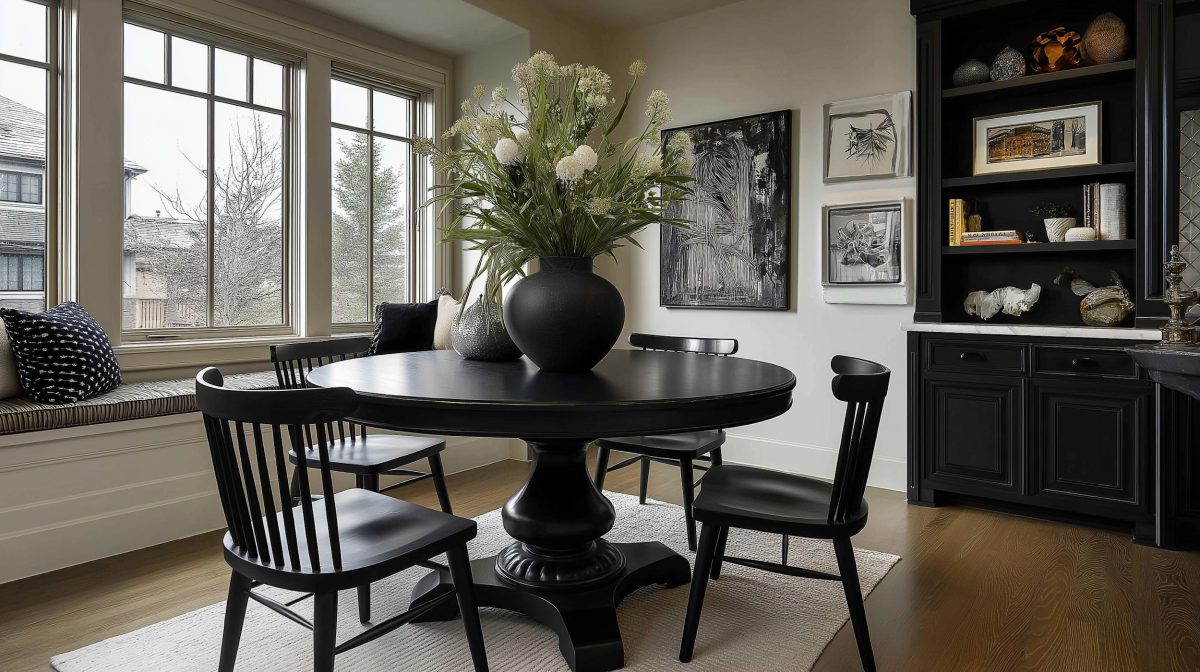
Nature is rarely perfectly symmetrical, and your wabi sabi interior design living room should reflect that. Arrange furniture in a way that feels organic. A single armchair placed slightly off-centre or an odd number of decorative items can create a more relaxed, “lived-in” feel.
Key Materials and Colours for Wabi Sabi Homes
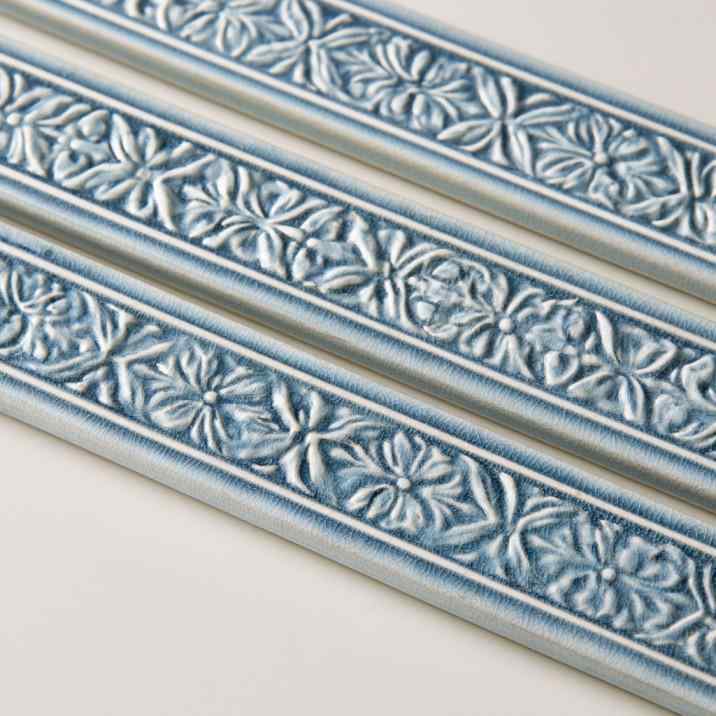
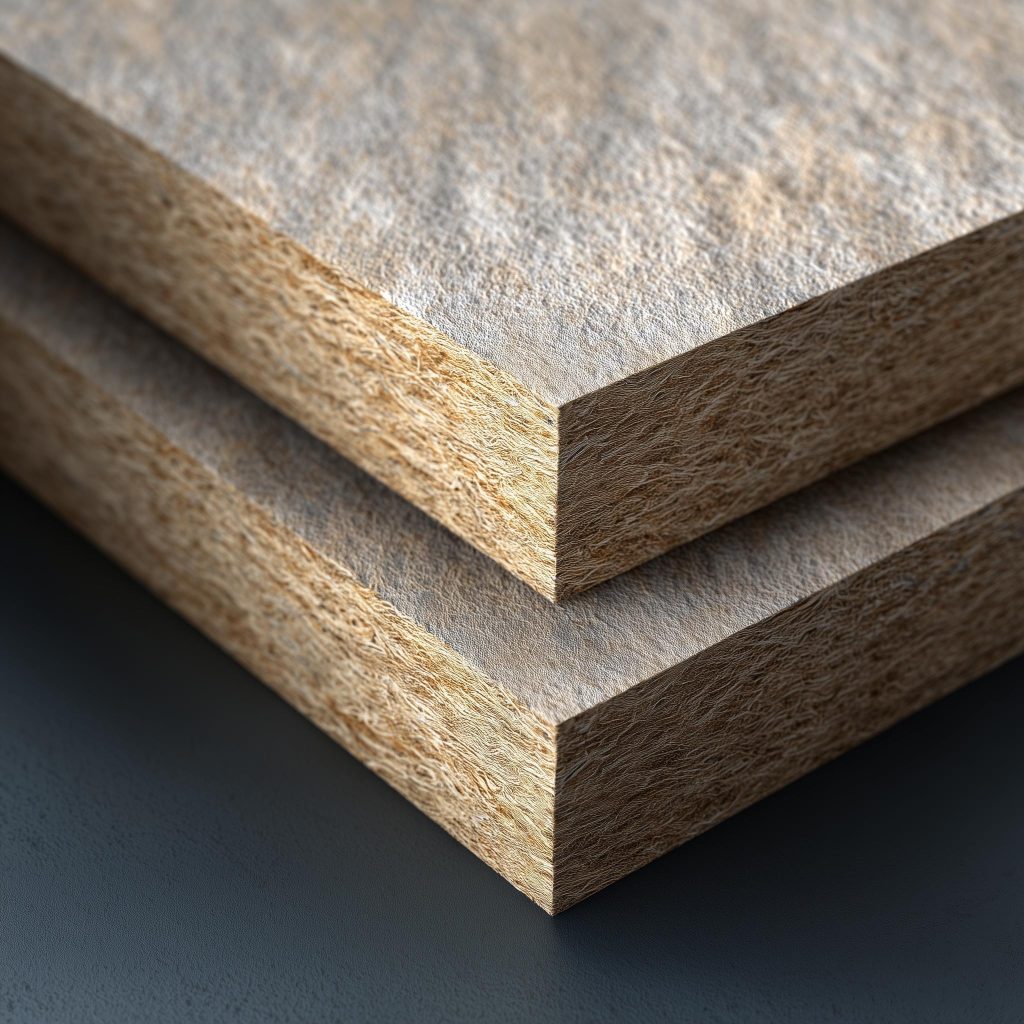
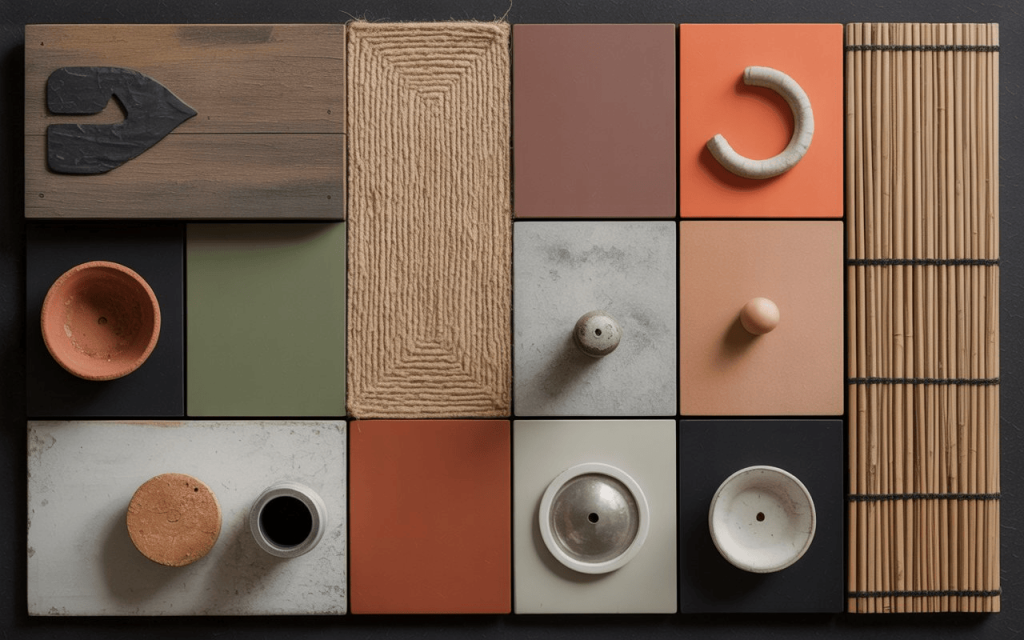
Curated textures for a minimalist wabi sabi interior design look.
To execute successful wabi sabi interior design ideas, one must curate a specific material library.
Materials: Reclaimed wood, terracotta, bamboo, jute, concrete, and rough plaster.
Colours: Ash, oatmeal, olive, rusted iron, and slate.
Textures: Distressed, pitted, frayed, and matte.
Embracing the Soul of Your Home
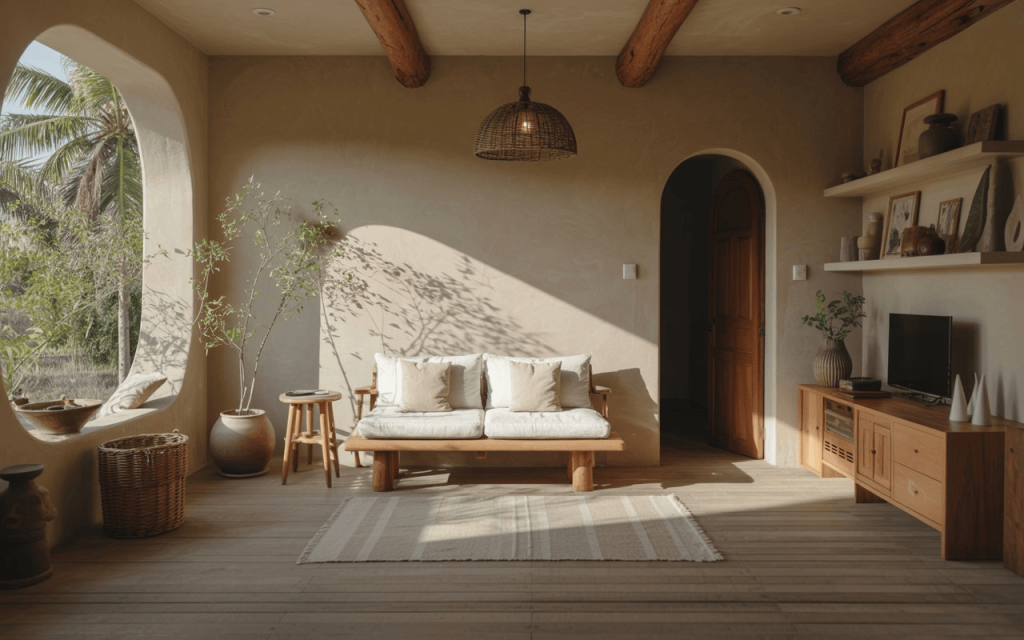
Create a tranquil retreat with wabi-sabi interior design ideas.
The journey toward a wabi sabi interior design is a personal one. It is an invitation to slow down, breathe, and appreciate the unique story that your home tells. By integrating these wabi sabi interior design ideas, you move away from the noise of consumerism and toward a space that reflects your true self. Whether it is through a wabi sabi interior design bedroom that promotes deep sleep or a wabi sabi interior design kitchen that celebrates slow cooking, this style brings a profound sense of satisfaction.
At HomeLane, expert designers help transform ordinary homes into extraordinary spaces through thoughtful planning, intelligent storage, and timeless design. By understanding the nuances of global styles like wabi sabi, professional guidance ensures your home remains a perfect reflection of your values and lifestyle.
FAQs
1. What is the concept of Wabi Sabi in interior design?
The concept of wabi sabi interior design is rooted in finding beauty in things that are imperfect, modest, and aged. It focuses on authenticity, natural materials, and a minimalist approach that rejects the need for modern, machine-made perfection.
2. How do I create a Wabi Sabi-inspired living room?
To create a wabi sabi interior design living room, start by de-cluttering and choosing a neutral, earthy colour palette. Use furniture made of raw wood or stone, incorporate natural textiles like linen, and use soft, ambient lighting to highlight the textures of your walls and decor.
3. Which materials and textures define Wabi Sabi interiors?
A wabi-sabi interior design is defined by “honest” materials such as reclaimed wood, hand-crafted ceramics, rough stone, and natural fibres like jute and linen. Textures should be tactile, featuring matte finishes, visible grains, and irregular surfaces.
4. Can Wabi Sabi design work in small modern apartments?
Yes, wabi sabi interior design ideas work exceptionally well in small apartments because they advocate for minimalism. By reducing clutter and focusing on a few high-quality, meaningful pieces, a small space can feel much more expansive and peaceful.









 EXPLORE MORE