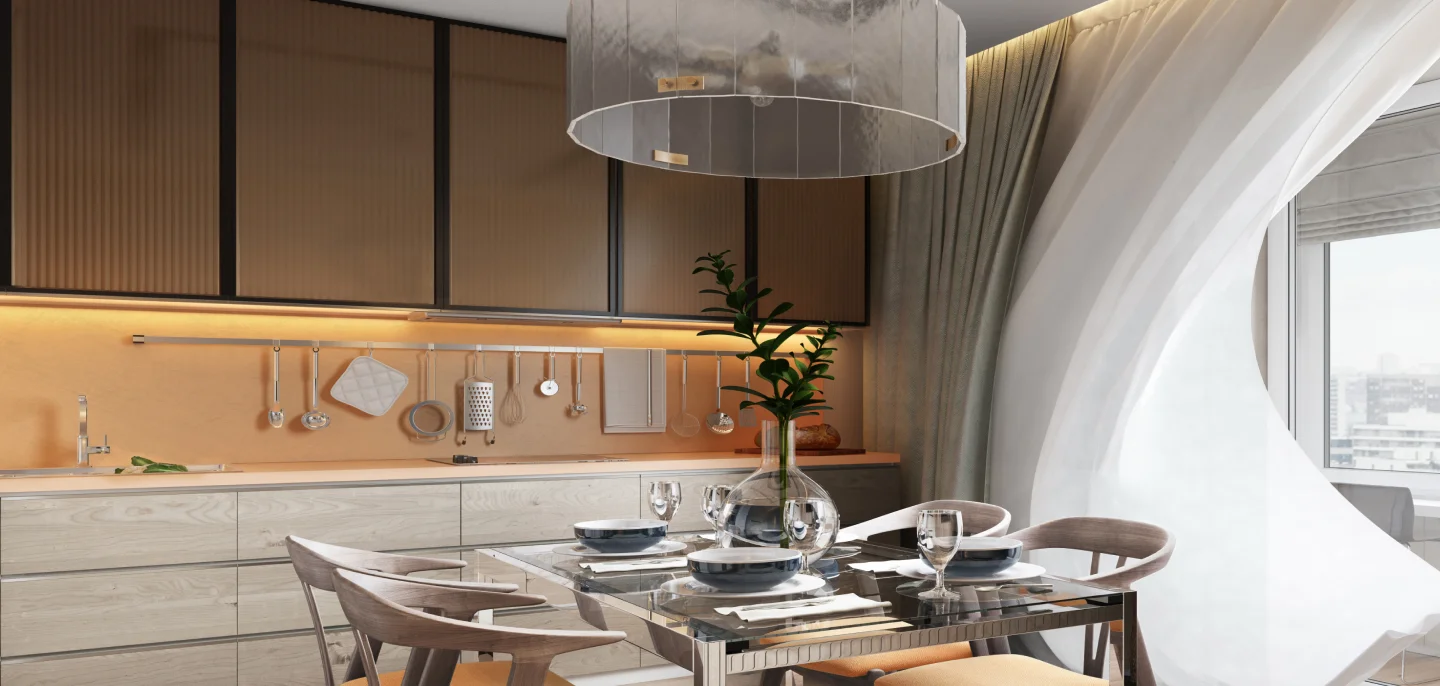
Wish your kitchen worked a little harder for you?
Perhaps the counter always feels crowded, the pots need a better home, or you could really use a pantry.
Tell our HomeLane designers what’s not working, and we’ll help you rethink your modular kitchen in Kathmandu
around the way you cook.
Your first design consultation is free!
Popular Modular Kitchen Designs in Kathmandu
Why Choose a HomeLane Kitchen?
Delivery in 45 days*
No hidden costs
Flat 10-year warranty
Easy EMIs
Modular Kitchen Cost in Kathmandu
Meet Our Expert Kitchen Designers:
The Minds Behind the Magic
55000+ Kitchens Designed with Love
Take a peek into the modular kitchens we’ve designed—each one built with care, practical thinking, and a personal touch. From space-smart layouts to easy-to-clean finishes, every kitchen is shaped around how Indian families cook and connect. At HomeLane, we blend modern design with the familiar comfort of home to give your kitchen both style and soul. Let these kitchens spark ideas for the one you’ll soon call your own.
From Design to Move-In
Stories Behind the Designs
Some kitchens just make you want to look twice. It might be a gorgeous colour combination, a clever bit of storage or a layout that simply feels right. Take a look at some of the kitchens we’ve created at HomeLane and save the ideas that catch your eye. Your own dream kitchen might just start with one little detail you spot here!
Our Trusted Partners
FAQs on Modular Kitchen Design in Kathmandu
What is the cost of a modular kitchen in Kathmandu?
The cost of a modular kitchen in Kathmandu can swing quite a bit, even between kitchens of similar size. What usually makes the difference is what you put into it: drawers or shelves, basic laminate or acrylic, standard cabinets or a pantry packed with fittings.
So start with a wishlist rather than a price tag. Work out how much storage you need, which appliances need a permanent spot and where you’re happy to keep things simple.
One more thing: ask for a detailed estimate in NPR. Check whether the countertop, sink, hardware and installation are included. A kitchen quote makes much more sense when you know exactly what the number covers.
What is the average modular kitchen price in Kathmandu based on size and layout?
The modular kitchen price in Kathmandu will usually rise as the amount of cabinetry increases, but layout can change the equation too!
For instance:
Straight: One run of cabinets keeps things simple
L-shaped: Gives you two worktops and a corner to use
Parallel: Plenty of cabinetry on opposite walls
U-shaped: Three sides mean more storage and counter space
Island: Adds another work surface, if the room can take it
Then look inside the cabinets. Drawers, pantry fittings and corner units can change the price considerably.
This is why kitchen size alone doesn’t tell you much. Get the layout drawn up, decide what goes into it and then ask for the estimate.
What are the best modular kitchen designs in Kathmandu for modern homes?
A good modular kitchen design in Kathmandu should make the room easier to cook in, especially when several dishes are on the go.
Start with the problem areas, and any challenges you’re facing. If packets and jars are forever disappearing into deep shelves, add drawers or a pantry. If appliances are taking over the worktop, give the ones you use regularly their own spots. Large pots need deep storage, not a collection of tiny compartments.
For the overall look, timber tones work beautifully with cream, olive, taupe and warm grey. You could also bring in a patterned backsplash for a little more character.
And don’t fill every spare wall with storage. An empty stretch of counter can sometimes be the most useful thing in the kitchen.
Which modular kitchen layout is best for homes in Kathmandu?
The best kitchen interior design in Kathmandu starts with the room you actually have. A clever layout will beat a fashionable one every time.
Straight: The best option for a too-small kitchen
L-shaped: Plenty of workspace without closing up the room
Parallel: Cooking on one side and prep on the other
U-shaped: Everything wraps around you, with plenty of storage close by
Island: Lovely when there’s room to cook, sit and gather around it!
Before deciding, walk yourself through making a meal. Open the fridge, wash the vegetables, reach for a pan and head to the hob. If that journey feels awkward on paper, it won’t magically improve after installation!
What factors affect modular kitchen cost in Kathmandu?
Cabinetry is usually the big one, but your modular kitchen cost in Kathmandu is also affected by what those cabinets are made of and how they’re fitted out.
A kitchen with shelves and laminate shutters can be fairly straightforward. Swap those shelves for deep drawers, add a tall pantry, premium channels, corner fittings and a high-end finish, and you’re looking at a very different budget.
The countertop, sink and appliances may be quoted separately. So might plumbing, electrical changes, tiling or other site work.
Ask for the estimate to be broken down before you compare prices. Otherwise, you may be comparing one quote that includes almost everything with another that leaves half the kitchen for later.
What are the most popular kitchen interior design styles in Kathmandu?
There’s plenty of room between an ultra-modern white kitchen and something very traditional. Kitchen interiors in Kathmandu can comfortably mix clean cabinetry with warmer colours, timber and a little pattern.
Try:
Wood grains and cream: Warm, earthy and heart-centric
Deep green and beige: Rich and fuss-free
Light and simple: Soft neutrals with minimal shutters
Two-tone: One colour below the counter and a lighter shade (or glass) overhead
A little pattern: Plain cabinetry with an interesting tiled backsplash
You can also bring in local character through timber, handmade pieces or texture rather than making every surface decorative. Also note: the nicest kitchens usually have somewhere for your eye to rest. Not every cabinet needs to make a statement!
Which materials and finishes are best for modular kitchens in Kathmandu?
For your modular kitchen in Kathmandu, choose materials according to where they’ll be used. For instance, the cabinet below the sink has a very different job from an overhead cupboard storing glasses.
BWP plywood is worth considering in areas more likely to encounter moisture (the sink, etc). Laminates are a practical shutter finish and don’t demand much fuss. Acrylic gives you a sharper, glossier look, while PU can feel softer and more refined.
Granite is a dependable countertop choice if your kitchen sees plenty of chopping, hot pans and everyday cooking. Quartz offers a more even, polished finish.
Also run a drawer before you approve the hardware. It should feel smooth and solid. These small mechanical details are what you’ll notice every single day.
How do I choose the right kitchen interior designers in Kathmandu?
The right kitchen interior designers in Kathmandu will want to see how you live before deciding where your cabinets should go.
A few things are worth checking:
Do they ask what you cook regularly?
Have they allowed for your actual appliances?
Can they explain why they recommend a particular material?
Have they made good use of corners?
Can you see the layout clearly before approving it?
Is the estimate properly broken down?
Who handles installation and problems afterwards?
Don’t tidy up your requirements for the designer. Mention the giant pressure cooker, rice cooker, stacks of containers and everything else that needs storage space.
A kitchen designed around your real belongings will usually work better than one designed around a showroom photograph.
How long does it take to design and install a modular kitchen in Kathmandu?
A modular kitchen in Kathmandu doesn’t have one standard completion time. The schedule depends on design decisions, manufacturing, site readiness and how much additional work the room needs.
The design stage comes first. This is when measurements, cabinet positions, appliance spaces, finishes and internal storage are sorted out. Manufacturing begins after the design is approved.
Installation may be relatively quick if the room is ready. If plumbing needs shifting, electrical points have to move or tiling and other site work is still happening, expect the overall project to take longer.
Ask for the stages and expected dates in writing. And resist approving the design just to get started quickly! A few extra days spent planning can save a lot of fiddling around later.
What should I look for when choosing the best modular kitchen for my home in Kathmandu?
A good modular kitchen in Kathmandu should make the everyday stuff easier. You shouldn’t have to clear half the counter before you can chop an onion, or dig through a cupboard every time you need a pan.
Before you finalise the design, check:
Is there enough free counter space?
Can the biggest pots fit comfortably in the drawers?
Are groceries easy to get to?
Is there good light over the sink and hob?
Do the drawers open smoothly and feel sturdy?
Can two people work without constantly getting in each other’s way?
Once the practical bits are sorted, you can happily get distracted by colours, handles and tiles!