Vitrified Tile Texture Guide: Types, Finishes and Design Ideas
By Usha Balasubramanyan- March 06, 2026
AI Summary
3 key insights · 1 expert tip
Textured vitrified tiles enhance homes with durable, safe, and visually interesting surfaces, offering versatile aesthetic options for any room.
Key Insights:
What You'll Read Here:
Textured tiles improve safety by reducing slipperiness, especially in wet areas like kitchens and bathrooms.
Wooden, stone, and fabric-inspired textures offer diverse looks, from warm to modern, complementing various interior styles.
Proper cleaning with mild solutions prevents buildup, ensuring textured tiles maintain their appearance and performance over years.
HOMELANE EXPERT TIPBy our design team
Consider viewing tile samples in your actual space, as texture appearance can vary significantly under different lighting conditions before making a final selection.
Choosing floor tiles sounds like a simple task, until you actually start looking. Suddenly, there are finishes, colours, sizes, and textures staring back at you, all claiming to be the right one! This is where texture often gets overlooked, even though it plays a defining role in how a floor feels, looks, and performs every single day. And that’s just why understanding vitrified tiles texture can make the decision far easier and more satisfying in the long run.
Vitrified tiles have long been valued for their strength and durability, but today, it is their textures that are doing the talking. Right from natural stone-inspired surfaces to wood-like finishes that feel warm underfoot, textured vitrified tiles offer more than just stunning good looks. They deeply influence comfort, safety, and how easily a space comes together.
What Are Vitrified Tiles?
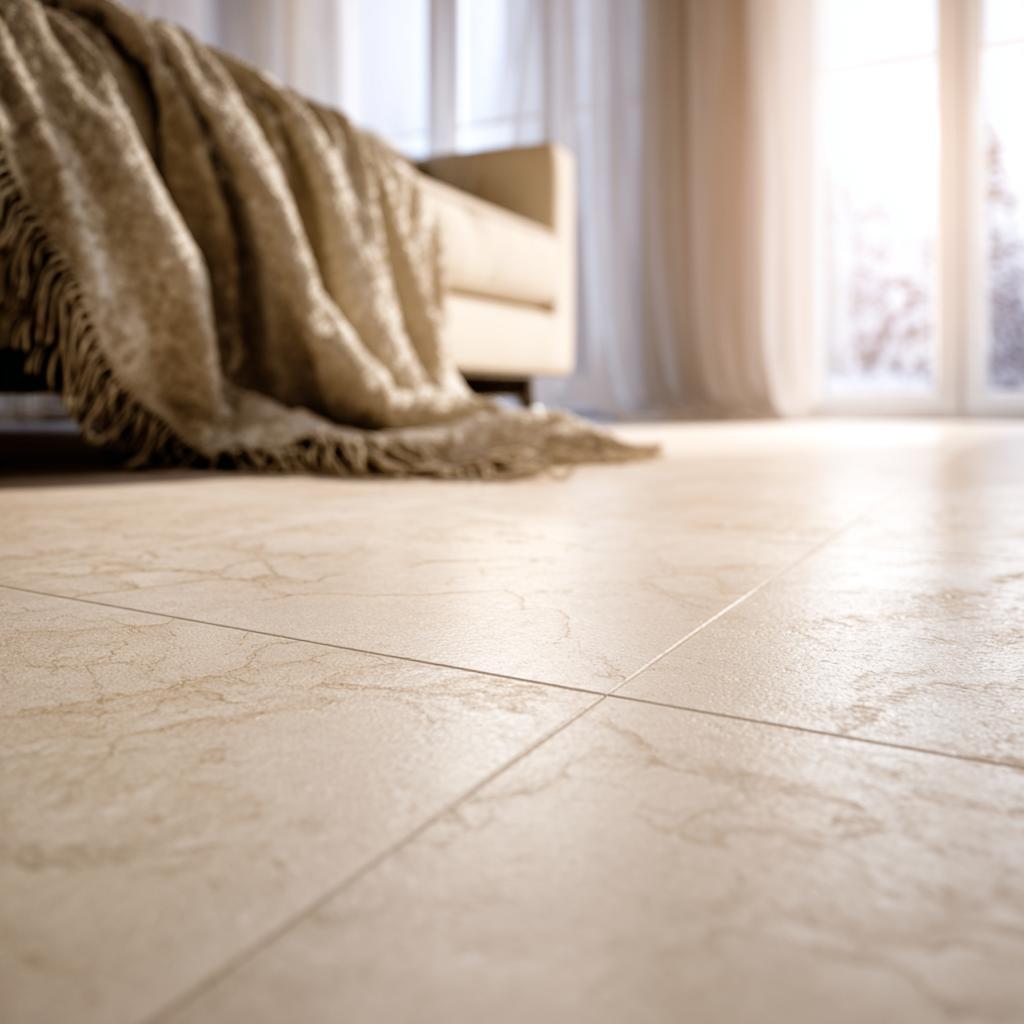
Vitrified flooring tiles texture showcase beige cream finishes for modern interiors
Vitrified tiles are known for their strength, low porosity, and long-lasting finish. Made by fusing clay with minerals at high temperatures, they are dense, durable, and well-suited for Indian homes where floors see plenty of daily use.
What makes vitrified tiles especially popular is their versatility. They work across rooms, handle moisture well, and come in a wide range of looks, from minimal to richly detailed. Over time, design has moved beyond plain surfaces, bringing us into the world of textures.
What is Vitrified Tile Texture?
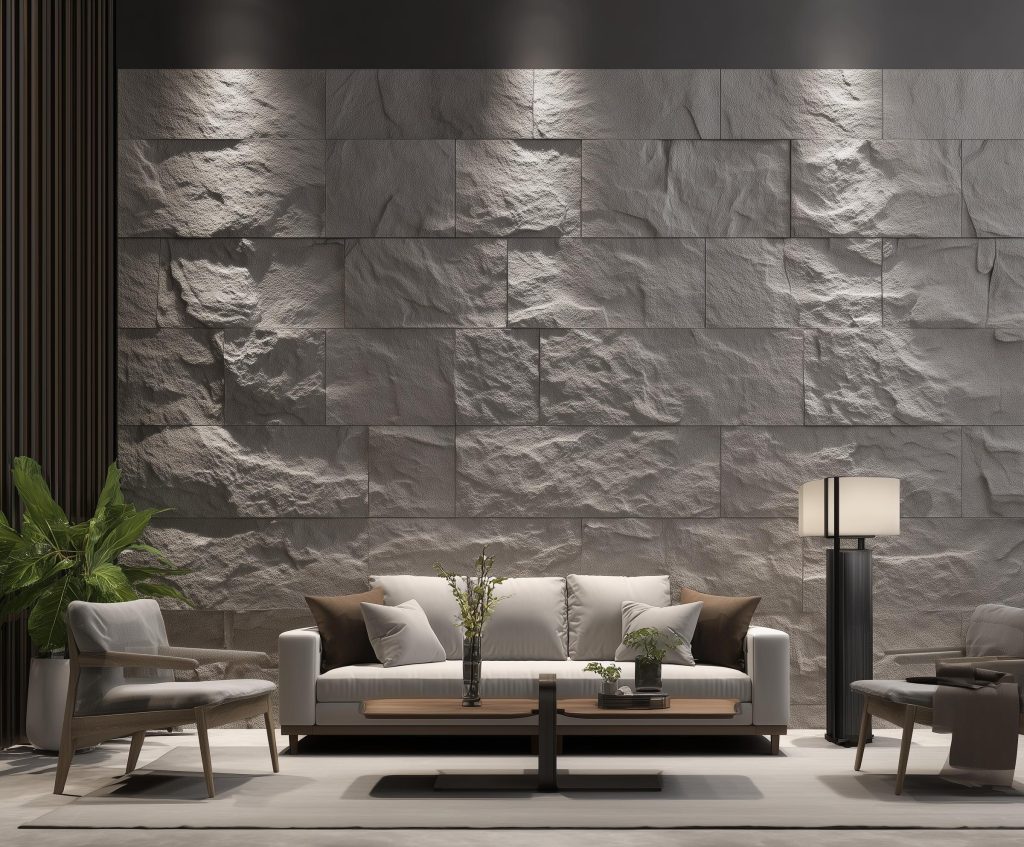
Vitrified tiles texture enhances modern living room walls with rich depth
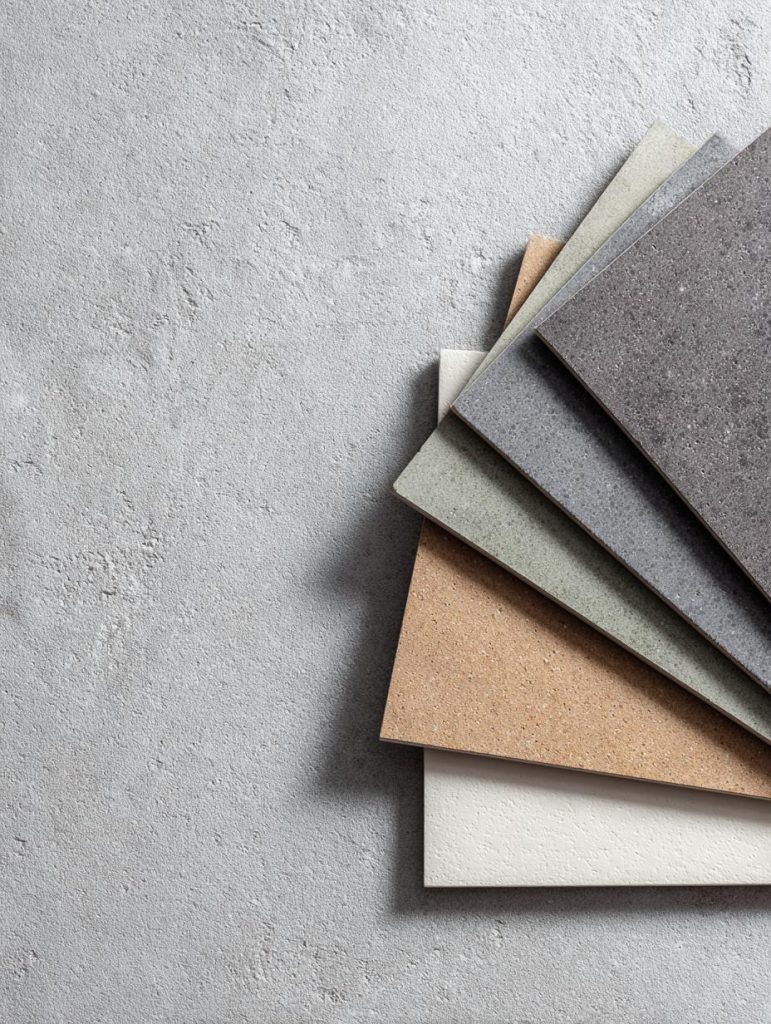
A vitrified tile texture refers to the surface finish that adds depth, grip, or a tactile feel to the tile. Instead of being completely smooth, textured tiles mimic materials like stone, wood, fabric, or natural finishes.
Texture is not just about appearance. It affects how the tile feels underfoot, how it reflects light, and how it performs in areas that see water or heavy movement. That is why texture has become an important design and functional choice, not just a decorative one.
Why Choose Textured Vitrified Tiles?
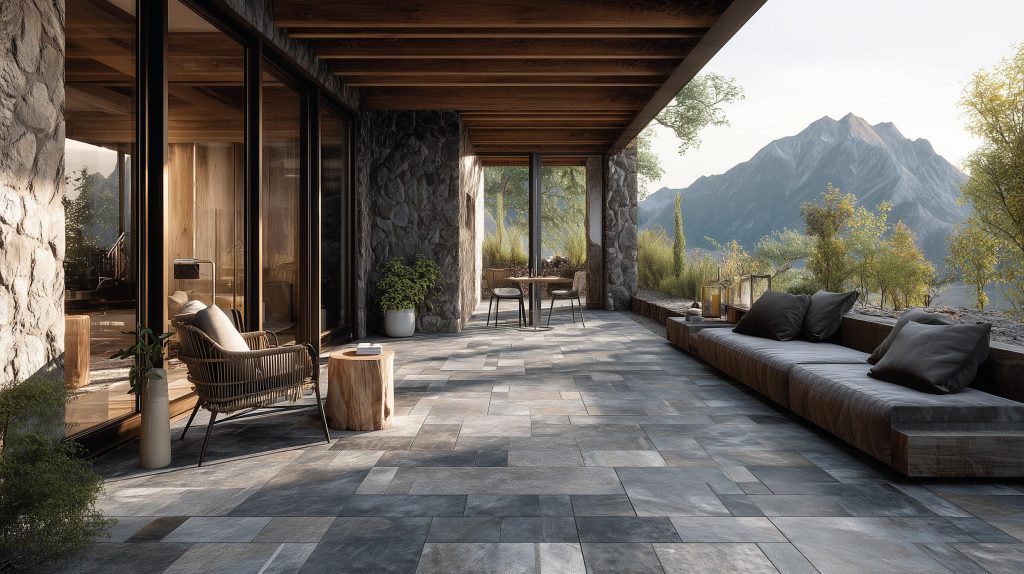
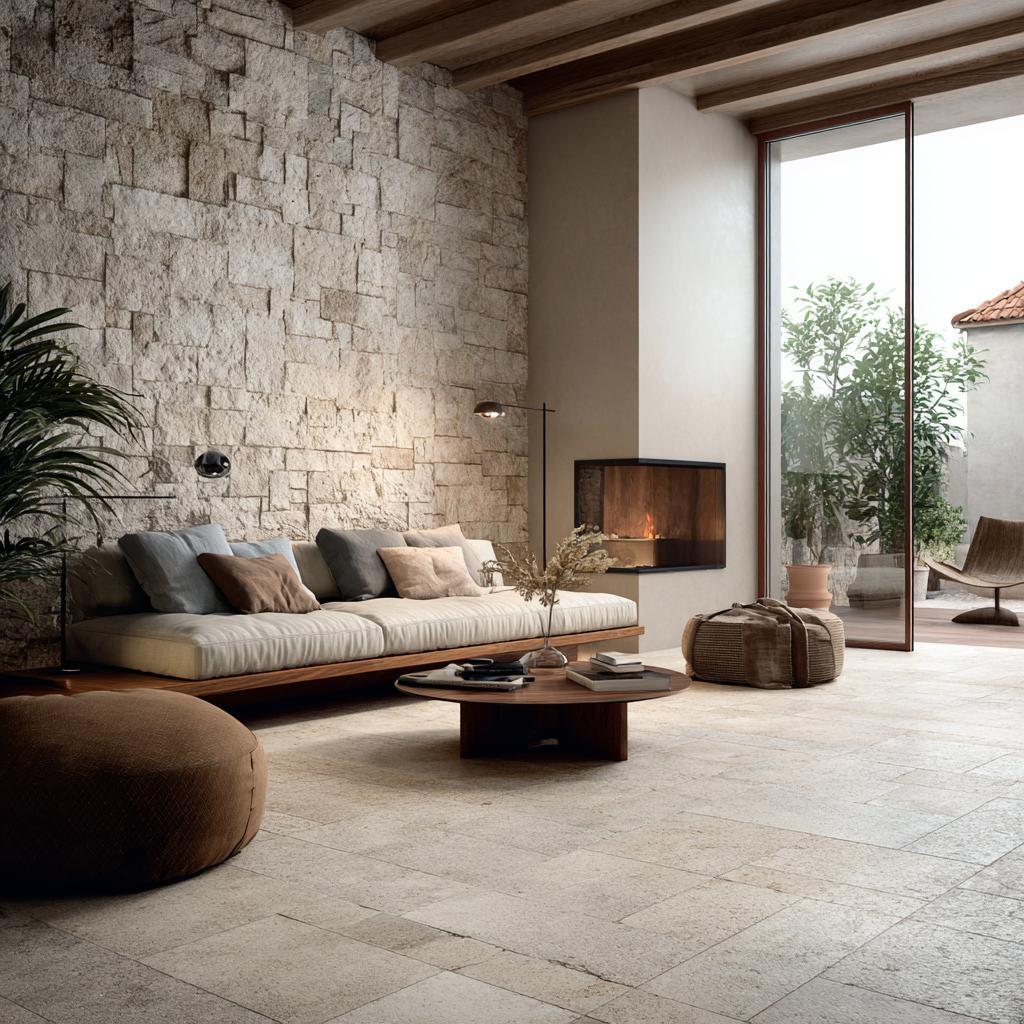
Vitrified flooring tiles texture elevates outdoor patio with natural stone appeal
Textured vitrified tiles strike the perfect balance between looks and usability. They add character to every space, even without needing additional decor to dial up the visuals.
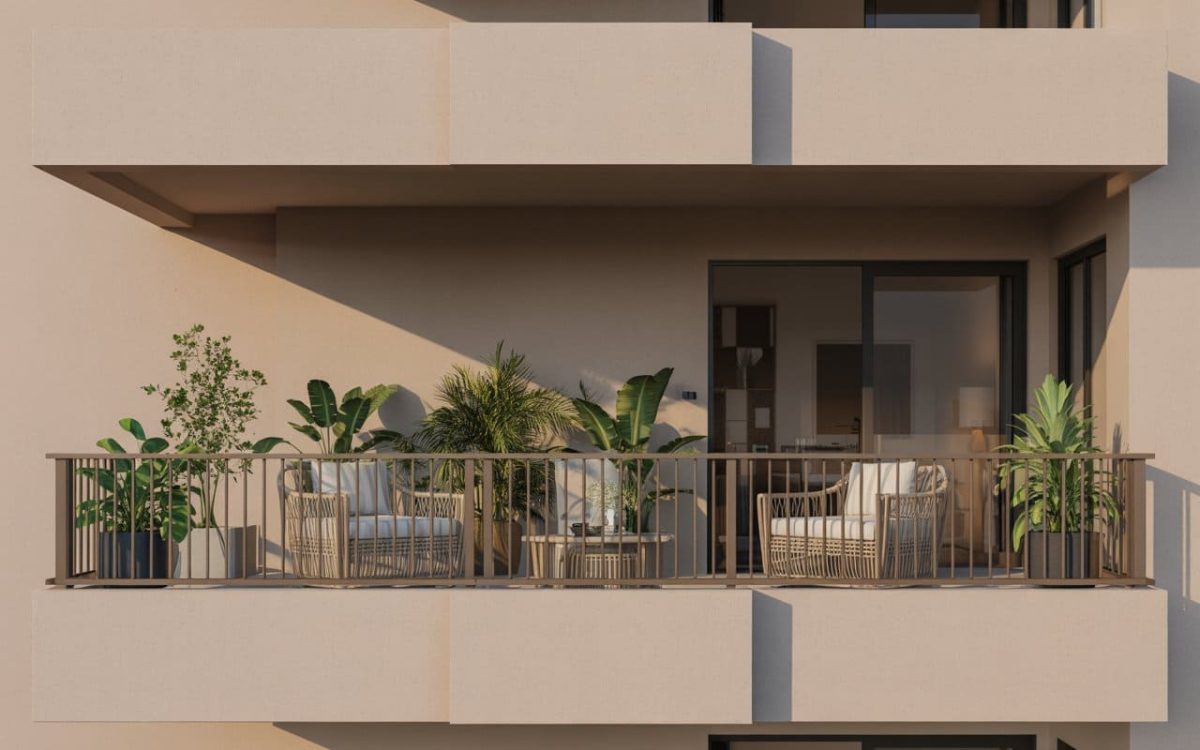
From a practical point of view, too, texture improves grip, making floors safer in kitchens, bathrooms, and balconies. Even if the floor is wet, you will not slip and fall easily. Visually, it brings variety and interest, especially in large rooms where flat surfaces can feel monotonous.
Many homeowners now prefer vitrified flooring tiles texture options because they offer durability along with a more layered, lived-in look that ages well over time.
Types of Vitrified Tiles Texture
Textured vitrified tiles come in many styles, each suited to different interiors.
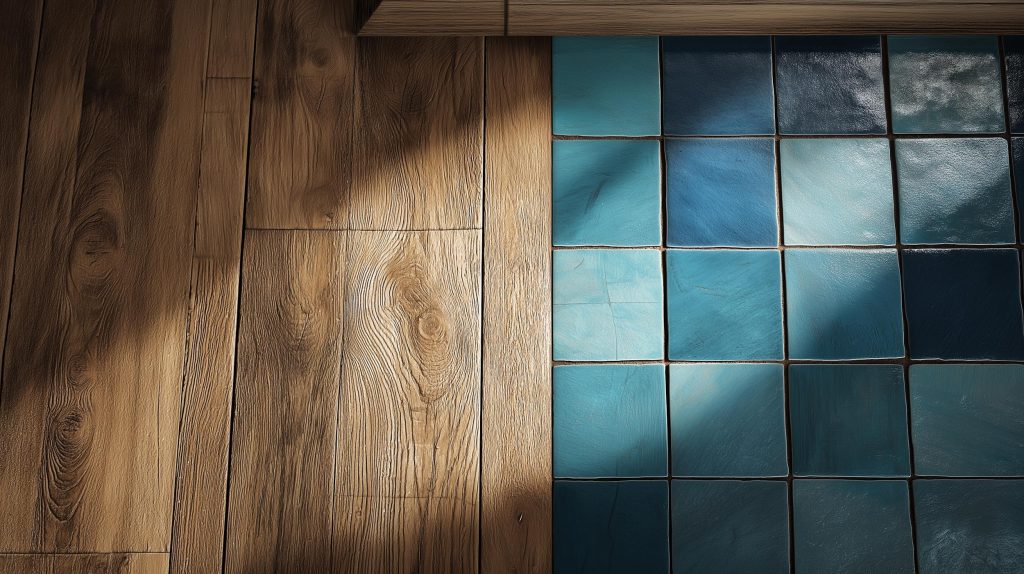
Wooden texture vitrified tiles paired with floor vitrified tiles texture
Wooden texture vitrified tiles are popular for those who love the warmth of wood but want easier maintenance and better resistance to moisture.
Cream vitrified tiles texture enhances cozy living room flooring aesthetics
Beige vitrified tiles textures and cream vitrified tiles textures work beautifully in homes that prefer soft, understated interiors.
Beige vitrified tiles texture creates warm elegant living room flooring
For contemporary spaces, grey vitrified tiles textures add depth without overpowering the room and pair well with modern furniture.
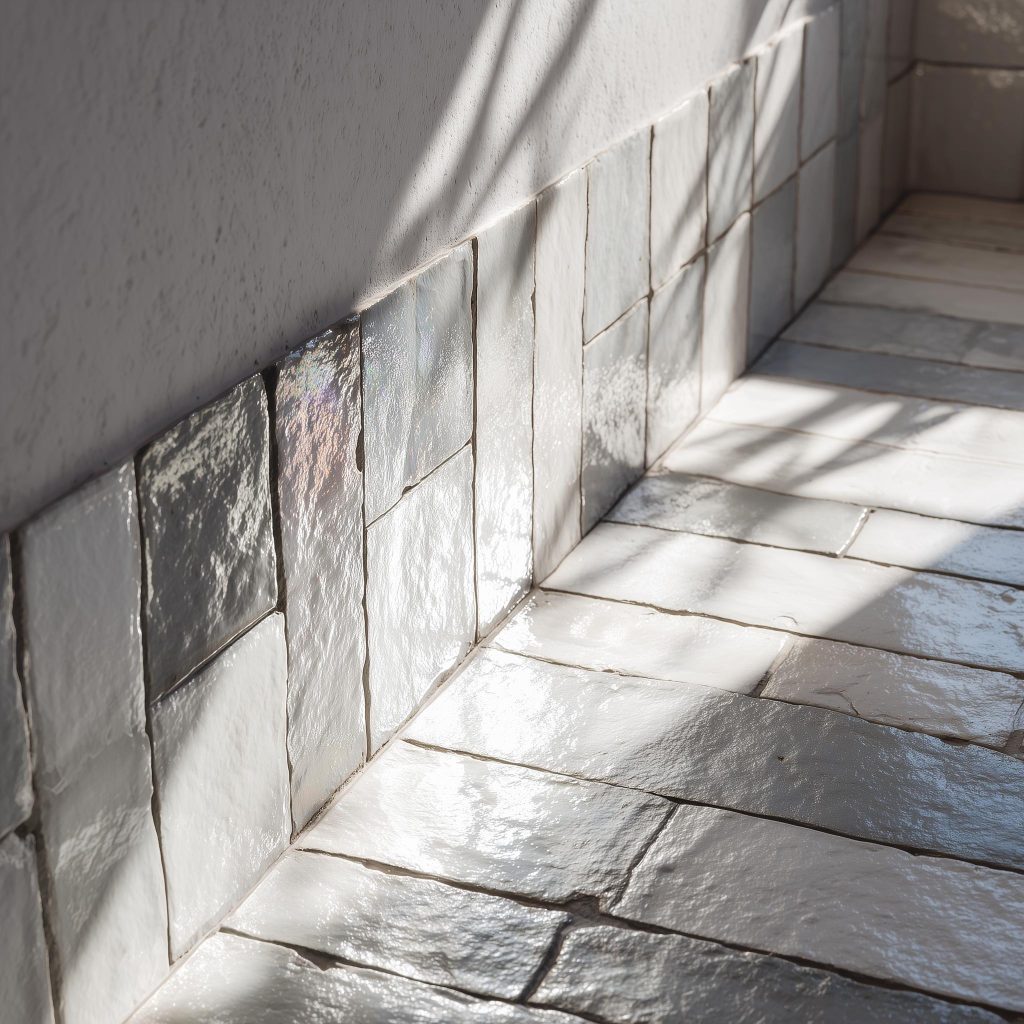
If you want a bright, open feel, white vitrified tiles textures reflect light, while still offering a nuanced surface interest.
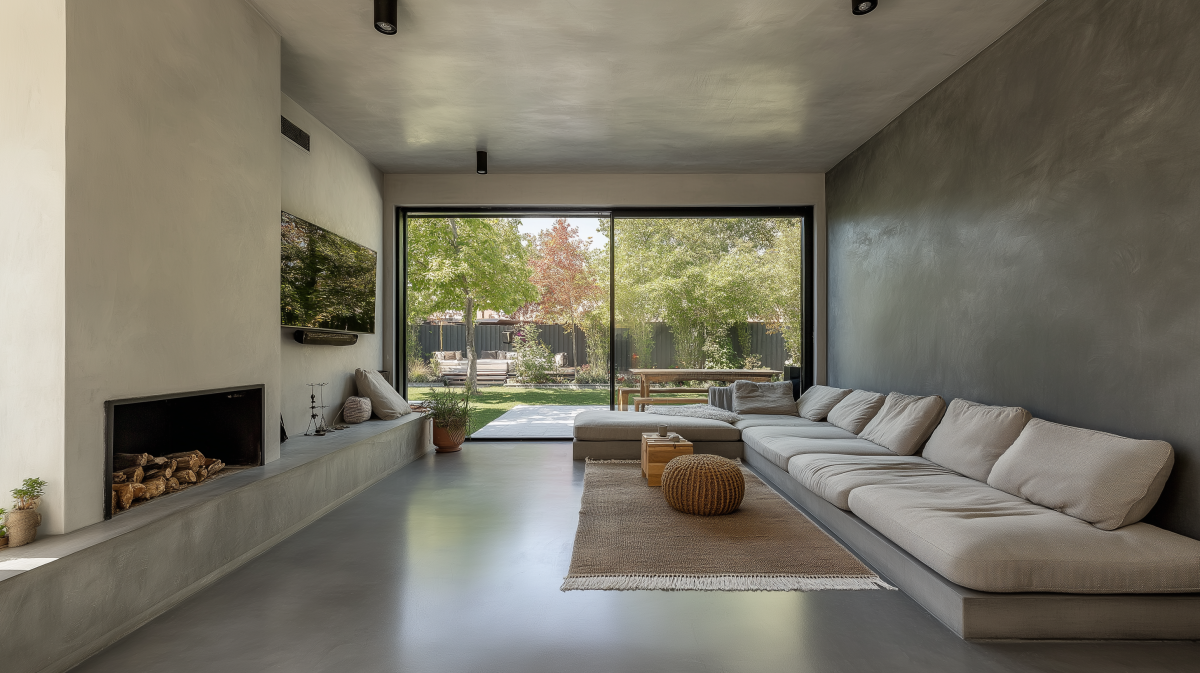
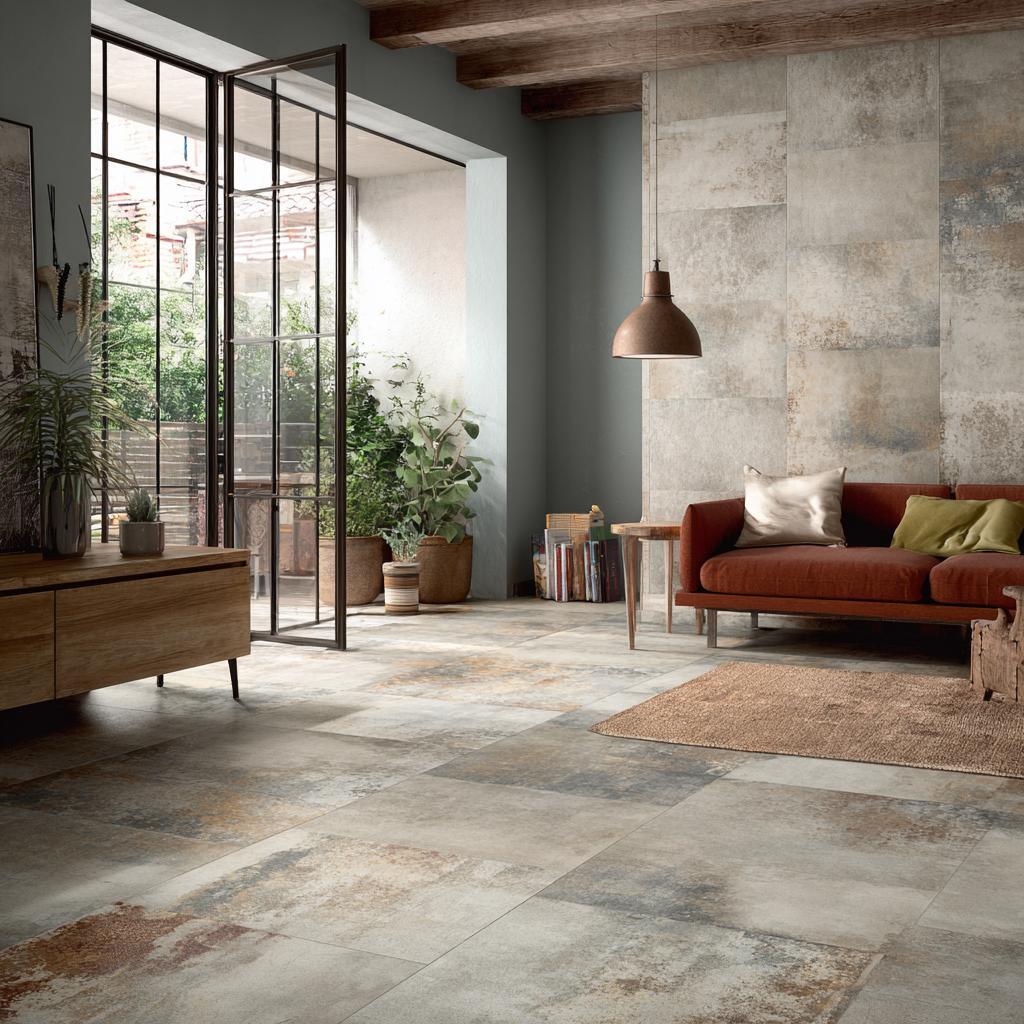
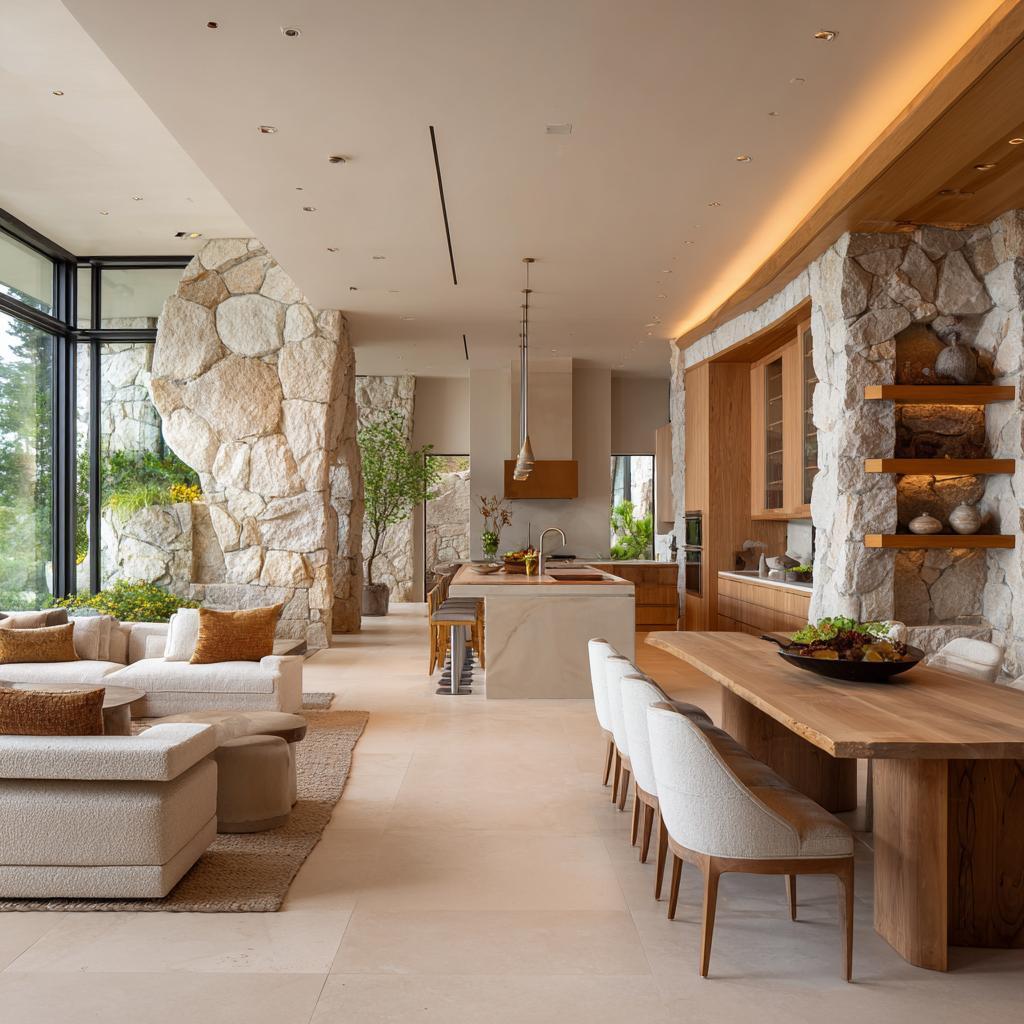
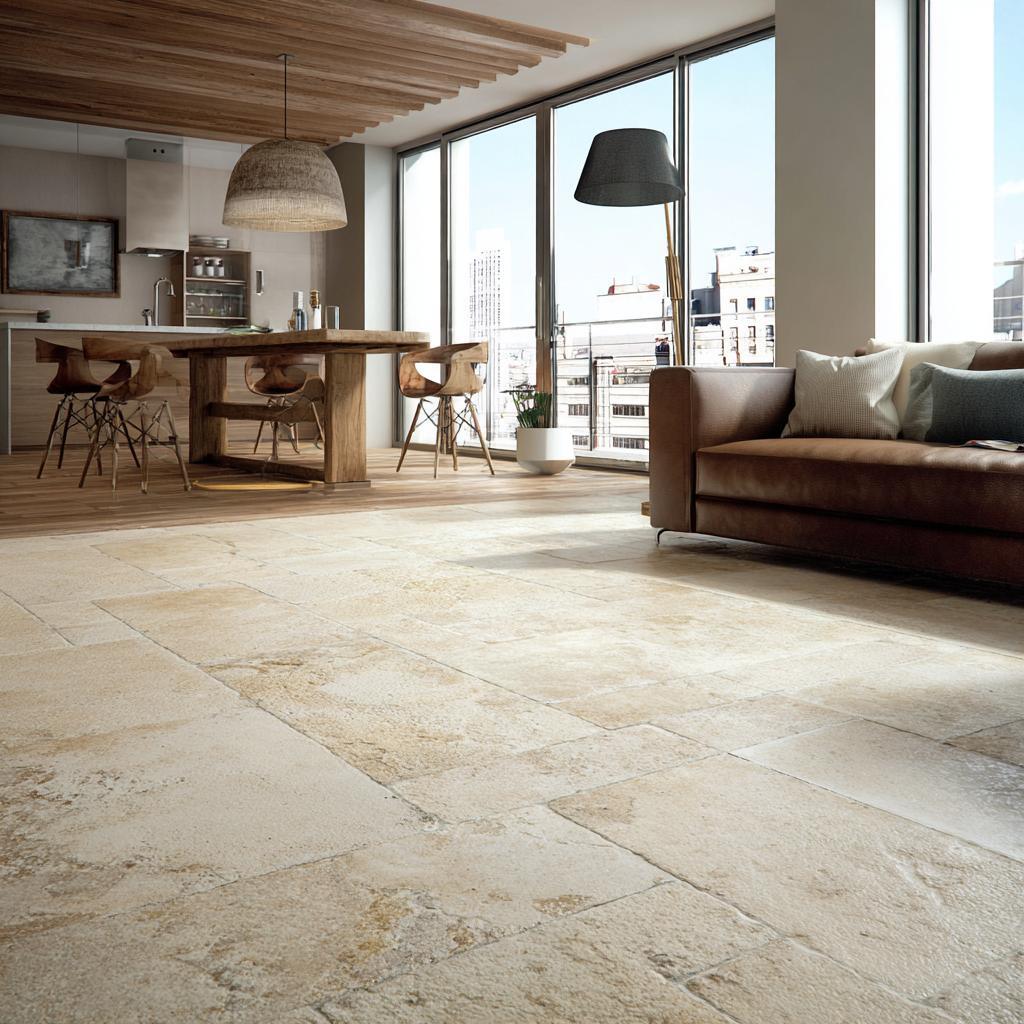
Beige vitrified tiles texture elevates modern open kitchen living flooring
Some homes prefer tiles that minimise grout visibility. In such cases, vitrified tiles with seamless texture options create a continuous, expansive look, especially in open-plan layouts.
Textured vitrified tiles work well across many areas of the home.
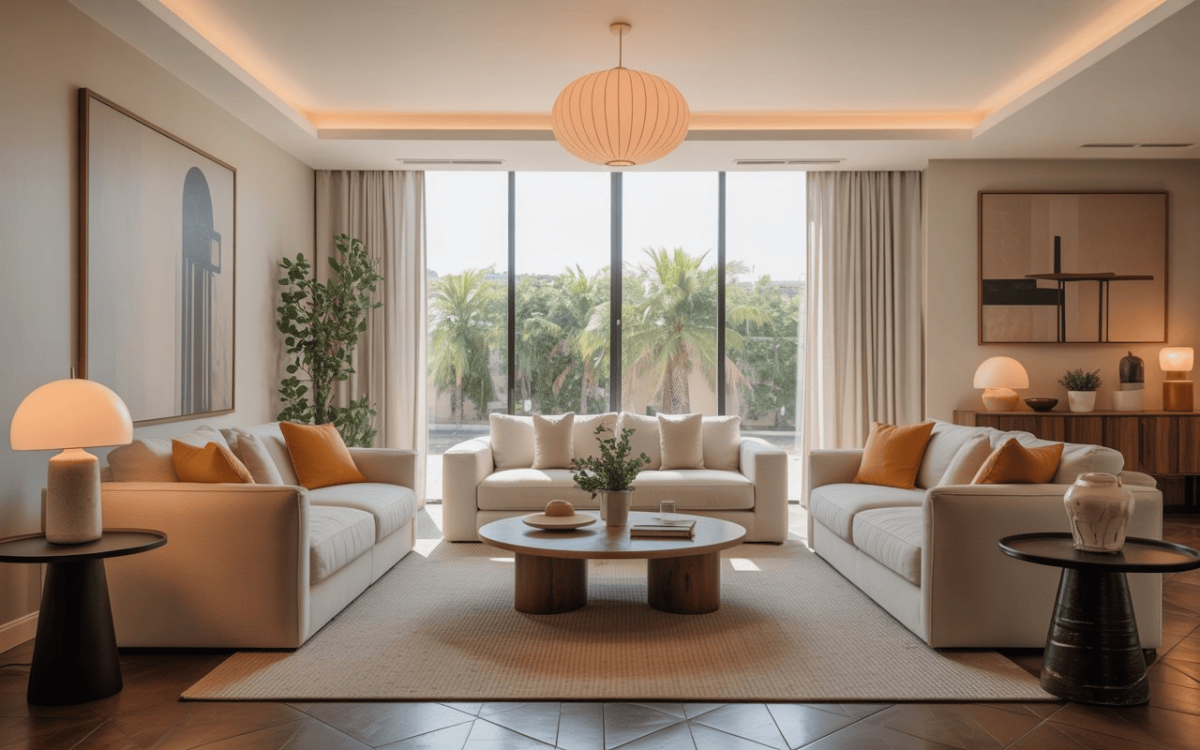
Living rooms benefit from floors with vitrified tiles texture that adds visual interest while standing up to daily foot traffic.
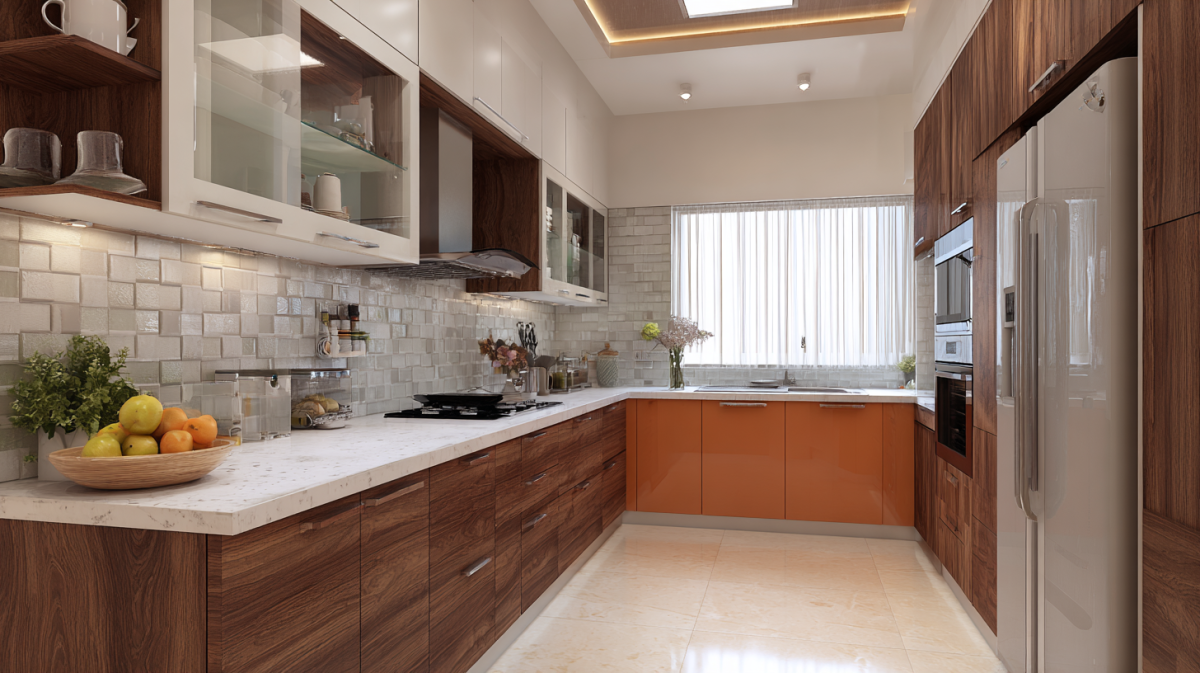
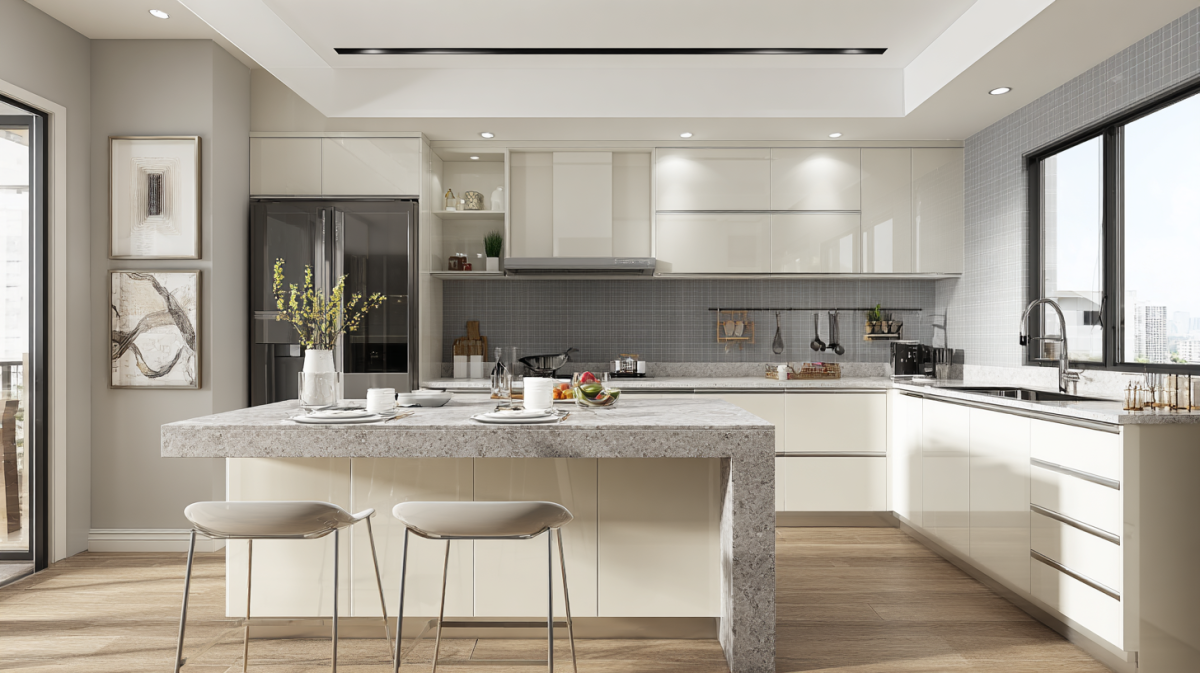
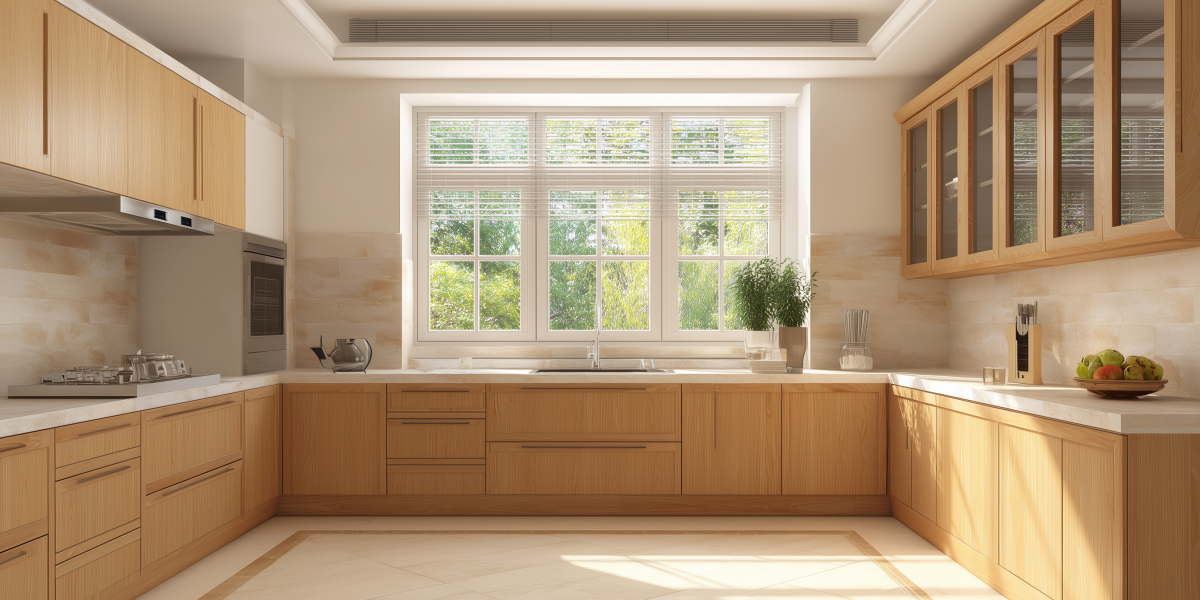
Textured tiles are perfect for use in kitchens, as they give you better grip in case of spills. They also hide minor stains or spills more easily than high-gloss surfaces.
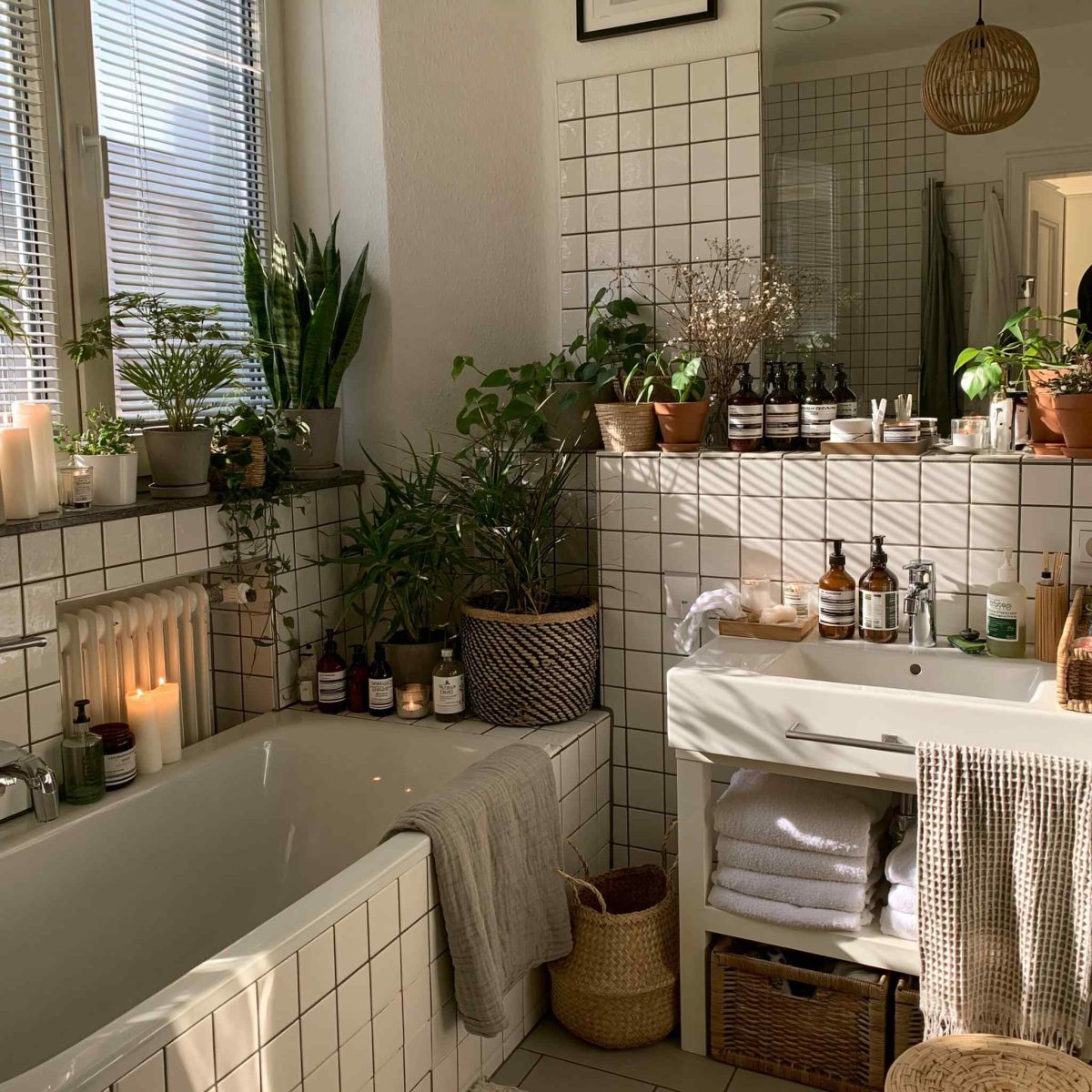
Bathrooms and utility areas gain added safety from textured tiles that reduce slipperiness when wet.
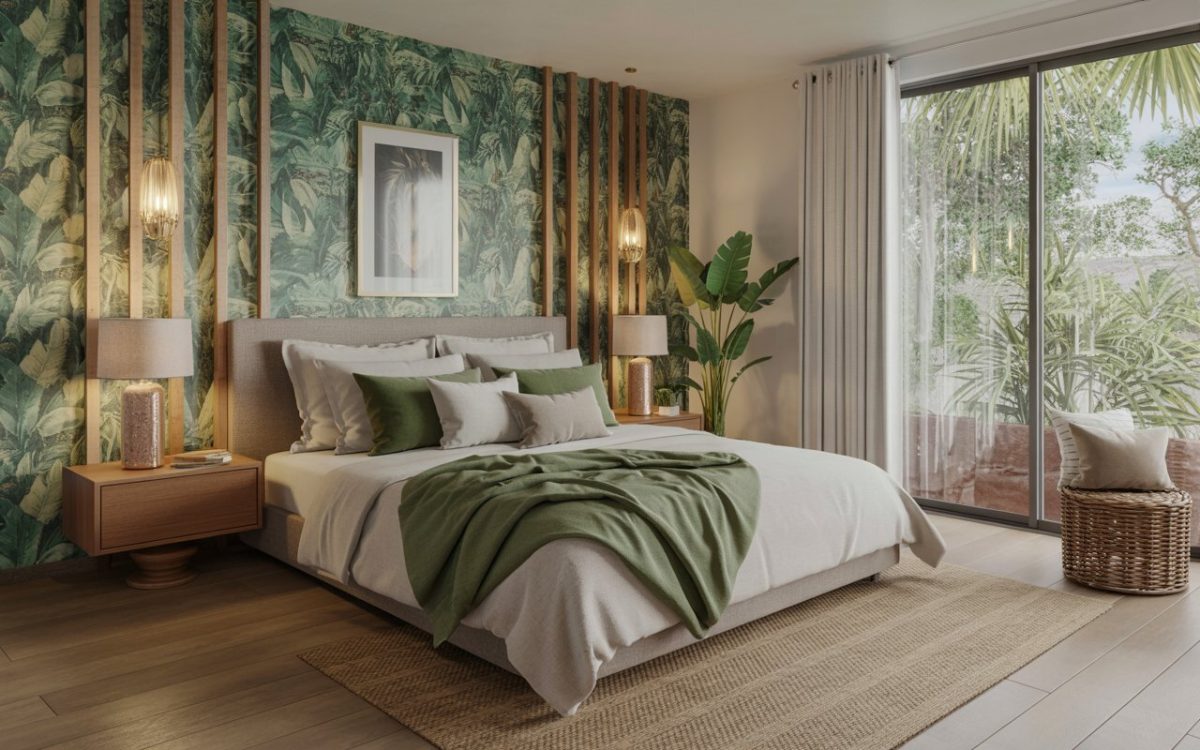
Bedrooms can also use subtle textures, especially wood or fabric-inspired finishes, for a cosy yet practical flooring choice.
How to Choose the Right Vitrified Tiles Texture
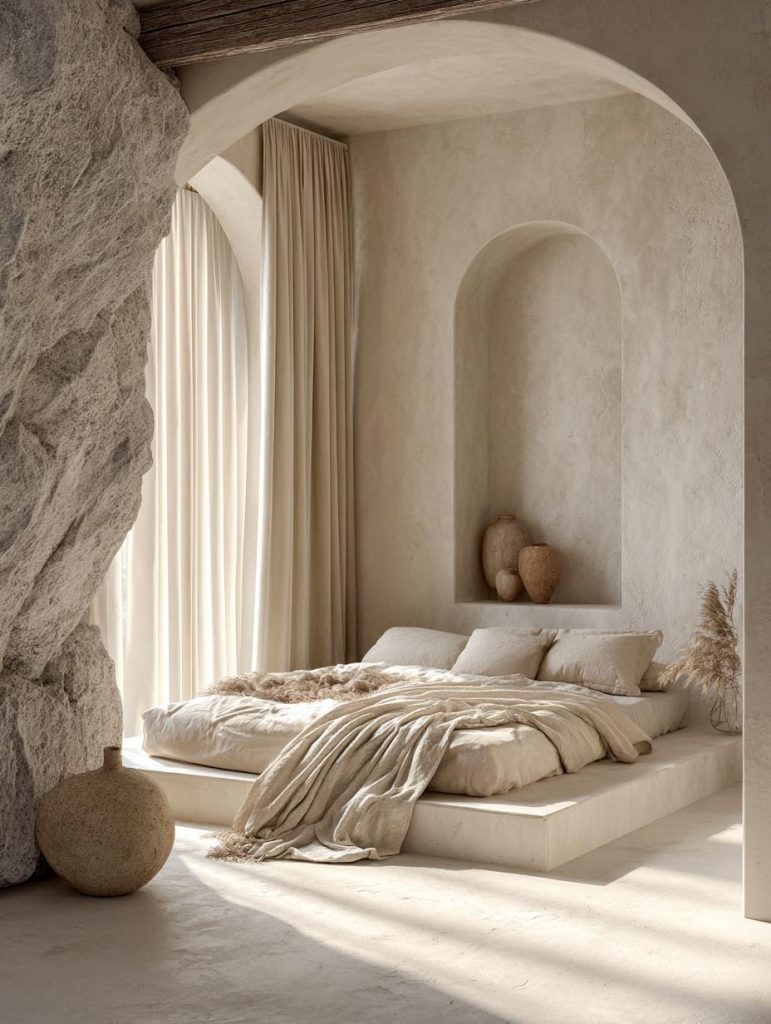
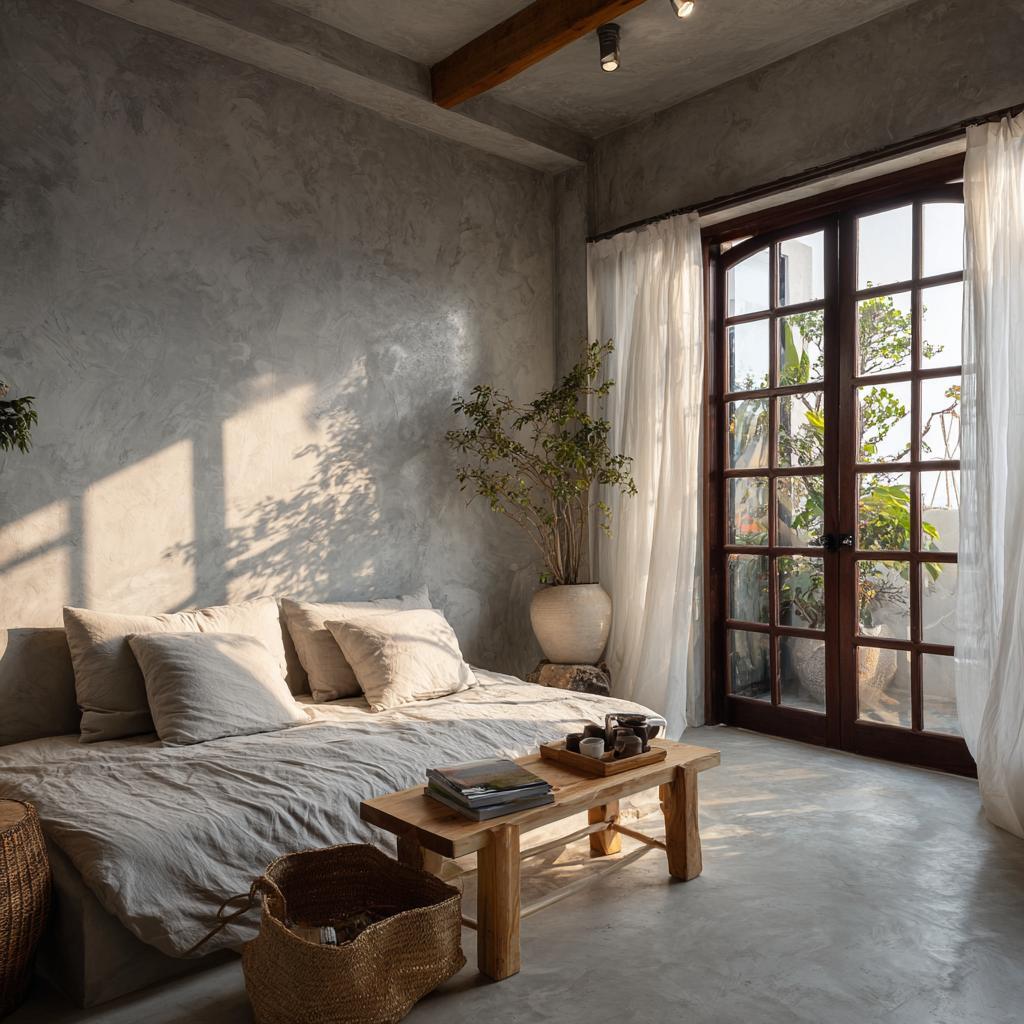
Cream vitrified tiles texture enhances minimalist interiors with subtle wooden features
Choosing the right texture starts with a clear understanding of exactly how the space is going to be used.
In high-traffic areas, textures that are durable but not too rough are needed, as overly coarse surfaces can trap dust.
Consider lighting. Strong textures create shadows and highlights, while softer textures offer a more even appearance.
Colour matters too! Lighter shades will make the room feel more open, while darker tones ground the space visually.
And if you are deciding between finishes, here’s a rule of thumb! Glossy vitrified tiles textures work best in dry, low-risk areas, while textured or matte options suit kitchens and bathrooms better.
Always view tile samples in your actual space, as texture can look different under various lighting conditions.
Textured vitrified tiles offer several advantages. They improve safety, add visual depth, and hide everyday dust and marks better than polished tiles.
They are also highly durable and suitable for both residential and commercial use.
On the flip side, textured tiles will definitely need slightly more effort to clean, especially in deep grooves or patterned finishes. Choosing the right level of vitrified tile texture helps balance appearance and maintenance.
Maintenance Tips for Textured Vitrified Tiles
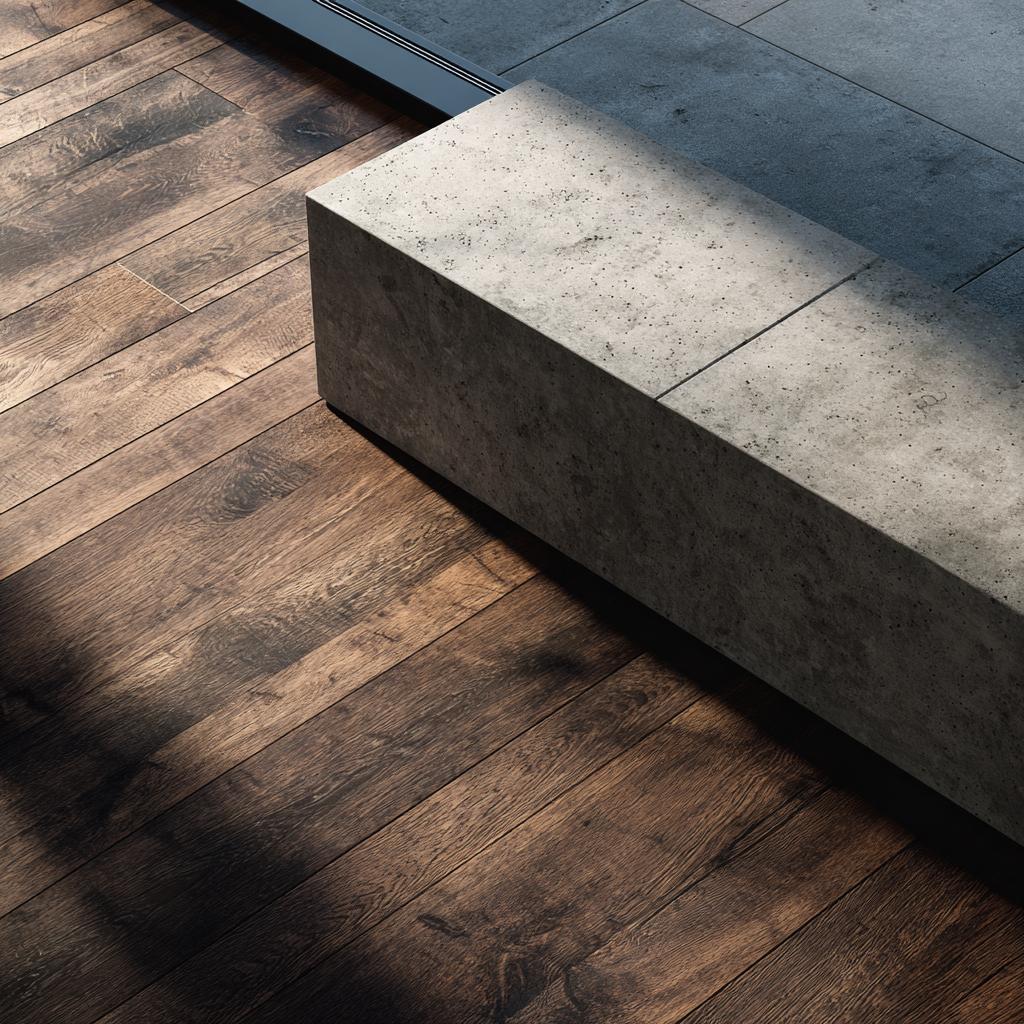
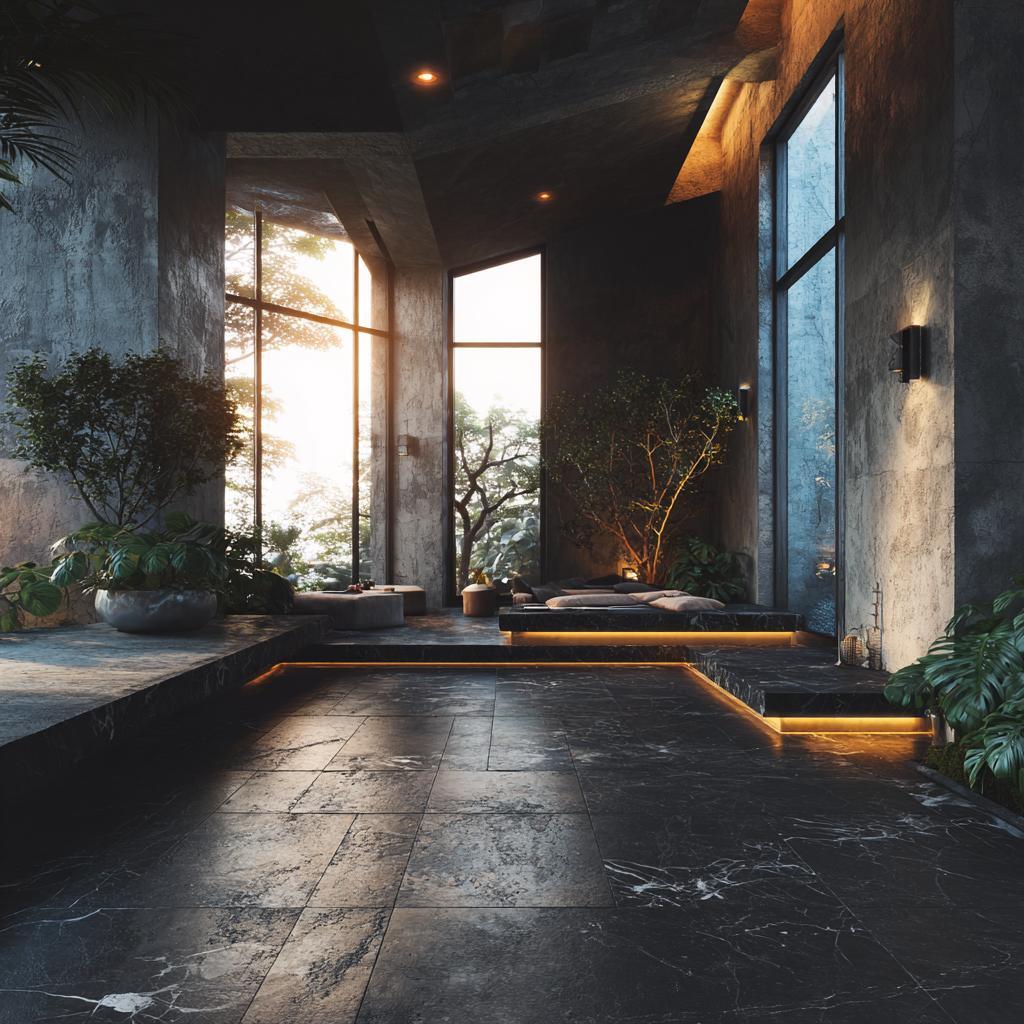
Vitrified flooring tiles texture enhances luxurious dark spa floor ambience
Looking after textured vitrified tiles is simpler than most people expect.
Regular sweeping (or better still, vacuuming) prevents any dust from settling into textured areas and grooves.
Mopping with a mild chemical-free cleaner keeps the tiles fresh without damaging the finish.
Avoid harsh acid-based cleaning solutions, especially on lighter shades. They can dull the surface over time.
In kitchens and bathrooms, quick daily wipes help keep vitrified tile textures free from build-up, especially around grout lines.
With basic care, textured vitrified tiles retain their look and performance for years.
Bringing It All Together
Beige vitrified tiles texture elevates sunlit modern living room flooring
Textured vitrified tiles are a lovely way to add character, safety, and durability to your interior. From subtle neutrals to bold stone and wood-inspired finishes, there is a texture for every room and lifestyle.
If you are exploring vitrified tile texture options and want help choosing the right finish, and layout, HomeLane can guide you through the process. Our designers consider how you live, move, and use each space, helping you select tiles that look good and work well every day.
FAQs
1. What are the different vitrified tile textures available?
You can find vitrified tiles in stone, wood, fabric, concrete, and patterned textures, along with subtle and bold surface finishes. Try to contrast textured surfaces with smooth ones for added visual appeal.
2. Which vitrified tile texture is best for living rooms and kitchens?
Living rooms suit softer textures, while kitchens benefit from tiles with added grip and easy maintenance.
3. Are textured vitrified tiles slippery or safe for wet areas?
Textured vitrified tiles are generally safer for wet areas as they offer better traction than polished surfaces.
4. How to maintain and clean vitrified textured tiles?
Regular sweeping and mopping with mild cleaners are usually enough to keep textured vitrified tiles clean.
5. What is the difference between glossy, matte, and textured vitrified tiles?
Glossy tiles reflect more light, matte tiles offer a smooth non-shiny finish, and textured tiles add depth and grip.









 EXPLORE MORE