Innovative Toughened Glass Designs for Modern Home Interiors
By Usha Balasubramanyan- July 03, 2026
AI Summary
3 key insights · 1 expert tip
Toughened glass designs enhance light, space, and safety in Indian homes by solving layout issues, with functional choices ensuring durability.
Key Insights:
What You'll Read Here:
Consider frosted or textured glass for privacy and reduced maintenance in high-traffic areas.
Choose glass thickness and framing carefully for safety in doors, railings, and partitions.
Prioritise function, safety, and maintenance needs when selecting toughened glass applications.
HOMELANE EXPERT TIPBy our design team
When specifying glass, opt for finishes like frosted or textured for easier maintenance over clear glass in busy home areas.
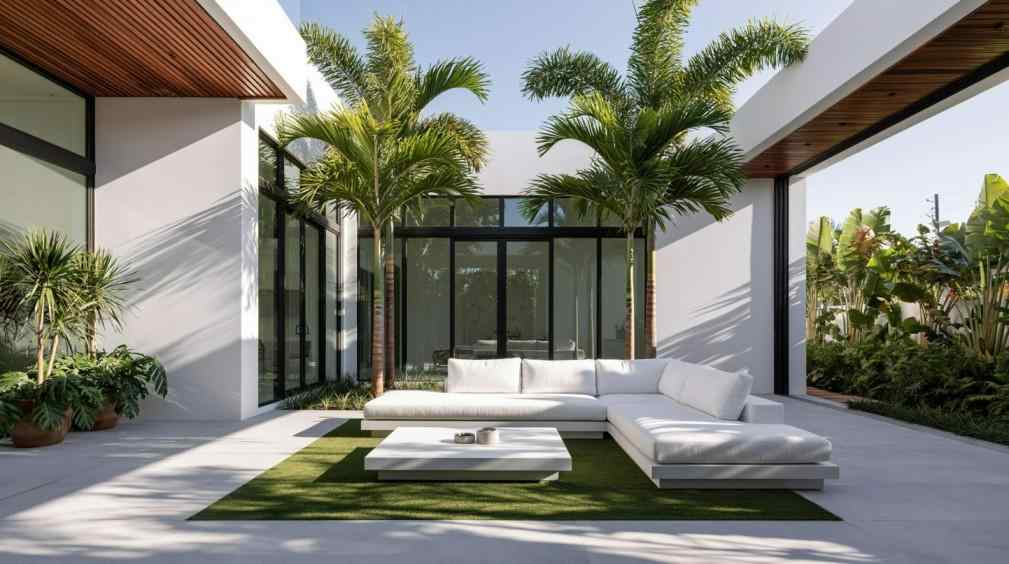
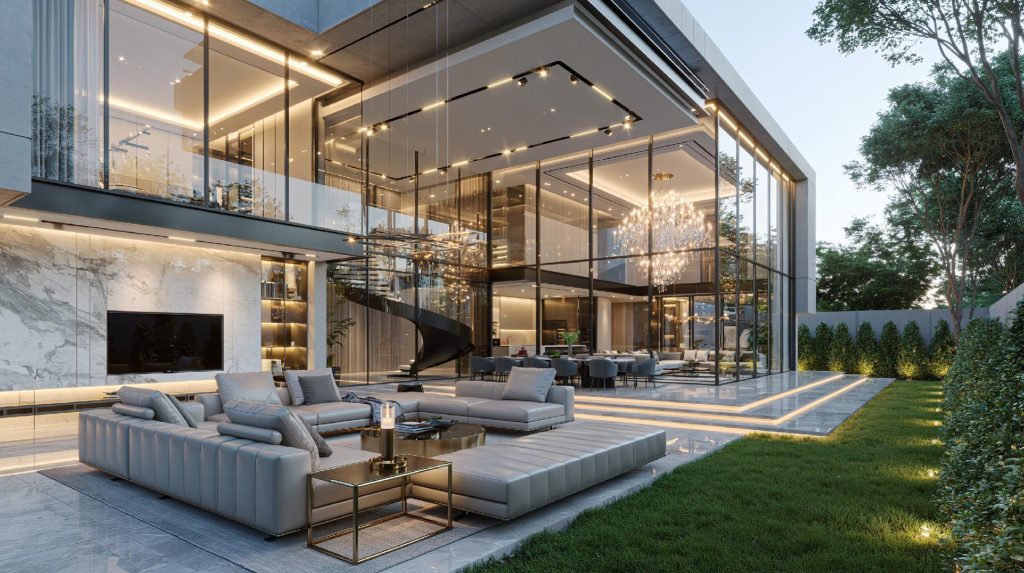
A modern home exterior featuring floor-to-ceiling toughened glass walls that maximise natural light.
If a room feels smaller or darker than it should, the issue is often not the layout, but the materials blocking light. Glass is often used to make a space look lighter, but in Indian homes, it also needs to handle daily wear, safety, and privacy.
A well-planned toughened glass design does more than look modern. It improves light flow, defines spaces without adding bulk, and stays durable under regular use. The difference lies in choosing the right type of glass, finish, and framing based on where it is used.
Latest Toughened Glass Design Ideas for Modern Homes
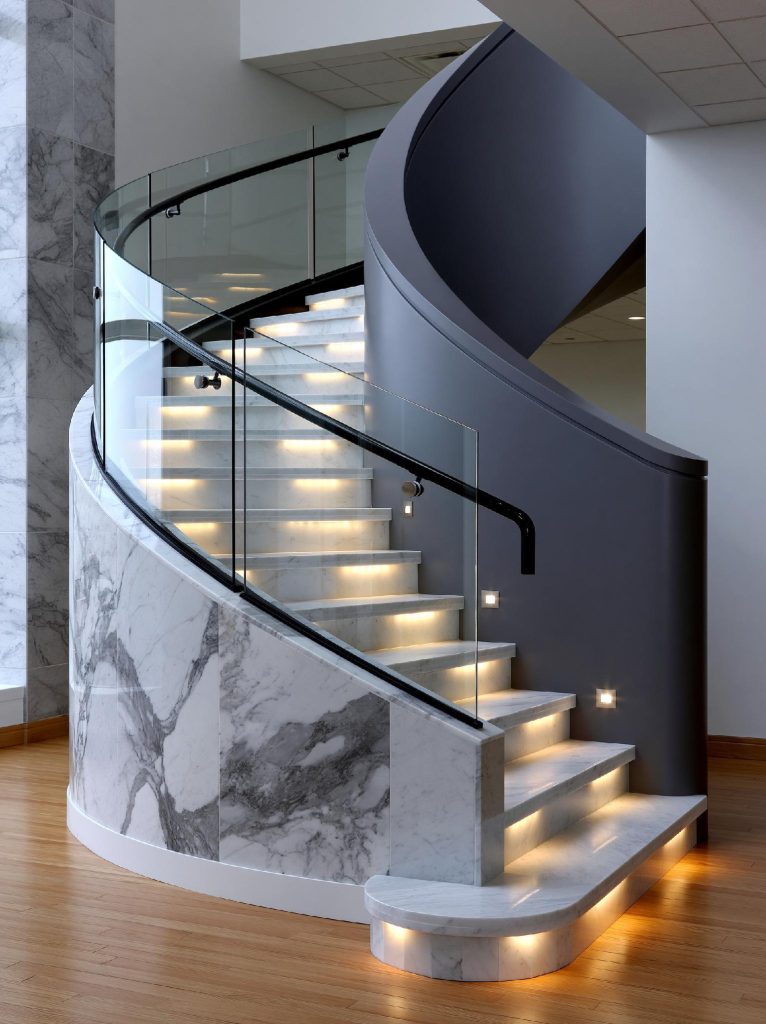
A curved glass staircase railing paired with marble steps for an open, contemporary look.
A modern toughened glass design works best when it solves a layout problem.
For example, replacing a solid partition between the kitchen and dining area with a sliding glass panel allows light to flow while still containing cooking activity. In compact homes, this simple change can make two separate rooms feel like one continuous space.
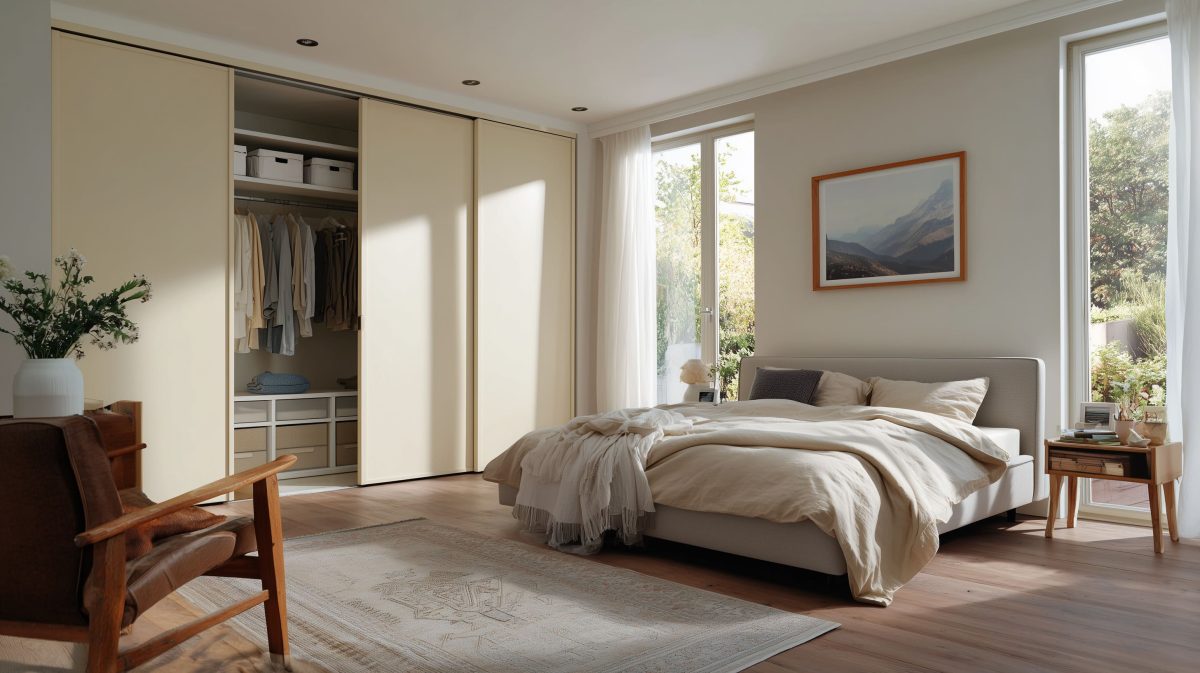
In bedrooms, frosted glass wardrobes reduce visual bulk compared to solid shutters, making the room feel lighter without compromising storage.
The focus is always the same. Use glass where it reduces visual weight but still maintains function.
Popular Toughened Glass Designs for Doors, Windows, Staircases and Gates
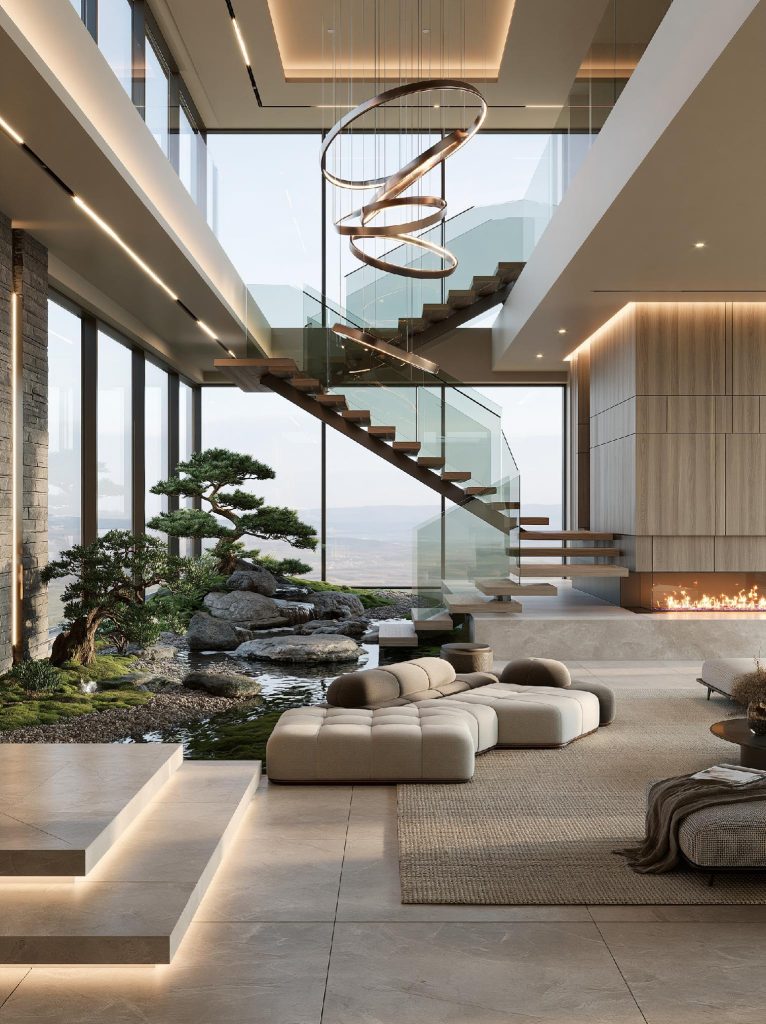
A glass balustrade staircase in a duplex home keeps sight lines open and adds visual height.
Different applications need different approaches.
Toughened glass door design Best for balconies and internal partitions where you want light without closing off the space.
Design tip: Use frosted panels if privacy is a concern.
Window toughened glass design Works well in areas exposed to heat and wind.
Best for: Homes with large openings or high-rise apartments where pressure resistance matters.
Staircase railings Keeps the staircase visually open while ensuring safety.
Design tip: Combine with metal or wooden handrails for better grip.
Toughened glass gate design Usually paired with metal frames for strength.
Best for: Entry areas where you want a modern look without compromising security.
A good toughened glass design is always chosen based on use, not just appearance.
Toughened Glass Finishes, Patterns and Frame Combinations
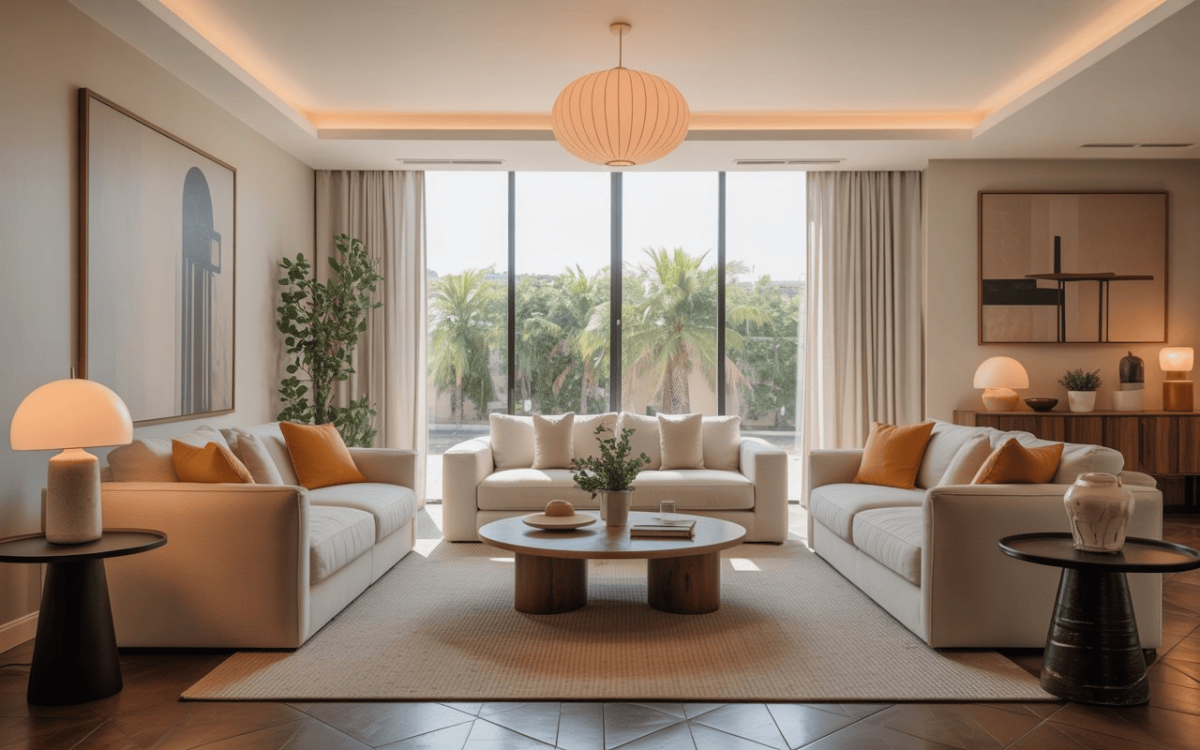
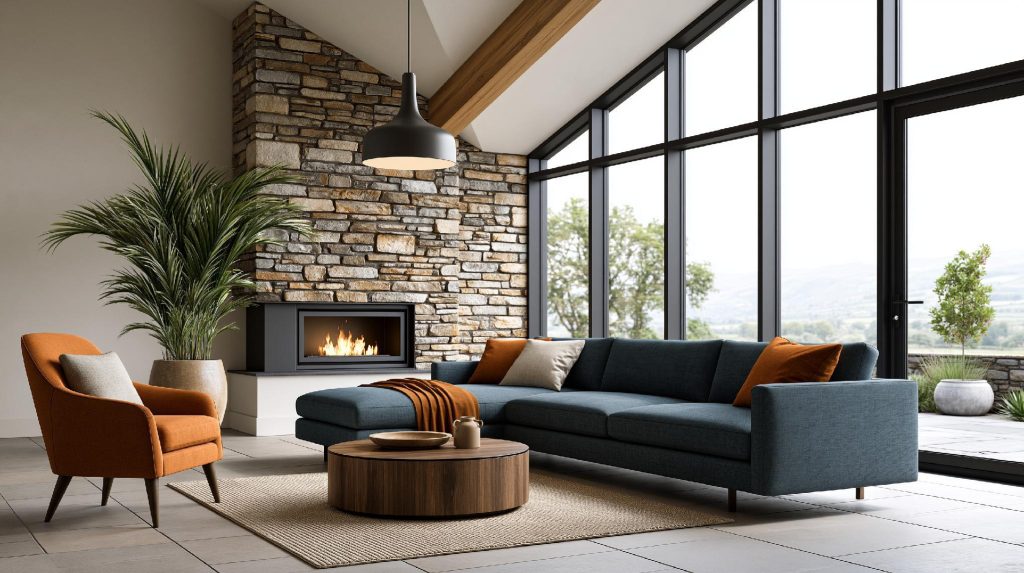
Large toughened glass windows in a living room bring in light while complementing a stone accent wall.
The finish determines both privacy and maintenance.
Clear glass works best in areas where you want maximum light, but it shows fingerprints and dust easily. Frosted or etched glass offers more privacy and requires less frequent cleaning.
Tinted glass reduces glare, which is useful in rooms with strong sunlight. Patterned glass adds visual interest but should be used carefully to avoid making the space look busy.
Frames matter just as much. Aluminium frames are lightweight and low-maintenance, while steel frames offer more strength for larger panels.
How Do You Choose the Right Toughened Glass Design?
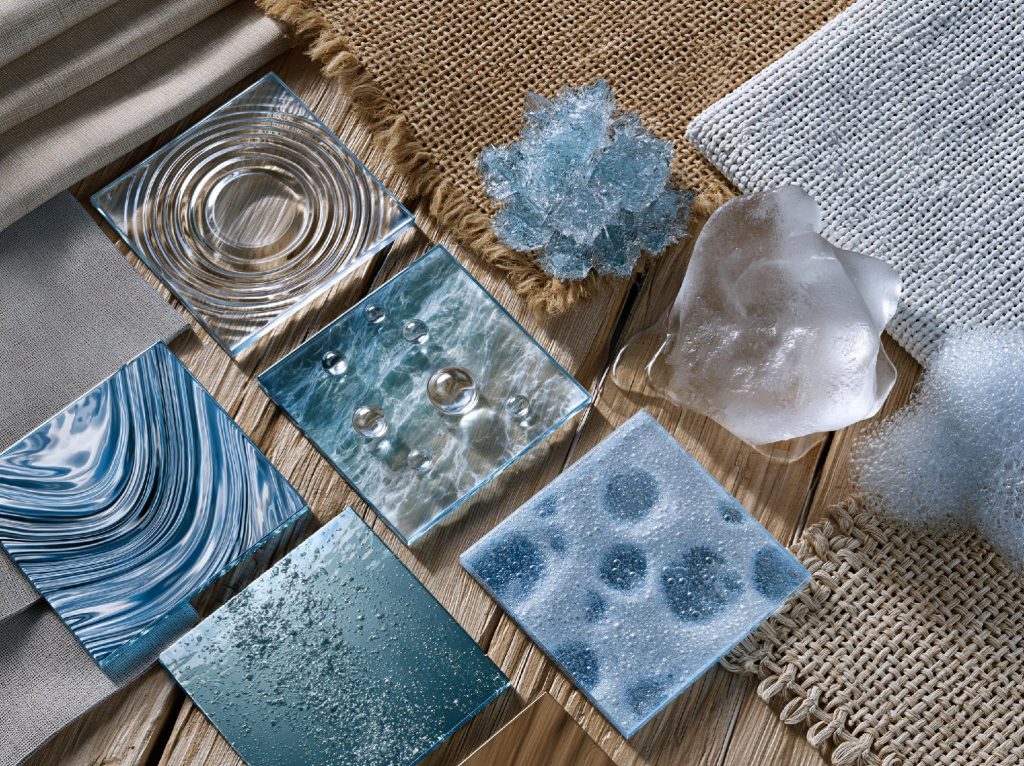
Different toughened glass finishes and patterns help choose the right type for each space.
Start with function. If privacy is important, frosted or textured glass works better than clear glass. For open layouts, clear glass helps maintain visual continuity.
Also consider maintenance. Clear glass needs regular cleaning, especially in high-use areas. Frosted finishes are more forgiving.
Thickness is another key factor. Doors and railings need thicker glass for safety, while windows can work with slightly thinner panels.
Your toughened glass design should balance visibility, safety, and upkeep.
Benefits of Using Toughened Glass in Modern Homes
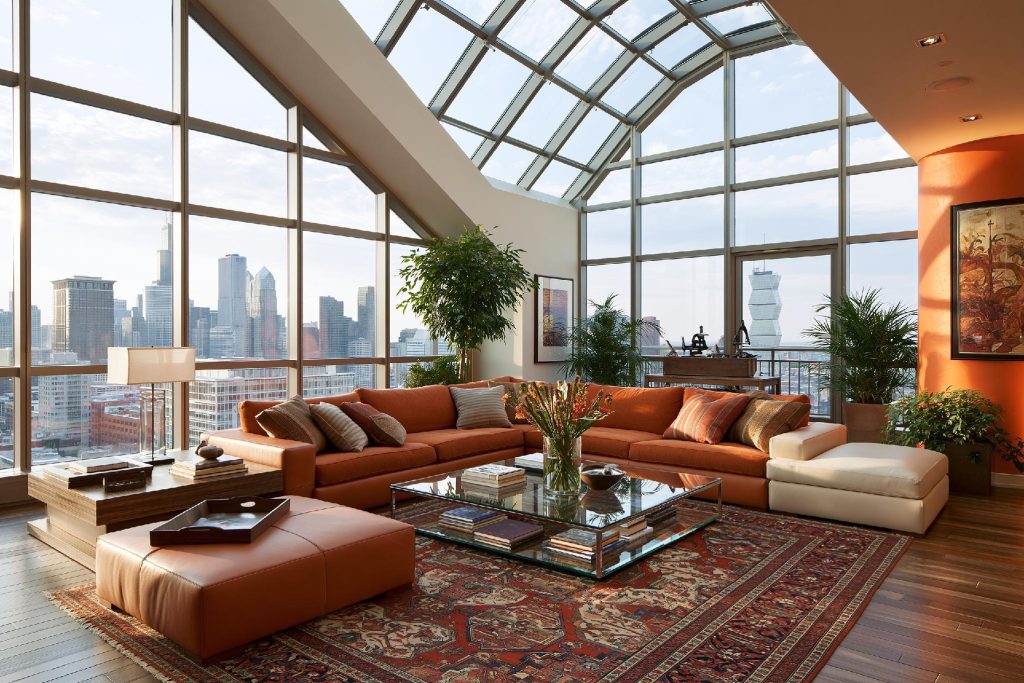
A glass skylight roof in a living room brings in abundant natural light and an open feel.
The biggest advantage is safety. Toughened glass is processed to be stronger than regular glass. If it breaks, it shatters into small blunt pieces instead of sharp shards, reducing the risk of injury.
It also improves natural lighting, making rooms feel larger and more open. In compact homes, this can make a noticeable difference.
Durability is another factor. Toughened glass handles heat, pressure, and impact better than standard glass, making it suitable for both interiors and exteriors.
A Real HomeLane Project: What Worked and Why
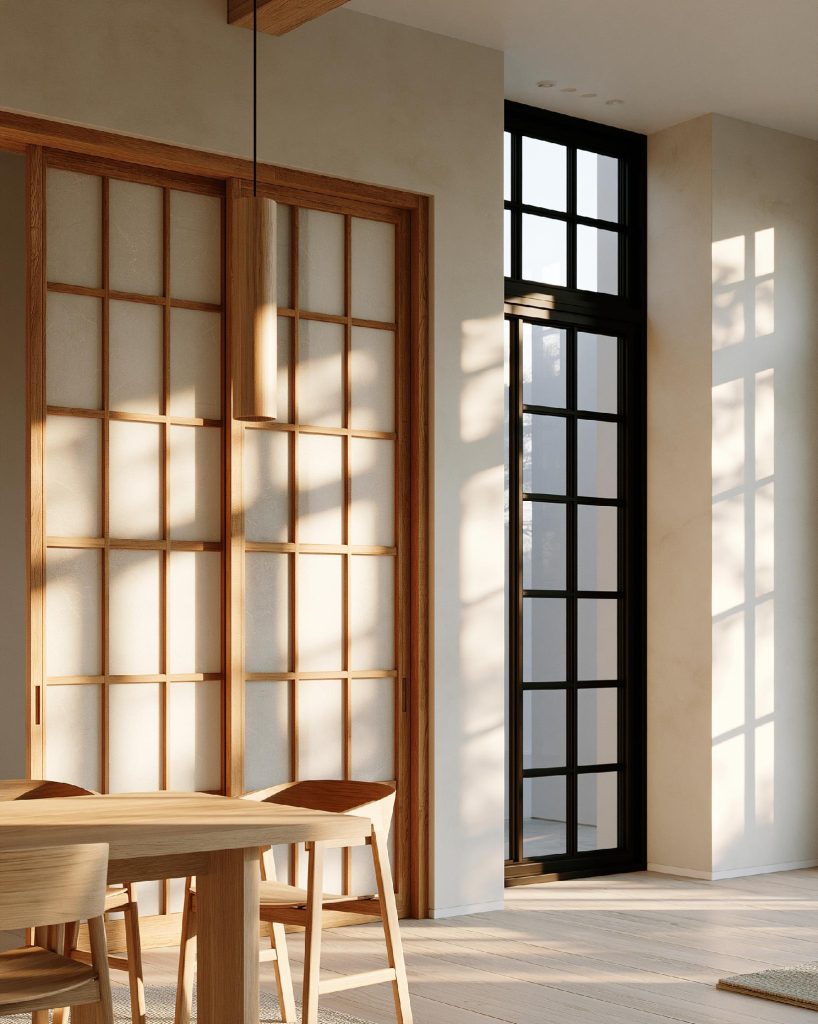
Glass door panels with wood and black metal frames show how framing affects light and style.
In a 2BHK apartment in Mumbai, the living and dining areas felt cramped because of a solid partition wall. The design team replaced the wall with a toughened glass door design using frosted panels and slim aluminium framing. This allowed light to pass through while still maintaining separation between the spaces.
The result was immediate. The home felt larger, brighter, and easier to move through, without compromising privacy. The choice of frosted glass also reduced maintenance compared to clear panels.
Common Toughened Glass Mistakes to Avoid
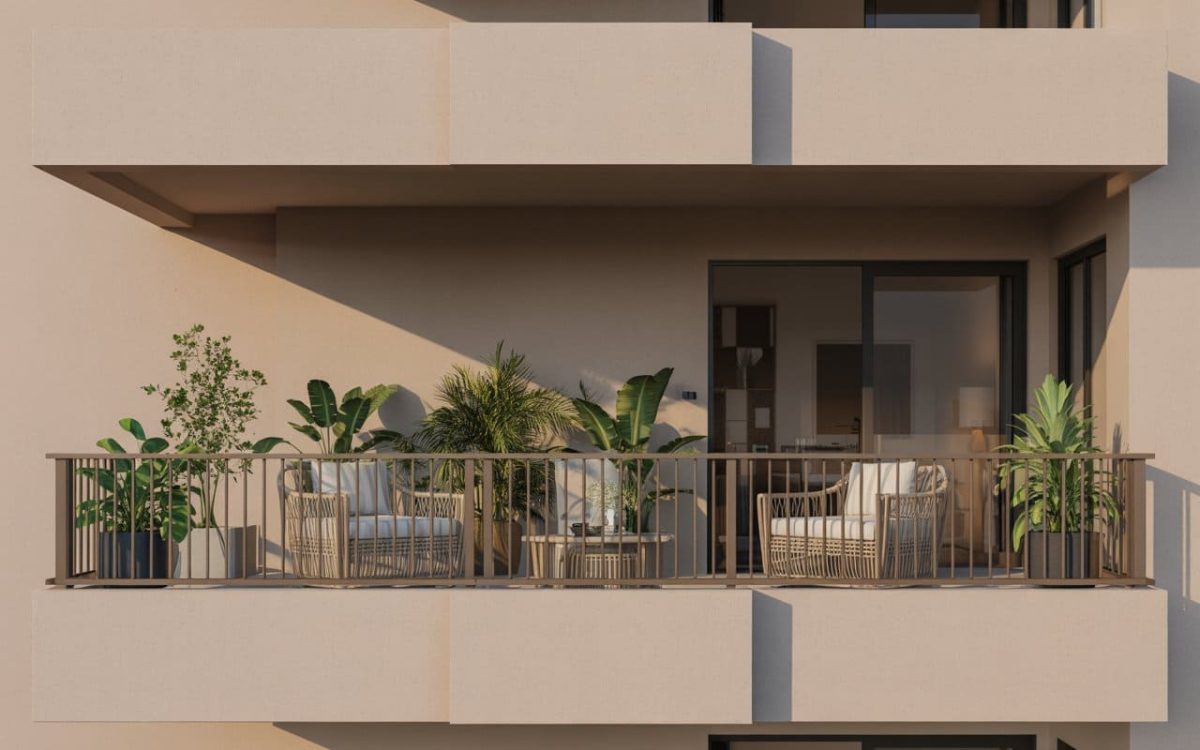
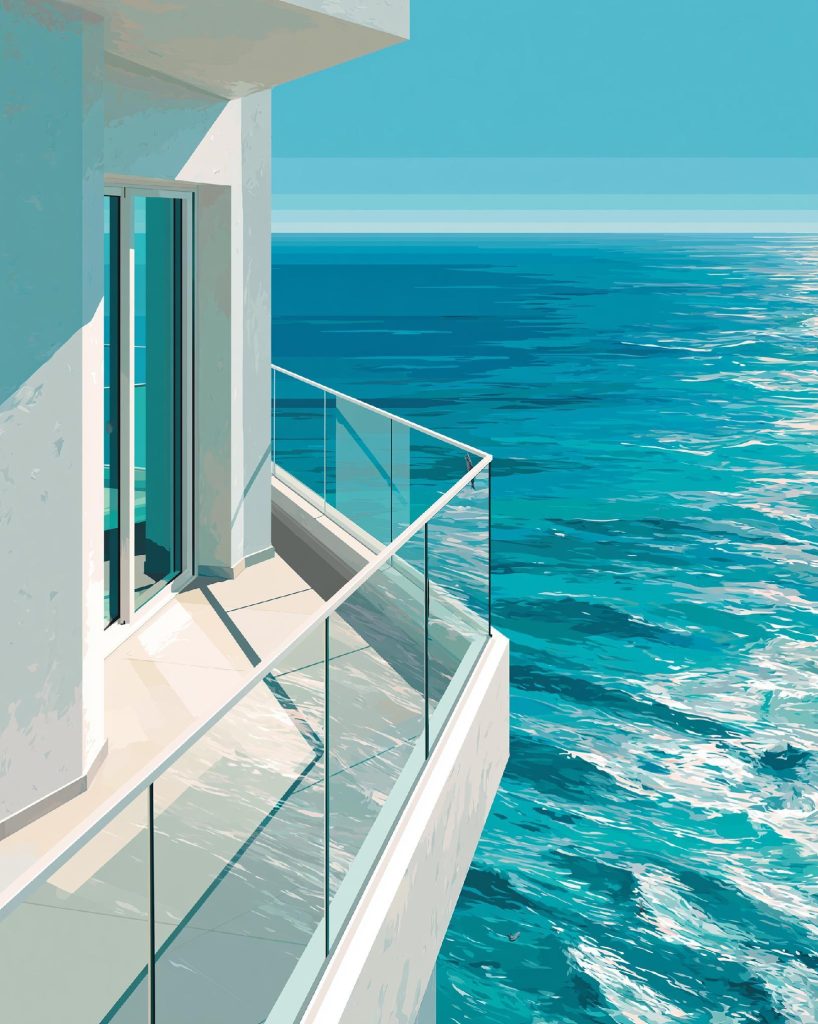
A clear toughened glass balcony railing keeps views unobstructed while ensuring safety.
In most homes, issues with glass don’t come from the material itself, but from how it is specified.
Clear glass in high-use areas tends to show fingerprints and smudges quickly, which increases maintenance effort. In such cases, frosted or textured finishes are a more practical choice.
Glass thickness is another critical factor. Thinner panels may reduce cost initially but can affect safety and durability in doors, railings, and large partitions.
Framing and installation also matter. Even strong glass can underperform if the fittings and supports are not planned correctly.
These are small decisions during design, but they determine how well the space performs over time.
Expert Tips for Maintaining the Clarity and Durability of Toughened Glass
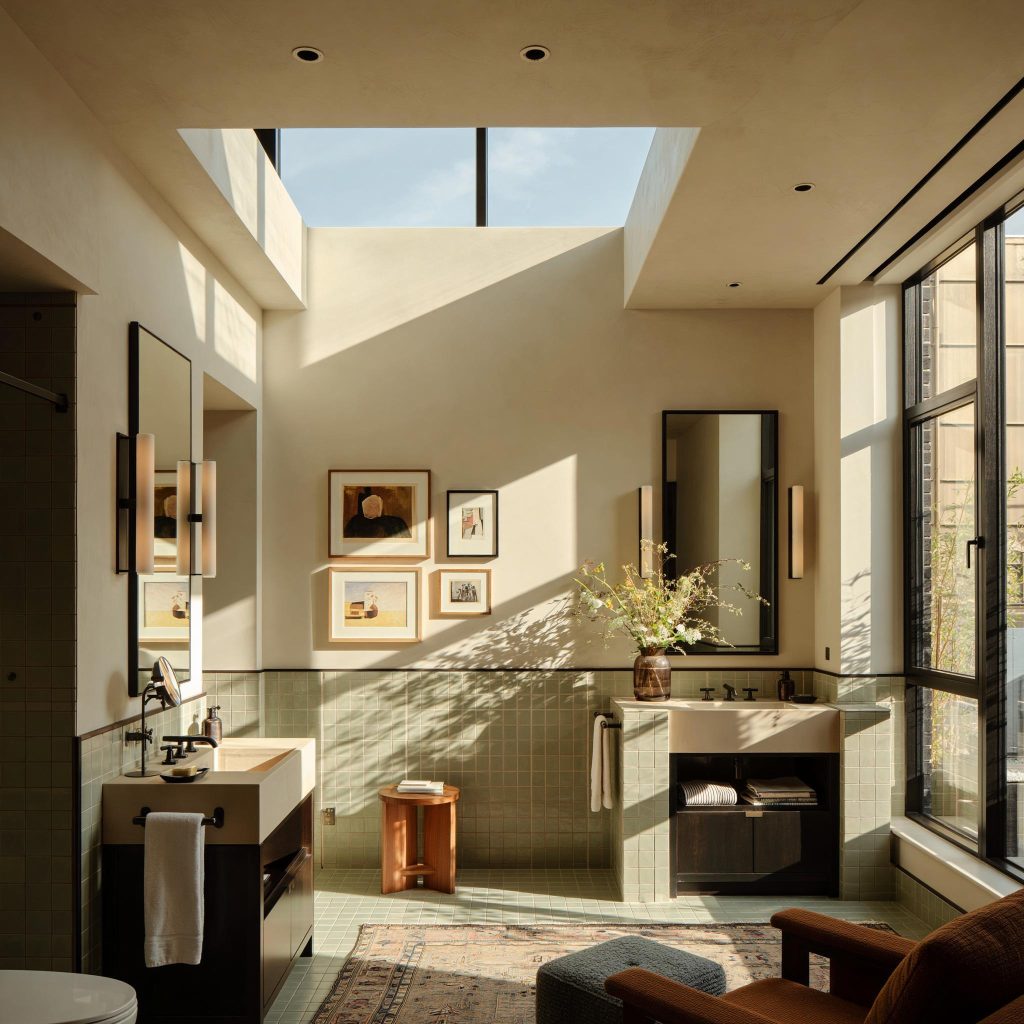
A large toughened glass window in a bathroom maximises daylight without compromising privacy.
A toughened glass design stays looking good only with the right upkeep.
Clean glass regularly with a soft cloth and a mild solution. Harsh cleaners can leave streaks and damage the surface over time. For daily maintenance, a simple wipe-down prevents build-up and keeps clarity intact.
Be mindful of edges and fittings. The glass itself is strong, but poorly maintained hinges, tracks, or frames can affect how the entire unit performs.
In high-use areas like doors and partitions, expect fingerprints and smudges. If low maintenance is a priority, frosted or textured finishes are easier to manage than clear glass.
The Last Word: What to Check Before You Finalise Your Glass Design
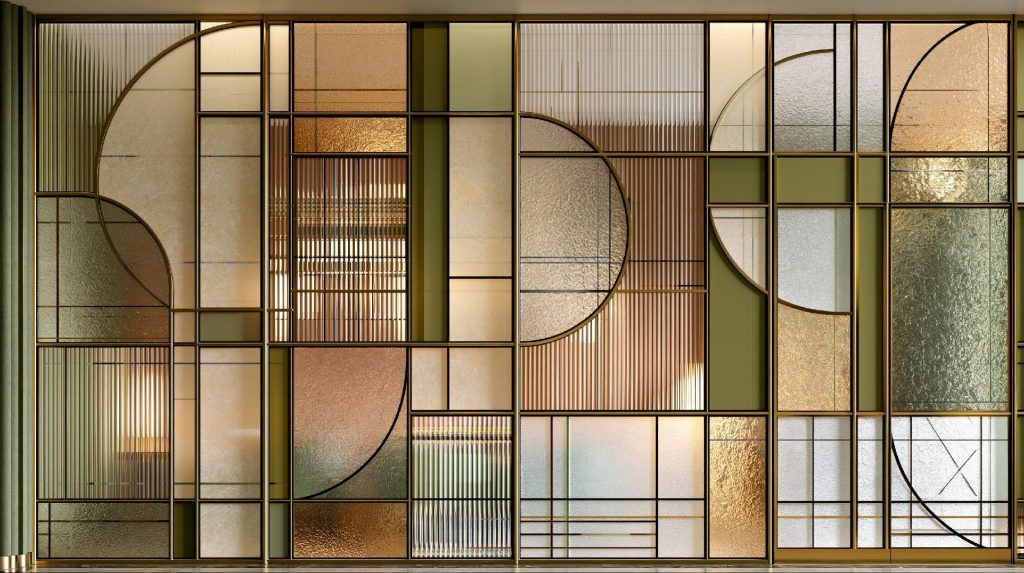
A decorative toughened glass panel with geometric patterns adds texture and character to interiors.
Before finalising your toughened glass design, focus on three things.
Check the purpose so you choose the right type.
Confirm thickness and framing for safety.
Consider how much maintenance you are comfortable with.
If these are clear and align with your needs, the design will work long-term.
If you want a glass design that fits your space and lifestyle, book a free consultation with HomeLane.
FAQs
1. Which toughened glass design is best for windows?
Clear or lightly tinted glass works best for windows. It allows light while handling heat and pressure. The choice depends on sunlight exposure.
2. Is toughened glass safe for doors and gates?
Yes, it is stronger than regular glass. It is designed to handle impact and pressure. It is widely used for doors and gates.
3. What is the difference between frosted and clear toughened glass?
Clear glass allows full visibility but needs more cleaning. Frosted glass offers privacy and hides marks better. The choice depends on use.
4. Which frame material is best for toughened glass?
Aluminium is low-maintenance and lightweight. Steel offers more strength for larger panels. Choose based on size and use.
5. Are modern toughened glass designs suitable for small homes?
Yes, they make spaces feel larger and more open. They allow light to flow across rooms. This improves the overall feel.
6. How durable is toughened glass compared to regular glass?
It is significantly stronger and more impact-resistant. It also handles heat better. It is safer in case of breakage.
7. What are the latest toughened glass design trends in 2026?
Slim frames, frosted finishes, and integrated partitions are trending. Designs should always focus on light and openness. Functionality remains key.









 EXPLORE MORE