Discovering Melamine Boards: The Perfect Choice for Interior Design
By Usha Balasubramanyan- May 25, 2026
AI Summary
3 key insights · 1 expert tip
Melamine boards offer a budget-friendly, easy-to-maintain surface ideal for modern interiors, from kitchens to wardrobes, providing durable style with minimal upkeep.
Key Insights:
What You'll Read Here:
Melamine boards are a cost-effective alternative to premium finishes, offering significant budget savings for homeowners.
The smooth, non-porous surface resists stains and is easily wiped clean, making maintenance straightforward.
Proper edge sealing is crucial to prevent moisture damage and ensure the longevity of melamine boards in high-traffic areas.
HOMELANE EXPERT TIPBy our design team
Always inspect the edge banding for a tight, seamless finish, as this is the most vulnerable point for moisture ingress and potential damage.
Summary
Choosing the right material can feel incredibly confusing, especially for a first-time homeowner! Many options look good in theory but are hard to maintain or way too expensive for your budget. Melamine board is a simple, highly practical alternative to costlier options. Easy to clean, cost-effective, and available in many finishes to suit different styles, it can be a great choice for a clean aesthetic. With a bit of basic care, melamine boards help create interiors that tick all the boxes on both functionality and style.
Best For
Homeowners who need easy-clean interiors, low-budget projects, and spaces like kitchens, wardrobes, and study areas where durability matters. It also works well if you prefer clean, modern finishes.
Expert Tip
Always check edge sealing before finalising. A well-finished edge makes a big difference in how long your melamine board lasts, especially in areas exposed to moisture.
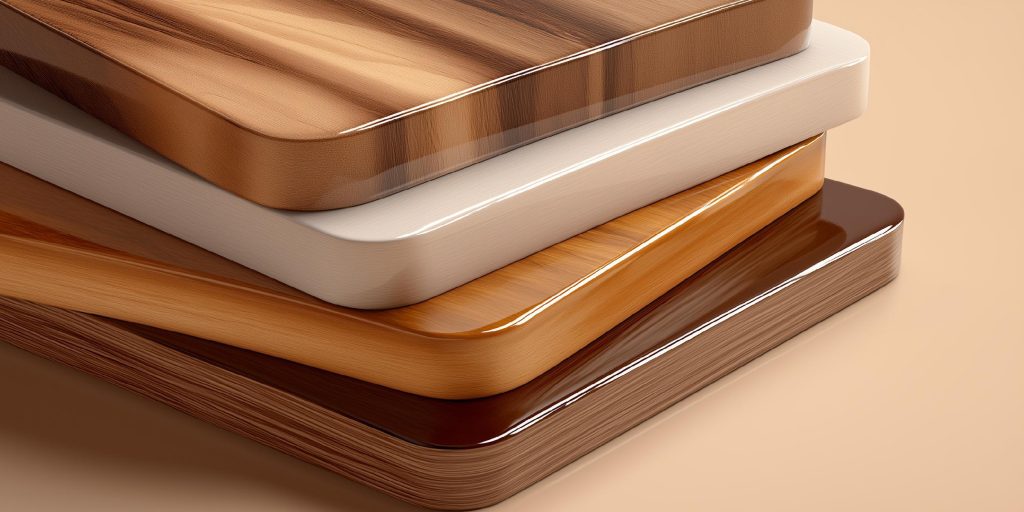
Melamine boards come in a wide range of finishes, from wood grains to solid tones.
Choosing materials for your home can get confusing fast. Everything looks good in a showroom, but not everything works in real life. You want something that looks neat, lasts well, and does not demand too much upkeep. That’s where melamine boards come in.
They are practical, versatile, and widely used across modern interiors. From wardrobes to kitchen cabinets, melamine board options offer a clean finish without making things complicated. If you are exploring materials for your home, this is one worth understanding. And we’re here to give you an end-to-end guide on this versatile material!
What Are Melamine Boards?
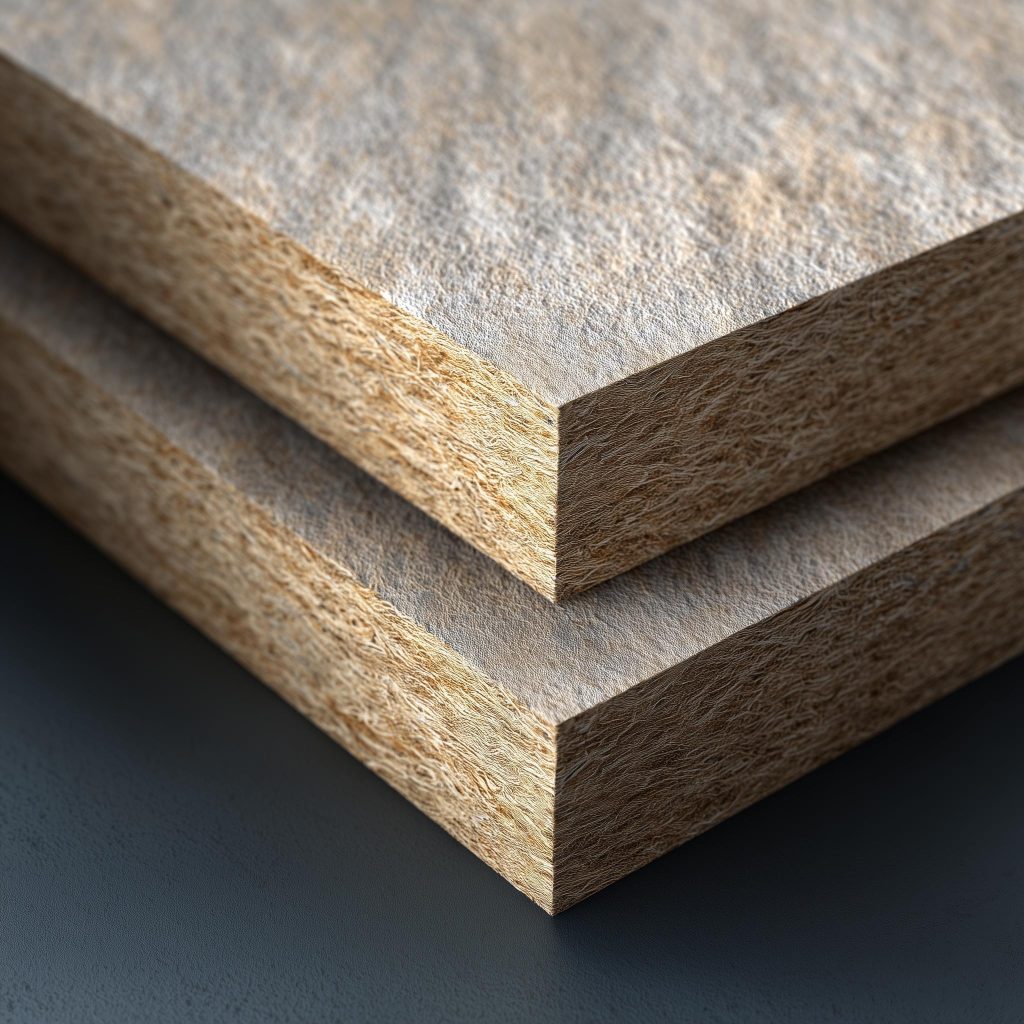
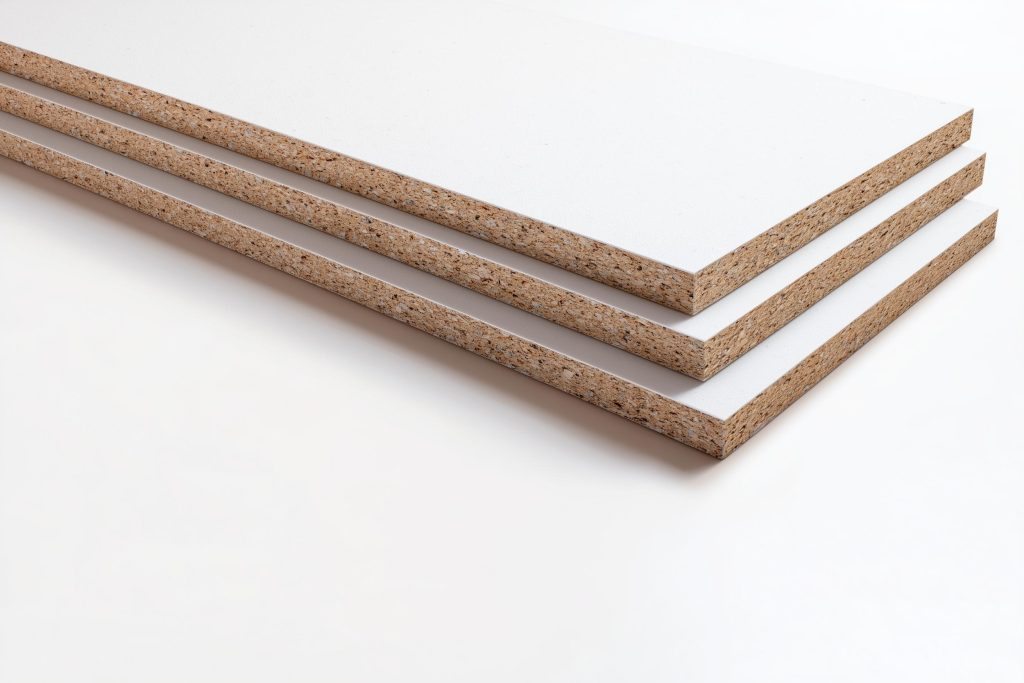
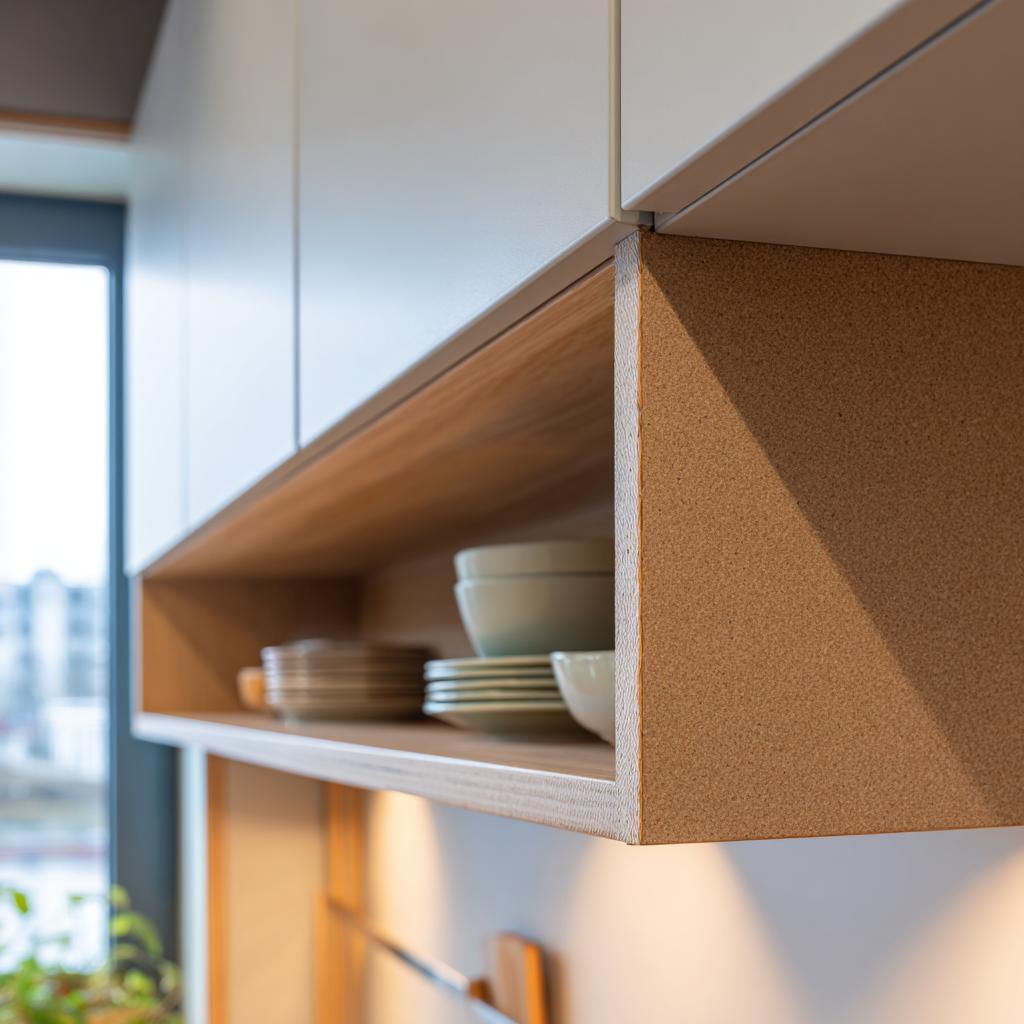
A melamine board showing its layered particle board core and smooth surface coating.
A melamine board is made by pressing a decorative paper layer onto a base like particle board, HDHMR or MDF. This surface is then sealed, giving it a smooth and durable finish. You might also hear terms like MFC board, melamine particle board, or MDF melamine board. These refer to the base material used underneath the melamine coating.
The top layer is what gives it colour, texture, and protection. This is why melamine sheets are available in so many finishes: from wood-like grains to solid colours, the variety is huge!
Benefits of Melamine Boards in Interior Design
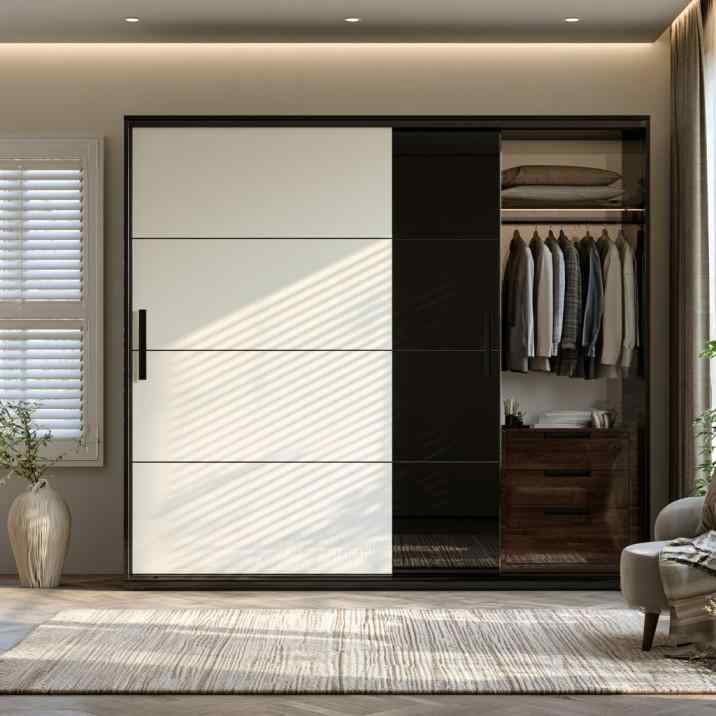
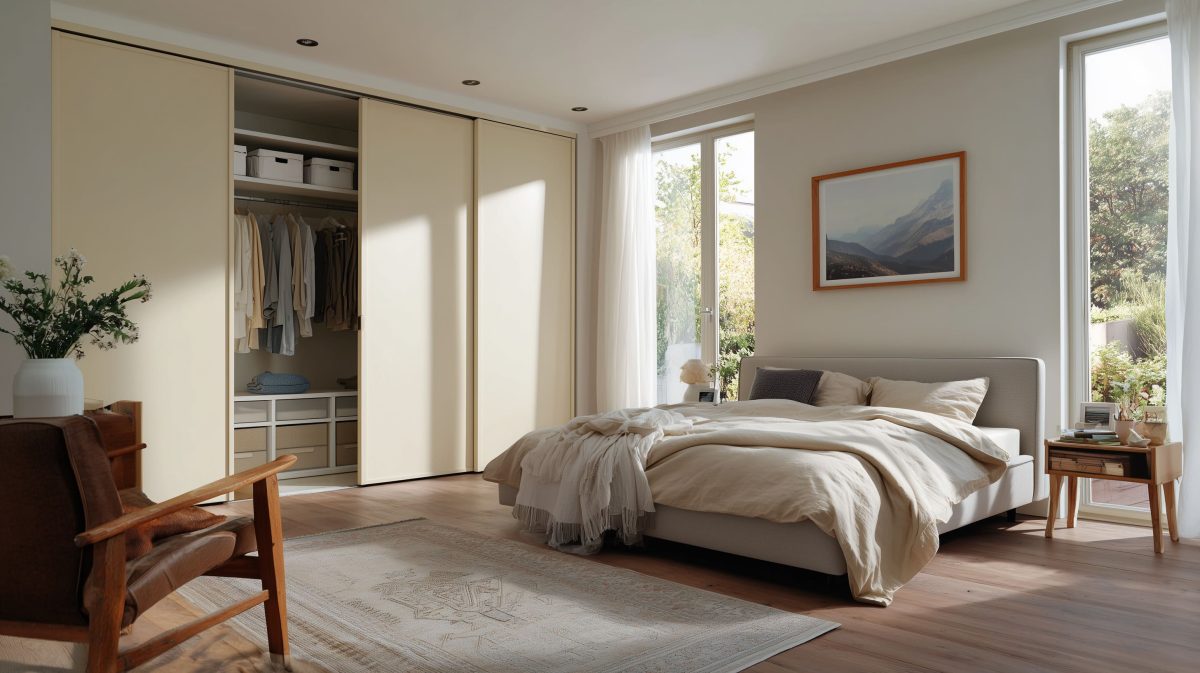
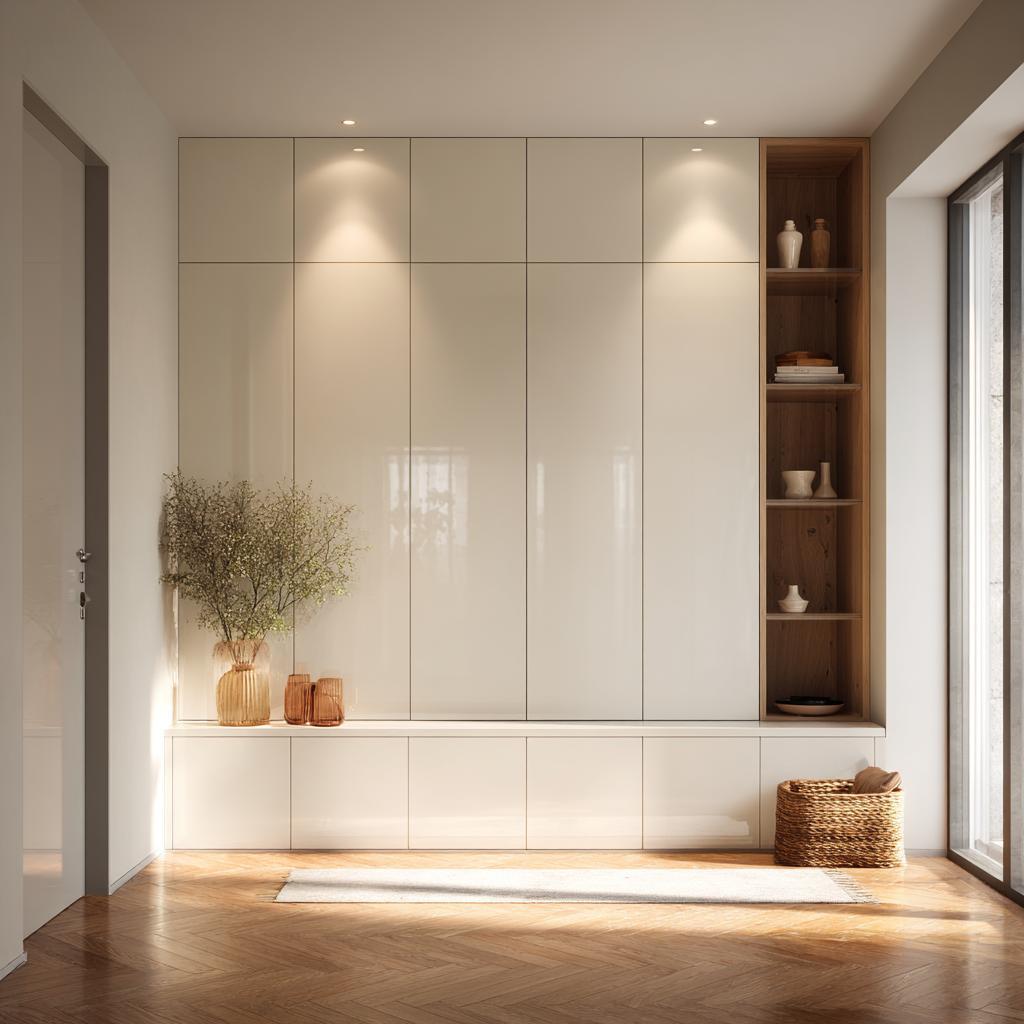
A clean cream melamine wardrobe showcasing the material’s neat finish and storage versatility.
There is a reason these boardare so common in home interiors. First, they are extremely easy to maintain. The surface resists stains and can be wiped clean without much effort. Second, it is cost-effective. Compared to solid wood or premium finishes, the cost of melamine board is more budget-friendly.
Third, it offers consistency. Each panel looks uniform, which helps create a clean and structured finish. It is also available in many colours and textures. Check out options like black ash melamine board, espresso melamine board, or beech melamine board to see if they suit your sense of style. Overall, it gives you flexibility without making the process complicated.
Common Applications of Melamine Boards
Melamine board used in kitchen cabinets, showing its smooth surface and practical construction.
You will find melamine plywood and boards used across different parts of the home.
In kitchens, it is used for cabinets and shutters because it is easy to clean.
In bedrooms, melamine ply boardworks well for wardrobes and storage units.
Living rooms use it for TV units, shelves, and display cabinets.
You will also see black melamine boardor cream melamine board finishes in study tables and office setups.
The appeal is simple. It fits into most spaces without demanding too much maintenance.
Design Tips for Using Melamine
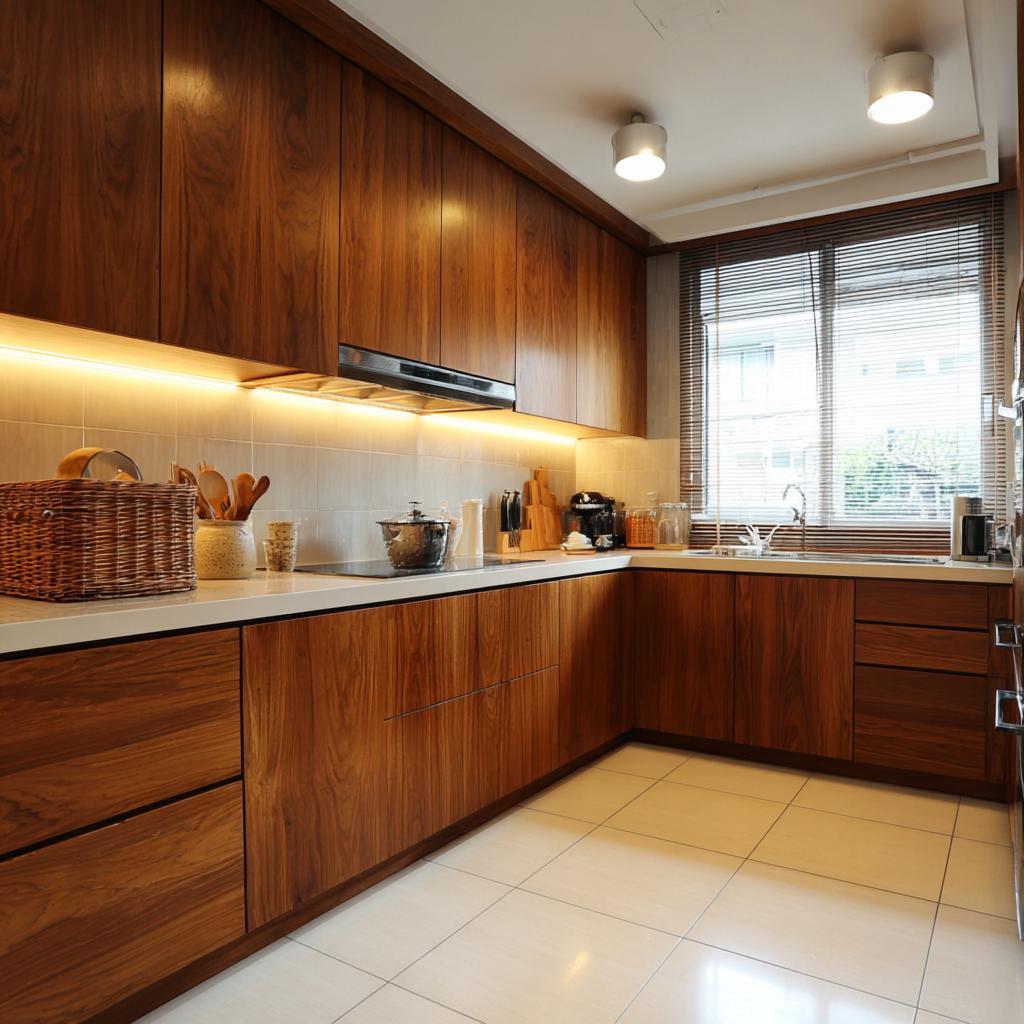
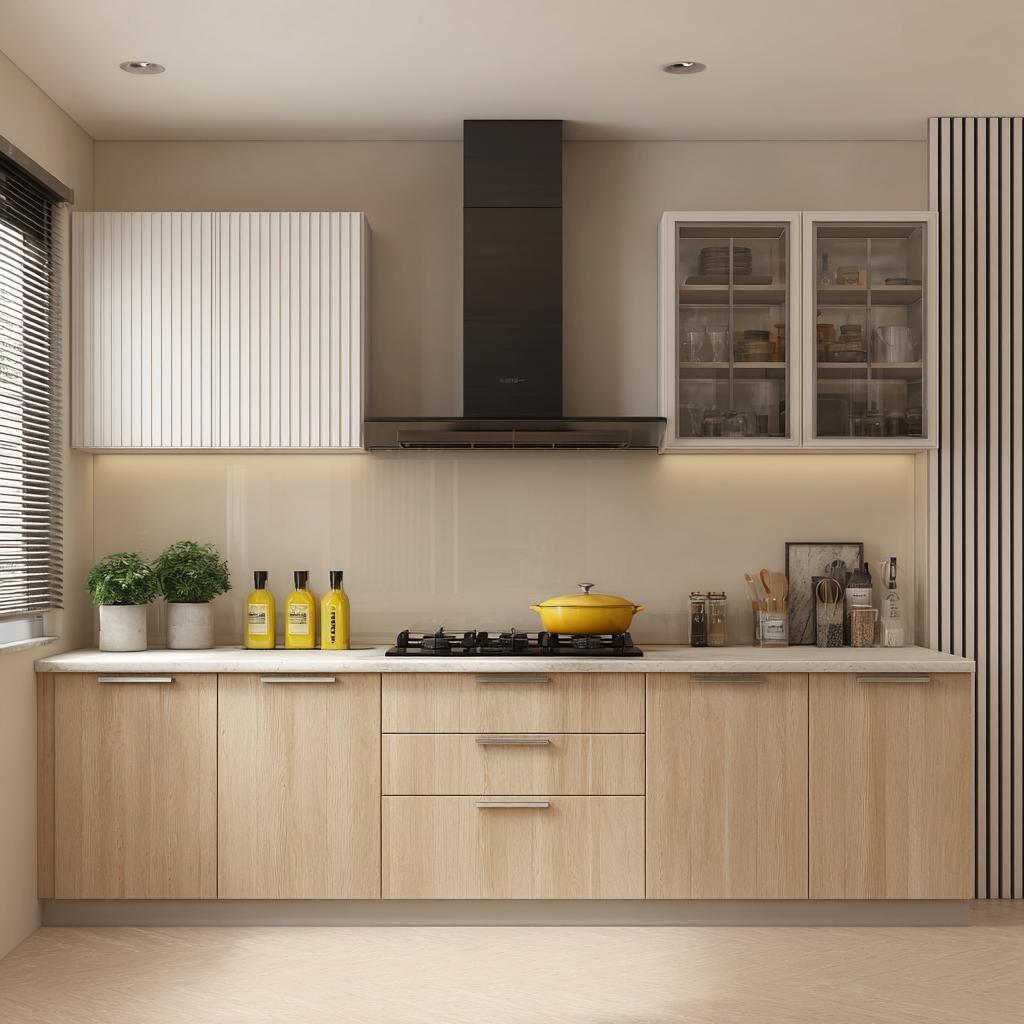
A wood-grain melamine kitchen with under-cabinet lighting, demonstrating smart design balance.
Melamine board uses are more about restraint than excess. Stick to a limited colour palette. Too many finishes can make the space feel busy. Mix textures and patterns with great care. A wood-grain finish paired with a solid colour works better than combining multiple patterns. Use darker tones in larger spaces. In smaller rooms, lighter shades help keep things open.
If you want a richer look, try to combine melamine with materials like glass or metal. This adds depth without making the design heavy. Keep the layout simple. Clean lines work best with this material.
Maintenance and Longevity
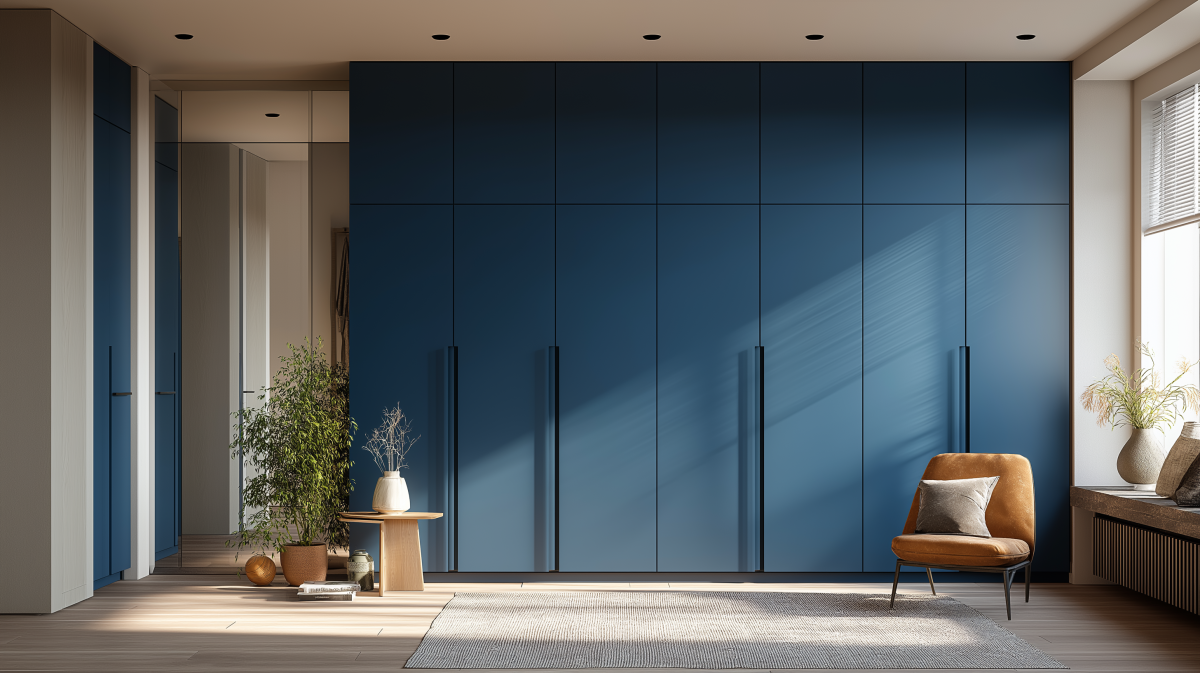
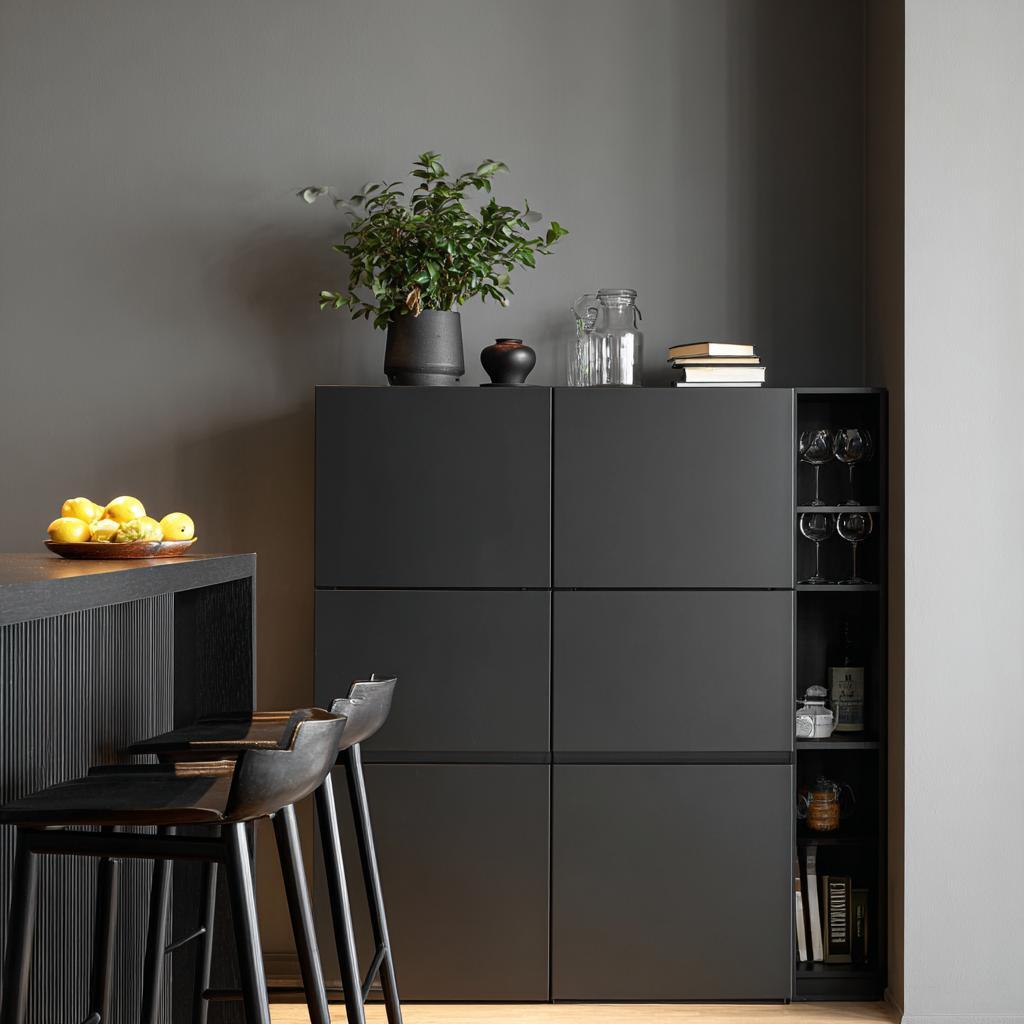
A dark matte melamine storage unit that is easy to wipe clean and maintain daily.
One of the biggest advantages of melamine board is how easy it is to care for! One of the biggest advantages of melamine board is how easy it is to care for! Everyday wiping with a soft and damp cloth keeps it hygienic. For stains, mild soap or liquid organic cleaner works well.
Be careful about excess water exposure, especially at edges. While the surface resists moisture, the core material can get affected if not sealed properly. With basic care, this material can last for years without losing its finish.
Challenges of Using Melamine Boards
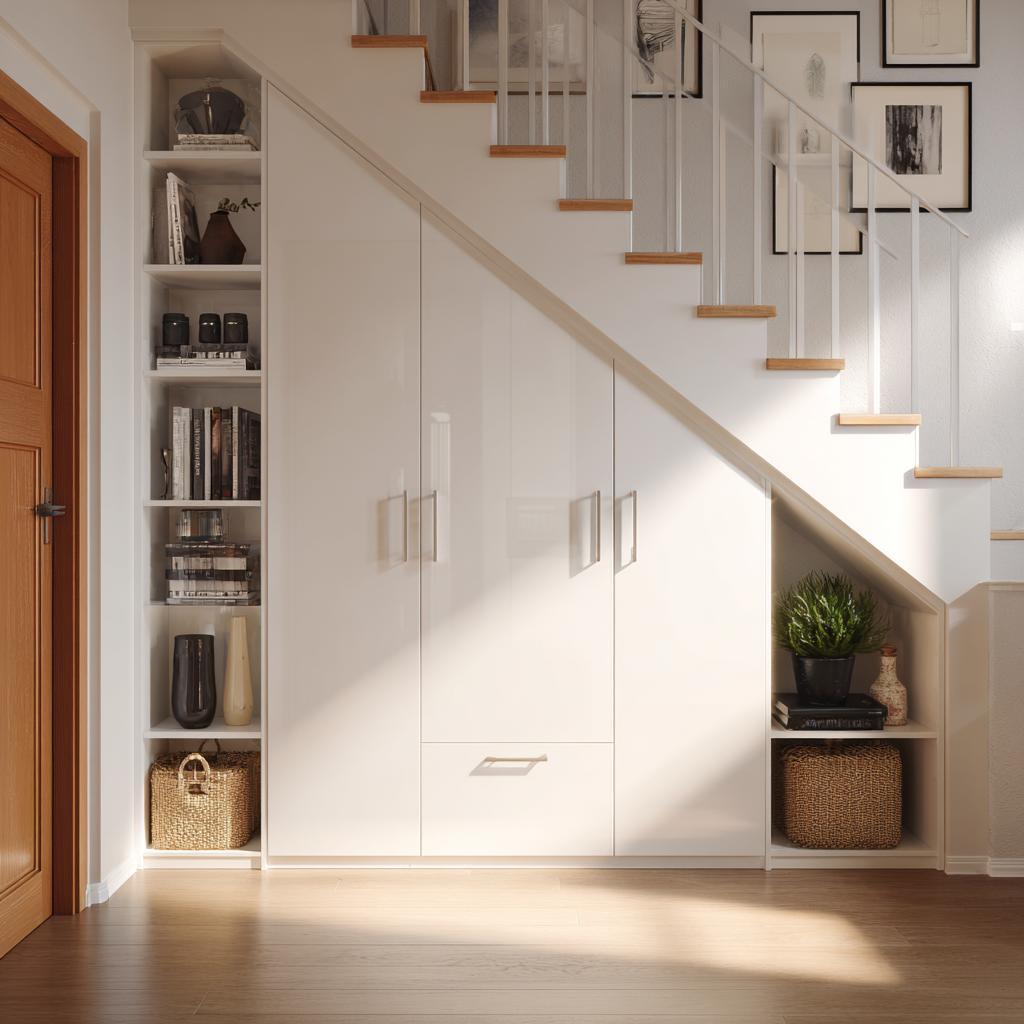
Under-stair melamine storage showing how proper edge finishing extends the material’s lifespan.
Melamine boards are practical, but they are not perfect! Knowing the issues that can arise helps you use them better. One common challenge is edge damage. The surface might be very strong, but the edges can start to chip if used roughly. This is why tight edge banding is non-negotiable. You can use laminate edge bands, or even use solid wood pieces to finish the edges.
Moisture is another concern. While the top layer resists stains, the inner core can swell if exposed to dampness. It is also not ideal for heavy structural use. Compared to solid wood or plywood, melamine ply board is better suited for shutters and panels rather than load-bearing parts.
Repairs can be tricky. If the surface gets scratched or chipped, it is harder to fix seamlessly compared to painted finishes. None of this means you should avoid it. It simply means using melamine board in the right places, with proper finishing, will give you the best results.
Creating Interiors That Work for Everyday Life
A modern melamine kitchen interior combining fluted panels and clean cabinets for daily functionality.
Good materials do more than look nice. They make your home easier to live in. With melamine boards, you get a balance of durability, affordability, and design flexibility. They fit into modern homes without adding complexity. If you want interiors that look neat and stay that way with minimal effort, this is a material worth considering.
Ready to Design Smarter?
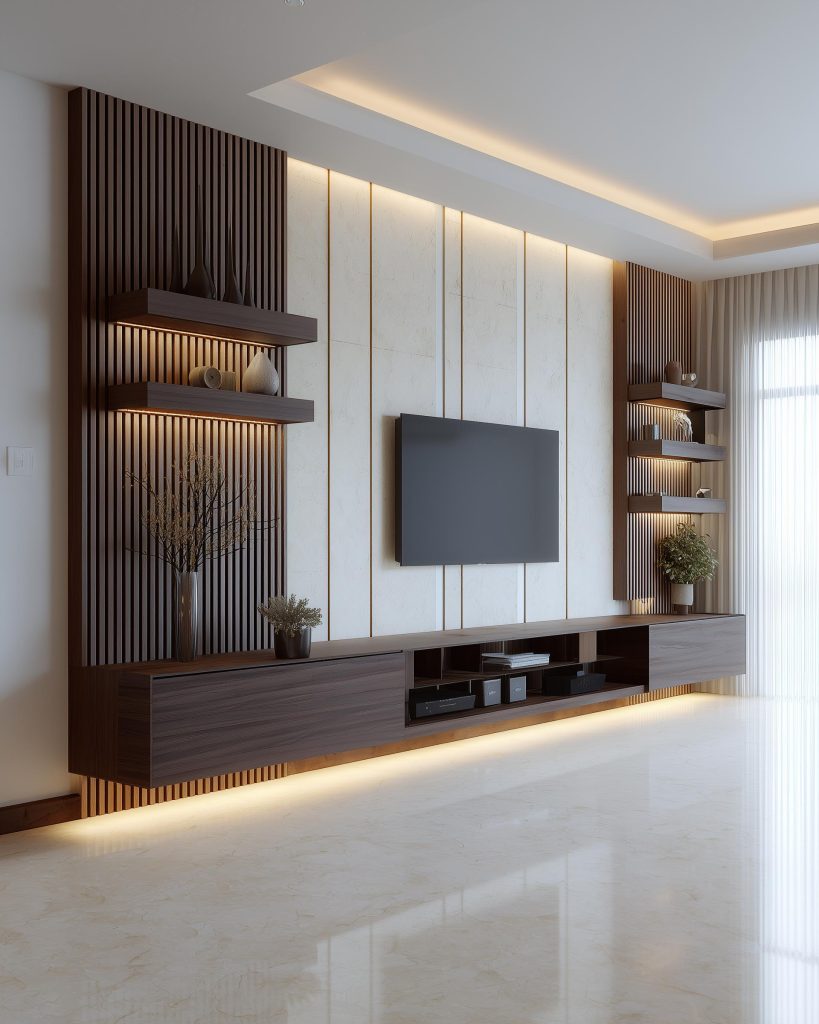
A contemporary melamine TV unit with slatted panels and ambient lighting for a polished finish.
If you want materials that look good and work well every day, getting the right person to hand-hold you is important. At HomeLane, designers help you choose finishes like melamine board that suit your space, budget, and lifestyle. From planning to execution, everything is tailored so your home feels just right from day one.
FAQs
1. Are melamine boards safe for home use?
Yes, melamine board products used for interiors are generally safe when sourced from reliable manufacturers.
2. Are melamine boards waterproof?
They are moisture-resistant but not completely waterproof. Make sure that all edges are properly sealed and there are no cracks. Continuous exposure to water (or even just humidity) can damage the inner material.
3. Can melamine boards be customised?
Yes, melamine sheets come in a wide range of colours, textures, and finishes, allowing for flexible design choices.
4. How do melamine boards compare to plywood?
Melamine plywood offers a finished surface and is easier to maintain, while plywood may be stronger and more durable in certain applications.
5. Is melamine board suitable for bathroom vanity tops?
It can be used, but only if properly sealed and protected from constant water exposure.













 EXPLORE MORE