Implementing Tradition and Modernity in Interior Design Through Cultural Fusion
By Usha Balasubramanyan- May 14, 2026
AI Summary
3 key insights · 1 expert tip
Blend modern and traditional interior design to create a timeless, relevant home that balances warmth, familiarity, and clean functionality for a rooted yet evolved living space.
Key Insights:
What You'll Read Here:
Balance is achieved by layering one style thoughtfully over a dominant base style for cohesive design.
Consistency in colour palettes and complementary materials, like wood and metal, unifies disparate elements.
Start with a conceptualised modern layout and introduce traditional elements through curated furniture and decor.
HOMELANE EXPERT TIPBy our design team
Introduce traditional elements gradually through curated accents and decor pieces rather than overwhelming the space with too many styles at once.
Summary
Most homes lean either traditional or modern. But the most interesting spaces often sit somewhere in between. Blending modern and traditional interior design allows you to create a home that feels rooted, and is yet relevant, all at once. It brings together warmth, familiarity, and clean functionality in a way that feels natural, not forced.
Best for
Ideal for homeowners who want a timeless look. Works especially well in Indian homes where cultural elements already play a strong role.
Expert tip
Do not try to mix everything at once. Start with one dominant style and layer the other thoughtfully.
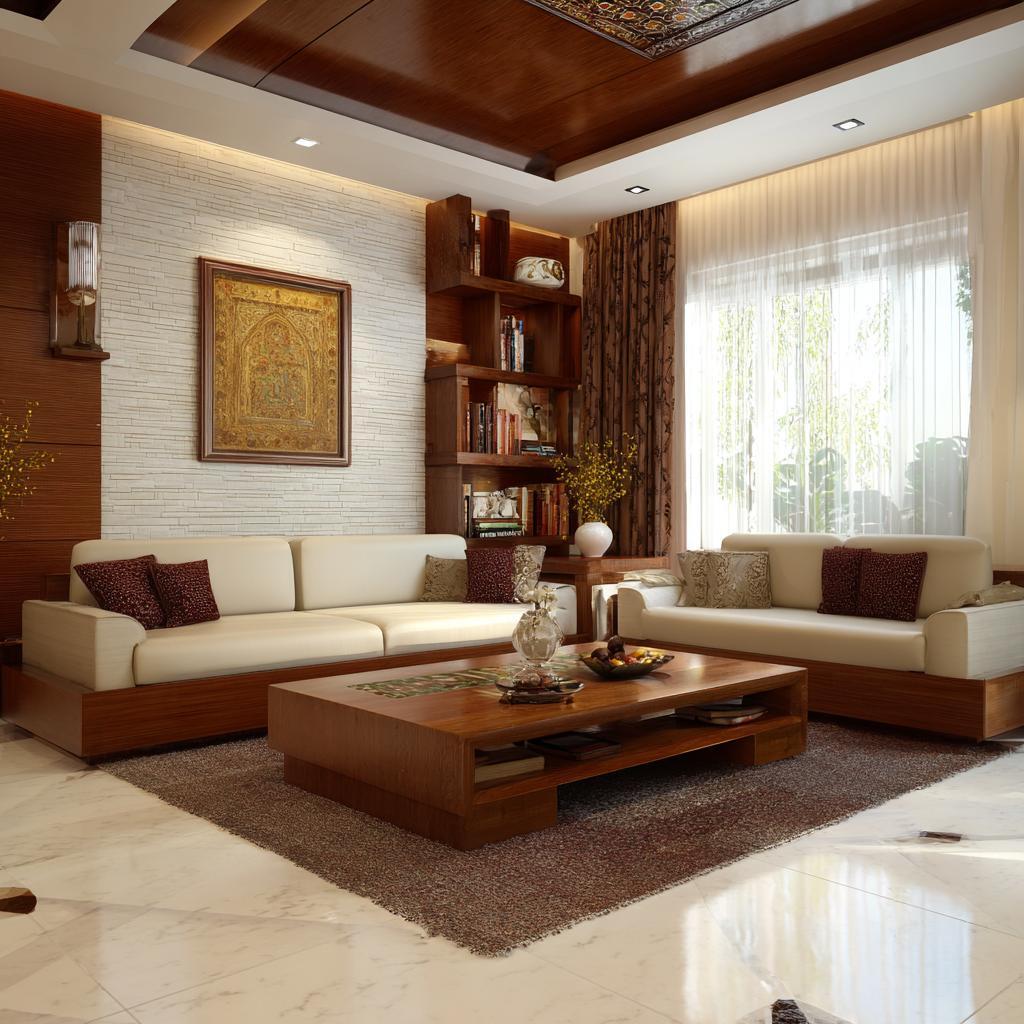
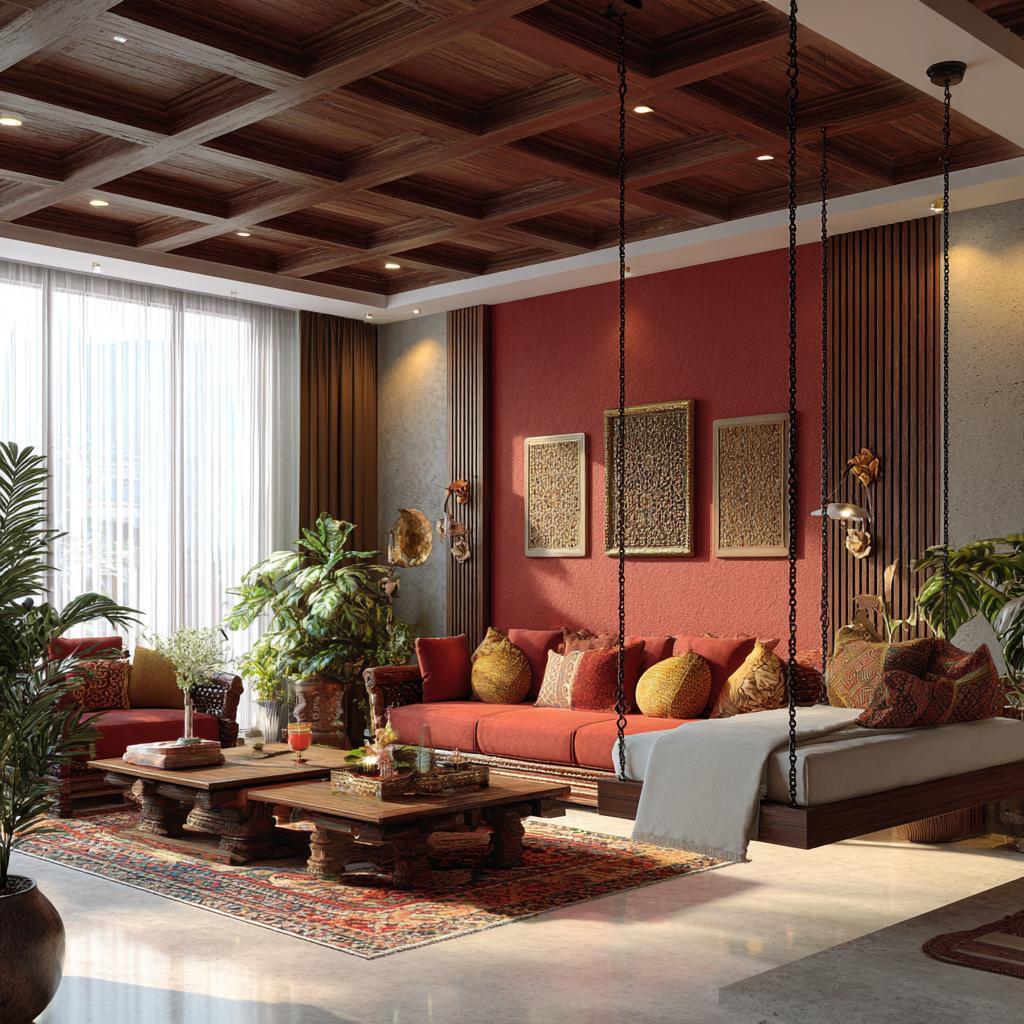
A warm Indian living room blends traditional wood furniture with modern layouts for a timeless feel.
Some homes feel warm but dated; while others feel modern but slightly impersonal. The balance lies in combining both.
Blending modern and traditional interior design allows you to create a home that feels rooted yet relevant. It brings together warmth, familiarity, and clean functionality in a way that feels natural, not forced. What makes this approach work is not just the mix of styles, but how thoughtfully they are brought together. A carved wooden piece in a clean, minimal room. A neutral space softened with textiles and patterns. These small combinations are what give a home character.
Over time, this kind of design tends to age better. It does not feel tied to a trend or a single moment. Instead, it evolves with you, holding on to what matters while adapting to how you live today.
Understanding Traditional vs. Modern Design
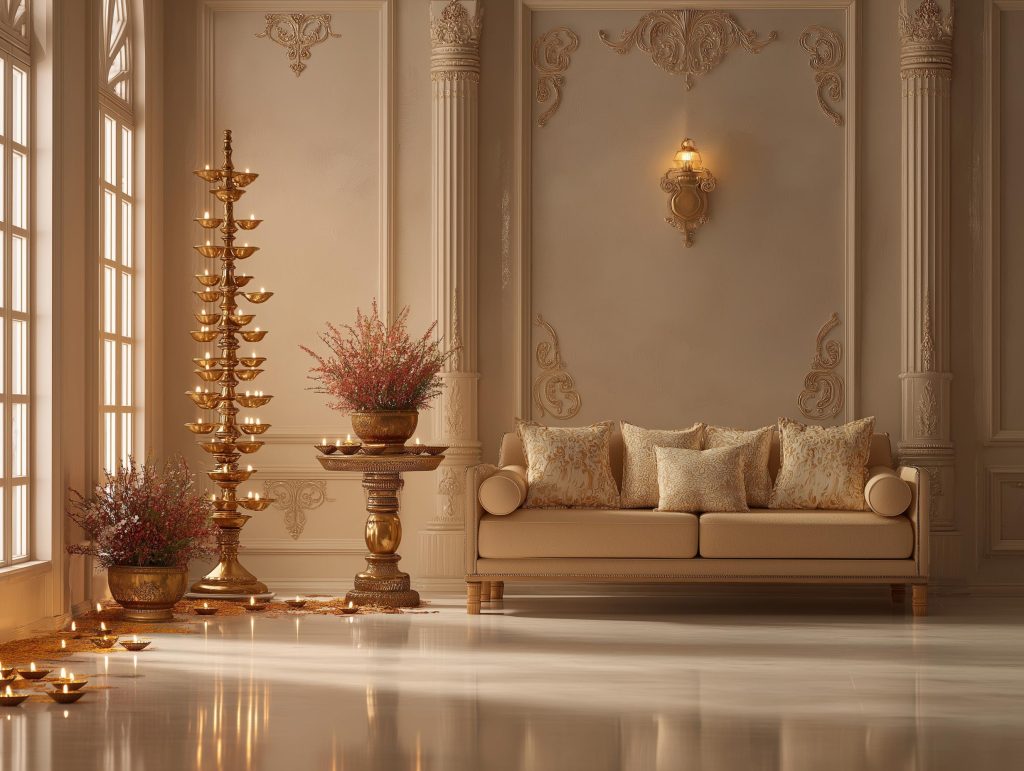
Ornate brass diyas and classical wall details reflect the richness of traditional interior design elements.
Traditional design is grounded in a lot of elaborate detailing: imagine carved wood, rich textures, and layered decor.
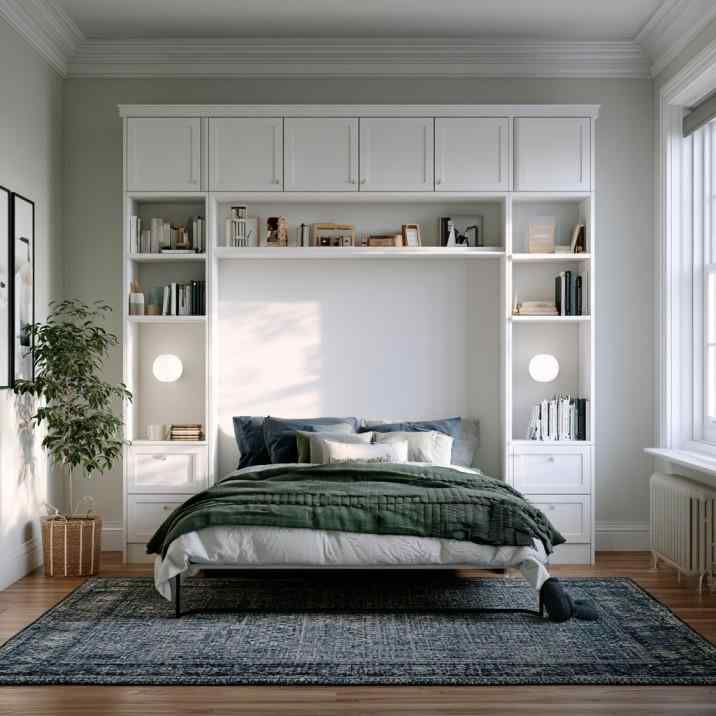
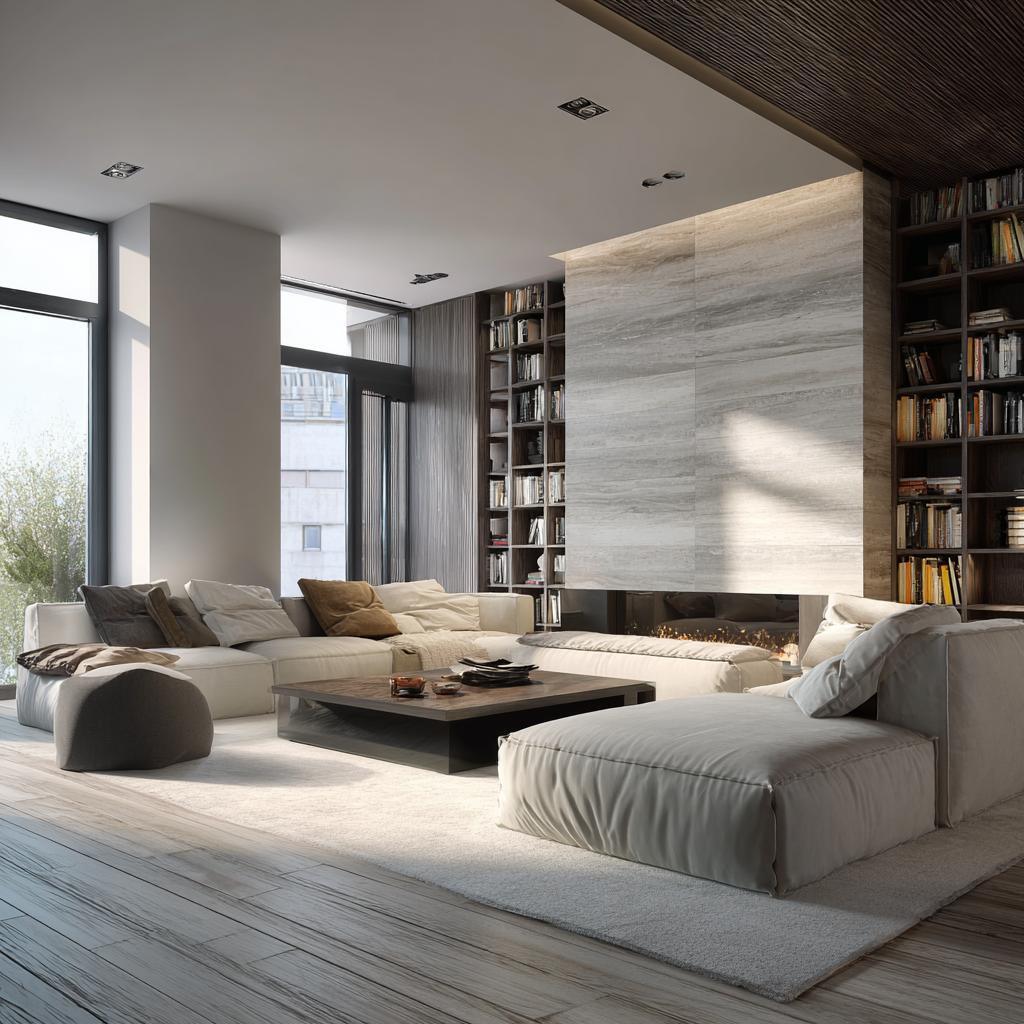
A minimalist living room with clean lines and a built-in bookshelf captures the essence of modern design.
Modern design, on the other hand, is about pared-down simplicity. Clean lines, minimal detailing, and functional layouts define it.
When you compare modern and traditional house design, the contrast is clear. One leans towards ornamentation, the other towards restraint. Understanding both helps you blend them with intention. It also prevents one style from overpowering the other.
Benefits of Blending Tradition and Modernity
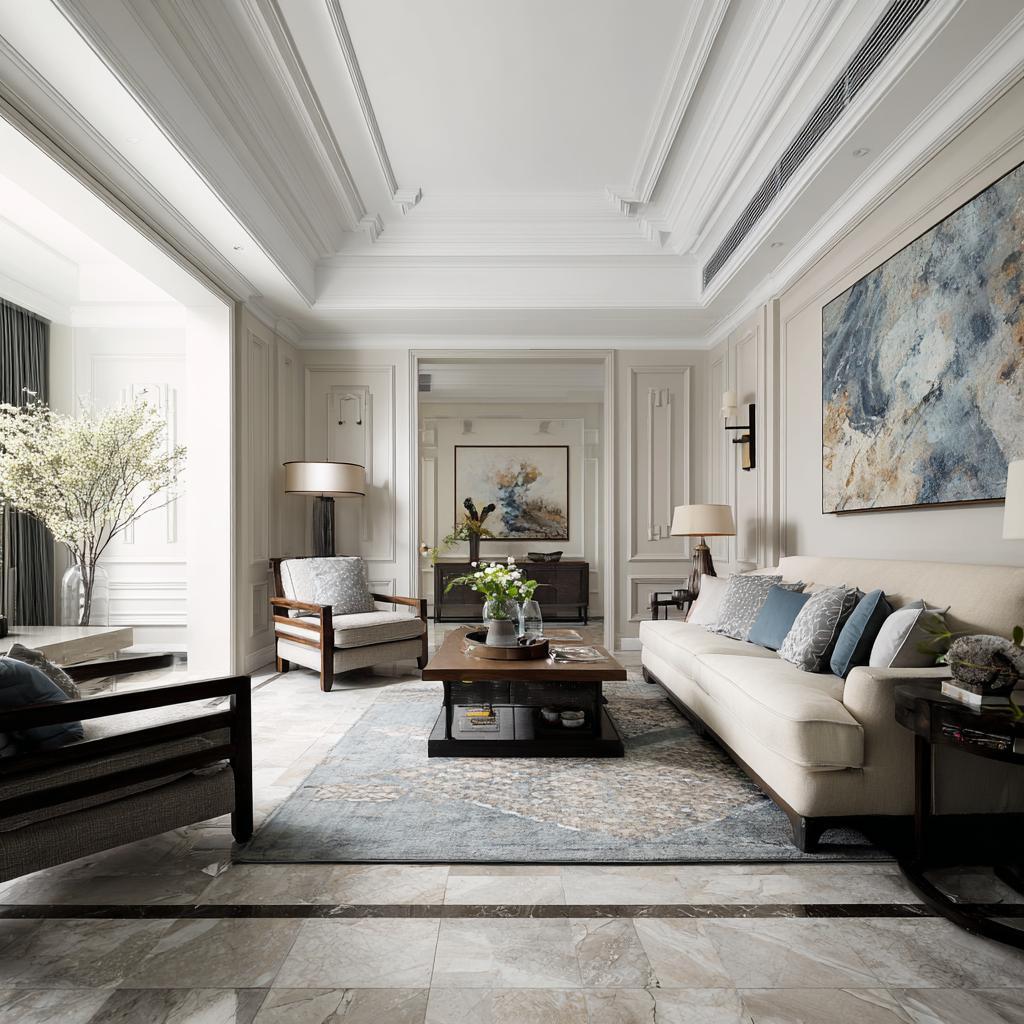
Classic wall panelling and modern furniture blend seamlessly in this contemporary traditional living room.
A purely modern space can sometimes feel way too stark and cold, almost without soul. But a purely traditional space can feel heavy. Combining both creates balance.
A modern and traditional house feels more personal and timeless. It allows you to keep cultural elements while still enjoying modern comfort. It also gives flexibility. You can update parts of the design without changing everything.
Core Principles for a Balanced Fusion
A carved wooden ceiling and indoor swing bring traditional warmth to a modern Indian living room.
When you’re mixing up two styles, balance is at the heart of everything! Too much contrast can feel confusing and disorienting, so start by choosing one style as your base. Then you can layer the second style through carefully curated accents.
For example, a neutral modern layout with traditional furniture works well. This approach defines modern traditional decorating style clearly. Consistency in colour and materials helps bring everything together.
Design Strategies to Combine Both Styles
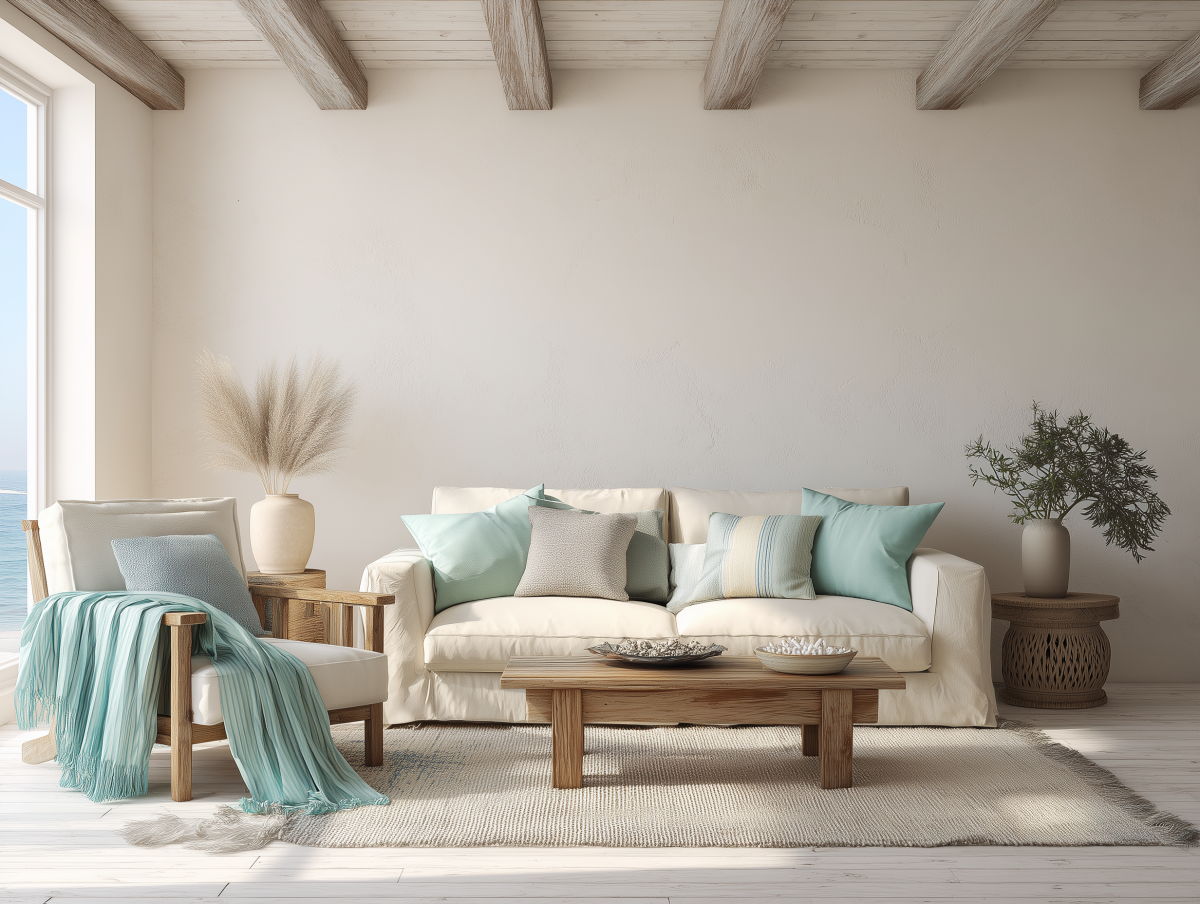
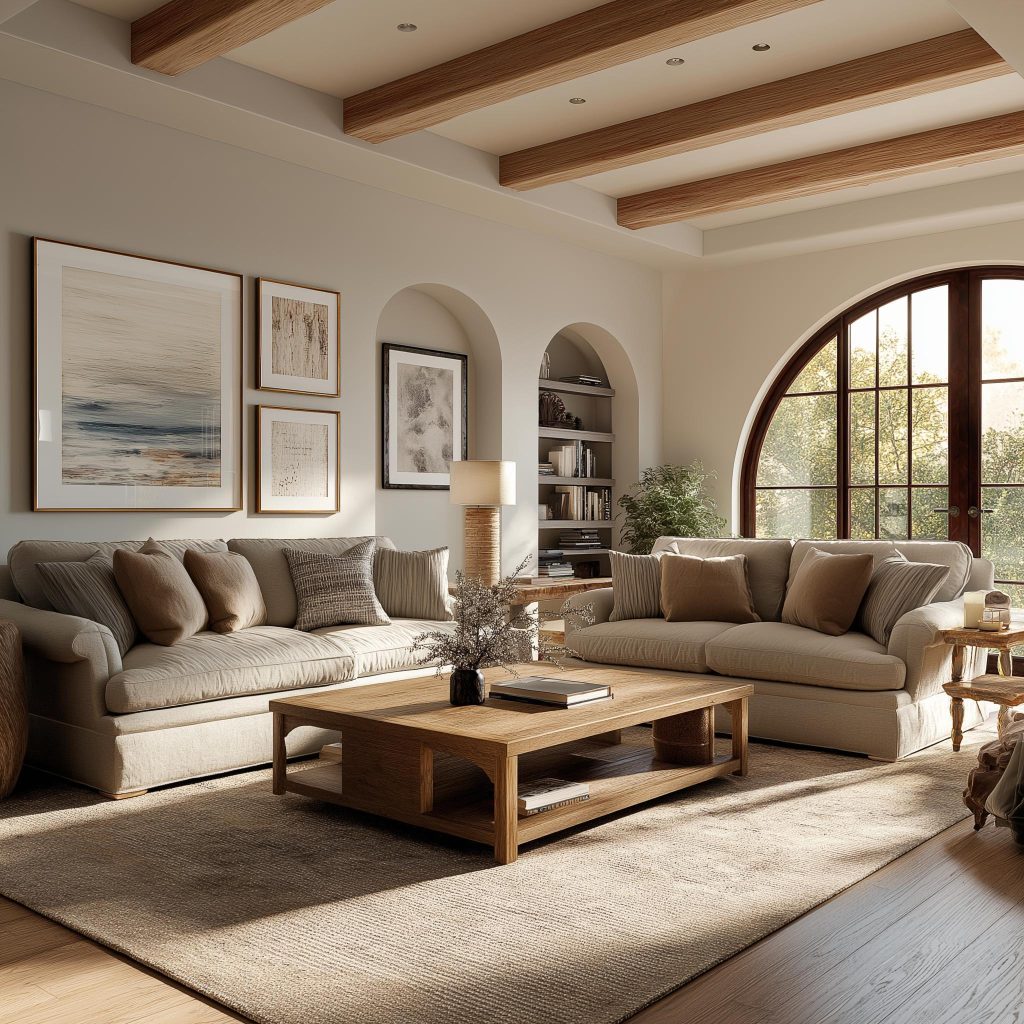
Exposed wood beams and arched windows layer traditional charm over a neutral modern living space.
Start with a properly conceptualised structure. Use modern layouts for better space planning. Then introduce traditional elements through furniture, textiles, or decor. This works well in modern and traditional furniture combinations. Mix materials carefully; wood, metal, and fabric should complement each other. Simplicity keeps the design cohesive.
Room-by-Room Ideas
Each room can reflect a different balance.
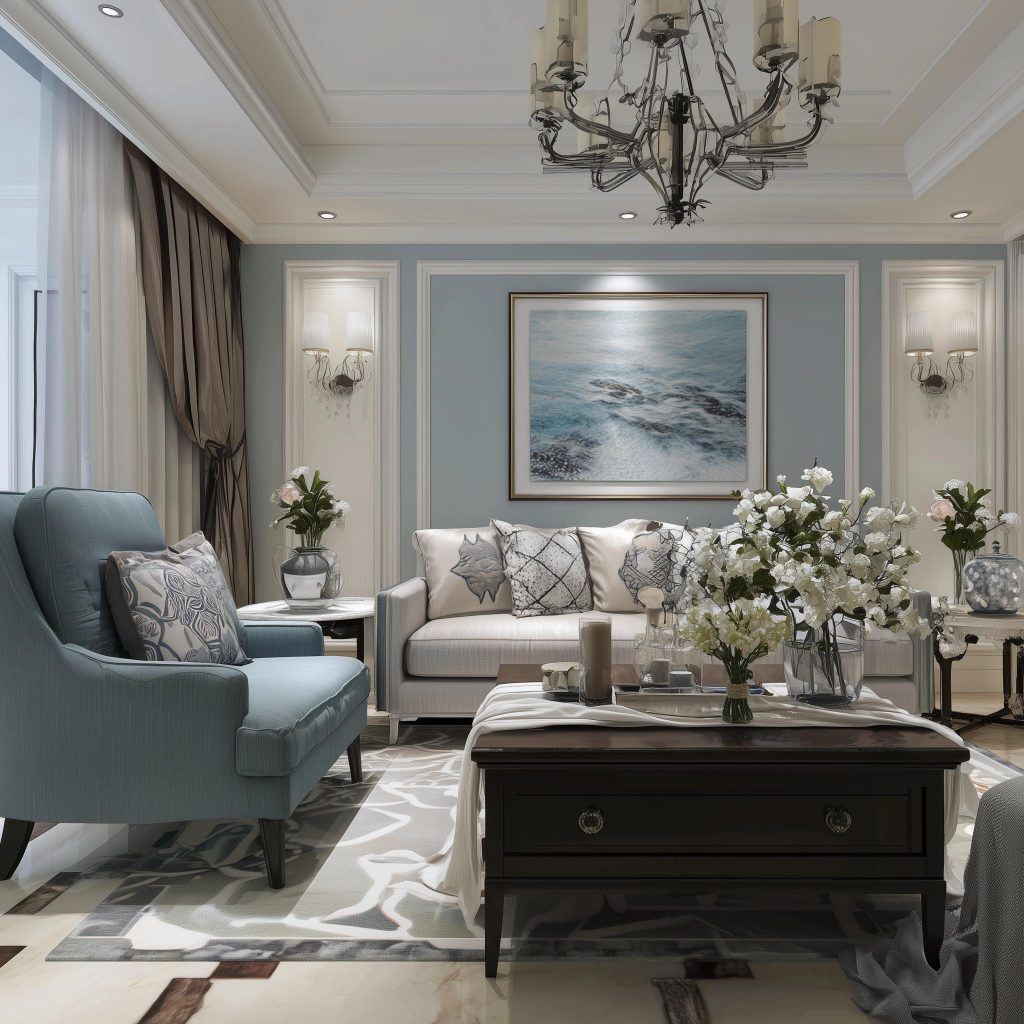
A classic blue living room with floral accents and traditional furniture reflects contemporary traditional design.
A contemporary and traditional living room can combine a modern sofa with classic wooden accents.
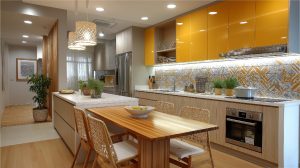
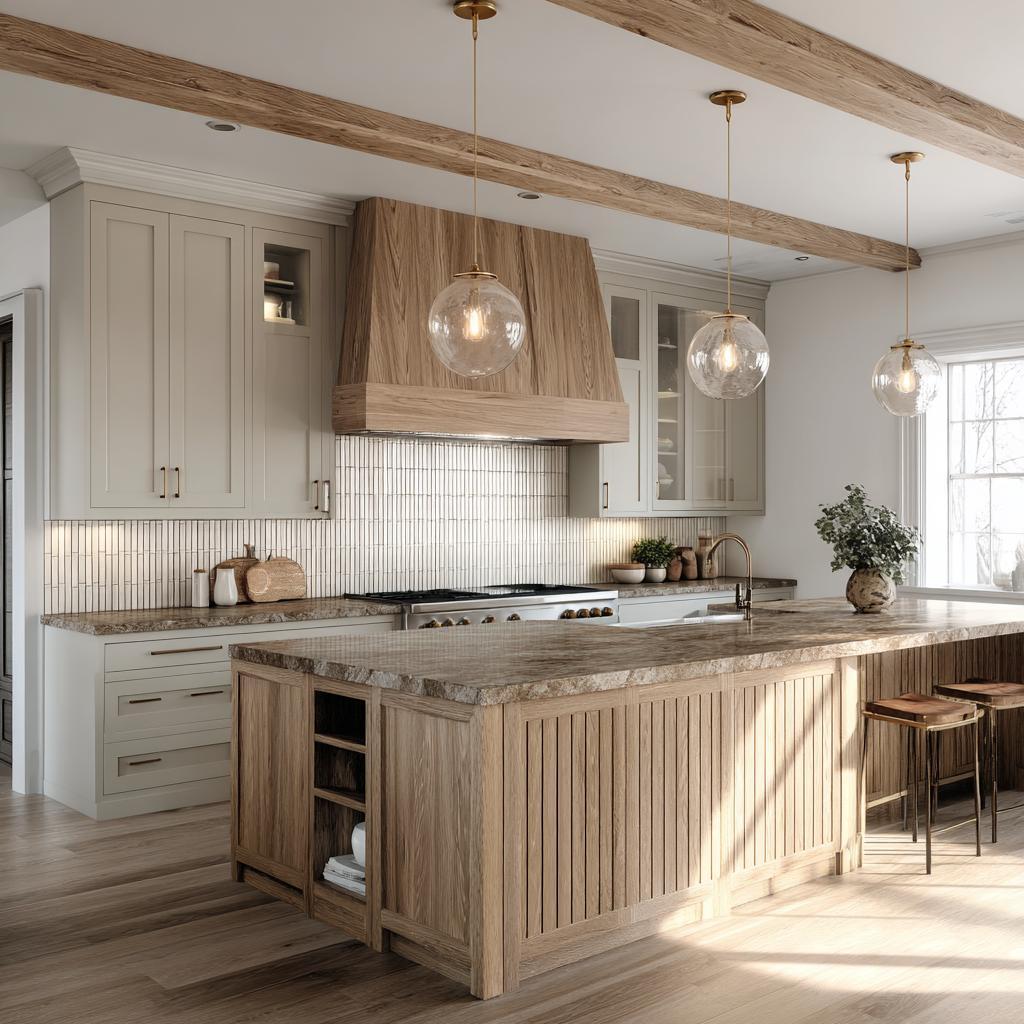
A wood-beam kitchen with shaker cabinets and a stone island blends modern and traditional kitchen design.
A modern and traditional kitchen design can include sleek cabinets with traditional finishes or handles.
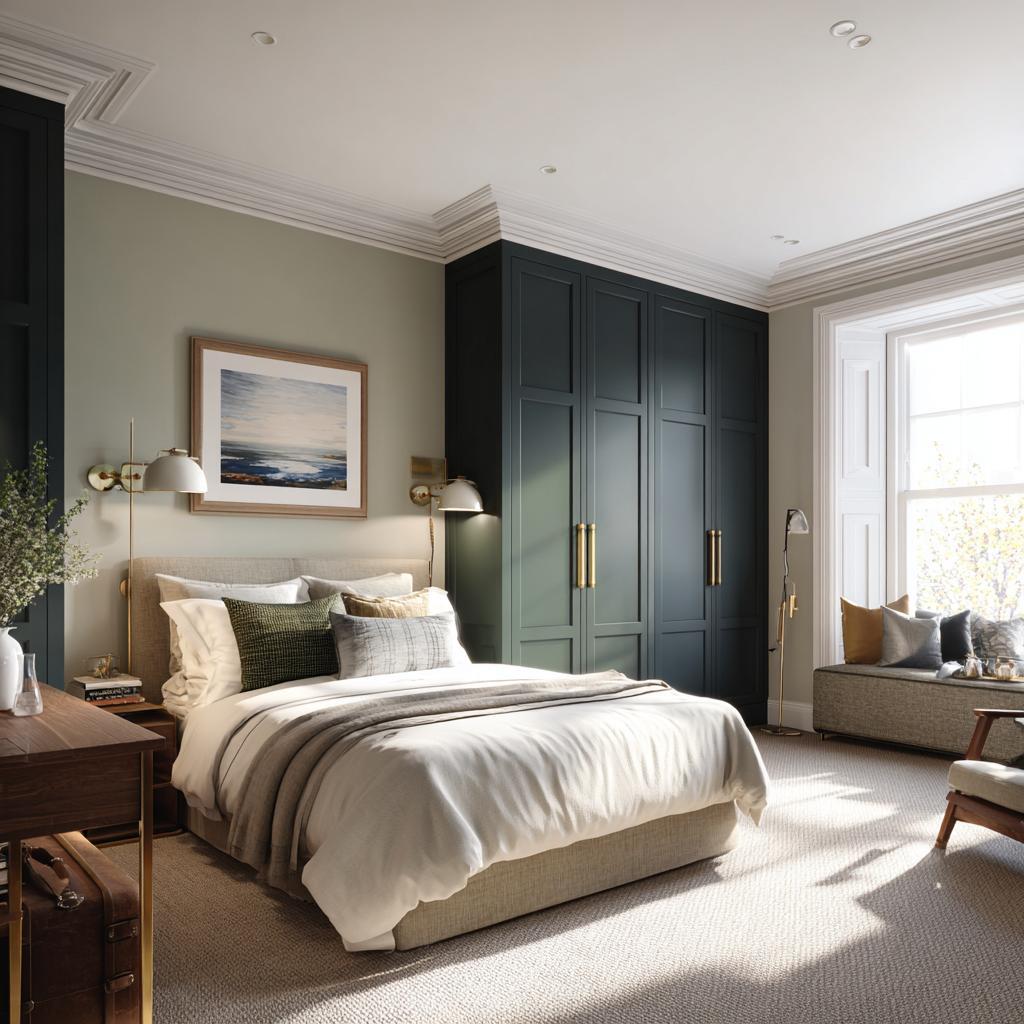
A neutral bedroom with dark wardrobe and layered textiles balances modern and traditional bedroom design.
A modern and traditional bedroom design with simple layouts and rich textiles hits all the right spots. This flexibility makes the style adaptable across spaces.
Cultural and Regional Influences
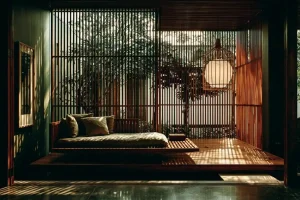
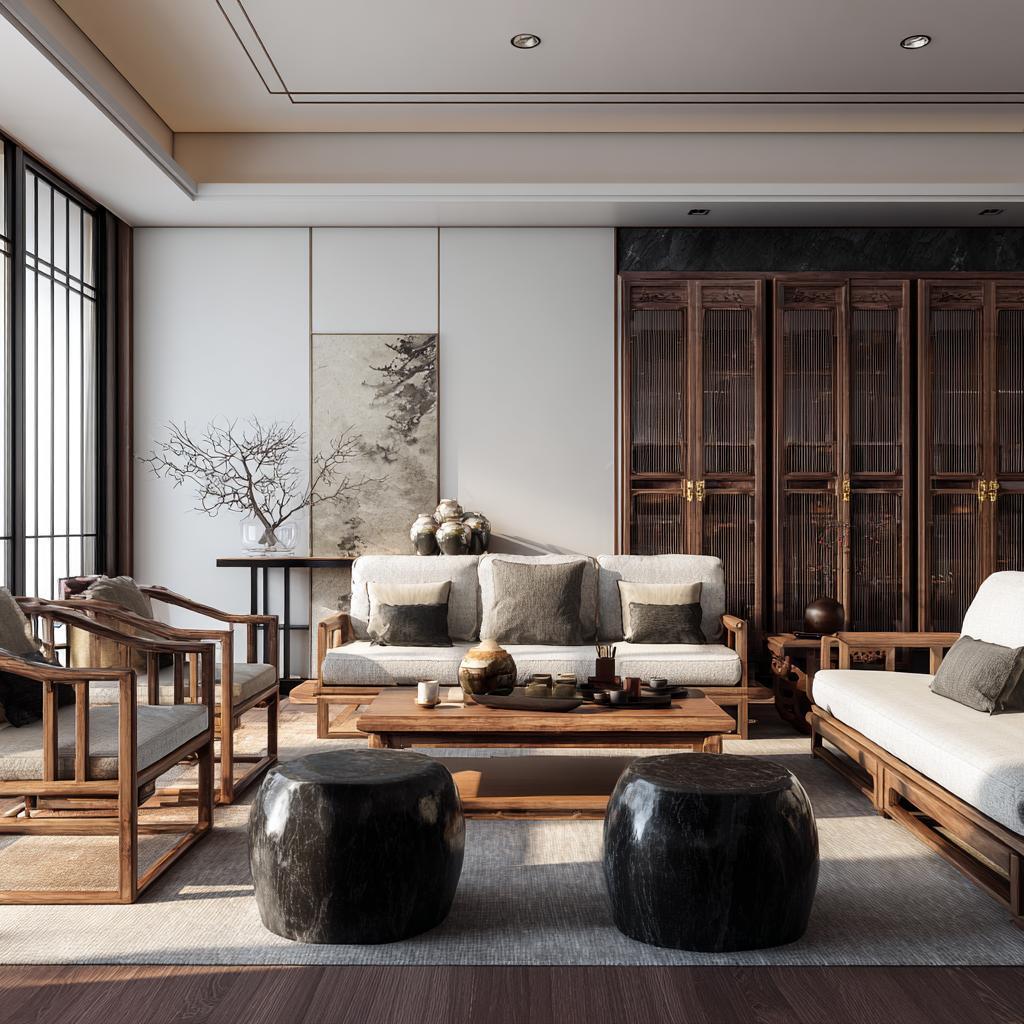
A Chinese-inspired living room with carved wood cabinets reflects cultural fusion in modern traditional design.
Cultural elements can add a tonne of depth. Indian homes naturally lend themselves to this blend. Handcrafted furniture, textiles, or decor pieces can be combined with modern layouts. This creates a traditional with modern feel that is authentic.
Regional influences also add uniqueness. They make the space feel personal rather than generic.
Common Mistakes to Avoid
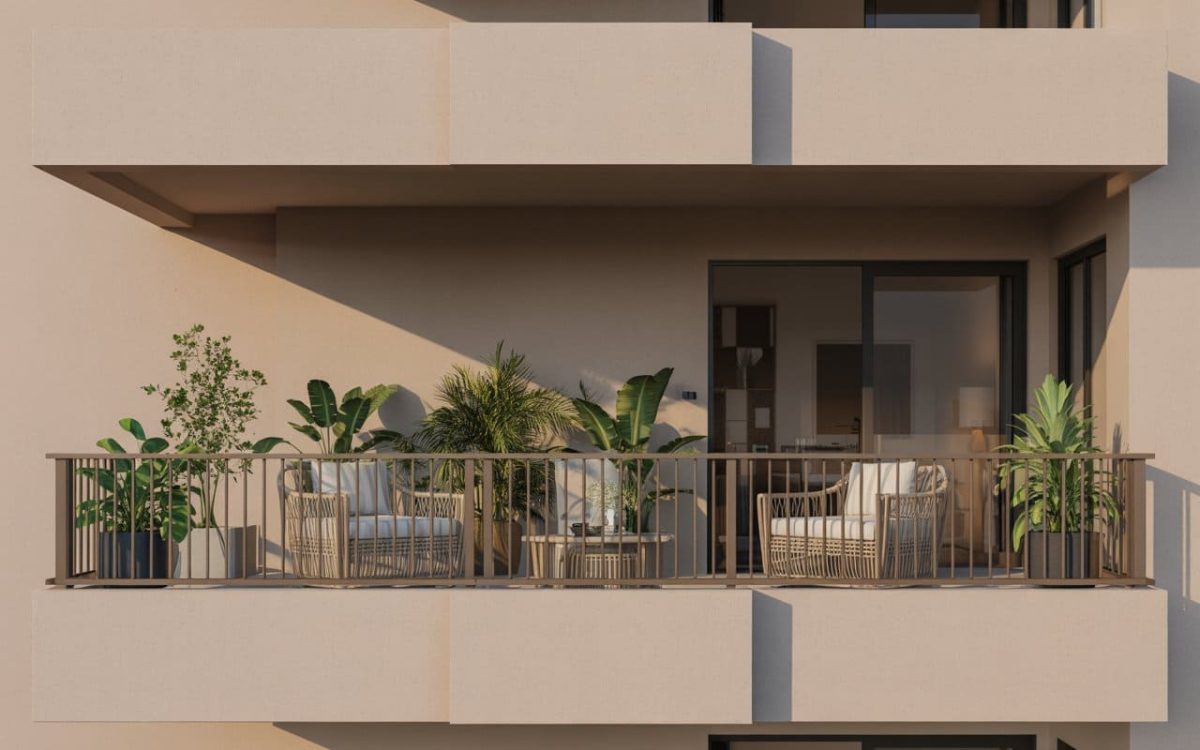
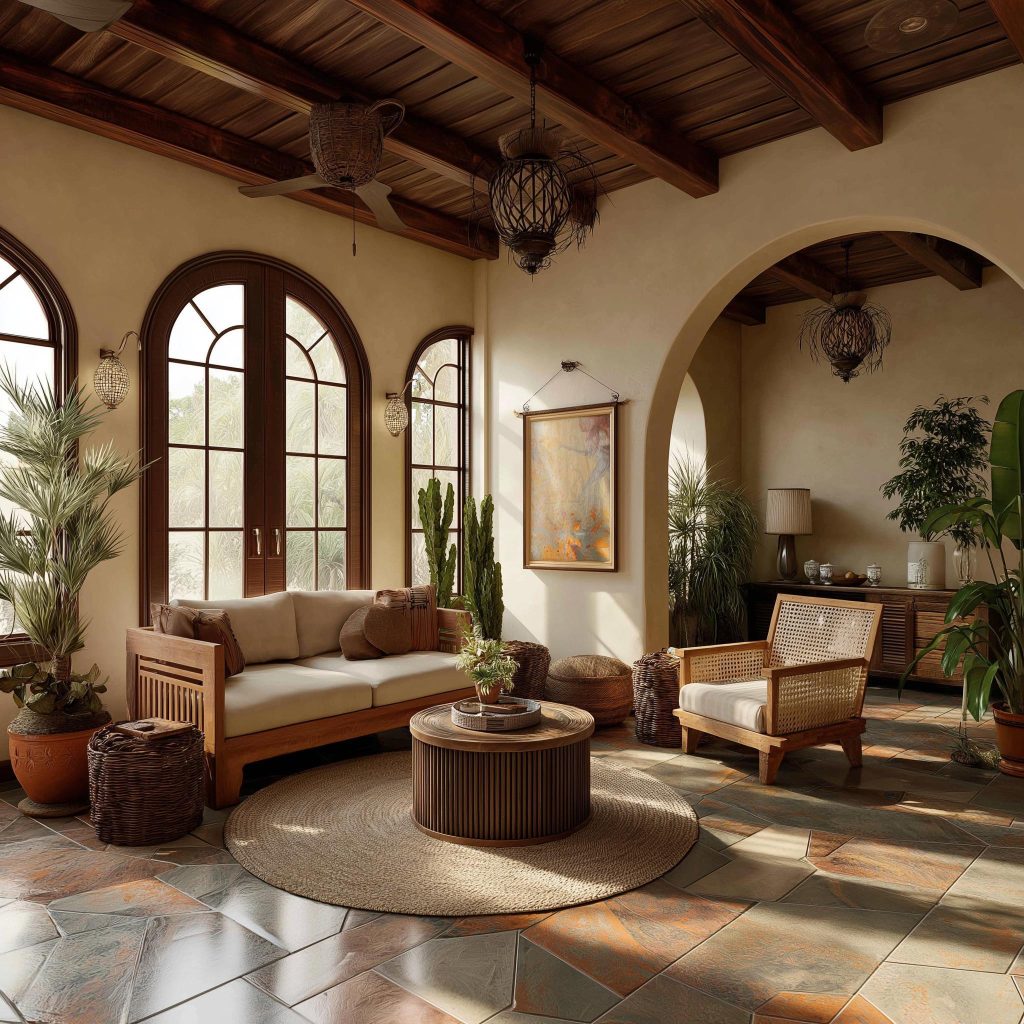
A Mediterranean-style room with rattan furniture shows how regional elements enrich modern traditional spaces.
One common mistake is mixing too many styles in the same space, and many people make this mistake. This can make the space feel cluttered. Another is ignoring proportion. Large traditional pieces in small modern spaces can feel overwhelming.
Lack of a consistent colour palette is also an issue. Keeping things simple helps avoid these problems.
Expert Tips for Seamless Integration
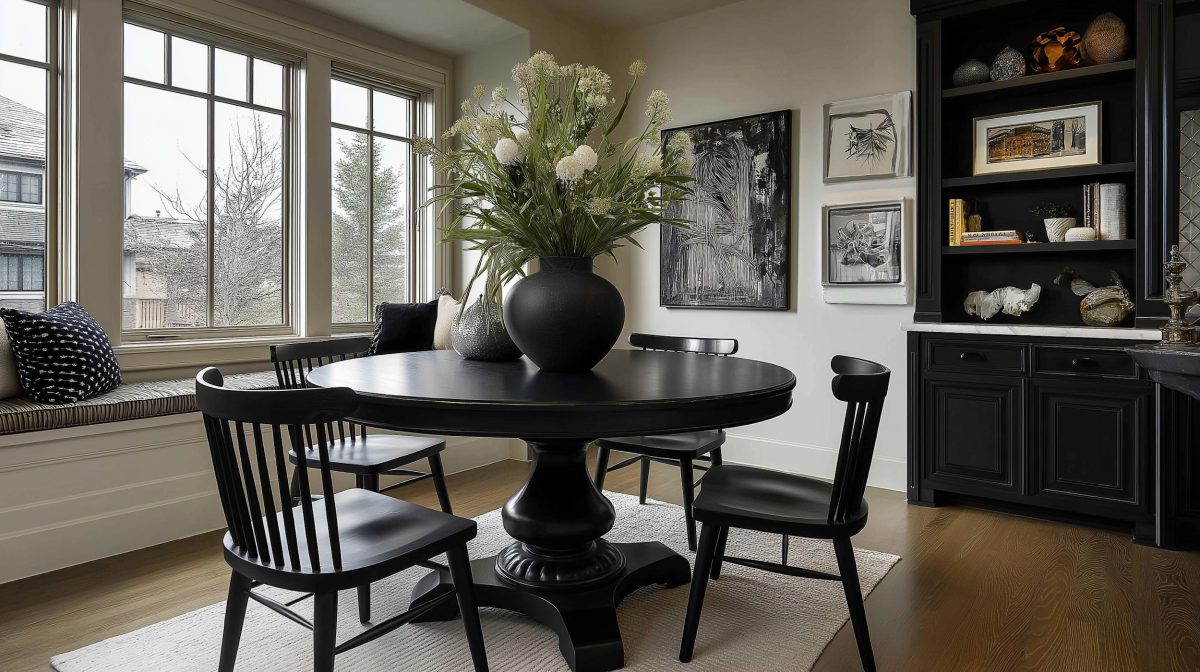
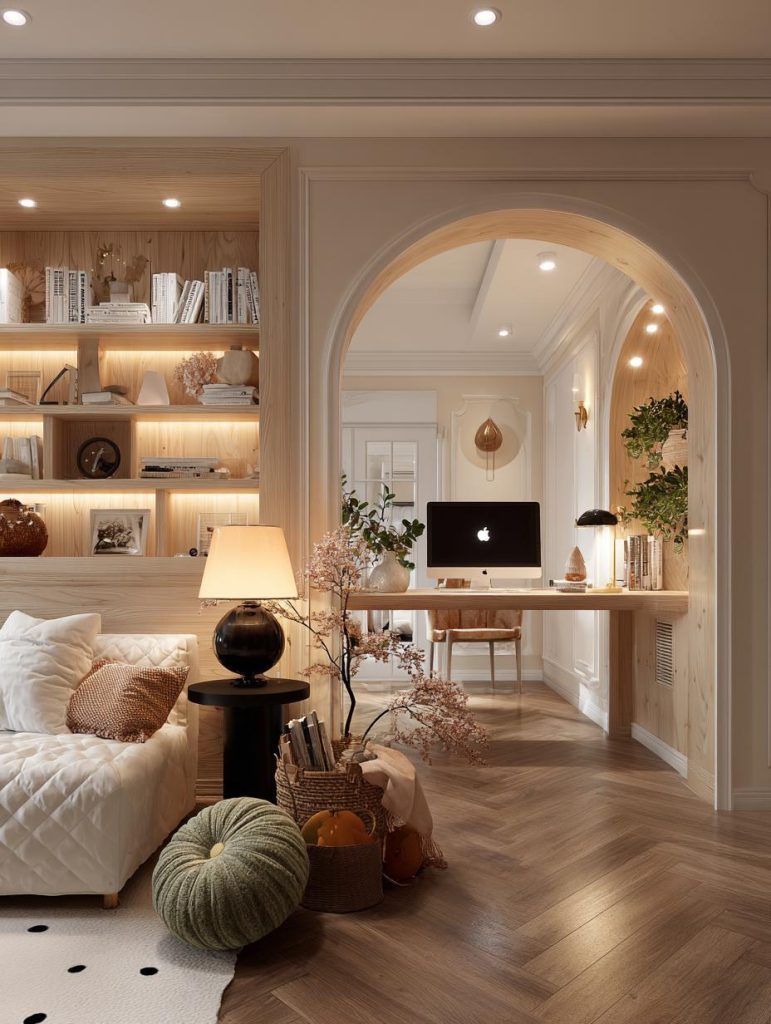
A warm home office with arched doorway and wood shelving blends modern and traditional design seamlessly.
Start small, one corner at a time. Introduce traditional elements gradually. Focus on quality over quantity. Pay attention to scale and proportion. A well-planned contemporary traditional interior design feels effortless. It should not look like two styles competing.
Bringing It All Together
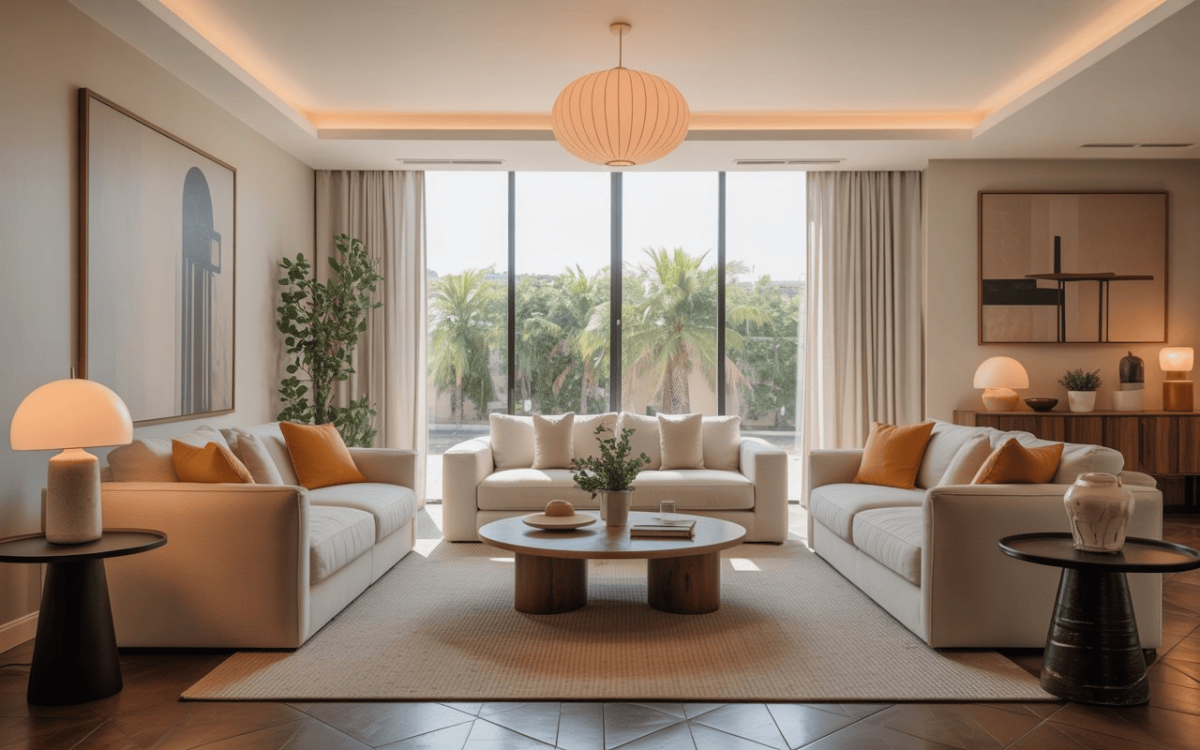
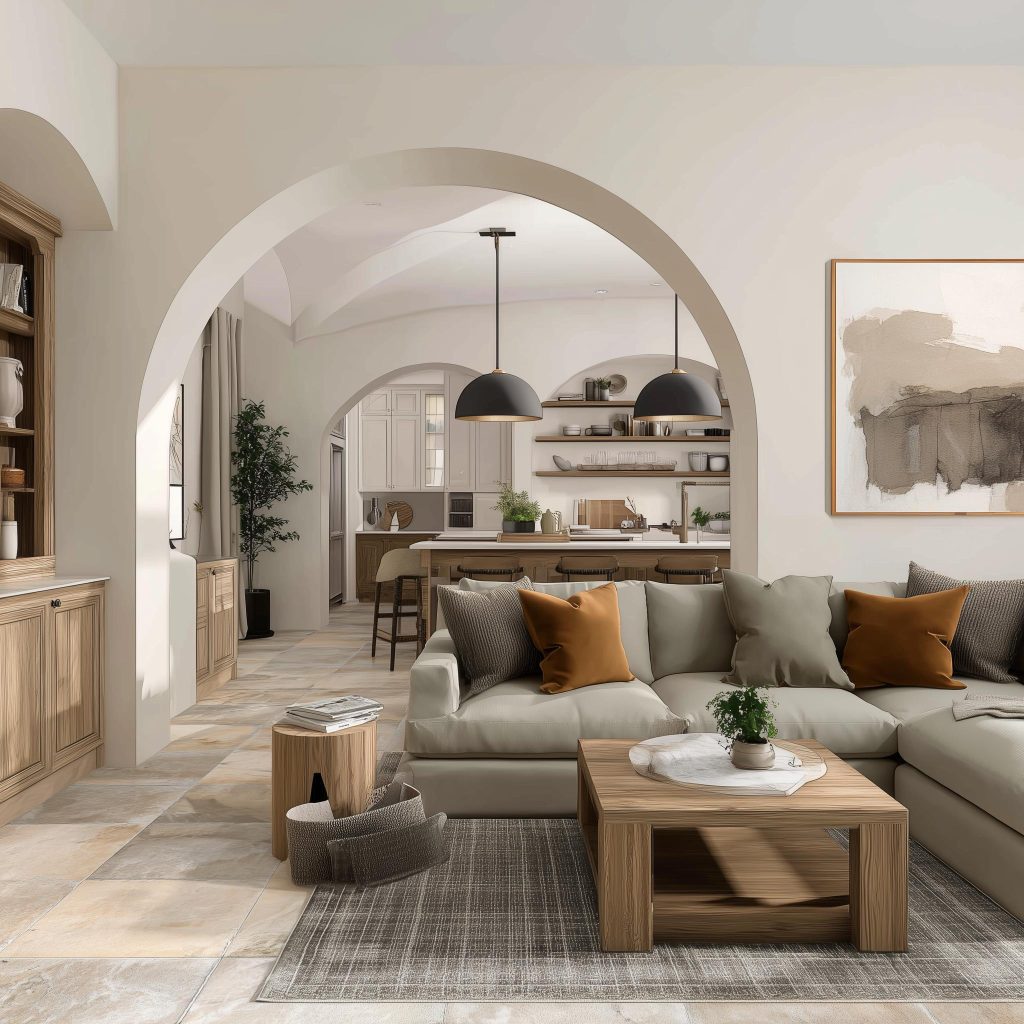
An open-plan living space with arched doorways and neutral tones unifies modern and traditional interior design.
You don’t need to get the balance right in one go. In fact, most homes don’t. It usually happens slowly, a piece you’ve always had, something new you bring in, and over time, the space starts to feel more like you. That’s really what this mix of modern and traditional interior design is about.
Some corners may lean more modern, others more traditional, and that’s okay. What matters is that it feels comfortable to live in, not styled for effect. When everything sits well together, without trying too hard, the home starts to feel settled. And that’s when you know it’s working.
If you’re looking for help with your home interior design, our experts at HomeLane are happy to guide you!
FAQs
1. What does it mean to combine tradition and modernity in interior design?
It is all about blending classic design elements with modern layouts and finishes. A modern and traditional space feels both timelessly elegant, and highly functional. The goal is balance, not contrast.
2. Can modern and traditional styles really work together?
Yes, when it’s all done thoughtfully, they do complement each other beautifully well. Modern design adds simplicity, while traditional elements add plenty of warmth. Together, they create a more complete space.
3. How do I start designing a modern and traditional space that blends both styles?
Start with one base style and layer the other through furniture or decor. Keep colours and materials consistent for a blend of modern and traditional decor. This helps maintain a cohesive look.
4. What are some examples of traditional elements I can use?
Wooden furniture, textiles, carvings, and classic patterns are some popular examples. These add depth and character to modern spaces. They can be introduced in small ways.
5. Is a mix of modern and traditional styles suitable for small spaces?
Yes, but always remember that balance is important. Avoid fussy and heavy traditional elements in too-small areas. Use lighter accents to maintain openness.
6. What modern features pair well with traditional design?
Clean layouts, neutral colours, and minimal furniture work well for a design that combines modern and traditional styles. It keeps the overall look balanced.
7. How do I avoid making the space look mismatched?
When it comes to a mix of modern and traditional décor, stick to a clear colour palette and limit the number of contrasting elements. Repetition of materials helps create unity. Thoughtful placement keeps the design cohesive.








 EXPLORE MORE