5 Best Non Modular Kitchen Designs That Last Longer and Fit Your Space Perfectly
By Bivin Peter- March 30, 2026
The kitchen is the heart of the home, but does every heart need to beat to the rhythm of a factory-set template? For decades, the Indian household has thrived on the charm of custom-built, site-finished spaces that adapt to the quirks of the architecture rather than forcing the architecture to adapt to the furniture. While the trend of pre-fabricated units has grown, many homeowners are returning to the soulful, artisanal appeal of Non-modular kitchen designs.
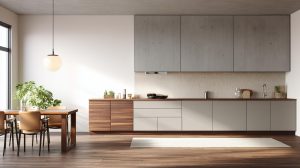
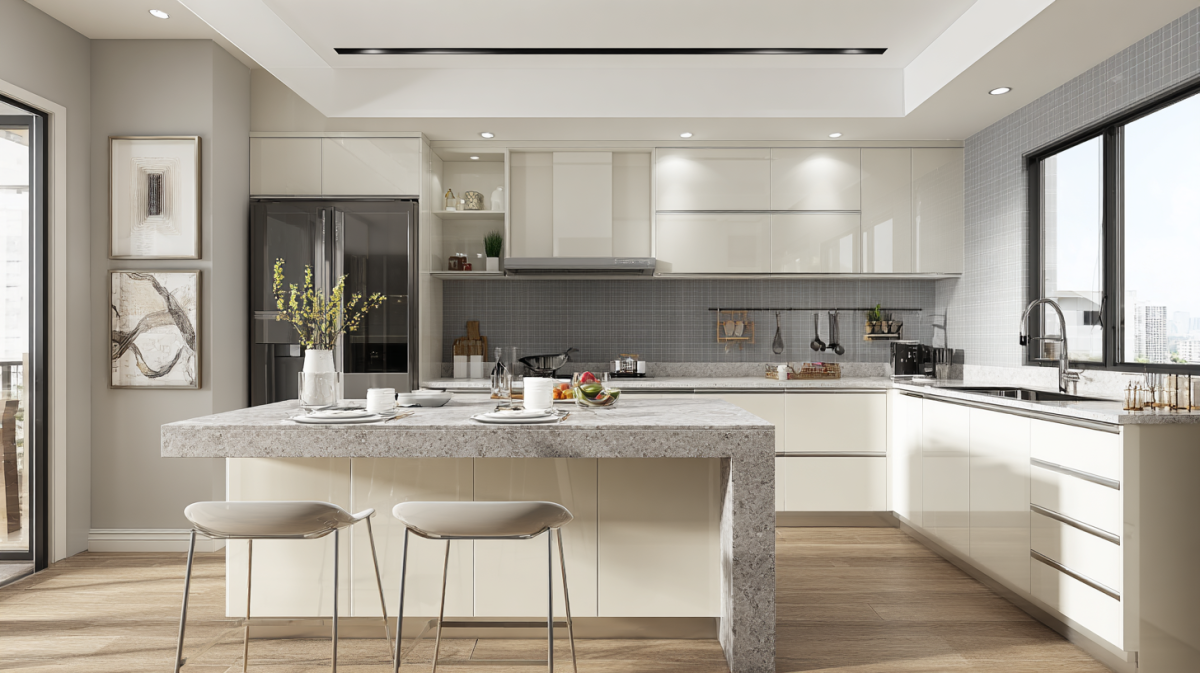
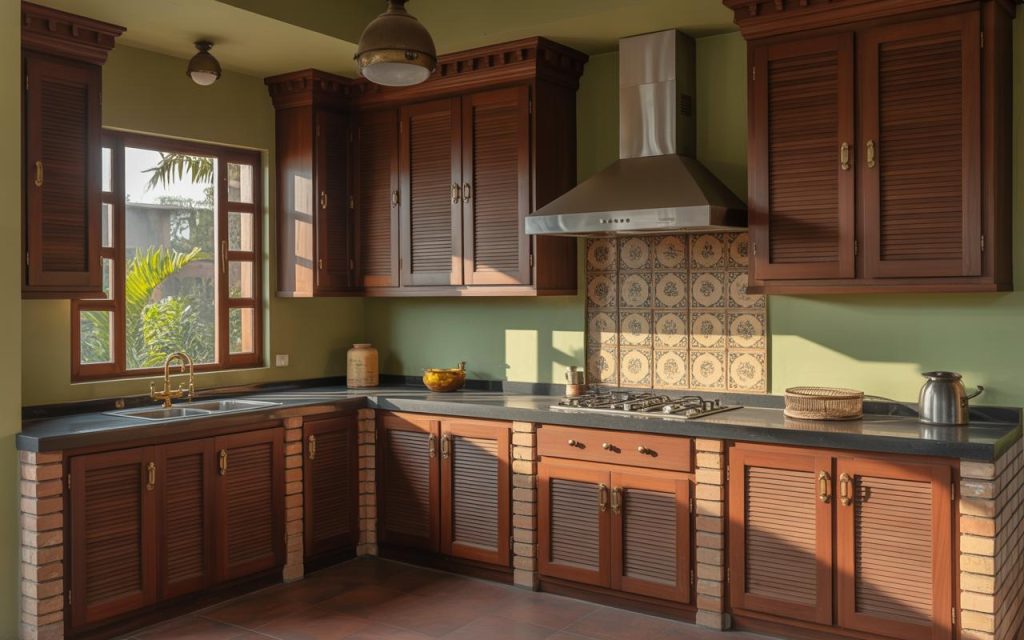
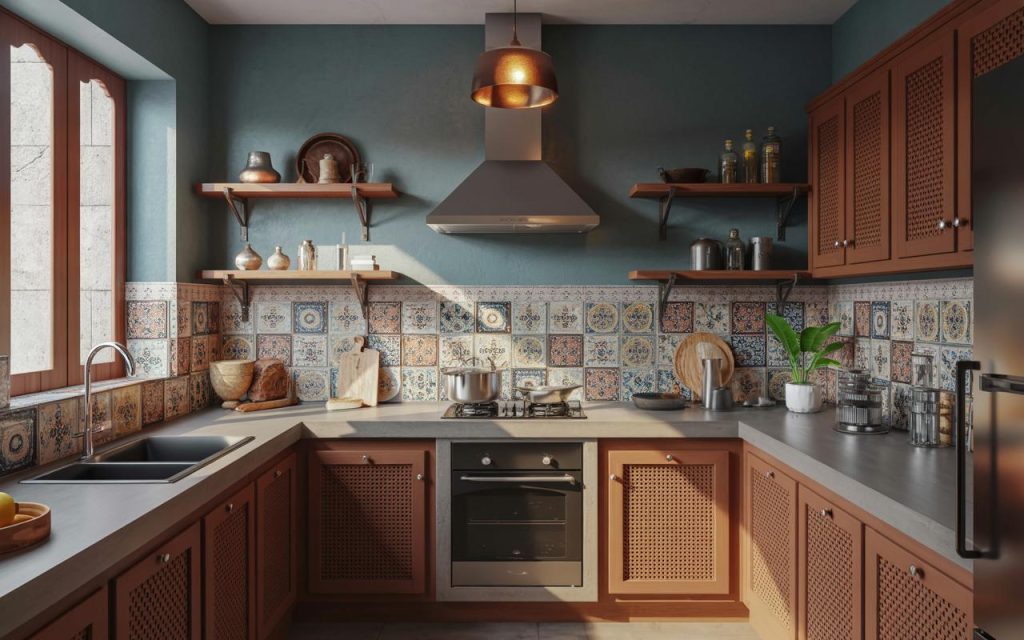
Traditional non modular Indian kitchen designs with wooden cabinets
These spaces offer a level of character and permanence that mass-produced units often lack. Whether a homeowner is working with a specific architectural layout or simply prefers the sturdiness of civil work, understanding how to elevate a Non-modular kitchen is the first step toward creating a truly bespoke culinary sanctuary.
The Great Debate: Modular vs. Non-Modular: A Clear Comparison
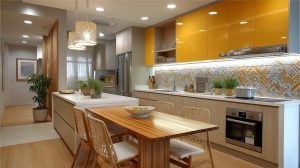
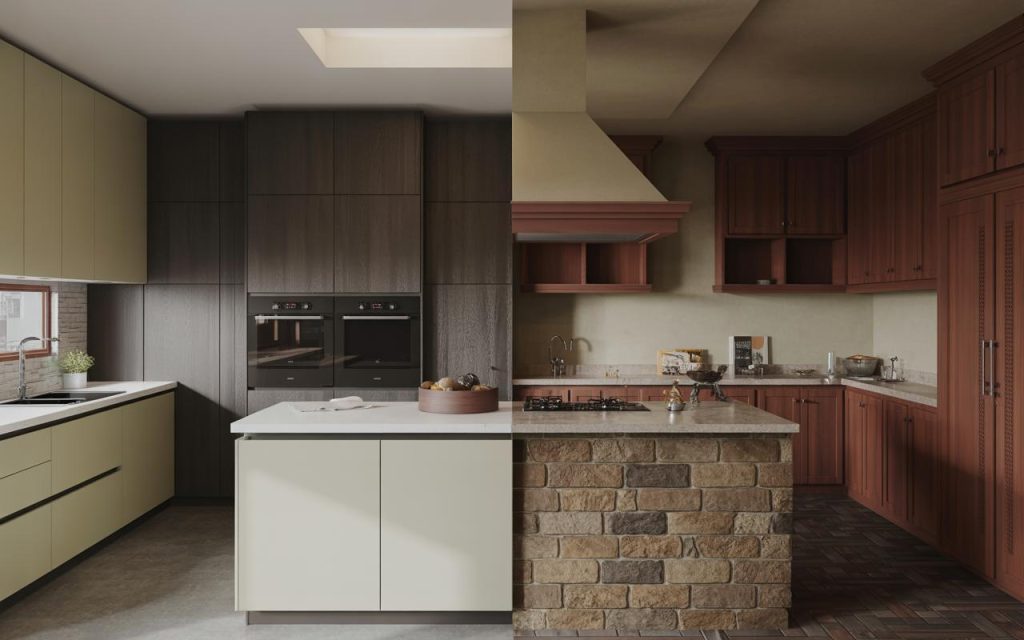
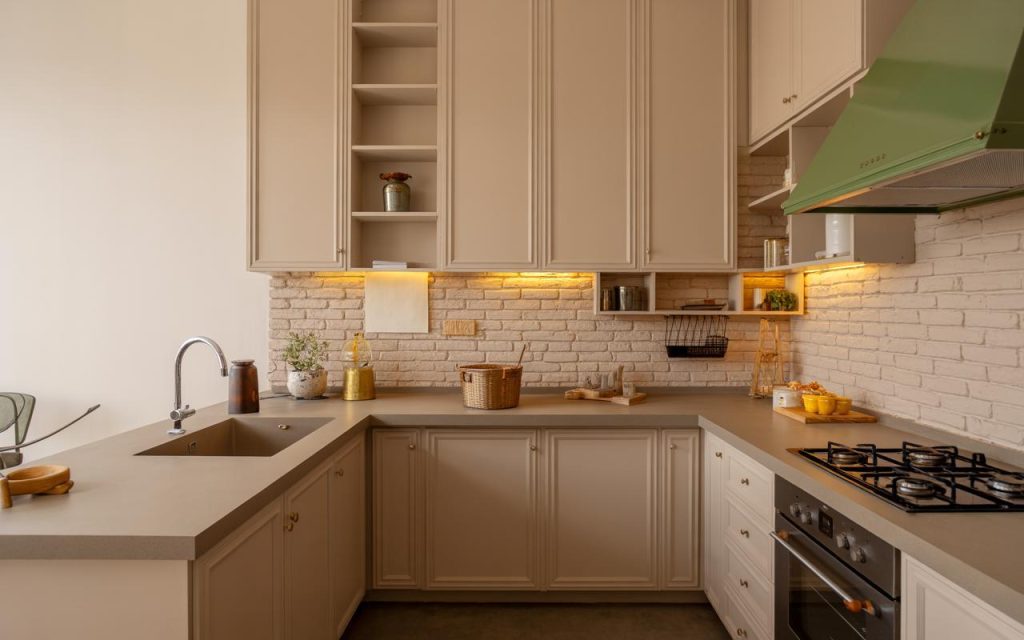
Modular vs non modular kitchen designs with classic layout
When choosing between these two paths, the decision often boils down to a choice between convenience and customisation. A modular kitchen consists of pre-made cabinet modules that are assembled on-site. In contrast, Non-modular kitchen designs are typically built from scratch by local carpenters and masons directly in the kitchen space.
The primary difference lies in the flexibility of the structure. In a Non-modular kitchen, the counters are often made of stone or concrete slabs fixed into the walls. This provides a sense of rugged durability that is highly valued in Indian cooking, which involves heavy grinding and high-heat preparations. While modular systems are easy to dismantle and move, a traditional Non-modular kitchen design approach creates a permanent fixture that becomes an integral part of the home’s skeleton. Because these kitchens are built to the exact millimetre of your walls, they eliminate the awkward gaps often seen with standard modular sizes.
Understanding these structural differences allows a homeowner to appreciate the longevity of a site-built space. Next, the focus shifts to the specific building blocks that give these kitchens their unique identity.
Key Elements and Components of Non-modular Kitchen Design
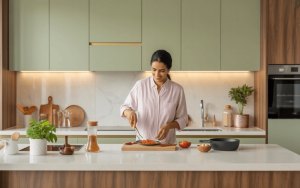
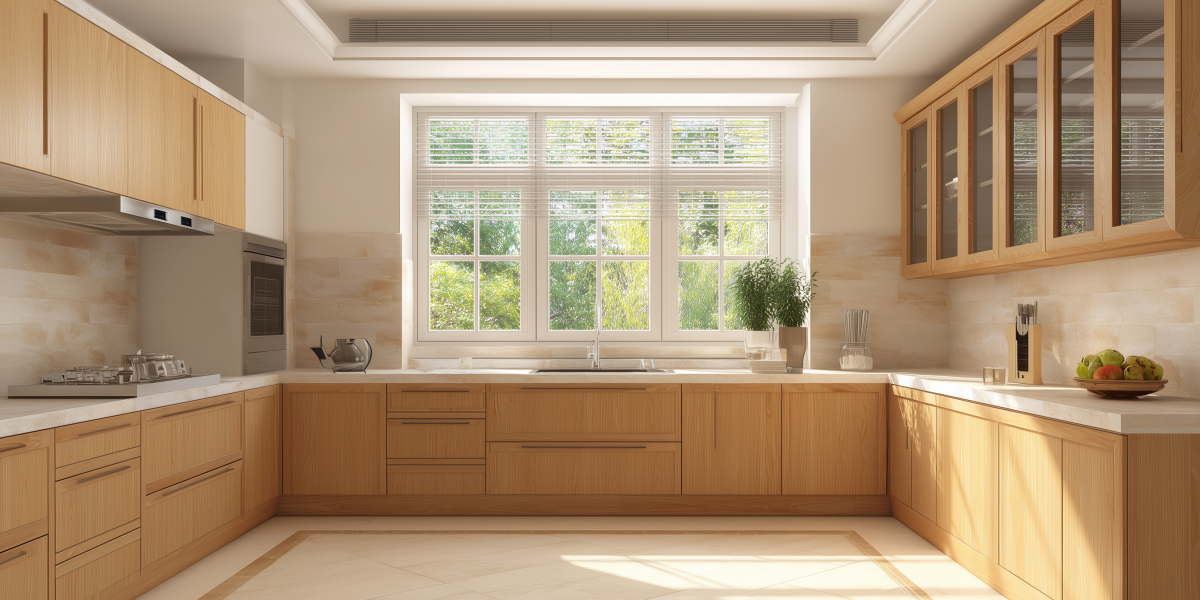
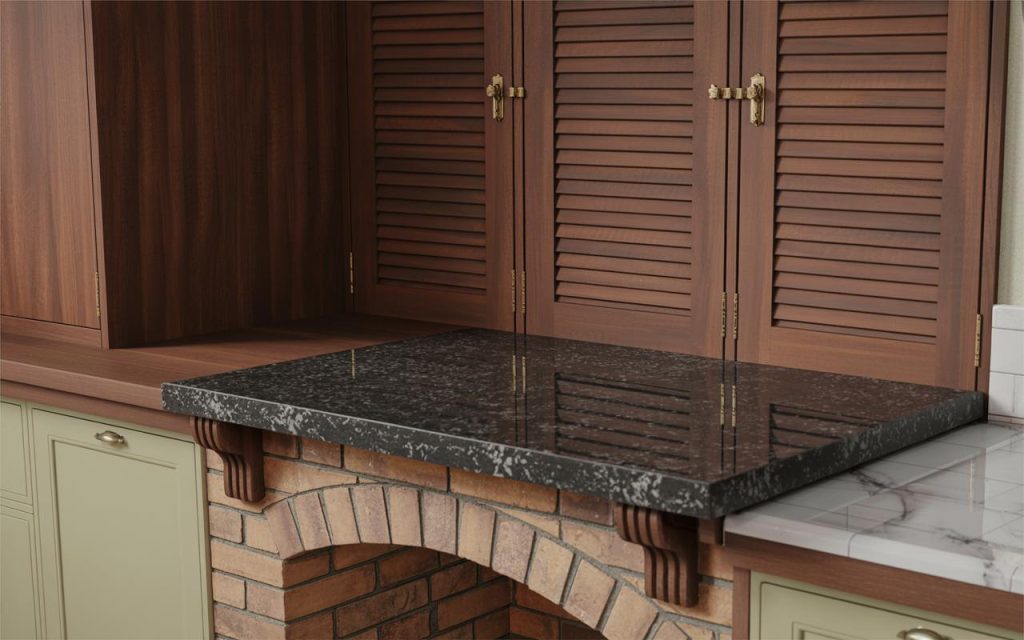
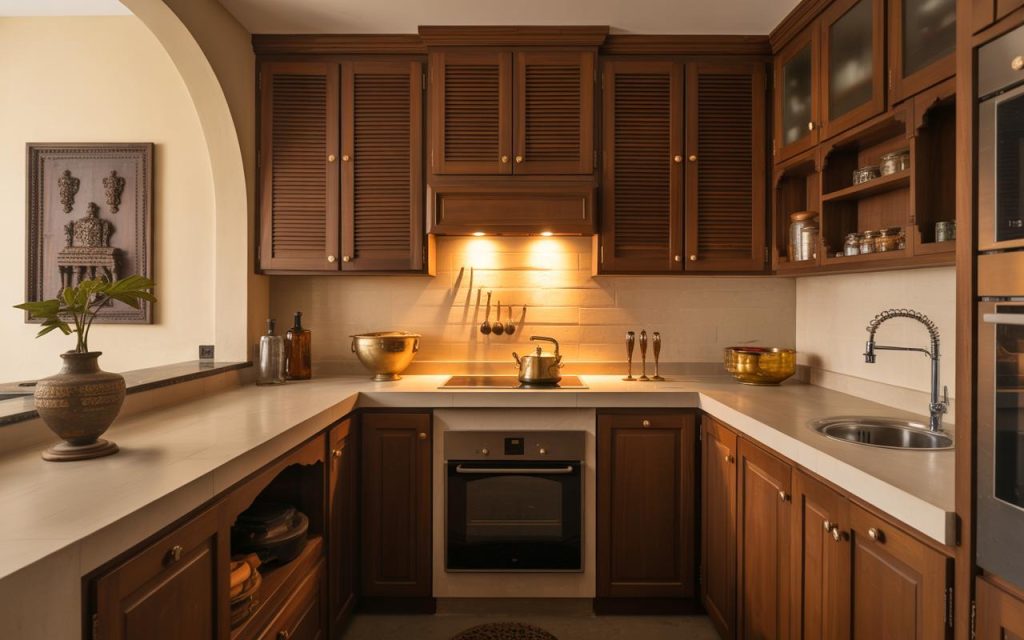
Traditional non modular kitchen cabinets with simple Indian design
The beauty of Non-modular kitchen ideas lies in the materials. Since the units are not restricted by factory shipping requirements, designers can use a wider variety of heavy-duty materials.
Civil Framework: Most Non-modular kitchen designs start with a granite or marble counter supported by brick or stone vertical slabs. This creates a waterproof and heat-resistant base.
Custom Cabinetry: Instead of standard plywood boxes, these kitchens often use high-quality blockboards or even solid wood frames. These are seasoned on-site to ensure they withstand the local humidity.
Hardware Integration: In a Non-modular kitchen, one can mix and match hardware from various brands. One could pair heavy-duty brass hinges with modern soft-close telescopic channels to get the best of both worlds.
Surface Finishes: Hand-painted shutters or locally sourced veneers are common. These finishes allow for a heritage interior design look that feels authentic and grounded.
By selecting each component individually, the kitchen becomes a reflection of the homeowner’s personal style. Once the elements are chosen, it is time to decide on the overall aesthetic theme of the space.
Popular Non-modular Kitchen Design Styles
Non modular kitchen ideas with traditional Indian cabinets
There is a common misconception that Non-modular kitchen designs are outdated. In reality, they are the canvas for some of the most sophisticated aesthetics in modern Indian homes.
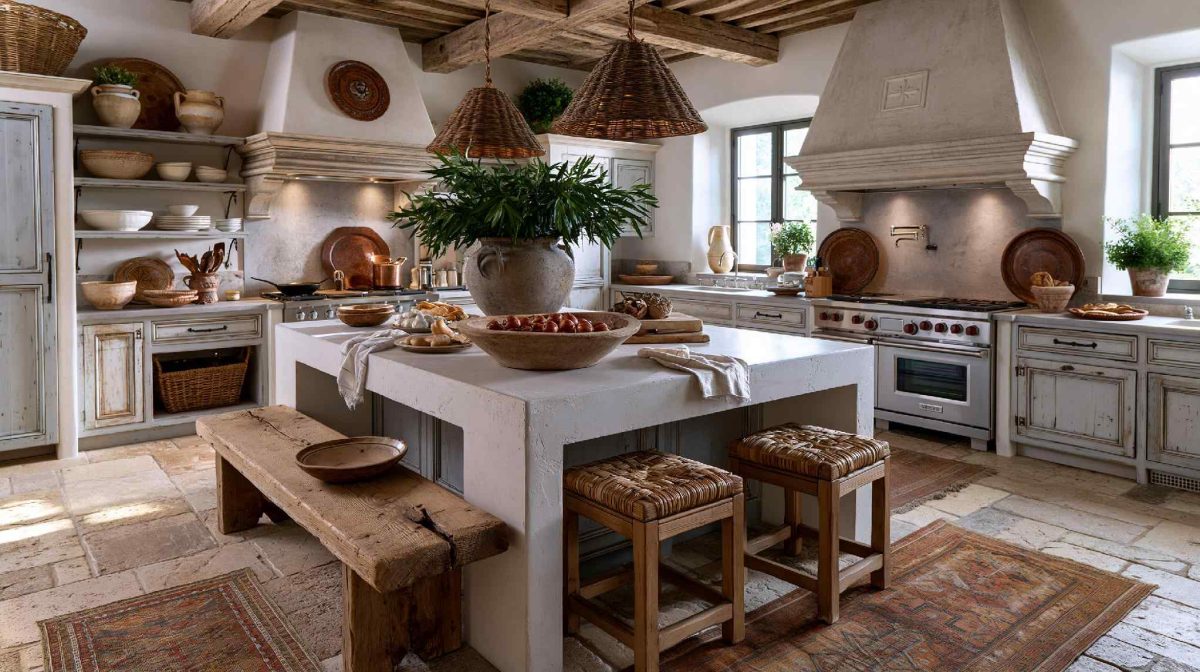
The simple Non-modular kitchen design often leans towards a minimalist or rustic look. Using open shelving made of reclaimed wood against a backdrop of white subway tiles creates a breezy, breathable atmosphere. For those who love a bit of history, heritage interior design elements like arched alcoves and hand-crafted wooden corbels can be integrated into the masonry.
Another popular style is the industrial kitchen, where the concrete framework of the Non-modular kitchen is left exposed or polished. This looks stunning when paired with stainless steel accessories and hanging pot racks. For a more classic Indian look, one might opt for traditional Non-modular kitchen designs featuring intricate wood carvings on the shutters and vibrant hand-painted ceramic tiles for the backsplash.
Choosing a style sets the mood, but the functionality of the space depends entirely on the planning phase. Let us look at how to map out a kitchen that works as hard as the chef.
Planning Your Non-modular Kitchen: A Step-by-Step Guide
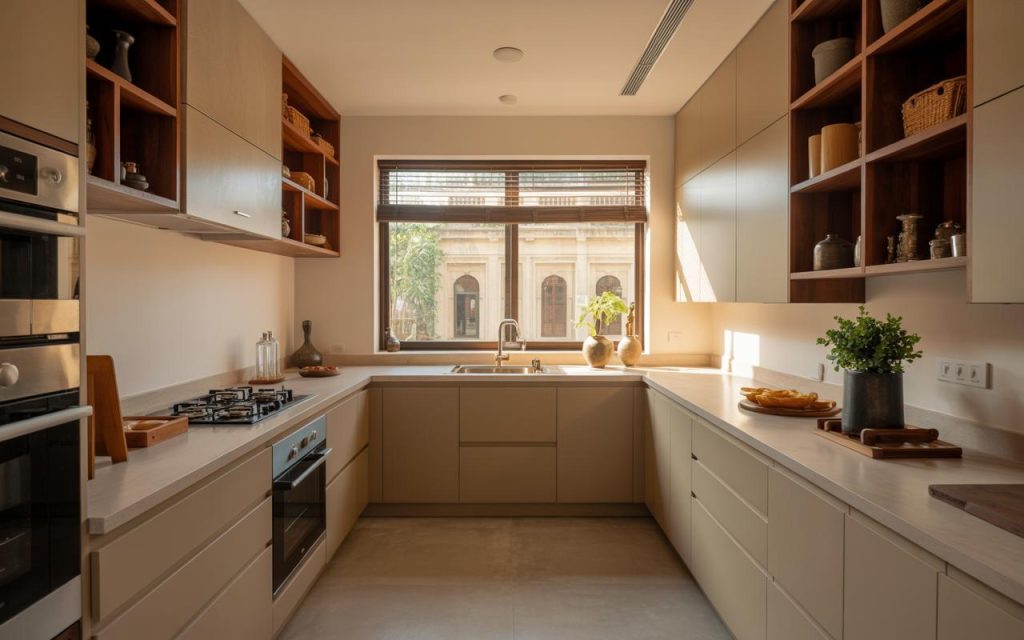
Simple non modular kitchen design with smart organisation
Designing a site-built kitchen requires more foresight than a modular one because changes are harder to make once the masonry is complete.
Step 1: The Work Triangle: Even in Non-modular kitchen designs, the relationship between the stove, sink, and refrigerator is sacred. Ensure these three points form a comfortable triangle to minimise movement.
Step 2: Masonry and Plumbing: Since the counters are fixed, map out the plumbing and gas lines before the stone slabs are installed. This prevents the need for messy wall-breaking later.
Step 3: Vertical Zoning: Use the height of the kitchen. In a Non-modular kitchen, you can build cabinets that go all the way to the ceiling without being limited by standard box heights.
Step 4: Lighting Strategy: Plan for task lighting under the cabinets. Since the structure is permanent, wiring can be concealed within the civil work for a clean look.
Proper planning ensures that the aesthetic beauty of the kitchen is matched by its utility. This leads us to the many benefits of choosing this path over more contemporary alternatives.
Advantages of a Well-Designed Non-modular Kitchen
Traditional non modular Indian kitchen cabinets with classic organisation
Why do many luxury homeowners still insist on Non-modular kitchen designs? The answer lies in the bespoke nature of the project.
Firstly, cost-effectiveness is a major factor. A simple Non-modular kitchen design can be far more budget-friendly than a high-end modular brand because you are paying for materials and labour rather than brand markups and shipping. Secondly, the durability is unmatched. A stone-supported counter in a Non-modular kitchen can last for generations, resisting the water damage that often plagues the base cabinets of modular units.
Furthermore, these designs allow for heritage interior design nuances that factory machines cannot replicate. Whether it is a custom-carved spice drawer or a specific niche for a heavy stone mortar and pestle, a Non-modular kitchen adapts to your specific lifestyle. It is a design that grows with you, allowing for easy repairs or surface-level facelifts without needing to replace entire modules.
While the advantages are numerous, maintaining the beauty of hand-crafted wood and stone requires a specific approach to care.
Crafting a Kitchen That Lasts a Lifetime
Simple non modular kitchen design with modern organisation ideas
Traditional, site-built kitchens offer a rare chance to fuse classic soul with modern functionality, resulting in a culinary space that feels both deeply personal and enduring. From the rich textures of heritage-inspired interiors to the clean lines of contemporary minimalism, a custom-built approach grants you the total creative freedom to realize your specific vision.
At HomeLane, we transform basic essentials into sophisticated living spaces. Our design experts specialize in constructing kitchens that balance rigorous performance with refined aesthetics. By prioritizing intelligent spatial planning and intentional storage solutions, we ensure every square inch serves a purpose.
FAQs On Non-Modular Kitchen Designs
1. How to arrange a Non-modular kitchen?
To arrange a Non-modular kitchen, focus on zoning. Use the area under the stone counter for heavy pots and pans. Implement Non-modular kitchen organisation tools like tiered shelf inserts and magnetic spice racks to make use of vertical wall space. Ensure the most used items are at waist level for easy access.
2. How to decorate a Non-modular kitchen?
You can decorate a Non-modular kitchen by using traditional elements like brass hardware, hand-painted tiles, or open wooden shelves. Incorporating heritage interior design motifs through lighting fixtures or decorative jars adds character. A simple Non-modular kitchen design can be elevated with a statement backsplash or indoor plants.
3. How do I ensure good quality in a non-modular kitchen?
To ensure quality in a Non-modular kitchen, supervise the material selection. Use BWP (Boiling Water Proof) grade plywood or blockboard for the shutters. Ensure the civil work is level and the stone slabs are securely anchored. Hiring experienced carpenters who understand the nuances of traditional Non-modular kitchen designs is crucial.
4. Is a non-modular kitchen cheaper than a modular one?
Generally, a Non-modular kitchen is cheaper than a modular one because it eliminates the costs of factory manufacturing, branding, and showroom overheads. A simple Non-modular kitchen design allows you to source local materials and labour, which can be tailored to fit a specific budget without compromising on the sturdiness of the structure.










 EXPLORE MORE