7 Dream House Design Steps to Turn Your Ideal Home Vision into a Smart Reality
By Rubaiya Karim- January 07, 2026
AI Summary
3 key insights · 1 expert tip
Seven actionable steps for a smart dream house design, from budgeting and layout to construction, ensuring your vision becomes a reality.
Key Insights:
What You'll Read Here:
Budgeting is crucial, with a buffer for unexpected costs like registration fees and GST.
Consider location factors like proximity to amenities and neighbourhood vibe for lifestyle fit.
A well-planned layout maximises flow, natural light, and ventilation according to Indian living needs.
HOMELANE EXPERT TIPBy our design team
Always conduct a thorough pre-handover inspection, listing all defects to ensure contractors resolve them before final payments.
Building a home is far from just Pinterest boards and wishful thinking. It is about turning those dreams into a brick-and-mortar reality. Whether it is a corner plot in Bangalore or a cosy apartment in Pune, creating your dream house design is about strategy, patience, and a well-planned approach.
However, it can be challenging for a first-time homeowner to get started on what is arguably one of the most significant purchases of their life. Let’s begin the journey from design to development in seven actionable steps that will help you avoid costly mistakes.
1. Budgets and costs: Crunching those numbers early
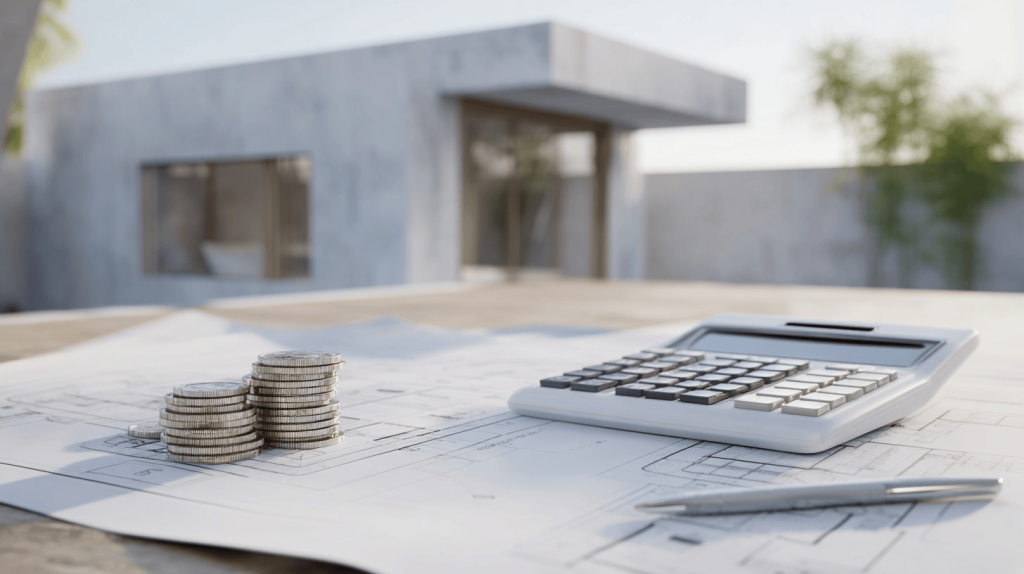
Modern dream house design planning with budget and 3D layout visuals
Before you start longing for that Italian marble kitchen counter or the teakwood bedframe, it might be time to acknowledge the budget you have for your home. Outline your total available budget, including savings, loans, and additional financial help from family. Once you have a concrete number, consider investing a part of your budget for the land and construction. In case you are purchasing a ready-made apartment from a builder, this amount can go towards the purchase of the unit. Next, you will have to allocate a chunk for interiors and any other contingencies.
However, it is also essential to allot an amount as a buffer for emergencies. Factor in things such as registration fees and GST, as well as the fancy doorframe that you will inevitably fall in love with. The best way to keep track of your budget is to maintain a detailed spreadsheet. This can save you many awkward conversations with your contractors and designers!
2. Location: Picking your perfect plot of land or unit
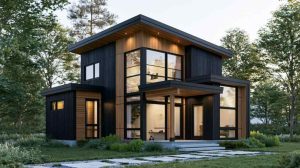
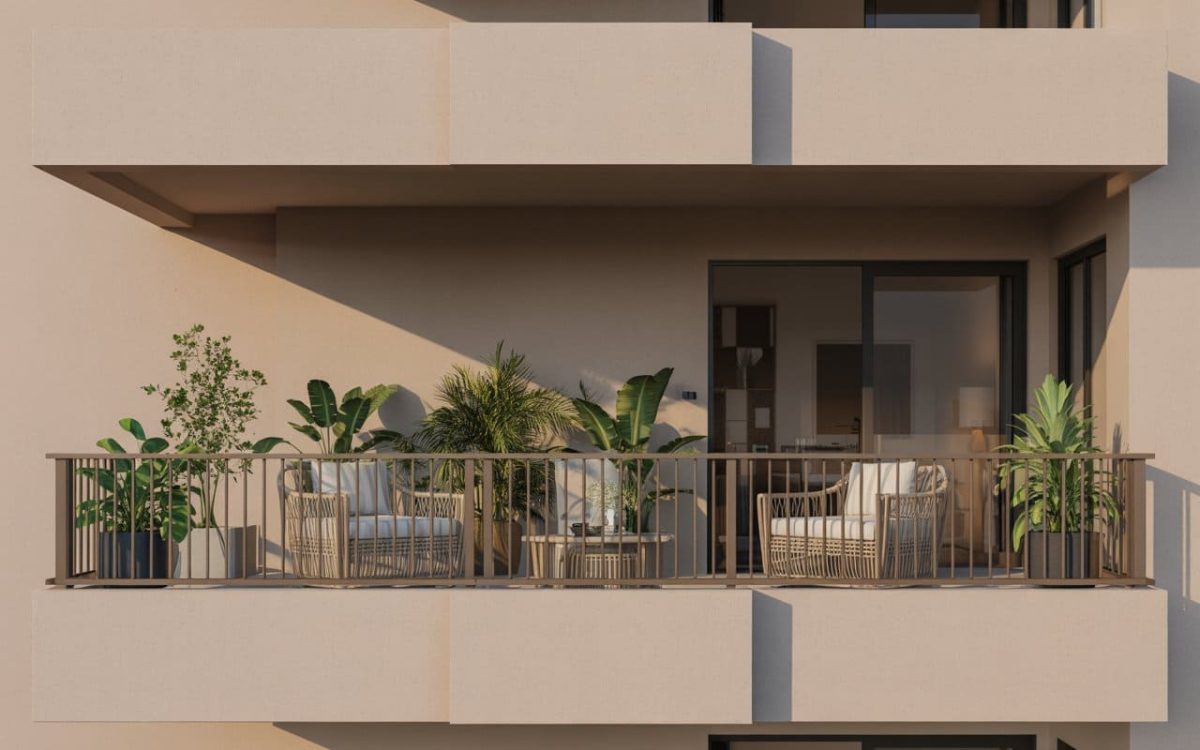
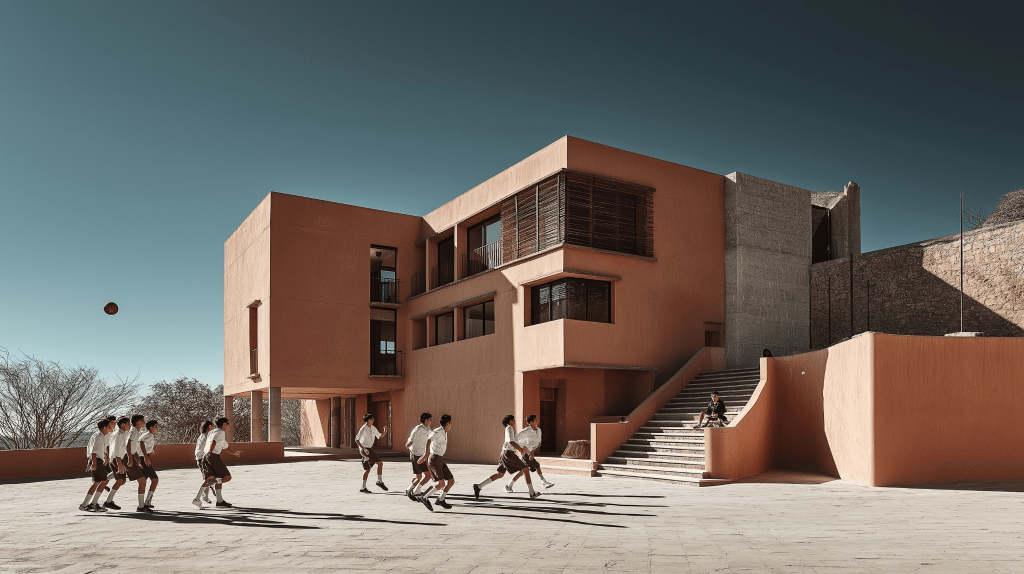
Modern dream house design with geometric architecture and open courtyard space
The right land sets the tone for the rest of your modern dream house design plans. Look beyond just the price tag of the plot (or apartment unit). You’re not just building a home. This is a lifestyle you have to commit to. Consider the following:
Proximity to work and your kids’ schools
Distance from hospitals, police stations and other emergency services
The surrounding area and its closeness to your favourite leisure spots
Road access
The vibe of the neighbourhood
Soil quality, drainage, water quality, and wiring within the unit
In addition to these, verify the land ownership documents, clear titling, and that it has the approval for residential construction. Also, be aware of local building bylaws, such as height restrictions, to avoid potential legal trouble later.
3. The Layout: Mastering your floor plan
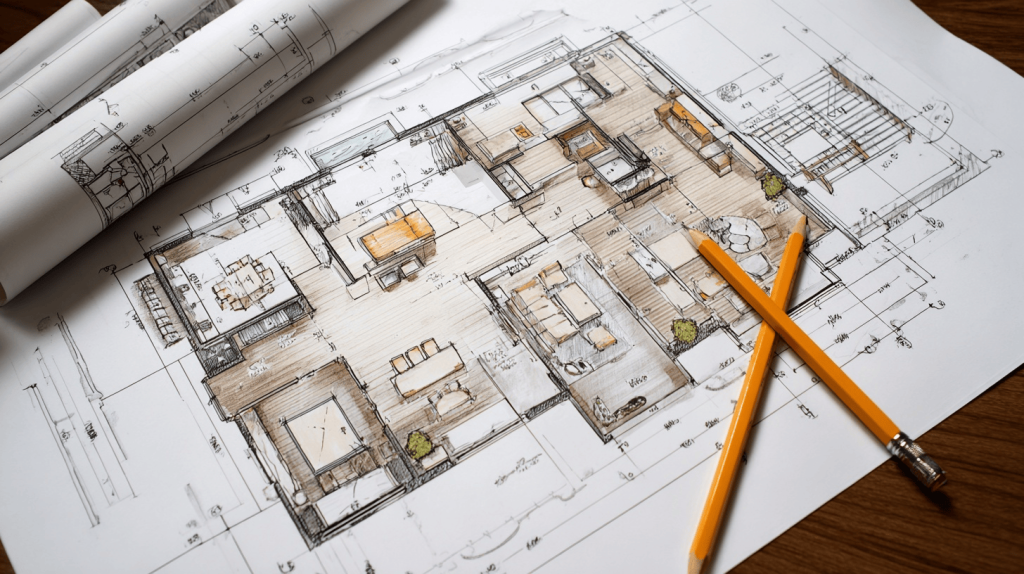
Modern dream house design blueprint with creative 3D architectural planning
A brilliant floor plan is the difference between a mediocre living space and a genuinely great one. Focus on the flow of the house. This essentially means how you will move from one room to another during your everyday life. Position the bedrooms away from noisy areas such as the living room or a TV room. Ensure that bathrooms are both accessible and private; furthermore, place windows where you receive the best ventilation and natural light.
Consider the Indian climate and lifestyle. This can mean a covered balcony for your evening chai, storage for your winter woollens and blankets, and a fully dedicated study for those inter-time zone video calls. Also note practical elements such as the wet and dry areas in your kitchen, adequate electrical points, and a space for the inverter and water purifier.
4. Interior Design: Establishing your home’s personality
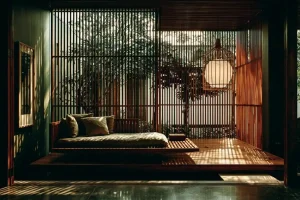
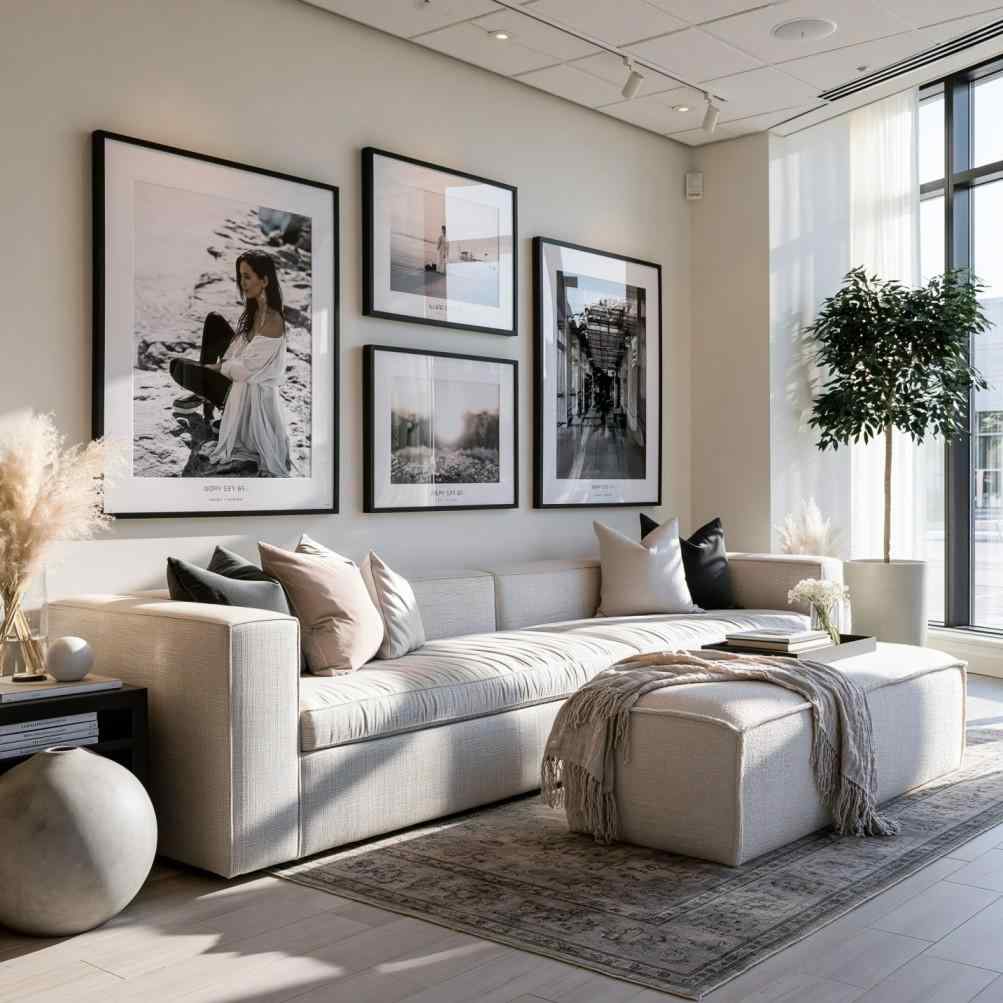
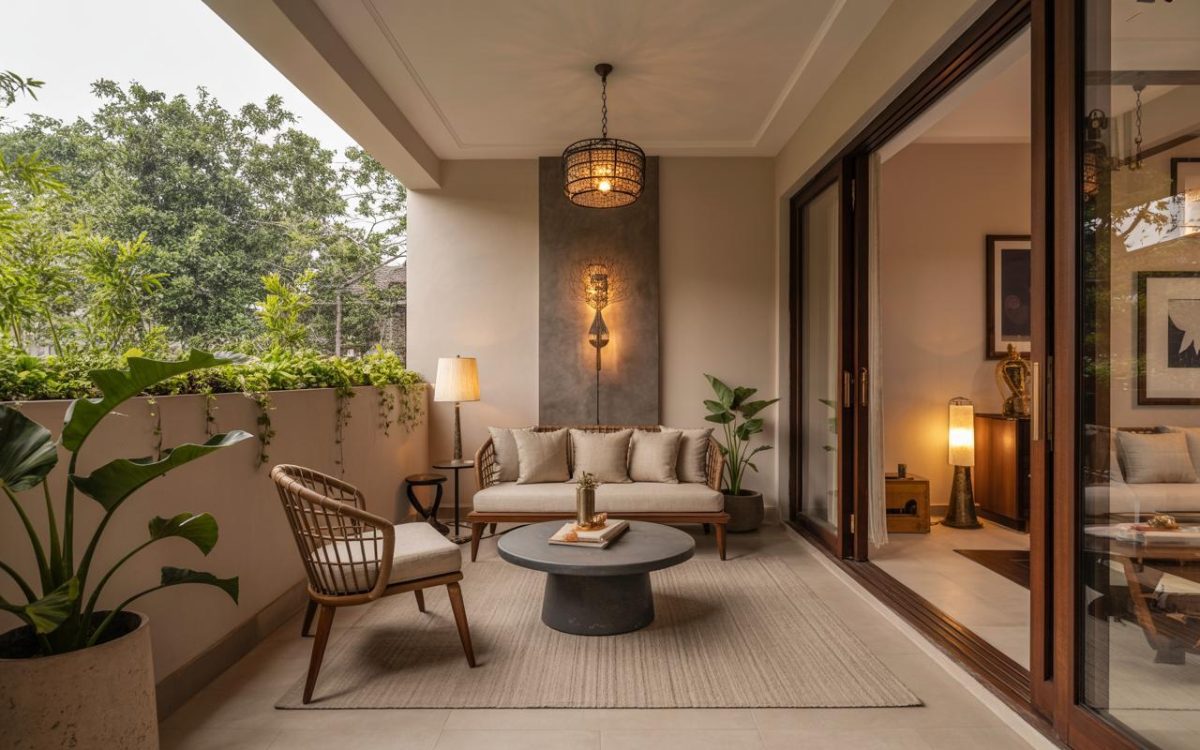
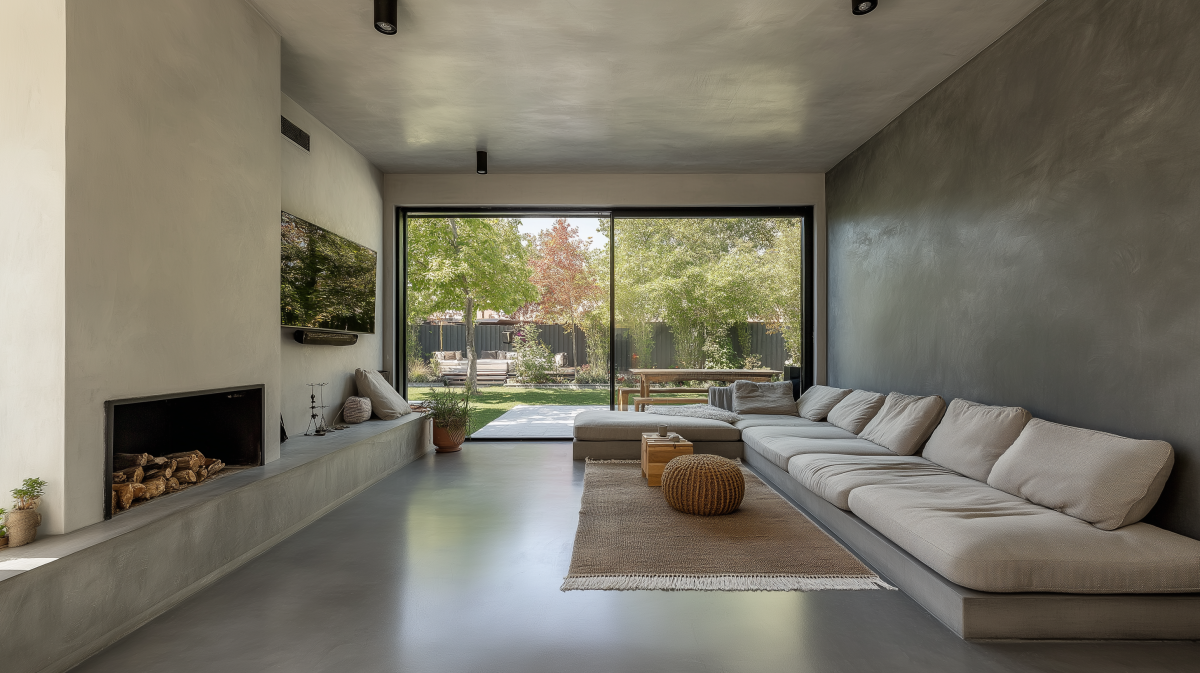
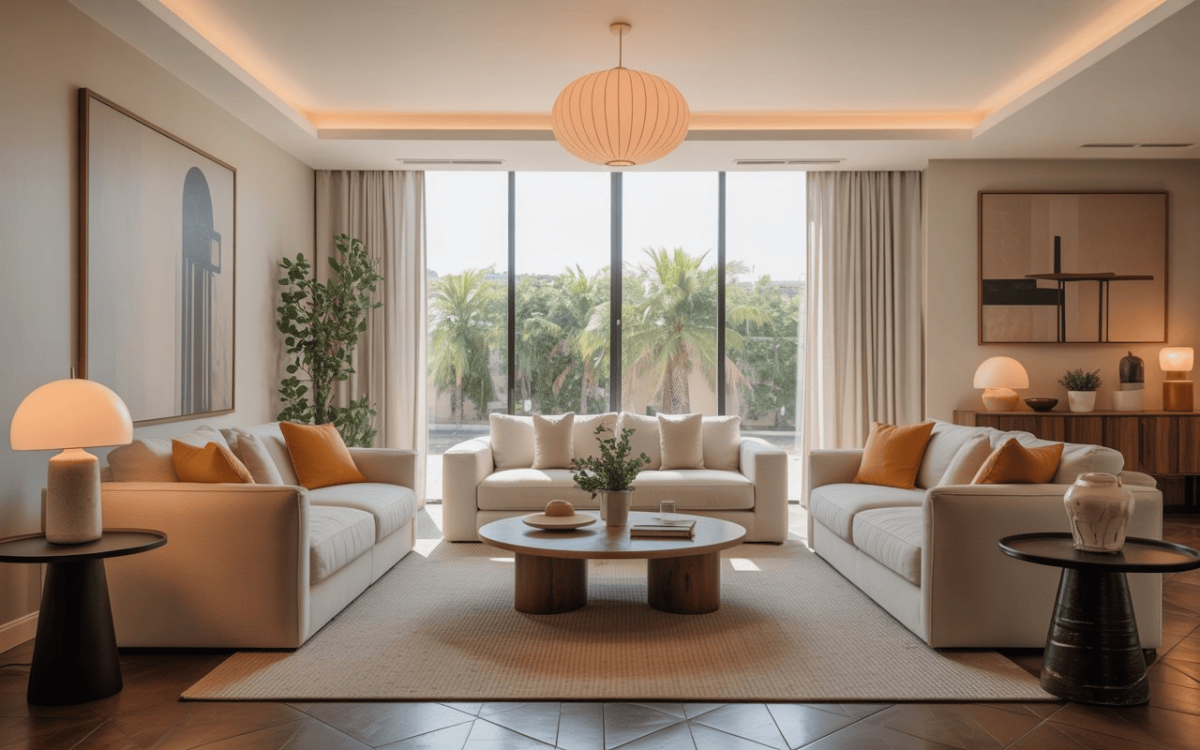
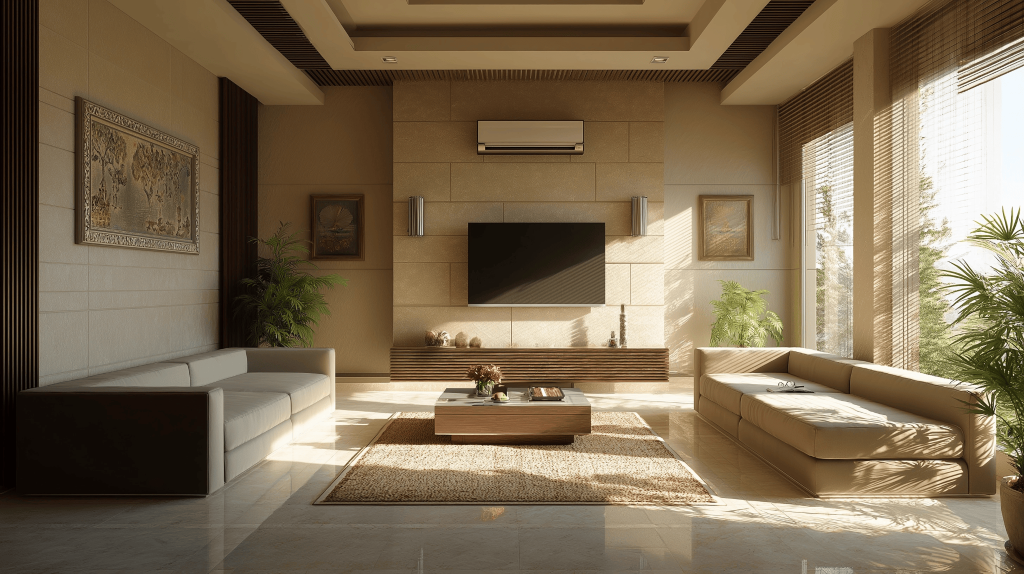
Modern dream house interior design with elegant living room setup
Remember the Pinterest board we set aside in the introduction? It is finally time to bring it to the forefront to fully visualise your lifestyle needs and the aesthetics for your dream house design. Are you someone who primarily works from home and needs a dedicated workspace? Or are you a fitness enthusiast who aspires to have a home gym? List all your nice-to-haves and must-haves.
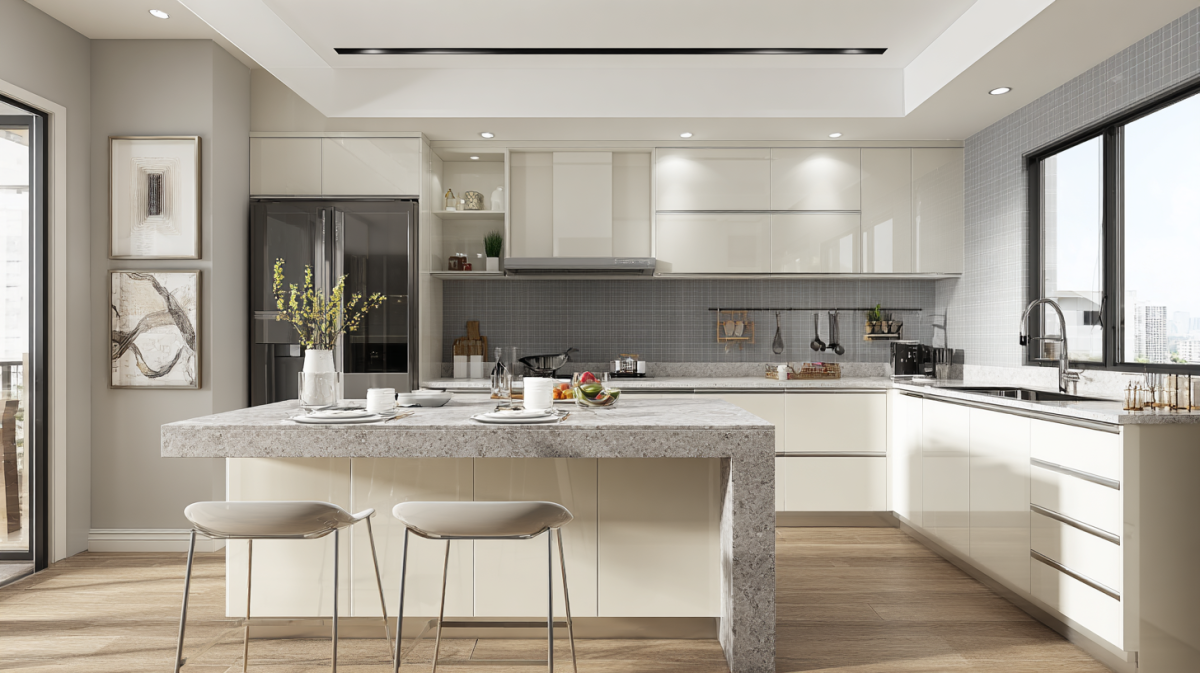
Once you’ve identified all your needs and wants, you can start by going through your daily routine and analysing what is a true non-negotiable. Is it a puja room for the family? Or is it the modular kitchen with a kitchen island and breakfast counter? Also consider future needs, such as a nursery or a guest room, for when friends and family visit you. A Pinterest board or bookmarked magazines, websites, or even pictures of homes you’ve visited can help you build a skeleton of what your dream interior design might look like.
Nevertheless, remember that your home needs to reflect your story, not someone else’s. This is where a professional interior designer from HomeLane can step in. They will be able to translate your visions into 3D renderings. Not only that, but they can also provide you with an exact estimate for your interior work, which checks off the first point on this blog.
5. Contracts and permissions: Decoding paperwork
Modern dream house design agreement signing for interior project approval
Paperwork is dreaded by all. However, skipping this step is akin to driving without insurance. Begin by obtaining building plan approval from your municipal corporation, even for that simple dream house design. For this, you’ll need everything from sanctioned building plans to completion certificates.
Moreover, ensure that you’ve drafted clear contracts with your builder, architect, contractors, and all other stakeholders. Verbal agreements are excellent, but you need all details in writing for clarity and protection. Some of the things that should be outlined clearly are:
Timelines
Payment schedules
Material quality and quantity
Penalty clauses for delays
In addition to the contracts and building permits, remember to obtain licenses for electricity, sewage, and water connections. The paperwork may be tedious. But it keeps you from dealing with legal hassles later on.
6. Construction partner: Choosing the right builder
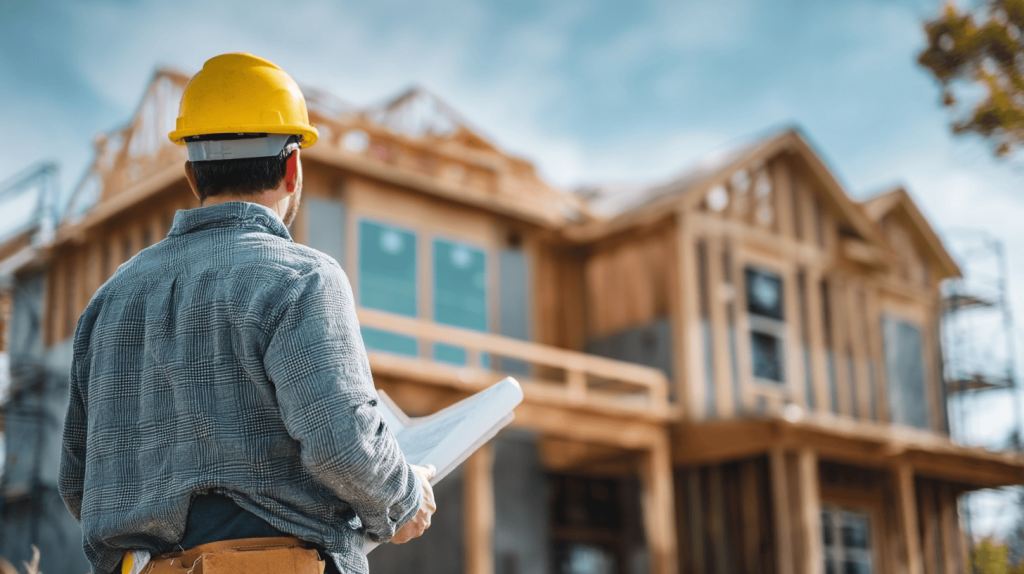
Engineer reviewing modern dream house design during construction site inspection
The builder you choose for your home is quite literally going to lay the foundation to your dream home. So look beyond the flashy brochures and dive deeper into the projects that your preferred builders have worked on so far. Talk to previous clients, verify their credentials, and visit their ongoing construction sites to assess their work quality and site management expertise.
Once you have narrowed down your choices to a couple, get detailed quotations from all of them and compare their prices and the services they will offer through their packages. Some builders provide comprehensive packages, while others charge you separately for each brick. Additionally, check their financial stability, the workforce quality, and if they use approved construction practices.
A good builder communicates regularly and remains transparent while billing. Most importantly, they generally respect timelines. Nevertheless, it’s best if you account for delays anyway. You never know when last-minute disasters may strike!
7. Post-construction and handover: The final step
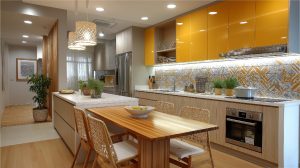
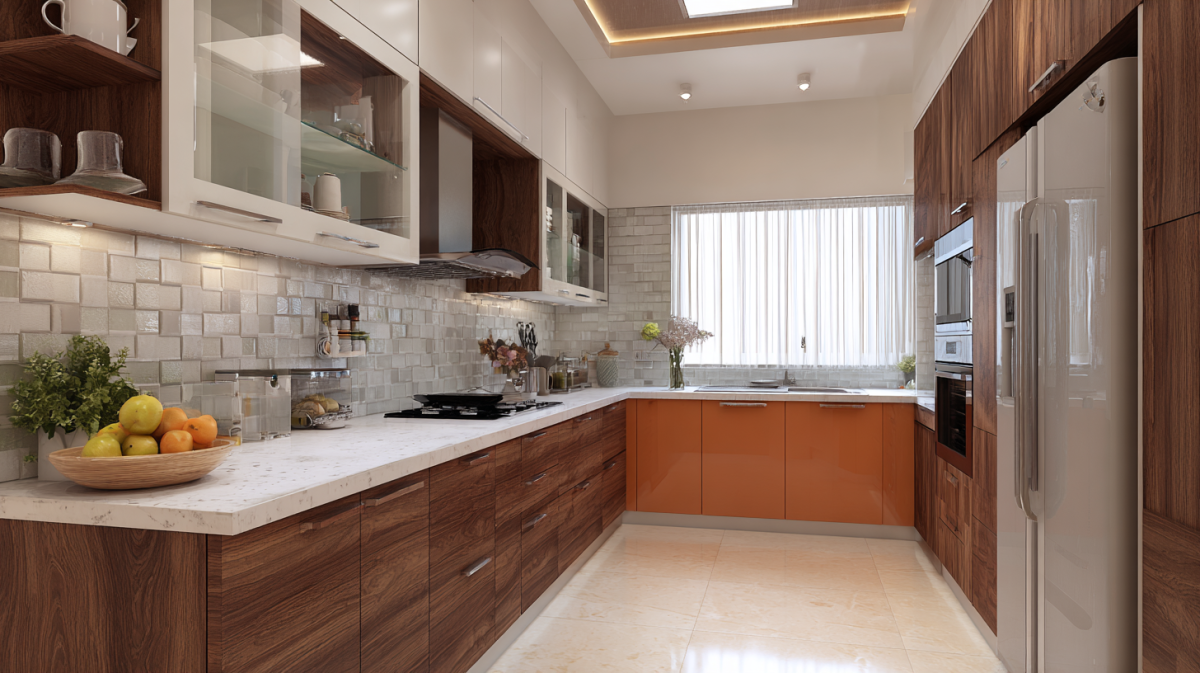
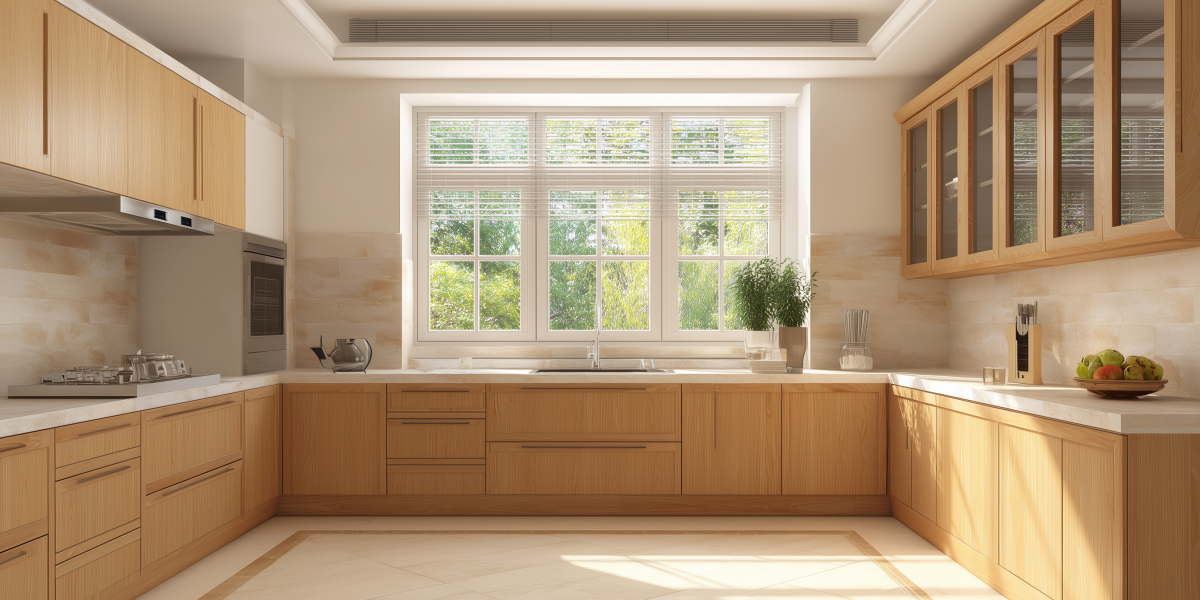
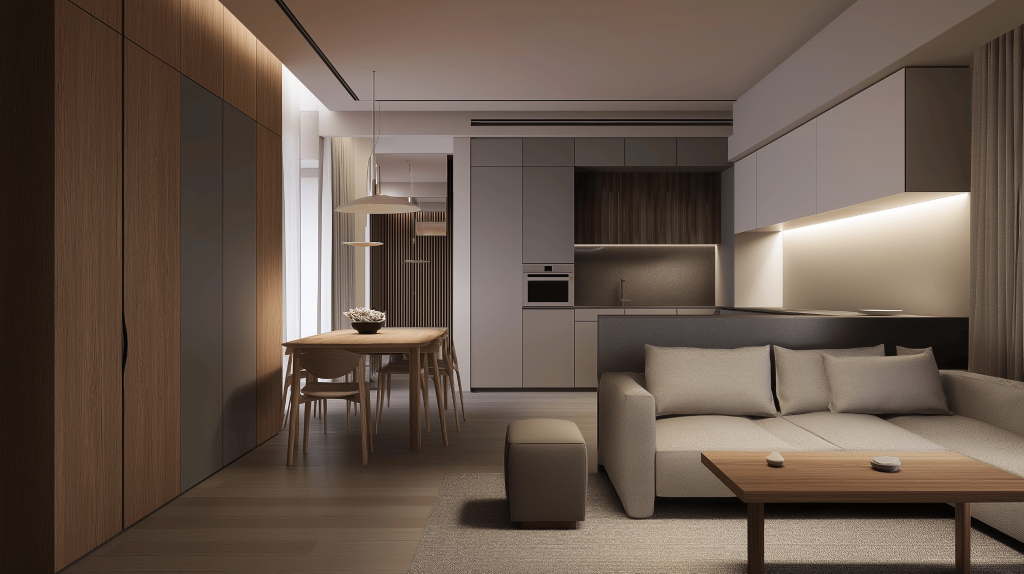
Modern dream house interior design with minimalist kitchen and living area
Now that the designing, paperwork, budgeting, and all technicalities are through, the finish line is almost in sight. But it is no time to rush the victory lap. Conduct a thorough inspection at every stage of development, but mainly prior to handover. Some of the things you need to check for are listed below:
Potential cracks, seepage, level consistency, tile alignment, and fitting issues
Functioning of all plumbing, tank capacity, and motor operations
Test earthing for all major connection points, switches, sockets, and regulators
Verify completion certificates, No-objection certificates, and warranty documents
Create an extensive list of all defects and ensure that they are resolved before making any final payments. If you do not feel confident conducting all checks, you can also hire a trained home inspector. It is an extra expenditure. But they will be able to catch issues you might not, saving you many a future headache.
Wrapping it up: Your dream home delivery
The best dream house design requires careful planning, constant decision making, and more prayers to God than you’ve probably made in years. But not everything in the home-building process needs to be a fight for your sanity. Consider reaching out to HomeLane to bring your vision to life through your interior design.
The team at HomeLane not only provide a design consultation, but they also offer an instant quote that respects your budget and financial boundaries. The team of expert designers at HomeLane also helps bring your Pinterest board to life while keeping practical Indian living needs in mind.
Additionally, with Homelane, you will have:
Access to top interior designers
Complete legal compliance
Innovative floor plans and designs that utilise the entire square footage
End-to-end project management
Regular project updates through a tracking webpage
A ten-year warranty, with a six-month check-in
Now that you have a critical aspect off your plate, don’t wait any longer. Get started on planning your dream house design. Reach out to the HomeLane team for the free quote today!
FAQ:
1. What is the best design for a dream house?
The best design for your dream house strikes a balance between your lifestyle needs and your aesthetic preferences. For Indian homes, this can mean natural lighting, ventilation, vastu-compliant layouts, and multi-functional spaces that adapt to joint family living. The ideal design also considers local climate needs, such as cross-ventilation for the summer and covered balconies to save you from the monsoon.
2. Can a small house be a dream house design?
A small dream home design is entirely doable and can be just as interesting as a mansion. Modern design hacks, such as an open layout and multipurpose furniture, as well as the strategic use of mirrors and lighting, can make even the most cramped rooms feel spacious and airy. In the case of a small unit, it is best to focus on quality rather than quantity, which is to say that two well-designed rooms can be a better deal than four cramped rooms. In fact, a smaller home remains a preference for many, as it requires less effort in day-to-day maintenance and comes with a smaller budget.
3. How much does it cost to design a dream house in India?
Design costs can vary based on the company you opt for, design complexity, square footage, and the designer’s experience. At HomeLane, a 1BHK home design starts at ₹ 3.5 lakh, complete with a 3D design of your dream house, planning, fittings, and final delivery, all backed by a 10-year warranty.












 EXPLORE MORE