Simple False Ceiling Designs That Make Every Home Look Elegant
By Usha Balasubramanyan- June 11, 2026
AI Summary
3 key insights · 1 expert tip
Simple false ceiling designs enhance Indian homes by improving lighting and aesthetics, with cost-effective POP options starting around INR 99 per sq ft.
Key Insights:
What You'll Read Here:
POP false ceilings for Indian homes can range from INR 99 to INR 150 per sq ft.
Gypsum offers ease of installation and a smooth finish; POP allows for more customisation.
Plan lighting and electrical lines early to avoid costly ceiling rework and ensure optimal ambiance.
HOMELANE EXPERT TIPBy our design team
Integrate lighting seamlessly with your false ceiling design from the start, as lighting is crucial for the overall ambiance and perceived space.
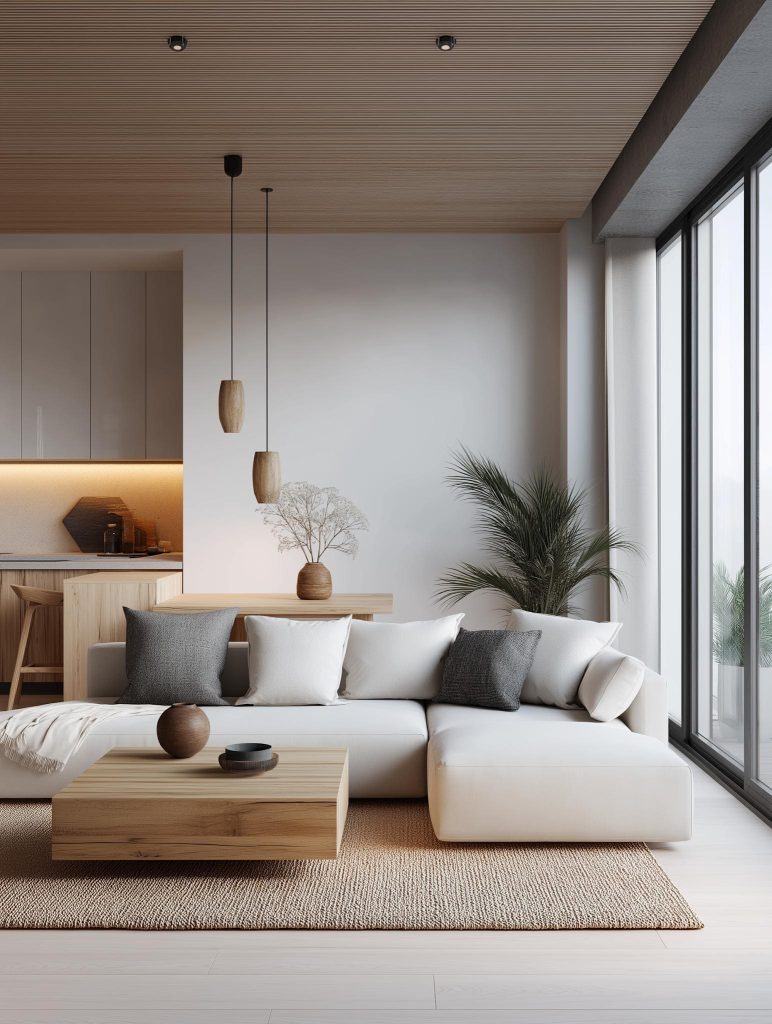
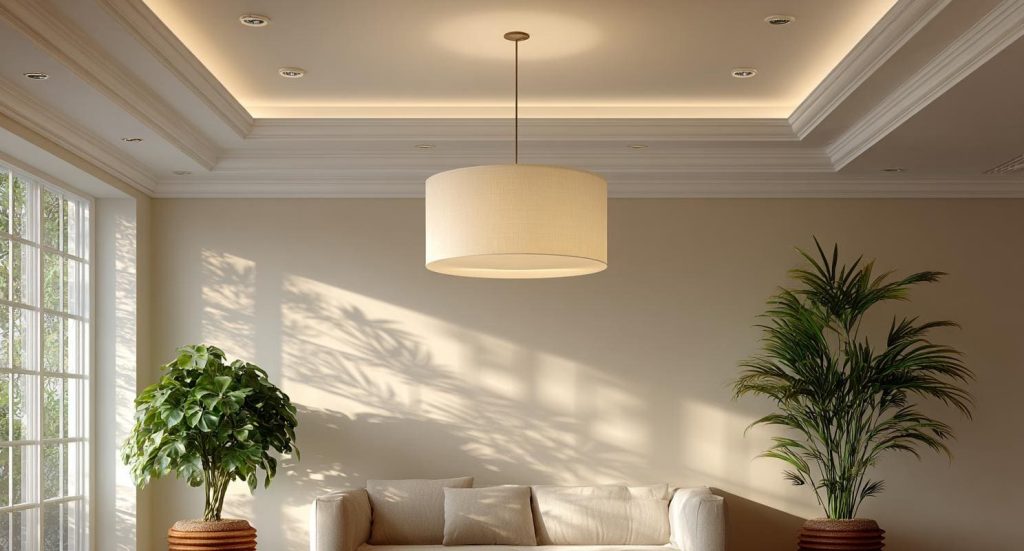
A clean living room with pendant lighting shows how a simple false ceiling completes the space.
So you’ve finally finished decorating your room, and you heave a sigh of relief. The furniture is in place, the walls are done, the colours work so beautifully! Then you look up. It’s not obvious at first, but once you notice it, you can’t unsee it.
It’s the ceiling.
Most homes leave it plain, almost like it doesn’t matter. But the moment you add even a simple design for the false ceiling, the entire room starts to feel more put together. The light softens, the proportions improve, and suddenly the space feels more complete without adding anything extra on the floor.
What Is a False Ceiling and Is It Worth Getting One?
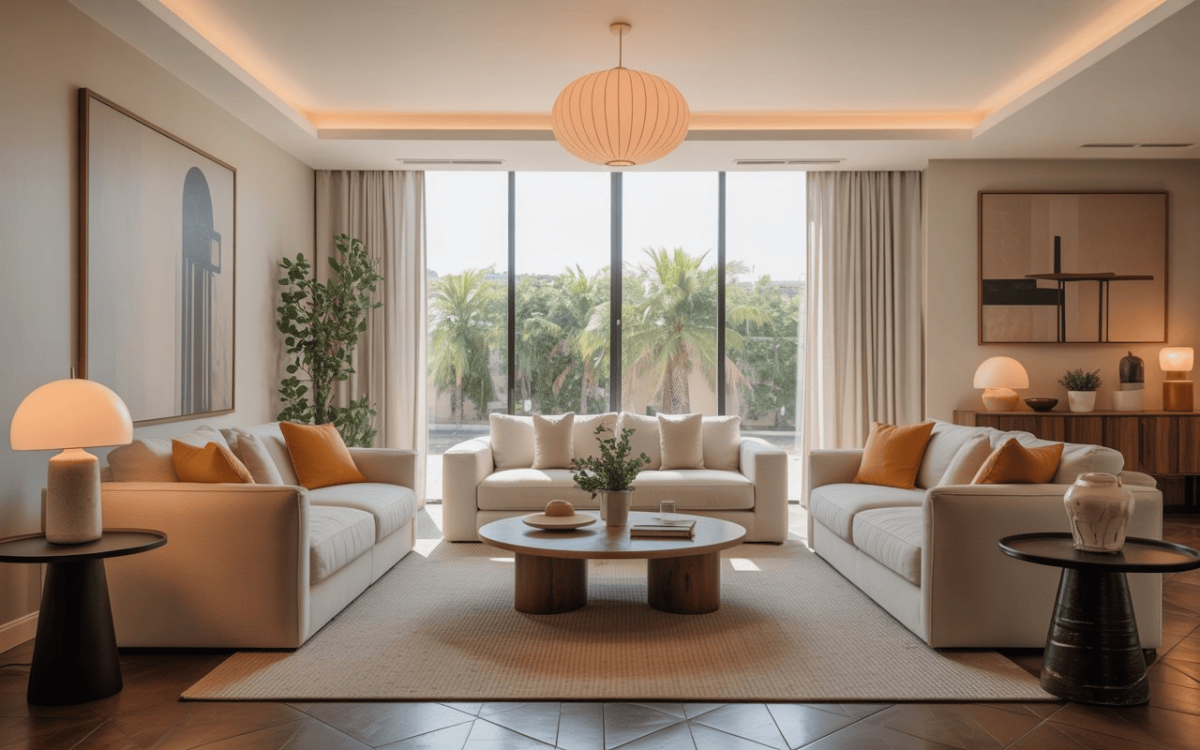
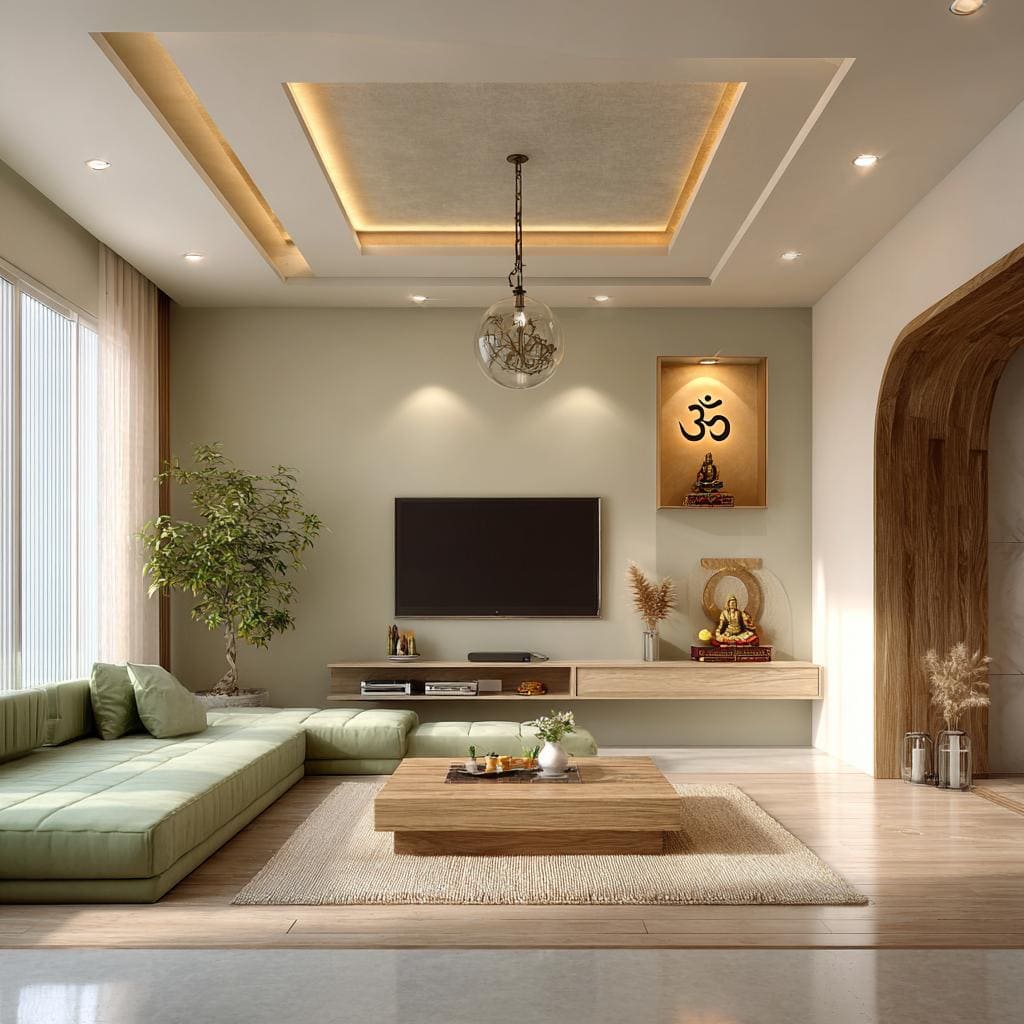
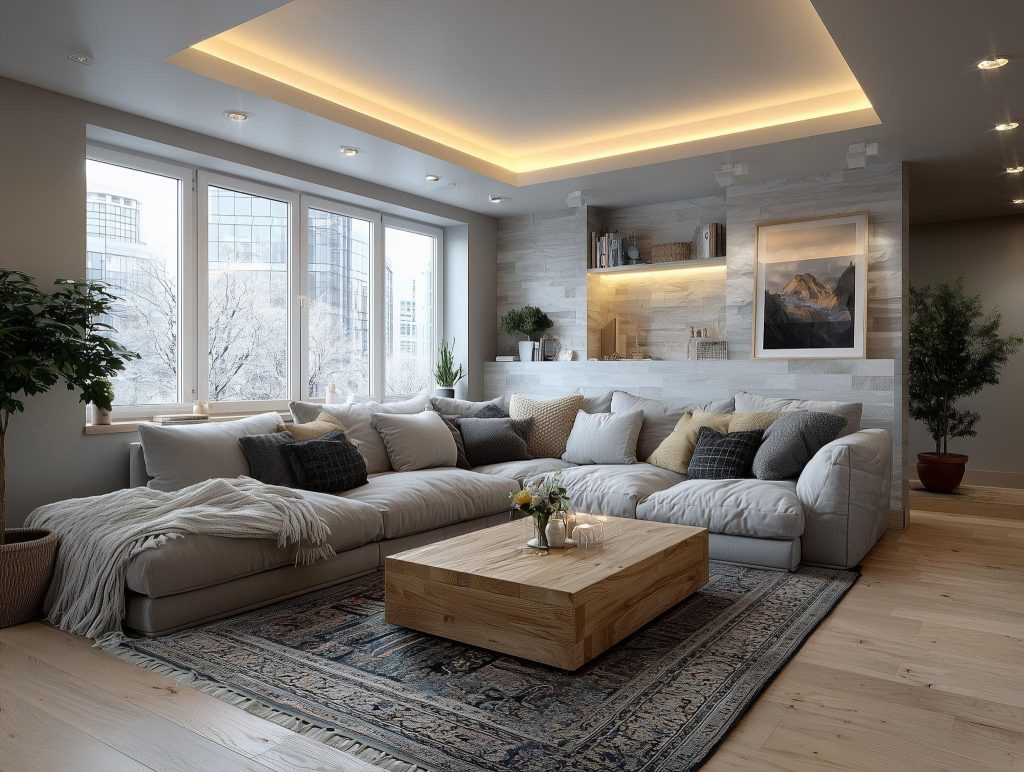
A tray false ceiling with warm cove lighting makes this Indian living room feel polished and complete.
A false ceiling is essentially a secondary ceiling created below the original slab. It gives you a clean surface to work with, hide wiring, add lighting, and improve how the room looks overall. But more than that, it helps shape the mood of the space.
Is it worth it? In most cases, yes. Even a simple false ceiling design for halls can make a living room feel more finished. It doesn’t have to be elaborate. In fact, simpler designs often work better because they don’t overwhelm the space.
Simple False Ceiling Designs Room by Room: Living Room, Bedroom and Kitchen
Different rooms need different approaches.
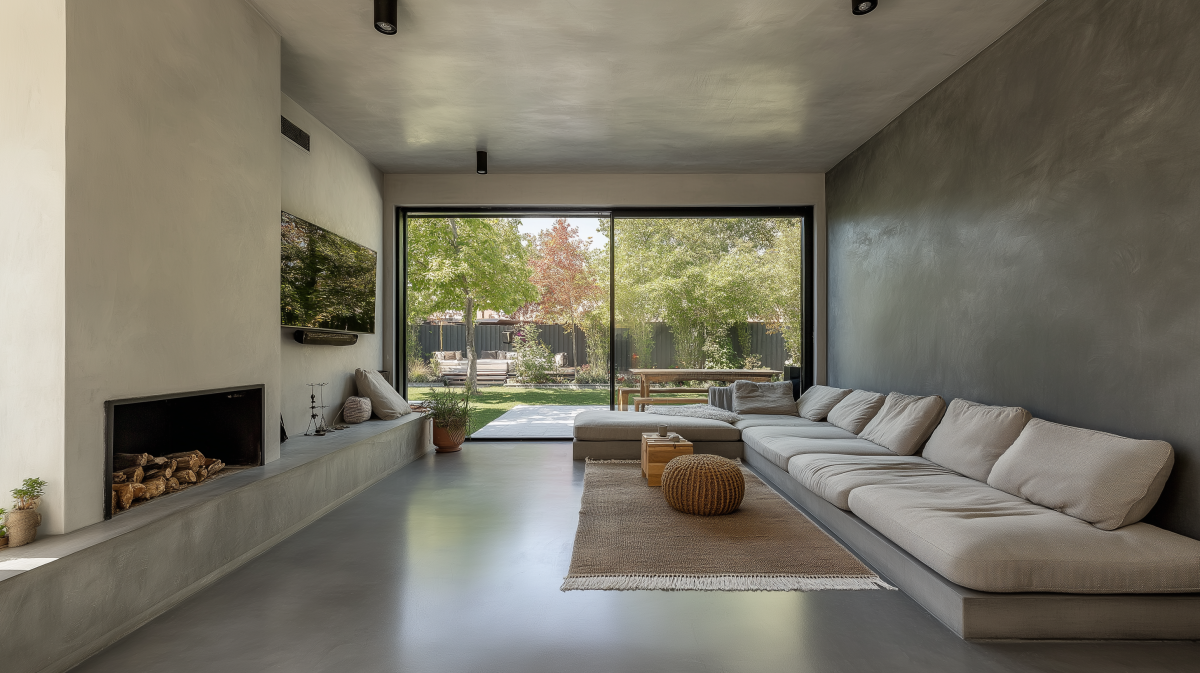
A simple false ceiling design for the hallcan focus on clean borders or a central panel with soft lighting. It frames the space without drawing too much attention.
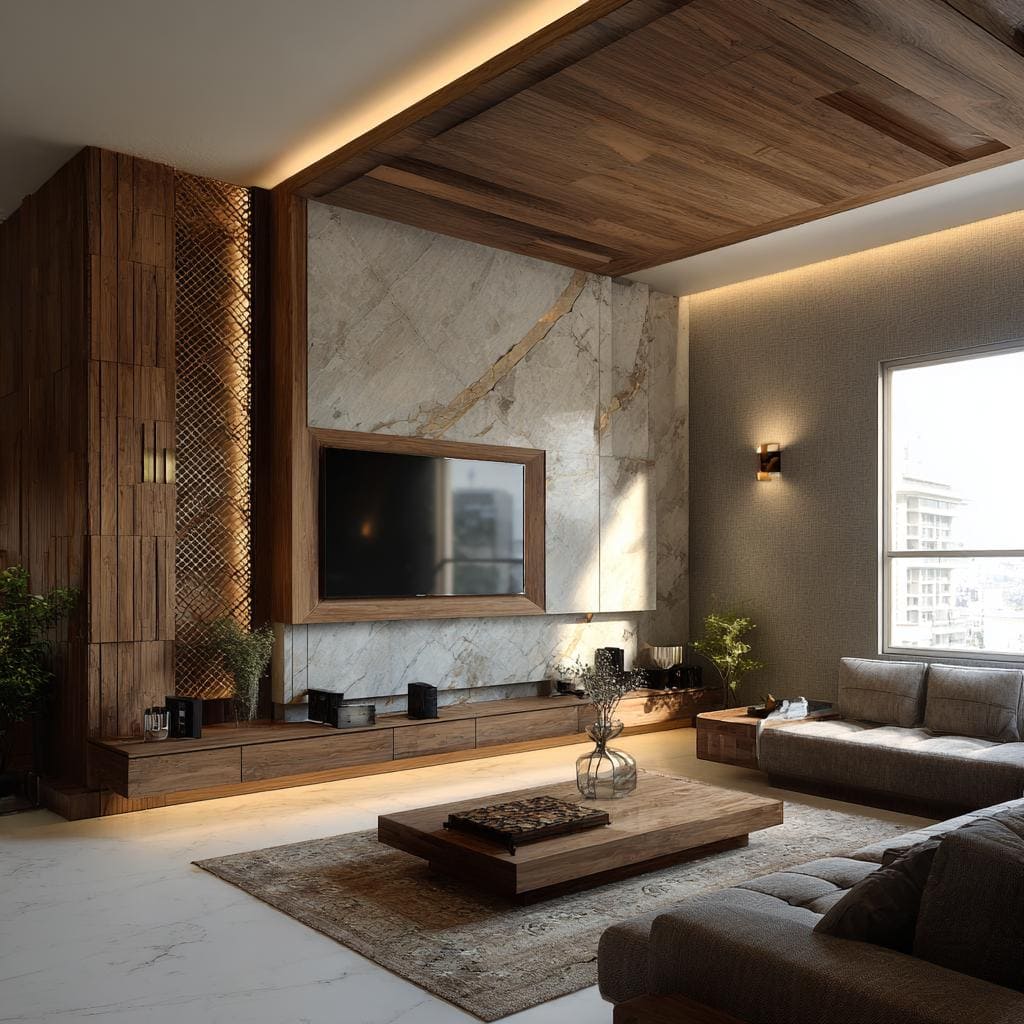
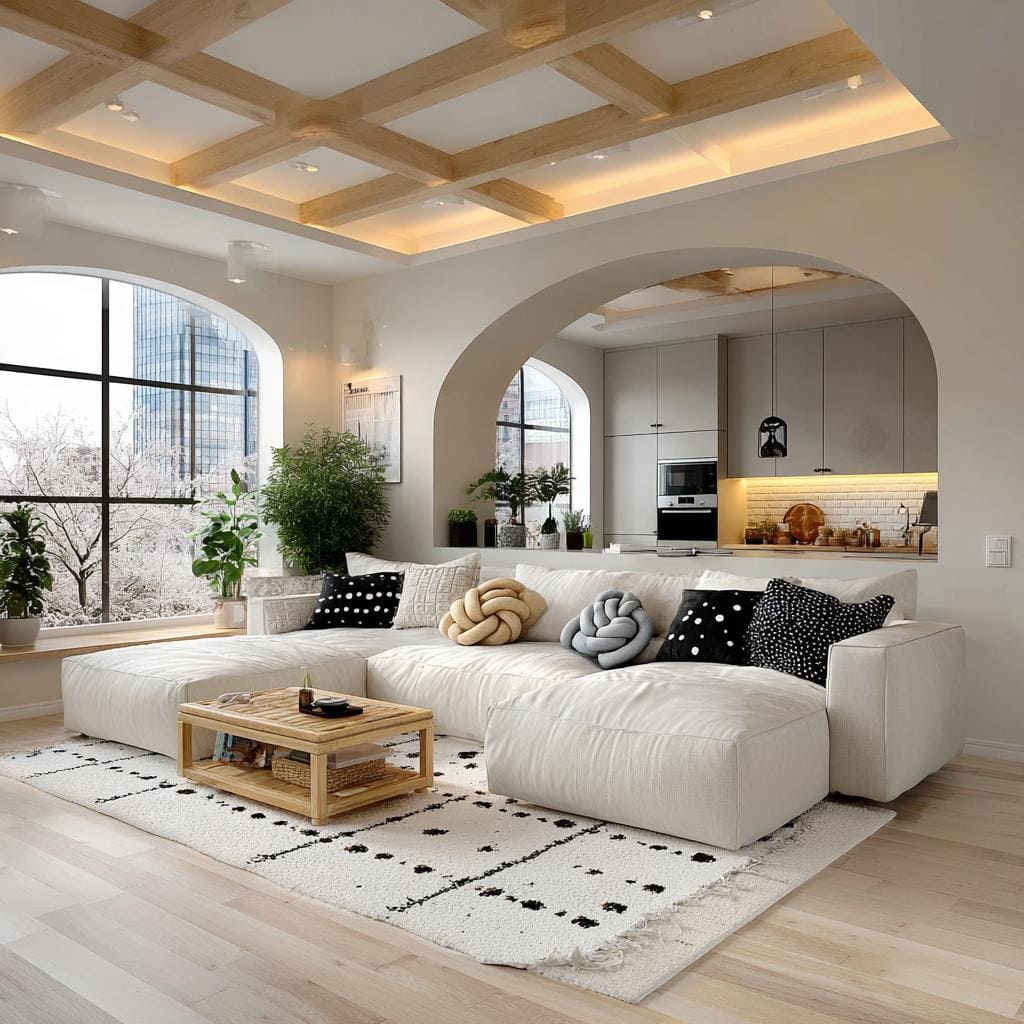
A wood panel false ceiling with cove lighting adds warmth to a modern Indian living room.
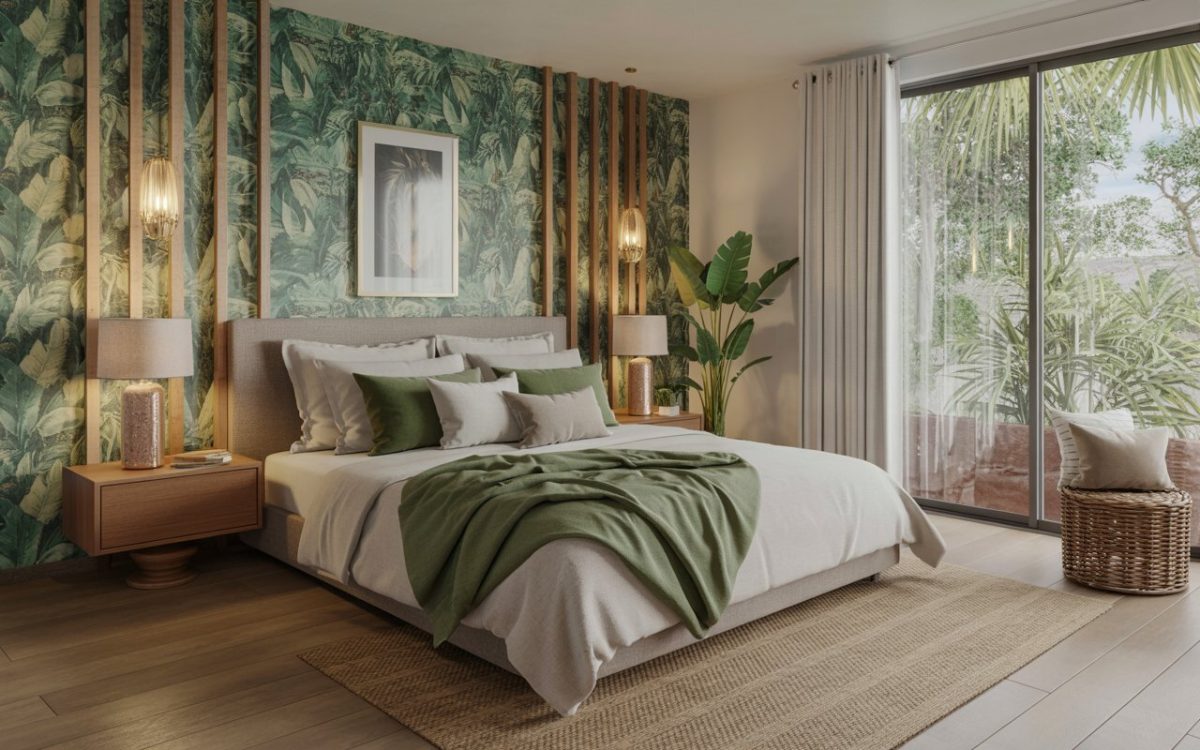
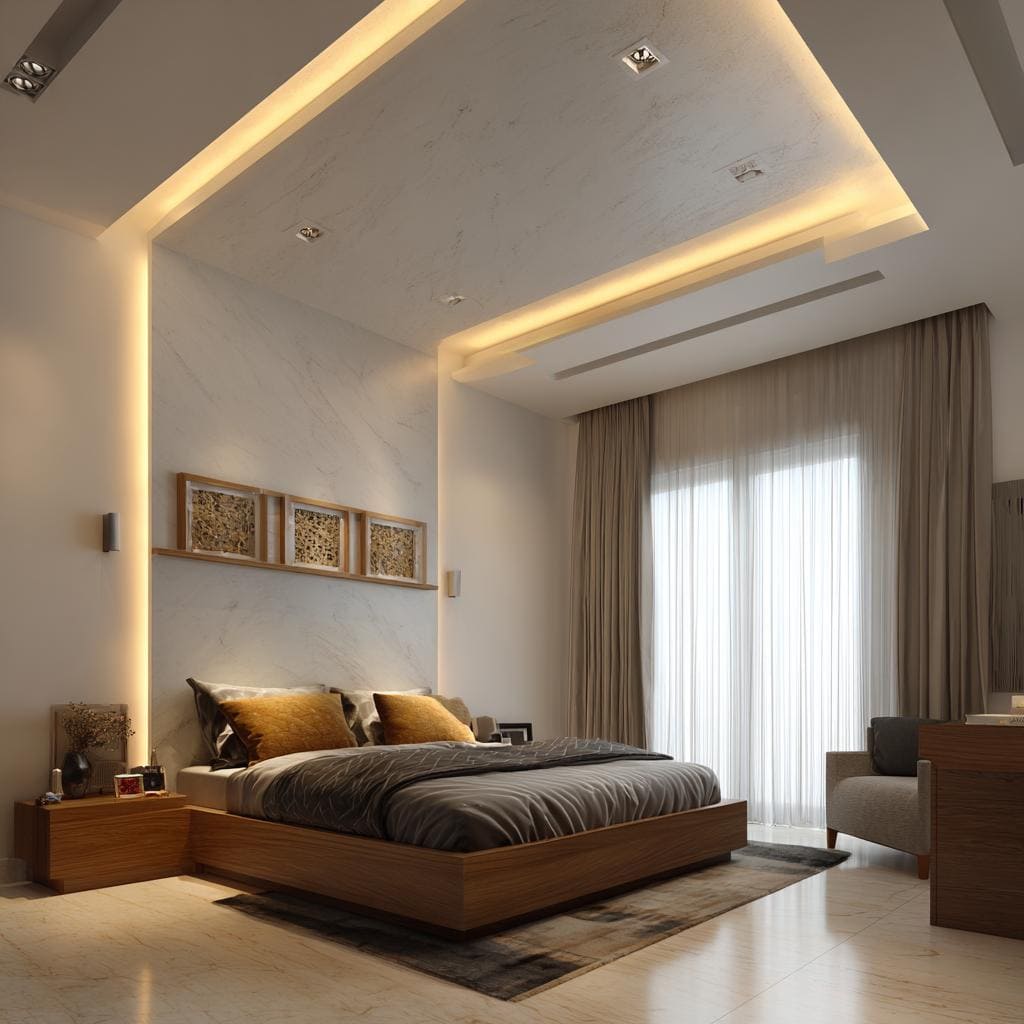
A simple false ceiling design for the bedroomworks best with gentle lines and indirect lighting.
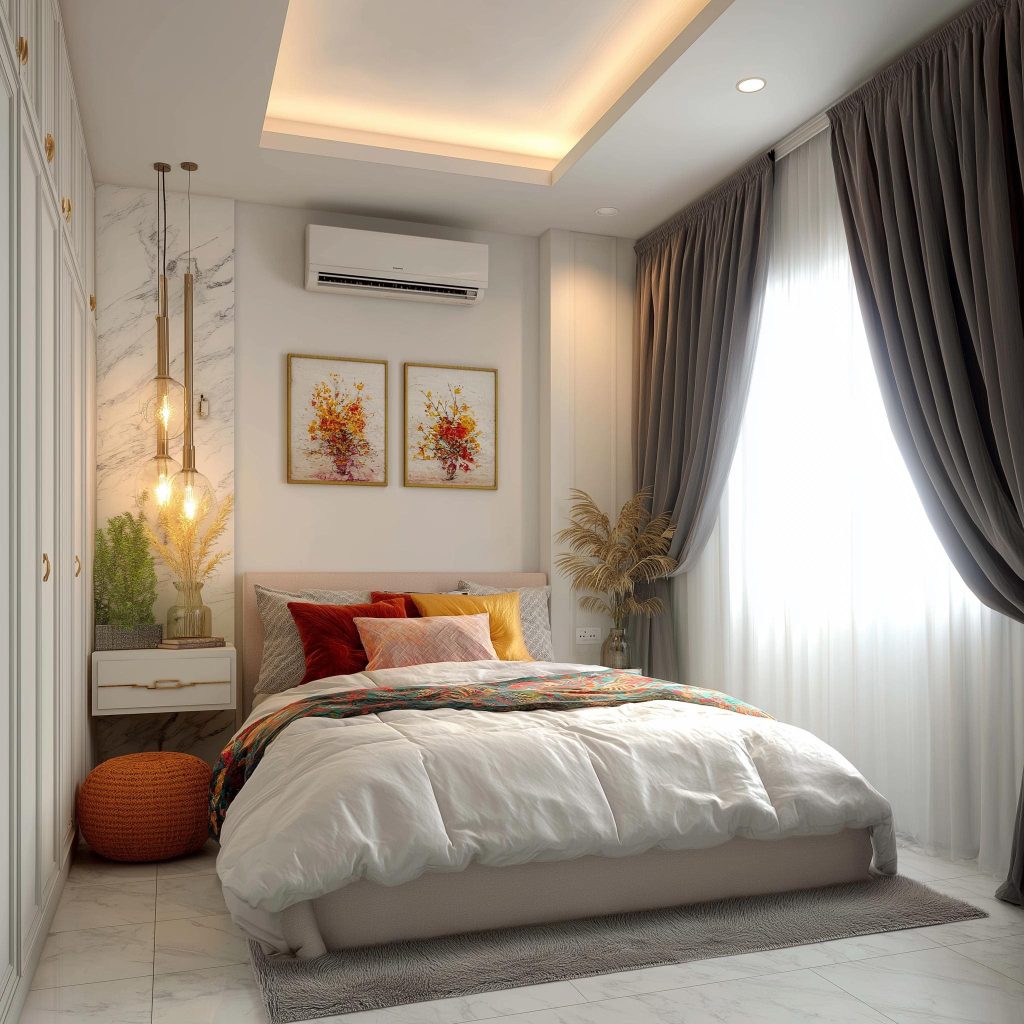
A simple tray false ceiling with warm lighting gives this bedroom a finished and cosy feel.
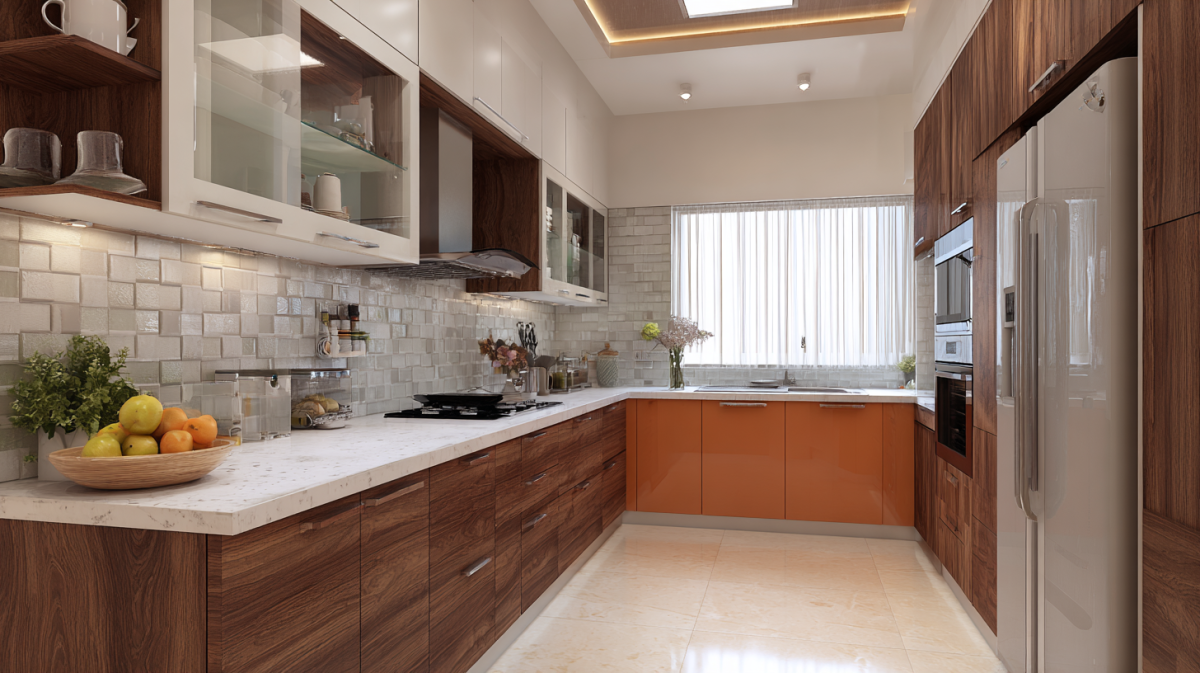
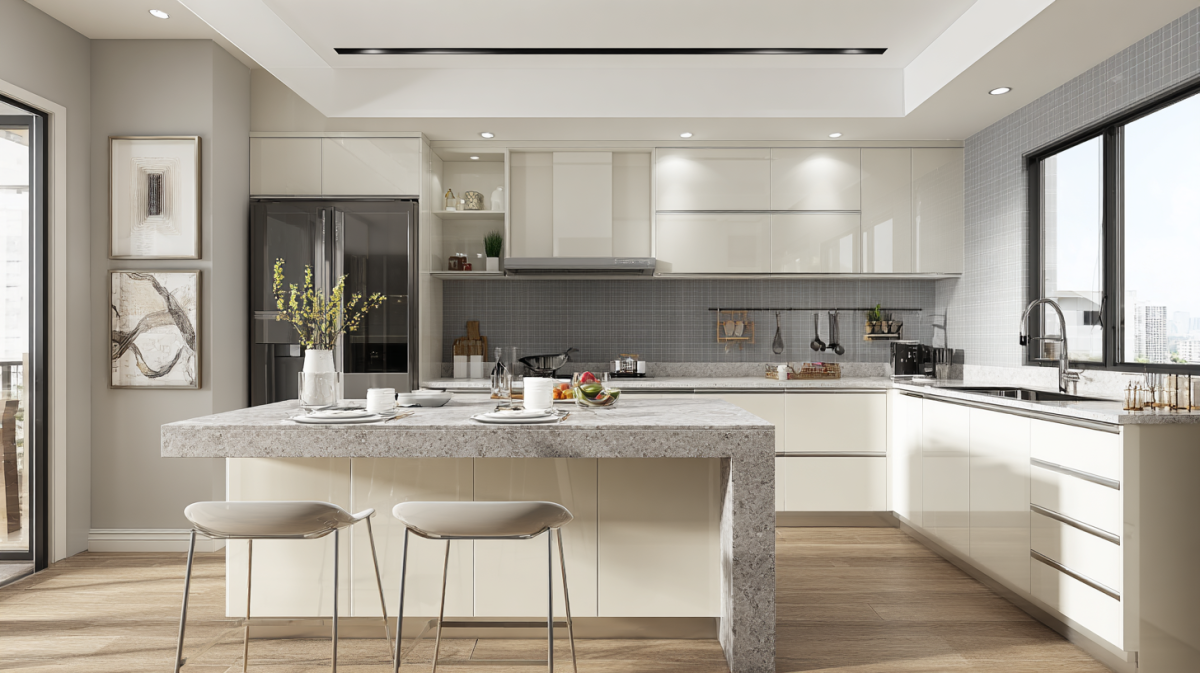
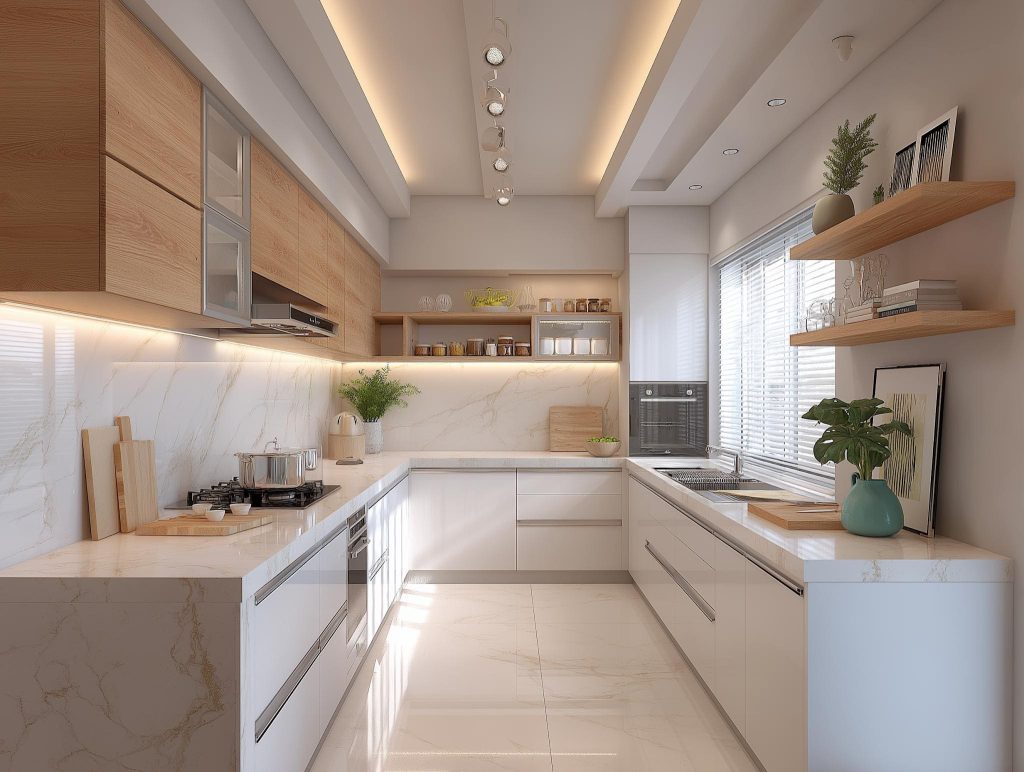
In kitchens, practicality matters more than anything else! Here, simple grid or panel designs work well, especially when paired with proper lighting. The focus here is function first, design second.
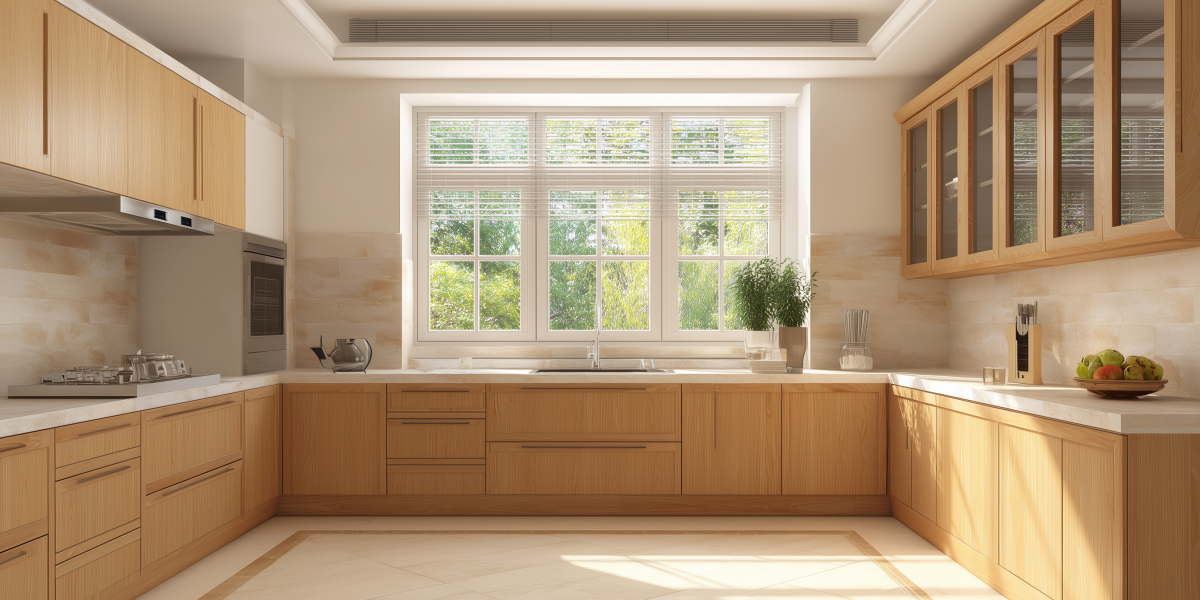
A panel false ceiling with track lighting in a kitchen keeps the space functional and well-lit.
Each room doesn’t need something different; it just needs something that fits.
Best Materials for Simple False Ceilings: Gypsum, POP and PVC Compared
A layered gypsum false ceiling with cove and spot lighting elevates this Indian bedroom design.
Choosing the right material makes a big difference over time.
Gypsum is one of the most popular choices. It’s easy to install, gives a smooth finish, and works well for most false ceiling design ideas for Indian homes.
POP (Plaster of Paris) allows for more customised shapes and detailing. It’s great if you want curves or specific patterns, but it takes more time and skill to execute well.
PVC is lighter and more resistant to moisture. It’s often used in kitchens or bathrooms where humidity is higher.
And then there’s wood, which does cost more but gives a rustic, organic feel that many homeowners absolutely love.
Each material has its place, so choose with care!
Simple False Ceiling Design with Lighting: What Works Best
A wood grid false ceiling with recessed lights creates a warm focal point in a modern Indian hall.
Lighting is what brings a false ceiling to life. Without it, even the loveliest design can feel flat. With the right lighting, even a simple ceiling can look thoughtfully done.
Cove lighting is one of the easiest ways to add depth and extra dimension to your room. It creates a soft glow that spreads evenly across the room. Spotlights help highlight specific areas, while panel lights keep things bright and functional. Always try to create a balanced look. Too much lighting can feel harsh, more suited to a commercial space. Too little can make the ceiling disappear and feel like all that effort went in vain. A well-lit ceiling feels just right for the space, making it warm and inviting, never over-the-top.
Simple False Ceiling Cost in India and Common Mistakes to Avoid
A border tray false ceiling with soft cove lighting keeps this living room elegant and uncluttered.
Next: on to the costs!
A simple POP false ceiling in India can range from around INR 99 to INR 150 per sq ft depending on the material and design. More detailed work or premium materials will increase the cost quite a bit.
And from our experience, here are the most common mistakes homeowners end up making…and how to avoid them!
When designing the ceiling, keep existing beam depths in mind. Not factoring them in might lead to a ceiling that’s lower than you planned for.
Another common mistake is making it too complicated. Too many layers or patterns can make the room feel smaller instead of better.
Ignoring ceiling height is another issue, especially in apartments where height is already limited.
Poor lighting planning can also reduce the impact. Even a well-designed ceiling needs the right lighting to work.
Another rookie mistake is not deciding about concealed light fittings and planning the electrical lines in advance. Adding these later on will necessitate ripping up the ceiling and refinishing; something you want to avoid.
Keeping it simple usually gives the best results.
When the Room Finally Feels Complete
A clean POP false ceiling with cove lighting and spotlights is one of the most versatile designs in India.
Good design often shows up in subtle ways. A simple false ceiling doesn’t try to impress. It just makes the room feel finished, comfortable, and easy to live in. The kind of detail you don’t notice immediately, but appreciate over time. And that’s what makes it worth doing well. Not sure how to get the lighting and ceiling layout right? If you’re unsure what will work best in your home, a little guidance helps, and HomeLane is always around to handhold you!
FAQs
1. Which is the best simple false ceiling design for a small room?
Simple tray ceilings, or single-layer designs work best as they keep your space open and uncluttered. Avoid heavy patterns that reduce the sense of height.
2. What is the cheapest false ceiling material in India?
POP is generally more affordable, but gypsum offers better finish and ease of installation. The choice depends on budget and design needs.
3. How much does a simple false ceiling cost per sq ft in India?
It usually ranges from INR 80 to INR 150 per sq ft depending on material and complexity. Lighting and finishing can add to the total cost.
4. Which is better for a false ceiling — gypsum or POP?
Gypsum is easier to install and gives a smoother finish, while POP allows more customised designs. Both work well when used in the right context.
5. Can false ceilings be done in a low height room?
Yes, but the design should be minimal to avoid making the room feel smaller. Slim layers and subtle lighting work best.
6. How long does a false ceiling last in India?
With proper installation and maintenance, it can last for many years without major issues. Regular checks help prevent minor problems from growing.




















 EXPLORE MORE