Dead Space Ideas to Turn Unused Corners into Functional Spaces
By Usha Balasubramanyan- September 22, 2026
Summary
Dead spaces are often overlooked, but they offer valuable opportunities for storage, seating, workspaces, and decorative features. By carefully evaluating each unused corner and choosing solutions that match your lifestyle, you can create a home that’s both more organised and more enjoyable to live in. Every square foot has the potential to add value when designed thoughtfully.
Expert Tip
Before adding furniture to an unused corner, spend a few days observing how you naturally move through the room. The best dead space solutions improve daily routines rather than creating new obstacles.
Best For
Apartments and villas of all sizes
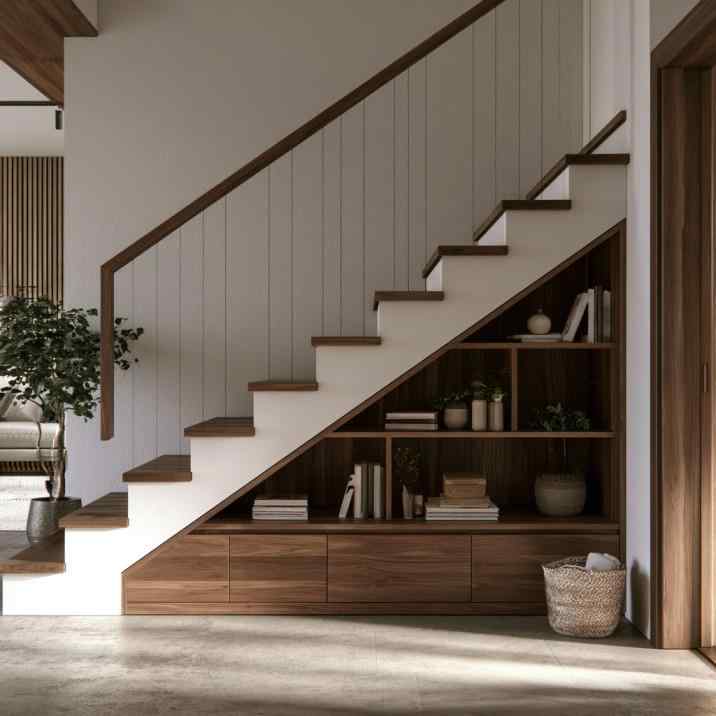
Built-in shelving turns this staircase into clever dead space storage.
Every home has a few awkward spots that seem impossible to use…say a narrow gap beside a wardrobe, an empty corner in the living room, the space beneath the stairs, or the area above kitchen cabinets. These overlooked areas, often called dead space, may not seem important at first, but when planned well, they can add valuable storage, seating, or display opportunities without increasing your home’s footprint.
The best dead space ideas don’t simply fill empty corners…they improve the way your home functions every day. Whether you live in a compact apartment or a spacious villa, making smart use of unused areas helps create cleaner, more organised, and more efficient interiors.
Sometimes, the most useful part of a room is the space you almost ignored!
What Is Dead Space in a Home and Why Does It Matter?
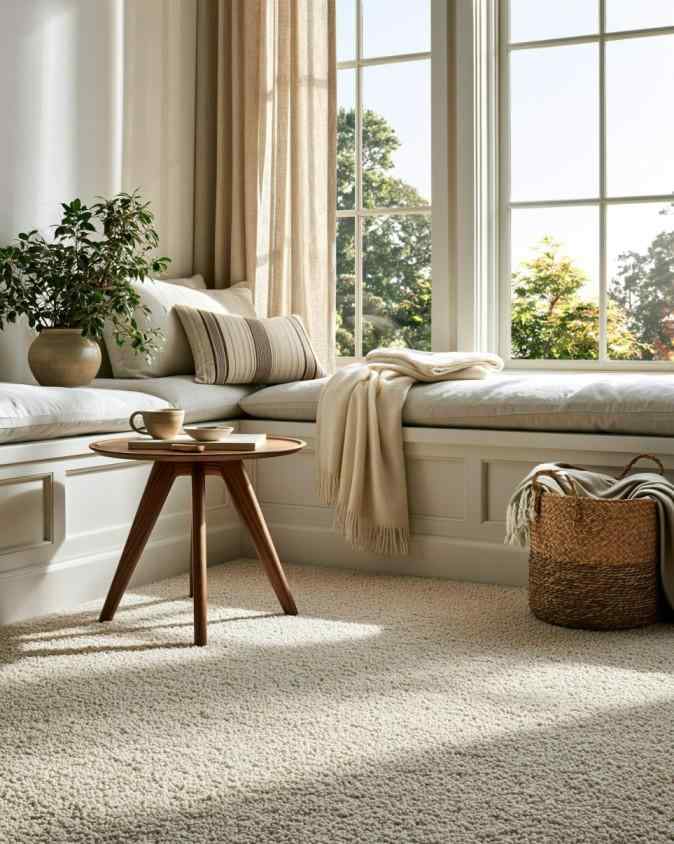
A cushioned window seat makes clever use of this dead space nook.
Dead space refers to parts of a home that are difficult to access, awkwardly shaped, or simply left unused. Common examples include corners, spaces beneath staircases, areas behind doors, alcoves, the gap between furniture and walls, the area above wardrobes, or narrow passages.
While these spaces may appear insignificant individually, together they represent valuable square footage that can improve storage, organisation, or functionality. Thoughtfully planned dead space design ideas allow every part of your home to serve a purpose without making the interiors feel crowded.
Which Dead Space Ideas Work Best for Different Areas of the Home?
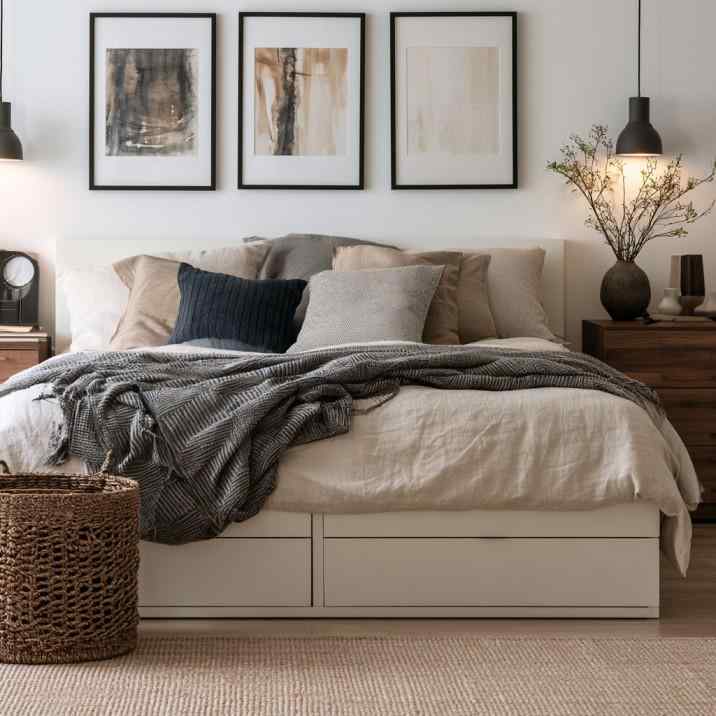
Storage drawers beneath the bed put this dead space idea to good use.
Different rooms offer different opportunities. Every unused space has the potential to become both practical and attractive.
The space beneath a staircase can become a study nook, reading corner, wine storage, or custom cabinetry.
Empty bedroom corners work well for dressing tables, compact workstations, or reading chairs.
Unused hallway niches can hold slim shoe cabinets or decorative shelving.
Storage below the bed is always invaluable.
The area above wardrobes and kitchen cabinets provides excellent storage for seasonal or rarely used items.
In kitchens, even narrow gaps beside refrigerators can become pull-out pantry units.
How Can Awkward Corners and Unused Gaps Be Turned into Functional Space?
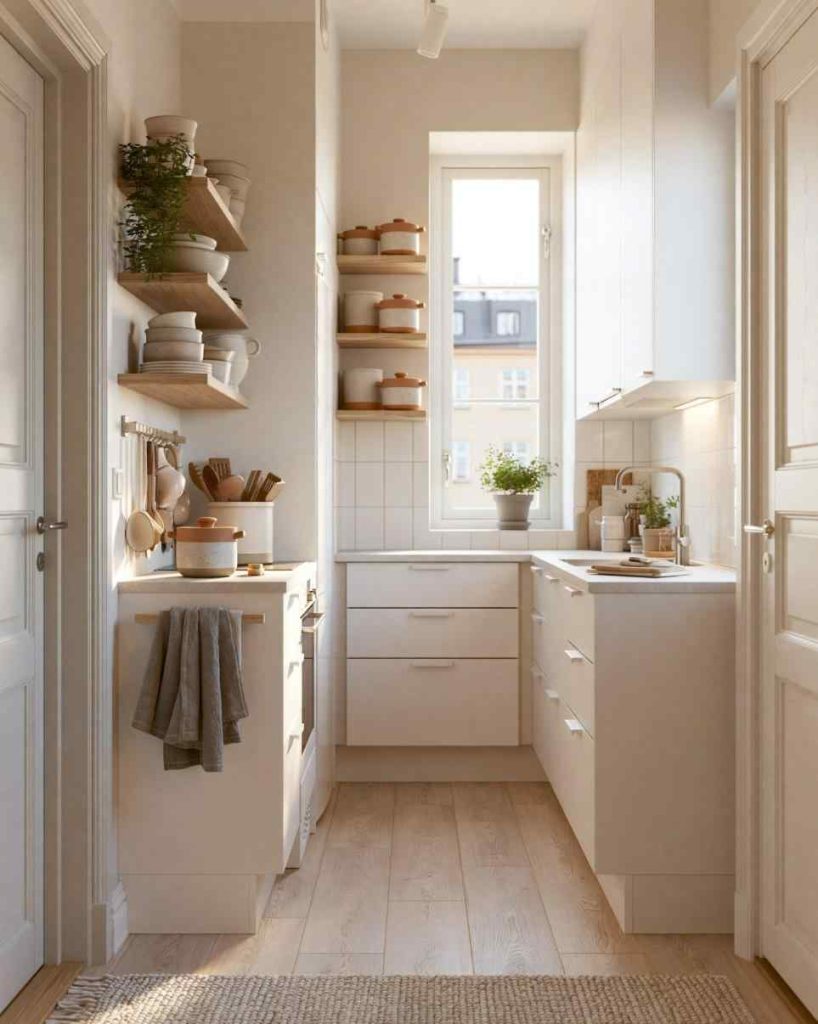
Open shelving fills this narrow kitchen gap with smart dead space storage.
Awkward corners often become the most rewarding spaces to redesign. Custom-built shelving makes use of irregular dimensions that standard furniture cannot accommodate.
Floating shelves transform empty walls into display areas without occupying floor space. Narrow gaps between furniture can hold pull-out storage units, slim bookshelves, or umbrella stands.
Window corners become inviting reading nooks with built-in seating and hidden storage beneath. Even empty walls beside entrances can accommodate hooks, benches, mirrors, and compact storage units.
The key is choosing furniture designed specifically for the available dimensions rather than forcing standard pieces into unusual spaces.
Which Dead Space Design Ideas Work Best for Living Rooms and Small Homes?
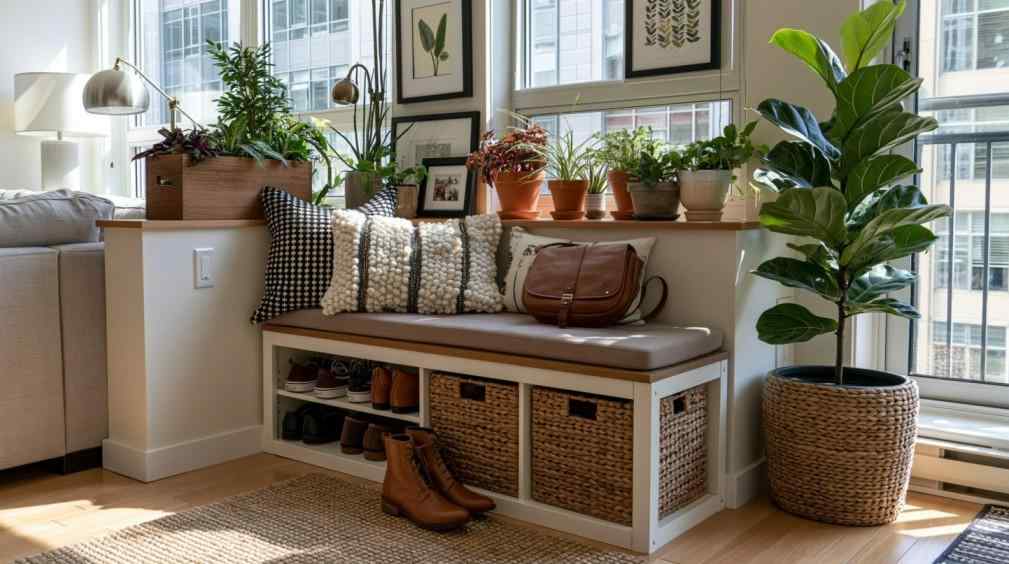
A window bench with hidden storage brings this living room dead space to life.
Compact homes benefit the most from making every inch count.
Some excellent living room dead space ideasinclude window seating with storage, floating TV units, built-in bookshelves around doorways, slim console tables behind sofas, and corner shelving.
The space behind a sofa can accommodate a narrow storage console with lamps, books, or decorative accessories.
Unused corners may become compact home offices or indoor plant displays.
Multifunctional furniture, such as storage ottomans and nesting tables, also helps eliminate wasted space while reducing clutter.
When Should Dead Space Be Used for Storage and When Should It Be Left Open?
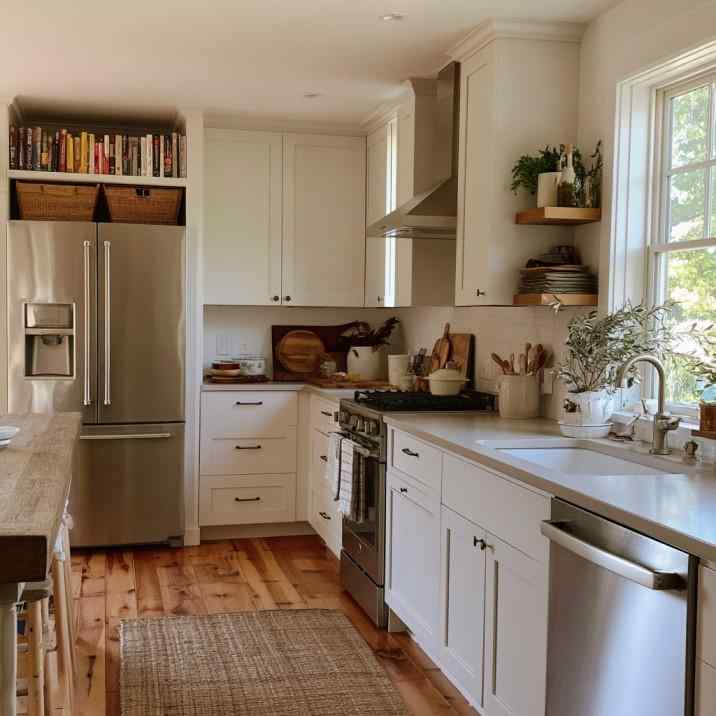
Baskets above the cabinets make full use of unused kitchen dead space.
Not every empty space needs to be filled.
Areas that interrupt movement or help maintain visual balance should often remain open.
Prioritise storage where clutter naturally accumulates: such as entrances, kitchens, bedrooms, and utility areas.
Display shelves work well in living rooms, while hidden storage is usually better for everyday household items.
Avoid filling every corner with furniture or décor simply because space is available.
Well-designed interiors balance functionality with breathing room, allowing the home to feel organised rather than overcrowded. Sometimes, leaving a space empty is the most thoughtful design decision of all!
Make Every Corner Count!
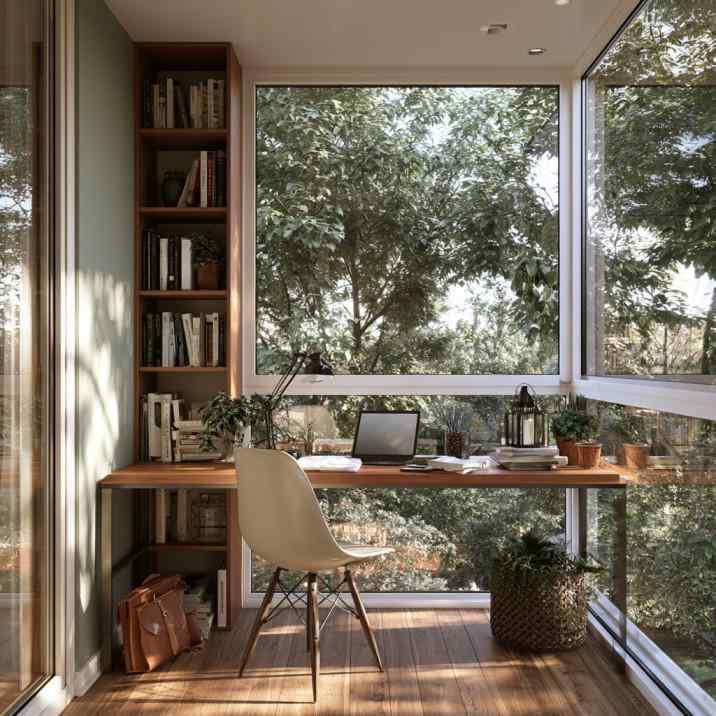
A built-in desk and shelving turn this quiet corner into dead space that works.
The smartest dead space ideas don’t require major renovations; they simply make better use of the home you already have. Whether you’re transforming awkward corners, adding custom storage, or creating a cosy reading nook, thoughtful planning can unlock valuable functionality while keeping your interiors stylish and uncluttered.
At HomeLane, our designers specialise in creating customised storage and furniture solutions that maximise every square foot of your home. Book a free HomeLane consultation and discover how even the smallest unused space can become one of your home’s most useful features.
Great design isn’t about having more space…it’s about making better use of the space you already have!
FAQs
1. What is dead space in interior design?
Dead space refers to areas of a home that are underused or difficult to utilise because of their size, shape, or location. With thoughtful planning, many of these spaces can become functional storage or living areas.
2. How can I make use of dead space in my home?
Consider adding custom shelving, built-in storage, seating, workstations, display niches, or pull-out cabinets depending on the location. The best solution is one that works well for your everyday lifestyle.
3. What are the best ideas for an empty corner in a living room?
Reading chairs, corner shelves, indoor plants, floor lamps, compact desks, or window seating all make excellent use of empty living room corners. Choose a solution that complements the room without creating clutter.
4. How do you use dead space behind a sofa?
A slim console table, storage unit, bookshelf, or charging station works well behind a sofa while adding functionality. This space can also display artwork, lamps, or decorative accessories.
5. How can I turn dead space into useful storage?
Custom-built cabinetry, floating shelves, pull-out units, under-stair storage, and built-in benches with concealed compartments all maximise awkward spaces. Tailor the storage to what you actually need to organise.
6. Should every dead space in a room be filled or decorated?
No. Some empty areas improve circulation and give the room a more open, balanced appearance. Focus on enhancing functionality where it adds genuine value, rather than filling every available corner!









 EXPLORE MORE