Optimising Your Workspace: The Definitive Guide to Study Table Height
By Bivin Peter- May 28, 2026
AI Summary
3 key insights · 1 expert tip
Achieving the correct study table height is crucial for posture, reducing pain and enhancing productivity. Standard tables range from 28-30 inches, but personal measurements ensure an ergonomic setup.
Key Insights:
What You'll Read Here:
Standard study tables are typically 28–30 inches high, but personalised measurements are vital for comfort.
Ergonomic principles dictate that forearms should be parallel to the desk for a neutral spine.
Height adjustable tables are ideal for children and adults, offering flexibility and promoting better circulation.
HOMELANE EXPERT TIPBy our design team
To ensure proper ergonomics, measure from the floor to your seated elbow height, then add an inch for the desk surface thickness.
Summary
An incorrect study table height is the primary culprit behind chronic back pain, neck strain, and decreased productivity during long hours of work or study. Achieving the perfect setup is not just about aesthetics; it is about human-centric design that supports natural posture. Whether one is setting up a compact home office or a student workstation, understanding the ideal height of study table configurations is vital. This guide provides essential insights into ergonomic standards, measurement techniques, and the benefits of a height adjustable study table. By aligning furniture dimensions with body mechanics, homeowners can transform their study areas into zones of sustained comfort and focus, ensuring a healthy environment for every age group in the household.
Best For
Students, remote professionals, and homeowners looking to set up ergonomic workstations that prioritise long-term health and productivity.
Expert Tip
When determining the correct study table height, the elbow test is the most reliable metric; when seated, the user’s elbows should rest at a 90-degree angle on the desk surface without the shoulders hunching or leaning forward.
A built-in study table at the correct height creates an ergonomic and organised home workspace.
Has a long afternoon of studying or remote work ever left the body feeling stiff, sore, and strangely exhausted? Often, the issue is not the workload itself, but the silent, physical toll of an improperly configured workstation. Many homeowners focus on the colour of the desk or the style of the chair, yet they overlook the most critical factor: the study table height. An incorrect setup forces the body into unnatural positions, leading to long-term postural issues.
A standard height study table paired with an ergonomic chair supports healthy posture for adults.
Achieving the right ergonomic balance is not a luxury; it is a necessity for anyone spending hours at a desk. Understanding the relationship between body geometry and furniture dimensions is the first step toward creating a truly productive, pain-free environment.
Standard Study Table Height
A wooden study table at the ideal height keeps the workspace clean, calm, and posture-friendly.
In the realm of interior design, the standard height of study table models is typically designed for the average adult. In most regions, including India, the standard height of study table falls between 28 and 30 inches (71 to 76 centimetres). This dimension accommodates the average user while sitting on a standard-height chair. However, “average” is rarely perfect for everyone. While 29 inches is a safe bet for a mass-produced piece, those who are significantly taller or shorter may find this standard creates discomfort over time. Recognising this variation is crucial for those who value long-term physical well-being.
Ergonomic Principles Behind Ideal Study Table Height
Correct study table height ensures the user maintains a relaxed, neutral posture during long sessions.
Ergonomics is the science of designing the workplace to fit the worker. When discussing study table height, the goal is to maintain a neutral spine. If the table is too high, the shoulders remain elevated, causing strain in the upper trapezius muscles. If the table is too low, the user inevitably slouches, putting excessive pressure on the lumbar spine.
The ideal height of study table setups ensures that the user’s thighs are parallel to the floor, feet are planted firmly, and the forearms are parallel to the desk surface. By adhering to these principles, the physical stress on the body is minimised, allowing the mind to remain focused on the task rather than the discomfort.
Study Table Height by Age Group
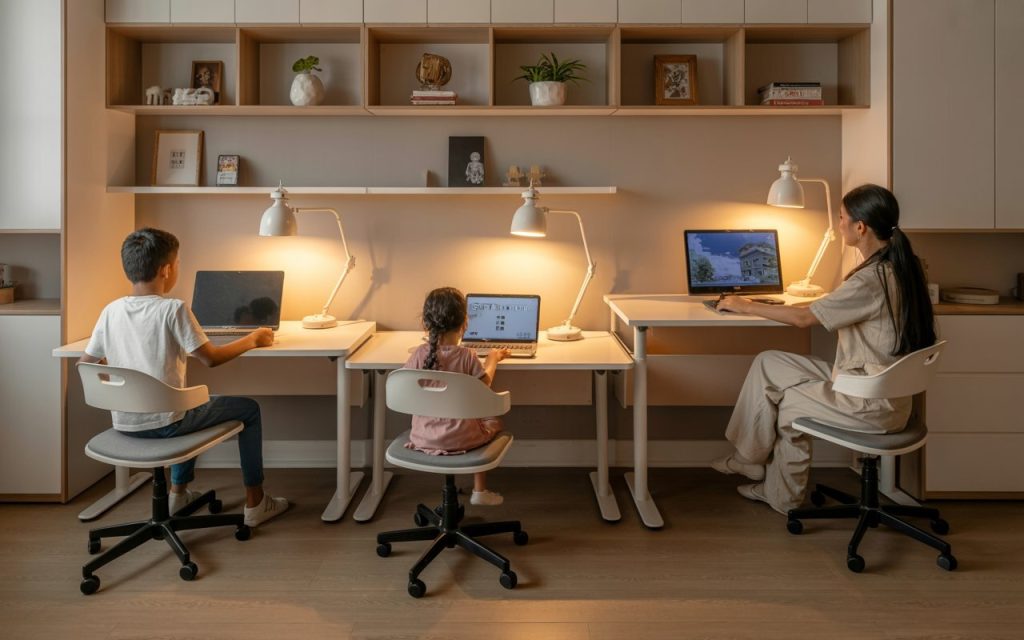
Height adjustable study tables accommodate children and adults side by side in one shared workspace.
A one-size-fits-all approach rarely works, especially in households with children.
Preschoolers: A low height study table (18 to 20 inches) is essential to ensure they can reach the surface without climbing.
School-age children: As children grow, their needs change rapidly. A height adjustable study table is highly recommended here, allowing the unit to “grow” with the child.
Adults: The standard 28 to 30-inch range applies, but personal height must be factored in. For very tall adults, custom units exceeding 30 inches may be necessary to prevent the need to hunch.
How to Measure the Correct Study Table Height
A height adjustable study table allows easy switching between sitting and standing for better health.
Determining the right fit is a simple process that requires only a measuring tape and a chair.
Sit on the preferred chair with feet flat on the floor and knees at a 90-degree angle.
Allow the arms to hang loosely at the sides.
Bend the elbows so the forearms are parallel to the floor.
Measure the distance from the floor to the bottom of the elbows.
Add an inch or two for the desk surface thickness.
This measurement provides the personalised study table height required for maximum ergonomic efficiency. This is a much more accurate method than relying solely on the study table height in inches listed on a product tag.
Adjustable Study Tables: The 2026 Trend
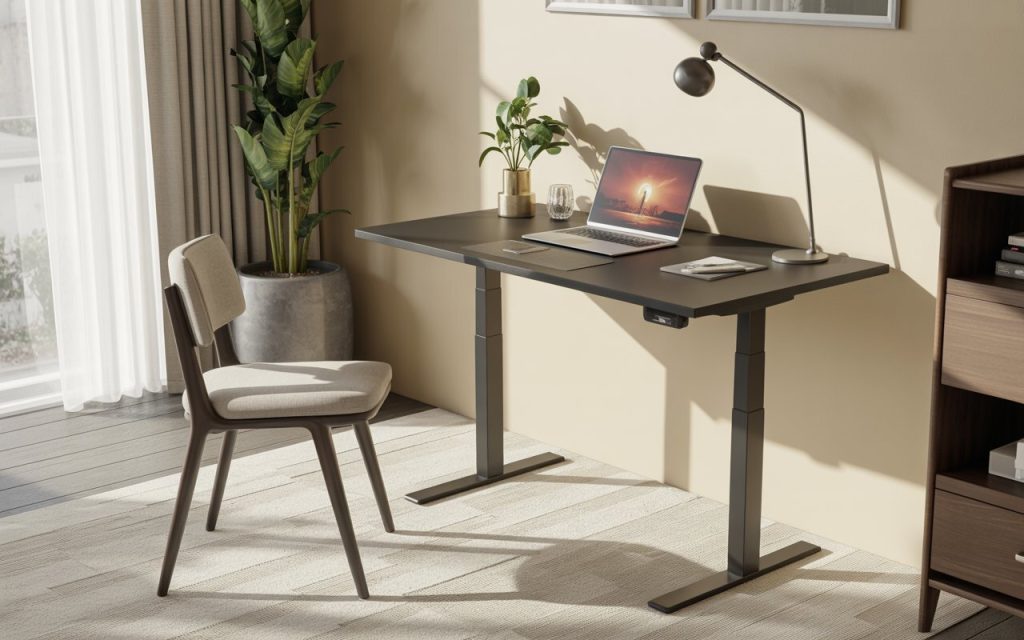
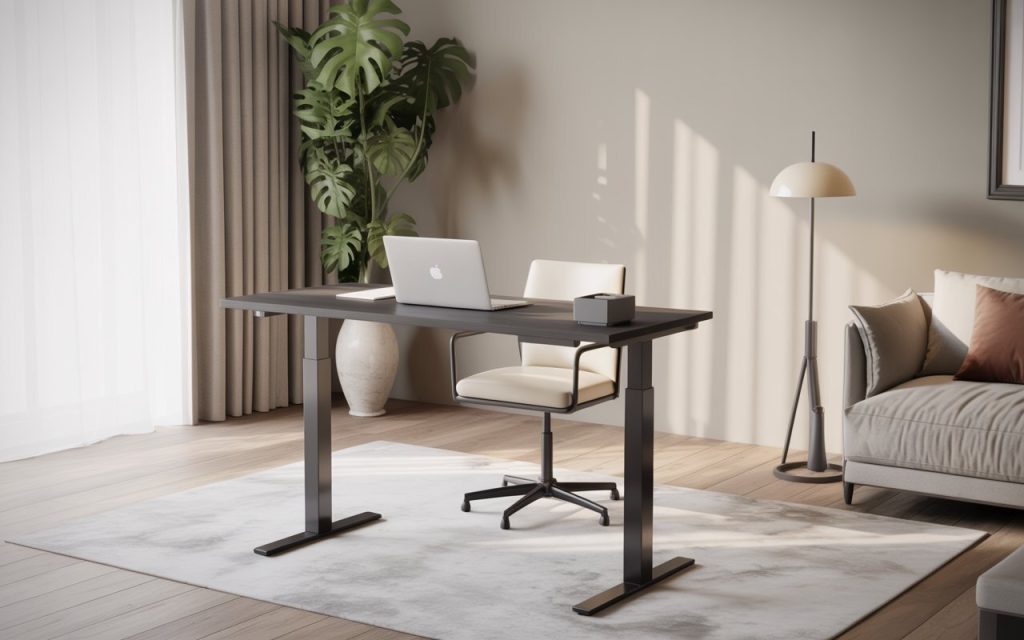
A sleek height adjustable study table blends seamlessly into a modern living room setting.
The modern interior design landscape for 2026 has shifted heavily toward flexibility. A study table height adjustable mechanism is now a standard requirement in many modern Indian homes. These tables allow users to transition between sitting and standing, which is excellent for blood circulation and metabolic health. A height adjustable study table for adults offers the freedom to customise the workspace instantly. Whether one is writing, typing on a laptop, or sketching, the ability to modify the study table height ensures that the posture remains supported regardless of the activity.
Matching Study Table and Chair Heights
A common error is buying a desk without considering the chair. The standard height of study table and chair must work in tandem. The distance between the seat of the chair and the underside of the table is known as the “thigh clearance”. Ideally, there should be about 10 to 12 inches of space. If this gap is too small, the legs will be cramped. If it is too large, the desk will feel too high, forcing the user to raise their chair to a point where their feet no longer touch the floor comfortably.
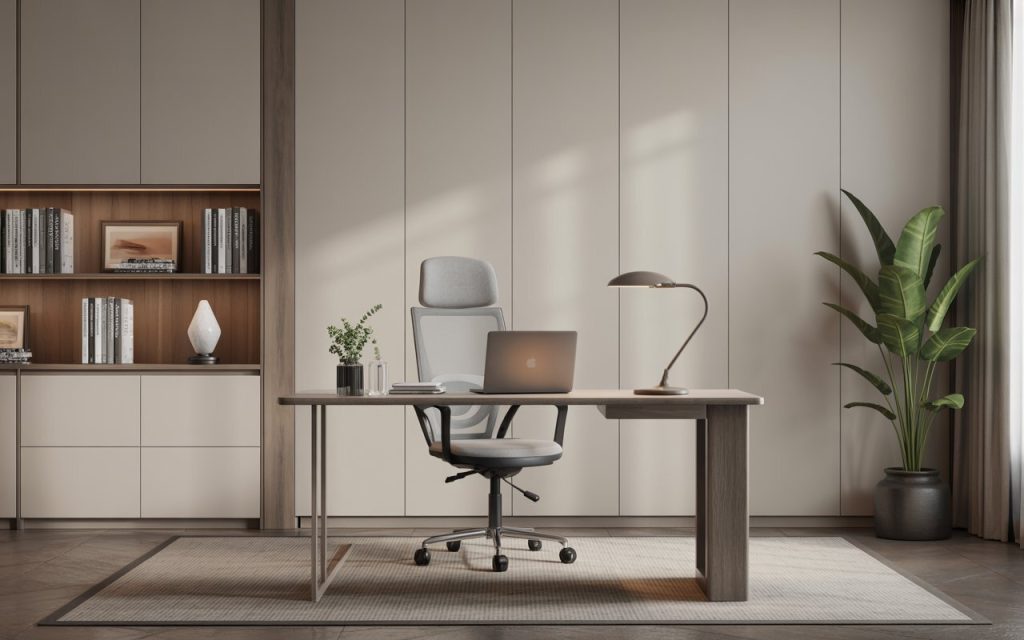
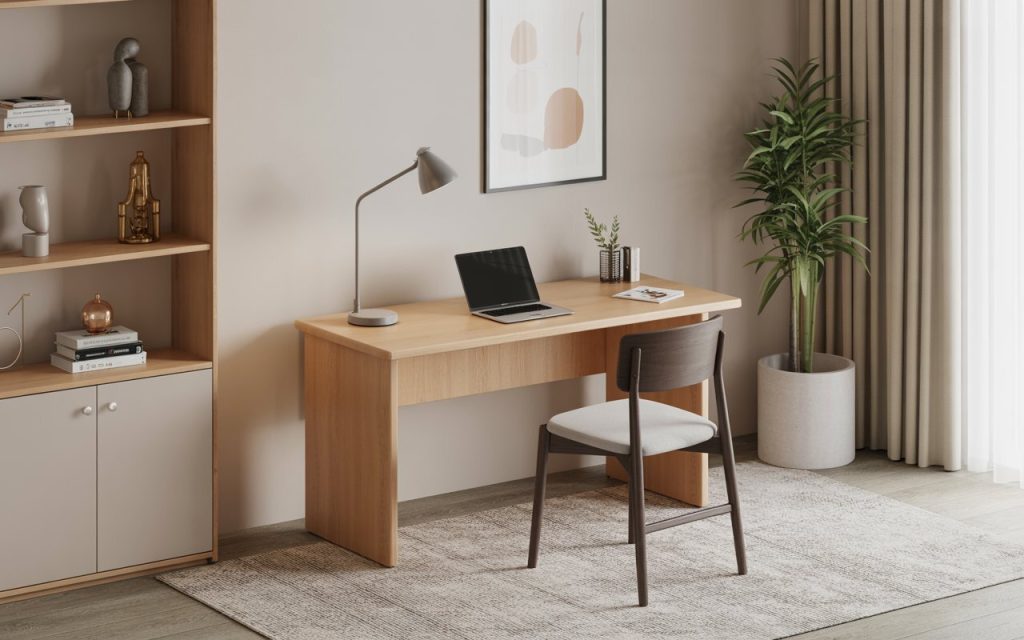
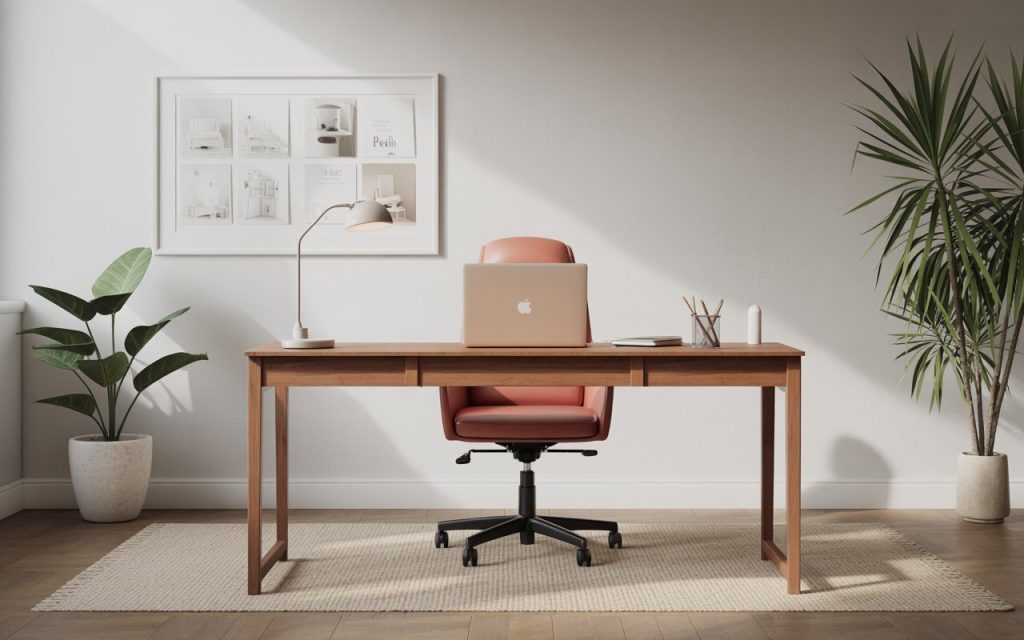
A standard wooden study table and ergonomic chair form a balanced, posture-supporting workstation.
Creating an ergonomic study or work corner is an investment in long-term health and daily performance. Whether one is selecting a fixed unit or a study table height adjustable model, the priority must always be to align the furniture with the user’s physical needs. By measuring correctly and understanding the principles of proper posture, it is possible to transform a simple work corner into a supportive sanctuary.
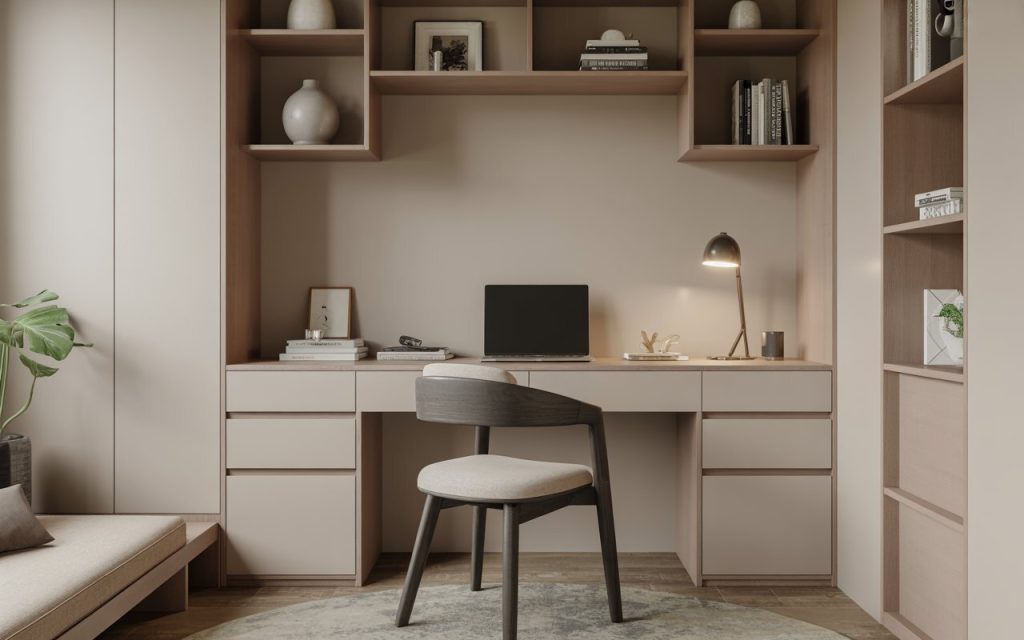
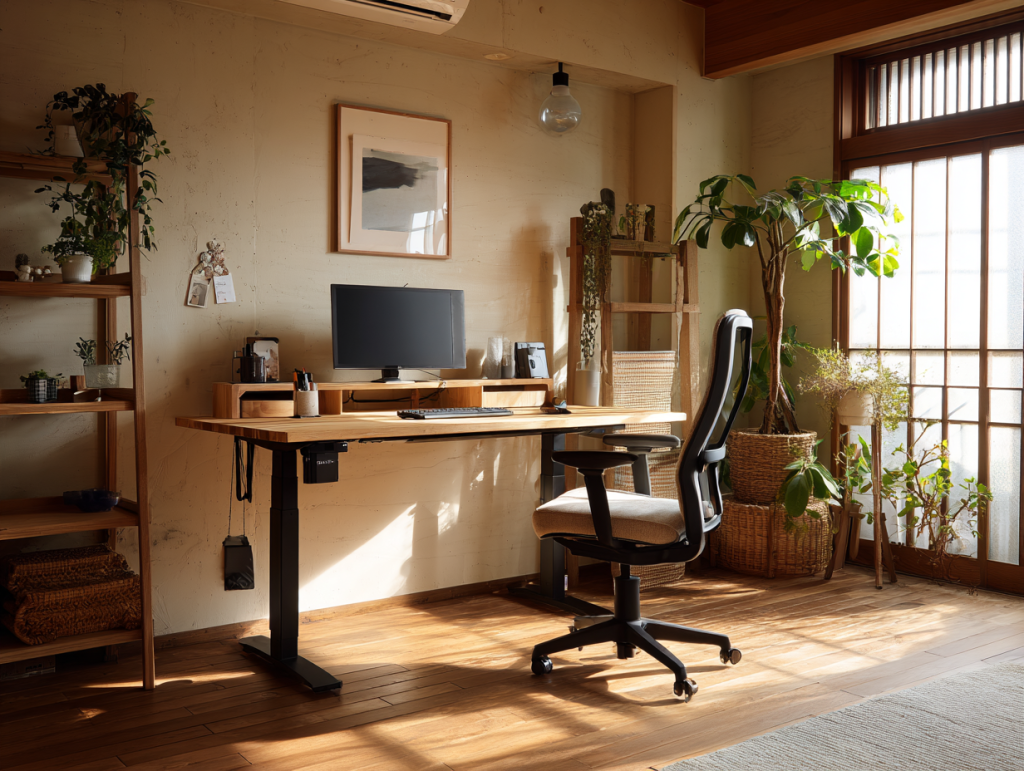
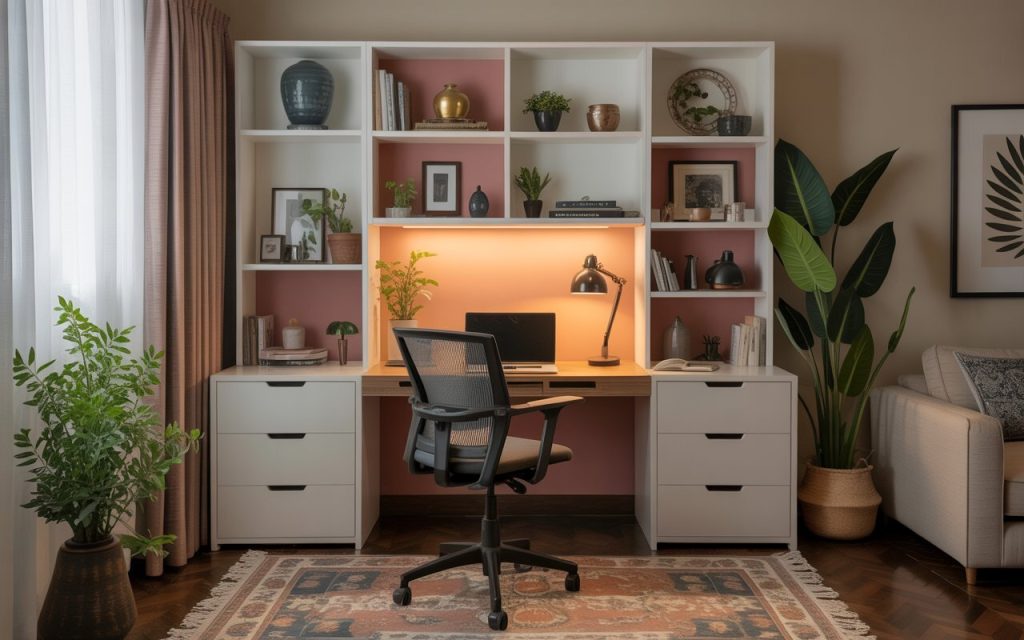
A study table with storage shelves at the right height creates a functional and stylish home office.
At HomeLane, expert designers help transform ordinary homes into extraordinary spaces through thoughtful planning, intelligent storage, and timeless design. By focusing on ergonomic accuracy and bespoke furniture solutions, it is possible to craft a study environment that is as comfortable as it is aesthetically pleasing.
FAQs
1. What is the standard study table height for adults?
The standard study table height for adults is generally between 28 and 30 inches (71 to 76 centimetres), designed to accommodate the average person’s seated posture and elbow height.
2. How do I choose the right table height for my child?
The best approach is to select a height adjustable study table. As the child grows, the table can be raised, ensuring they are always sitting in an ergonomically correct position without needing to hunch or sit on excessively high chairs.
3. Is a 30-inch table too high for studying?
A 30-inch table is on the higher end of the standard range. For individuals of average or below-average height, this may feel too high. If the elbows are not resting comfortably at a 90-degree angle, consider using a taller chair or a footrest to adjust the seated posture.
4. What is the ideal height difference between chair and table?
There should be a gap of approximately 10 to 12 inches between the seat of the chair and the underside of the table. This space provides adequate room for the thighs to fit comfortably while maintaining a healthy posture.






























 EXPLORE MORE