Ergonomic living spaces prioritise comfort and safety by arranging furniture and electronics for optimal posture and ease of use.
Key Insights:
What You'll Read Here:
- TVs should be placed at eye level, approximately 30-34 inches from the floor for comfortable viewing.
- Maintain at least 50cm of space between furniture items to ensure easy movement and navigation.
- Consider stress-less furniture with ample support and curved lines for enhanced comfort and body well-being.
HOMELANE EXPERT TIP By our design team
When designing for ergonomics, ensure ample space between furniture, at least 50cm, for effortless navigation and a less cluttered feel.
Homes are designed based on personal aesthetics, convenience and overall looks. Seldom is attention given to the functional aspect of furniture — what kind of seating is comfortable for the back and spine, how much at a distance appliances should be placed, how one must plan living room design and the layout, and more. As mundane as these may sound, they must not be ignored.
Ergonomics is the designing and arrangement of things so that they are easy to use and safe. Using furniture that isn’t ergonomic can have subtle, long-term detrimental effects on the body, spine and general health over a period of time. As a rule of thumb in decor, one must never sacrifice functionality for looks. here are the 7 Clever Tips for Ergonomically Design your living space:
1. Feet Support
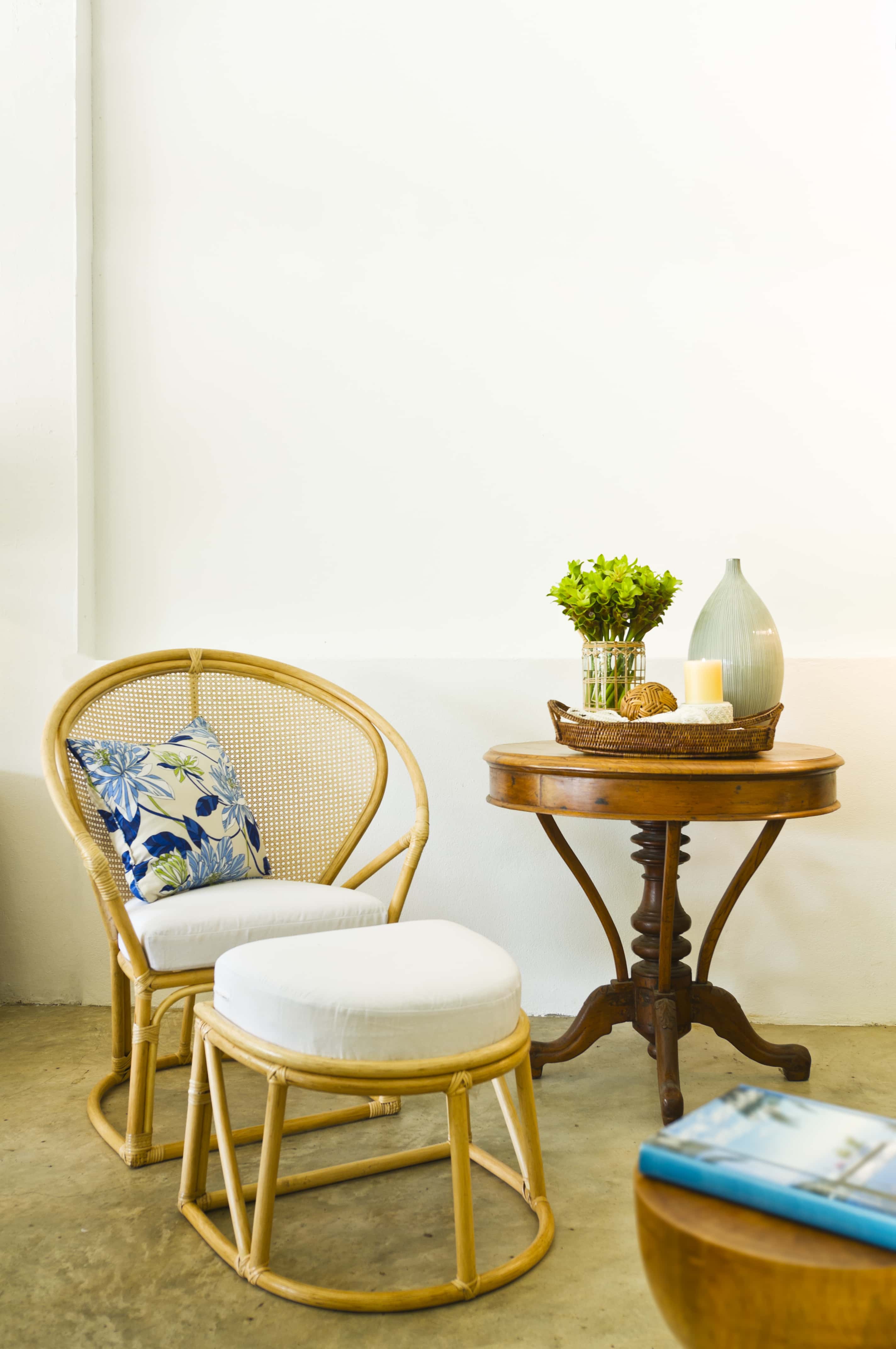
One of the tenets of good ergonomic design is support for the feet. Seating is very important and the lack of support to the legs results in dangling legs, stress on pressure points behind the knees and backs of the legs. Sitting forward to compensate for this, leaves the back unsupported, resulting in pain and encouraging slouching.
2. Random Placement of Gadgets
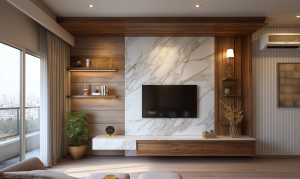
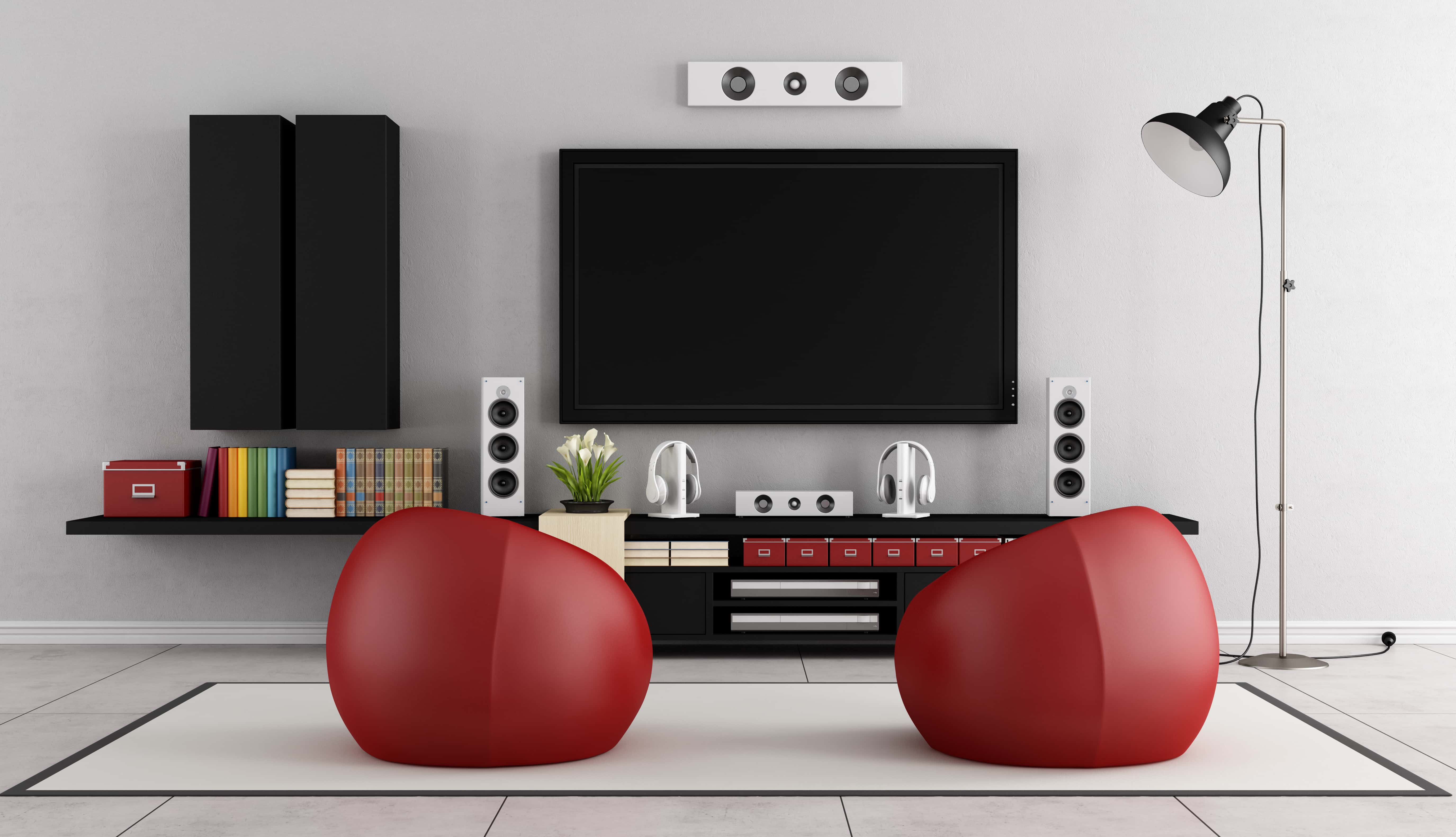
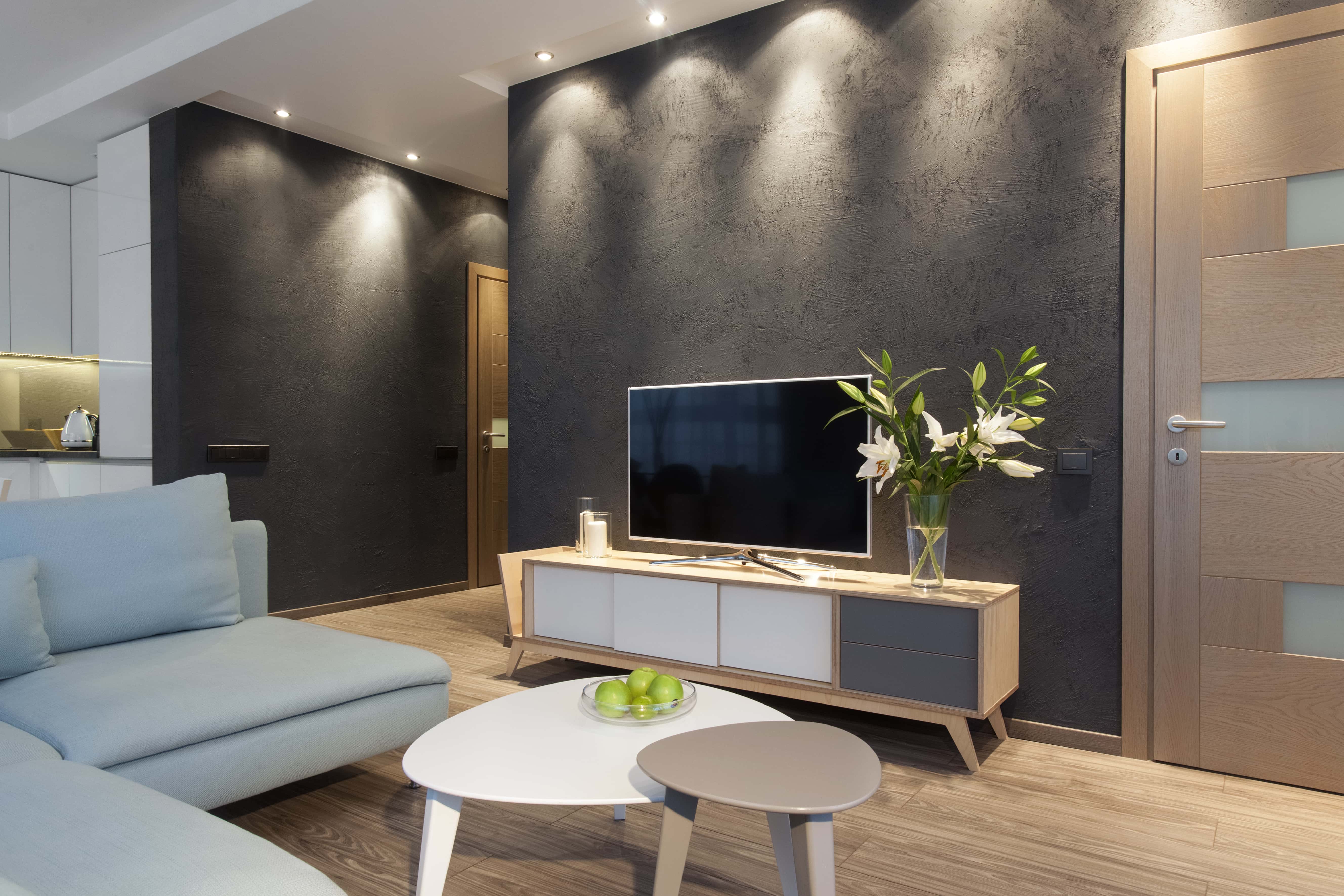
Gadgets in a living room are often placed at varying heights, without any thought to convenience and usage. TV’s and music systems must be placed at approximately 30-34″ above floor level. This is also dependent on the homeowner’s height. Watching TV at eye level while sitting, reduces strain on sight.
3. Undue Importance to Gadgets
Placing the TV on the wall with a sofa facing it instantly promotes the TV to the most important position in the room around which everything else revolves. TV’s are unattractive, but most importantly they distract attention and divert focus from other people. Gadgets must never occupy pride of place in the living room.

4. Customized Built-in Furniture
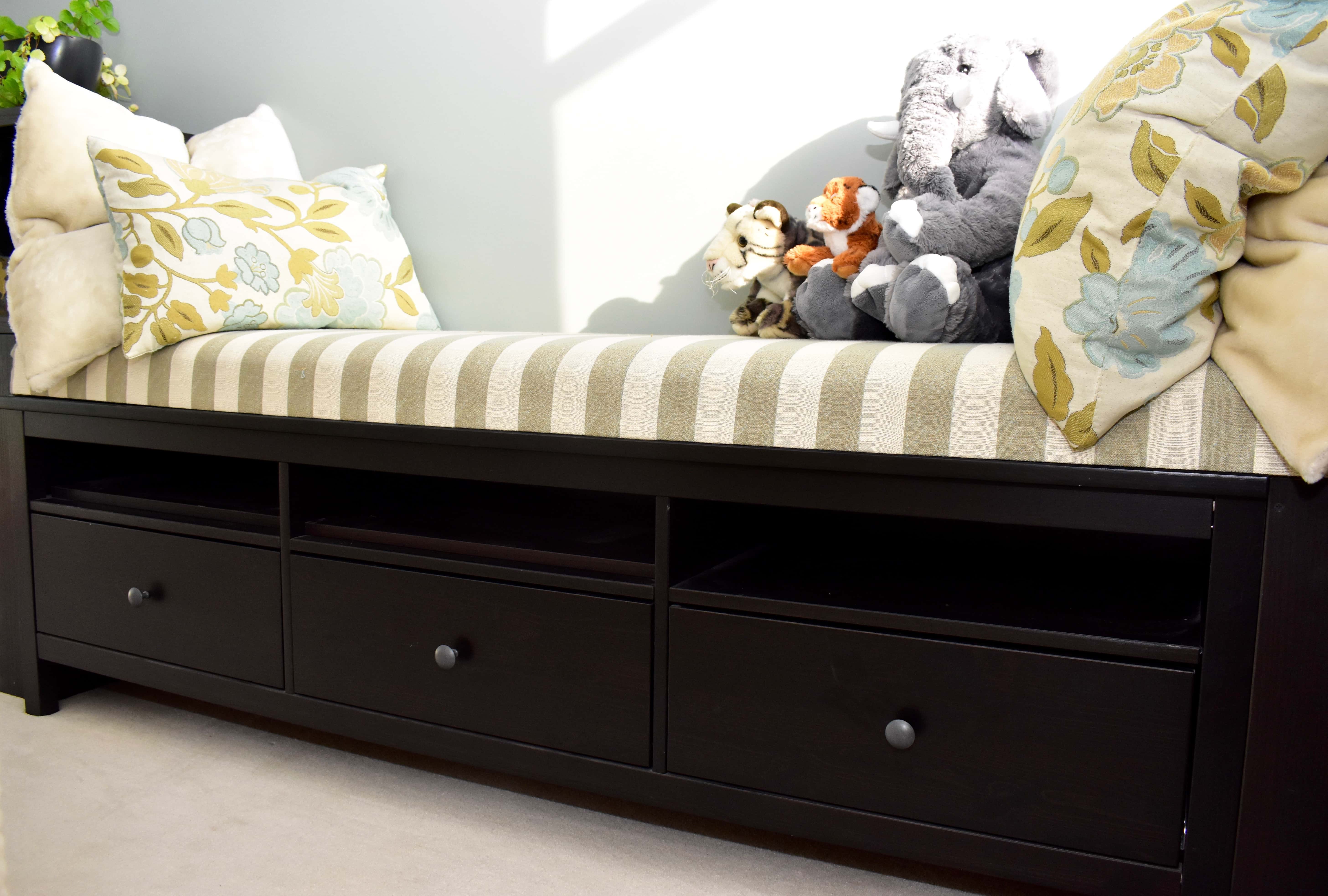
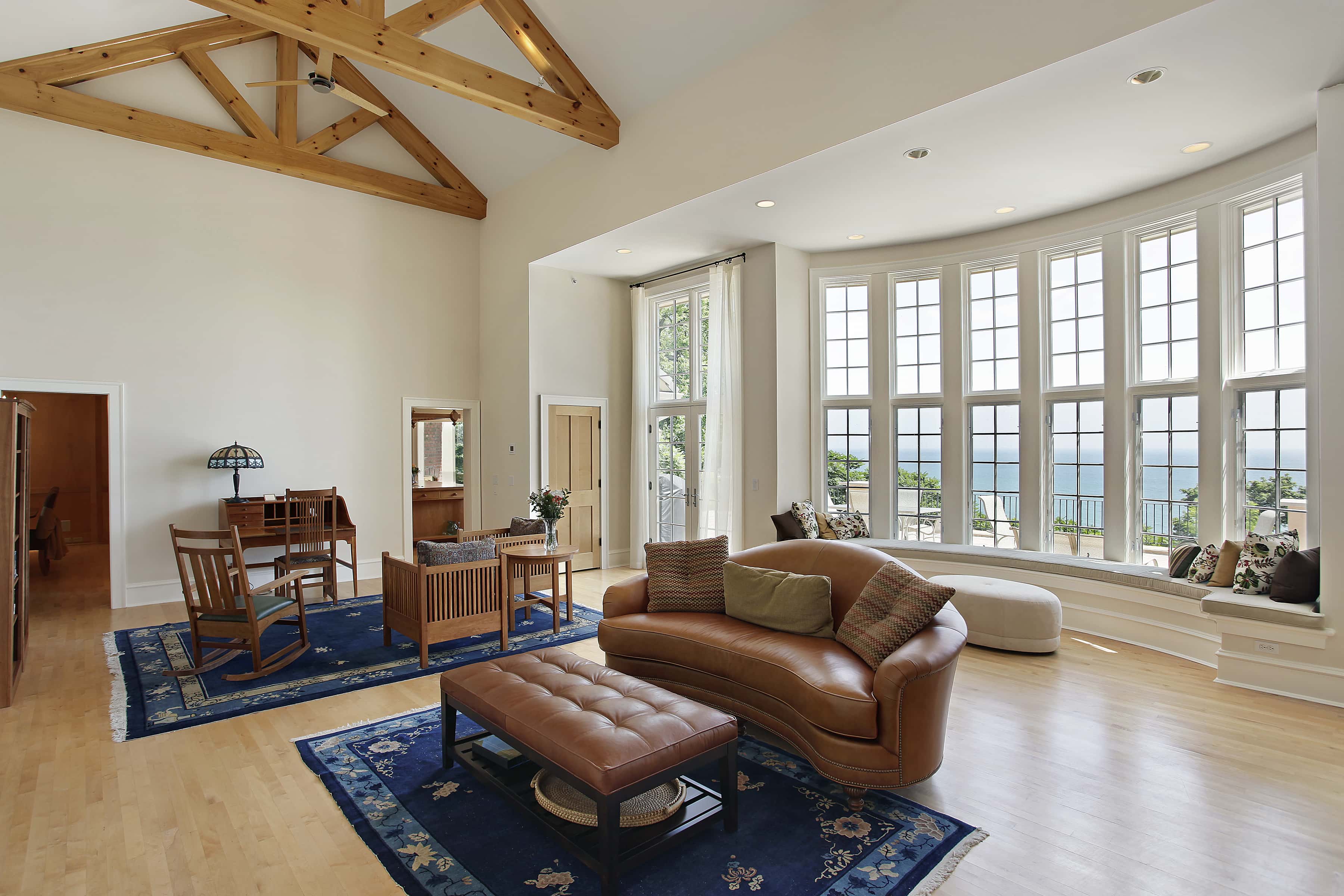
Customizing a long built-in bench or window prevents central clutter as well as creates window space that can be used for seating or storage. Placing all the furniture in the centre of the room is what we most often do, but can be stressful and space-occupying. Moulding the window seat and creating curved support (just like in the homes of old), ups the ergonomic quotient providing comfort to the back and spine.
5. Addition of Curved Lines
Adding curved lines are a clever way of introducing ergonomic design to the living room. Curved lines are soothing, and every element – from artwork to furniture – can be chosen to mimic the cocoon effects and cushioning of the body for maximum comfort.

6. Space Between Furniture
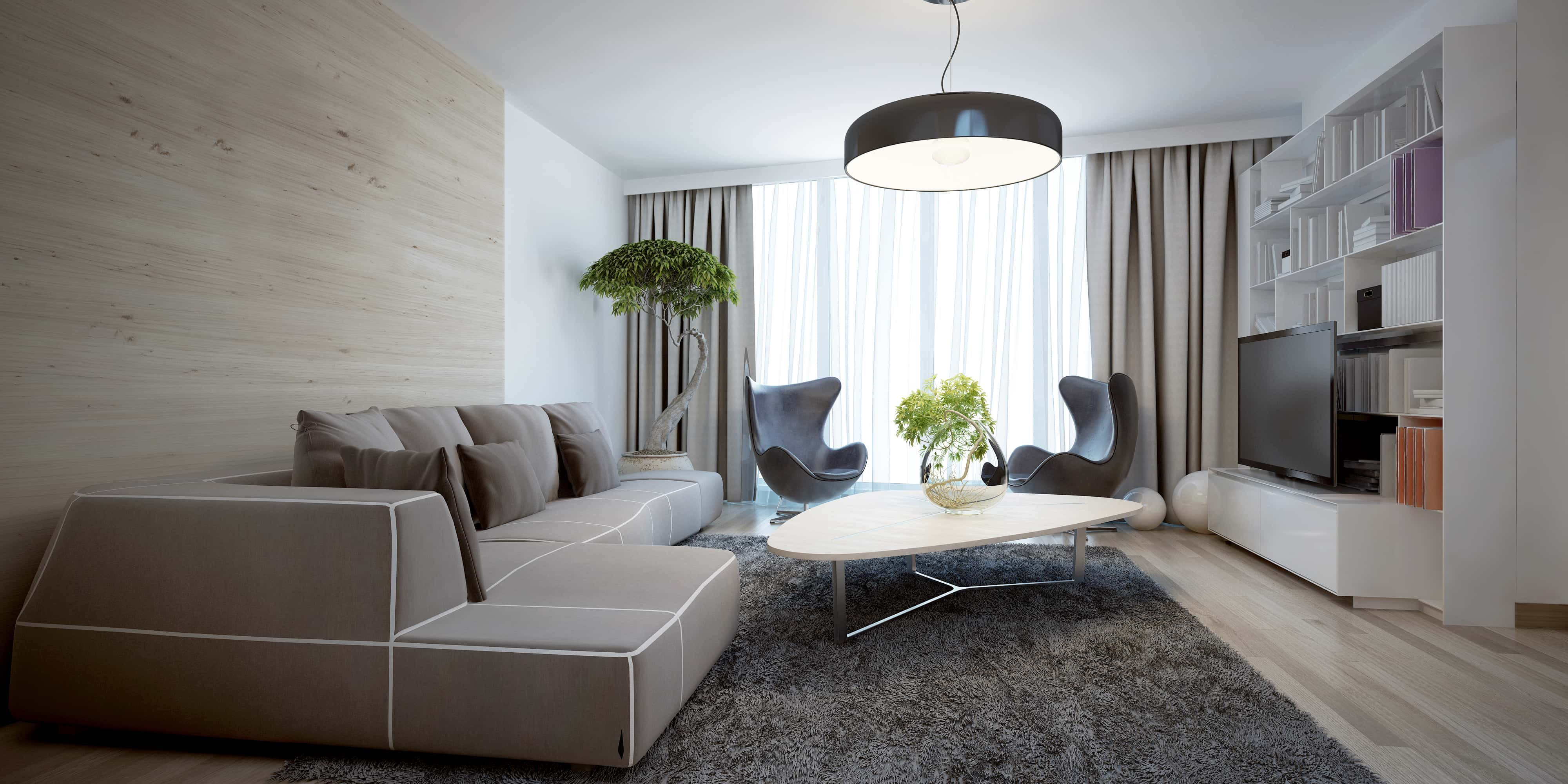
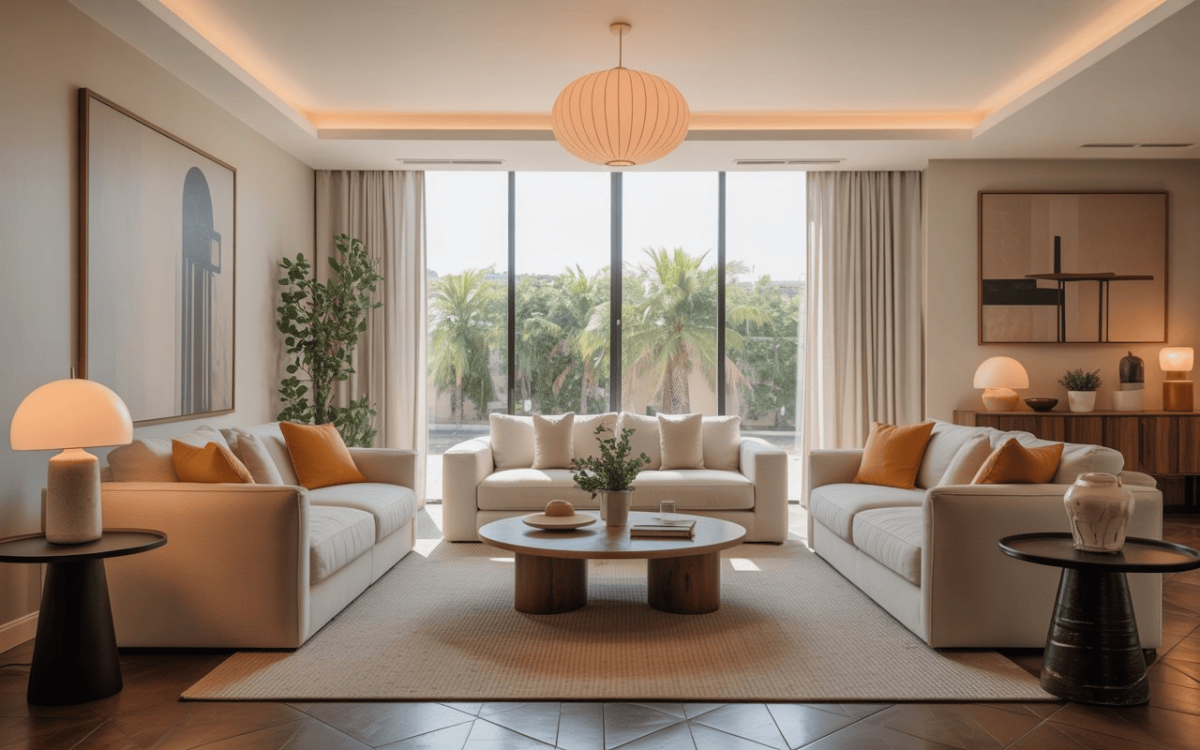
Ensure that there is ample space between different types of furniture. Maneuvering around the living space first happens mentally before the body makes its move. Leaving any less than 50cm space between different items of furniture becomes difficult in navigation and movement.
7. Stress-Less Furniture
Stress-less furniture is pieces where stylish designs and ergonomic forms meet. Recliners, cushioned sofas, L-shaped sofas, less sharp edges, more volume and extensive support provide comfort and take care of the body even after long hours of use. They lend aesthetics to the living space too.

Living rooms designed without aesthetic considerations of furniture and décor, tend to get stressful and chaotic over time. Often such furniture gets neglected, with people choosing other areas of the home to lounge around. While designing living rooms, it is essential to make ergonomics a central part of the design. Select your furniture carefully and you will find that your home can be as comfortable as you need it to be. Need help with your design? Talk to the experts at HomeLane today!
FAQs On Living Space
1. What is ergonomic design in a living space?
Ergonomic design in a living space focuses on arranging furniture and elements to ensure comfort, safety, and ease of use. It considers posture, movement, and accessibility, helping reduce strain on the body while making everyday activities like sitting, watching TV, or relaxing more comfortable and efficient.
2. Why is ergonomics important when designing a living space?
Ignoring ergonomics in a living space can lead to long-term health issues like back pain or poor posture. Thoughtful placement of furniture, proper seating support, and correct viewing angles ensure comfort and prevent strain, making your living area both functional and enjoyable over extended periods.
3. How should furniture be arranged in a comfortable living space?
Furniture in a living space should allow easy movement and clear pathways, ideally with at least 50 cm of space between pieces. Avoid overcrowding and place seating at comfortable distances from screens or tables to promote better posture and a relaxed, clutter-free environment.
4. What is the ideal TV placement in a living space?
For an ergonomic living space, the TV should be placed at eye level when seated, typically around 30–34 inches from the floor. This reduces strain on the neck and eyes, ensuring a more comfortable viewing experience during extended screen time.
5. What are some easy ways to make a living space more ergonomic?
Simple changes like adding footrests, choosing curved furniture, and ensuring proper spacing can make a living space more ergonomic. Avoid sharp edges, use supportive seating, and arrange gadgets at accessible heights to create a comfortable and user-friendly environment.















 EXPLORE MORE