The Ultimate Comparison: Plywood vs Solid Wood Beds for Modern Homes
By Bivin Peter- May 28, 2026
AI Summary
3 key insights · 1 expert tip
Choosing between plywood and solid wood beds involves balancing longevity and a rich aesthetic against cost-effectiveness and dimensional stability for modern homes.
Key Insights:
What You'll Read Here:
Solid wood beds offer unparalleled longevity, while plywood provides a more budget-friendly, stable alternative.
Plywood resists warping in humid climates, but solid wood is generally more durable for long-term use.
Solid wood is heavier and more portable than lighter plywood options, fitting different user needs.
HOMELANE EXPERT TIPBy our design team
When selecting plywood, check for low-formaldehyde emission certifications, and ensure solid wood has 10-12% moisture content for humid Indian climates.
Summary:
Choosing between plywood vs solid wood beds is a foundational decision when outfitting a master bedroom. While solid wood offers unparalleled longevity, rich grain patterns, and structural integrity, plywood provides a cost-effective, dimensionally stable alternative that resists warping. Modern homeowners must weigh factors like climate, budget, and design flexibility—whether seeking a solid wood king size bed for a traditional aesthetic or a stylish plywood bed design for contemporary minimalism. Understanding the specific benefits and limitations of these materials ensures the chosen piece stands the test of time while fitting seamlessly into the room’s interior theme. This guide compares both materials to help residents make an informed, long-term investment in their sleep space.
Best For:
Modern Indian homeowners and interior design enthusiasts deciding between long-term durability and budget-conscious flexibility for bedroom furniture.
Expert Tip:
HomeLane designers recommend checking for certification marks (such as E1 or E2 for low-formaldehyde emissions) when buying plywood beds, and ensuring the moisture content of solid wood is between 10-12% to prevent warping or termite issues in humid Indian climates.
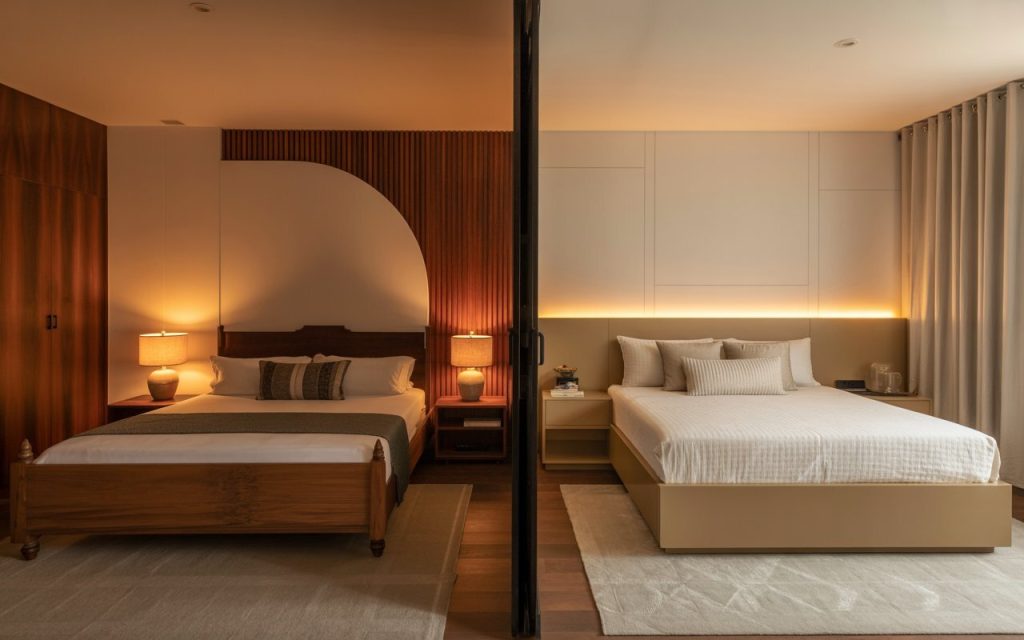
A split-view comparison of a warm solid wood bed and a sleek modern plywood bed design.
Does the bed frame feel like a temporary fix or a lifetime investment? The centrepiece of any bedroom is undoubtedly the bed, and the material selected for its construction defines not only the aesthetic of the space but also the quality of rest one receives. For years, the debate surrounding plywood vs solid wood beds has been central to furniture shopping. Is a natural timber frame always superior to an engineered board? Or does the modern manufacturing of plywood offer advantages that traditional wood cannot match?
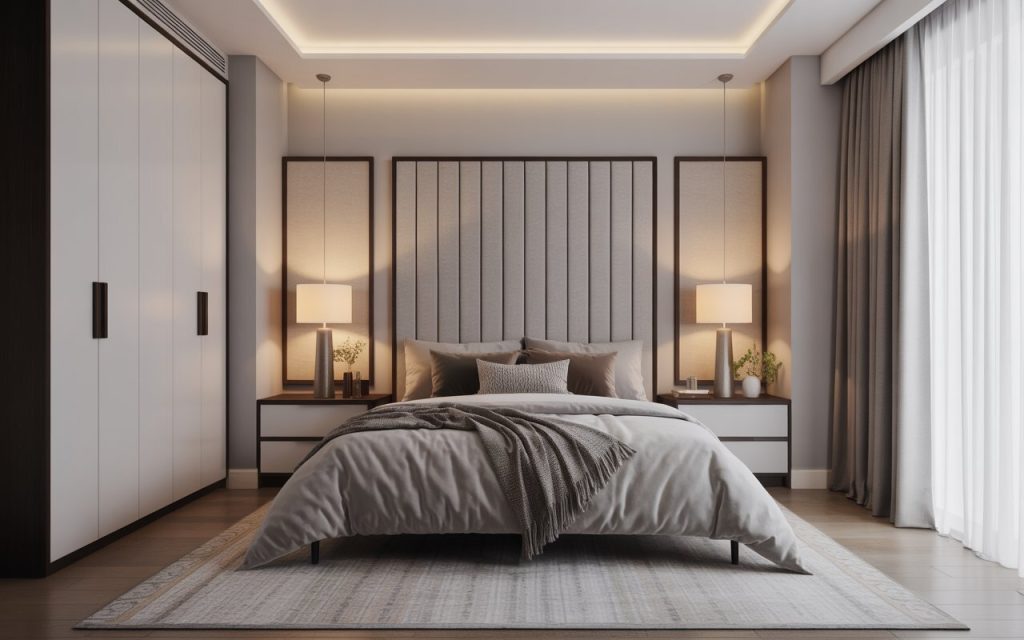
A contemporary plywood bed design with a tall upholstered headboard suits a modern Indian bedroom.
Navigating the options requires an understanding of how each material behaves in the Indian climate. Factors such as humidity, budget, and desired style play critical roles. Whether one is eyeing a robust solid wood single bed for a guest room or a sleek, stylish plywood bed design for a modern apartment, the decision impacts everything from room maintenance to overall interior comfort. This analysis explores the nuances of these materials to simplify the selection process.
Material Composition and Construction Differences
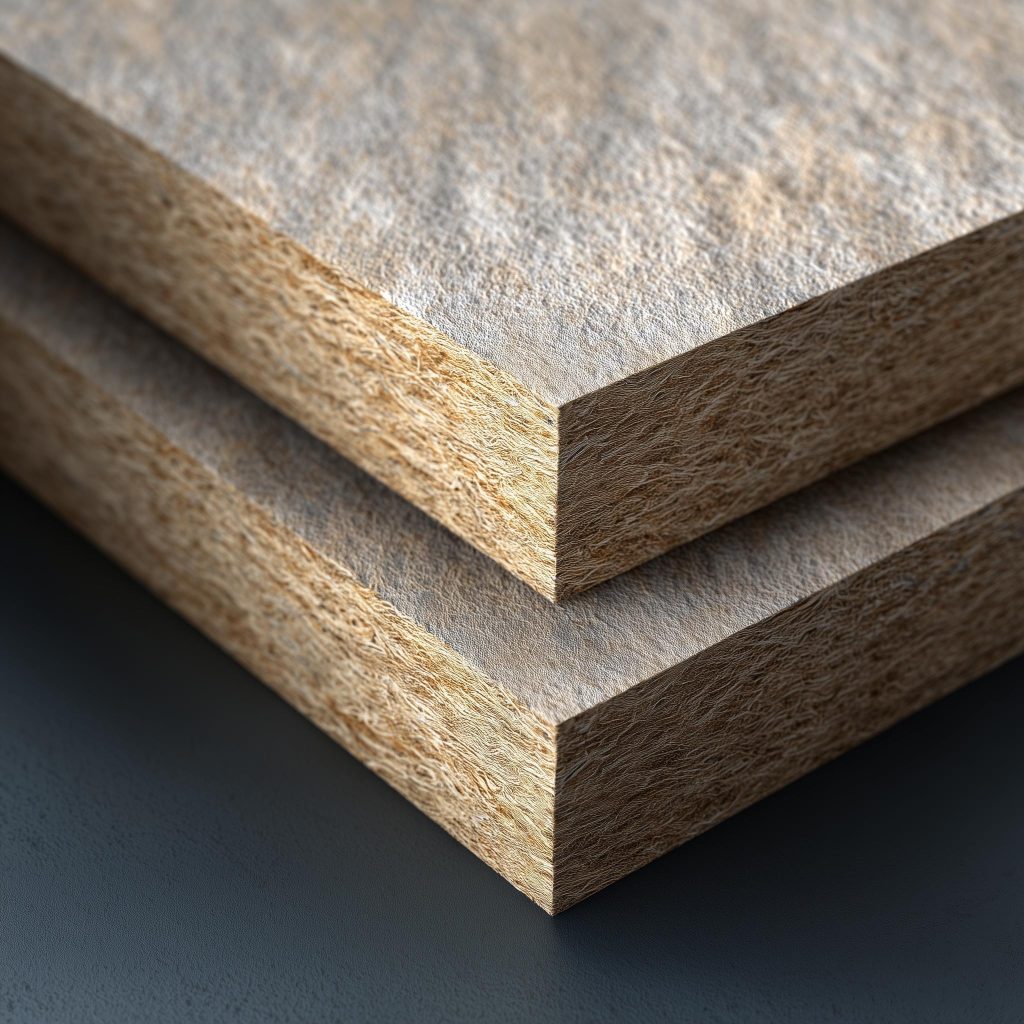
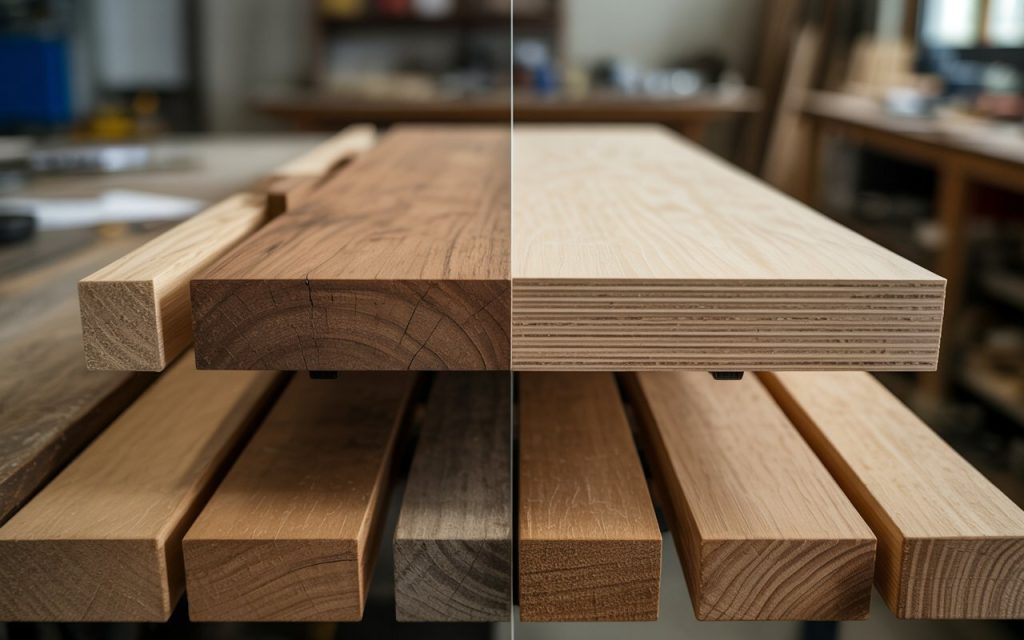
A close-up of solid timber planks beside plywood layers highlights their structural differences clearly.
The fundamental difference when evaluating plywood vs solid wood beds lies in their origin and construction. A solid wood bed is crafted from timber harvested directly from trees. Whether it is teak, rosewood, or mango wood, the material remains in its natural state, simply cut and treated to fit the design. Because it is a natural product, each solid wood bed design showcases unique grains, knots, and colour variations.
In contrast, plywood is an engineered material. It is created by bonding multiple thin layers—or veneers—of wood together with high-strength adhesives. This cross-graining technique gives the board exceptional stability. Plywood is often finished with decorative laminates, making it a popular choice for a plywood sunmica bed, where the outer layer provides the visual appeal while the core provides the structure.
Durability and Longevity Comparison
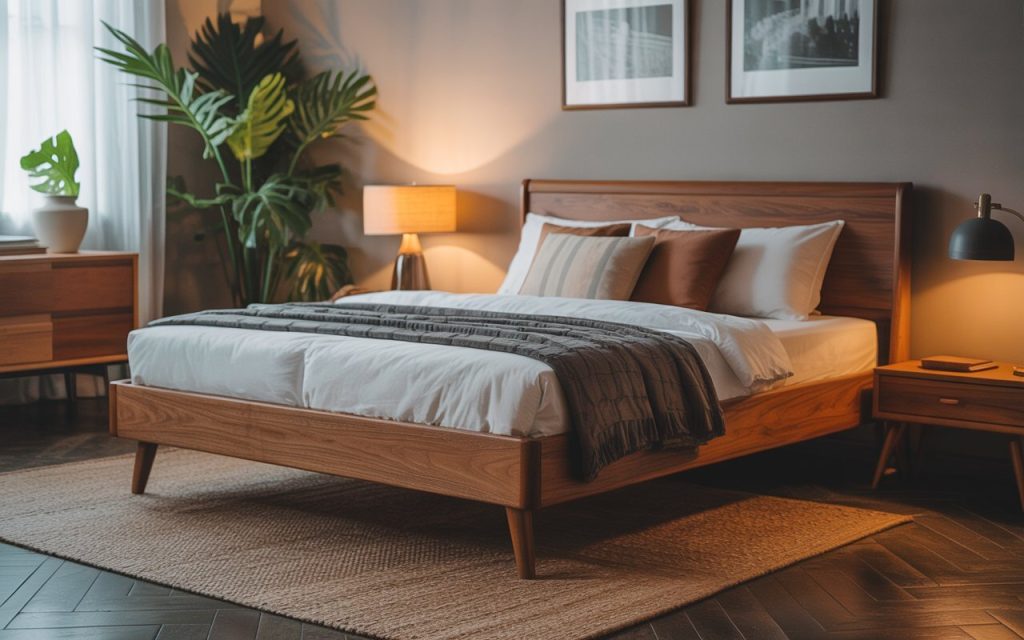
A solid wood queen size bed with tapered legs brings warmth and durability to a modern bedroom.
Durability is often the deciding factor in the plywood vs solid wood beds comparison. Solid wood is synonymous with longevity. A high-quality solid wood queen size bed can last for decades, often becoming a family heirloom. It handles weight and stress effectively. However, natural wood is susceptible to environmental changes; it can expand and contract with fluctuations in temperature and humidity, which might lead to cracks or slight warping if not seasoned correctly.
Plywood, due to its layered construction, is more resistant to shrinking and warping. It offers superior dimensional stability in humid climates. However, the lifespan of a plywood bed depends heavily on the quality of the adhesive used and the thickness of the board. While a well-made plywood bed can serve a household for a long time, it typically lacks the “indestructible” nature of high-end timber.
Cost Analysis and Budget Considerations
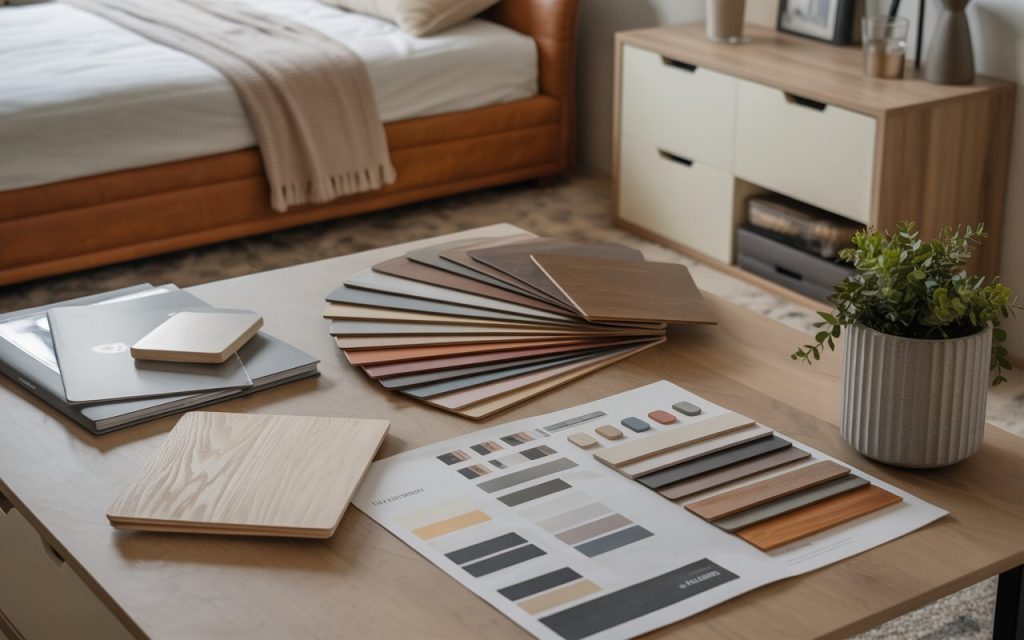
Wood laminate swatches laid out for a plywood bed design help homeowners plan within budget.
Budgeting is an essential part of home improvement. Generally, a solid wood king size bed carries a premium price tag. The cost reflects the scarcity of high-quality lumber, the labour-intensive process of crafting the furniture, and the inherent value of natural materials.
On the other hand, a plywood bed is significantly more wallet-friendly. The manufacturing process allows for efficient use of wood resources, driving down production costs. For homeowners seeking a high-end look on a budget, plywood is an excellent solution. One can achieve a sophisticated aesthetic without the premium price of solid timber. When weighing plywood vs solid wood beds, the budget often dictates whether one opts for the luxurious feel of timber or the cost-effective flexibility of engineered boards.
Weight and Portability Considerations
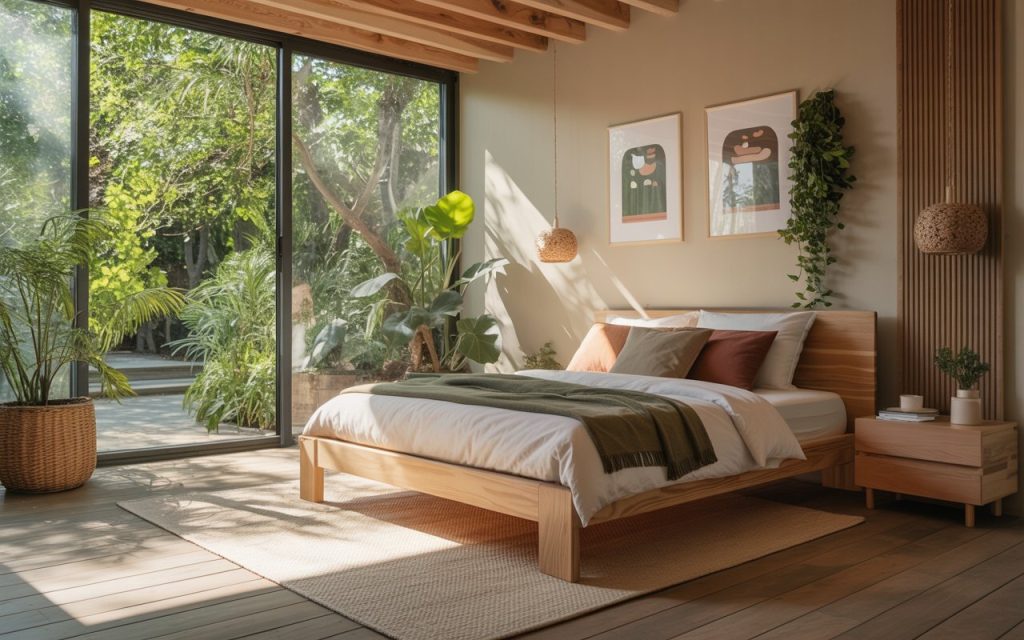
A light solid wood bed frame in a nature-filled bedroom highlights portability and organic warmth.
The weight of the material influences how easily one can move furniture. Solid wood is heavy, making a solid wood bed queen size difficult to shift during deep cleaning or room redecorations. Its density is its strength, but it is also a logistical challenge during house moves.
Plywood is considerably lighter. This makes it a practical choice for those who frequently rearrange their living spaces. Furthermore, if one needs a space-saving solution, a folding bed with plywood is a common innovation in modern urban homes, offering functionality that would be impossible to achieve with the heavy density of solid timber.
Environmental Impact and Sustainability
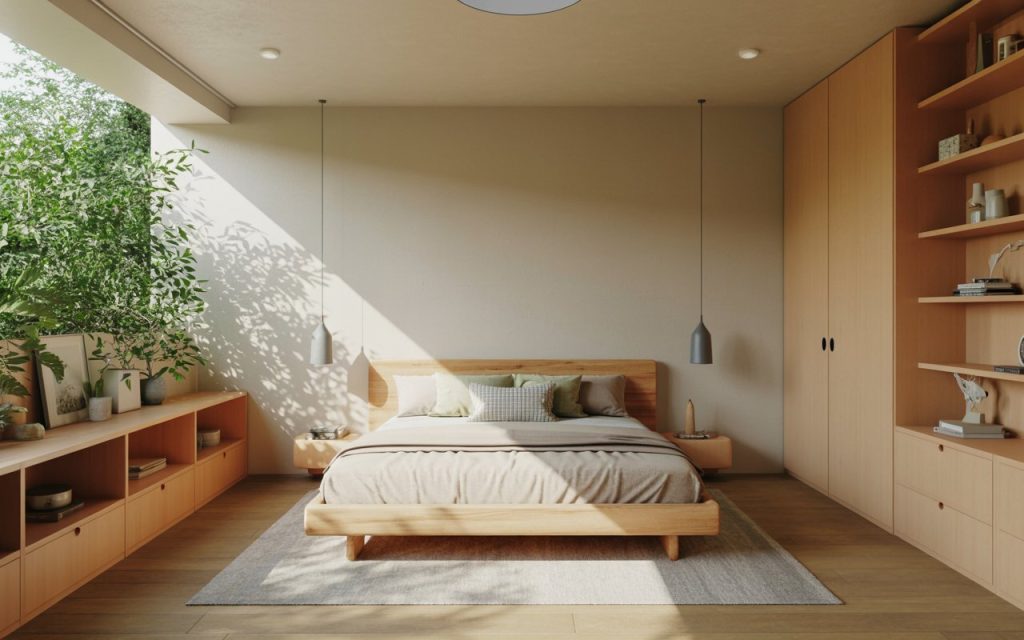
A low-profile plywood bed with built-in shelving creates a clean, eco-conscious minimalist bedroom.
Sustainability is increasingly important for modern buyers. Solid wood is a natural, renewable resource, provided it is sourced from certified, sustainably managed forests. It is biodegradable and has a lower carbon footprint in terms of chemical processing.
Plywood requires adhesives and resins, which can contain formaldehyde or other chemicals. While many manufacturers now offer low-VOC (volatile organic compound) options, it remains a processed material. When debating plywood vs solid wood beds, eco-conscious buyers often lean towards solid wood, ensuring they verify the source and certification of the timber.
Suitability for Different User Needs
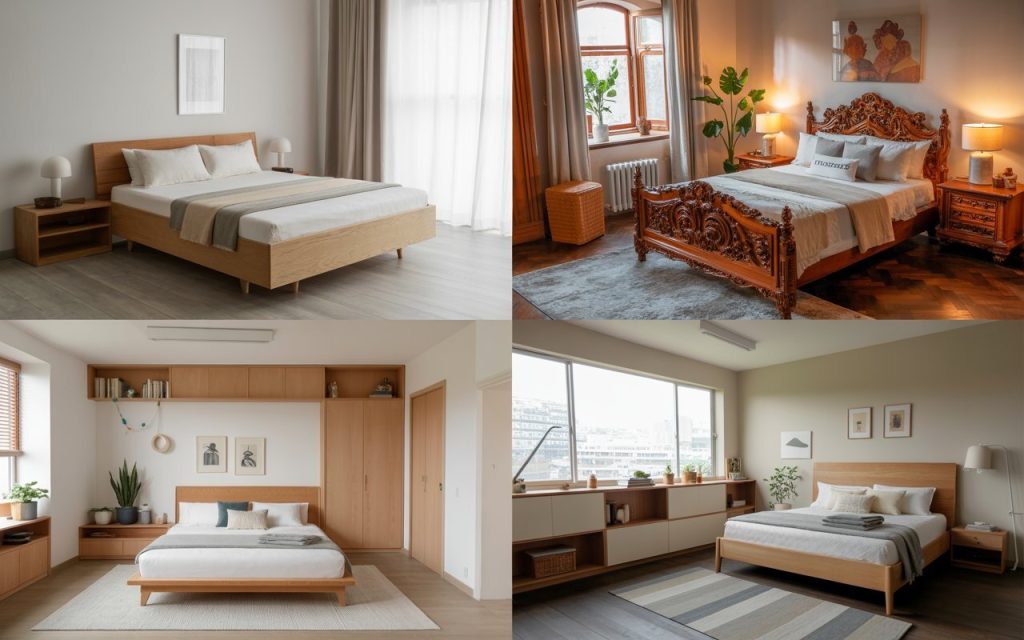
Four bedroom styles showcase how plywood and solid wood beds suit different lifestyles and budgets.
Ultimately, the right choice depends on the specific user.
For Minimalists: A stylish plywood bed design offers the clean, flat surfaces required for modern, minimalist bedrooms.
For Traditionalists: The rich, characterful look of a solid wood bed remains the top choice for those who appreciate classic craftsmanship.
For Growing Families: A durable solid wood storage bed can withstand the rough and tumble of children, whereas a plywood alternative might need replacing sooner.
For Compact Apartments: A plywood bed provides the lightness and modularity needed for smaller footprints.
The comparison of plywood vs solid wood beds does not yield a single “winner”; instead, it highlights that the better choice is the one that aligns with lifestyle, budget, and long-term interior goals.
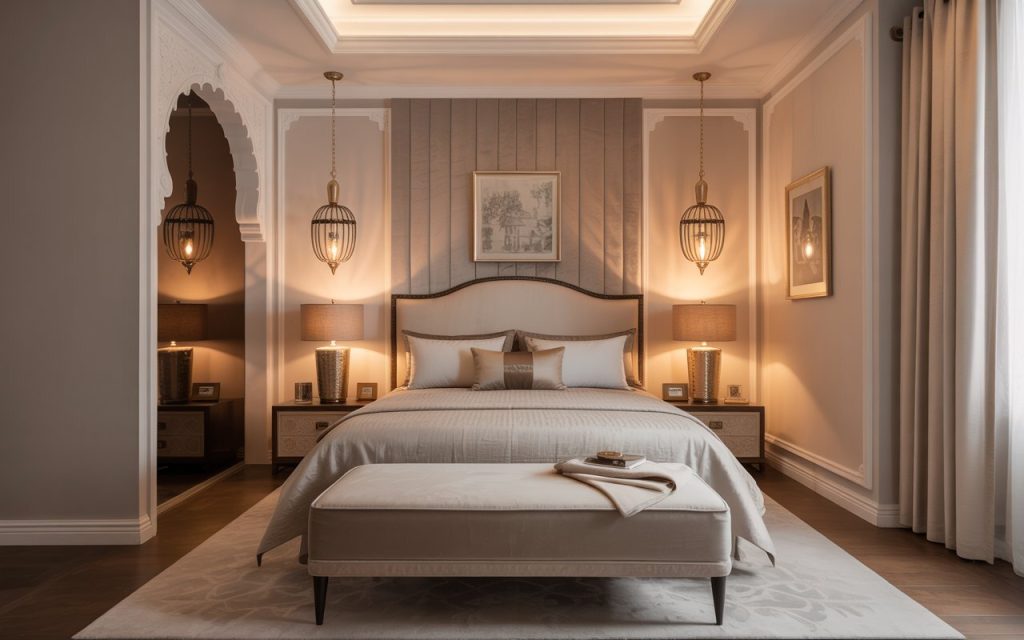
An ornate solid wood king size bed with warm pendant lighting anchors a traditionally styled bedroom.
Selecting the perfect bed involves balancing desires against reality. Whether the choice leans towards the robust, timeless character of timber or the sleek, affordable flexibility of engineered materials, the focus should remain on quality construction. A well-constructed bed is the foundation of a comfortable home.
At HomeLane, expert designers help transform ordinary homes into extraordinary spaces through thoughtful planning, intelligent storage, and timeless design.
FAQs
1. Are solid wood beds more durable than plywood?
Yes, generally speaking, solid wood is more durable and resistant to long-term wear and tear, allowing it to last for generations. Plywood is stable, but its lifespan is shorter, particularly if the surface laminate or edge banding is compromised.
2. Which is more affordable, plywood or solid wood?
Plywood is significantly more affordable. It allows for a stylish look at a fraction of the cost of high-quality solid timber, making it ideal for budget-conscious renovations or modern, modular furniture designs.
3. Can plywood beds match the look of solid wood?
Yes, through the use of high-quality wood veneers, plywood beds can effectively mimic the look of solid timber. While they lack the depth and natural grain variation of real wood, modern laminates are highly convincing.
4. Is solid wood heavier than plywood?
Yes, solid wood is significantly denser and heavier than plywood. This makes solid wood beds sturdy and stable but less portable, whereas plywood beds are lighter and easier to move or incorporate into modular, folding, or space-saving furniture designs.
















 EXPLORE MORE