Mosaic Flooring vs Tiles: Which Is Better for Modern Homes?
By Usha Balasubramanyan- May 14, 2026
AI Summary
3 key insights · 1 expert tip
Choosing between mosaic and tile flooring involves considering their unique composition, installation, durability, and maintenance needs for your home.
Key Insights:
What You'll Read Here:
Mosaic flooring costs INR 80-200 per sq ft, with polishing adding INR 30-80 per sq ft.
Tiles range from INR 50-300+ per sq ft, offering factory-finished surfaces.
Mosaic offers a seamless, handcrafted look, while tiles provide uniformity and easier maintenance.
HOMELANE EXPERT TIPBy our design team
Prioritise functional needs like water resistance and stain resistance for kitchens and bathrooms, opting for tiles, and reserve mosaic for living spaces where its unique aesthetic can shine.
Summary
Choosing between mosaic flooring and tiles is not just about looks. It affects durability, maintenance, and how your home feels over time. Both options have been widely used in Indian homes, but they serve different needs. Understanding the differences helps you pick what truly works for your space.
Best for
All homeowners who are renovating or building a new home. Especially useful if you are comparing traditional and modern flooring options.
Expert tip
Do not decide based only on appearance. Think about maintenance, long-term use, and where the flooring will be installed.
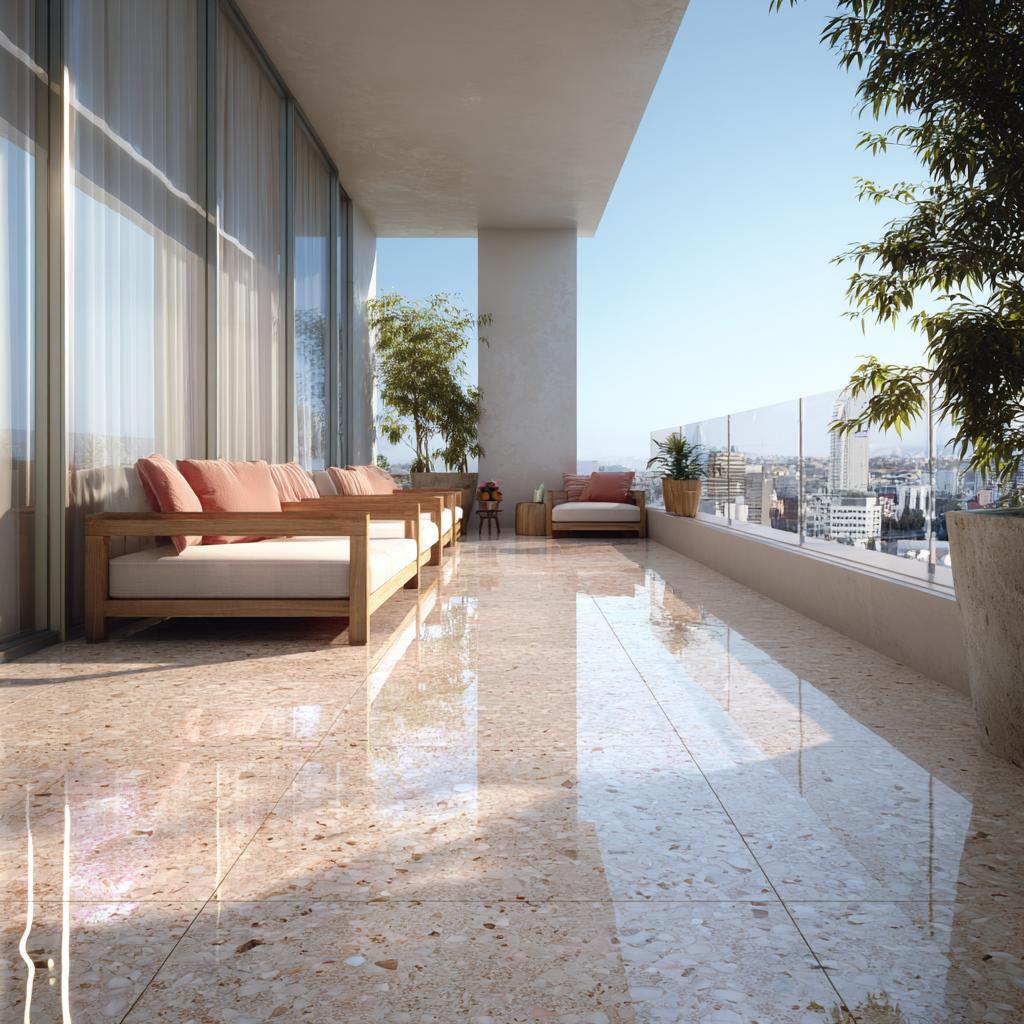
A polished stone terrace floor highlights the smooth, durable finish of mosaic flooring vs tiles.
Flooring decisions tend to feel simple at first. Then you start looking, and you find there are so many options to choose from. You also realise just how much they influence the way your home looks and functions.
Between mosaic flooring and tiles, the choice often comes down to more than just style. It affects maintenance, durability, and even how the space feels underfoot over time. Both options have been widely used in Indian homes, but they behave very differently once installed. Understanding those differences early helps you avoid choices that look good initially but don’t hold up the way you expect.
Defining Mosaic and Tile Flooring
A colourful terrazzo-style cement mosaic floor brings handcrafted character to a modern home.
Mosaic flooring is made by combining small chips of marble, stone, or glass set in cement. This includes options like cement mosaic flooring, china mosaic flooring, and even marble mosaic floor designs. Tiles, on the other hand, are pre-made units like ceramic, vitrified, or porcelain tiles that are installed piece by piece.
Mosaic floors are typically finished with polishing after installation. This is where mosaic floor polishing becomes important to achieve a smooth, glossy finish.
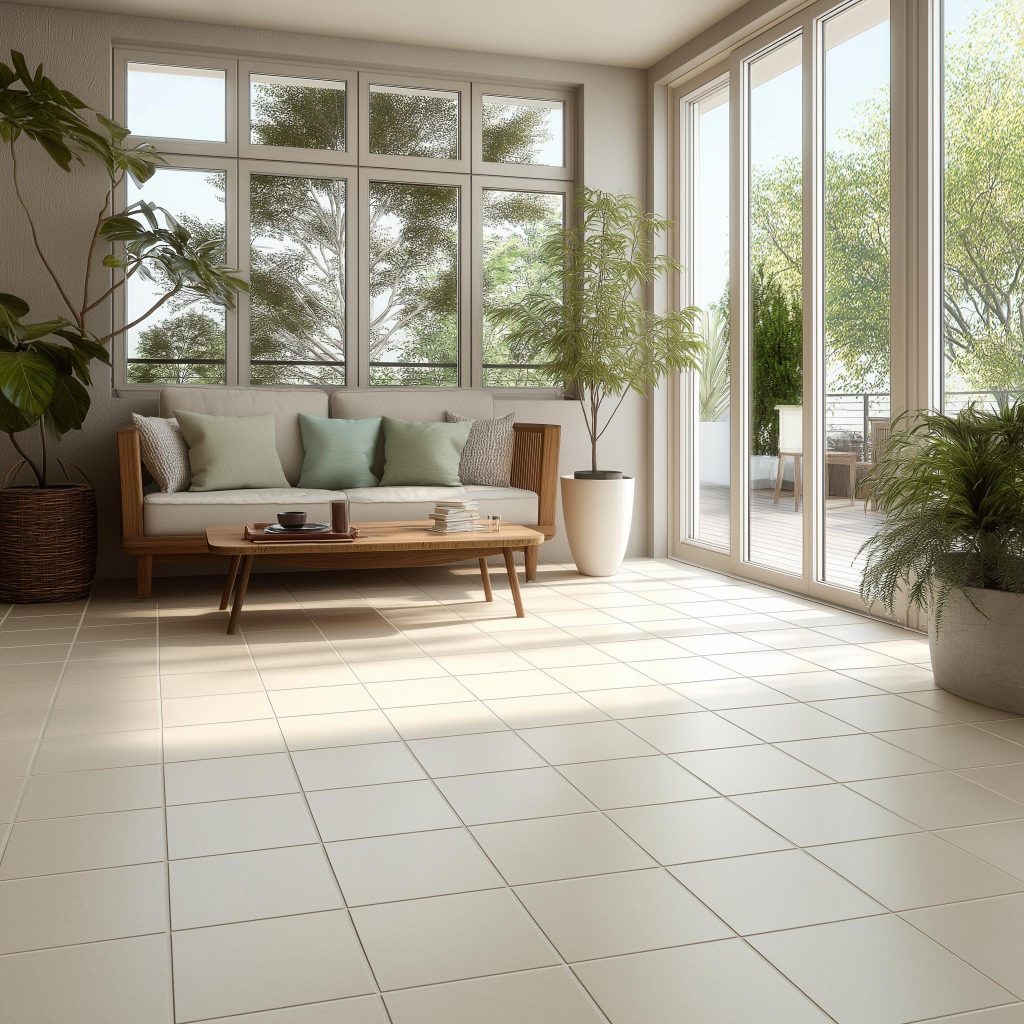
A neutral tile floor in a bright living room shows how tiles come ready-made with a finished surface.
Tiles come ready-made with a finished surface. This basic difference defines how both options behave over time.
Key Differences in Materials and Composition
A vibrant terrazzo mosaic floor design adds visual appeal and unique character to a modern living room.
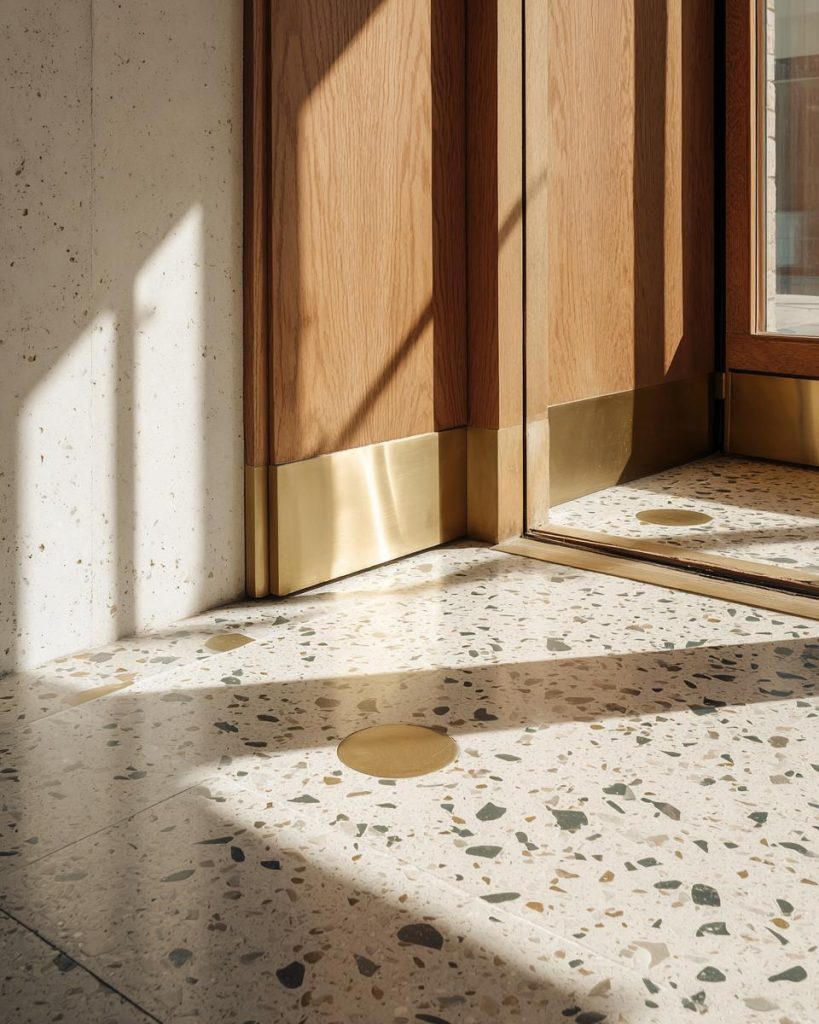
Mosaic flooring is a composite material. It is poured and finished on-site using cement and aggregates. This makes it seamless and continuous.
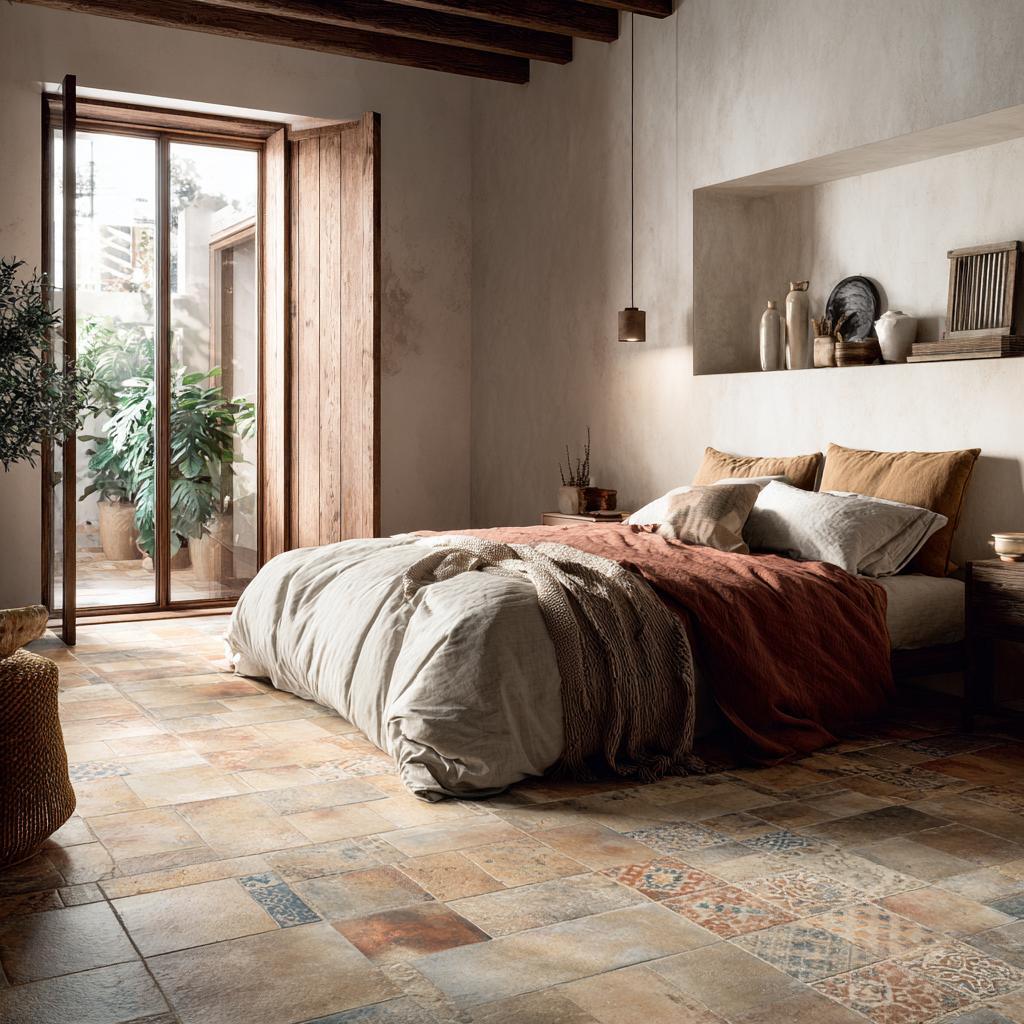
A patterned tile floor in a warm bedroom illustrates how tile materials differ from mosaic flooring.
Tiles are factory-made products. They are manufactured under controlled conditions, which ensures consistency in size and finish. Because of this, tiles offer more uniformity. Mosaic, however, offers a more handcrafted and natural look. Both materials perform differently depending on usage.
Visual Appeal and Design Flexibility
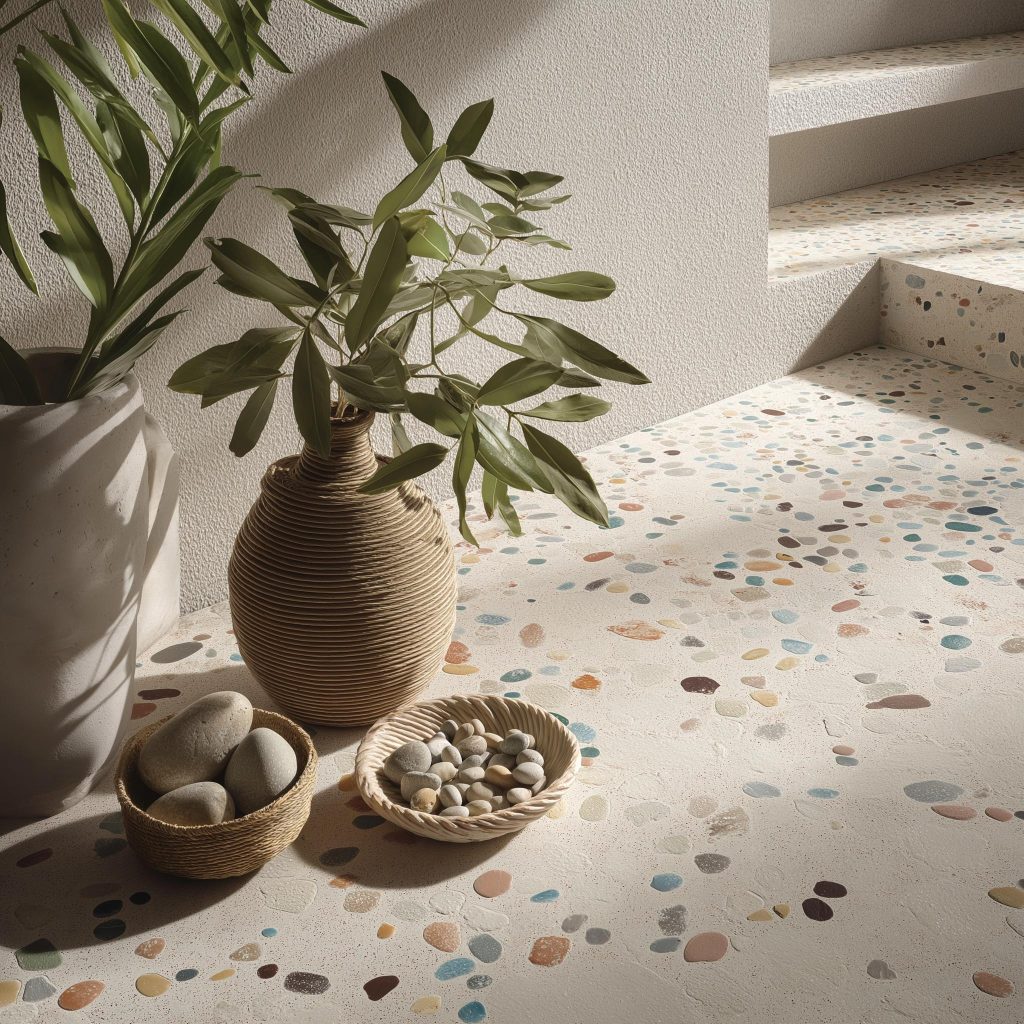
A close-up of terrazzo mosaic flooring near a door frame highlights its seamless, composite composition.
Mosaic floors have a distinct old-fashioned charm. They are often associated with traditional homes, especially white mosaic flooring seen in older Indian houses. However, modern mosaic floor design options allow custom patterns, colours, and textures.
Tiles offer a wider variety of finishes. From marble-look to wood-look, the range is extensive. Mosaic floor tiles are also available now, combining the look of mosaic with tile convenience.
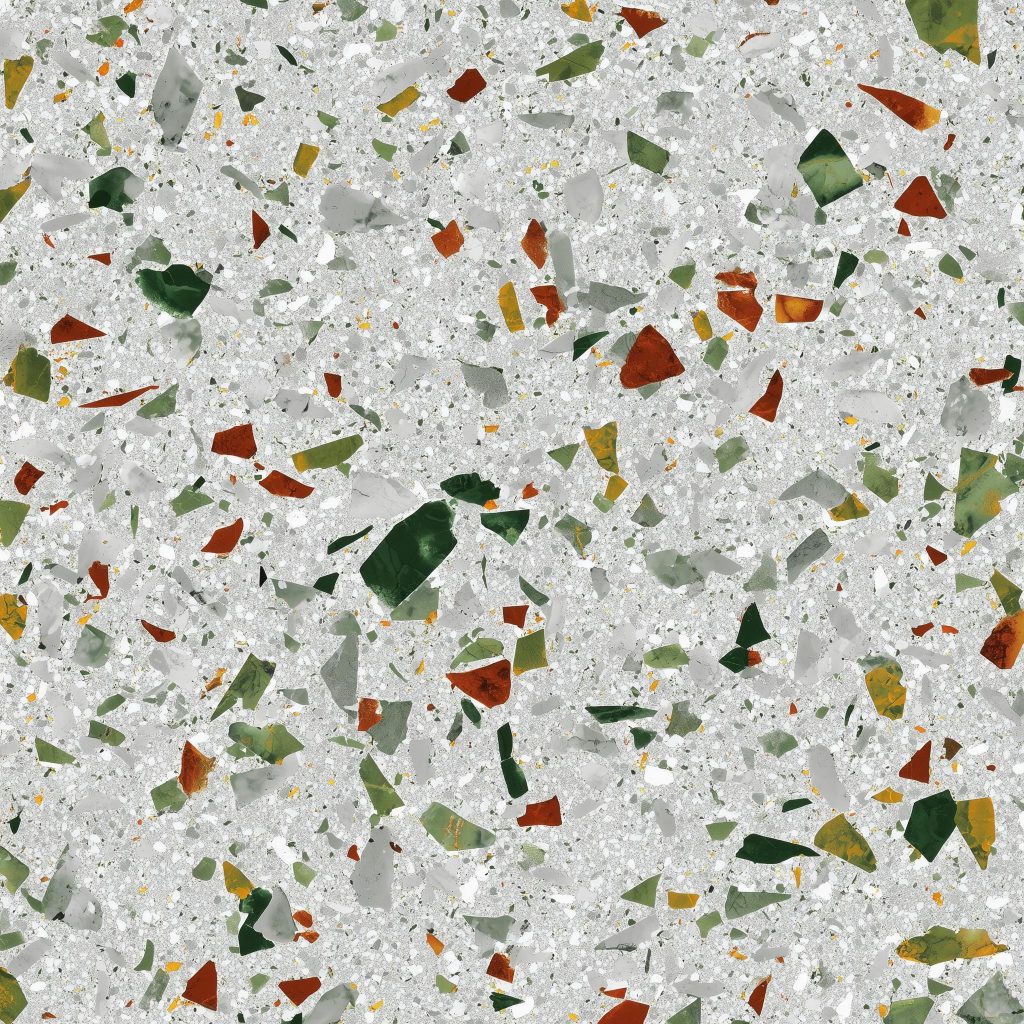
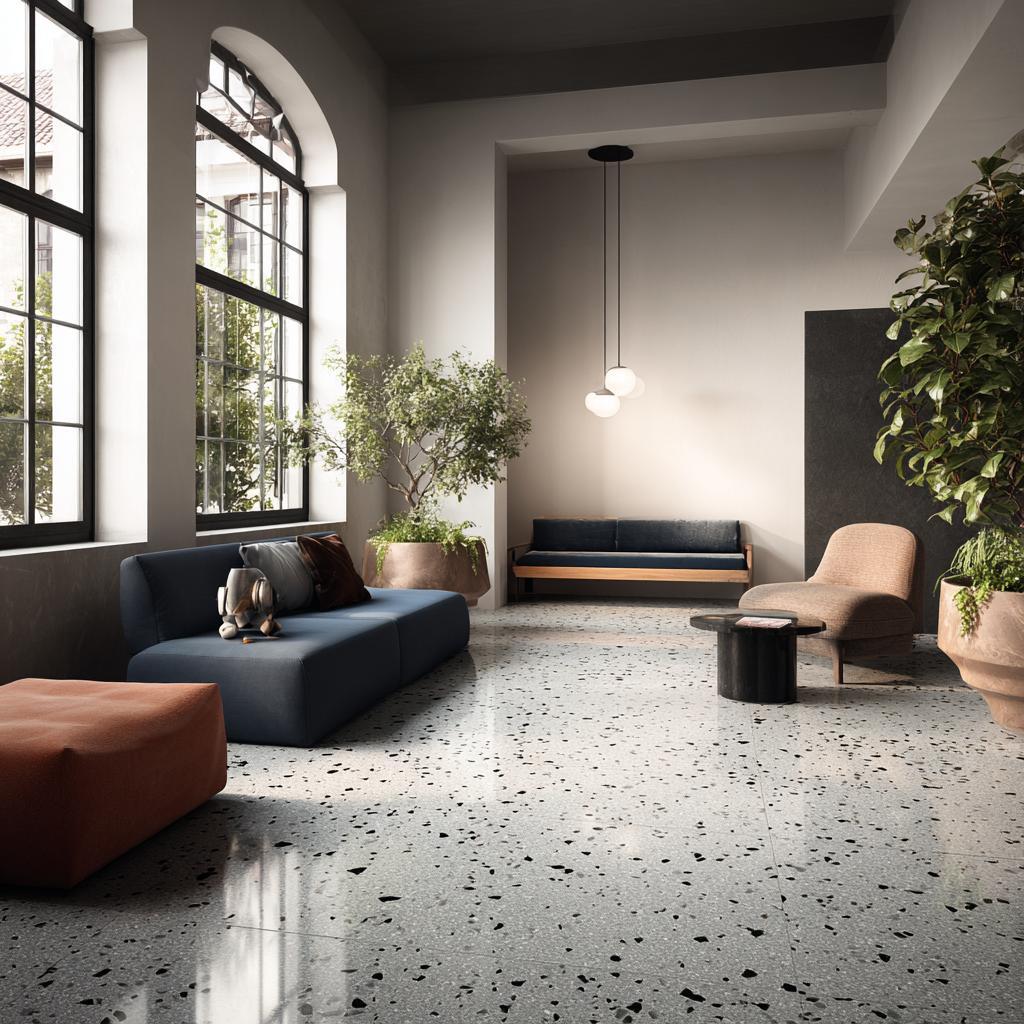
The speckled terrazzo mosaic floor design showcases the unique character and handcrafted appeal of mosaic.
Tiles are more versatile in design. Mosaic offers uniqueness and character.
Durability and Maintenance Comparison
A warm rustic tile floor in an earthy living space shows how tiles age well with minimal upkeep.
Mosaic flooring is known for its durability; with proper care, it can last decades! However, it requires periodic polishing and care. Mosaic floor cleaning needs gentle methods to maintain shine.
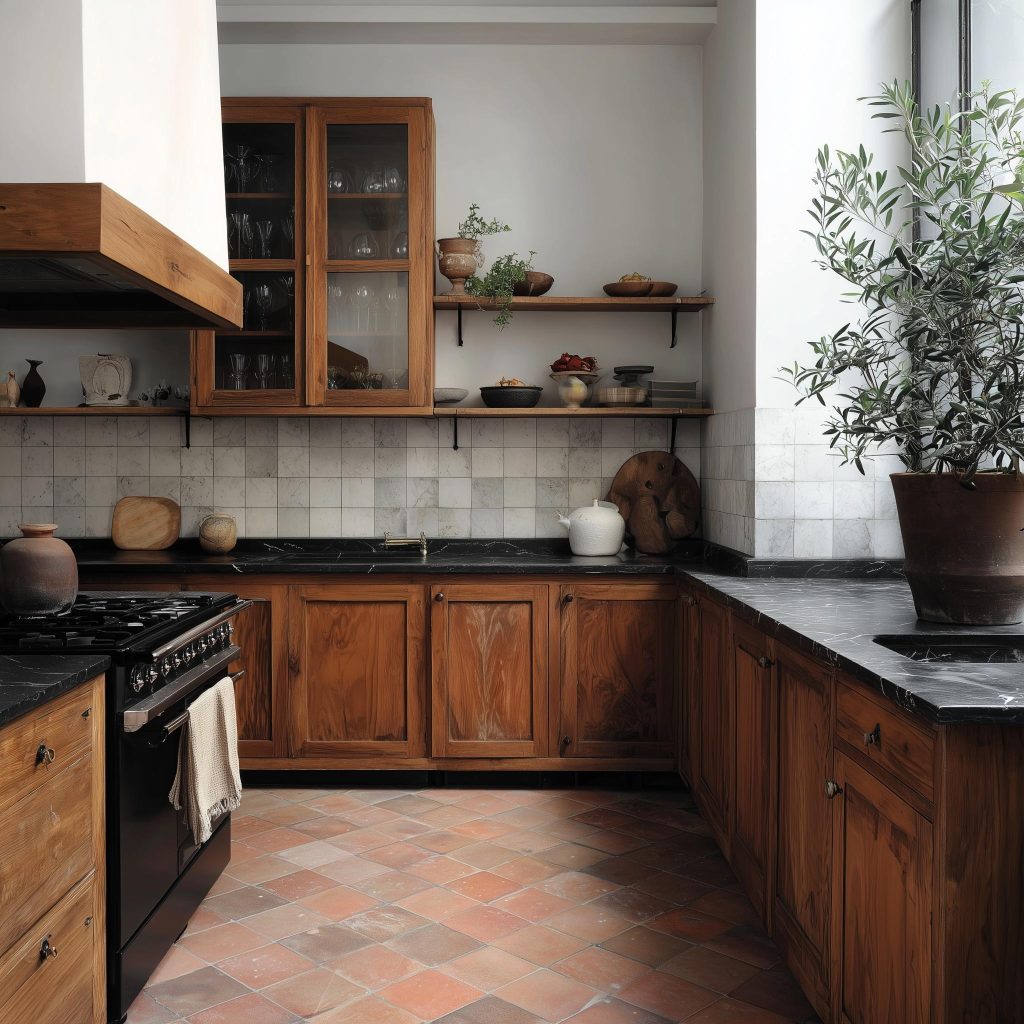
A terracotta tile floor in a rustic kitchen shows how tiles offer easy maintenance over mosaic flooring.
Tiles are easier to maintain. They do not require polishing and are resistant to stains and scratches. However, grout lines may need cleaning over time. In terms of long-term maintenance, tiles are much more convenient. Mosaic requires more upkeep but ages well.
Installation Process and Complexity
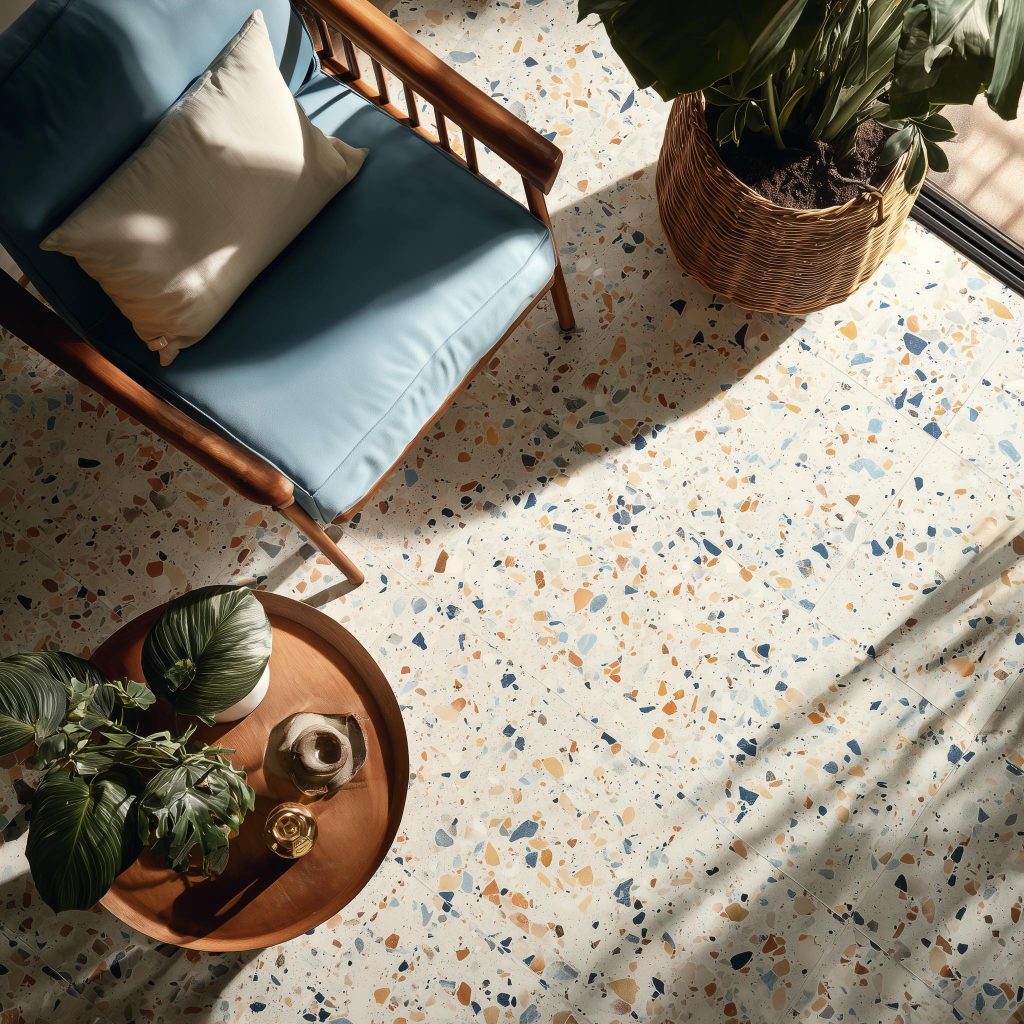
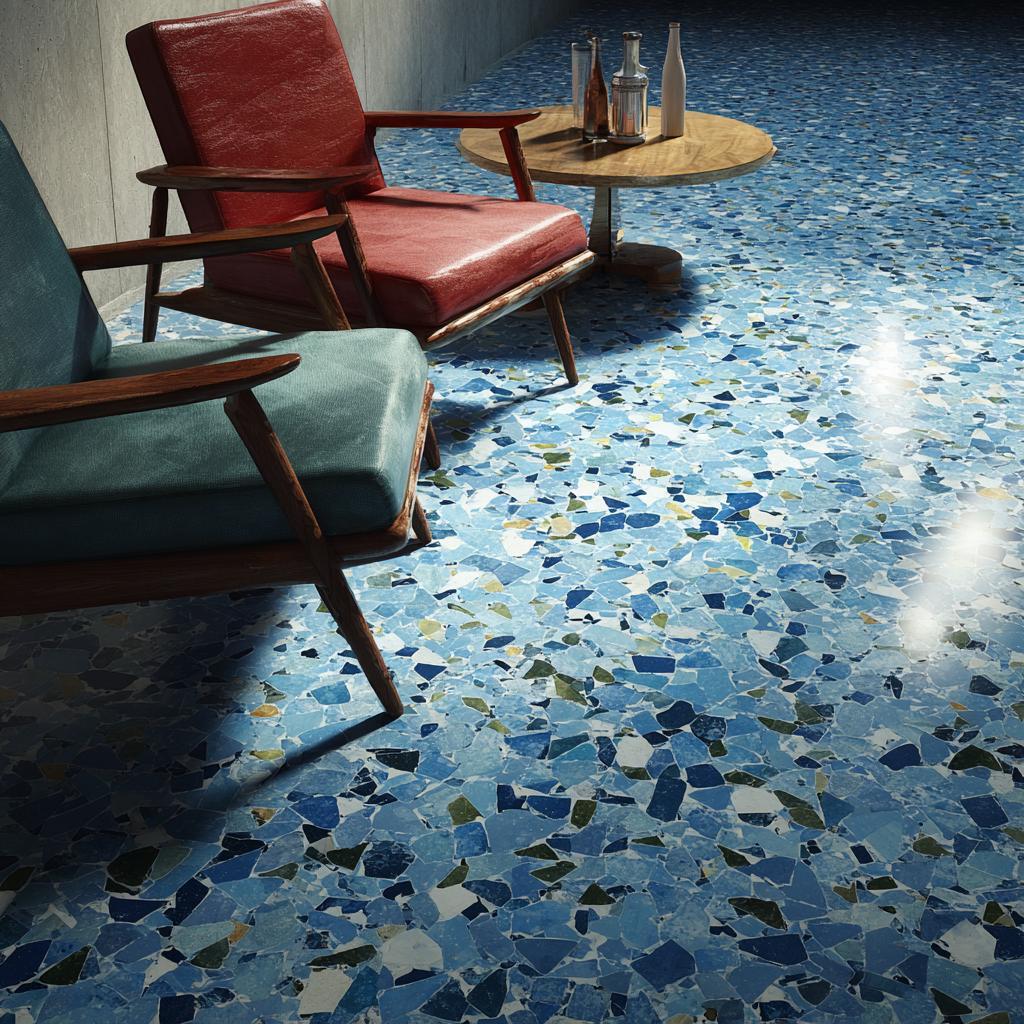
A bold blue stone chip mosaic floor beneath mid-century chairs shows mosaic’s seamless on-site finish.
Mosaic flooring is installed on-site. It involves laying the mix, curing, grinding, and polishing. This process takes time and skilled labour.
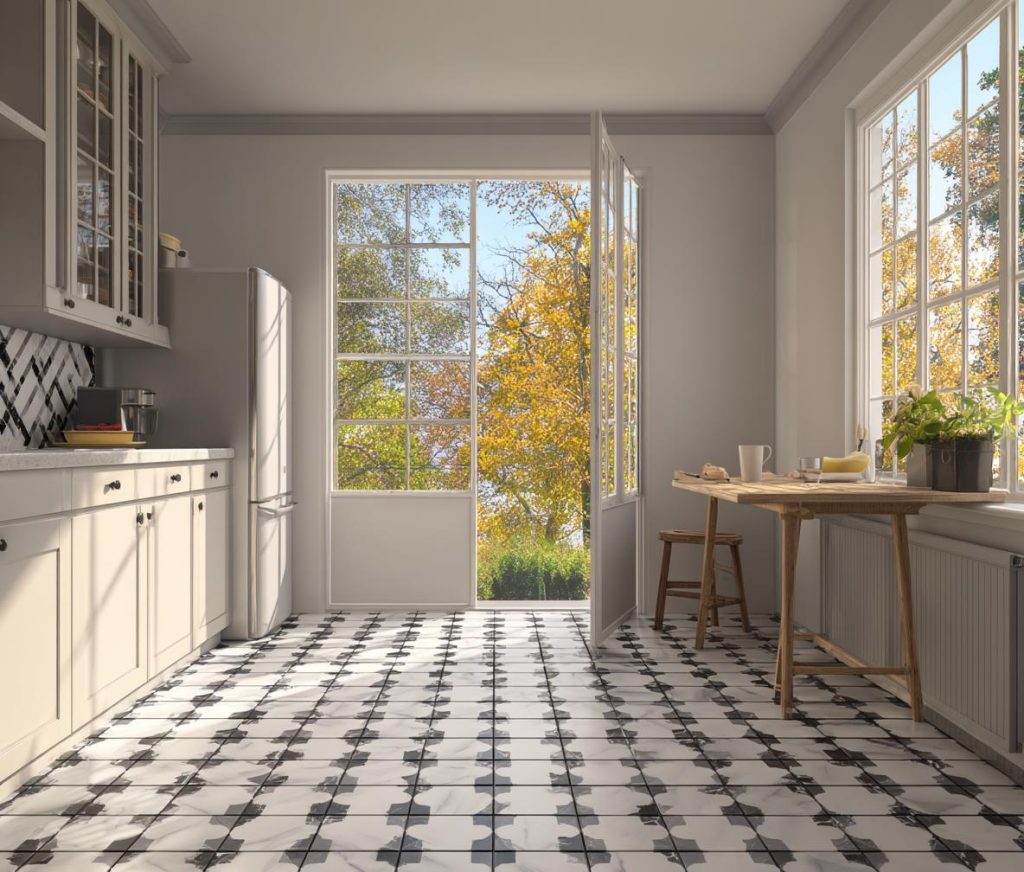
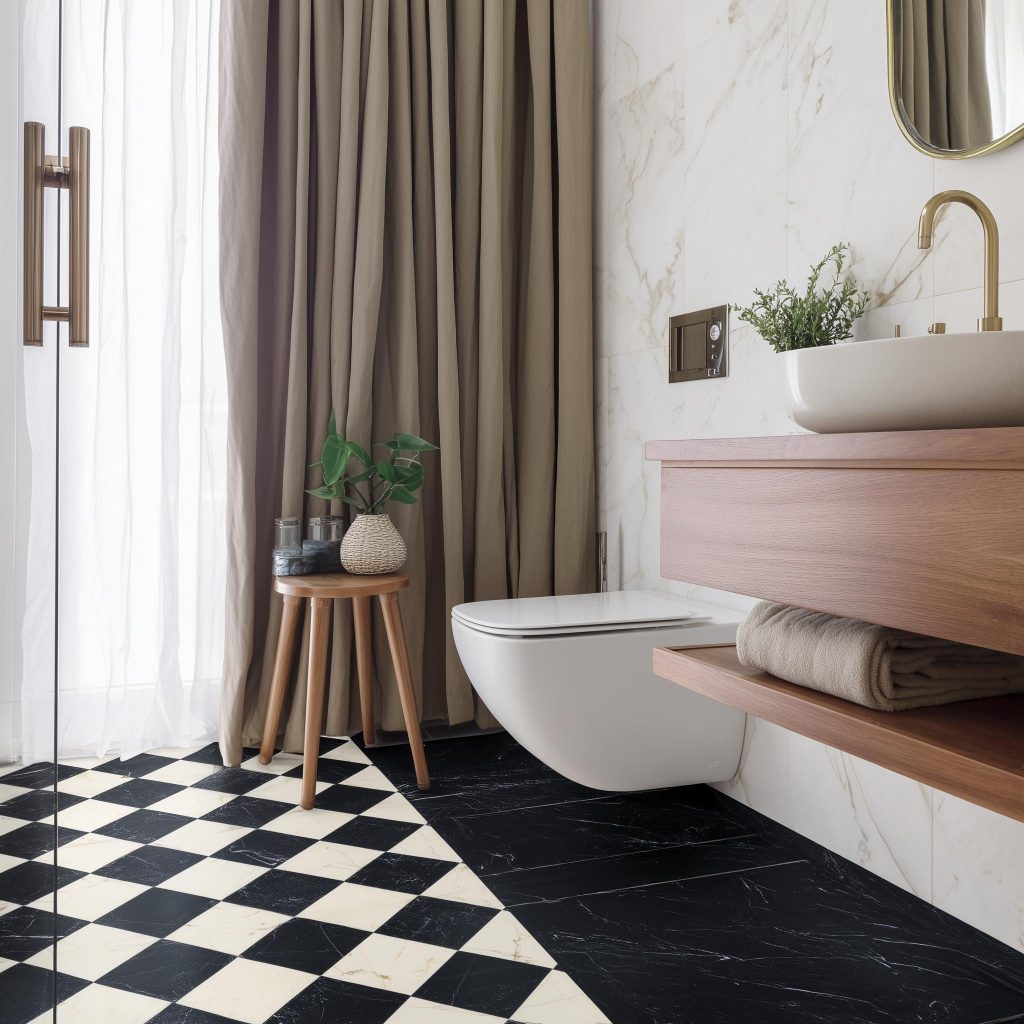
Black and white mosaic flooring adds classic charm to a modern bathroom interior.
Tiles are quicker to install. They are fixed using adhesive and grout, making the process faster and less labour-intensive. If time is a concern, tiles are usually the better option. Mosaic is more time-consuming but offers a seamless finish.
Cost Analysis and Budget Considerations
A close-up of cement mosaic flooring showcasing colourful stone chips and smooth finish.
Costs will always vary, based on material and finish. Mosaic flooring in India typically costs around INR 80 to INR 200 per sq ft, depending on the type and finish. Additional costs for mosaic floor polishing cost can range between INR 30 to INR 80 per sq ft.
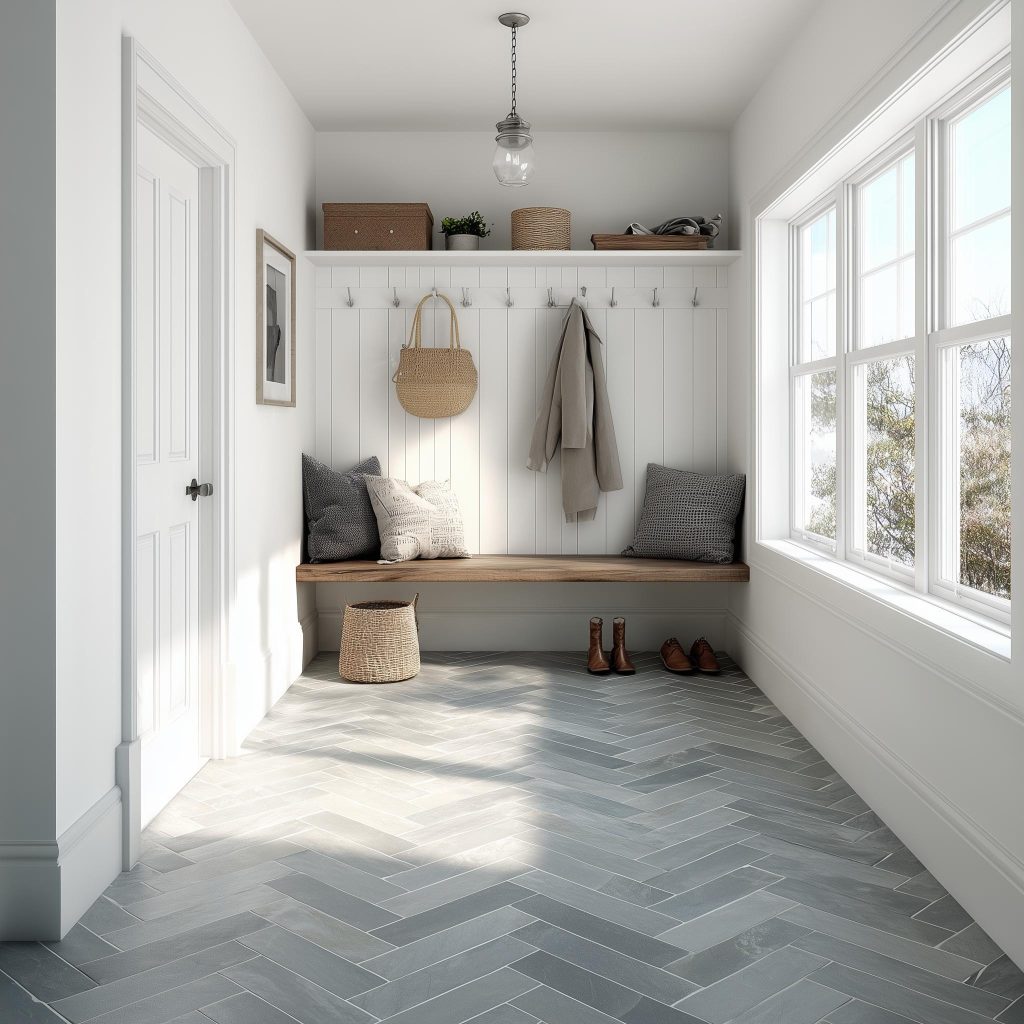
Light herringbone tiles in an entryway show how modern tile flooring elevates everyday spaces.
Tiles can range from INR 50 to INR 300+ per sq ft, depending on quality and brand. Installation costs for tiles are usually lower, and they are pre-finished so the whole process is much faster. Overall, tiles offer more flexibility across budgets.
Mosaic can be cost-effective but may need additional maintenance costs.
Suitability for Different Home Areas
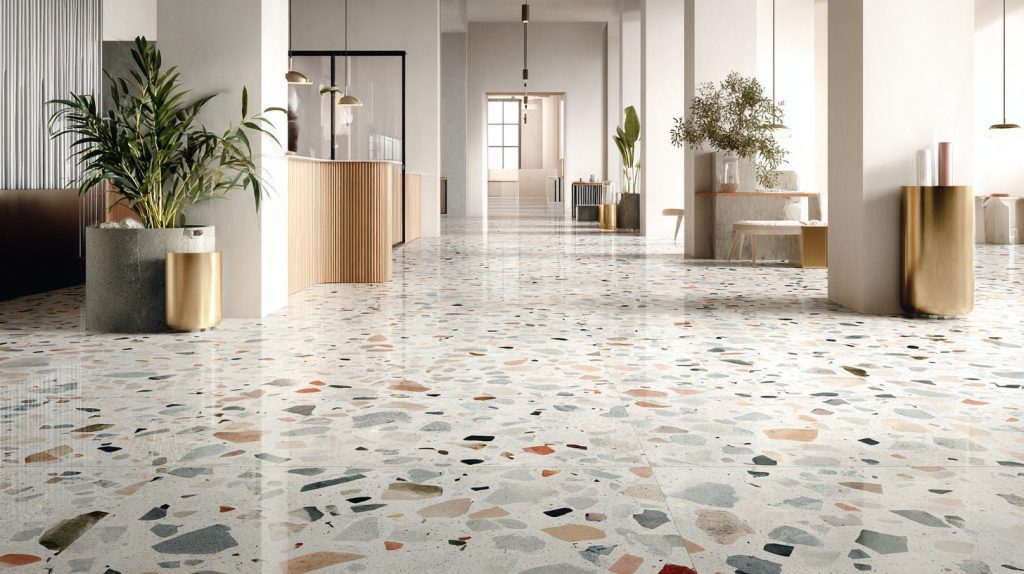
Terrazzo-style mosaic flooring anchors a spacious, light-filled modern living room beautifully.
Mosaic flooring works well in living rooms and bedrooms. It gives a cool, smooth surface that is comfortable in warm climates. It can also be used in terraces, especially china mosaic flooring.
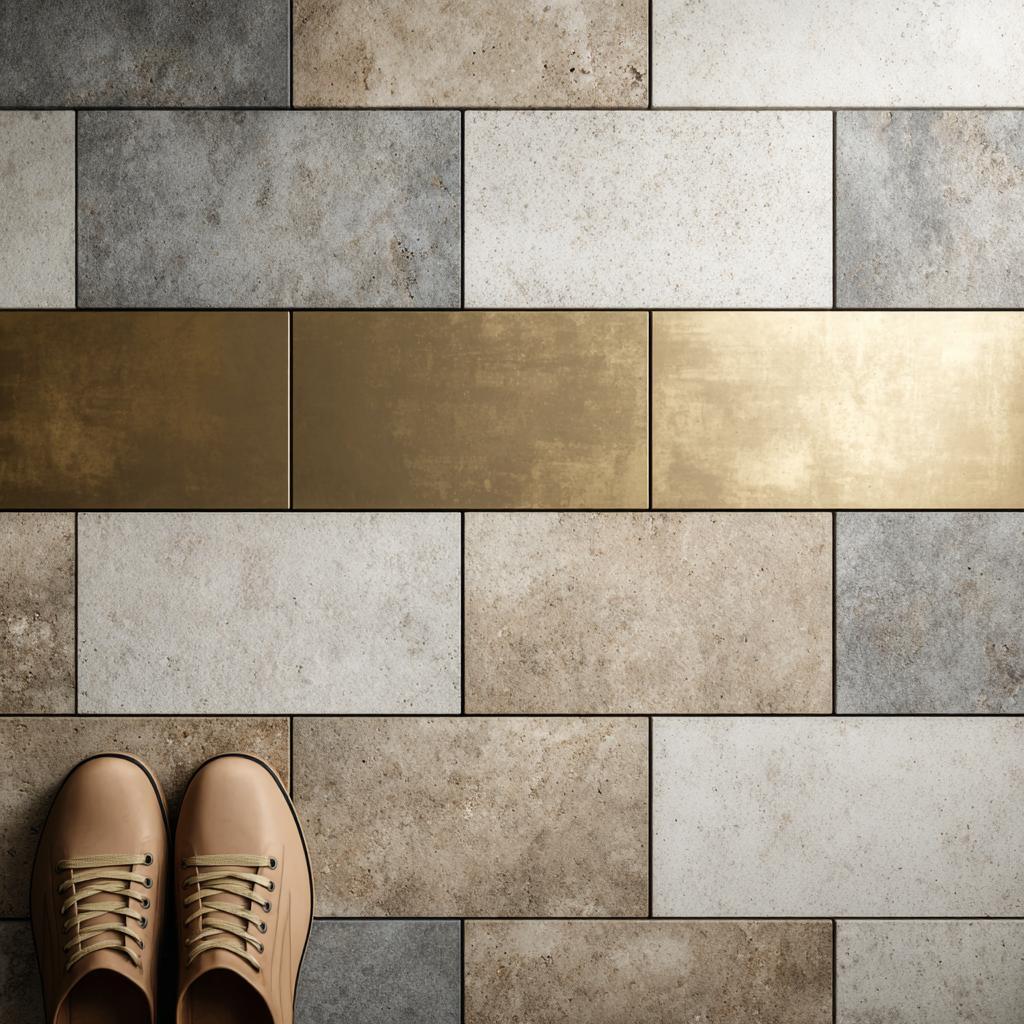
A mix of stone-finish and metallic tiles highlights the wide design variety tiles offer for homes.
Tiles are more suitable for kitchens and bathrooms. They offer better water resistance and easier cleaning. Choosing based on usage is important. Each material performs best in specific areas.
Impact on Home Value and Modern Aesthetics
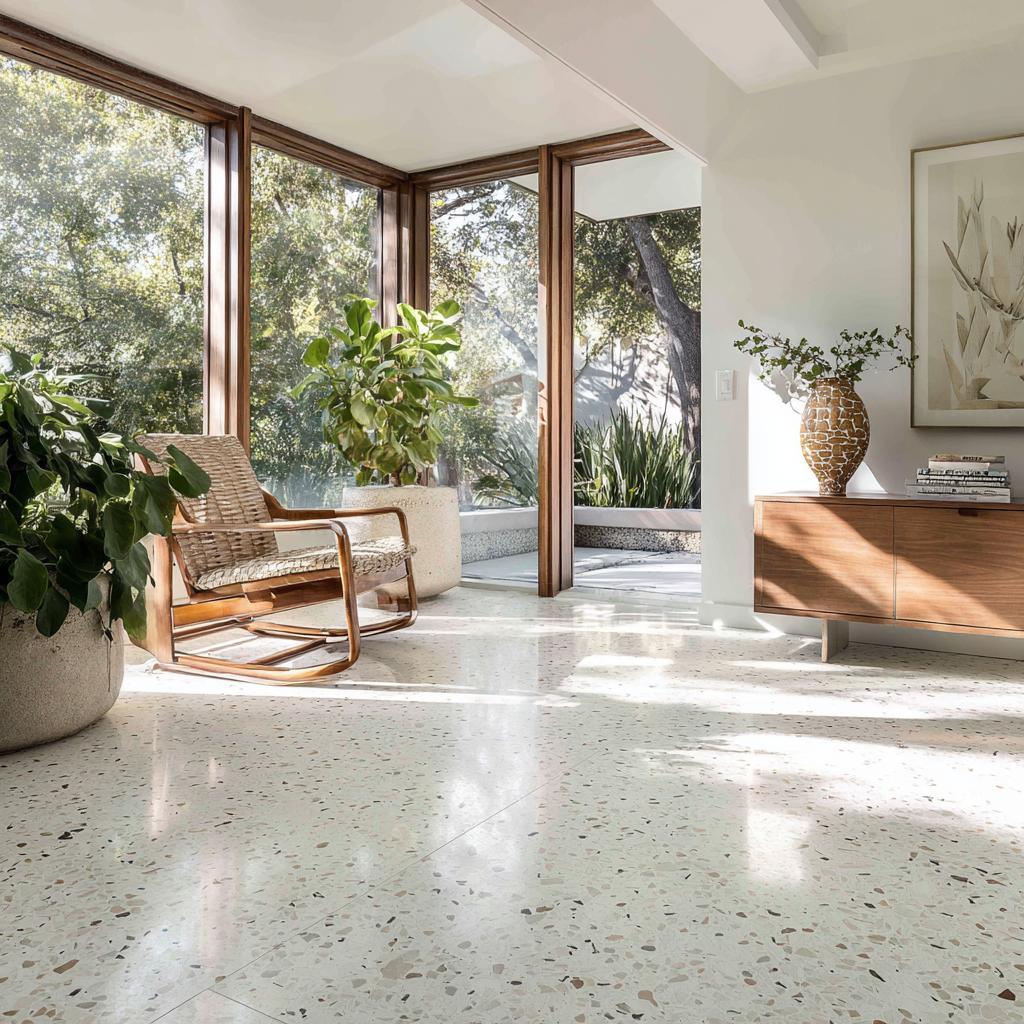
Polished mosaic flooring reflects natural light beautifully, making living spaces feel open and airy.
Tiles are often associated with modern homes, and come in sleek finishes and contemporary designs. Mosaic, however, has a nostalgic value. It is now making a comeback in modern interiors with updated patterns. Both options can add value if used well.
The choice depends on whether you prefer a modern or timeless look.
A Choice That Lasts Beyond Trends
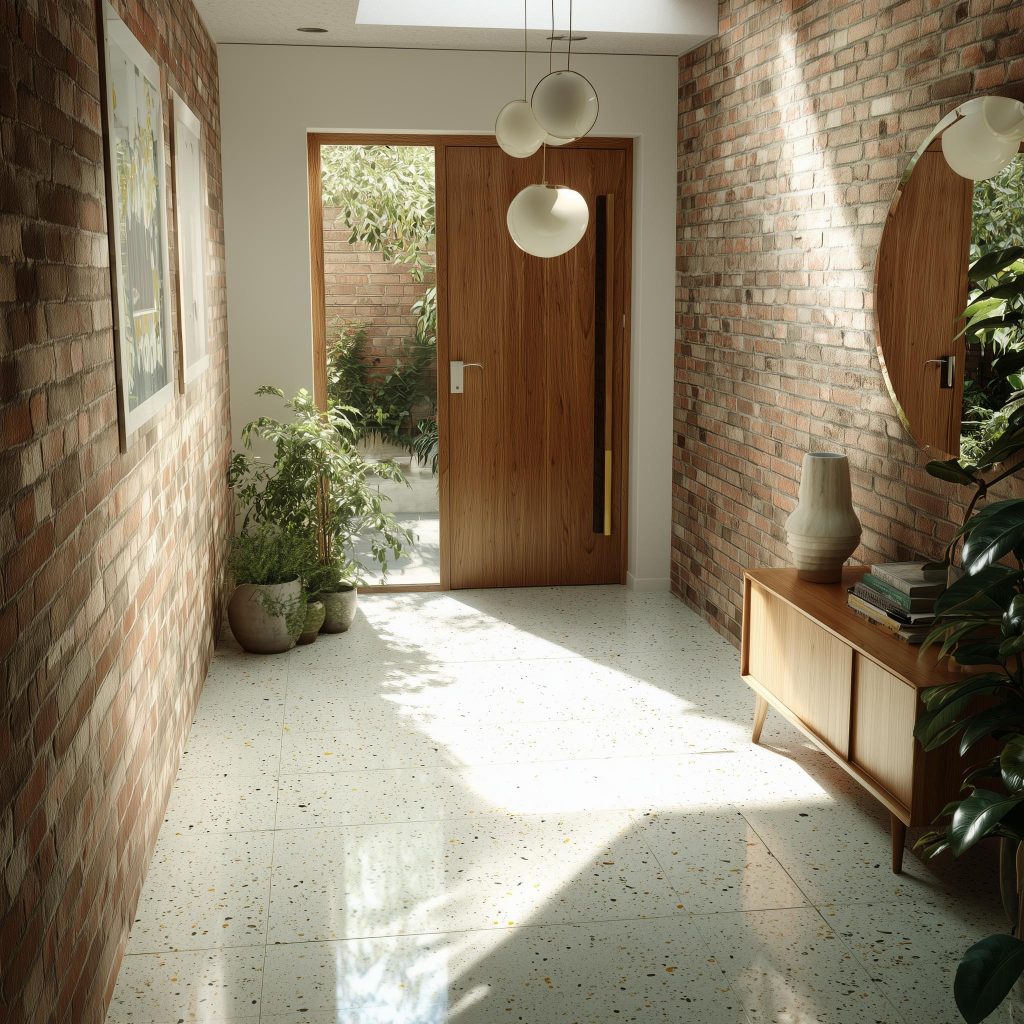
A polished mosaic floor in a sunlit Indian entryway reflects its timeless appeal in modern homes.
Flooring is not just about today. It is something you live with every day. Whether you choose mosaic flooring or tiles, the decision should match your lifestyle.
And if you want help finding the right fit for your home, HomeLane designers can guide you through options that balance style, durability, and ease of maintenance.
FAQs
1. Are mosaic floors more expensive than tiles?
Mosaic flooring can be slightly more expensive depending on material and polishing requirements. It also includes additional finishing costs. Tiles offer more options across price ranges. The total cost depends on the type you choose. Also, the larger the space and the fewer the joints, the more expensive it will be.
2. Which is easier to clean, mosaic or tile flooring?
Tiles are generally far easier to clean and maintain. They do not require polishing as they are pre-polished in the factory, and are resistant to stains. Mosaic floors need more care to maintain their shine. Regular maintenance is important for both.
3. Can mosaic flooring be used in kitchens and bathrooms?
Yes, mosaic flooring can be used everywhere, but it requires proper sealing and maintenance. It is more commonly used in living spaces. Tiles are usually preferred for wet areas. They offer better water resistance.
4. How to clean a mosaic floor?
Sweep and mop using a mild cleaner and soft cloth or mop. Avoid harsh chemicals and excess water. Regular cleaning prevents buildup; and also helps maintain shine.
5. How long does mosaic flooring last compared to tiles?
Mosaic flooring can last for decades with proper care. In fact, homes built in the 70s with mosaic floors are still going strong! Tiles also last long but may need replacement over time. Both options are reliable when maintained well.
6. Which flooring option offers more design variety?
Tiles offer a wider range of designs, colours, and finishes. Mosaic designs are more custom and unique. Both have their own pros and cons.














 EXPLORE MORE