Tropical House Design Ideas: Interiors Built for Heat, Humidity and Light
By Usha Balasubramanyan- September 24, 2026
Summary
Tropical house design blends natural materials, generous ventilation, climate-smart planning, and simple interiors to create homes that stay comfortable in hot and humid conditions. With thoughtful layouts, durable materials, and restrained styling, tropical homes remain timeless, practical, and beautifully connected to nature. When architecture, light, and airflow work together, comfort becomes part of the design itself.
Expert Tip
Before selecting furniture or finishes, observe how sunlight moves through your home during the day. Designing around natural light and airflow often improves comfort more than expensive cooling systems.
Best For
Indian homes in warm climates and nature-inspired interiors
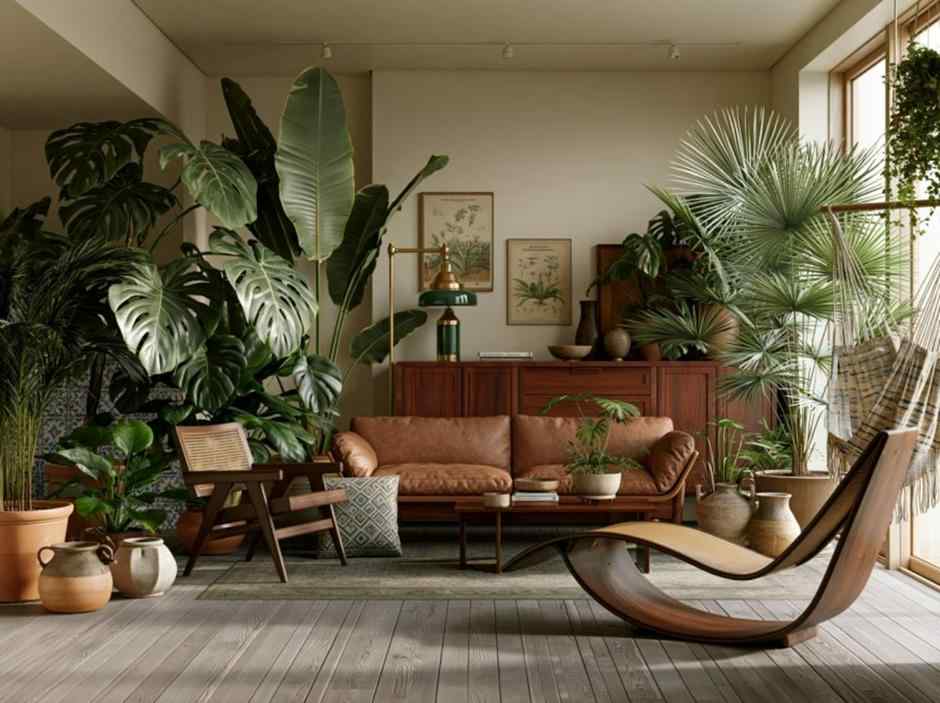
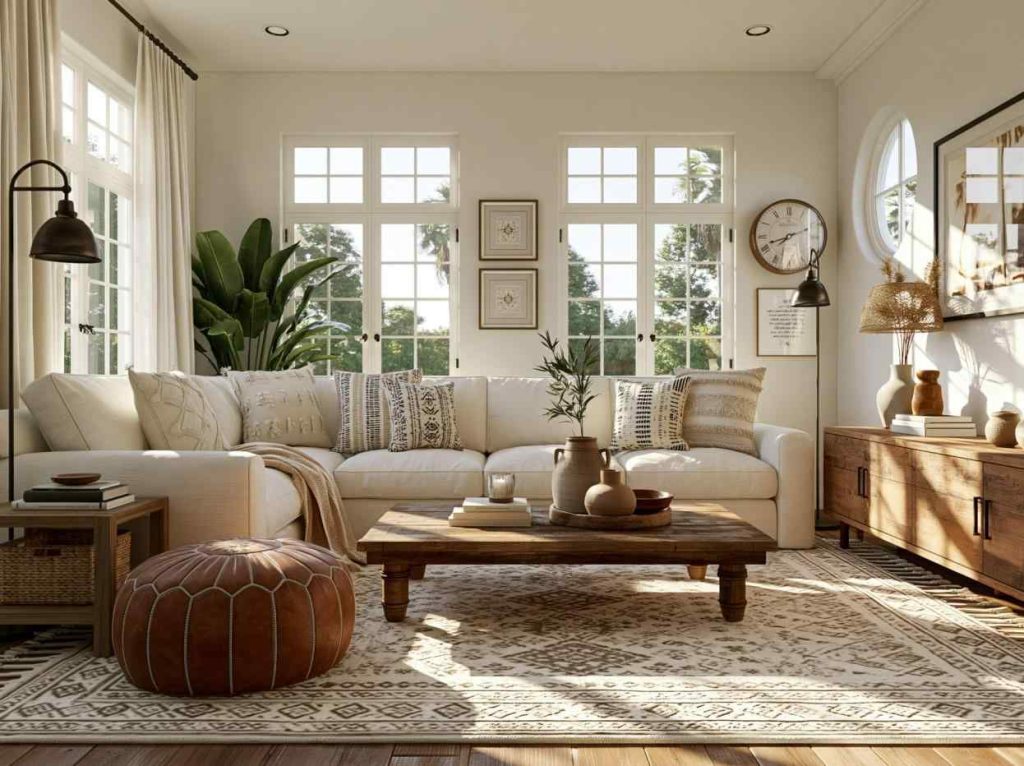
An airy neutral living room with natural textures and greenery captures relaxed tropical living.
A tropical home isn’t defined by palm prints or beach-inspired décor. True tropical house design responds to the climate first, using natural ventilation, shade, cooling materials, and light-filled spaces to create comfortable interiors throughout the year.
For Indian homes, where many regions experience intense heat, humidity, and heavy monsoons, tropical design offers practical advantages alongside timeless beauty. Large windows, airy layouts, natural textures, and climate-friendly materials work together to create interiors that feel fresh, relaxed, and easy to live in.
The best tropical homes don’t fight the climate…they work beautifully with it!
Tropical House Design: What Makes It Different from Other Styles?
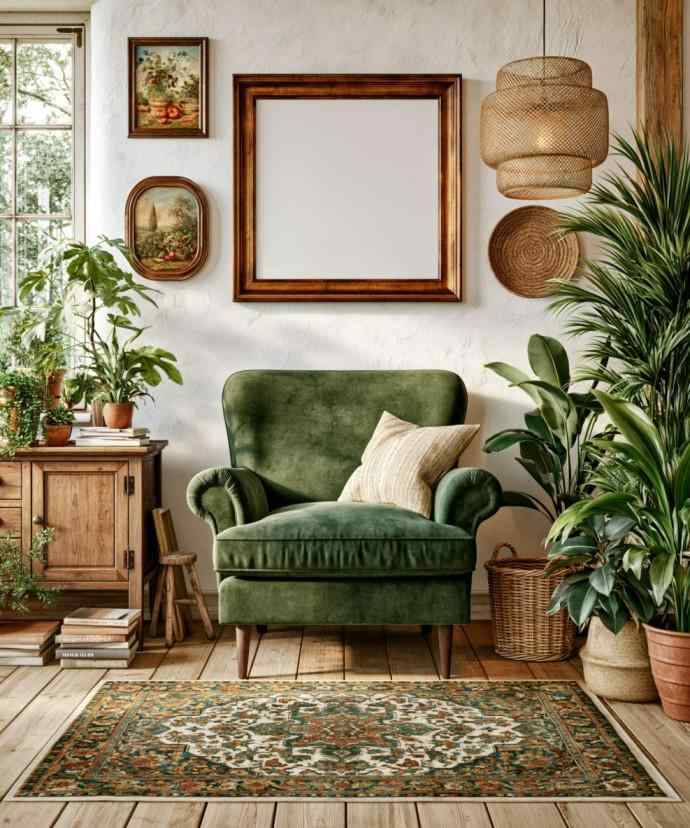
A green accent chair surrounded by lush indoor plants brings tropical warmth indoors.
Unlike many design styles that focus primarily on aesthetics, tropical interiors are shaped by the environment. Open layouts encourage cross-ventilation, while large windows, courtyards, verandas, and shaded outdoor spaces help regulate indoor temperatures naturally.
Natural materials such as wood, stone, cane, bamboo, linen, and rattan create warmth while remaining visually light. The colour palette typically features warm whites, sand, earthy browns, leafy greens, muted blues, and soft neutrals inspired by nature.
Rather than filling rooms with decorative objects, tropical homes allow light, airflow, and greenery to become part of the design itself.
Modern Tropical House Design: Balancing Contemporary and Climate-Smart
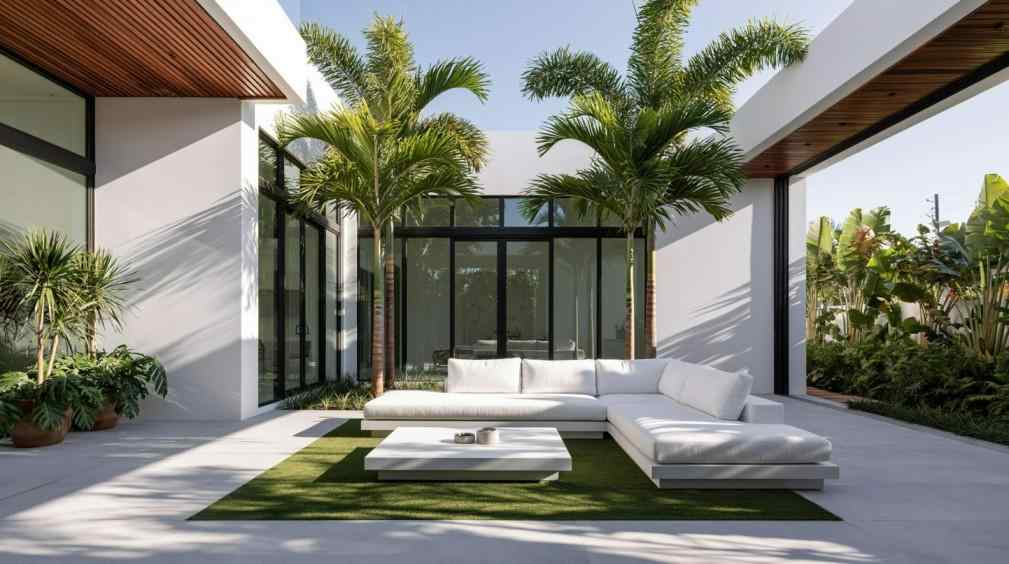
A modern tropical courtyard with palms and open glazing keeps interiors cool and light-filled.
A modern tropical house design combines clean architectural lines with climate-responsive planning. Instead of ornate detailing, you’ll find simple furniture, large glazing, concealed storage, and open interiors paired with natural textures and indoor plants.
Wide overhangs reduce heat gain, while sheer curtains soften sunlight without blocking airflow. Contemporary lighting, minimalist furniture, and subtle organic materials prevent the home from feeling themed or resort-like. Courtyards allow for natural cross ventilation, keeping interiors cool even in harsh summers.
The result is elegant, understated, and perfectly suited to modern lifestyles.
Small Tropical House Design: Making Compact Spaces Work in Heat and Humidity
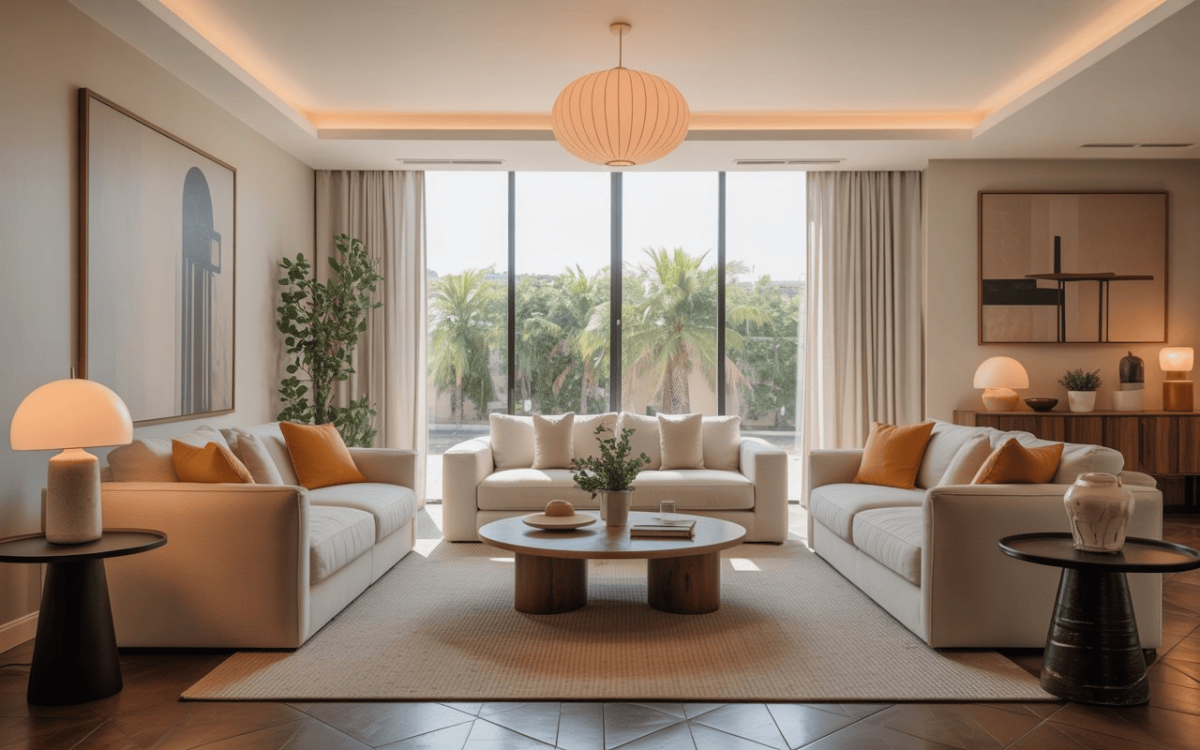
A compact open-plan tropical space uses light finishes and greenery to feel airy and bright.
A small tropical house design focuses on creating a sense of openness.
Light-coloured walls reflect heat while making rooms feel larger.
Sliding doors, open shelving, floating furniture, and multifunctional layouts maximise usable space.
Natural ventilation becomes even more important in smaller homes, so windows placed on opposite walls can dramatically improve airflow.
Indoor plants should be chosen carefully to avoid overcrowding the room.
Even compact homes can feel airy when natural light, ventilation, and simple layouts work together.
How Can You Create a Modern Tropical House Without Making It Look Outdated?
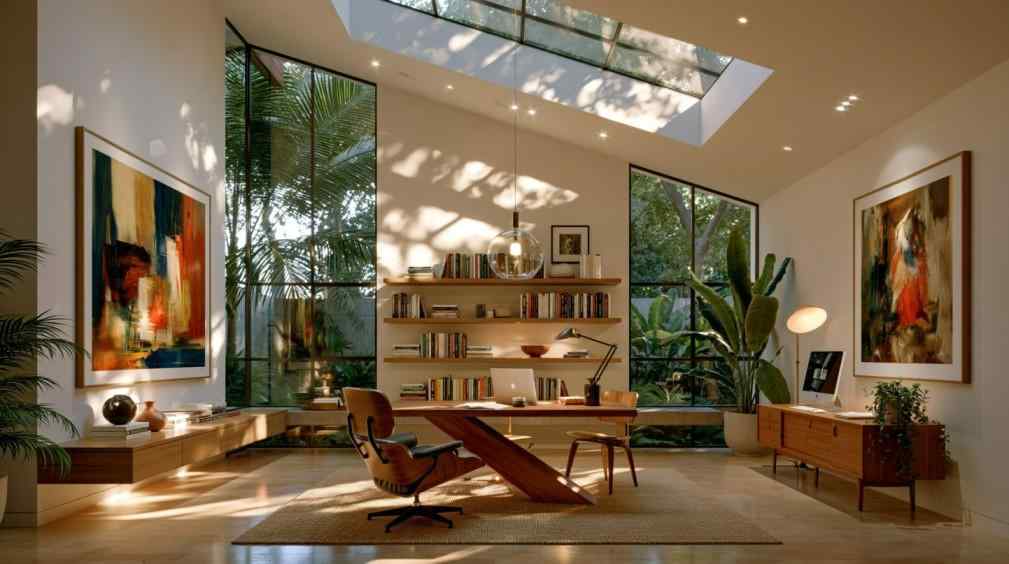
A minimalist tropical home office pairs clean lines with greenery and abundant natural light.
Simple answer: restraint!
Instead of filling the home with tropical motifs, focus on timeless materials and climate-smart design. Combine timber finishes with stone, textured fabrics, and greenery rather than bold floral prints or themed accessories.
Limit decorative elements and allow architecture, natural light, and carefully chosen materials to become the focal points. A tropical minimalist house design pairs beautifully with contemporary furniture, creating interiors that feel sophisticated rather than overly styled.
The home should evoke nature; not imitate it!
House Design for Tropical Climates: Choosing Materials That Hold Up
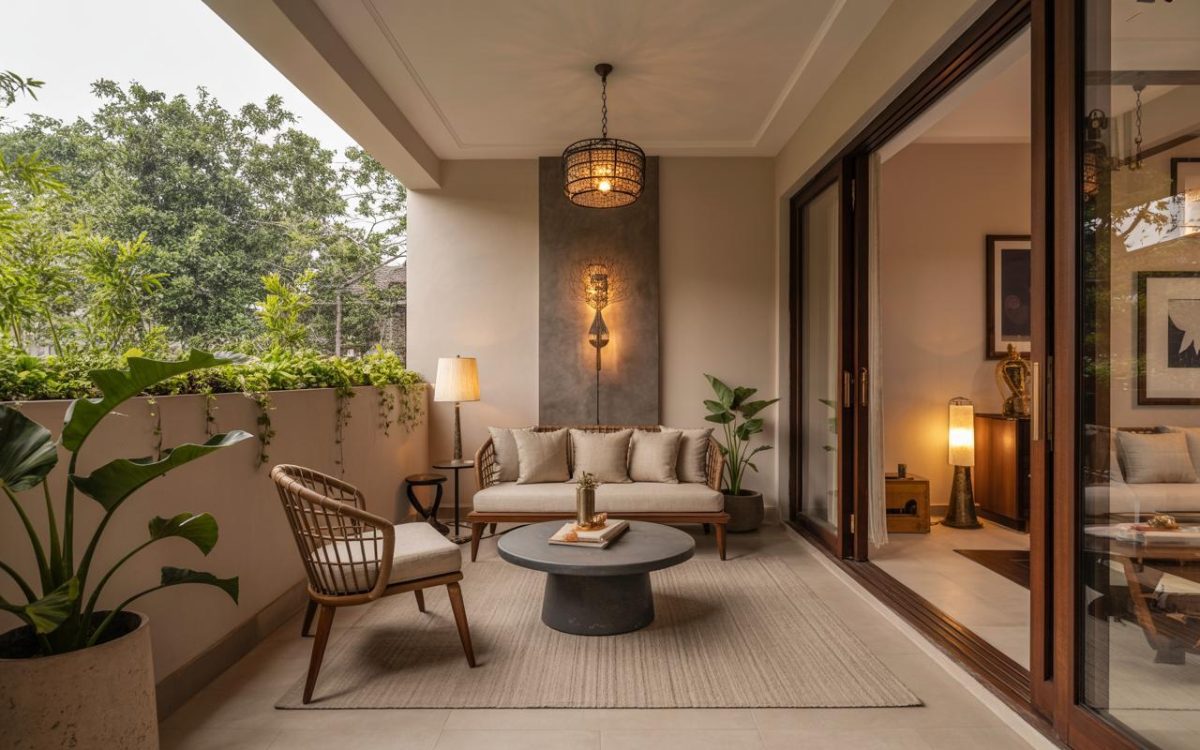
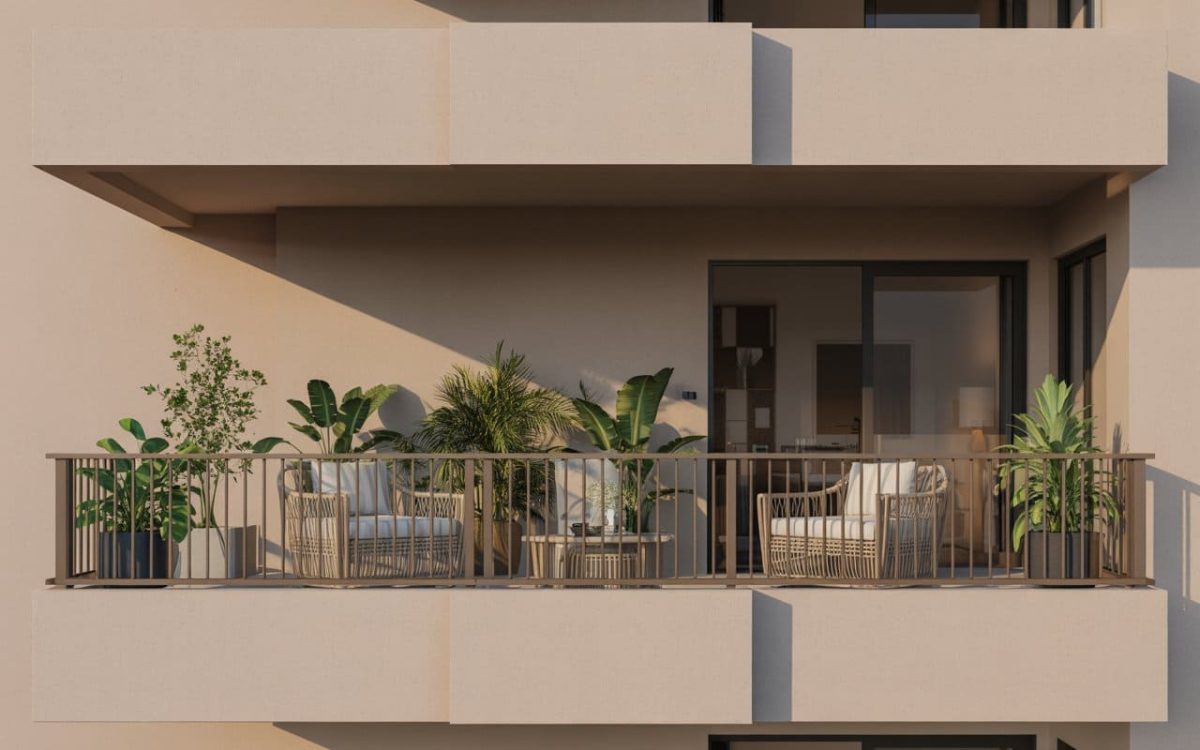
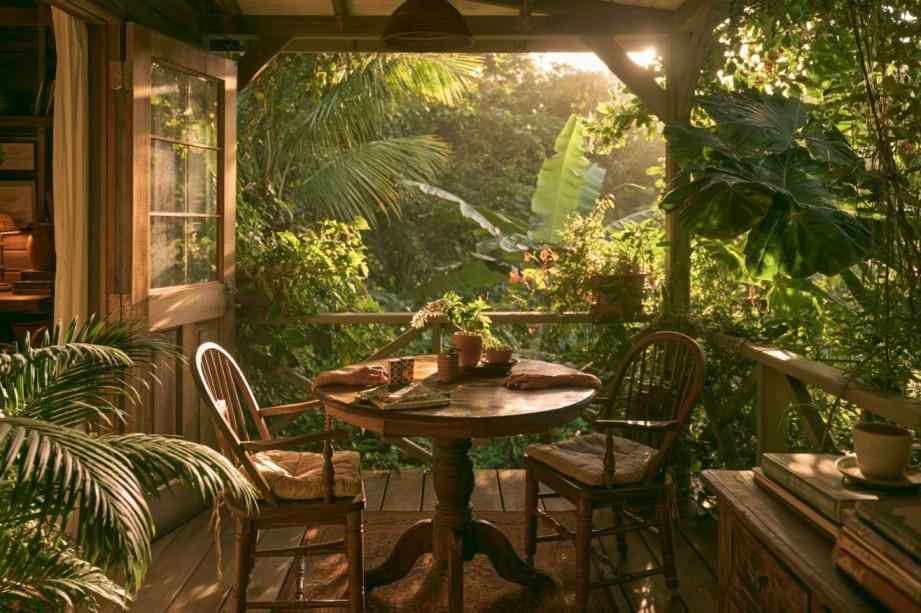
A shaded veranda framed by greenery shows how tropical design connects indoors with nature.
Choosing durable materials is essential in humid regions.
Porcelain tiles outperform many natural stones in terms of maintenance while still providing a natural appearance.
Engineered wood often performs better than untreated solid timber.
Moisture-resistant laminates, aluminium windows, weather-resistant paints, and treated hardwoods withstand humidity more effectively.
Breathable fabrics such as linen and cotton remain comfortable in warmer weather, while ceiling fans complement air conditioning by improving air circulation.
Common Mistakes: What Goes Wrong with Tropical House Design?
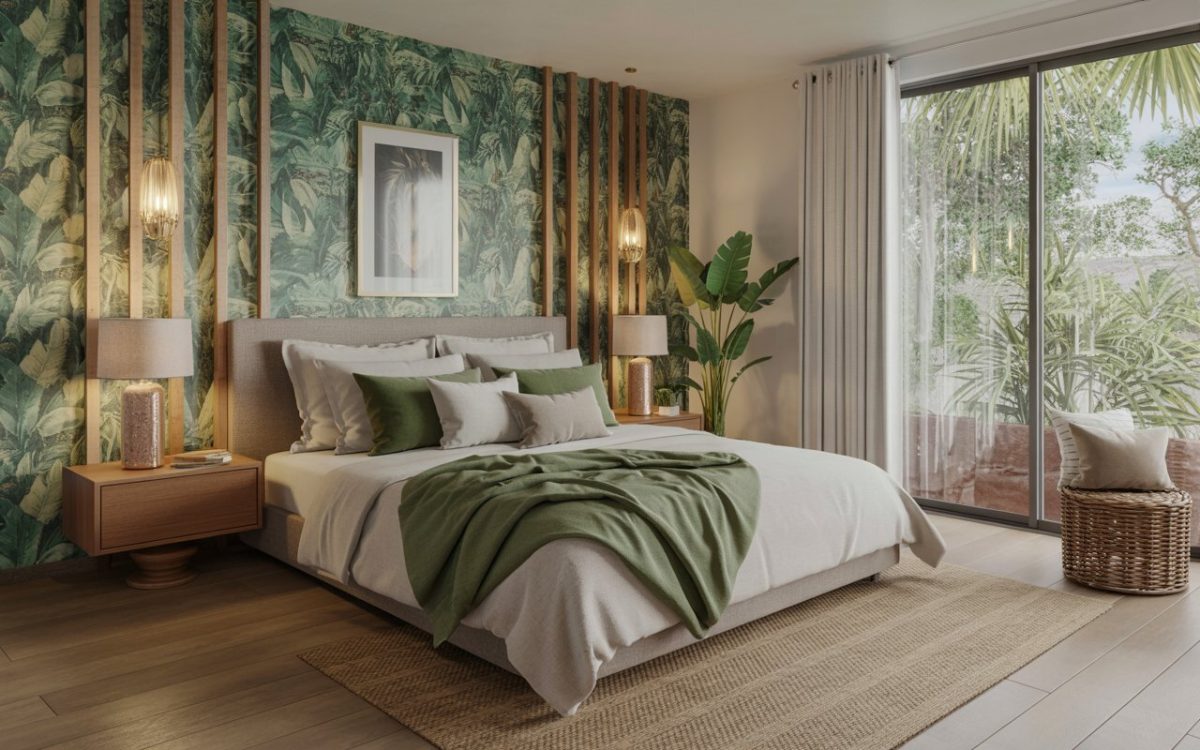
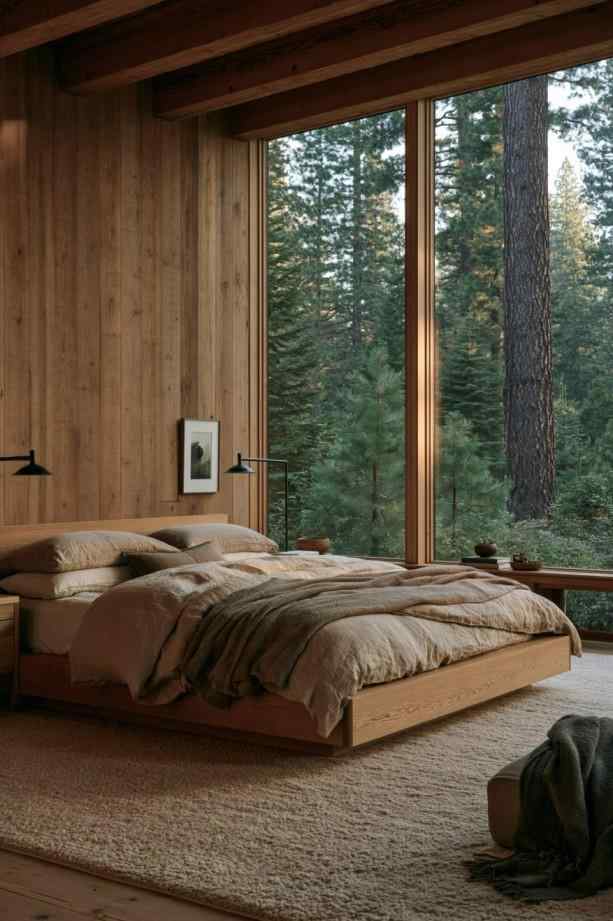
A timber bedroom with floor-to-ceiling glazing frames the greenery for a calm tropical retreat.
One of the biggest mistakes is focusing only on appearance while ignoring climate performance. Dark interiors absorb more heat, poor ventilation traps humidity, and untreated natural materials can deteriorate quickly.
Oversized furniture also restricts airflow and makes rooms feel heavier. Another common mistake is relying entirely on air conditioning rather than designing for natural ventilation.
Finally, avoid cluttering tropical interiors with too many decorative accessories. Their beauty lies in simplicity, light, and the connection between indoor and outdoor spaces.
Bring the Outdoors Comfortably Indoors!
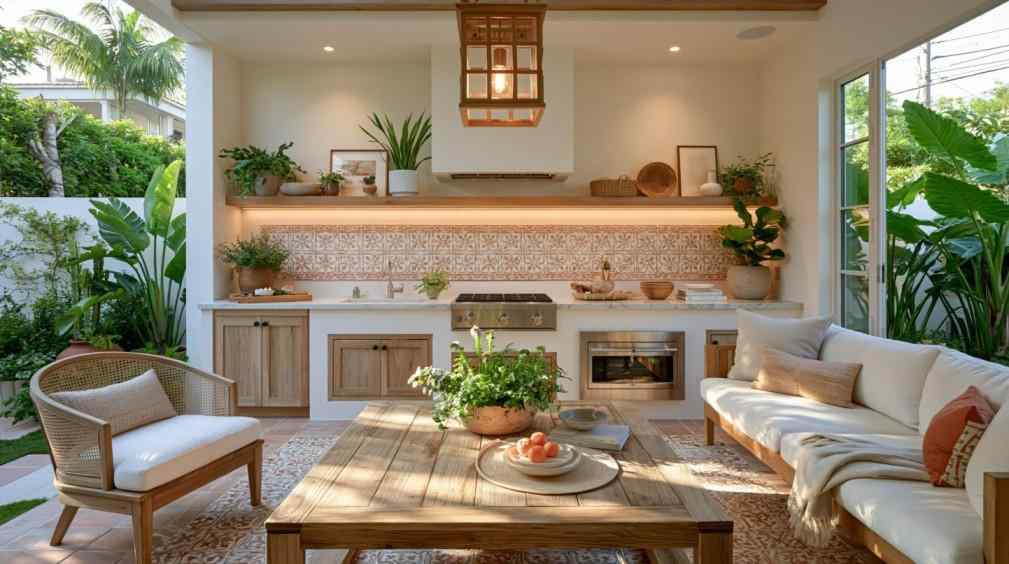
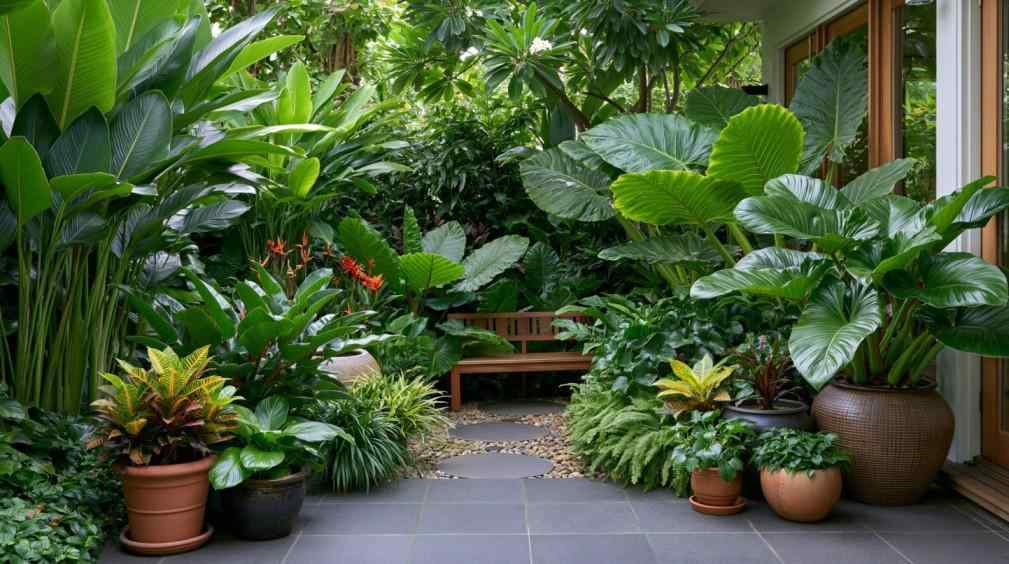
A lush plant-filled courtyard blurs the line between indoor and outdoor tropical living.
A thoughtfully planned tropical house design creates a home that’s naturally cooler, brighter, and more relaxing throughout the year. Whether you’re designing a spacious villa or a compact apartment, climate-responsive planning helps every room feel more comfortable while remaining effortlessly stylish.
At HomeLane, our designers create personalised interiors that combine beautiful aesthetics with practical solutions for India’s diverse climates. Book a free HomeLane consultation and discover how tropical design principles can transform your everyday living experience.
The most comfortable homes are the ones that work with nature, not against it!
FAQs
1. What is tropical house design?
Tropical house design is an architectural and interior style developed for hot, humid climates, using natural ventilation, cooling materials, open layouts, and strong connections with outdoor spaces. Its emphasis is on creating comfortable living environments year-round.
2. How is tropical house design different from other interior styles?
Tropical house design focuses on responding to heat, humidity, and natural light through ventilation, shading, and climate-friendly materials. Unlike purely decorative styles, it prioritises comfort alongside aesthetics.
3. What furniture materials work best for a tropical climate home?
Solid timber, treated wood, rattan, bamboo, cane, aluminium, and moisture-resistant engineered wood all perform well in tropical conditions. Breathable fabrics such as cotton and linen also add comfort in warm weather.
4. Is tropical house design suitable for Indian homes?
Absolutely. Many Indian regions experience climatic conditions that closely match tropical design principles, making this style both practical and attractive. It works equally well in apartments, independent homes, and villas.
5. What materials are best for a tropical house?
Moisture-resistant laminates, treated timber, porcelain tiles, natural stone, aluminium, cane, bamboo, linen, and cotton all perform well in tropical environments. Choosing durable, low-maintenance materials helps interiors remain beautiful for years.
6. Is a tropical house more expensive to build?
Not necessarily. While premium natural materials can increase costs, thoughtful passive design that improves ventilation and reduces heat gain may lower long-term cooling and maintenance expenses. Material selection and project scale have the biggest influence on the overall budget.
7. How do you design a house for a tropical climate?
Prioritise cross-ventilation, maximise natural light without excessive heat gain, use shaded openings, choose moisture-resistant materials, and incorporate natural textures with uncluttered layouts. The goal is to create a home that stays cool, comfortable, and energy-efficient throughout the year.








 EXPLORE MORE