Organic Bathroom Design Ideas That Blend Nature with Modern Style
By Usha Balasubramanyan- September 24, 2026
Summary
Organic bathroom design combines natural materials, warm colours, clean lines, and practical planning to create a peaceful space that feels timeless rather than trendy. With the right balance of texture, lighting, and storage, even a compact bathroom can become a relaxing everyday retreat. By keeping the design simple and letting natural materials take centre stage, you’ll create a bathroom that remains beautiful for years to come.
Expert Tip
Choose three dominant natural materials, such as wood, stone, and ceramic, and repeat them consistently throughout the bathroom. Limiting the palette creates a far more cohesive and luxurious organic look than mixing too many textures.
Best For
Contemporary homes with nature-inspired interiors
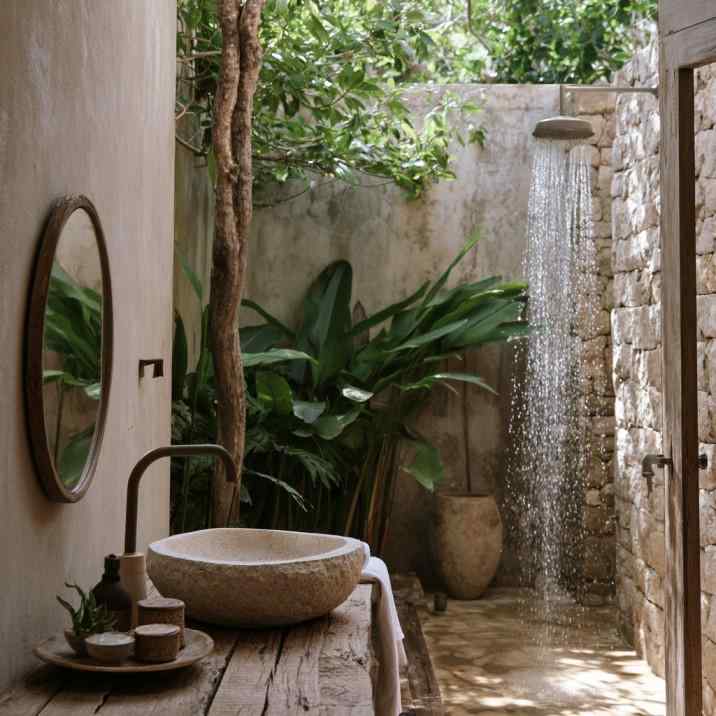
This organic bathroom design pairs a stone vessel sink with an outdoor rain shower.
Bathrooms have evolved far beyond purely functional spaces. Today, they’re designed to help you unwind, recharge, and reconnect with nature after a long day. That’s exactly what an organic bathroom design aims to achieve. By combining natural materials, earthy colours, soft textures, and simple forms, it creates a peaceful retreat that’s both stylish and timeless.
The beauty of this design style lies in its balance. While natural elements bring warmth and character, clean lines and thoughtful planning ensure the space still feels fresh and contemporary. Whether you’re designing a compact ensuite or a spacious master bathroom, organic interiors can be adapted to almost any layout.
The goal isn’t to recreate a spa…it’s to create a bathroom that feels calm, comfortable, and effortless every single day.
What Defines an Organic Bathroom Design?
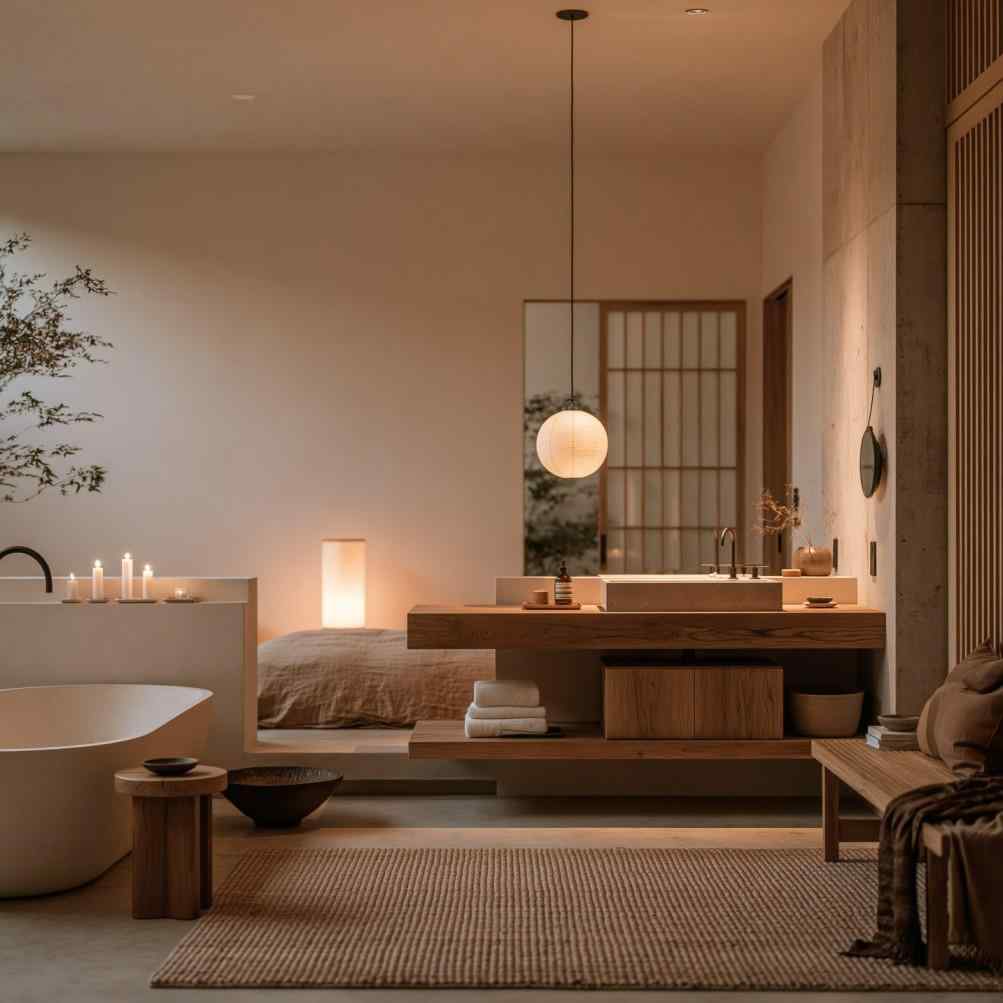
A warm organic modern bathroom blends wood vanity with a freestanding tub.
An organic bathroom focuses on natural beauty rather than decoration. Everything is understated, warm and very close to nature.
Instead of glossy finishes and bold contrasts, it celebrates wood, stone, textured ceramics, linen, handcrafted accessories, and soft, earthy colours.
The design feels uncluttered, allowing materials to become the main feature.
Rounded mirrors, curved basins, open shelving, woven baskets, and indoor plants all contribute to the relaxed atmosphere.
Unlike rustic interiors, organic bathrooms maintain clean lines and contemporary simplicity, making them suitable for both modern apartments and traditional homes.
Which Materials, Colours and Textures Create an Organic Bathroom?
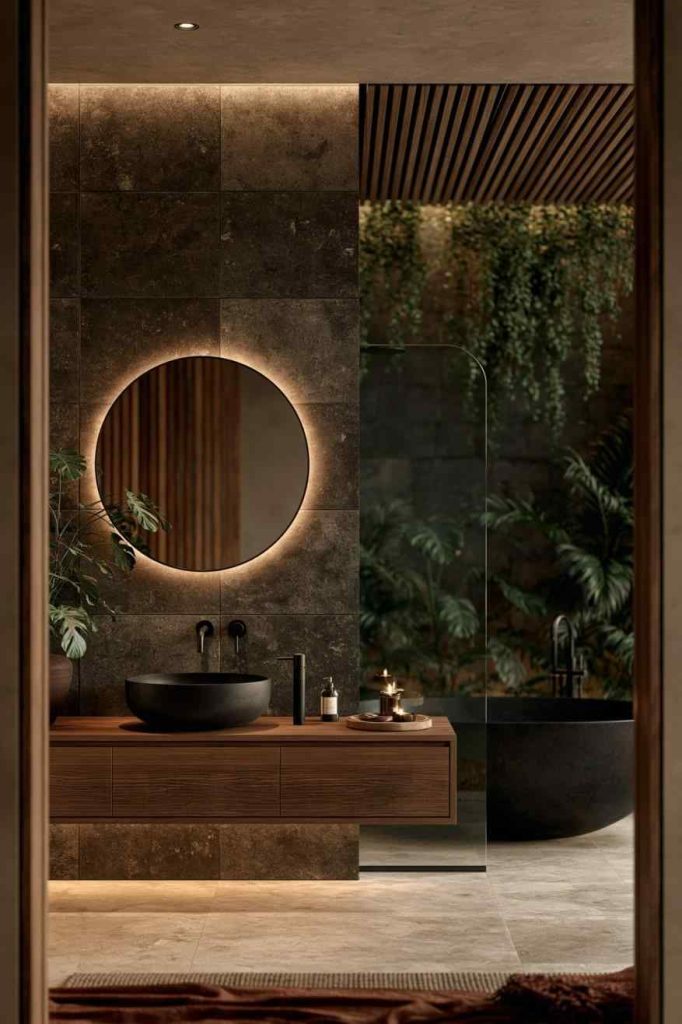
Textured stone tiles and a backlit mirror define this organic bathroom design.
Natural materials are at the heart of every organic modern bathroom design. Wood-look finishes add warmth without requiring the maintenance of untreated timber. Natural stone, terrazzo, textured porcelain, fluted tiles, and handmade ceramics introduce subtle variation and depth.
The most successful colour palettes stay close to nature. Warm white, sand, beige, taupe, greige, muted olive, sage green, clay, and soft charcoal work beautifully together. Textured towels, linen shower curtains, woven baskets, and matte finishes complete the layered look without making the room feel busy.
If you’re exploring contemporary layouts in your home, our blog on Modern Bathroom Design Ideas offers plenty of inspiration for blending clean lines with natural materials.
Which Fixtures and Details Complete a Modern Organic Bathroom?
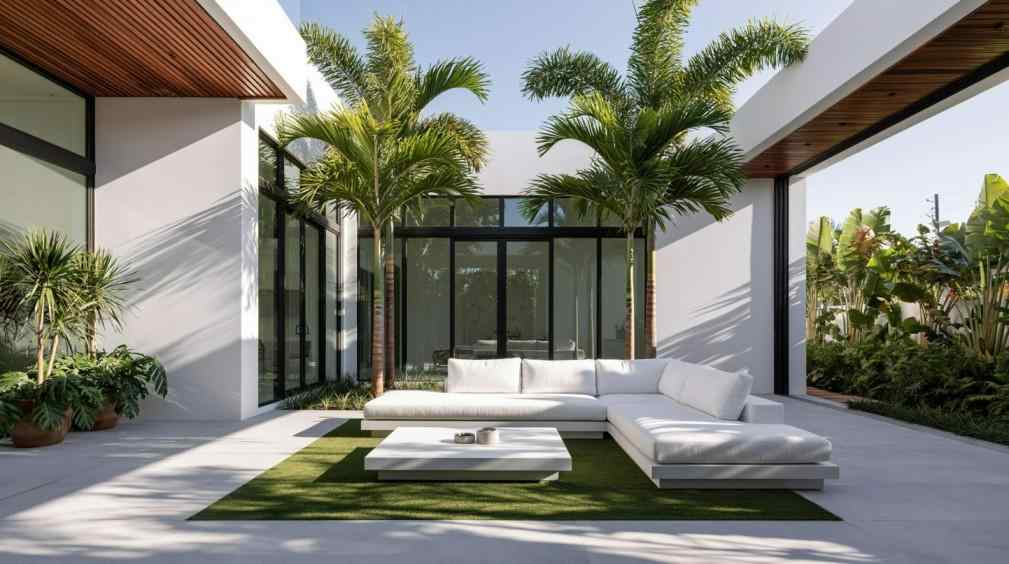
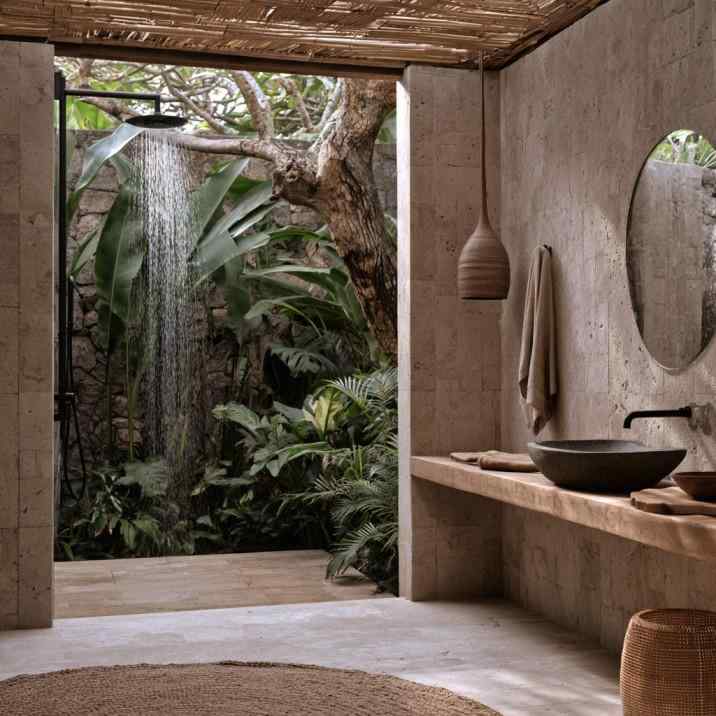
Natural stone and greenery bring organic bathroom ideas to life outdoors.
When it comes to modern organic bathroom ideas, the fixtures you choose should feel understated rather than decorative. Matte black, brushed nickel, brushed brass, and gunmetal finishes complement organic interiors beautifully.
Wall-mounted vanities create visual openness, while floating shelves reduce clutter. Large mirrors reflect natural light and make smaller bathrooms feel larger.
Indoor plants such as pothos, ferns, peace lilies, and snake plants add life while thriving in humid environments. Simple accessories made from timber, bamboo, stone, or ceramic reinforce the lovely natural aesthetic.
In the end, a warm organic modern bathroom feels carefully curated rather than heavily styled!
How Can a Warm Organic Modern Bathroom Stay Practical and Easy to Maintain?
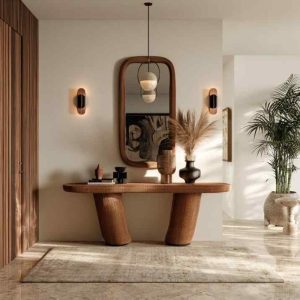
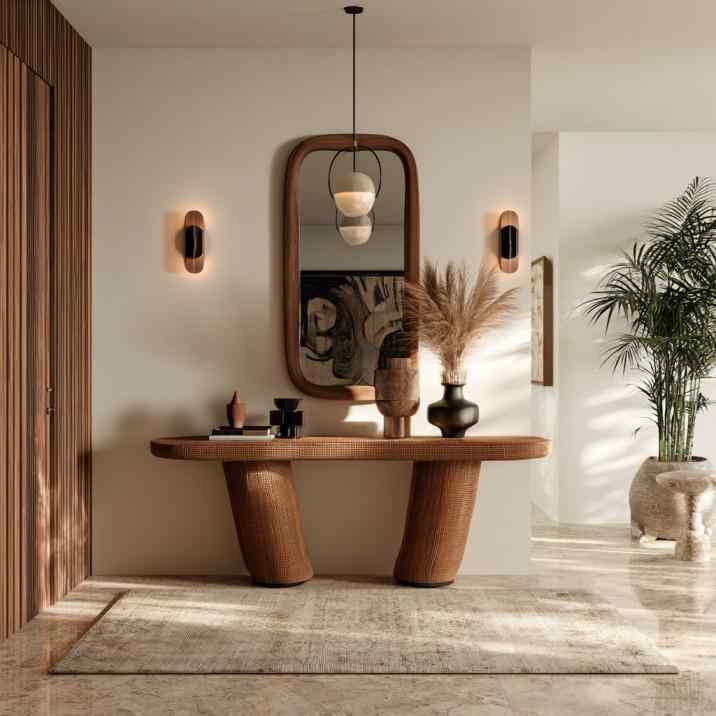
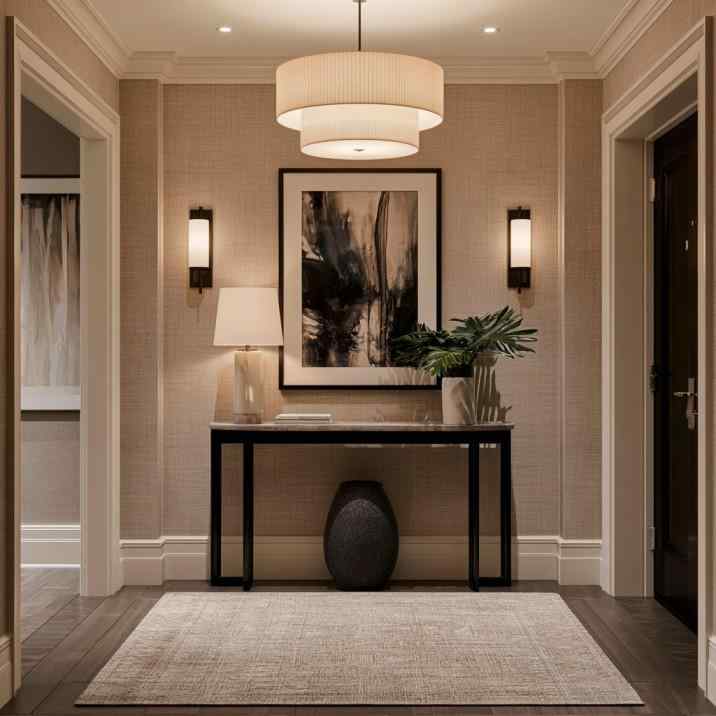
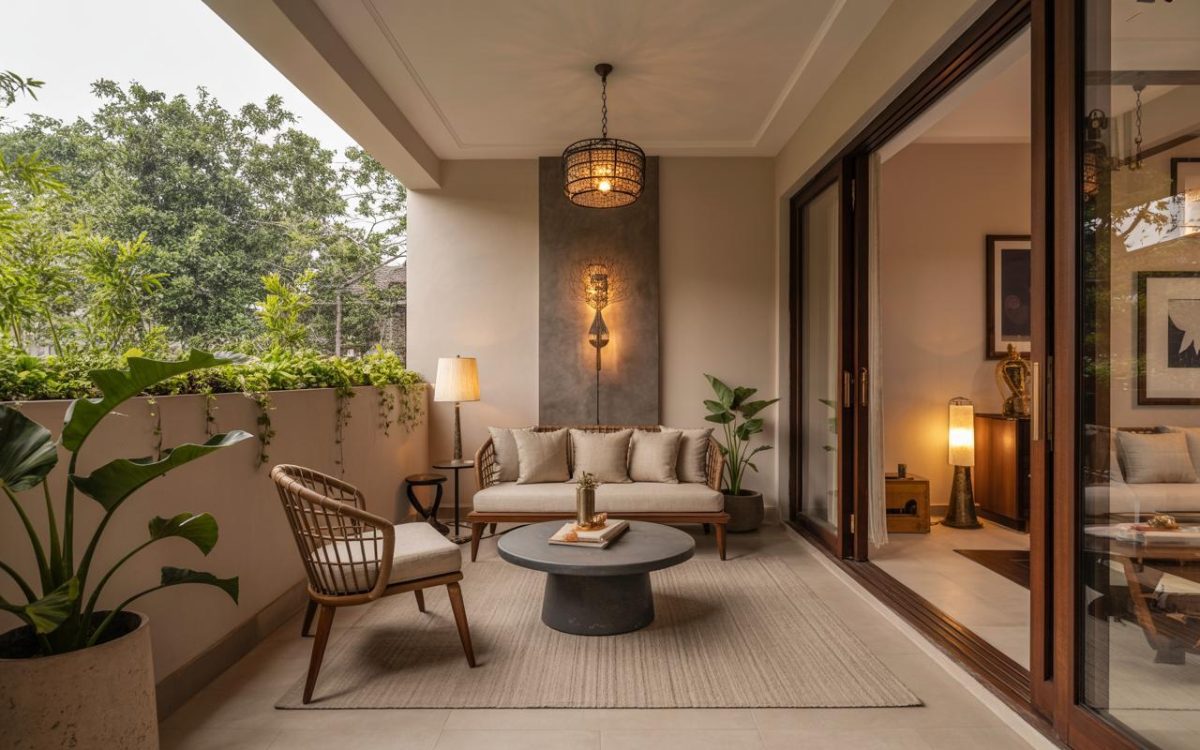
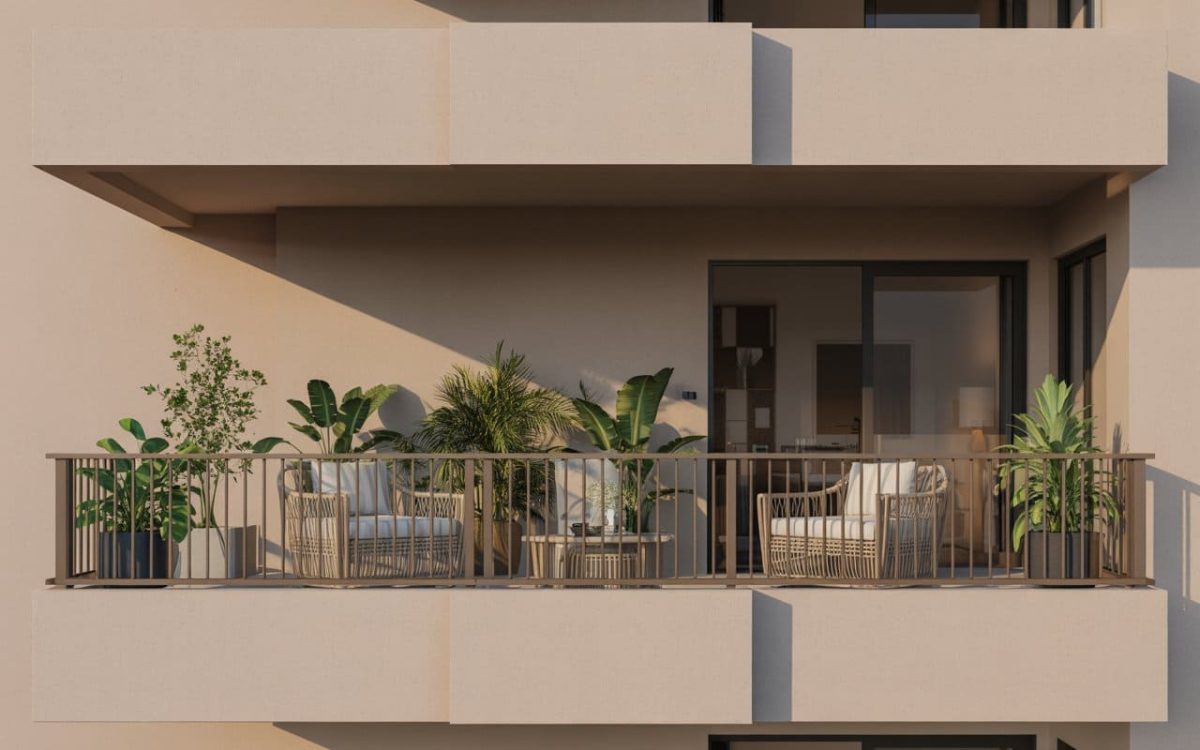
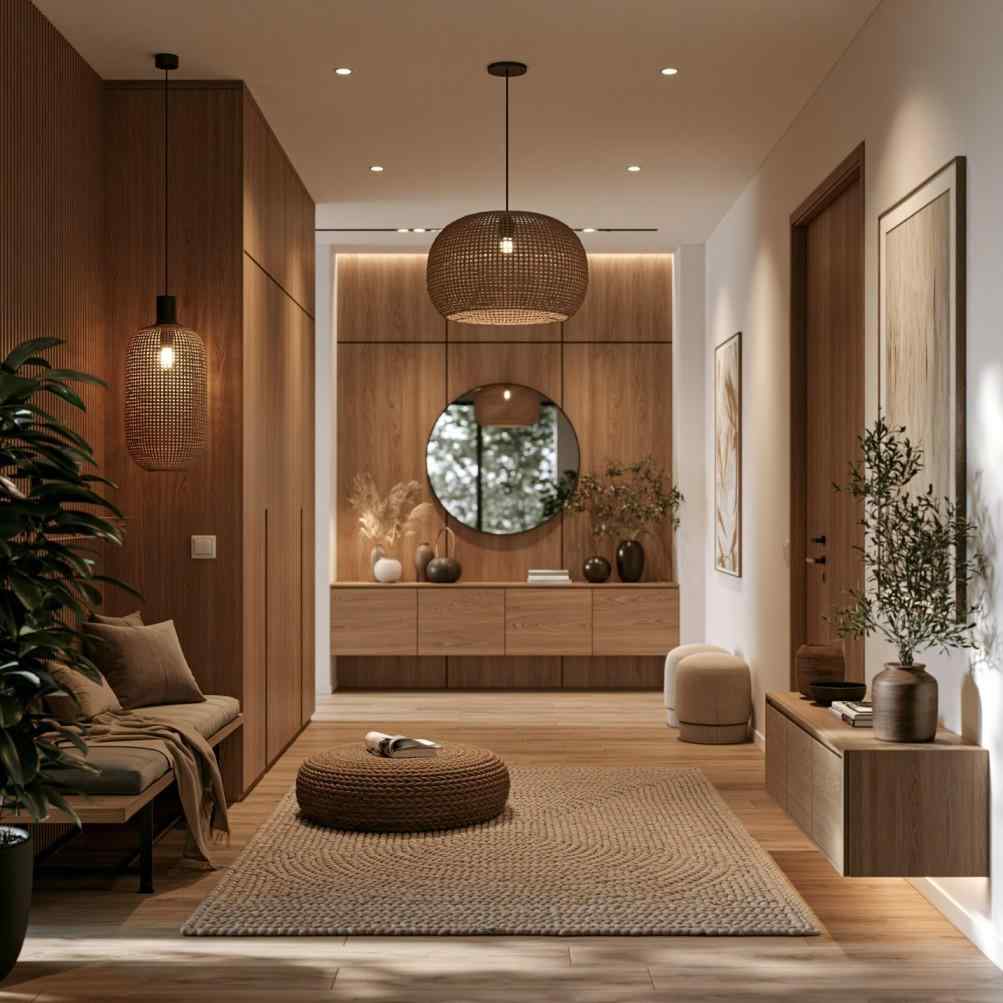
Warm timber and rattan textures reflect organic design principles in this hallway.
Organic bathroom design should never come at the expense of practicality. Unless your bathroom is functional, you will soon find yourself looking to remodel!
Keep in mind:
Choose porcelain tiles that resemble stone or timber for easier maintenance than natural materials.
Use moisture-resistant laminates or engineered wood for vanity units instead of untreated timber.
Install good ventilation to prevent mould around textured finishes.
Limit decorative accessories so cleaning remains simple.
In a small organic bathroom design, prioritise built-in storage, floating furniture, and large-format tiles to maintain an open, uncluttered appearance.
Our blog on the Latest Bathroom Design Ideas showcases practical layouts that balance aesthetics with everyday functionality.
What Common Organic Bathroom Design Mistakes Can Create a Cluttered Look?
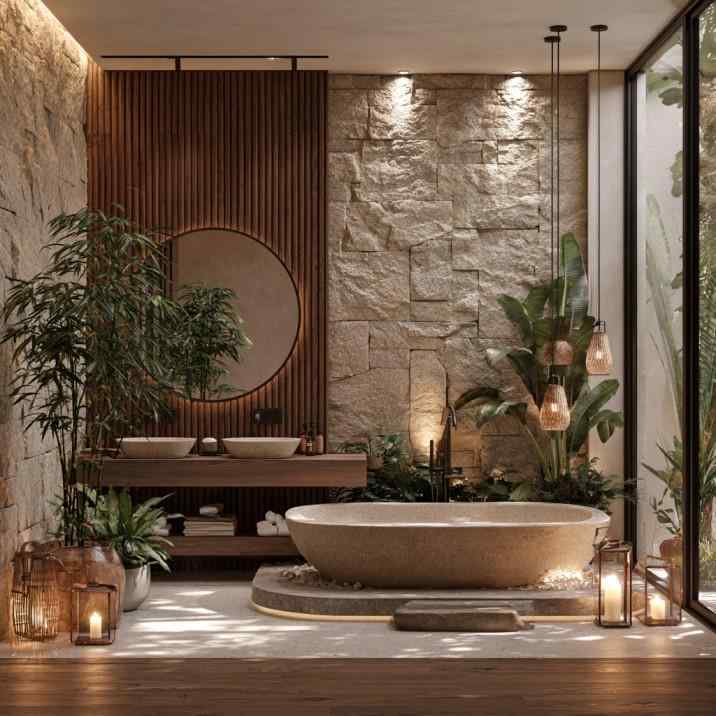
A sculpted stone bathtub anchors this nature-inspired organic bathroom design.
The biggest mistake is adding too many natural materials at once. Wood, stone, rattan, bamboo, and greenery can quickly become visually overwhelming if they’re not balanced carefully.
Another common error is choosing colours that are too dark, making the bathroom feel smaller than intended. Poor lighting also reduces the warmth that defines organic interiors.
Finally, avoid filling every surface with decorative accessories. The beauty of organic design comes from restraint, allowing each carefully selected material to stand out naturally.
Bring Nature Home—One Thoughtful Detail at a Time!
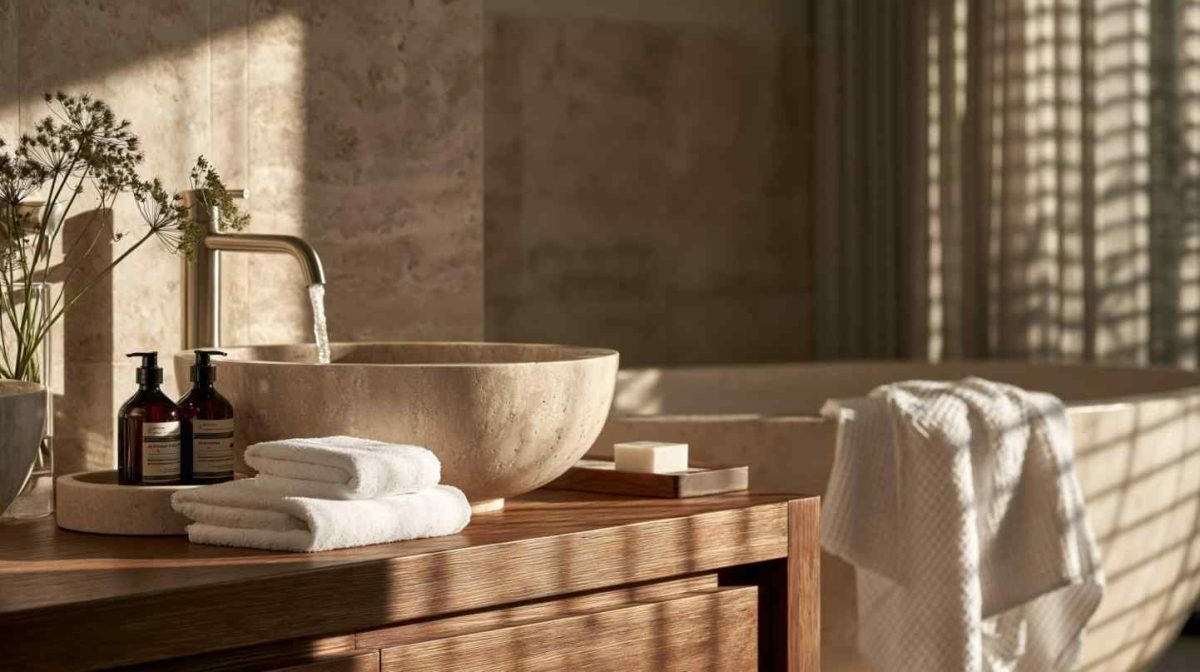
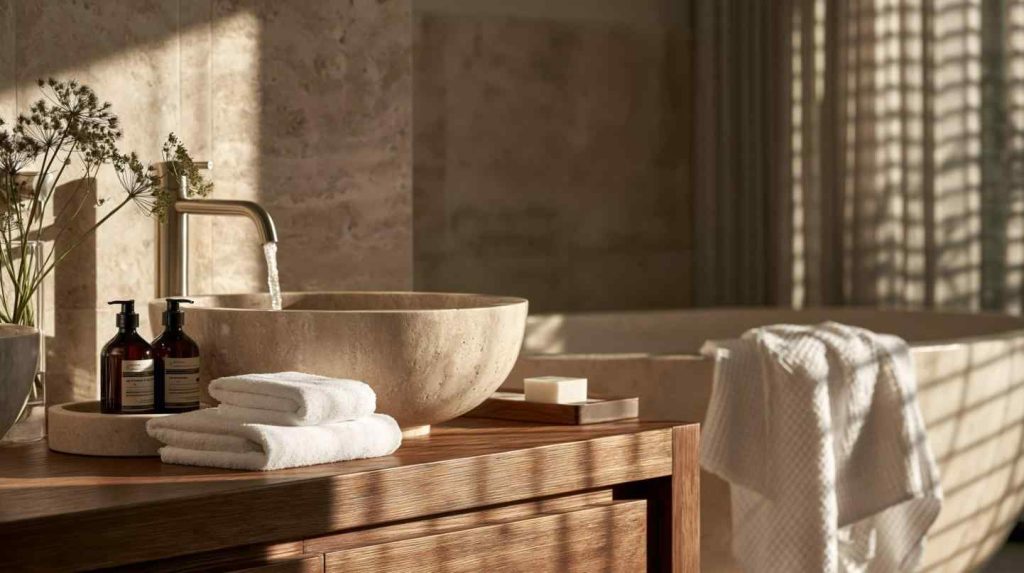
Stone vessel sinks and linen towels highlight natural organic bathroom materials.
An organic bathroom design isn’t about following trends…it’s about creating a space that feels calm, welcoming, and connected to nature. By combining earthy colours, natural textures, practical layouts, and timeless materials, you can design a bathroom that’s both beautiful and easy to live with.
At HomeLane, our designers help homeowners create personalised bathrooms that balance style, functionality, and everyday comfort. Book a free HomeLane consultation and discover how natural materials and thoughtful design can completely transform your bathroom.
The most relaxing bathrooms are often the simplest ones!
FAQs
1. What colours work best for an organic bathroom?
Warm whites, beige, sand, taupe, sage green, olive, clay, and soft greys create the most authentic organic colour palette. Layering similar earthy tones helps the bathroom feel calm and cohesive.
2. What materials are commonly used in organic bathroom design?
Natural stone, timber, terrazzo, textured porcelain, ceramics, bamboo, rattan, and linen are among the most popular materials. Modern alternatives that mimic these materials also work well while requiring less maintenance.
3. What tiles work best for an organic bathroom?
Large-format porcelain tiles with stone or timber finishes provide the appearance of natural materials while remaining durable and easy to clean. Matte finishes usually complement organic interiors better than highly polished tiles.
4. How can I make my bathroom look more natural and relaxing?
Use a soft neutral colour palette, incorporate natural textures, maximise natural light, and add a few carefully chosen indoor plants. Keeping accessories minimal allows the natural materials to become the focus.
5. What is the difference between organic and organic modern bathroom design?
Organic bathrooms lean more heavily towards raw natural textures, while organic modern bathroom design combines those materials with contemporary layouts, minimalist fixtures, and clean architectural lines. The result feels warmer than pure minimalism but more refined than rustic design.
6. What lighting works best in an organic bathroom?
Warm white lighting between 2700K and 3000K creates a soft, welcoming ambience that complements natural materials beautifully. Layering ceiling lights with mirror lighting and subtle accent illumination adds depth and extra dimension to your space.









 EXPLORE MORE