Acrylic Paint for Walls: Vibrant, Durable and Stylish Choices in 2026
By Usha Balasubramanyan- May 25, 2026
AI Summary
3 key insights · 1 expert tip
Acrylic paint offers durable, vibrant, and easy-to-clean walls, making it a practical choice for lasting interior style and low maintenance.
Key Insights:
What You'll Read Here:
Acrylic paint’s water-based formula dries faster and has less odour than oil-based alternatives.
It is versatile for living rooms, bedrooms, kitchens, and bathrooms due to its durability and moisture resistance.
Proper surface prep, primer application, and thin coats ensure a smooth, long-lasting, and even finish.
HOMELANE EXPERT TIPBy our design team
Always test your chosen acrylic wall colour in a small, inconspicuous area to see how it looks under your home's specific lighting conditions before committing.
Summary
Walls often lose their finish faster than expected. Colours fade, stains settle in, and frequent repainting becomes a hassle. This creates ongoing maintenance and frustration, especially in busy spaces. Acrylic paint for walls solves this by offering a durable, easy-to-clean surface that holds colour well over time. It dries faster, smells less, and adapts to different finishes, making it practical for every home. With the right application and colour choice, it helps create interiors that look better and stay that way longer.
Best For
Homeowners who want low-maintenance walls, families with high-traffic spaces, and anyone planning a quick and durable refresh.
Expert Tip
Always test your acrylic wall colour on a small section before finalising. Colours can look very different once they are under your home’s lighting.
A fresh coat of acrylic wall paint transforms a living space with rich, lasting colour.
If your walls are looking shabby too quickly or picking up marks that refuse to go away, it may not be the colour. It is often the paint itself.
That is exactly why acrylic paint for walls is becoming the go-to choice in modern homes. It is durable, easy to work with, and gives a smooth, clean finish that lasts. Whether you are refreshing a single room or planning a full makeover, understanding how acrylic interior paint works can help you make better decisions from the start.
What is Acrylic Paint?
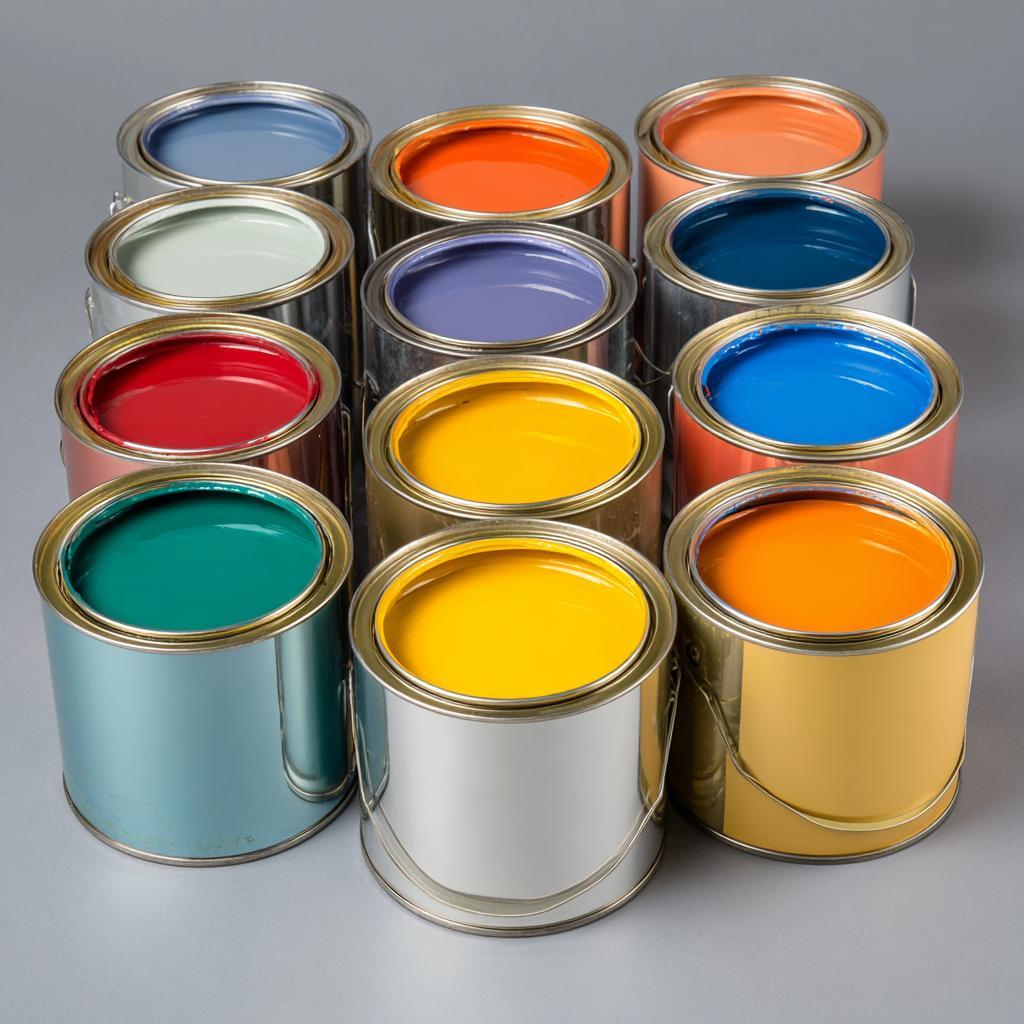
Acrylic paint comes in a wide range of colours to suit every interior style.
Acrylic paint is a water-based paint made with acrylic resins. Once applied, it dries into a flexible, long-lasting layer that holds colour well over time. Unlike older oil-based paints, acrylic based paint for walls dries faster, has less odour, and is easier to maintain.
It also adapts well to different surfaces, which is why it is widely used for both simple finishes and creative ideas like acrylic wall art or textured effects.
Why Choose Acrylic Paint for Interior Walls?
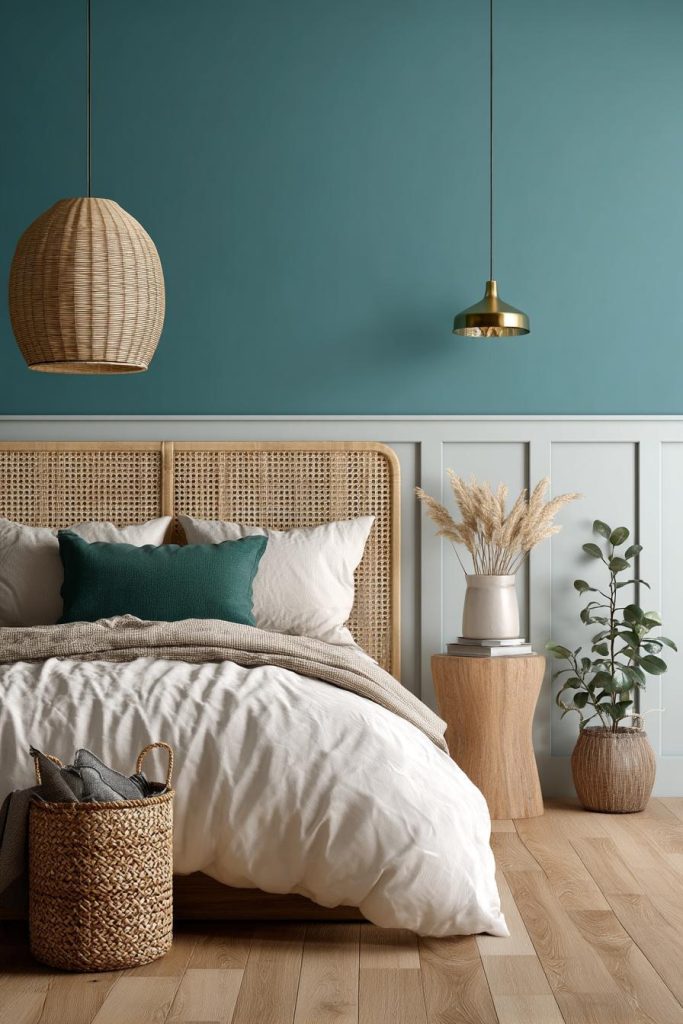
A deep teal acrylic wall colour adds calm and character to a modern bedroom.
There is a reason designers often recommend acrylic paint for walls without hesitation. First, it is durable. It does not crack or peel easily, even with regular use. This makes it ideal for busy homes. Second, it is easy to clean. Most stains can be wiped off without damaging the surface, which is a big advantage in everyday living.
Third, the finish looks refined. Whether you prefer matte, satin, or a slight sheen, acrylic wall colour gives a smooth and even result. And finally, it is practical. Since it is water-based, wall painting with acrylic colours is quicker and less messy compared to traditional paints.
Best Rooms to Use Acrylic Paint In
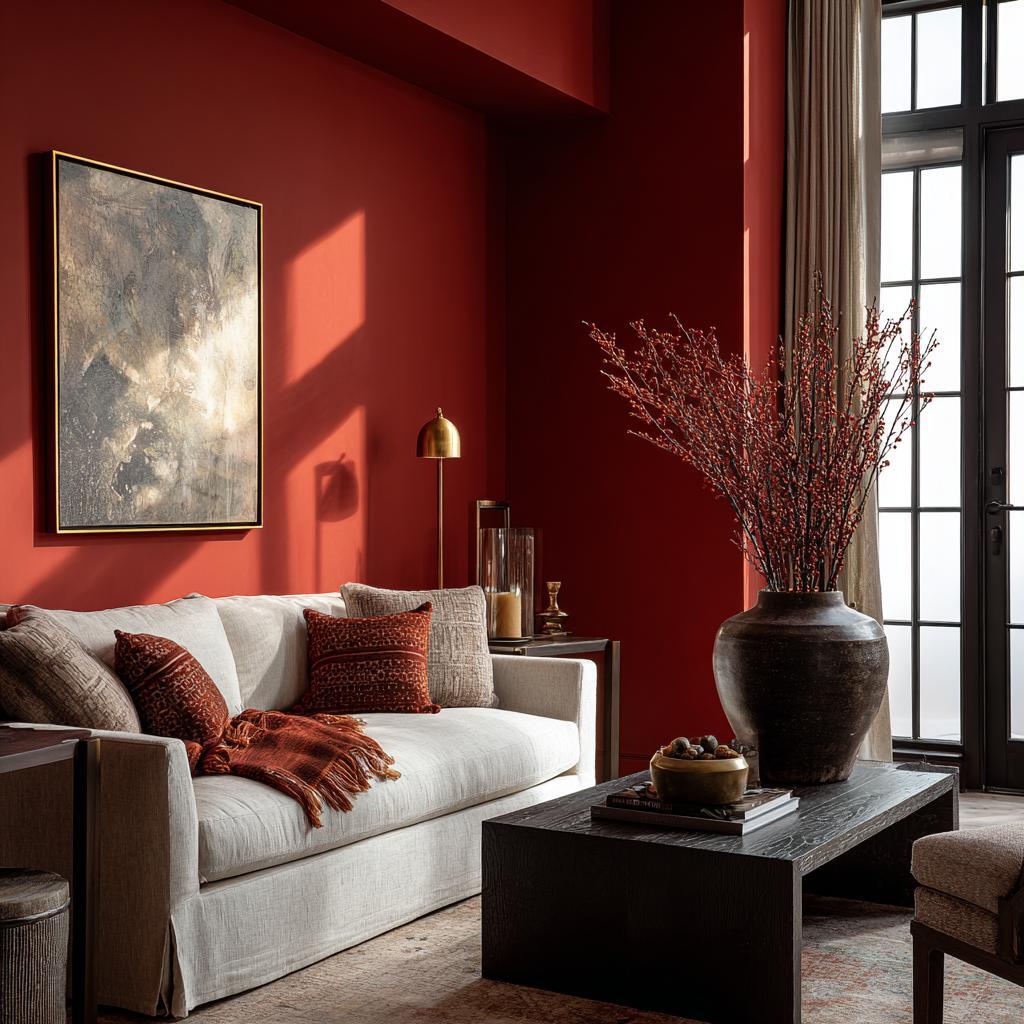
Bold terracotta acrylic paint makes a dramatic statement in a cosy living room.
One of the strengths of acrylic interior paint is its versatility. It works well across almost every room in your home. In living rooms, it handles wear and tear without losing its finish. In bedrooms, especially when used for acrylic painting for bedroom walls, it creates a soft, calm look.
Kitchens and bathrooms benefit from its moisture resistance. Even in hallways and high-traffic areas, acrylic colour for wall painting holds up well. If you are planning something creative, like a feature wall or simple acrylic wall painting, acrylic paints are easy to layer and experiment with.
How to Use Acrylic Paint on Walls – Step-by-Step
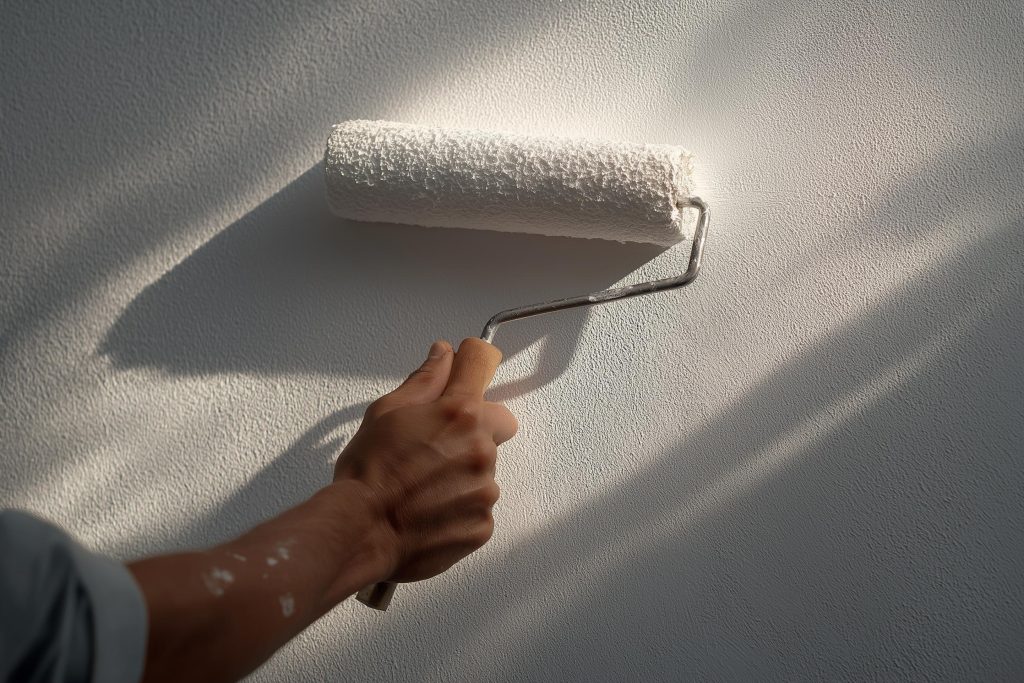
Using a roller ensures smooth, even coverage when applying acrylic paint on walls.
Applying the paint properly makes all the difference to the final look. Start with surface prep. Clean the wall thoroughly and repair any cracks or uneven patches. Next, apply a primer. This helps the paint adhere better and ensures the colour appears consistent.
Paint only after the primer fully dries. Apply thin, even coats with a steady hand, rather than thicker layers which can be sloppy. Allow each coat to dry before applying the next. Acrylic paint dries quickly, which makes the process more manageable. Finish with a final inspection. Touch up any missed spots and ensure the finish looks uniform.
Choosing the Right Acrylic Paint Colours for Interiors
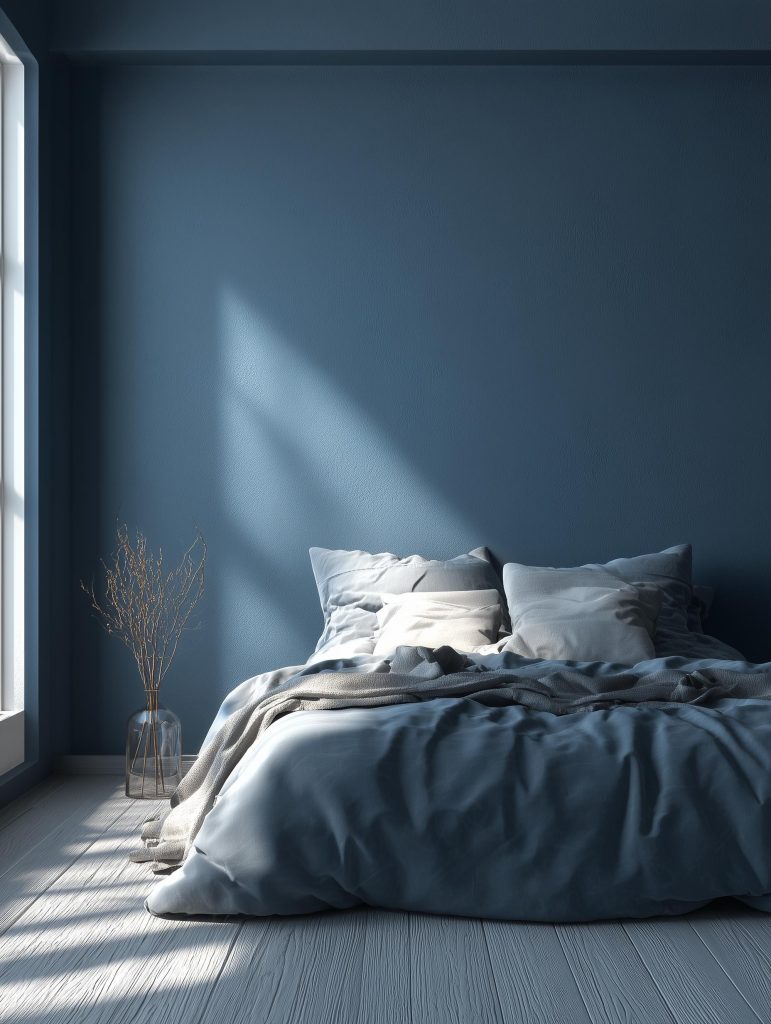
Deep navy acrylic wall colour creates a moody, refined feel in a bedroom setting.
Choosing colour is where most people get stuck. The key is to think about how you want the room to feel. Soft neutrals like beige, off-white, and light grey are safe and versatile. They work well in almost any setting. If you want more depth, you can look at using muted greens, warm terracotta, or dusty blues. These shades are popular in acrylic colour wall painting trends for 2026.
For creative spaces, you can experiment with acrylic brick wall painting or textured finishes that add character without overwhelming the room. The important thing is balance. Bold colours work best when paired with simpler surroundings.
Maintenance Tips for Acrylic-Painted Walls
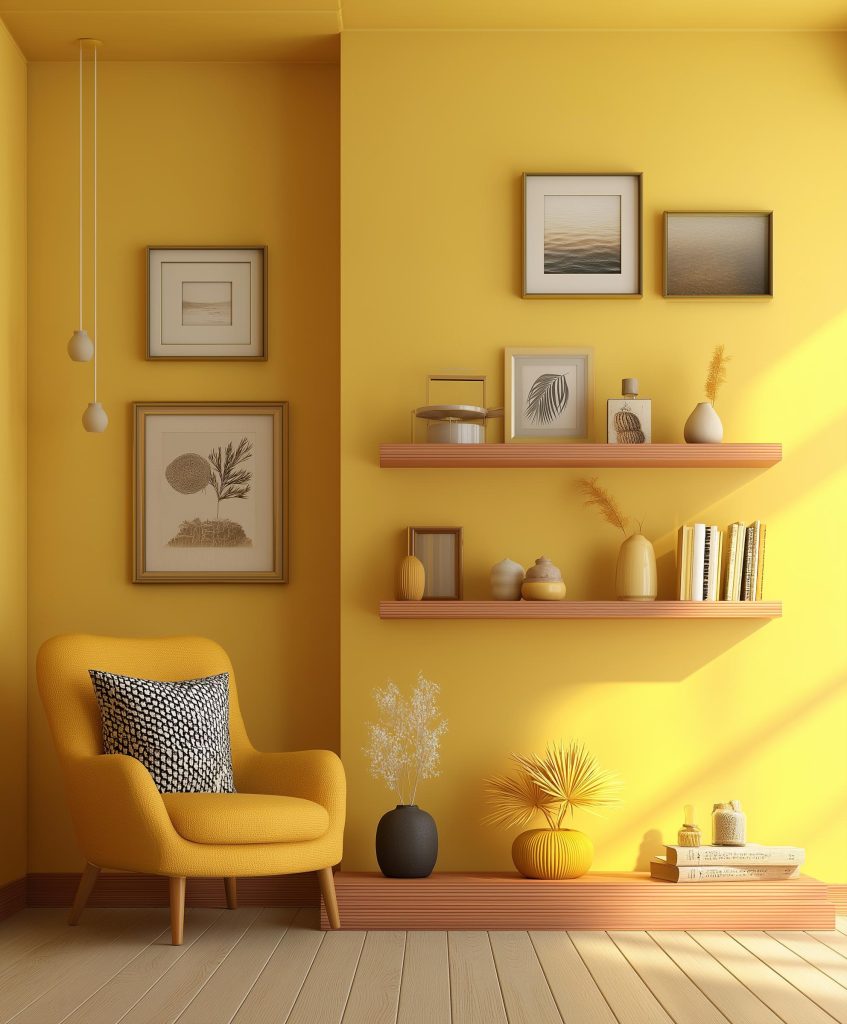
Vibrant yellow acrylic paint stays bright and easy to maintain in everyday spaces.
Once you’ve used acrylic paint for walls, you’ll be happy with just how easy it is to maintain. Regular dusting keeps the surface clean. If the wall gets stained, a soft cloth with mild soap usually does the job.Avoid harsh scrubbing or chemical cleaners, as it can make the colours fade and the sheen go away.
Whenever needed, touch-ups are very simple. Acrylic paint blends well, so small fixes do not stand out. With basic care, your walls can look fresh for years.
Common Mistakes to Avoid
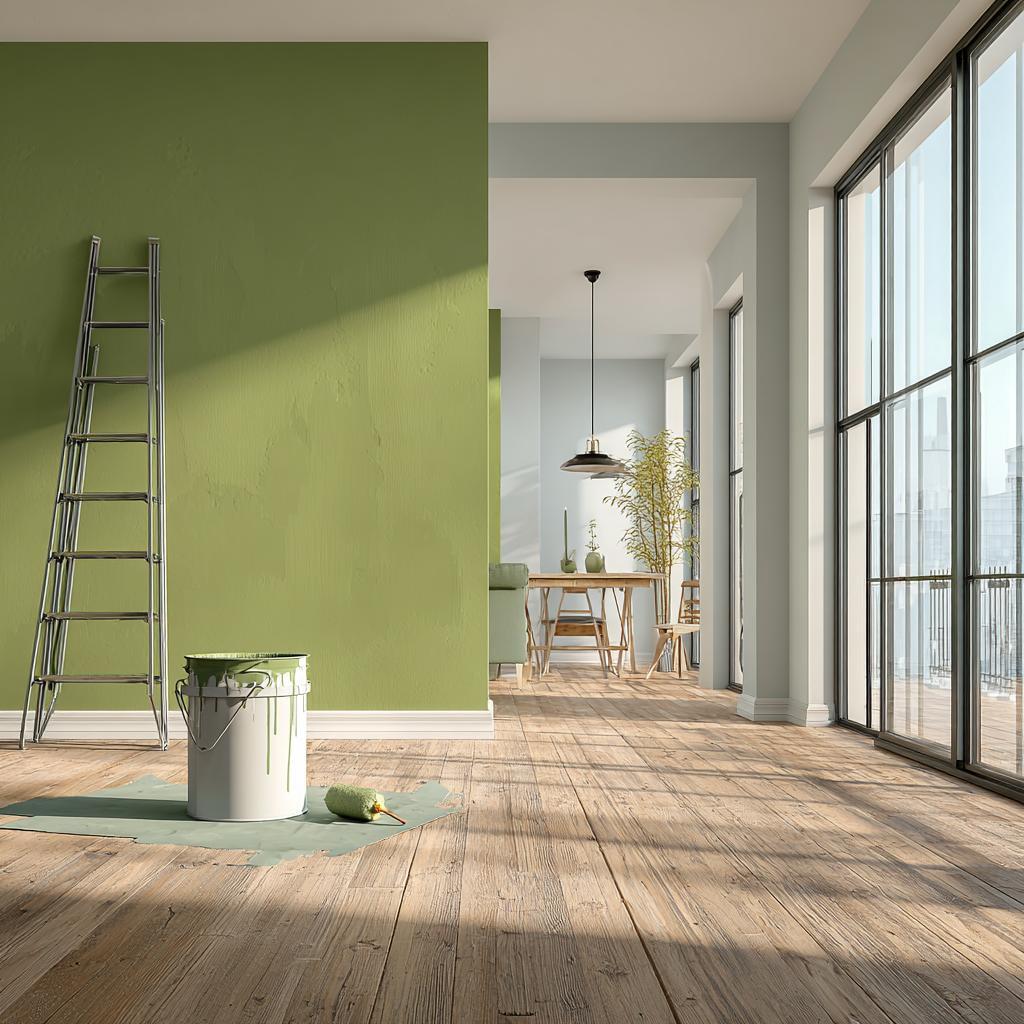
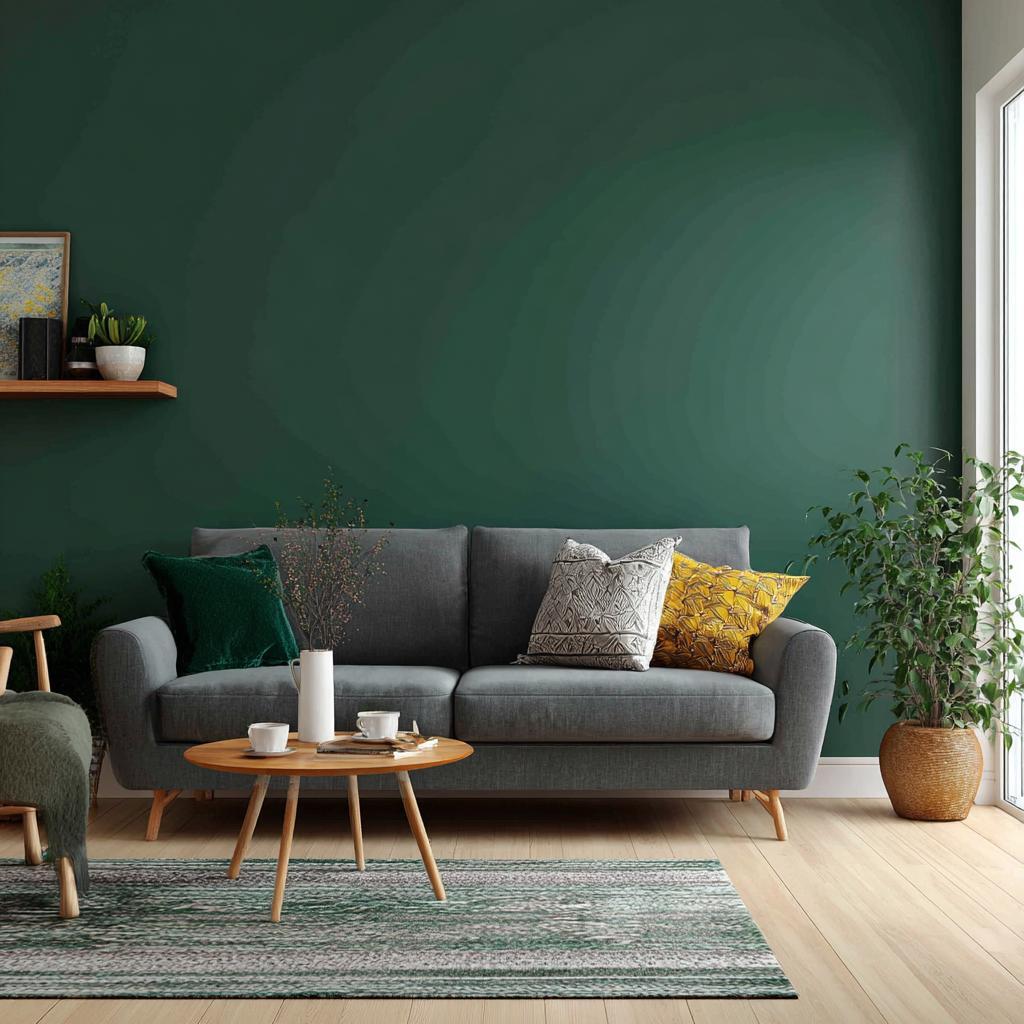
A rich green acrylic wall finish adds depth and sophistication to any living space.
Even with the best paint, a few mistakes can affect the outcome. Skipping primer is one of the most common issues. It leads to uneven colour and poor adhesion. Using thick coats instead of multiple thin layers can create streaks and patches.
Choosing colours without testing them on your wall often leads to disappointment. Lighting changes how colours appear. Rushing the drying process is another mistake that many people make. Acrylic paint dries quickly, but it still needs proper time between coats. And finally, ignoring surface preparation can undo all your effort. A smooth base is essential for a clean finish.
Creating Walls That Make a Style Statement
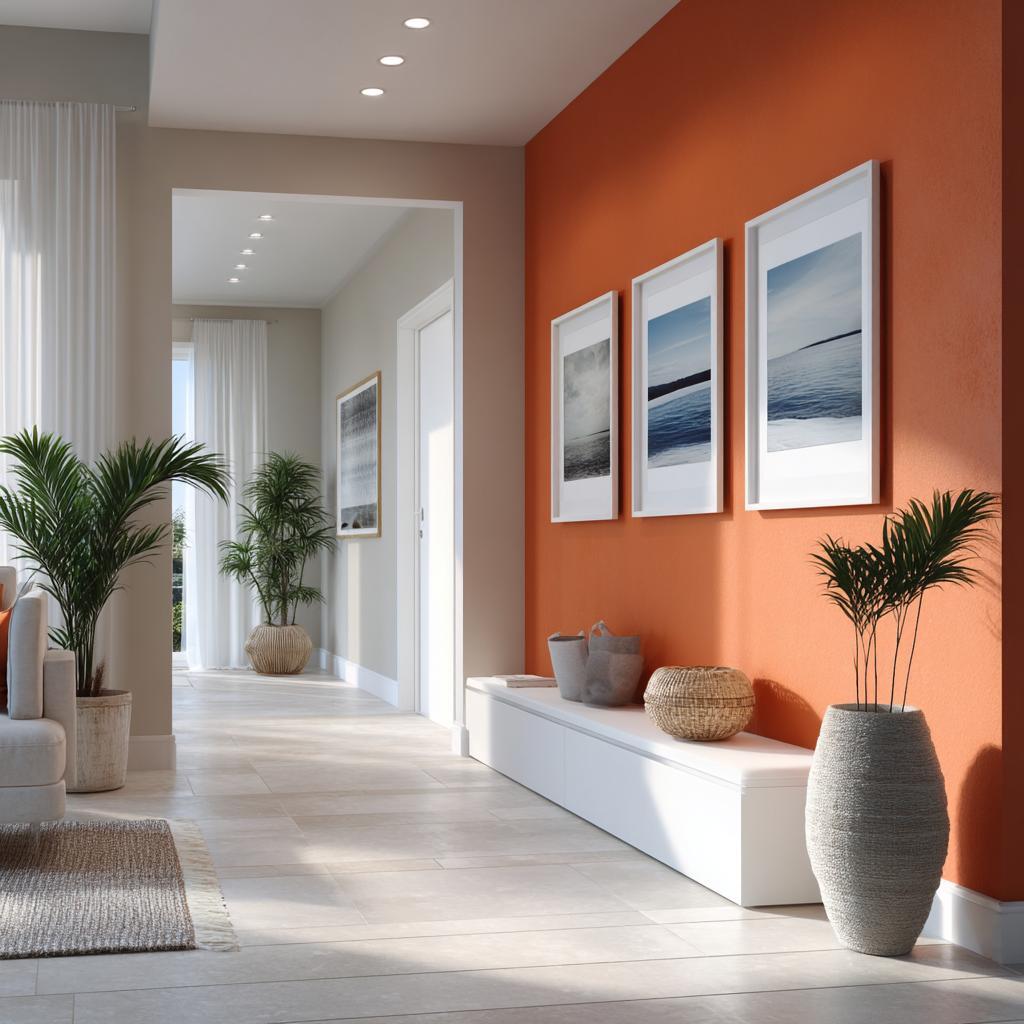
Warm terracotta acrylic paint brightens a hallway while keeping maintenance effortless.
A good paint choice does more than improve how your walls look. It changes how easy your home is to live in. With acrylic paint for walls, you get durability, flexibility, and a finish that stays fresh longer. It works for simple updates as well as creative ideas like wall art or accent designs. If your current walls feel outdated, switching to acrylic is a lovely upgrade. Need help with your choices? HomeLane has your back!
FAQs
1. What are the advantages of using acrylic paint for interior walls?
Acrylic paint for walls is durable, easy to clean, quick-drying, and provides a smooth, long-lasting finish. It is also less odorous compared to oil-based paints.
2. What types of finishes are available with acrylic paints for walls?
You can choose from matte, satin, semi-gloss, and gloss finishes depending on the look and level of sheen you prefer.
3. Is acrylic paint suitable for high-traffic areas such as living rooms, kitchens, and bathrooms?
Yes, acrylic interior paint is great in high-traffic areas because it resists stains, moisture, and wear.
4. How should acrylic paint be applied for the best results on interior walls?
Prepare the surface well, apply a primer, and use multiple thin coats. Allow proper drying time between each coat for a smooth finish.
5. What are the best colour options and trends with acrylic paints for modern interiors?
Neutral tones, earthy shades, and light colours are sought-after. They work well for different decor styles.
6. Can acrylic paint be used for decorative effects like accent walls or murals?
Yes, it is ideal for creative applications such as simple acrylic wall painting, feature walls, and textured finishes.
7. Is acrylic paint safe and eco-friendly for indoor use?
Most acrylic based paint for walls is low in VOCs, making it safer for indoor use when compared to traditional paints.












 EXPLORE MORE