Matte vs Satin Paint Finish for Walls: Which Should You Choose?
By Usha Balasubramanyan- June 11, 2026
AI Summary
3 key insights · 1 expert tip
Matte paint offers a soft look and hides imperfections, while satin provides durability and easier cleaning, making the best choice for your walls dependent on room usage and lighting.
Key Insights:
What You'll Read Here:
Matte is ideal for low-traffic areas like bedrooms, while satin suits high-traffic spaces such as kitchens and hallways.
Matte paint absorbs light for a soft finish, whereas satin paint reflects light for a slightly polished appearance.
Satin finishes are generally slightly more expensive than matte due to their enhanced durability and easier maintenance.
HOMELANE EXPERT TIPBy our design team
For optimal results, avoid using a single paint finish throughout your home; instead, strategically mix matte and satin based on each room's specific use and traffic.
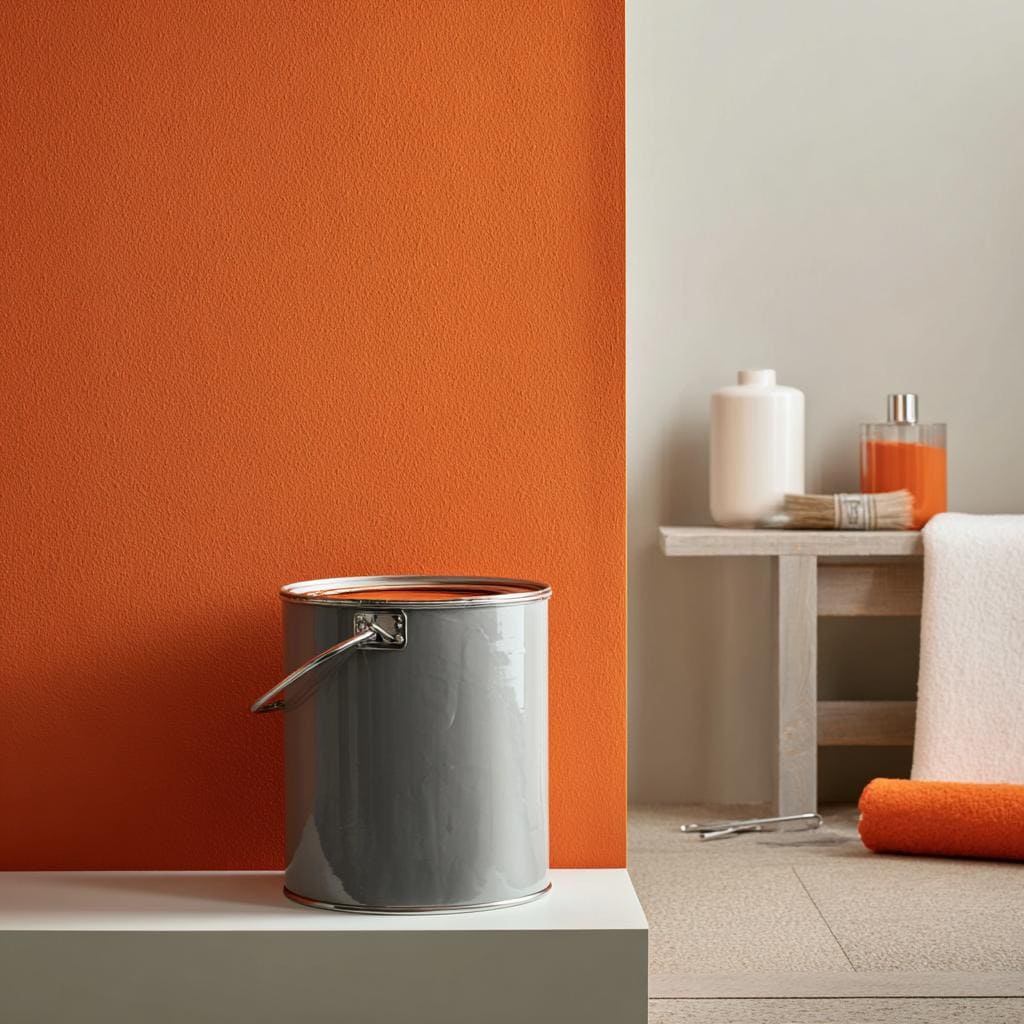
Orange matte paint finish absorbs light beautifully, delivering a soft, textured look ideal for living spaces.
Standing in a paint store, staring at shade cards is confusing enough. Choosing the finish? Seems easy enough, but might not be!
Matte or satin. They sound simple, but they behave very differently on your walls. One hides imperfections beautifully. The other reflects light and handles wear better. So how do you cut through all that confusion? In the end, it’s about how you use the space, how much light it gets, and how much maintenance you’re okay with. Let’s break down the matte vs satin paint difference so you can decide more easily.
What’s the Actual Difference Between Matte and Satin Paint Finish?
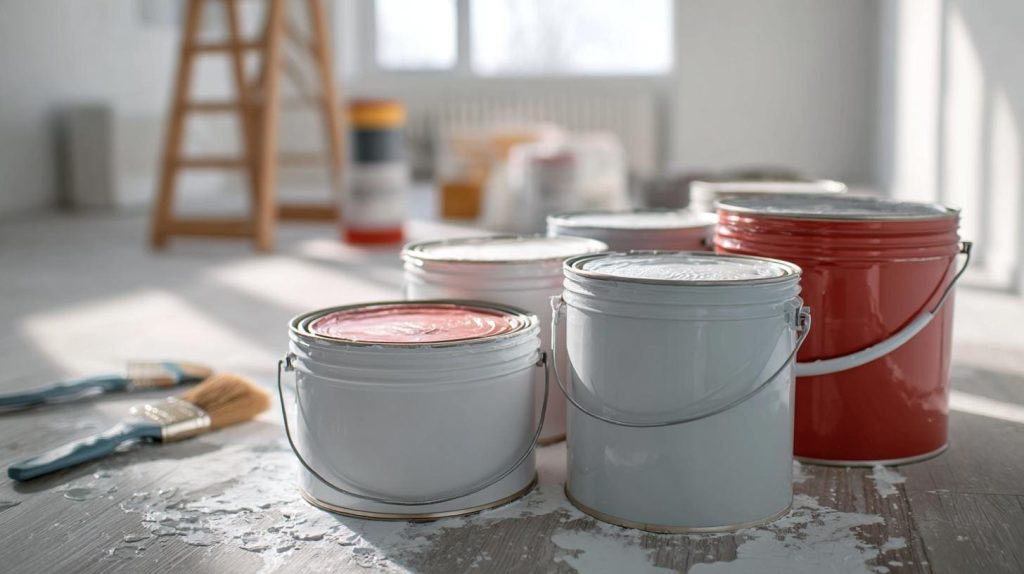
Paint cans and brushes ready for an interior project and first step to choosing the right wall finish.
At a basic level, it’s about how much light the surface reflects.
Matte paint has little to no sheen. It absorbs light, which gives walls a soft, smooth look. Satin paint has a slight sheen. It reflects light just enough to add a gentle glow. And that one difference changes everything. Matte feels subtle and flat. Satin feels smoother and slightly polished. When people compare satin vs matte vs gloss, matte sits at the lowest sheen level, satin sits in the middle, and gloss is the most reflective.
Matte Paint Finish for Walls: What It Looks Like and Where It Works
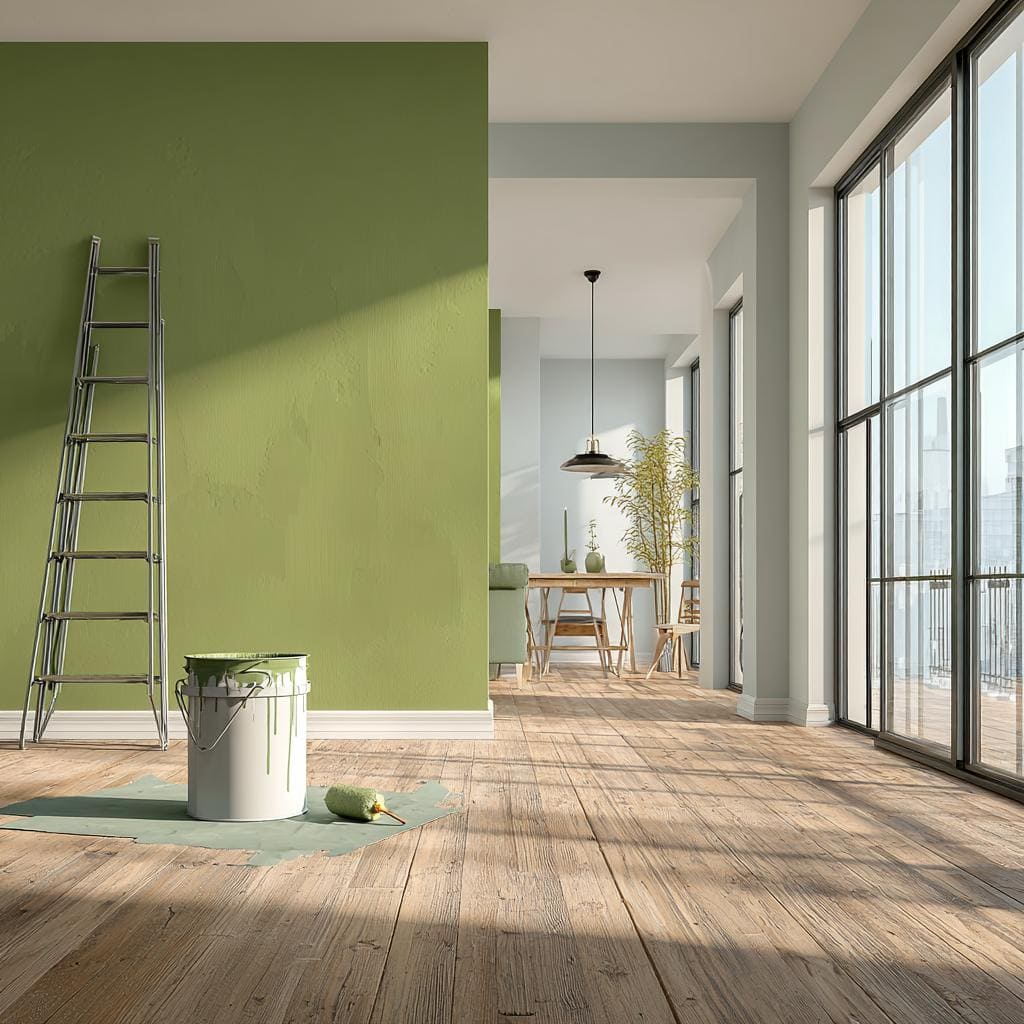
Olive green matte paint on a living room wall creates a calm, understated look in large spaces.
Matte paint gives walls a calm, even finish. It hides surface imperfections like dents, patches, or uneven plaster really well.
That’s why it’s often used in bedrooms, living rooms, and ceilings; spaces where you want a softer look without too much shine. It also works well in areas with a lot of natural light. Since it doesn’t reflect much, it reduces glare and keeps the room feeling easy on the eyes. The trade-off? Matte paint is harder to clean. Marks and stains can show more easily, especially in high-traffic areas.
Satin Paint Finish for Walls: What It Looks Like and Where It Works!
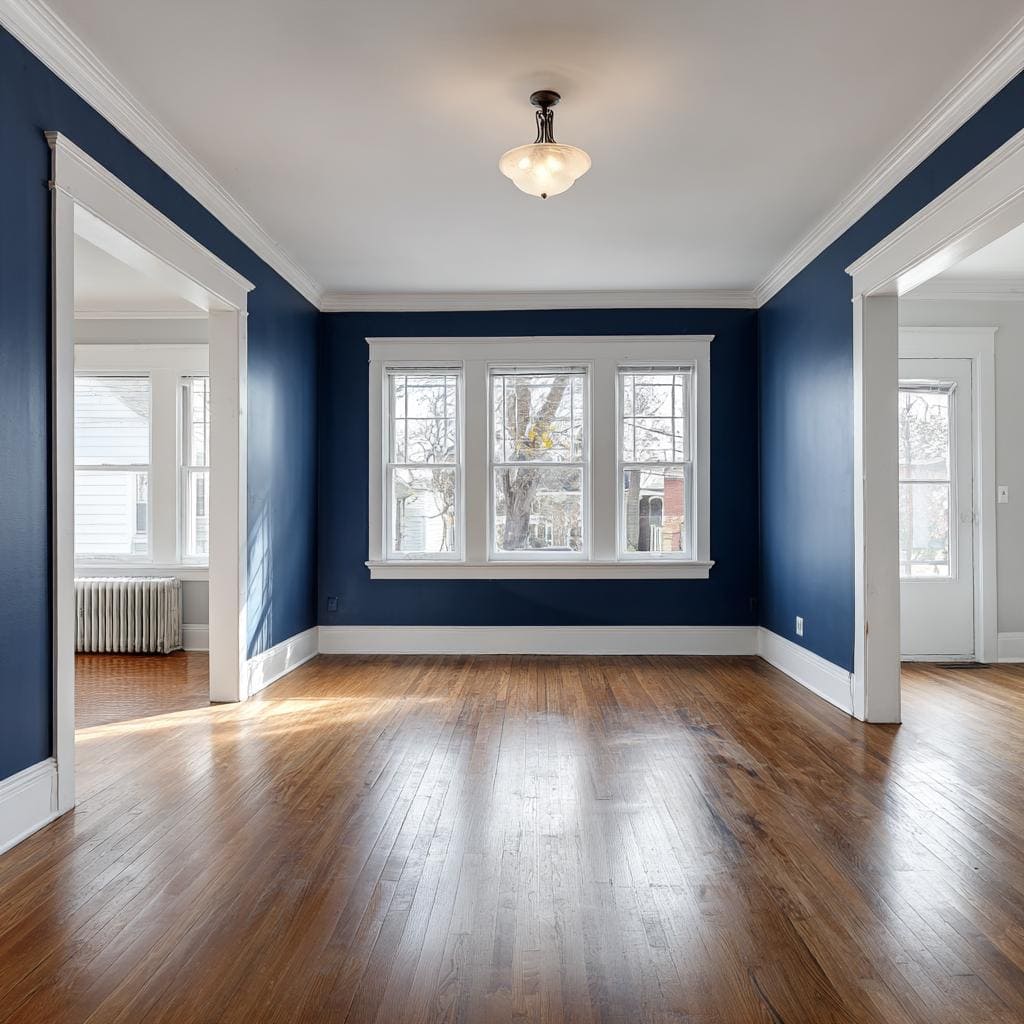
Navy blue satin walls reflect light subtly, giving this classic room a polished, refined feel.
Satin paint is halfway between matte and gloss; not too simple and not shiny!
It has a soft sheen that reflects light slightly, which makes walls look smoother and a bit more refined. It’s not shiny, but it’s not flat either. Because of this, satin is more durable and easier to clean. That makes it a good choice for kitchens, hallways, and kids’ rooms. It also works well in areas where walls are touched often. The finish holds up better over time compared to matte.
Matte vs Satin Paint Finish — Side-by-Side Comparison
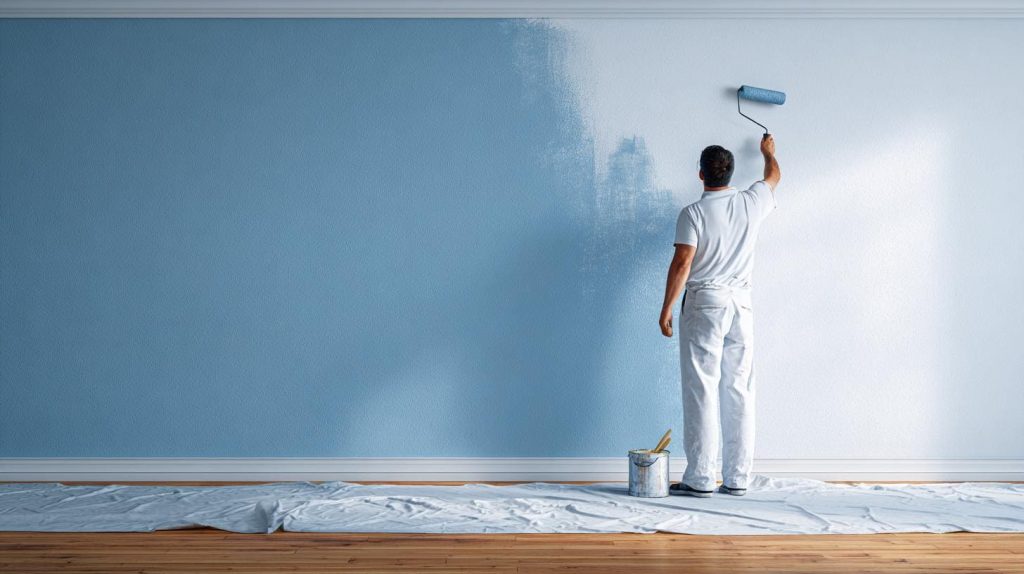
A painter rolling light blue paint onto a wall — a familiar scene when upgrading interior wall finishes.
Let’s make it simple.
Matte hides imperfections better. Satin highlights them slightly because of the sheen. Matte gives a softer, more muted look. Satin feels a bit brighter and more finished. In terms of maintenance, satin is easier to clean and more durable. Matte needs a bit more care. When looking at all the matte vs satin paint pros and cons, it really comes down to looks versus practicality.
Which Paint Finish for Which Room? A Room-by-Room Guide
Think about how each room is used.
Living rooms works well with matte, especially if you want a soft, elegant look. But if the space sees a lot of activity, satin can be more practical.
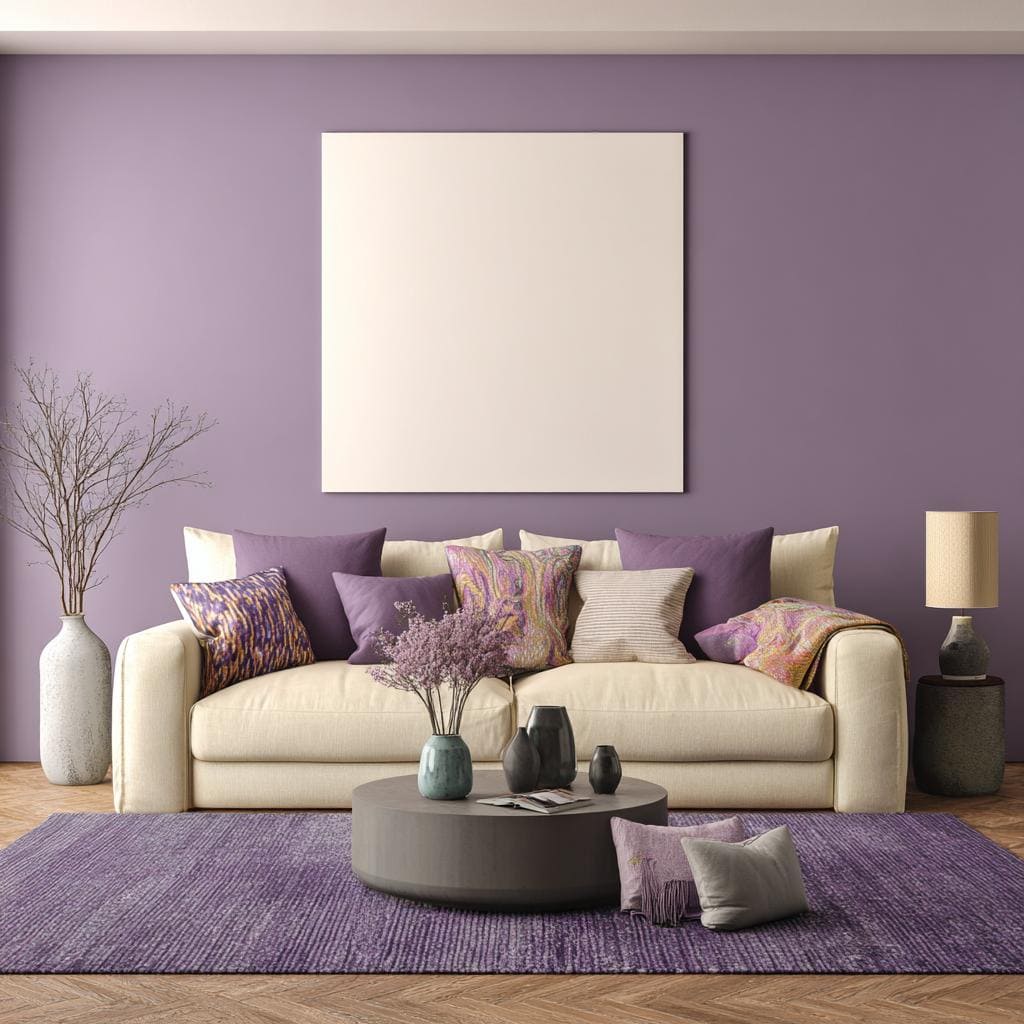
Lavender matte walls create a relaxed, elegant atmosphere perfect for low-traffic living spaces.
Bedrooms usually suit matte finishes. They create a relaxed feel and don’t reflect too much light.
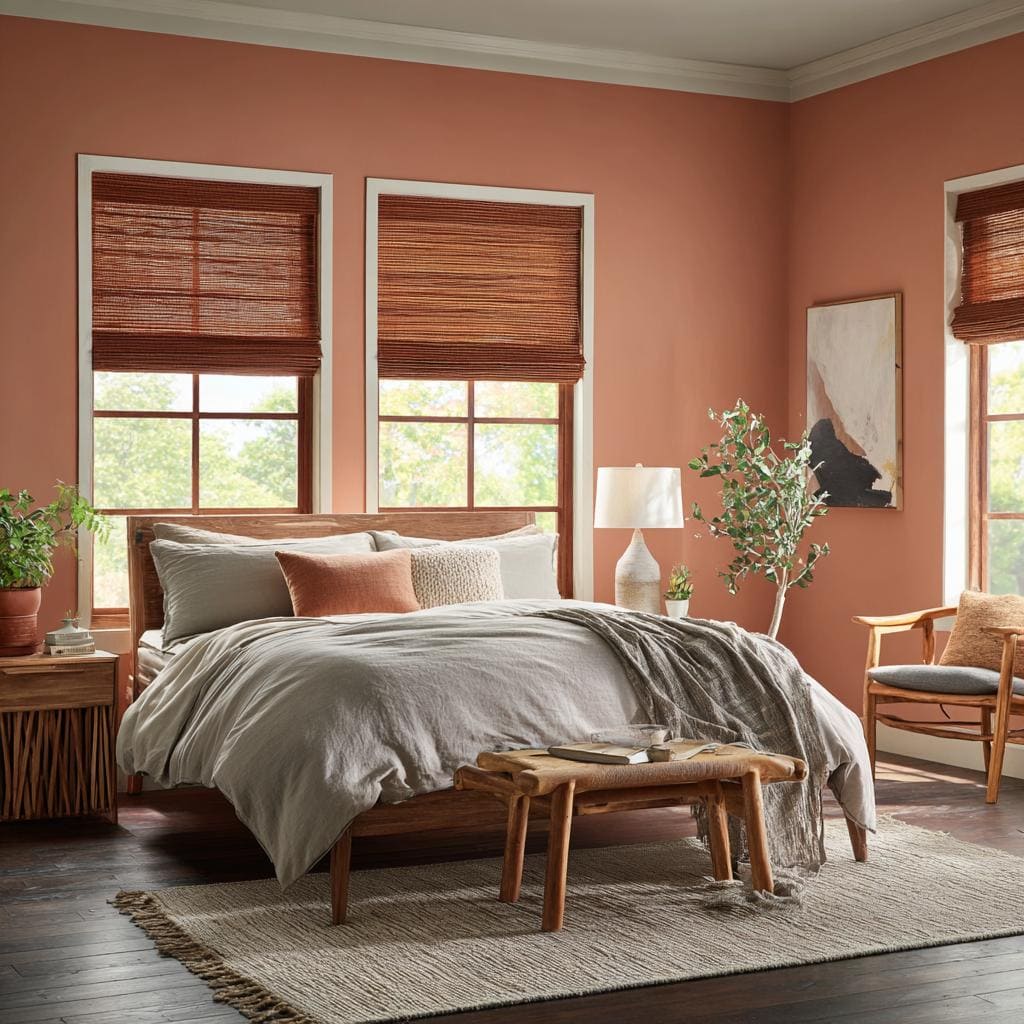
Terracotta matte walls bring warmth and coziness to a bedroom, exactly why matte suits sleeping spaces.
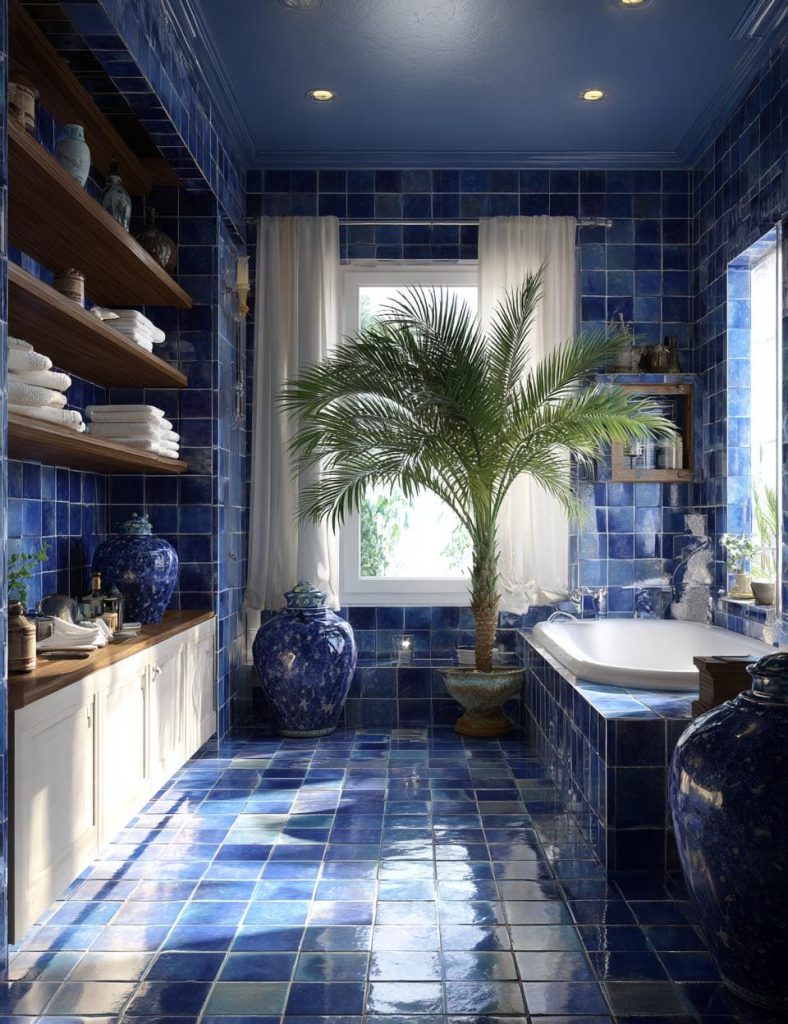
Kitchens and bathrooms do well with satin-finished walls. In these areas, moisture and stains are a given; and so a finish that’s easier to clean makes sense.
Glossy blue tiles highlight how sheen-based finishes resist moisture and stay easy to clean in bathrooms.
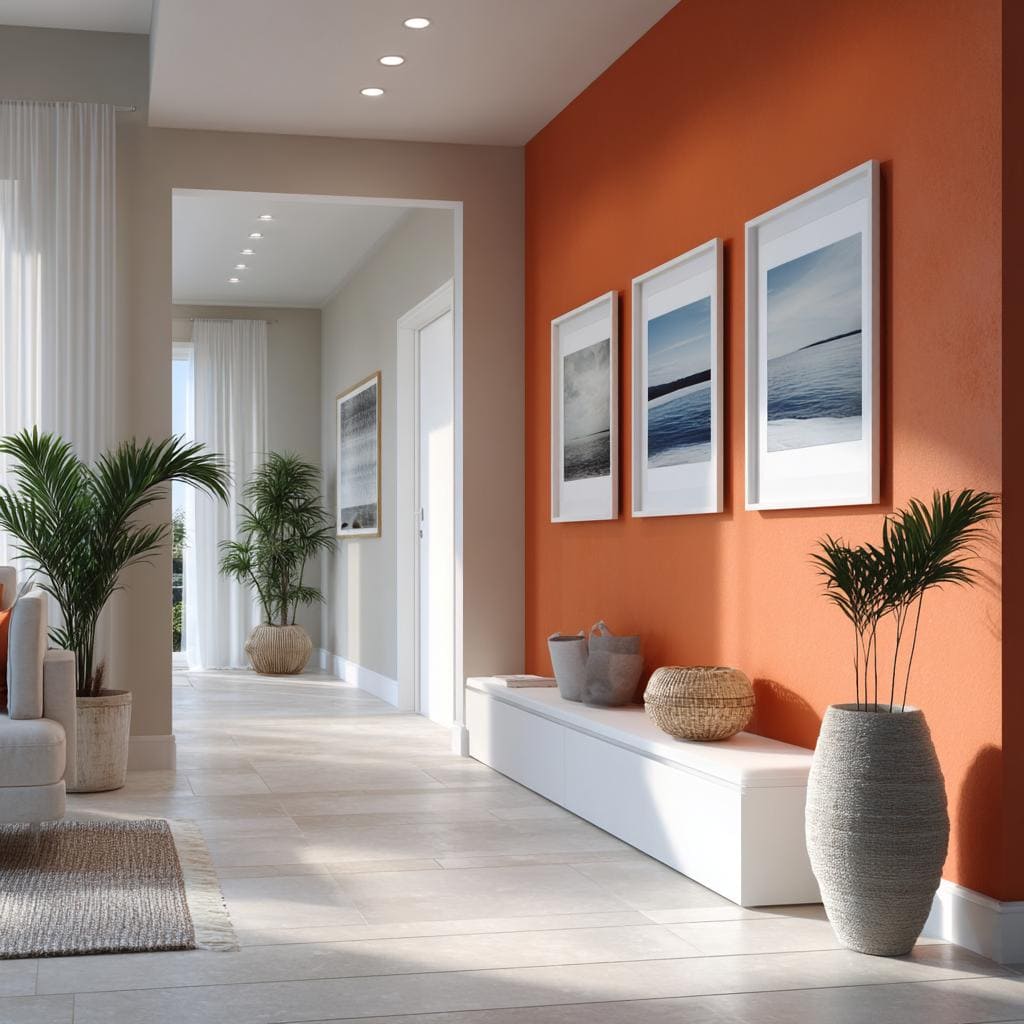
For hallways and entry areas, satin is usually the better choice. These spaces see more wear and need something more durable.
An orange satin accent wall adds warmth and durability to a well-lit, high-traffic hallway.
How Indian Climate and Lighting Should Influence Your Finish Choice
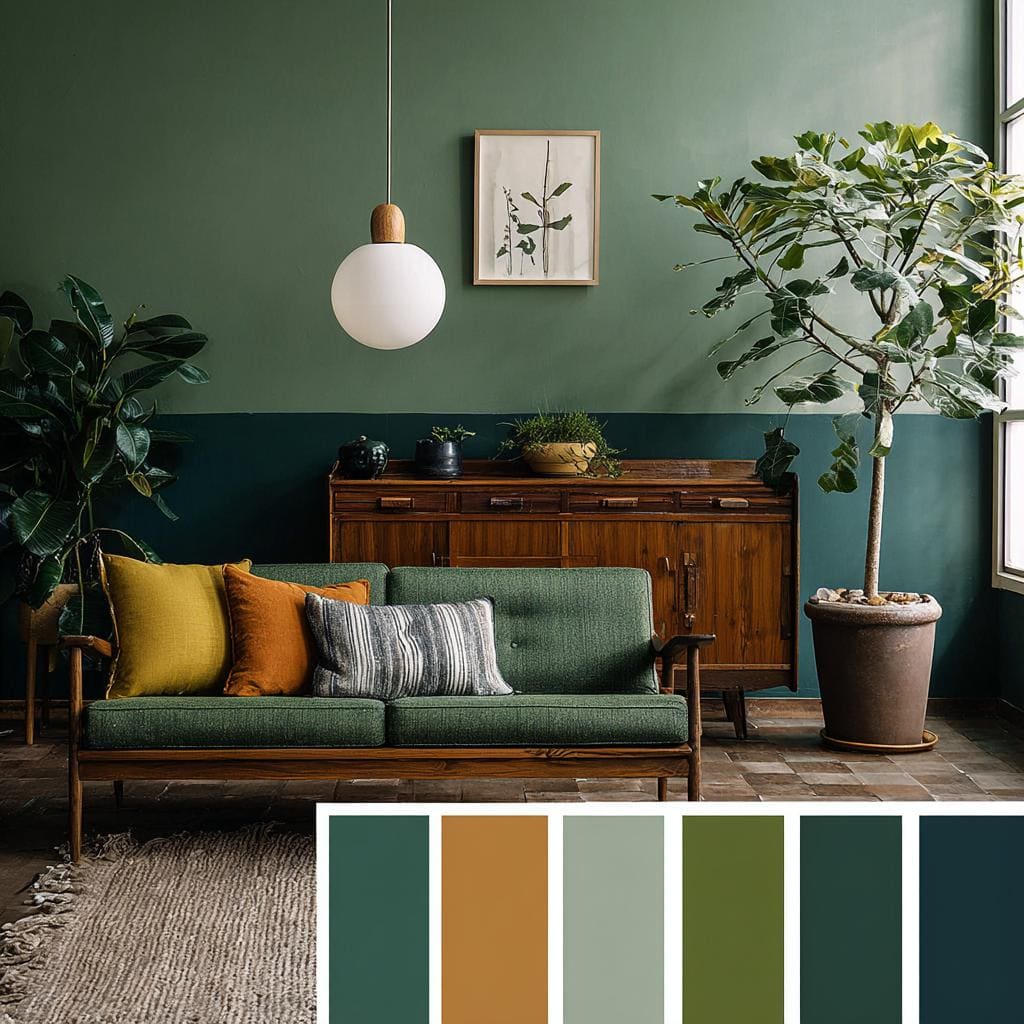
A deep green matte living room paired with an earthy color palette, great inspiration for interior planning.
Climate plays a large role, even though you might not realise it!
In humid areas, satin finishes perform better because they resist moisture and are easier to wipe down. Matte can sometimes show marks more easily in such conditions.
Lighting matters too. Rooms with strong natural light can make satin finishes look brighter, while matte keeps things softer.
If your walls are not perfectly smooth, matte helps hide imperfections better. Satin can highlight uneven surfaces because of its slight sheen.
Choosing the right finish depends on how your space looks and feels over the course of the day.
Matte vs Satin Paint Finish: Cost Difference in India
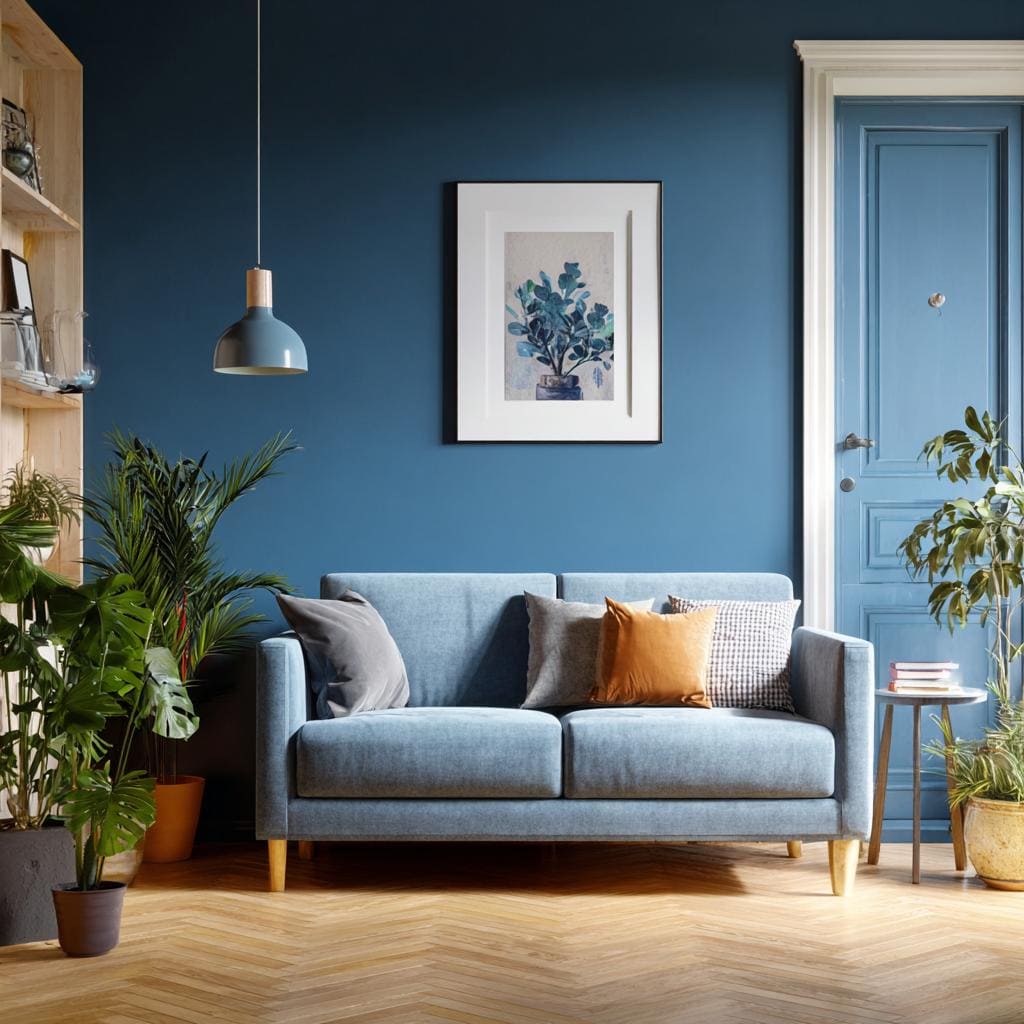
Deep blue satin walls add subtle depth and easy maintenance to this modern living room.
Cost differences are usually not very large, but they do exist.
In general, satin finishes are slightly more expensive than matte because they are more durable and easier to maintain. The cost of matte vs satin paint finish for walls also depends on brand, paint quality, and number of coats required. For most homes, the difference is manageable. The bigger decision should be based on usage rather than price alone.
Common Mistakes to Avoid When Choosing a Paint Finish
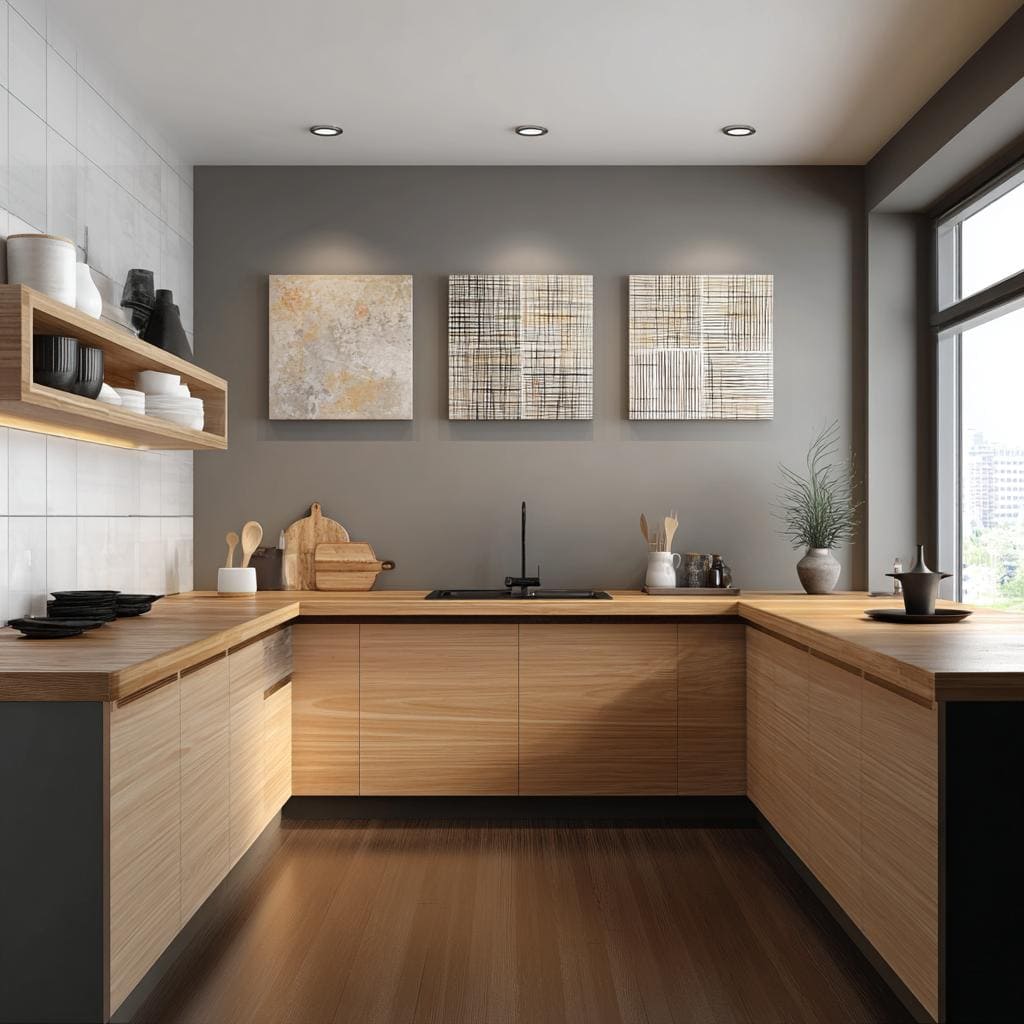
Grey satin kitchen walls pair well with wood cabinetry and hold up well against everyday mess.
Here’s what to watch out for!
One common mistake is choosing matte as a blanket aesthetic everywhere, without thinking about maintenance. It always looks good at first, but walls that are touched often can get marked easily.
Another is using satin on uneven walls. The slight sheen can highlight flaws that were not visible before.
Ignoring lighting is another issue. A finish can look very different under artificial light compared to daylight.
It helps to test samples on your wall before finalising. What looks good on a sample card may behave differently in your space.
So, Which One Should You Go With?
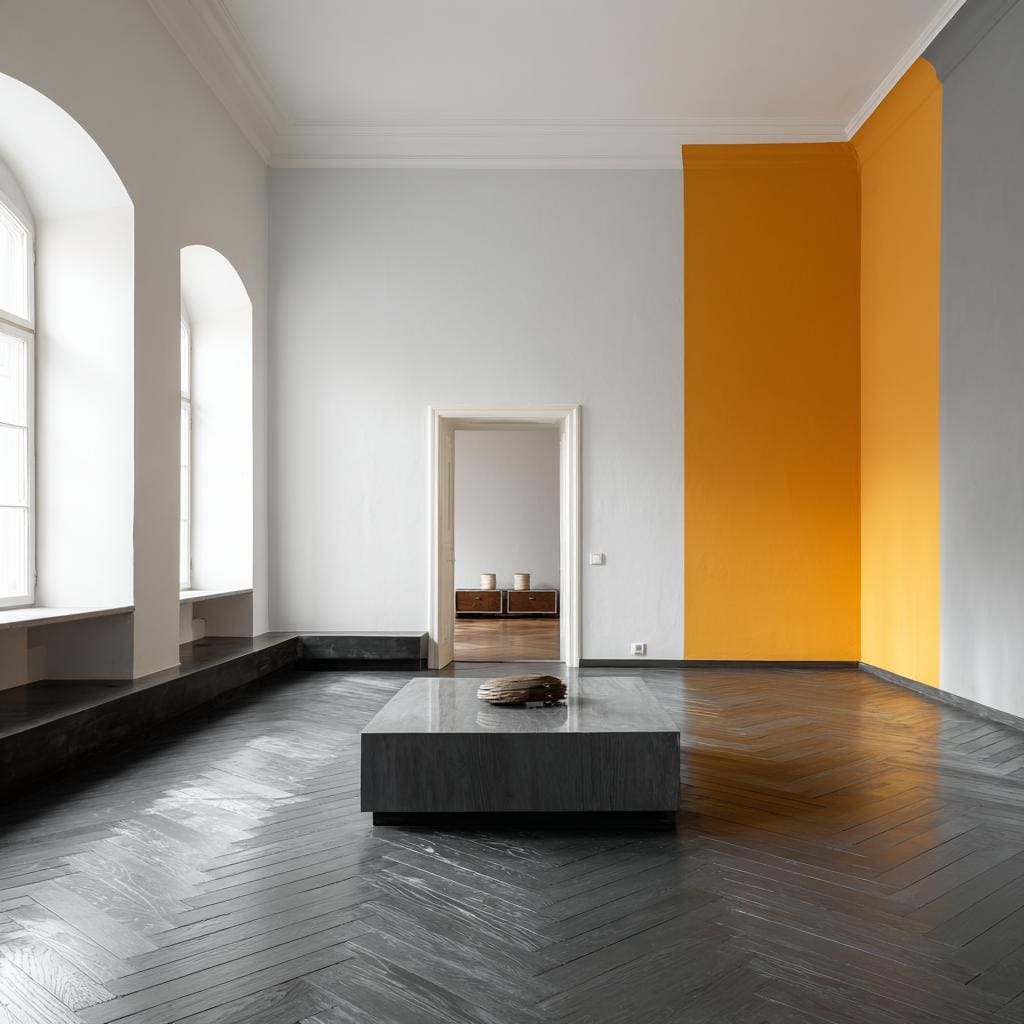
Bold yellow-orange accent wall against neutral matte surfaces shows how mixed finishes striking contrast.
There’s no one-size answer.
If you want a softer, more understated look and don’t mind a bit of extra care, matte works well. It is elegant and simple, too. But if you want durability and easier cleaning, satin is the safer choice. In most homes, a mix of both works best. Matte in low-use areas, satin in high-use zones! If you’re still unsure, getting a second opinion can help. At HomeLane, designers help you choose finishes that match your space, lighting, and lifestyle.
FAQs
1. Should walls be satin or matte?
It depends on your usage! Matte is good for low-traffic areas, while satin is the better choice for spaces that see more footfall. It can be cleaned far more easily and reflects light better.
2. Do builders use flat or matte paint?
Builders often use matte or flat finishes because they are cost-effective and hide surface imperfections well.
3. What is the most popular finish for interior walls?
Matte and satin are the most commonly used finishes for interiors.
4. What are the 5 types of paint finishes for walls?
Flat, matte, eggshell, satin, and gloss are the main types of paint finishes.
5. Is a satin paint finish shiny?
It has a slight sheen but is not as shiny as gloss finishes.
6. What type of paint is best for a bedroom wall?
Matte finishes are usually preferred for bedrooms because they create a softer and more relaxed look.









 EXPLORE MORE