Avoid common modular kitchen mistakes in layout, storage, materials, and lighting to create a functional and convenient cooking space.
Key Insights:
What You'll Read Here:
Layout choices based only on space can make cooking uncomfortable and hinder daily movement.
Underestimating storage or adding it as an afterthought leads to cluttered countertops and unused corners.
Budgeting mistakes often involve overspending on one element while compromising on crucial aspects like functionality.
HOMELANE EXPERT TIPBy our design team
Prioritise appliance placement and workflow to ensure smooth movement and reduce physical strain during daily cooking routines.
Summary
A modular kitchen looks simple once it is done. But getting there involves dozens of decisions, layout, storage, materials, lighting, and budget. Miss a few details, and the kitchen may still look good but feel inconvenient every single day. Understanding these common modular kitchen mistakes early helps you plan a space that actually works, not just one that looks right. It also saves you from costly changes later. Good planning upfront makes the kitchen easier to use for years.
Best for
Those who are planning a new kitchen or upgrading an existing one. Especially useful for smaller homes, where every inch matters.
Expert tip
HomeLane designers suggest planning your kitchen around your cooking habits and workflow, not just how it looks. Function always comes first, and design should support it.
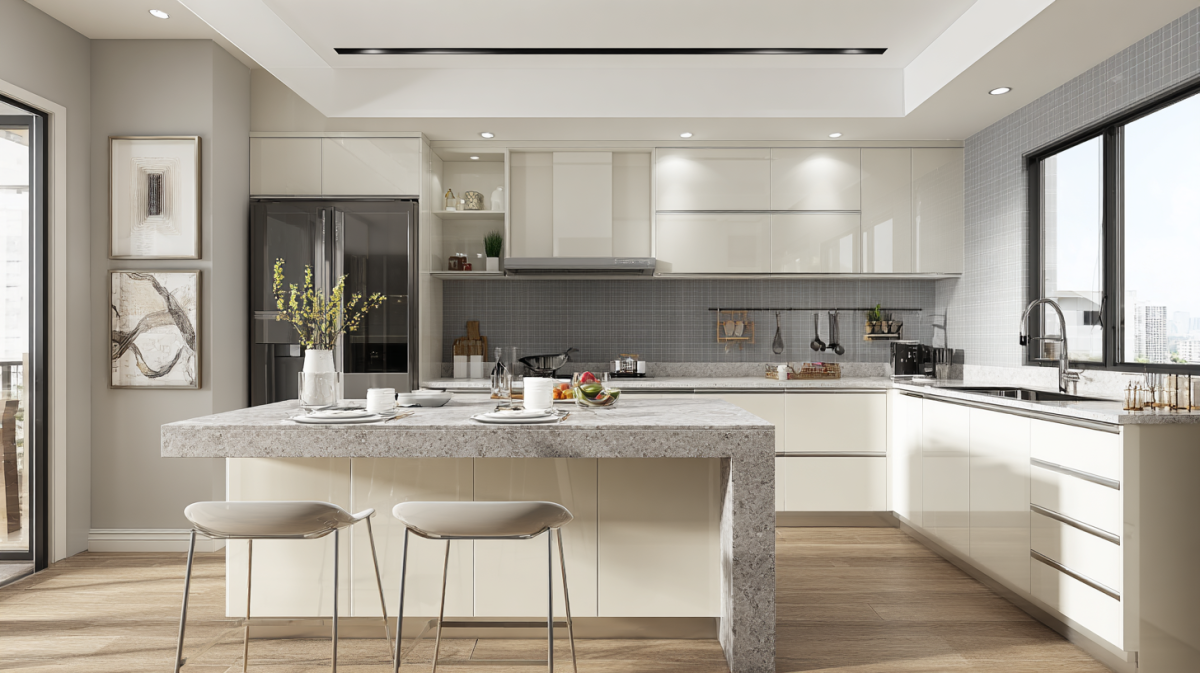
A well-planned L-shaped modular kitchen with an island shows how layout affects daily workflow.
Here’s something most people realise too late! A kitchen is used every day. Multiple times a day, in fact. And once it is built, changing it is not easy. So this is one space where you should never, ever make any compromises. Doing up your kitchen in a hurry just won’t work. That is why modular kitchen design mistakes can turn into daily frustrations. These are not always obvious during design. But they show up quickly when you start using the space.
Understanding Common Modular Kitchen Mistakes
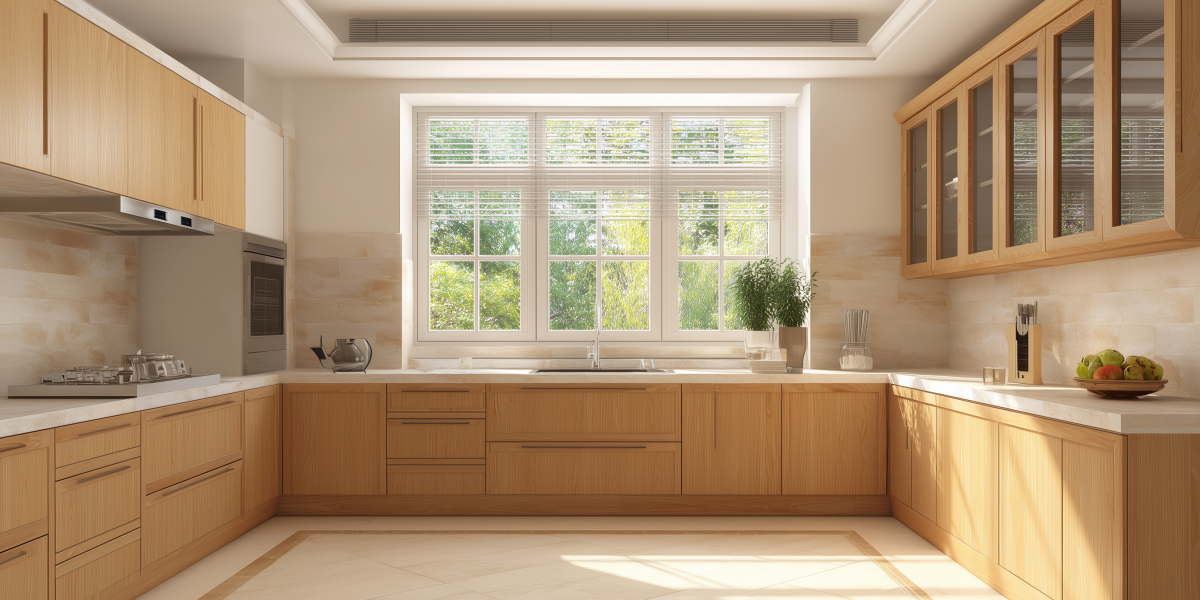
A U-shaped modular kitchen layout maximises counter space and supports an efficient cooking workflow.
Most kitchen issues do not come from big decisions. They come from small oversights. These may be things that seemed really minor during planning, but become noticeable during use. These modular kitchen design mistakes usually relate to movement, storage, and usability. For instance: you might be opening the fridge door in a way that blocks movement. Or, a corner cabinet may be hard to reach, and the right accessory has not been used.
A well-designed kitchen should always be a joy to use. Do remember: when something feels inconvenient, it is most often a planning issue, not a space issue. Paying attention to details at the outset can do away with most of these problems.
1. Choosing the Wrong Kitchen Layout
A sleek black marble modular kitchen shows how wrong material choices can affect long-term maintenance.
Layout is the foundation of every single kitchen. And it is also where many modular kitchen layout mistakes begin. Choosing a layout based only on space, without thinking about movement, can make cooking uncomfortable. The kitchen work triangle: the stove, sink, and refrigerator, should feel easy to navigate. You should not have to walk too much, or retrace your steps when using these three elements.
In smaller homes, especially, small kitchen design mistakes that hamper movement, or placing key areas too far apart, can make daily tasks difficult. Even small adjustments in placement can improve efficiency a great deal.
2. Ignoring Storage and Space Optimisation
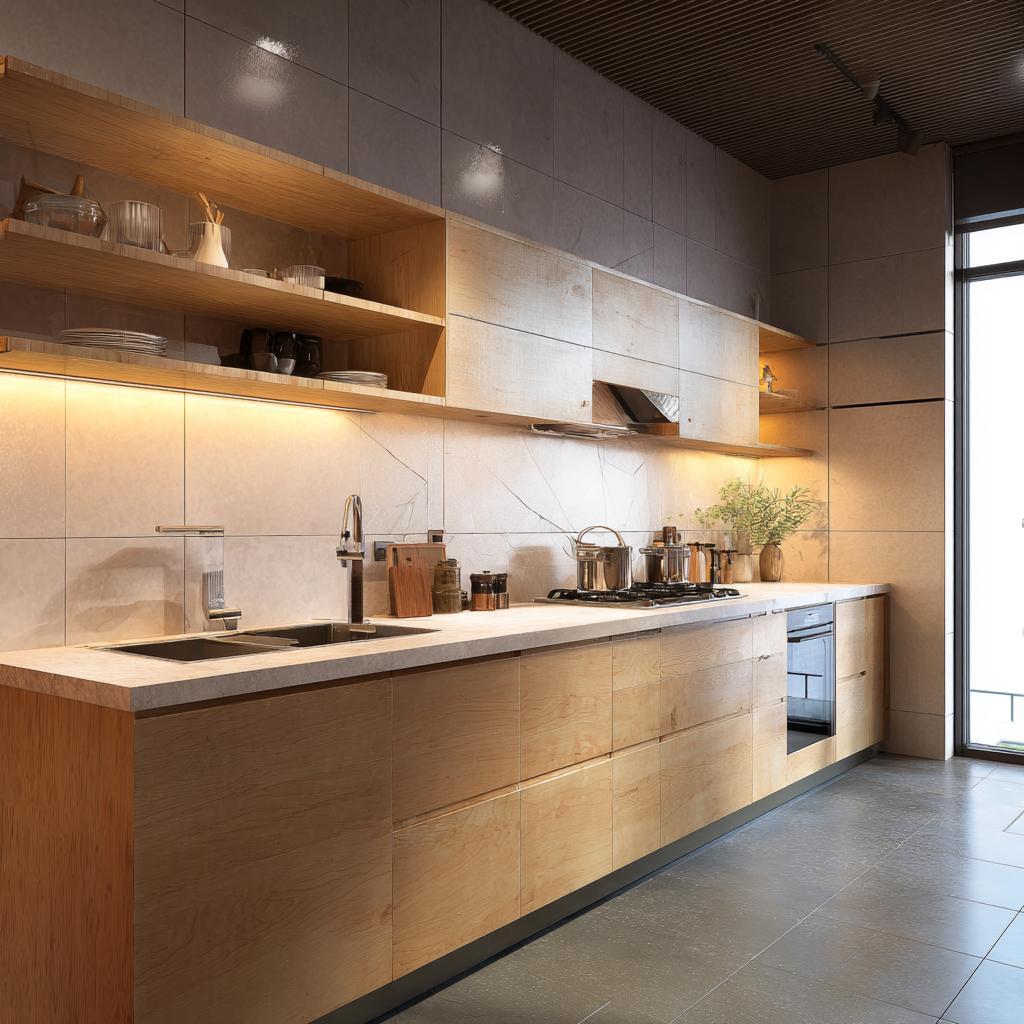
Open shelves and under-cabinet lighting in a linear kitchen highlight smart modular storage planning.
Storage is often underestimated, or added as an afterthought.
Poor planning leads to cluttered countertops and unused corners. These modular kitchen storage mistakes are very common. Smart storage means using vertical space, corner units, and pull-out systems effectively. When storage is planned well, the kitchen feels cleaner and easier to use. It also helps you find things quickly. This reduces time spent searching and improves workflow.
3. Poor Appliance Placement and Workflow Issues
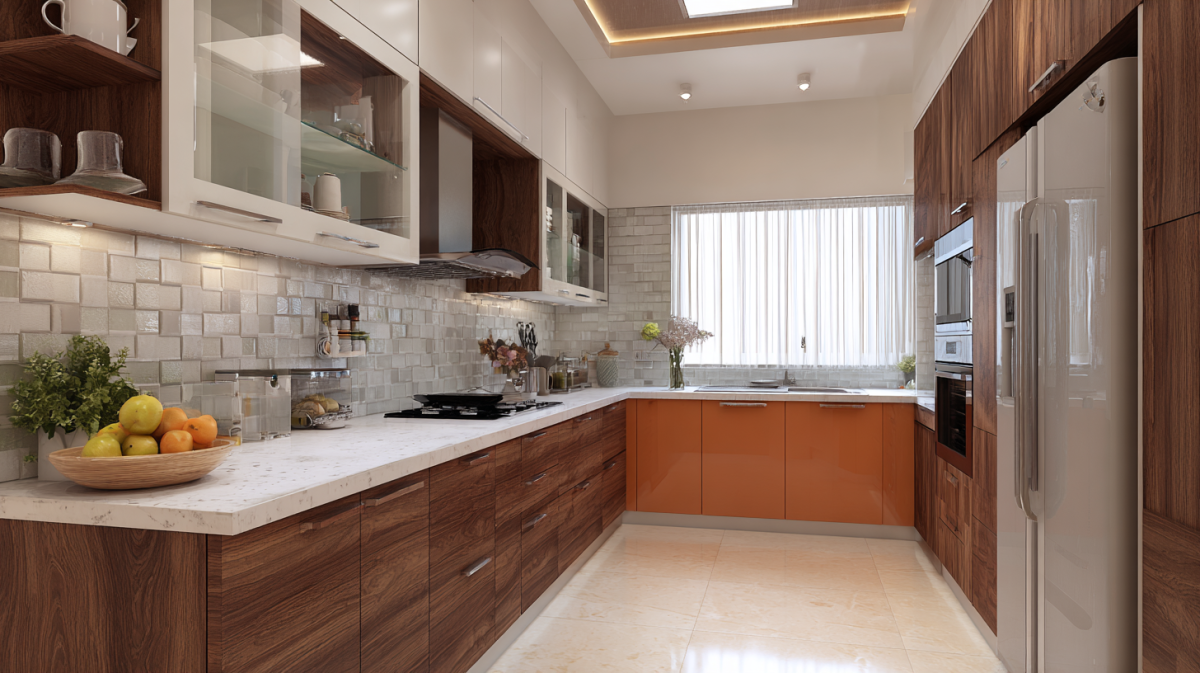
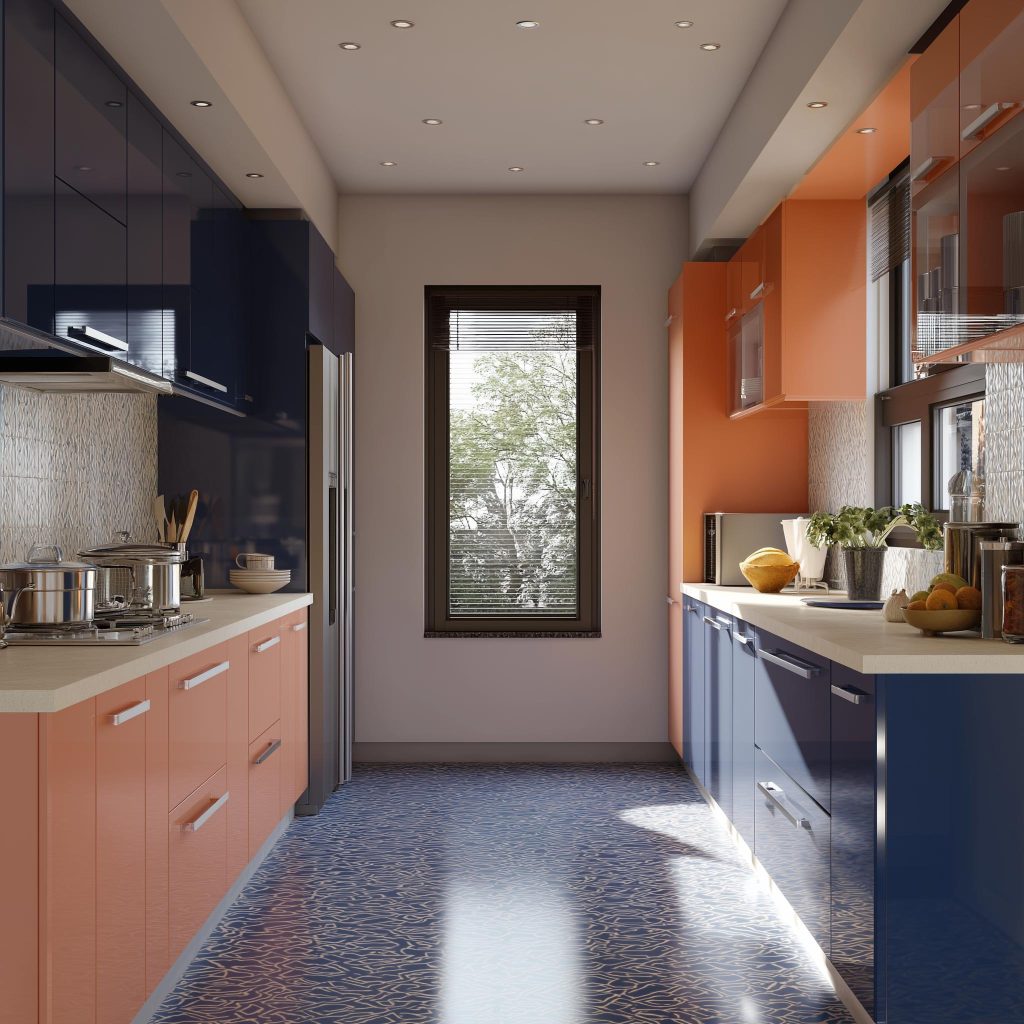
A parallel kitchen layout with bold cabinets shows how appliance placement shapes daily cooking flow.
Appliances need space. And more importantly, the right placement. Placing appliances without considering workflow can slow everything down. For example, a refrigerator placed far from the prep area creates unnecessary movement.
These kitchen design tips and mistakes are often overlooked during planning. Good placement ensures smooth movement and saves time during daily use. It also reduces physical strain over time. A well-planned layout makes cooking feel more comfortable.
4. Wrong Material and Finish Selection
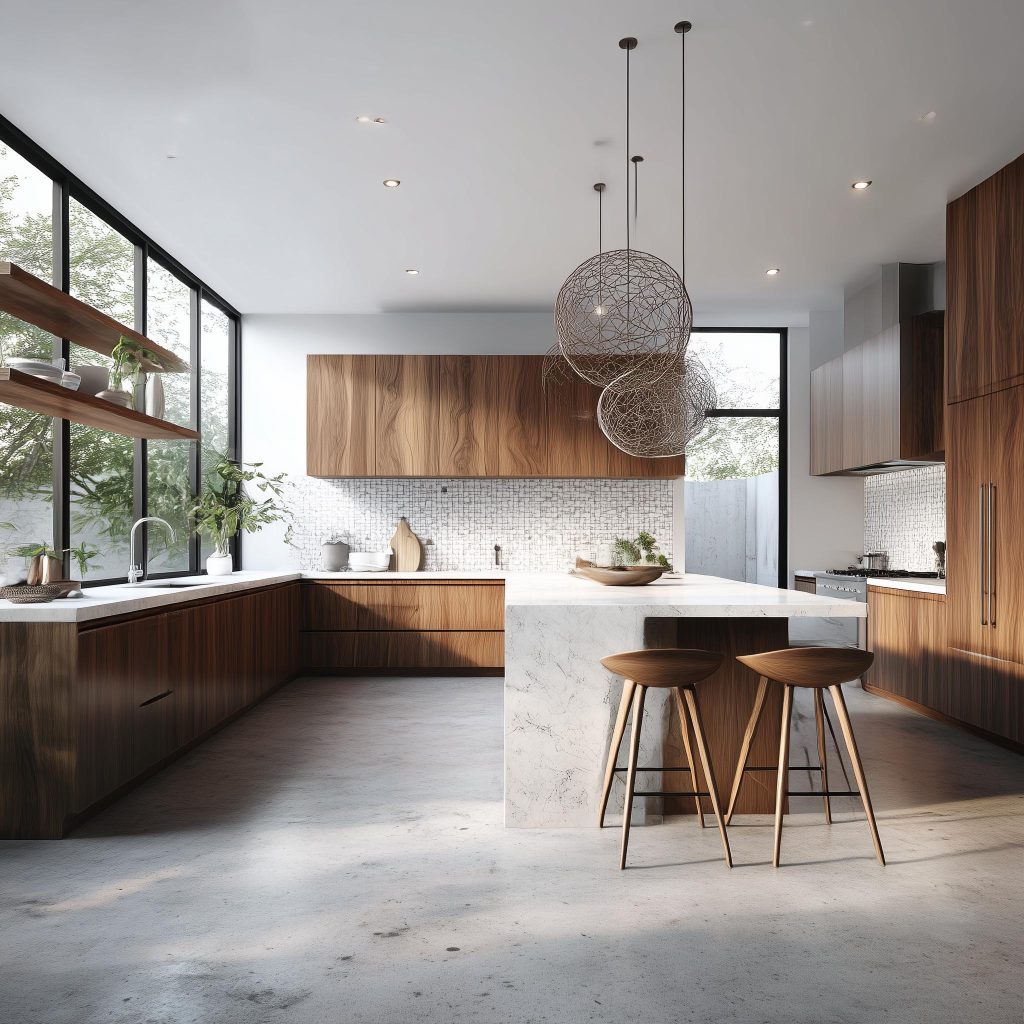
A minimalist modular kitchen with marble countertops reflects the importance of choosing durable finishes.
Materials decide how your kitchen ages. Not just how it looks on the way you move in. Choosing finishes without considering durability can lead to long-term issues. Glossy surfaces may look good but show stains easily.
Heat, moisture, and daily wear need to be considered while selecting materials. The right choices make maintenance easier and increase longevity. Durable materials also reduce repair costs. This makes your kitchen more practical in the long run.
5. Lighting and Ventilation Mistakes
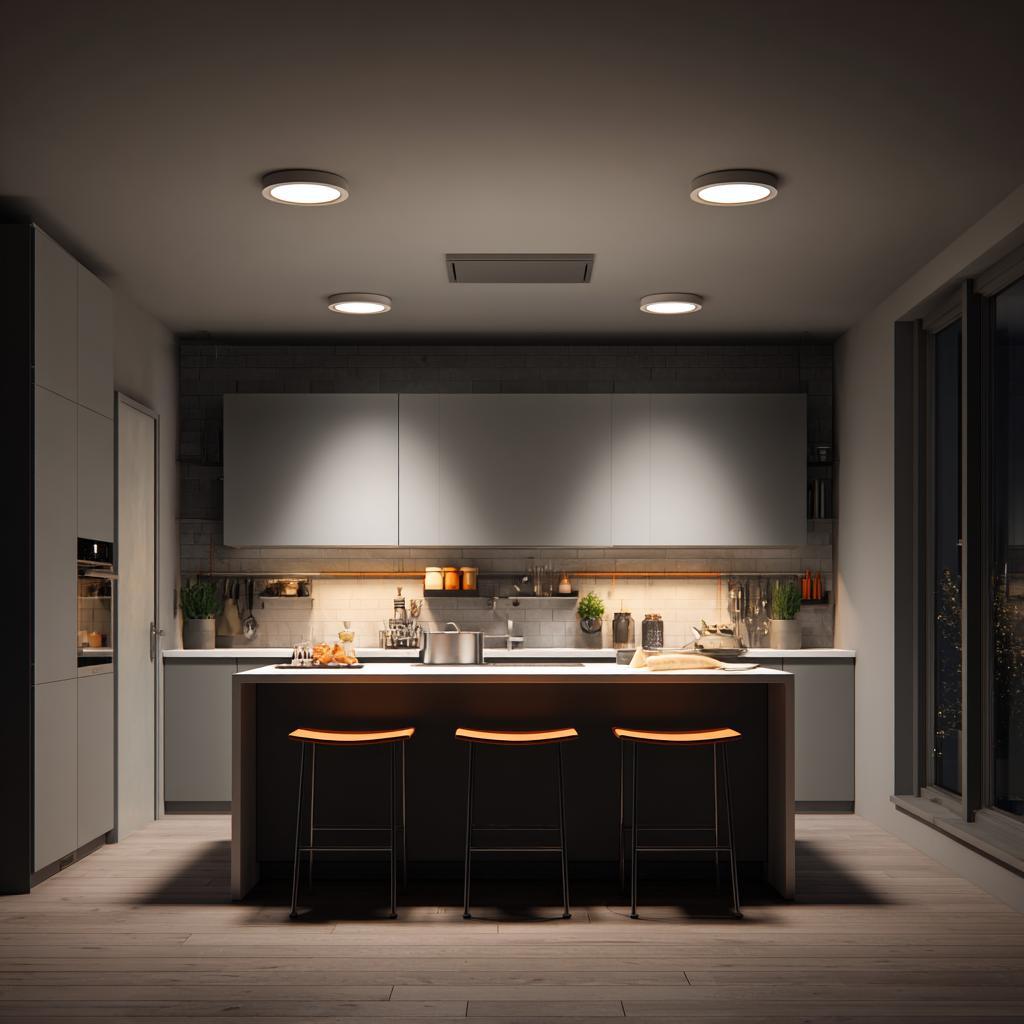
Multiple ceiling lights in a modular kitchen demonstrate why lighting placement is a critical design decision.
Lighting is not just about brightness. It has so much to do with placement, too! A single overhead light is rarely enough. Task lighting near cooking and prep areas is essential.
Ventilation is equally important. Poor airflow can affect comfort and cleanliness. Even small kitchen design mistakes with respect to light and ventilation have a big impact on daily use. Proper ventilation also keeps the kitchen fresh. It helps maintain hygiene and prevents long-term damage.
6. Budget Planning Mistakes to Avoid
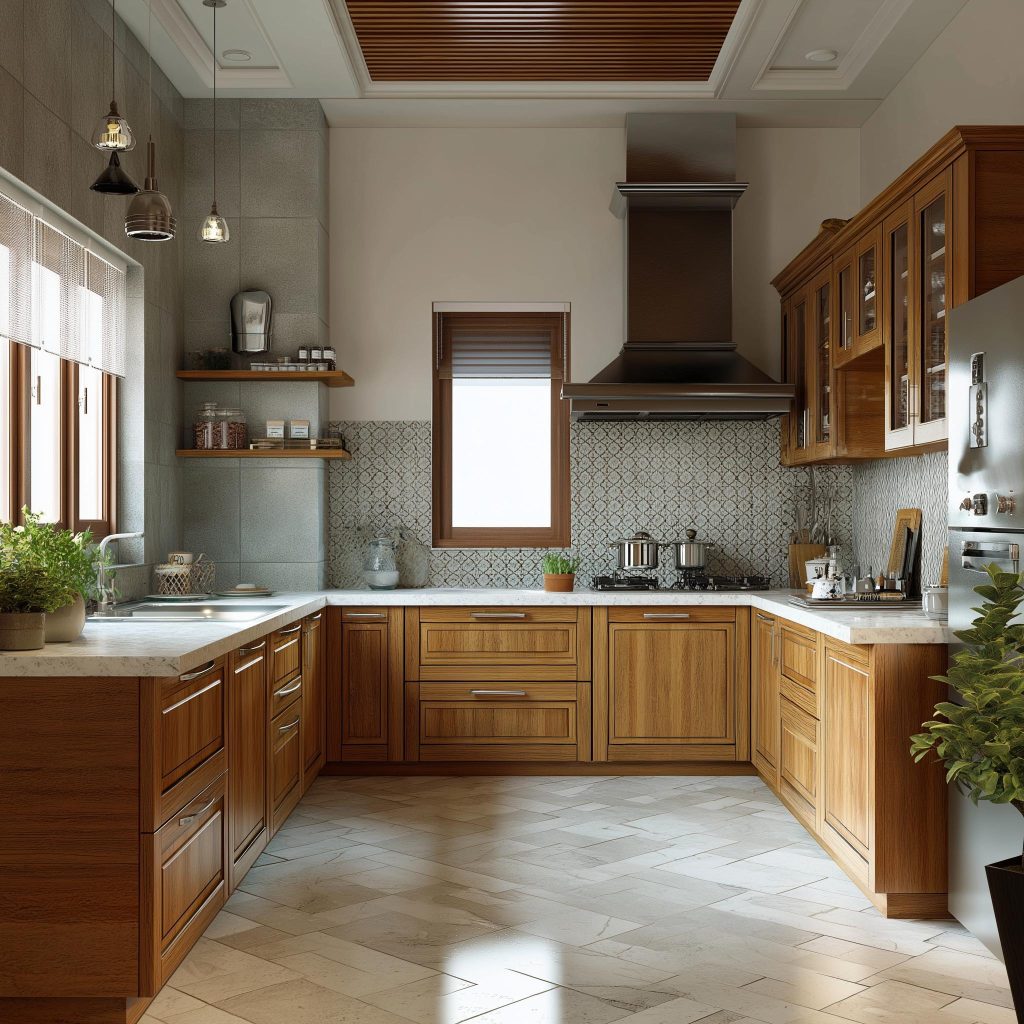
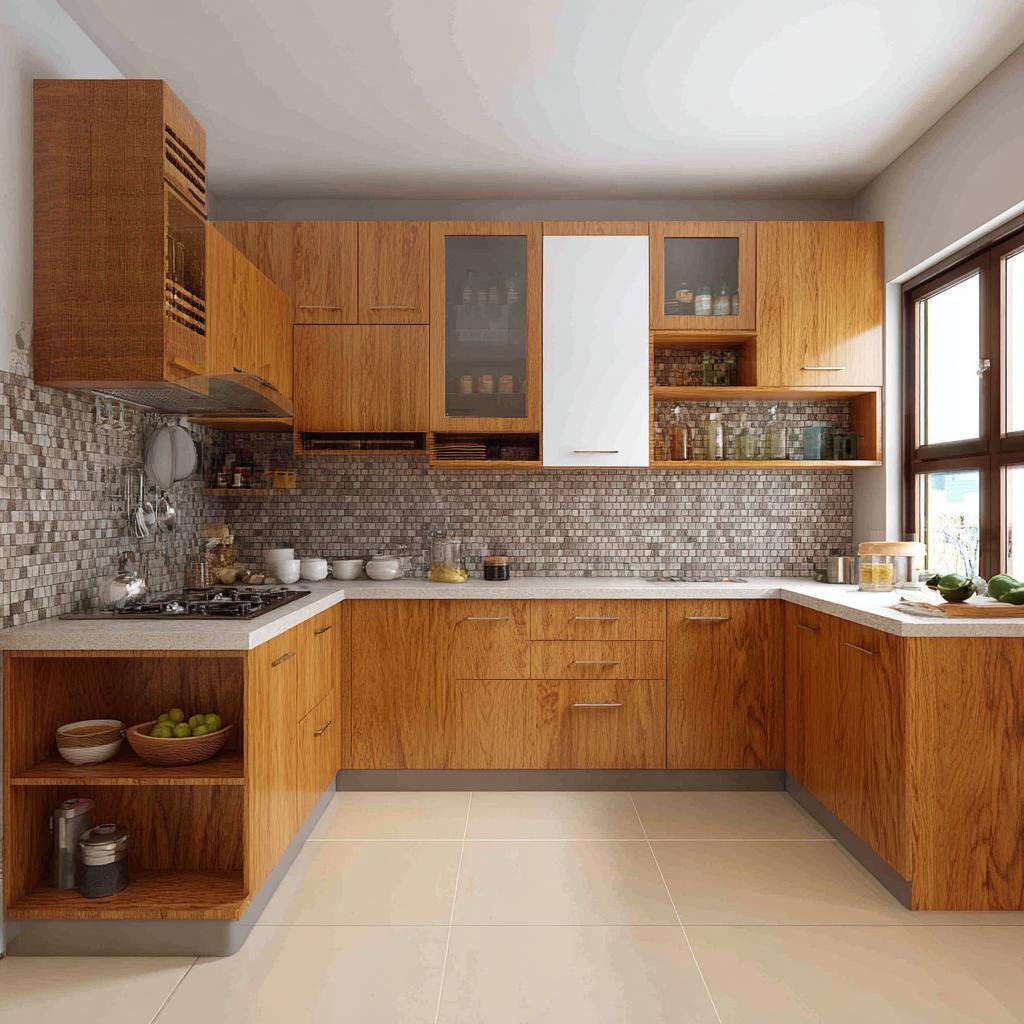
A wooden L-shaped modular kitchen with open shelves balances budget, storage, and everyday functionality.
Budgeting is where many plans go awry! Spending too much on one element and compromising on another is woefully common. You must do all you can to balance cost across layout, materials, and functionality.
Unexpected costs can also arise if planning is incomplete. A clear budget with priorities helps avoid unnecessary compromises. It also allows better decision-making during the process. Planning ahead helps you stay within limits without sacrificing quality.
A Kitchen That Works the Way You Want It To!
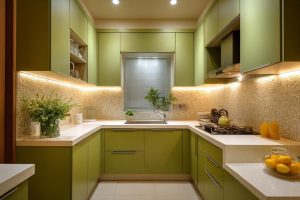
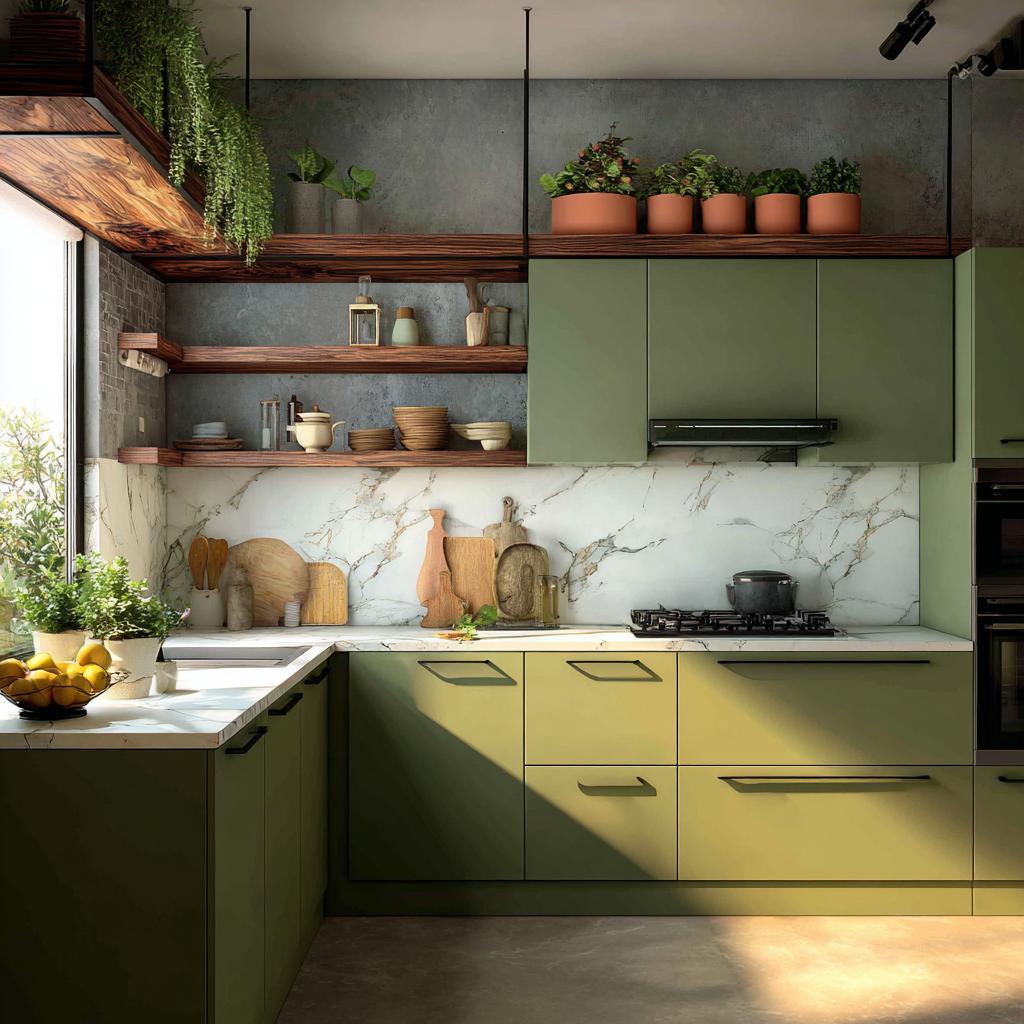
A green modular kitchen with a marble backsplash shows how good planning creates a functional, beautiful space.
A modular kitchen should not just look good. It should feel easy to use. Avoiding these modular kitchen planning mistakes helps you create a space that supports your routine every day. And if you are planning your kitchen, HomeLane can help you design one that balances function, durability, and style. A well-planned kitchen adds long-term value to your home. It is a space you use daily, so it should work effortlessly.
FAQs
1. What are some common mistakes to avoid in kitchen design?
Common modular kitchen mistakes include poor layout planning, not enough storage, and low levels of lighting. Paying attention to functionality early can prevent most problems.
2. What are common cabinet building mistakes?
Using low-quality materials, poor measurements, and inefficient layouts are common problems when it comes to building cabinets. You can end up with durability problems and wasted space. Spend some time to plan well at the very start, and you can avoid having to deal with issues later.
3. What is the golden rule of kitchen design?
The kitchen work triangle is considered the golden rule of kitchen design! It is based on smooth movement between the stove, sink, and refrigerator. A well-planned triangle improves work efficiency and comfort.
4. How do I choose the right layout for my modular kitchen?
Start with your space, cooking habits, and the way you move in the kitchen. Is there one cook or multiple cooks in your family? Layouts like L-shaped or U-shaped kitchens often work well. Avoiding modular kitchen layout mistakes should make daily tasks easier.
5. Which materials are best for a durable modular kitchen?
It’s important to pick materials that will last for years. BWP or BWR plywood, laminate, granite and quartz are good choices when it comes to durability. They handle heat, moisture, and daily wear well.


















 EXPLORE MORE