Engineered Wood vs Plywood: The Ultimate Guide to Making the Right Choice for Your Home
By Bivin Peter- April 15, 2026
AI Summary
3 key insights · 1 expert tip
Choosing between engineered wood and plywood involves balancing budget, strength, and finish for home interiors, with plywood offering superior durability for kitchens and heavy furniture.
Key Insights:
What You'll Read Here:
Engineered wood is generally more affordable, costing less per square foot than premium plywood.
Plywood’s layered veneer structure provides excellent strength and holds screws better than wood composites.
For kitchens, BWP plywood is recommended for durability, while engineered wood suits decorative elements.
HOMELANE EXPERT TIPBy our design team
Use Boiling Water Proof (BWP) plywood for kitchen base cabinets and consider engineered wood for wall units and false ceilings where moisture is less of a concern.
Summary:
Choosing between engineered wood vs plywood is a pivotal decision for any homeowner embarking on a renovation or interior project. While both are popular alternatives to solid wood, they offer vastly different benefits in terms of structural integrity, moisture resistance, and aesthetic finish. Plywood remains a staple in Indian households for its incredible strength and versatility in bespoke carpentry, whereas engineered wood has gained massive traction for its factory-finished precision and sustainable appeal. This guide breaks down the engineered wood vs plywood comparison, helping you evaluate costs, maintenance, and the best applications for every room in your house.
Best For:
Modern Indian homeowners and renovators seeking a balance between budget, durability, and high-end aesthetics for their custom furniture and flooring.
Expert Tip:
HomeLane designers recommend using BWP (Boiling Water Proof) plywood for the base cabinets of your kitchen and reserving engineered wood for decorative wall units or false ceiling elements where moisture exposure is minimal.
Engineered Wood vs Plywood in modern kitchen design and storage
Whether one is planning a modular kitchen design or a sleek wardrobe for a new apartment, the debate of engineered wood vs plywood invariably arises. The material chosen forms the very skeleton of the home’s interior, dictating how well the furniture ages and how much maintenance it will require over the next decade. In a country like India, where monsoon humidity and summer heat can cause wood to warp or expand, making the right choice is not just about looks—it is about engineering a home that lasts.
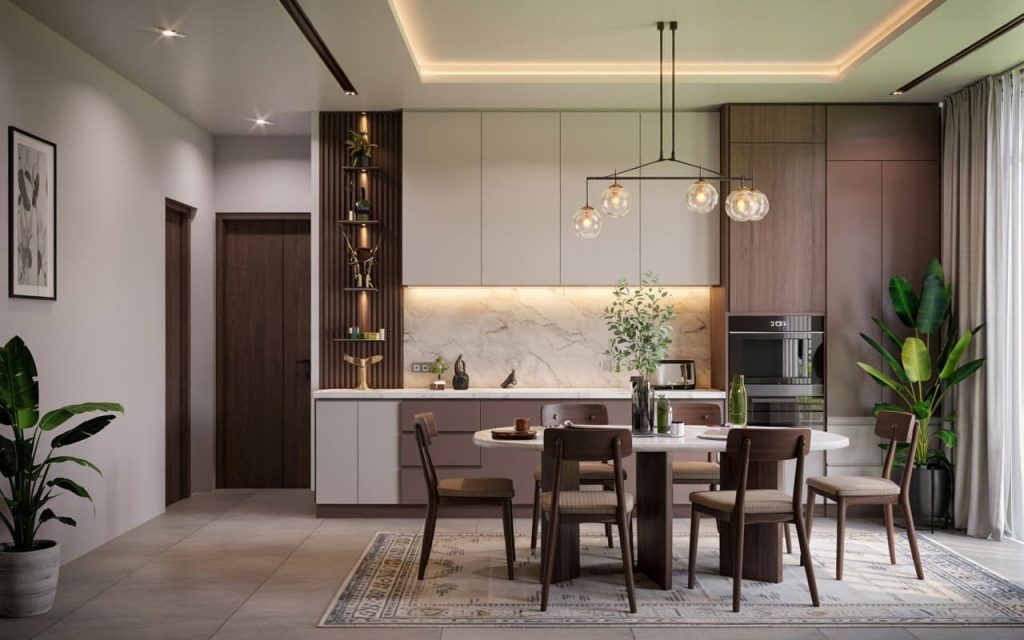
Engineered Wood vs Plywood in elegant modular kitchen design
What is Engineered Wood?
Engineered Wood vs Plywood manufacturing and material comparison
To understand the core of the engineered wood vs plywood comparison, one must first define the modern contender. What is engineered wood? It is a man-made product manufactured by binding together wood strands, particles, fibres, or veneers with adhesives to form a composite material.
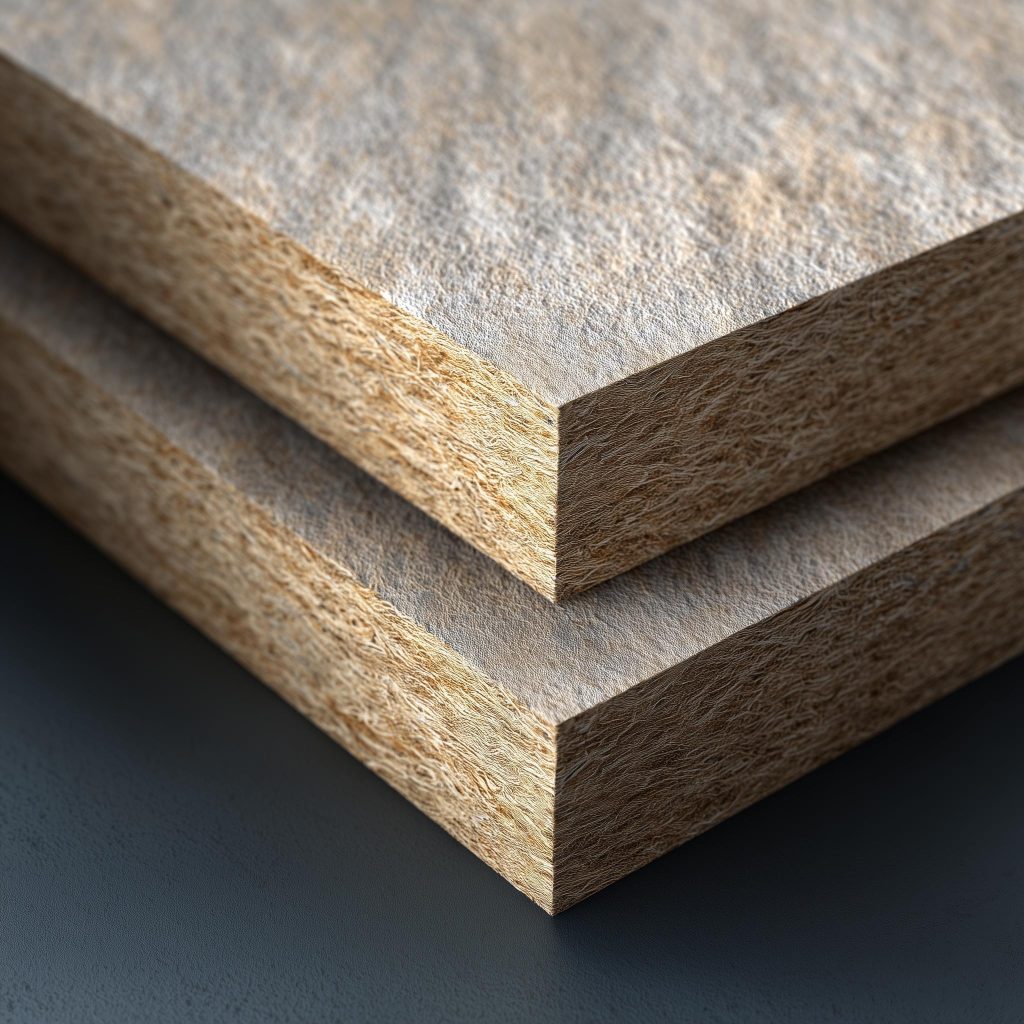
Common types include Medium Density Fibreboard (MDF), HDF (High-Density Fibreboard), and particle board. These are often topped with decorative laminates or veneers to mimic the appearance of natural timber. The manufacturing process involves high pressure and heat, resulting in a board that is remarkably uniform. Unlike natural wood, it does not have knots or grain patterns that lead to unpredictable structural weak points. This uniformity makes it a favourite for mass-produced, sleek, contemporary furniture that requires a flawless finish.
What is Plywood Wood?
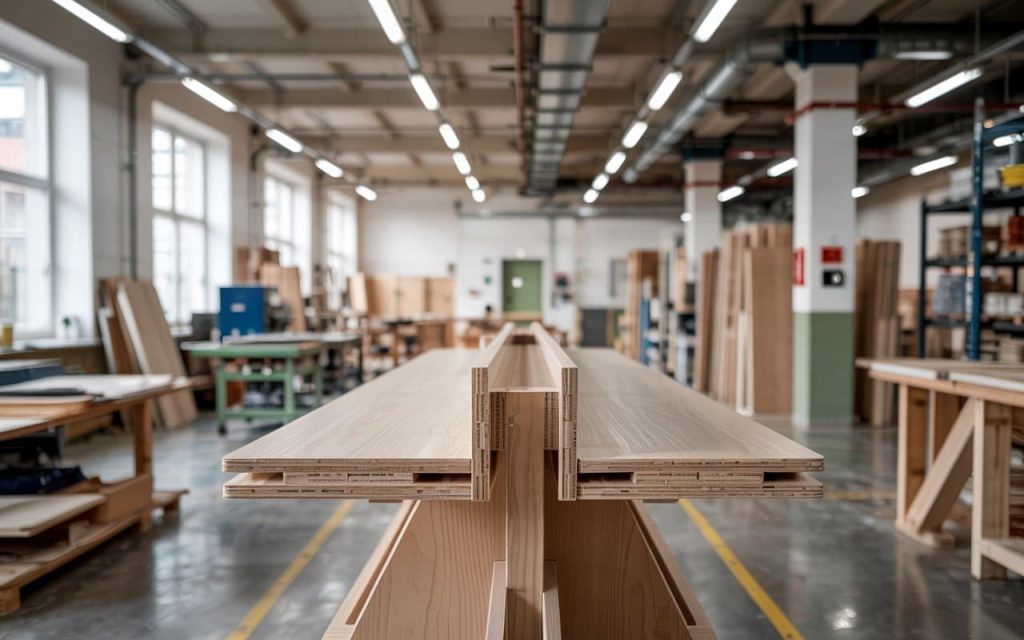
Engineered Wood vs Plywood layer structure and durability comparison
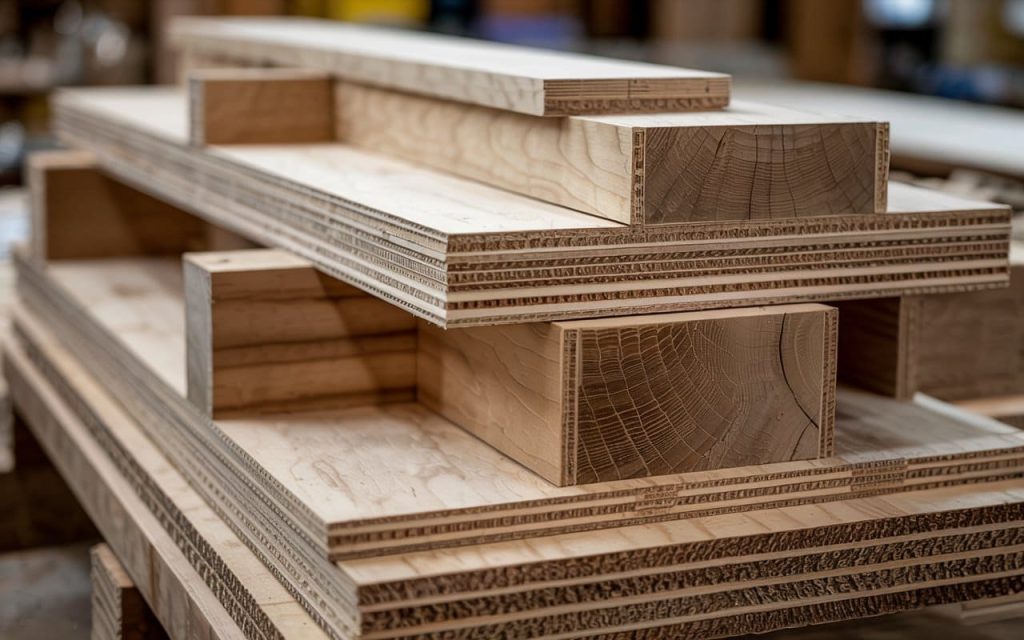
When people ask, “what is plywood wood?” They are referring to a classic engineered product that has been the backbone of Indian carpentry for generations. Plywood is constructed by layering thin sheets of wood veneer, known as plies, on top of one another.
The secret to its legendary strength lies in cross-graining. Each layer is glued with its grain perpendicular to the one below it. This “cross-hatching” technique prevents the wood from splitting when nailed at the edges and reduces expansion and shrinkage. In the context of engineered wood vs plywood, plywood is generally perceived as the more “premium” and “rugged” option, especially when sourced as Marine Grade or Boiling Water Resistant (BWR) variants, which are essential for Indian kitchens and bathrooms.
Engineered Wood vs Plywood: Key Differences
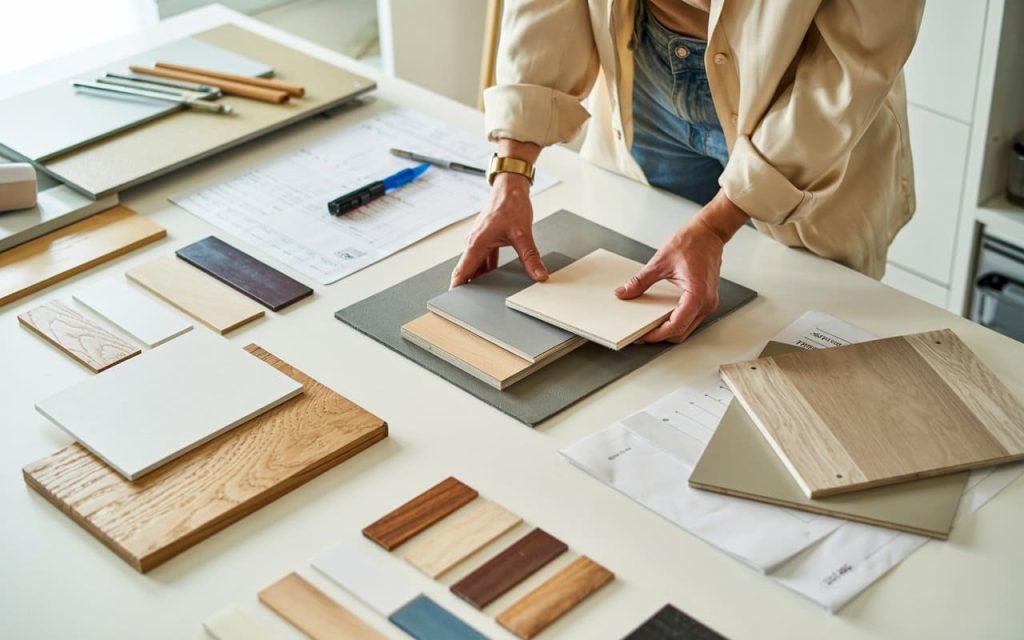
Engineered Wood vs Plywood visual comparison for interior materials
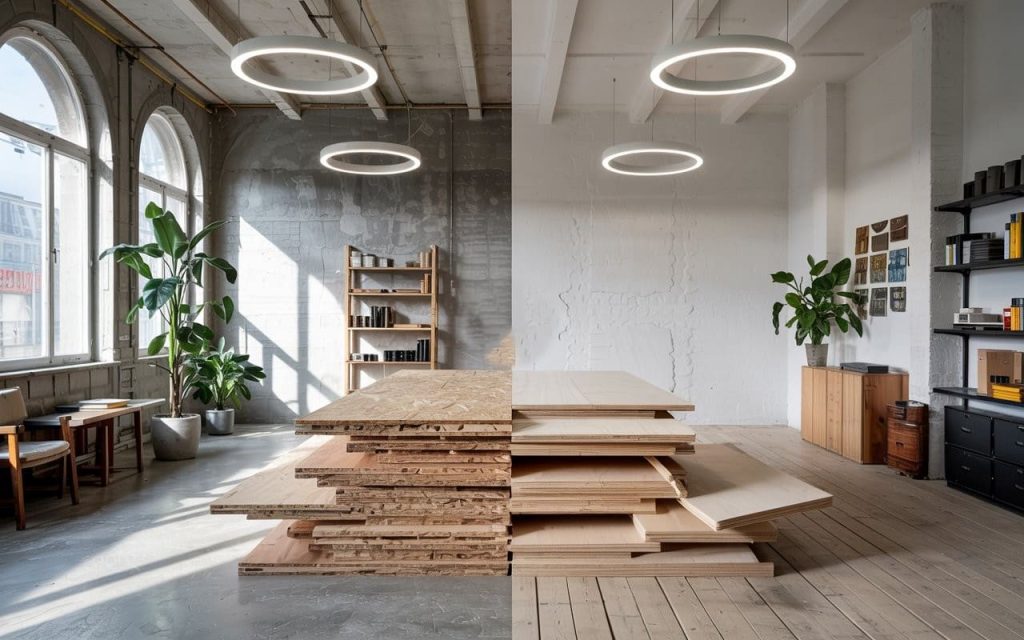
While both materials are technically “engineered,” their performance profiles differ significantly. The primary difference lies in their internal composition. Plywood retains the layered structure of real wood veneers, whereas many types of engineered wood, like MDF, are essentially compressed wood pulp.
In the engineered wood vs plywood battle, stability is a major factor. Plywood is less likely to sag under heavy weight over long spans, making it ideal for bookshelves or long kitchen cabinets. Engineered wood, however, offers a much smoother surface. Because it lacks the grain texture of plywood, it provides a superior base for high-gloss paints or delicate veneers, ensuring a “showroom finish” that is hard to achieve with hand-worked plywood.
Engineered Wood vs Plywood Which is Better?
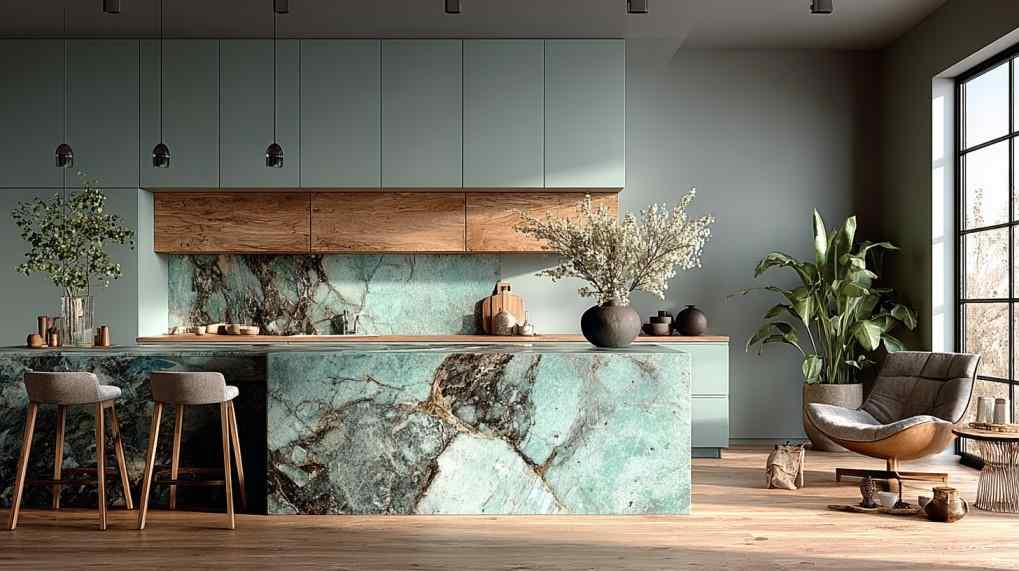
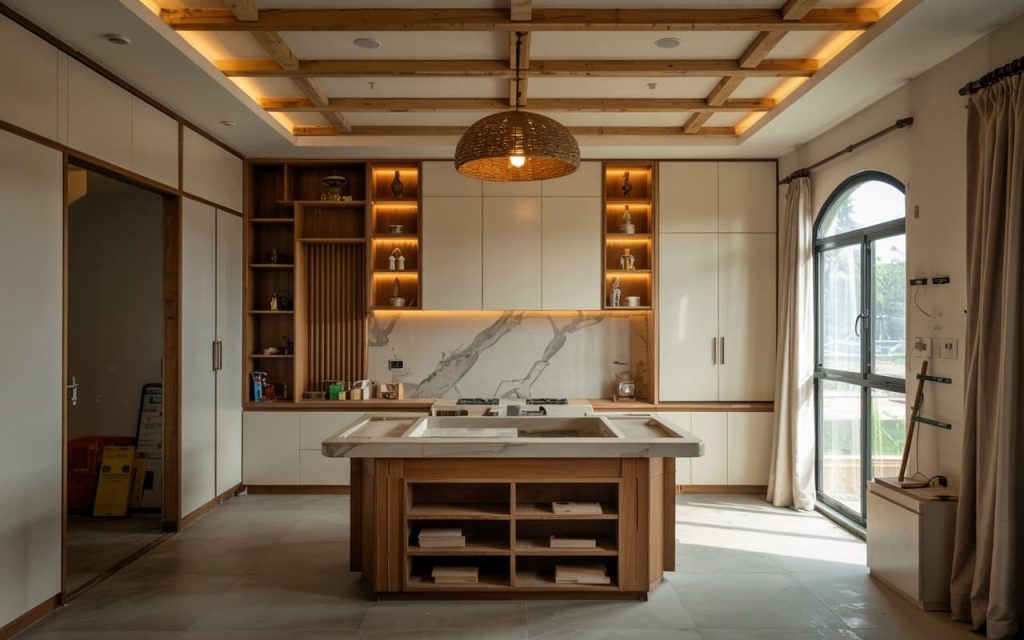
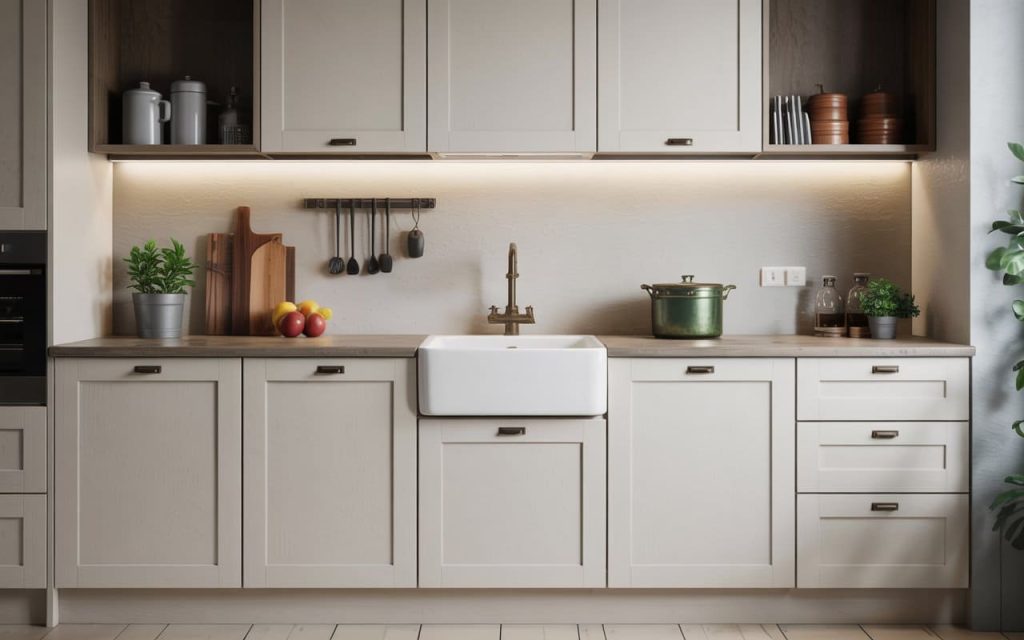
Engineered Wood vs Plywood kitchen cabinets durability and design
Determining engineered wood vs plywood which is better depends entirely on the specific requirements of the project. If the priority is speed of installation and a modern, minimalist aesthetic, engineered wood often takes the lead. It is frequently used in “flat-pack” furniture because of its predictable density and ease of machining.
However, if longevity and the ability to withstand heavy usage are the goals, plywood is usually the superior choice. Plywood holds screws and nails much more securely than particle-based engineered woods. In a busy Indian household where wardrobes are opened dozens of times a day and kitchen drawers carry heavy spice jars and cast-iron pans, the mechanical strength of plywood offers better peace of mind.
Engineered Wood vs Plywood for Furniture
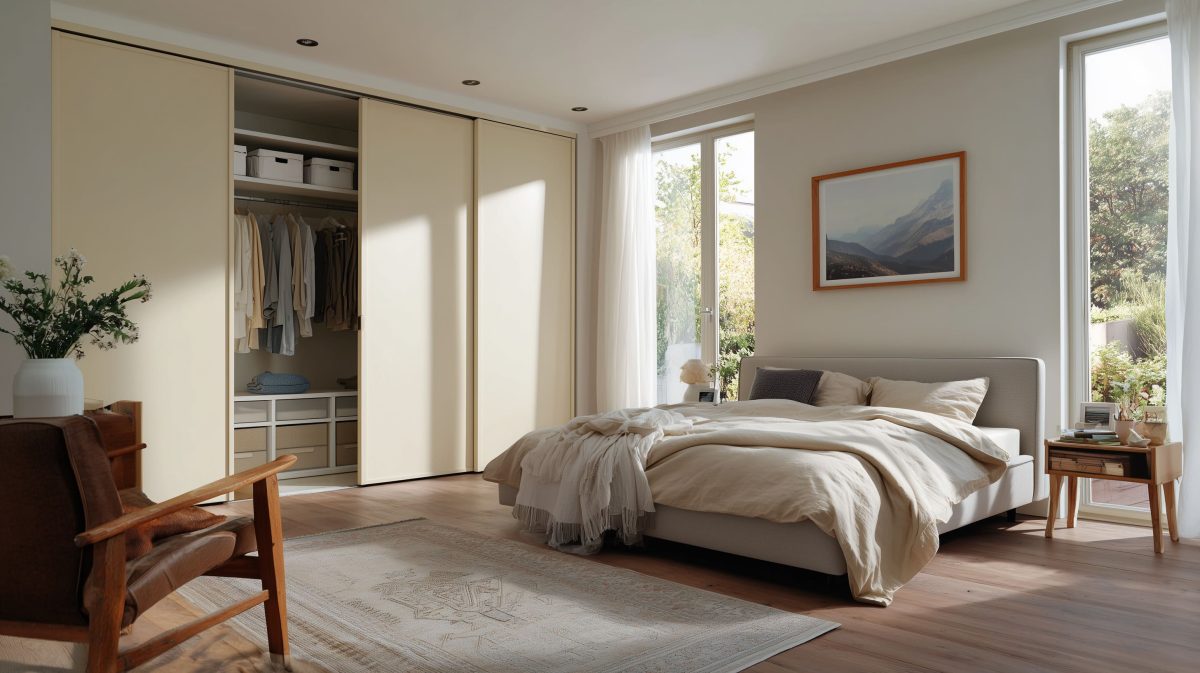
Engineered Wood vs Plywood study unit with wardrobe and smart storage
For bespoke furniture, the engineered wood vs plywood choice is often dictated by the design’s complexity.
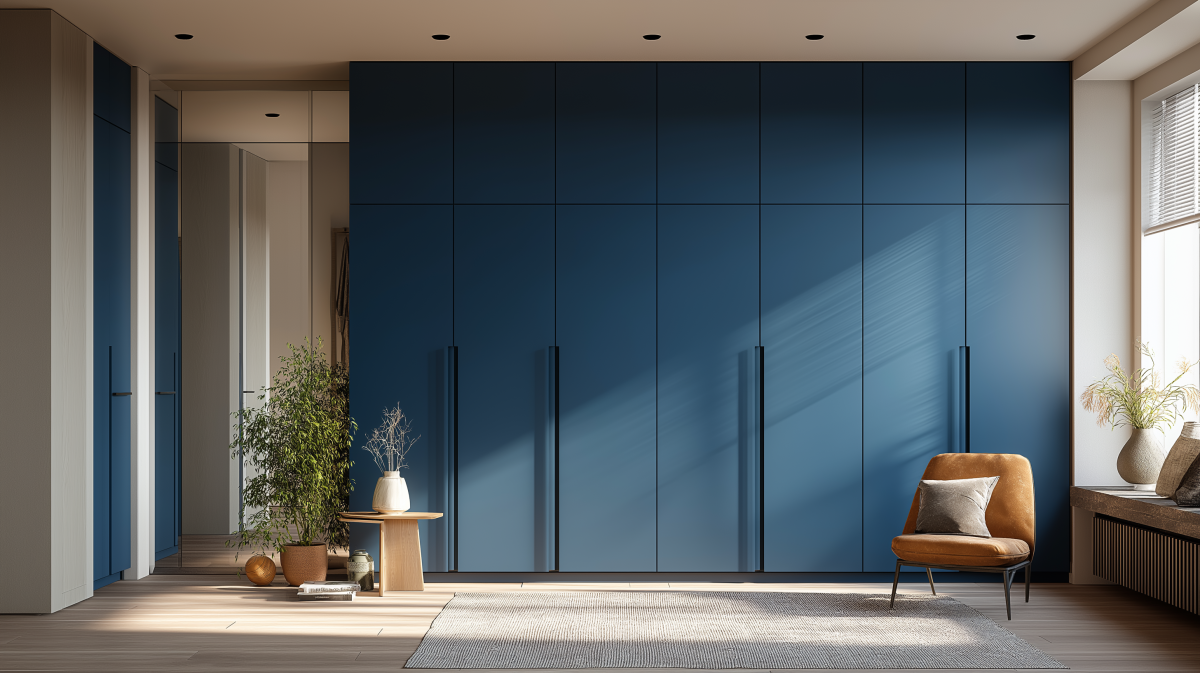
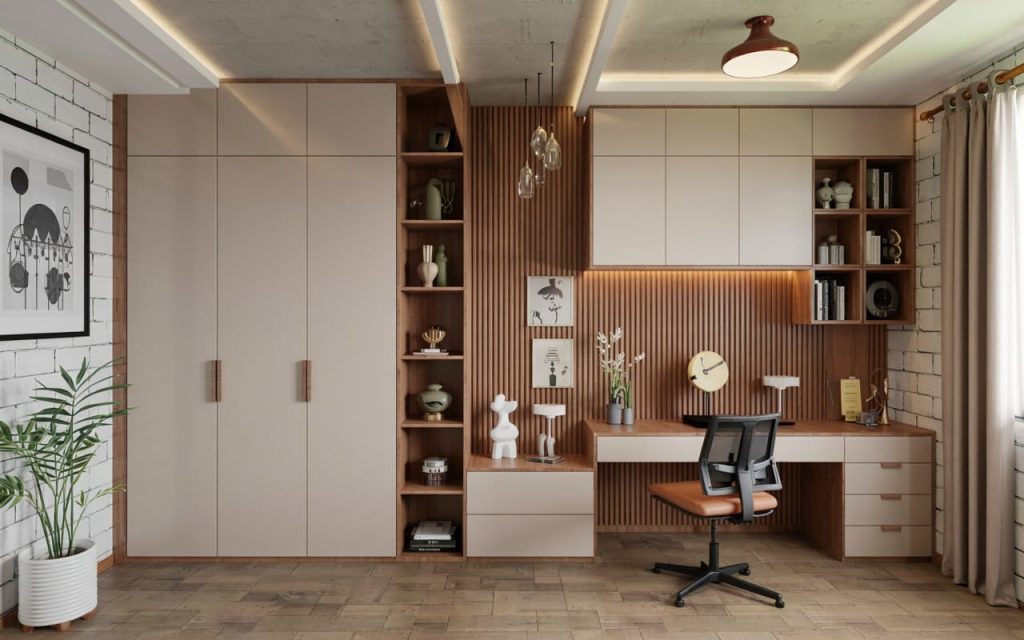
For Wardrobes:Plywood is preferred for the carcass (the main frame) because it can support the weight of the doors without sagging. Engineered wood (like MDF) is often used for the shutters to ensure a perfectly flat, warp-free surface for laminates.
For Study Tables:A combination is often best. The legs and frame benefit from plywood’s strength, while the tabletop can be engineered wood for a smooth writing surface.
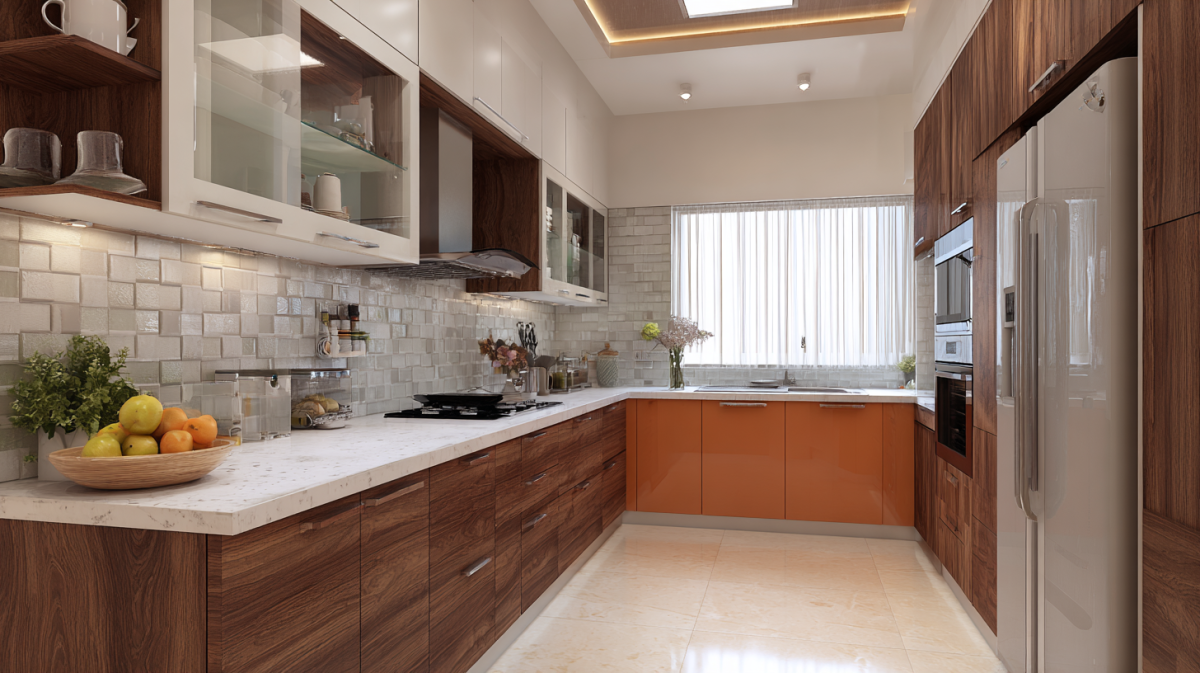
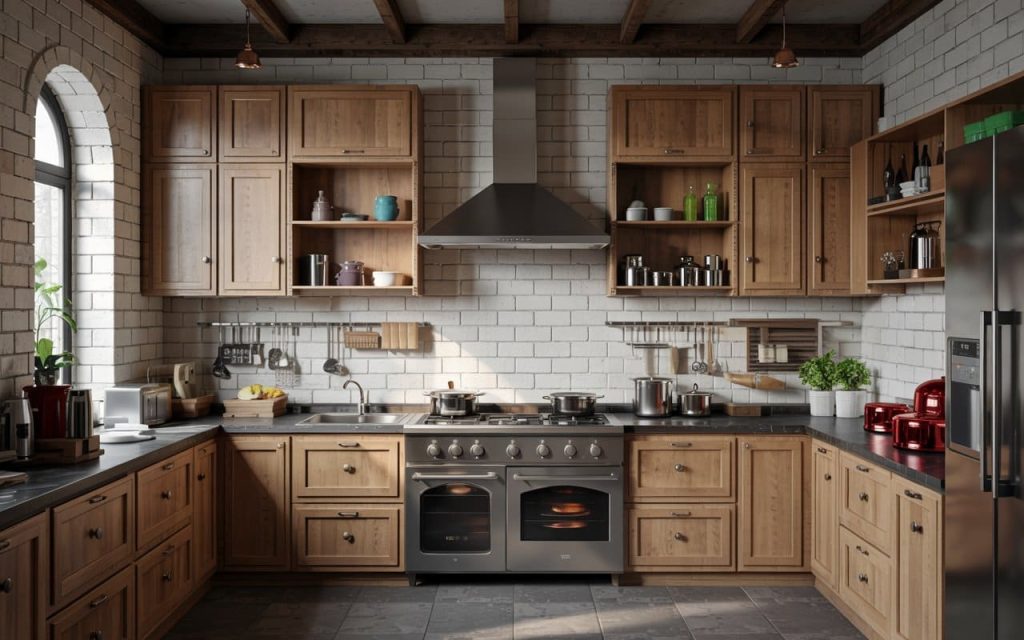
For Kitchens:In the engineered wood vs plywood debate for kitchens, Boiling Water Proof (BWP) plywood is the gold standard in India due to frequent washing and steam.
Engineered Wood vs Plywood Cost in India
Engineered Wood vs Plywood material selection for modern interiors
Budget is a deciding factor in the engineered wood vs plywood cost in India.
Engineered Wood:Generally more affordable. Because it uses wood by-products and is manufactured in large, automated plants, the cost per square foot is lower. It is the go-to for those looking to furnish a home beautifully on a strict budget.
Plywood:More expensive. The cost of sourcing high-quality veneers and the multi-step gluing process makes plywood a premium product. Within plywood, costs vary based on whether it is commercial grade, BWR, or BWP.
While plywood has a higher upfront cost, many designers argue that its longevity provides better value over time, reducing the need for replacements.
Engineered Wood vs Plywood Pros & Cons
Engineered Wood vs Plywood living room with stylish storage and wall panels
Plywood Pros:
High impact resistance and load-bearing capacity.
Excellent screw-holding strength.
Available in moisture-resistant grades.
Plywood Cons:
More expensive than most engineered woods.
Edges can be rough and require edge-banding.
Engineered Wood Pros:
Cost-effective and eco-friendly (uses recycled wood).
Perfectly smooth surface for finishes.
Uniform density with no natural defects.
Engineered Wood Cons:
Susceptible to water damage if not sealed properly.
Lower load-bearing strength over long spans.
Ready to Build a Home That Combines Strength with Style?
Engineered Wood vs Plywood kitchen cabinets with durable modern finish
A beautiful home is built on the foundation of quality materials and expert craftsmanship. Whether you are choosing between the rugged durability of plywood or the sleek finish of engineered wood, the right guidance makes all the difference. Every corner of your home should be a reflection of your taste, engineered to last a lifetime with the perfect balance of form and function.
At HomeLane, expert designers help transform ordinary homes into extraordinary spaces through thoughtful planning, intelligent storage, and timeless design.
FAQs
1. What is the difference between engineered wood and plywood?
The main difference lies in their construction. Plywood is made of thin layers of wood veneers glued in alternating directions for strength. Engineered wood (like MDF or particle board) is made from wood fibres or chips compressed with resin.
2. Which is better: engineered wood or plywood for furniture?
Plywood is generally better for heavy-duty furniture like beds and kitchen cabinets due to its strength. Engineered wood is excellent for lightweight furniture, shutters, and decorative panels where a smooth, uniform finish is the priority.
3. Is engineered wood stronger than plywood?
No, plywood is typically stronger than most types of engineered wood. Its layered, cross-grained structure gives it superior load-bearing capacity and resistance to impact compared to particle-based boards.
4. Which is cheaper: engineered wood or plywood in India?
Engineered wood is generally cheaper in India. It is a cost-effective alternative for budget-friendly home interiors, while high-quality plywood is considered a premium material with a higher price point.




















 EXPLORE MORE