Boutique Interior Design Ideas That Blend Luxury, Function and Brand Identity
By Usha Balasubramanyan- August 24, 2026
AI Summary
3 key insights · 1 expert tip
Successful boutique interior design plans customer flow, layered lighting and flexible display systems around the brand's identity and target customer, at a cost that scales with materials and customisation.
Key Insights:
What You'll Read Here:
Ambient, accent and task lighting each play a different role, with accent lighting highlighting featured products and task lighting improving visibility in fitting rooms and at checkout.
A professional design studio typically covers space planning, 3D visualisation, lighting design, display planning, material selection, custom furniture and signage integration.
Basic boutique interiors cost roughly Rs. 1,500 to Rs. 2,500 per sq. ft., mid-range customised stores Rs. 2,500 to Rs. 4,000 per sq. ft., and luxury boutiques Rs. 4,000 per sq. ft. and above.
HOMELANE EXPERT TIPBy our design team
Position full-length mirrors at a slight angle to the main walkway rather than flat against it, because customers browsing past catch their own reflection and instinctively slow down, which is what actually drives them toward the rack rather than the mirror itself.
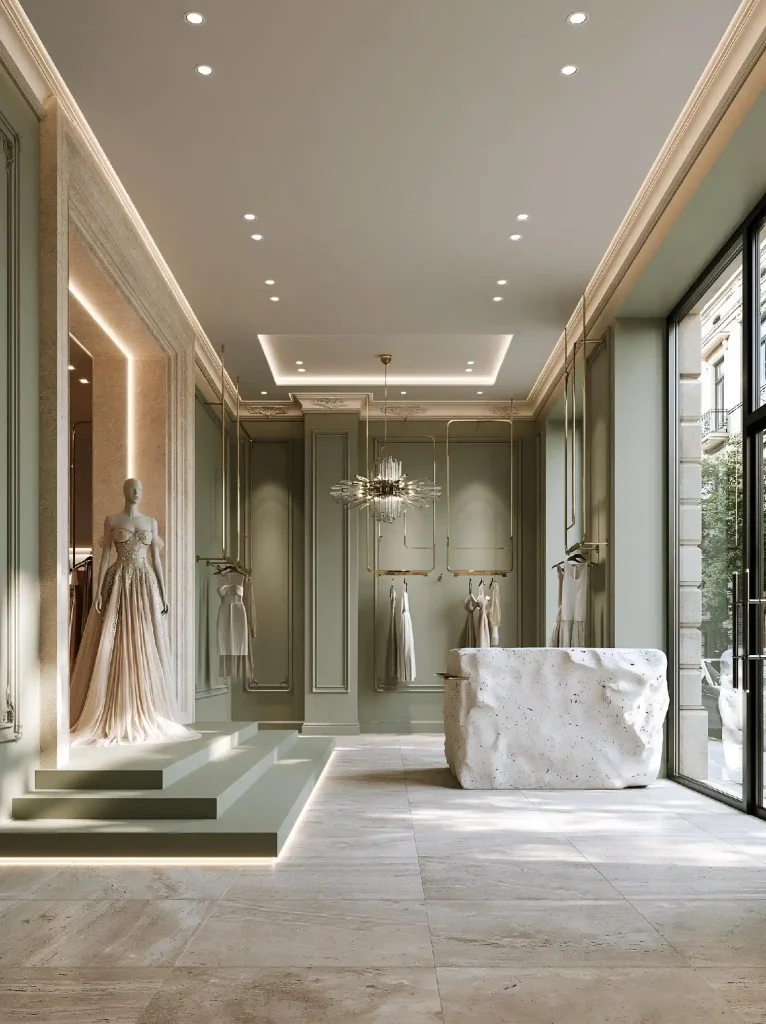
This boutique interior design uses marble displays for a luxury bridal store.
A boutique is much more than a place to display products…it’s where customers experience your brand for the first time. The layout, lighting, colours, and materials all influence how long people stay, what they notice, and whether they make a purchase. A poorly planned store can feel cluttered or confusing, while a thoughtfully designed boutique encourages browsing and creates a memorable shopping experience.
A standout boutique interior design combines visual appeal with smart space planning, comfortable circulation, and a strong brand identity. Whether you’re opening a fashion boutique, jewellery store, lifestyle outlet, or concept store, the right interiors help your business stand out while making every square foot work harder.
The key is creating a space that’s as functional as it is beautiful.
Key Characteristics of Boutique Interiors
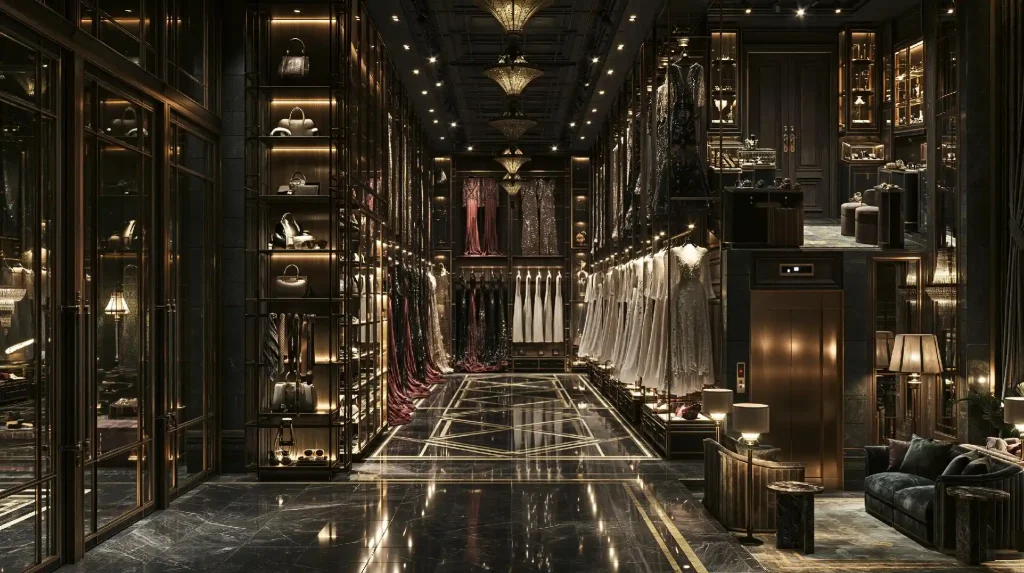
A luxury boutique interior design featuring marble floors and chandeliers.
The best boutique interiors tell a story through design.
Unlike large retail stores, boutiques create a more personalised shopping experience. Every element, from the entrance and display windows to the fitting rooms and checkout counter, should reflect the brand’s personality.
A successful boutique commercial interior design usually features carefully planned product displays, layered lighting, premium materials, and uncluttered layouts that allow merchandise to become the focal point.
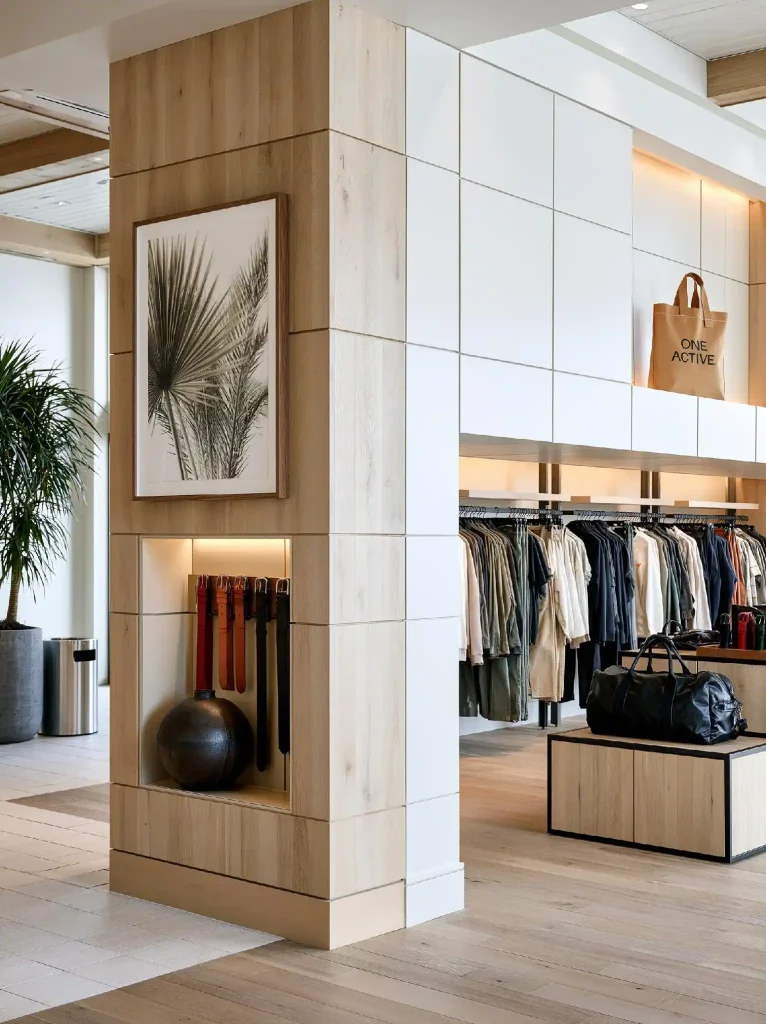
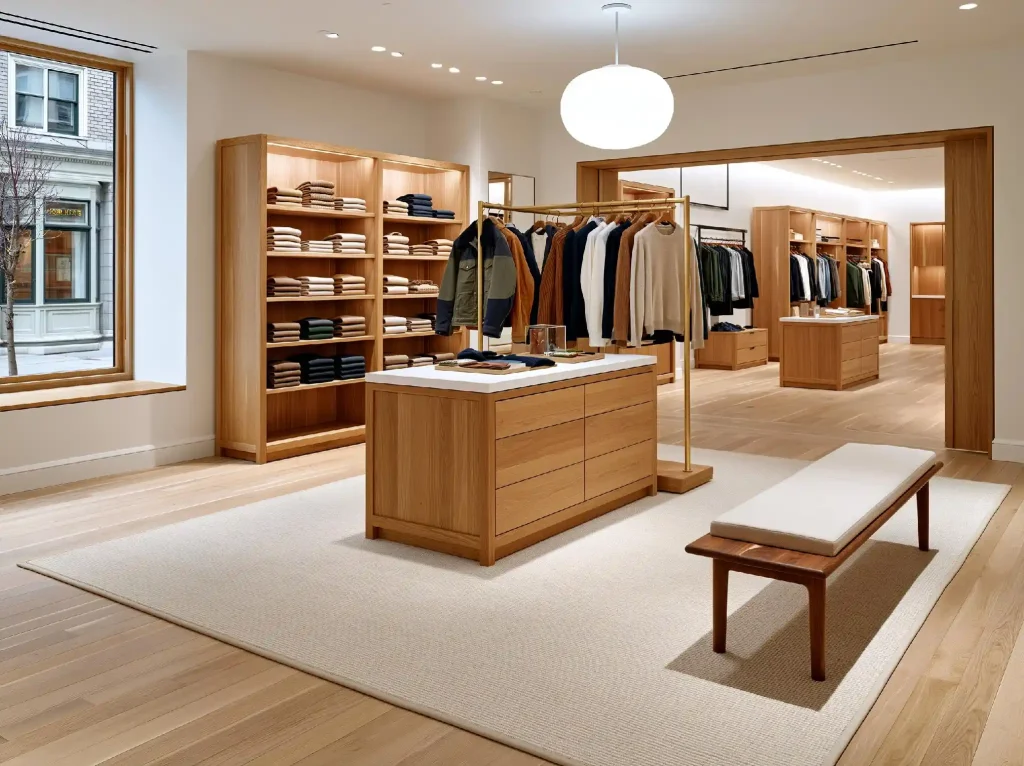
This boutique interior design pairs wood panelling with curated product displays.
Flexibility is equally important. Adjustable display systems, movable shelving, and modular fixtures allow collections to change seasonally without requiring major renovations.
Luxury boutiques often borrow ideas from boutique hotel interior design, using warm lighting, textured finishes, elegant furniture, and comfortable seating to create a welcoming atmosphere rather than a purely commercial one.
Customers should feel like they’re entering a carefully curated space, not simply another retail store.
Things to Consider Before Designing a Boutique
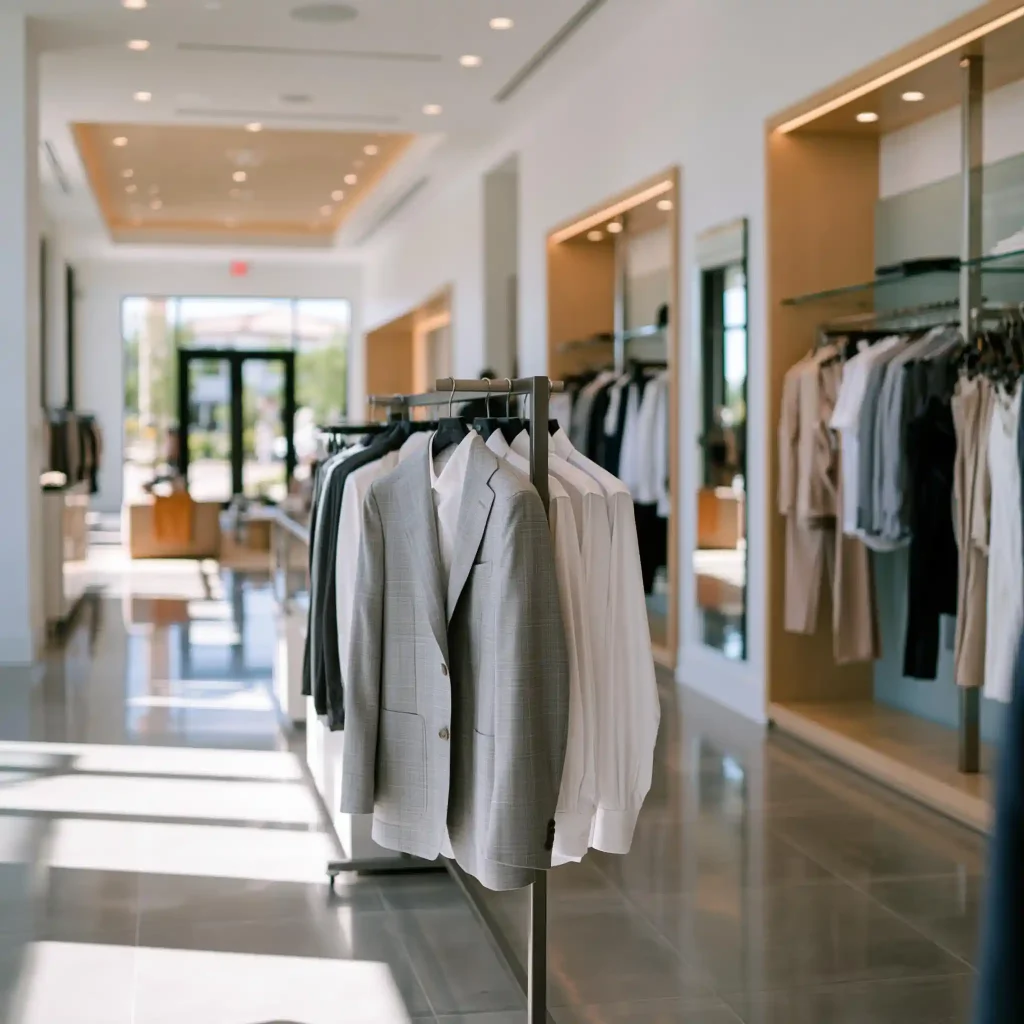
A boutique commercial interior design with bright, open apparel displays.
Good boutique design begins long before selecting colours or furniture. Start by understanding your target customer. A luxury fashion boutique requires a very different atmosphere from a children’s clothing store or lifestyle boutique.
Plan customer movement carefully. The entrance should invite people inside, display areas should guide them naturally through the store, and fitting rooms and billing counters should remain easy to locate.
Lighting deserves particular attention. Ambient lighting creates the overall mood, accent lighting highlights featured products, and task lighting improves visibility in trial rooms and checkout areas.
This small boutique interior design keeps displays minimal and uncluttered.
If you’re planning a small boutique interior design, avoid overcrowding the floor with excessive displays. Fewer, well-presented products often create a more premium shopping experience than densely packed shelves.
Finally, leave enough flexibility for future merchandising updates as collections and trends change.
Boutique Interior Design Studio: What Services Should You Expect?
A boutique interior design studio project featuring a dramatic luxury corridor.
Choosing the right boutique interior design studio is about more than creating an attractive store.
A professional design studio should begin by understanding your brand identity, product range, customer profile, and business goals before developing the design concept.
Services typically include space planning, 3D visualisations, lighting design, display planning, material selection, custom furniture design, storage planning, signage integration, and project execution.
An experienced boutique interior design firm also coordinates contractors, vendors, and installation schedules to ensure the project is completed efficiently while maintaining quality.
The best designers don’t simply decorate your boutique; they create an environment that supports customer experience and business growth.
Materials That Elevate Boutique Interiors
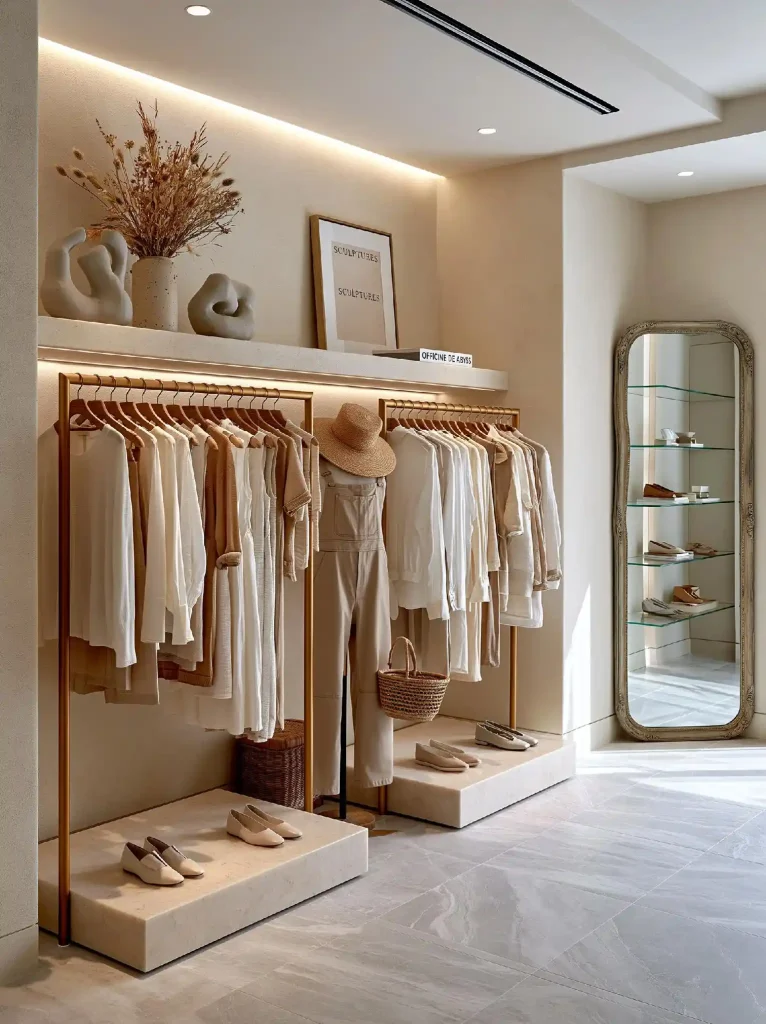
This boutique interior design idea creates a curated dressing area display.
Material selection influences both aesthetics and durability. Wood veneers, premium laminates, natural stone, textured wall finishes, glass, metal accents, and luxury vinyl flooring remain popular choices because they balance appearance with everyday performance.
Display units should be durable enough for frequent merchandising changes while remaining visually lightweight.
Mirrors are particularly effective in boutiques because they reflect light, create a greater sense of space, and encourage customers to interact with products.
For small boutique interior design, lighter materials, glass shelving, and slim display systems help maintain openness while allowing merchandise to take centre stage. Investing in quality finishes creates a stronger first impression while reducing long-term maintenance costs.
How Much Does Boutique Interior Design Cost?
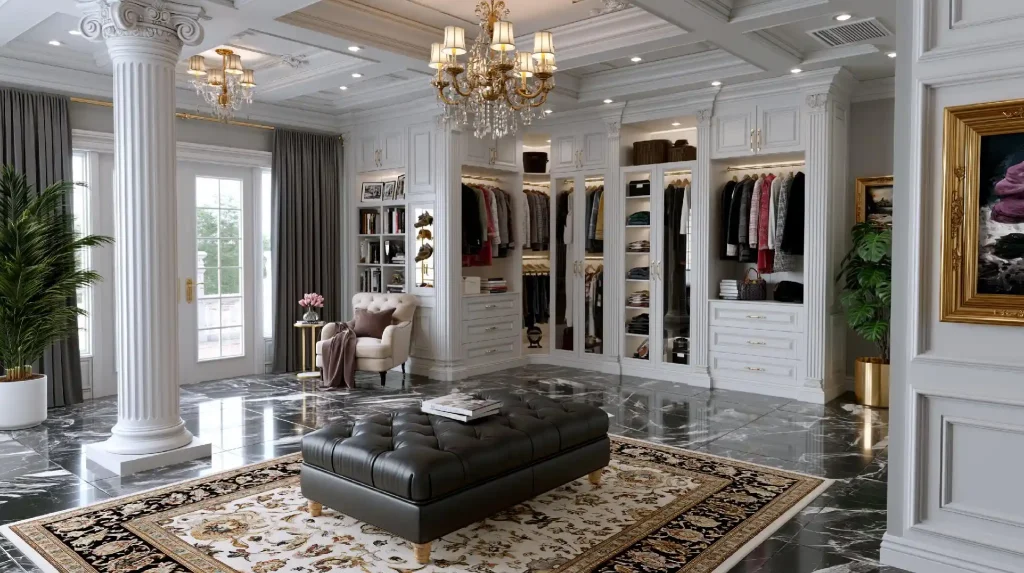
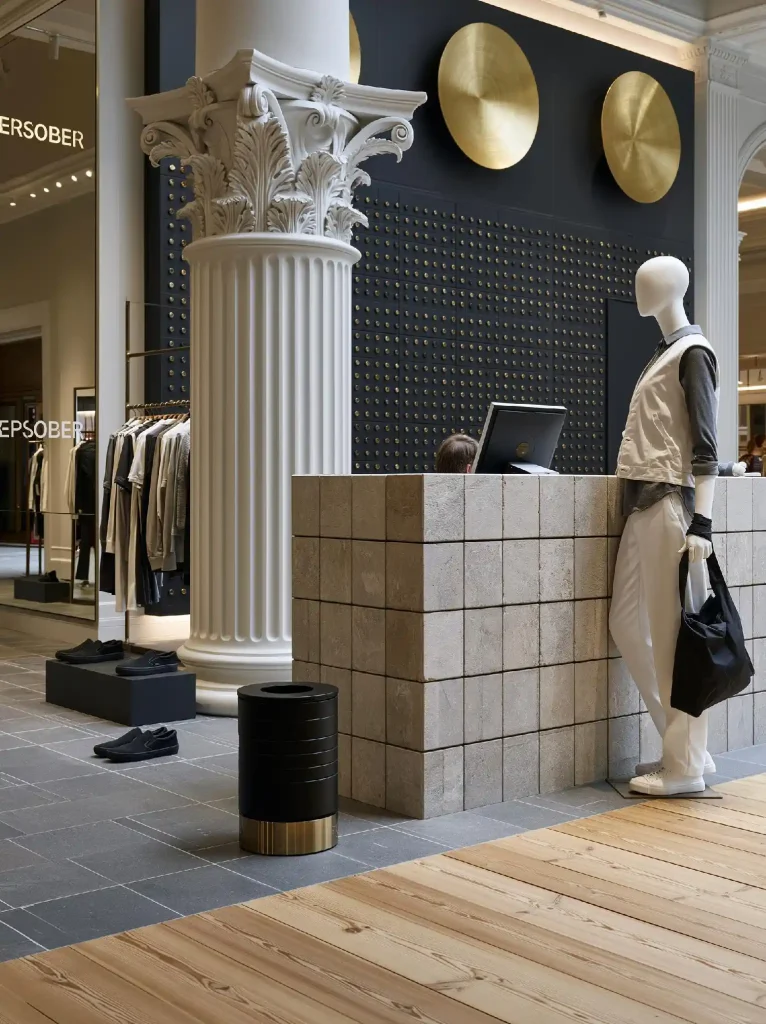
A boutique interior design idea blending classical columns with modern displays.
The cost of boutique interior design depends on several factors, including store size, level of customisation, display requirements, lighting, furniture, materials, and branding elements.
As a general guide:
Basic boutique interiors:Approximately INR 1,500–INR 2,500 per sq. ft.
Mid-range customised boutiques:Approximately INR 2,500–INR 4,000 per sq. ft.
Luxury boutique interiors:INR 4,000 per sq. ft. and above, depending on premium finishes, bespoke furniture, imported lighting, and specialised display systems.
While customised interiors require a higher initial investment, they often improve customer experience, strengthen brand identity, and provide greater long-term value.
Create a Boutique That Reflects Your Brand
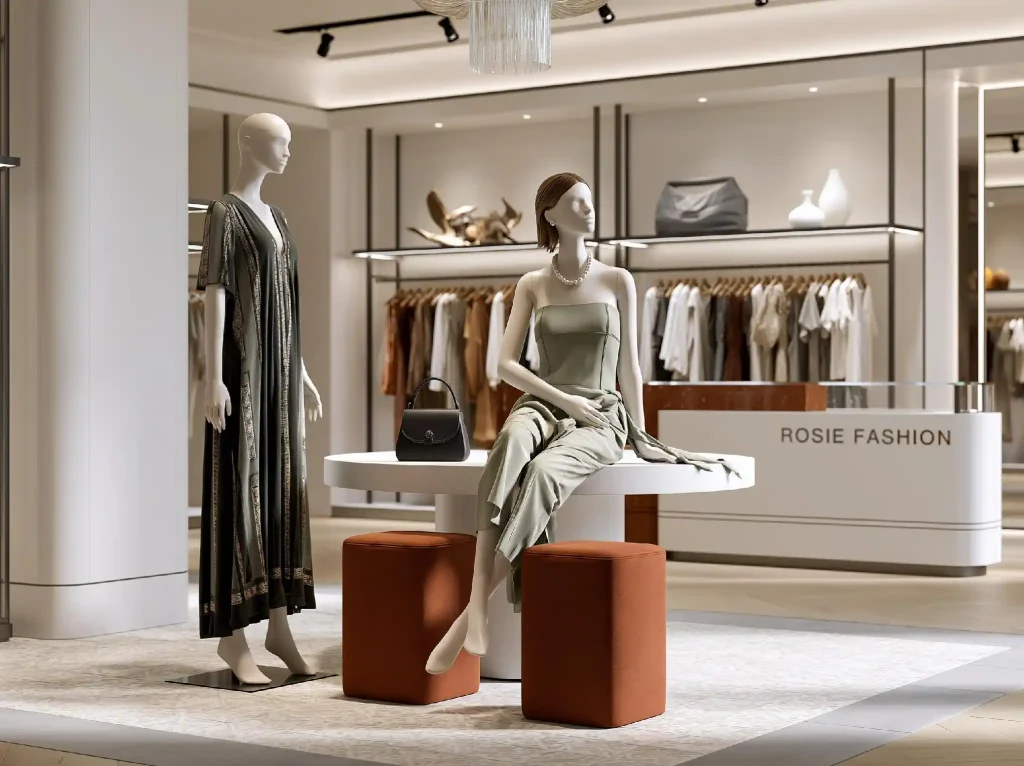
This boutique interior design reinforces brand identity through styled displays.
A thoughtfully planned boutique interior design creates more than an attractive retail space…it builds your brand, improves customer experience, and supports better product presentation. Whether you’re planning a luxury fashion boutique, lifestyle store, or small boutique interior design, investing in smart layouts and quality materials helps create a space that customers remember.
At HomeLane, we design customised commercial interiors that combine aesthetics, functionality, and brand identity. Book a free HomeLane consultation and create a boutique that’s tailored to your business and your customers!
FAQs
1. What is boutique interior design?
Boutique interior design focuses on creating personalised retail spaces that reflect a brand’s identity while enhancing customer experience through thoughtful layouts, lighting, display planning, and premium materials.
2. How do I design my boutique?
Start by defining your brand identity and target audience, then plan customer circulation, product displays, lighting, and storage. A well-designed boutique balances aesthetics with practical merchandising and easy navigation.
3. What should a boutique interior design studio offer?
A professional boutique interior design studio should provide concept development, space planning, 3D visualisations, lighting design, material selection, custom display design, project execution, and end-to-end coordination.
4. Which colours work best for boutique interiors?
Neutral shades such as white, beige, greige, charcoal, and warm wood tones create timeless backdrops that highlight merchandise. Accent colours can then be introduced to reinforce your brand identity.
5. How can a small boutique interior design look spacious?
Use light colour palettes, mirrors, glass display units, layered lighting, and carefully planned circulation. Limiting visual clutter and creating breathing space around displays helps small boutiques feel larger and more premium.









 EXPLORE MORE