Bathroom Ventilation Ideas: The Best Solutions for Every Bathroom
By Usha Balasubramanyan- August 25, 2026
AI Summary
3 key insights · 1 expert tip
Good bathroom ventilation relies on natural cross airflow, an exhaust fan sized and run properly, or alternative measures for windowless bathrooms, all to stop moisture damage and mould.
Key Insights:
What You'll Read Here:
Bathrooms with windows benefit from cross ventilation, while enclosed bathrooms rely on exhaust fans, including humidity-sensing fans that switch on automatically as moisture rises.
Bathrooms without a window or fan can improve airflow with an open door, louvred doors, ventilated transoms, portable dehumidifiers and anti-mould paints, though adding an exhaust fan remains the best long-term fix.
Switching off the exhaust fan right after a shower, sealing doors with no ventilation gap, and dirty fans or filters are common mistakes that cause dampness and mould.
HOMELANE EXPERT TIPBy our design team
Check that the exhaust duct runs as short and straight as possible to an outside wall or roof vent, because long duct runs with several bends cut a fan's real extraction rate well below its rated capacity.
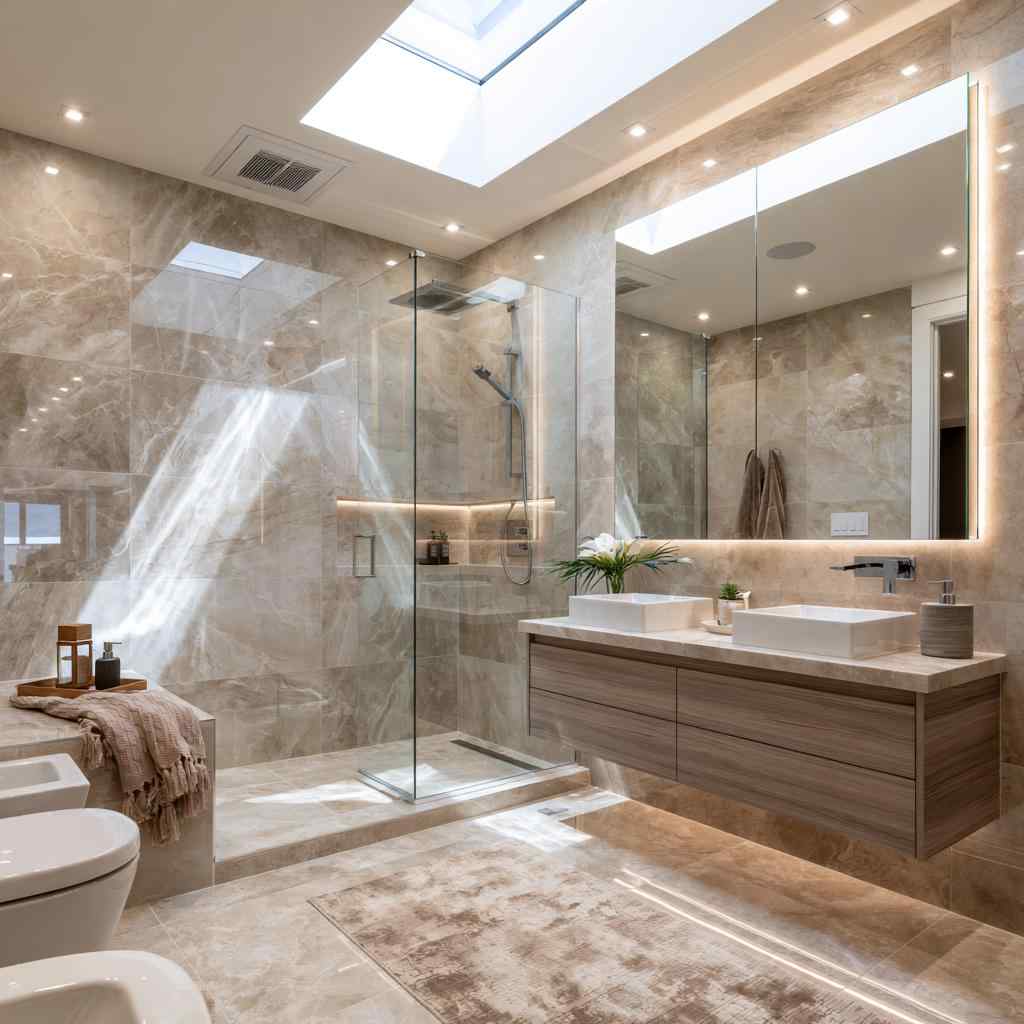
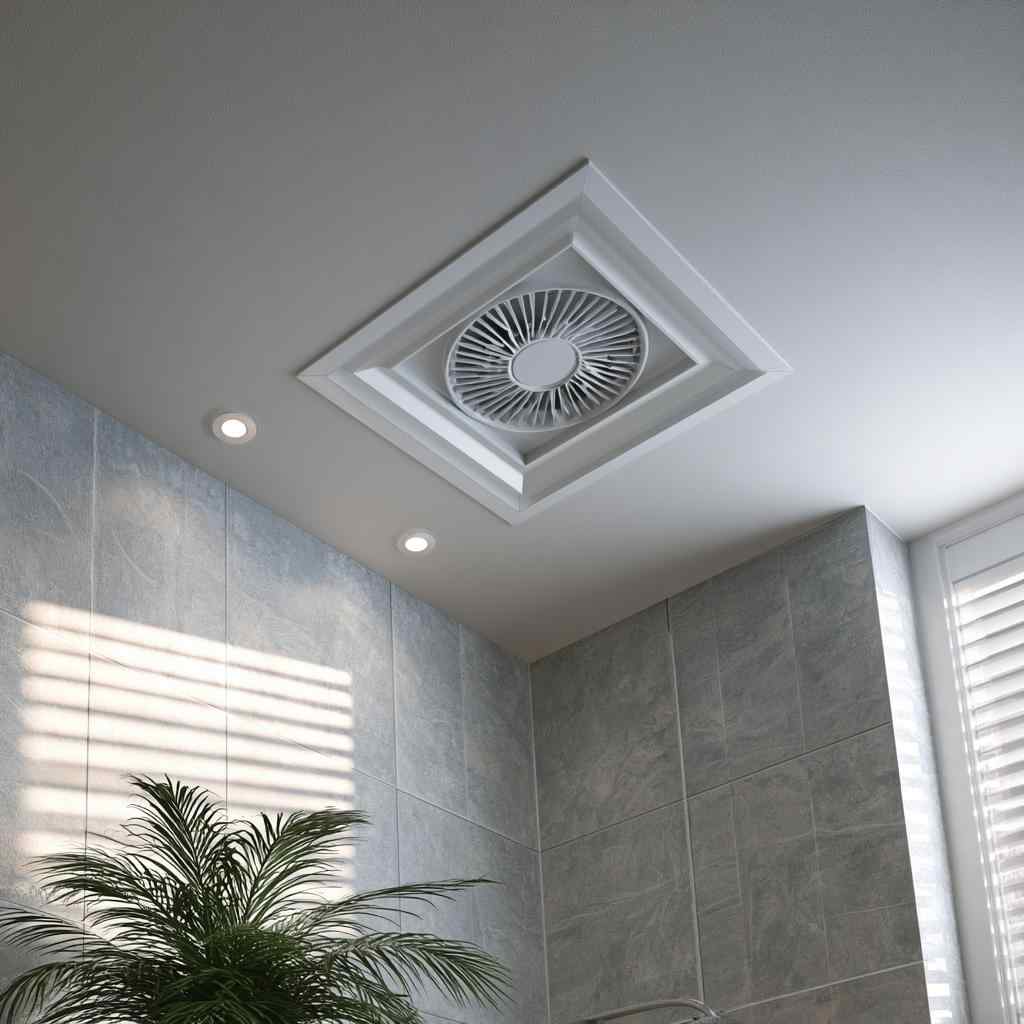
A ceiling exhaust vent keeps this spacious marble bathroom fresh and dry.
Good bathroom ventilation isn’t just about removing steam after a shower; it’s essential for maintaining a healthier, longer-lasting home. Without proper airflow, excess moisture can lead to mould, peeling paint, damaged cabinets, unpleasant odours, and poor indoor air quality. A well-ventilated bathroom stays fresher, dries faster, and requires far less maintenance over time.
The best bathroom ventilation ideas combine natural airflow, efficient exhaust systems, and smart design choices that suit your home’s layout. You might have a spacious family bathroom or you might be looking for ventilation ideas for a bathroom without a window. Either way, the right solution can make a noticeable difference.
Effective ventilation also helps protect expensive finishes, cabinetry, paint, and fixtures from moisture-related damage, extending the life of your bathroom. Whether you’re planning a renovation or simply upgrading an existing space, prioritising ventilation is one of the smartest investments you can make for long-term comfort and durability.
Even small improvements to bathroom ventilation can significantly improve comfort while protecting your interiors from long-term moisture damage.
Bathroom Ventilation Ideas: Which Solution Works Best for Your Bathroom?
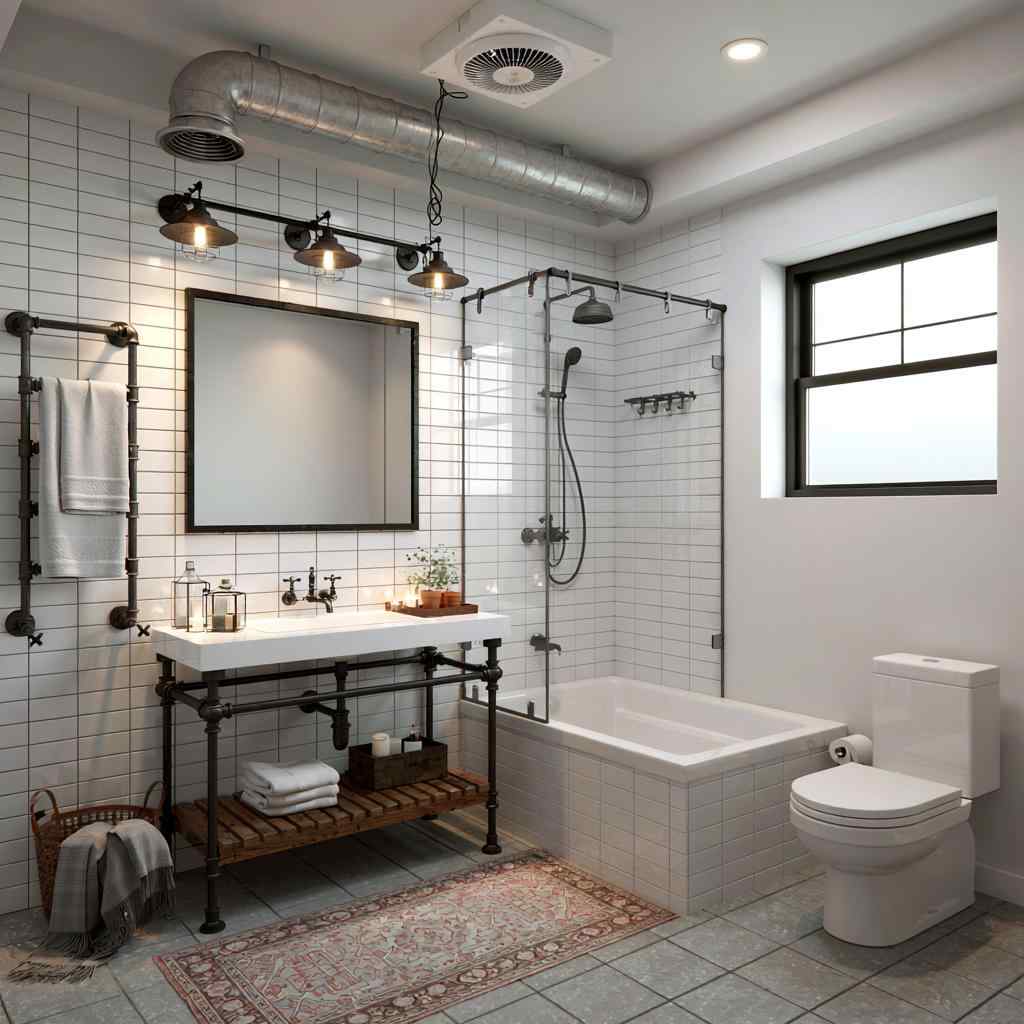
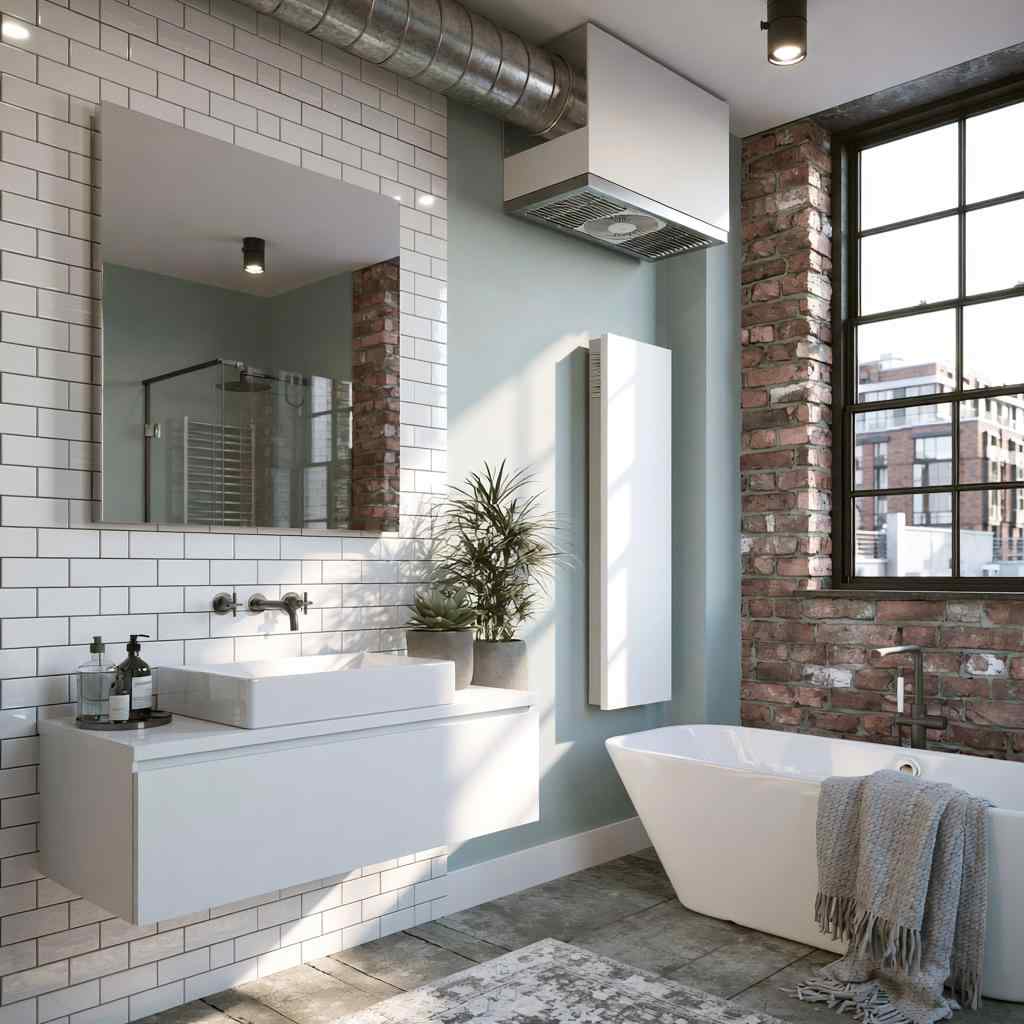
A window brings natural cross ventilation into this industrial-style bathroom.
The ideal ventilation solution depends on your bathroom’s size, layout, and access to natural airflow.
Bathrooms with windows benefit from cross ventilation, where fresh air enters through one opening while moist air exits through another. Exhaust fans remain one of the most effective solutions for enclosed bathrooms, particularly when positioned near the shower area.
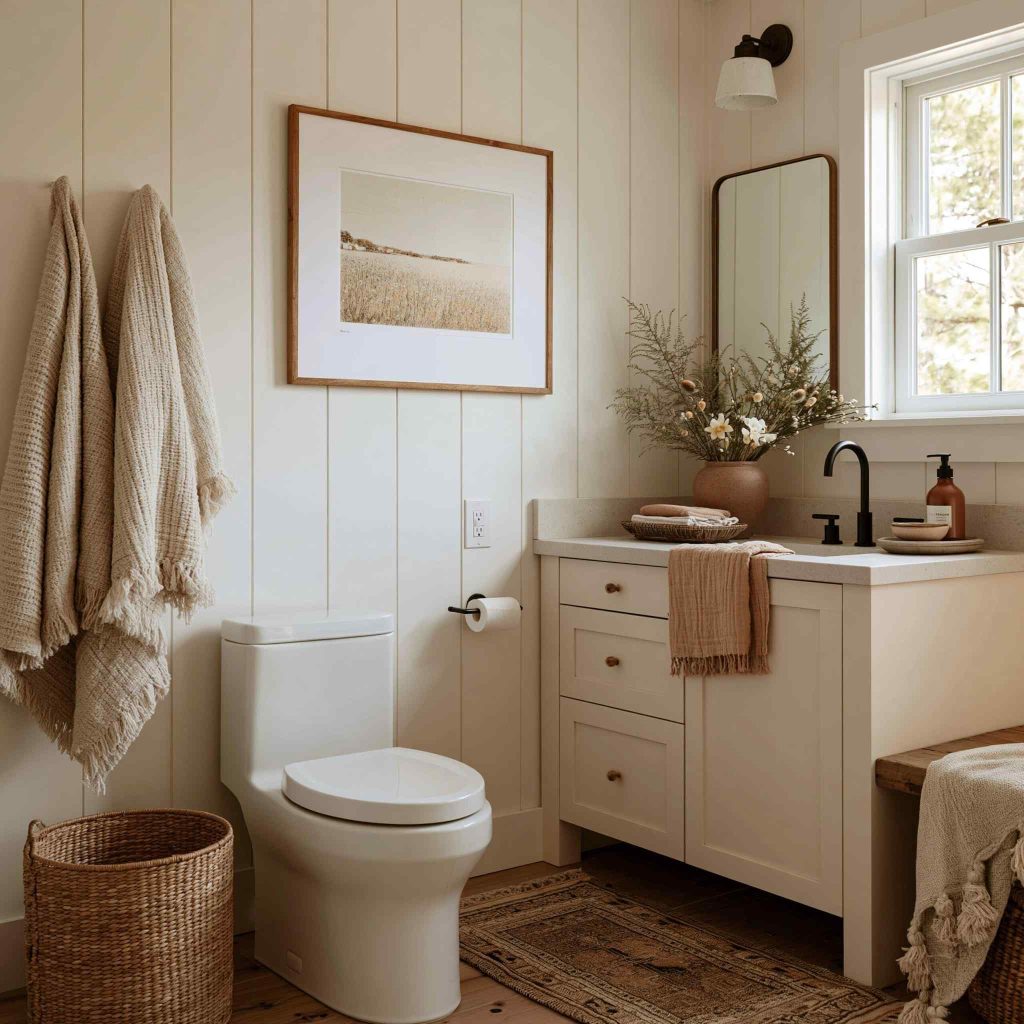
A small window offers natural ventilation in this cosy, neutral bathroom.
Modern homes also use humidity-sensing exhaust fans that automatically switch on when moisture levels rise, improving efficiency while reducing energy consumption.
For compact homes, small bathroom ventilation ideas often combine ceiling exhaust fans with moisture-resistant finishes and adequate door clearance to improve overall airflow.
How Can You Ventilate a Bathroom Without a Window or Exhaust Fan?
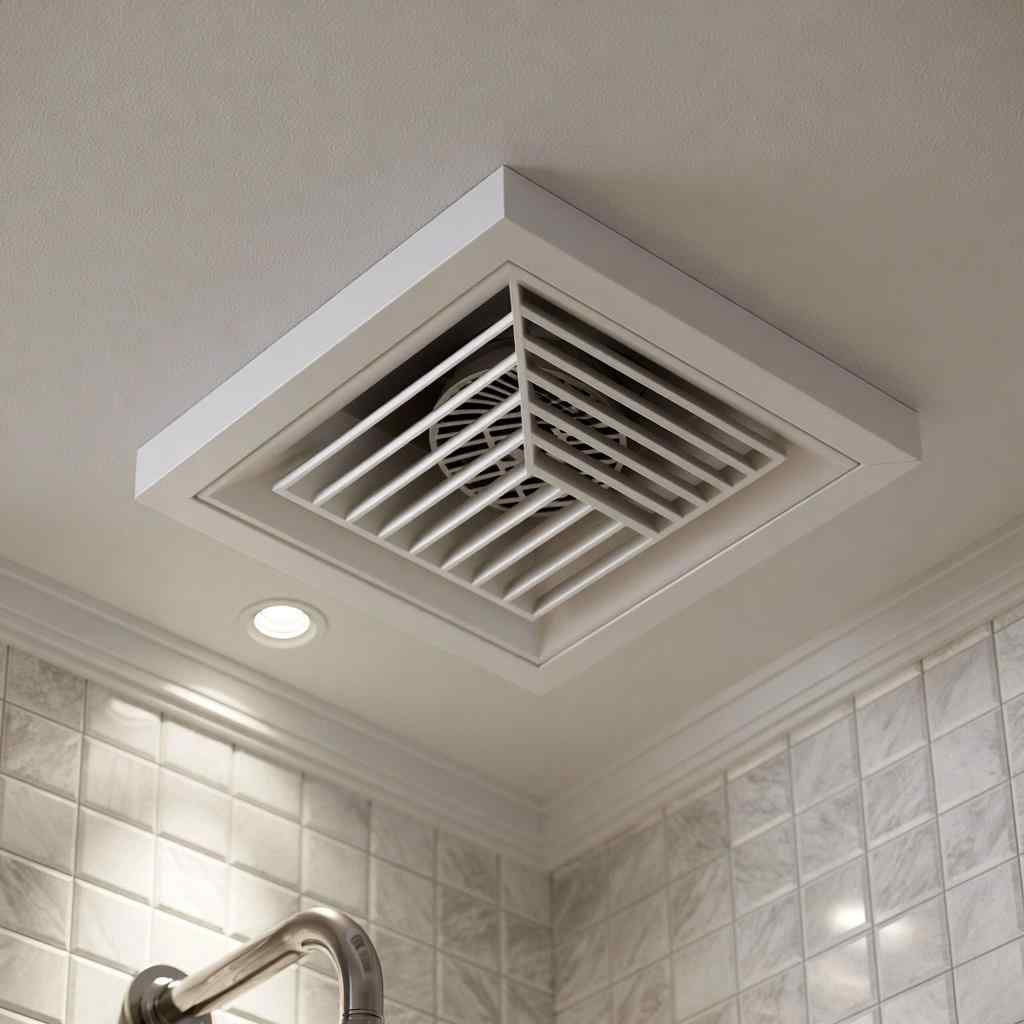
A ceiling exhaust vent effectively removes moisture to prevent bathroom mould.
A bathroom without a window or fan requires alternative methods to control moisture. The best bathroom ideas for ventilation with no fan include leaving the bathroom door open after use, installing louvred doors or ventilated transoms, increasing natural airflow through adjoining rooms, and using portable dehumidifiers when necessary.
Moisture-absorbing materials and anti-mould paints can also help minimise dampness. Whenever possible, upgrading the bathroom with an exhaust fan remains the most effective long-term solution.
If renovation isn’t immediately possible, combining several smaller ventilation strategies can still improve indoor air quality considerably.
Which Bathroom Ventilation System Should You Choose?
A ceiling exhaust fan improves airflow in this sleek, modern bathroom.
Several ventilation systems are available depending on your home’s requirements. Ceiling-mounted exhaust fans are suitable for most homes and effectively remove humid air outdoors. Inline exhaust systems provide quieter operation and are ideal for larger bathrooms.
Heat recovery ventilation systems improve airflow while maintaining indoor temperatures, making them suitable for energy-efficient homes.
If you’re searching for bathroom ventilation ideas for Indian homes, a high-quality exhaust fan combined with natural ventilation offers the best balance between performance, affordability, and ease of installation. Choose a system with adequate airflow capacity based on your bathroom’s size.
Common Bathroom Ventilation Mistakes That Cause Dampness and Mould
A window paired with an exhaust vent keeps this bathroom mould-free.
One of the biggest mistakes is switching off the exhaust fan immediately after finishing a shower. Running the fan for at least 15–20 minutes afterwards helps remove lingering moisture.
Another common mistake is blocking air movement with tightly sealed doors that have no ventilation gap. Dirty exhaust fans, neglected filters, and poor duct installation also reduce ventilation efficiency over time.
Finally, relying solely on open windows during humid weather may not remove enough moisture, particularly in enclosed bathrooms.
Design a Bathroom That Stays Fresh Every Day!
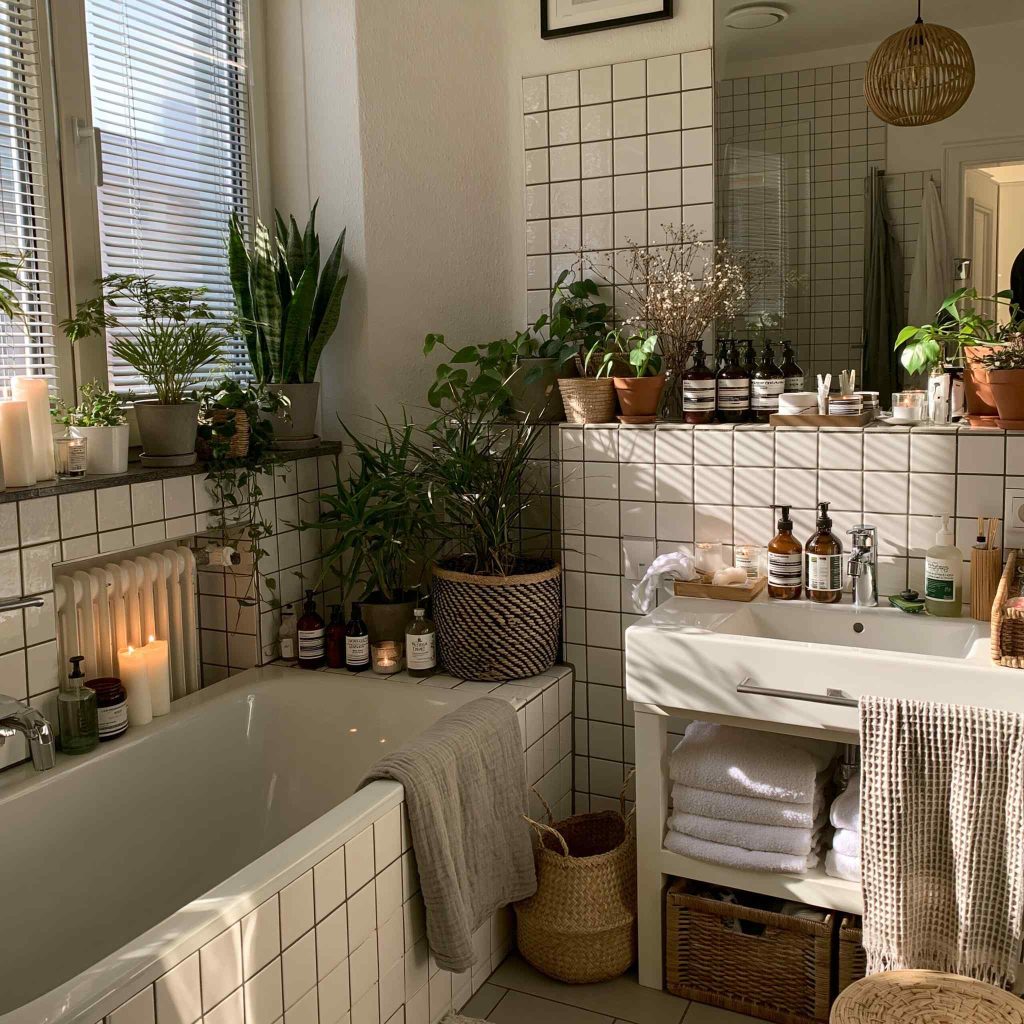
Plants and an open window support natural ventilation in this cosy bathroom.
The best bathroom ventilation ideas combine natural airflow, efficient exhaust systems, and moisture-resistant materials to create bathrooms that remain fresh, comfortable, and easy to maintain. Choosing the right ventilation approach helps protect your home for years to come.
At HomeLane, we design bathrooms that combine intelligent layouts, durable materials, and practical ventilation solutions tailored to your lifestyle. Book a free HomeLane consultation and create a bathroom that’s beautiful as well as functional.
Good ventilation isn’t something you’ll notice every day…but you’ll certainly notice when it’s missing. Investing in proper airflow today helps preserve your bathroom’s beauty and durability well into the future.
FAQs
1. What is the best way to ventilate a bathroom naturally?
Opening windows and doors to create cross ventilation is the most effective natural method. Allowing fresh air to circulate after every shower helps remove excess humidity and speeds up drying. Keeping windows open for a little longer after bathing can further reduce moisture build-up and unpleasant odours.
2. Can a bathroom be ventilated without a window?
Yes. An exhaust fan is the most effective solution for bathrooms without windows. If installing one isn’t possible immediately, improving airflow through adjoining spaces and using a dehumidifier can help reduce moisture. Choosing moisture-resistant finishes can also minimise the effects of excess humidity in enclosed bathrooms.
3. Is an exhaust fan enough to prevent bathroom mould?
A properly sized exhaust fan greatly reduces the risk of mould by removing humid air. However, regular cleaning, good ventilation habits, and fixing leaks are equally important for long-term mould prevention. Running the fan consistently after every shower significantly improves its effectiveness.
4. Why does my bathroom stay damp even with an exhaust fan?
The fan may be undersized, clogged with dust, incorrectly installed, or not running long enough after showers. High humidity levels or inadequate airflow into the bathroom can also reduce its effectiveness. Having the fan checked periodically ensures it continues to perform efficiently.
5. What should I do if my bathroom has no window and no fan?
Keep the door open after use, use a portable dehumidifier, wipe down wet surfaces, and consider installing moisture-resistant finishes. If possible, adding an exhaust fan should remain your long-term goal. Reducing standing water on floors and walls also helps the bathroom dry much faster.
6. How often should bathroom exhaust fans be cleaned?
Most exhaust fans should be cleaned every three to six months, depending on usage and dust levels. Regular maintenance improves airflow, reduces noise, and extends the fan’s lifespan. A clean fan also operates more efficiently, helping remove moisture before it can cause damage.
























 EXPLORE MORE