Dining Room Layouts That Maximise Space and Create Better Flow
By Usha Balasubramanyan- April 27, 2026
AI Summary
3 key insights · 1 expert tip
Optimise your dining room layout by balancing table size, seating, and essential clearance to ensure comfortable movement and a functional, inviting space.
Key Insights:
What You'll Read Here:
Ensure at least 36 inches of clearance around your dining table for easy movement and chair access.
Round tables are ideal for smaller spaces, allowing for smoother navigation and better flow.
Plan furniture placement around movement paths first to create a naturally functional and comfortable dining area.
HOMELANE EXPERT TIPBy our design team
Prioritise planning movement within the dining room before placing furniture; if you can move easily, the rest will fall into place.
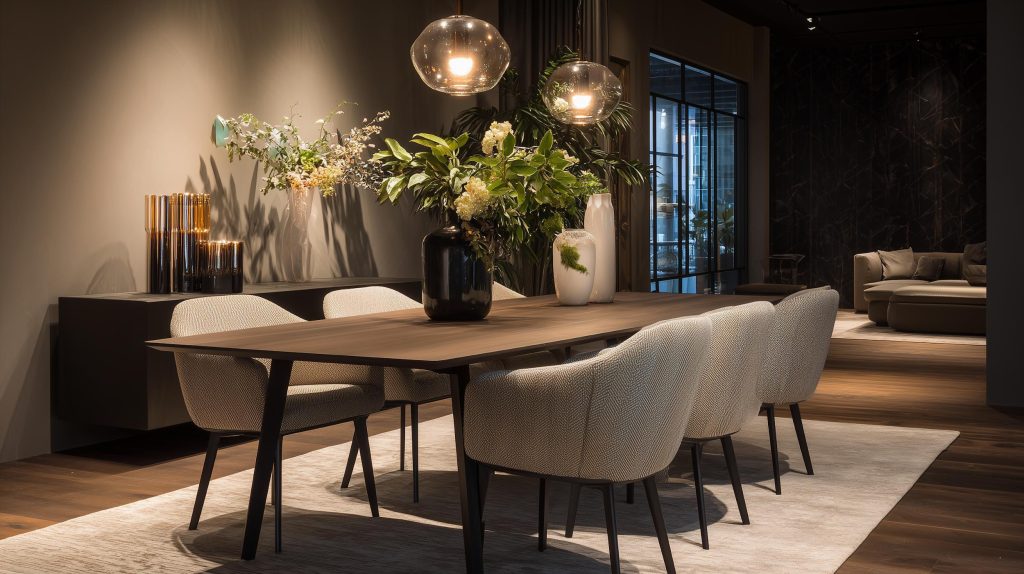
Modern dining room layout with wood table, sleek lighting and indoor-outdoor flow
Let’s start with something you may have experienced. You pull out a chair to sit down, and it hits the wall.
Or you try to walk past the table while someone is seated, and suddenly the space feels too tight. It is not the size of your dining room. It is the layout. A thoughtful dining area layout in interior design can completely change how the space feels and functions, without adding a single extra inch.
Why Your Dining Room Layout Matters
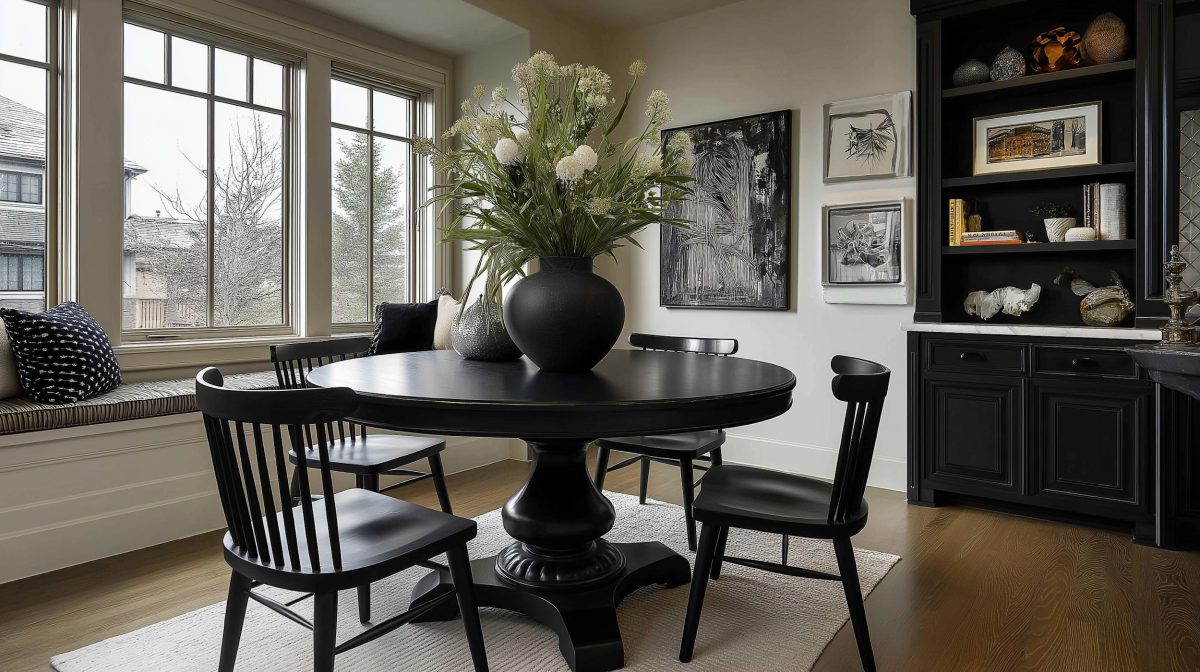
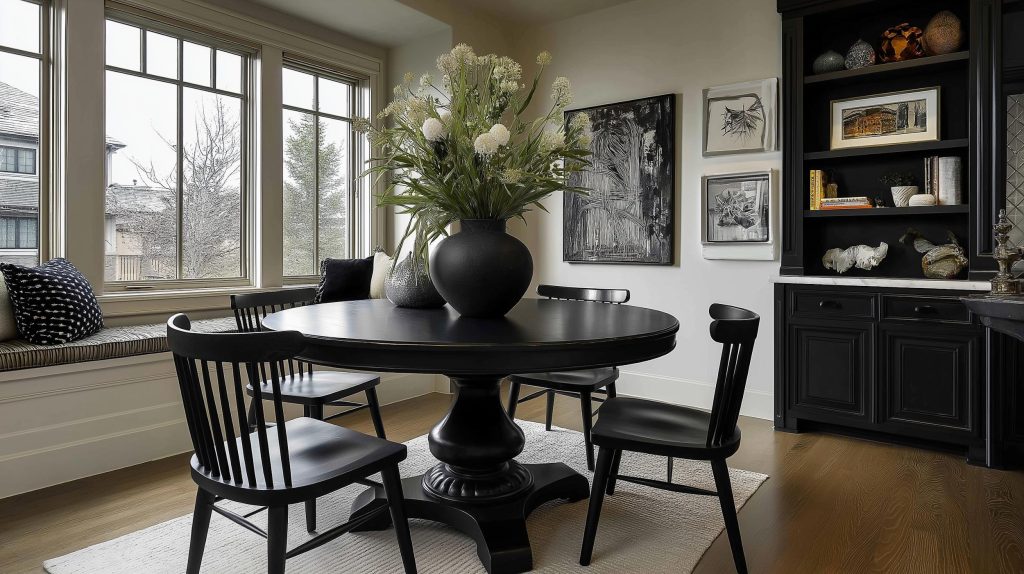
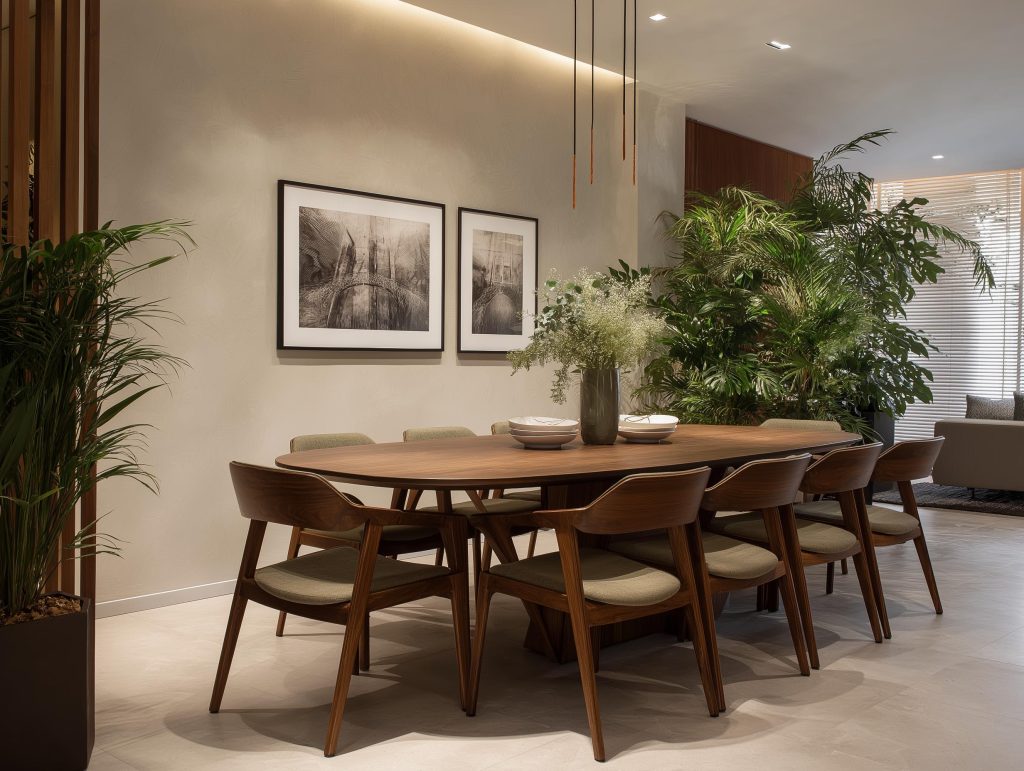
Stylish dining room layout with round table, natural light and modern decor
The dining area is not just about eating. It is where conversations happen, quick breakfasts turn into long chats, and everyday moments unfold. A good dining room furniture layout supports all of this without getting in the way.
It also affects how easily you host guests and how relaxed the space feels during everyday use. When the layout works, the space feels natural. When it does not, even a beautiful room feels uncomfortable.
The Golden Rule of Dining Space: Clearance
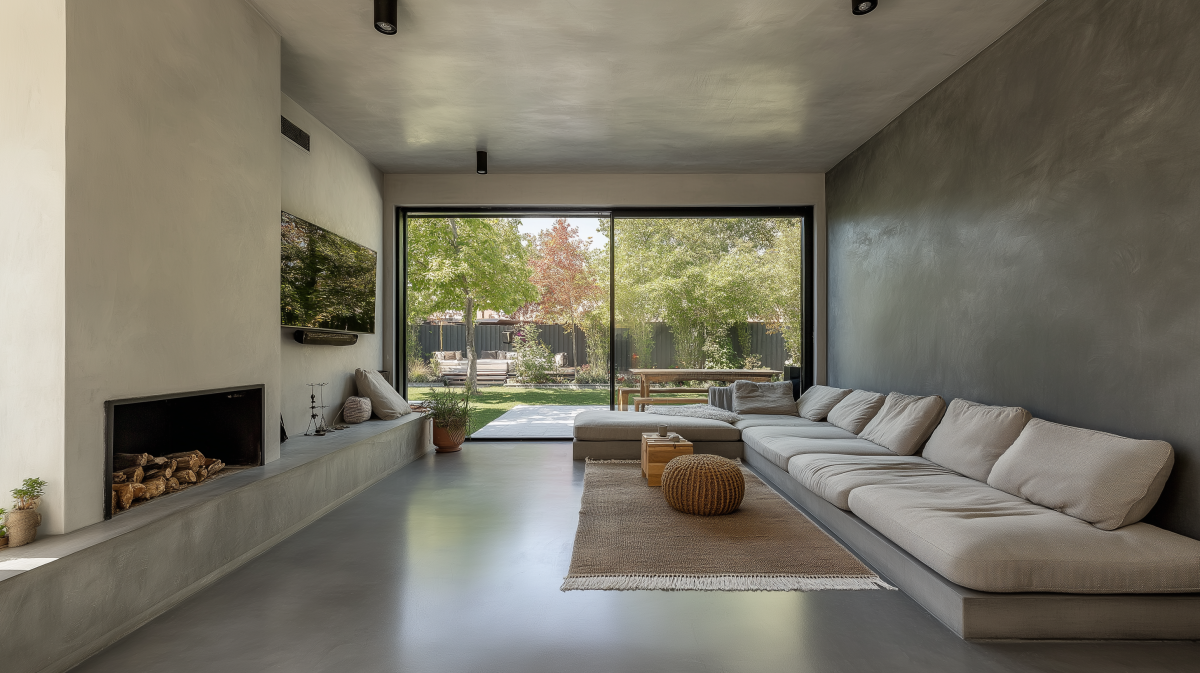
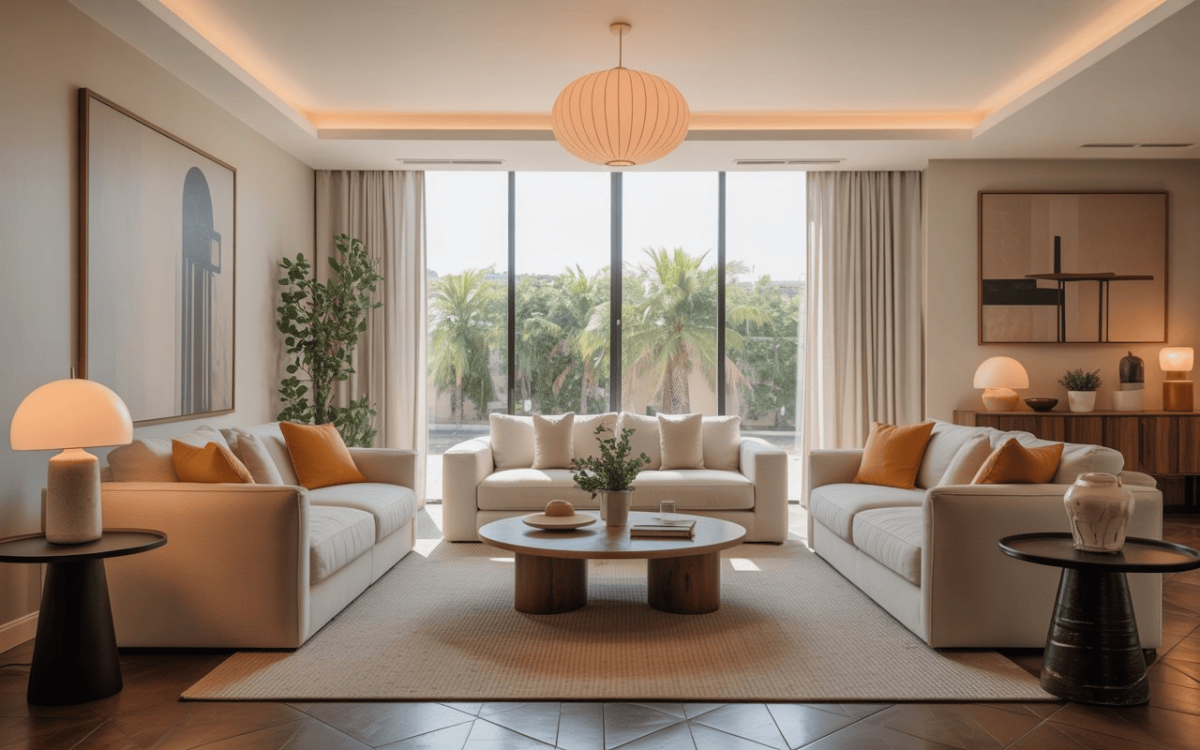
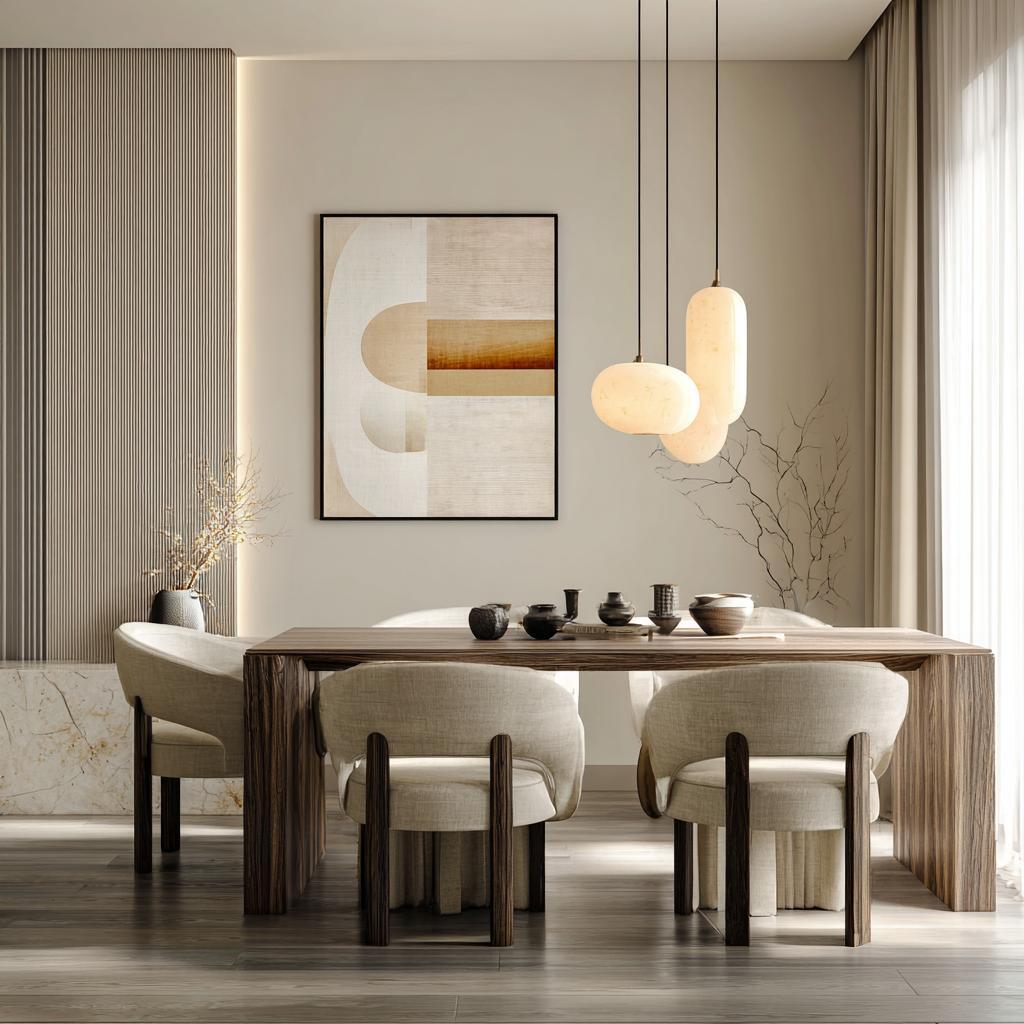
Smart small living room dining room combo layout ideas with cozy seating and natural accents
If there is one thing to remember, it is this. The space around the table matters more than the table itself.
A dining room layout dimensions guideline is to leave at least 36 inches of clearance around the table. This allows chairs to move freely and people to walk around without squeezing through. In smaller homes, even slightly less can work, as long as movement still feels easy.
Key Components of an Effective Dining Room Layout
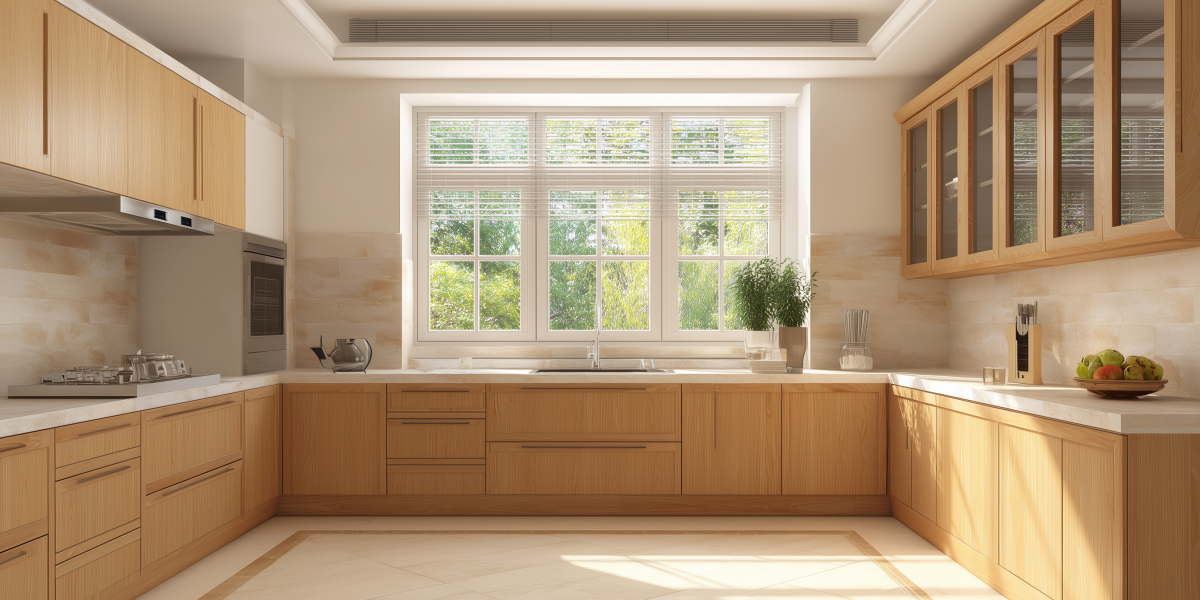
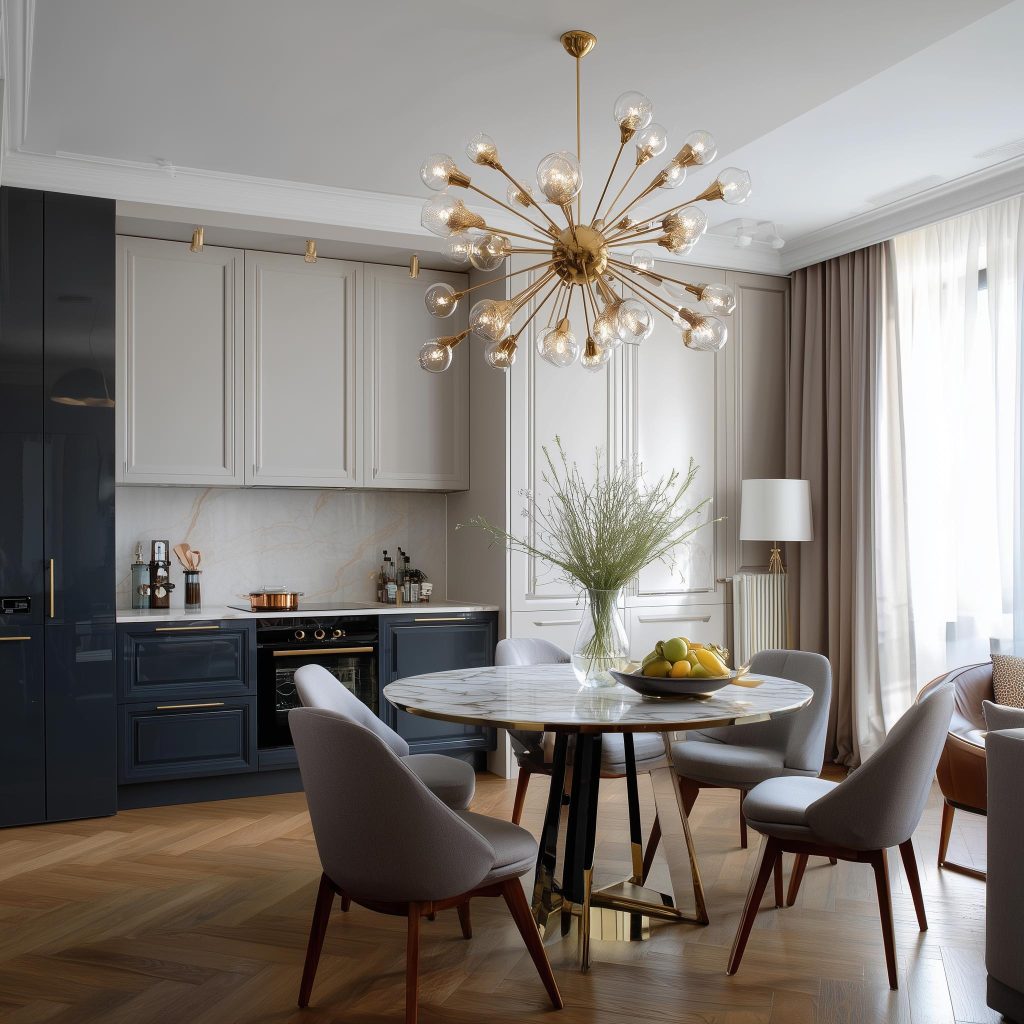
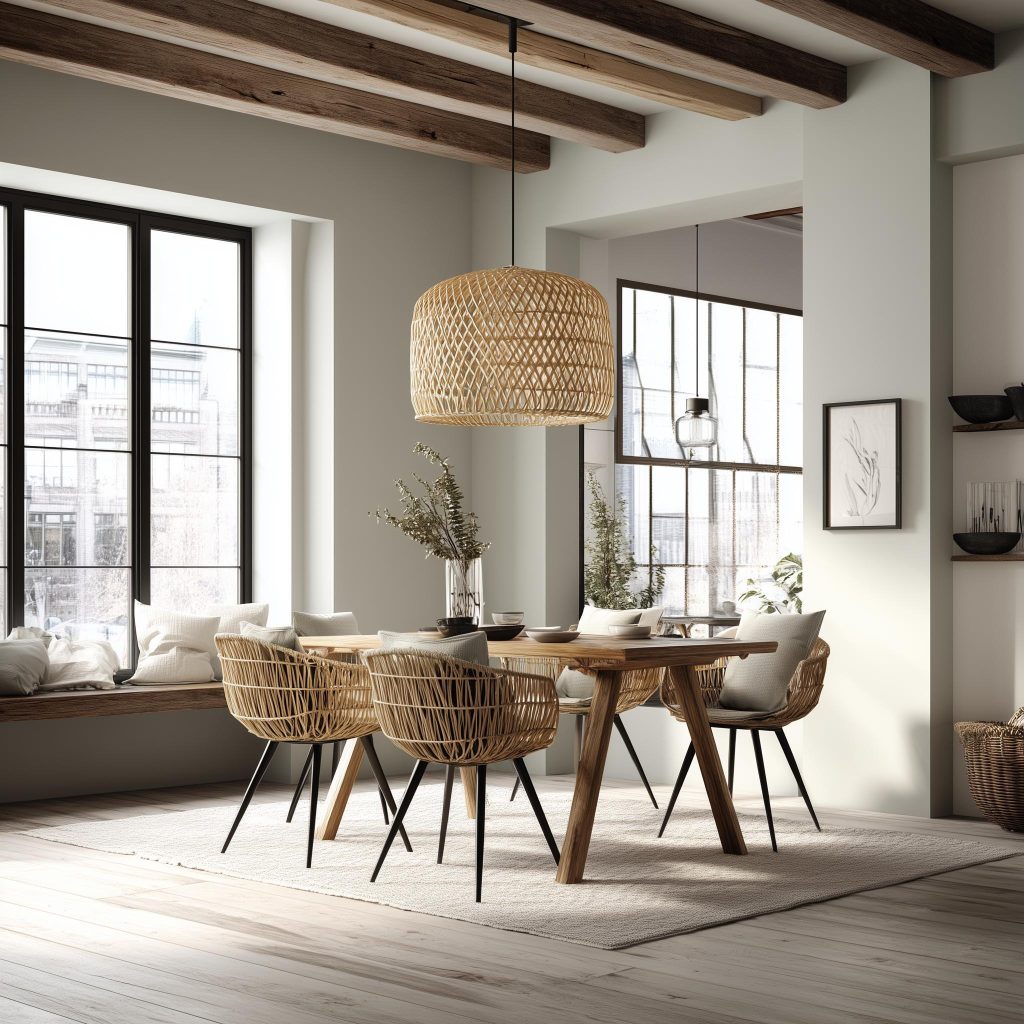
Stylish kitchen dining room layout with chic lighting and cozy modern seating
A good layout is not complicated. It just needs to balance a few essentials. The table should fit the room, not dominate it. Seating should feel comfortable without crowding. Lighting should highlight the dining area without overwhelming it.
In open homes, especially in a kitchen-dining and living room layout, the dining space should feel connected yet clearly defined. It’s always about creating a sense of flow.
Steps for Designing the Perfect Dining Room Layout
1. Choose the Right Table
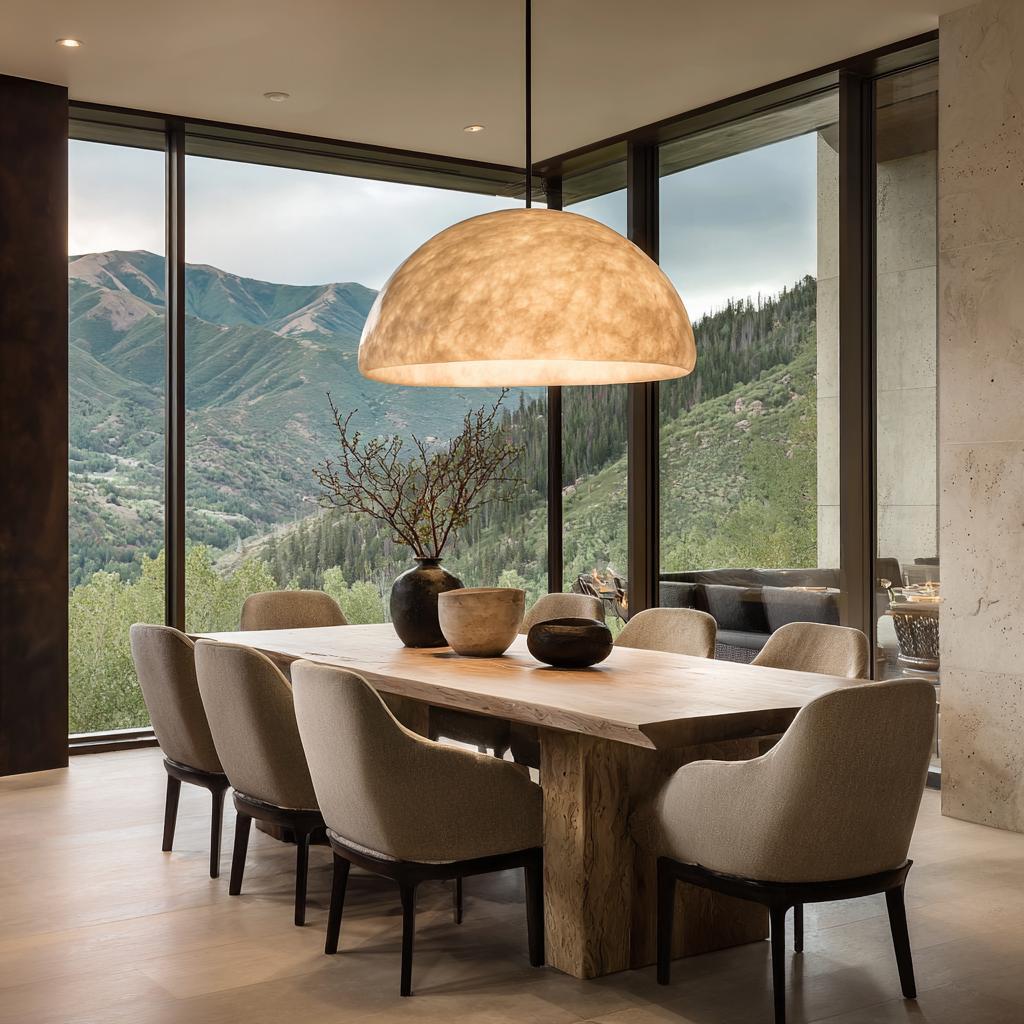
Inspiring dining room layout ideas with natural views and warm modern design
Start with the table. It sets the tone for everything else. Round tables work well in smaller spaces or a 10×10 dining room layout, as they allow easier movement. Rectangular tables suit longer rooms and larger families.
Pick a size that leaves enough breathing space around it.
2. Optimise Seating
Elegant dining room furniture layout with cozy seating and modern minimalist style
Seating should feel easy, never forced. Mixing chairs and benches can work well, especially in compact spaces. In a small living and dining room layout, benches can tuck in neatly and save space.
Comfort matters as much as style here.
3. Include Proper Lighting
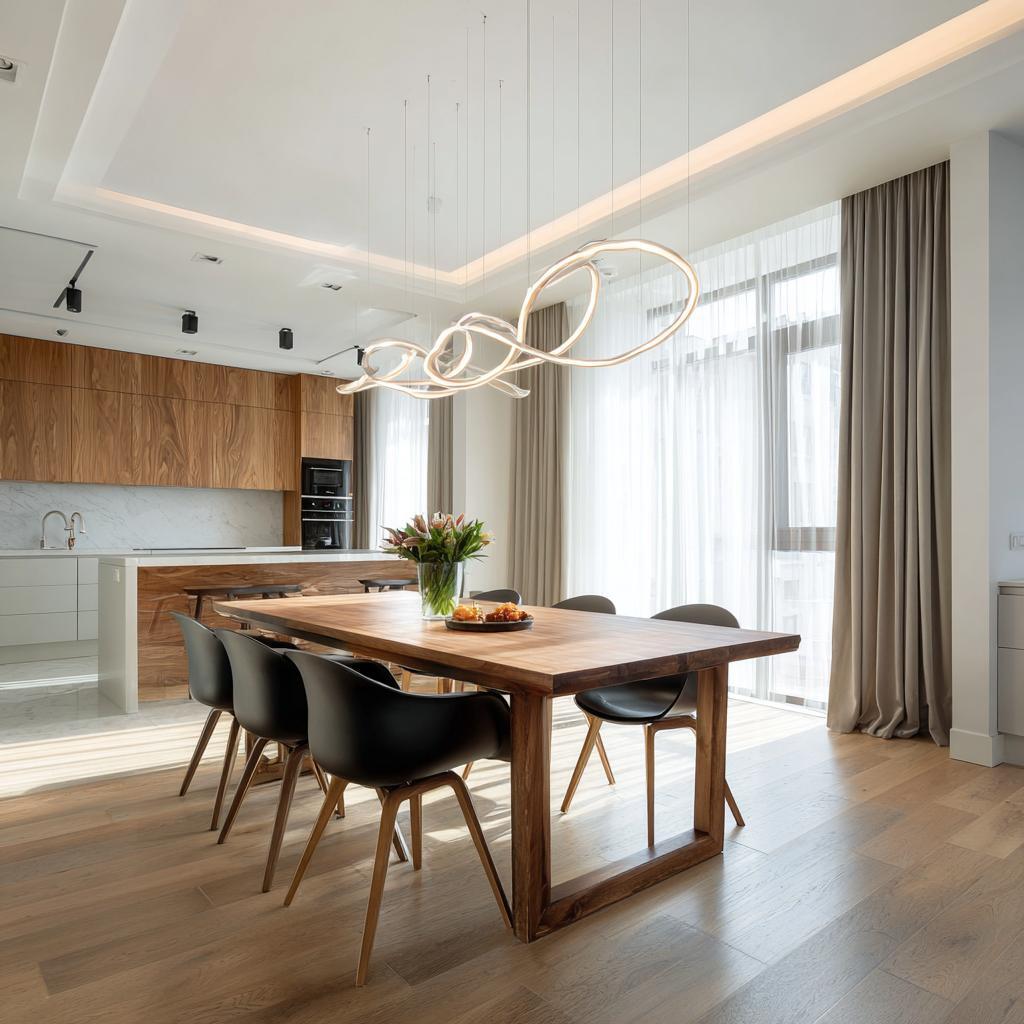
Contemporary kitchen dining and living room layout with clean design and warm wood tones
Lighting can change how your dining area feels. A pendant light centred above the table creates focus and warmth. In open layouts like a kitchen-dining room layout, lighting also helps define the dining zone.
Keep it soft and inviting rather than harsh.
4. Define Space with Rugs
Sophisticated dining room furniture layout with cozy lighting and modern elegance
In open-plan homes, rugs help anchor the dining area. They visually separate the space without adding walls. This works especially well in a living-dining room layout.
Make sure the rug is large enough for chairs to stay on it even when pulled out.
5. Plan for Movement
kitchen dining and living room layout dining area layout modern ideas
This is where most layouts fail. You should be able to move around the table easily, even when all chairs are in use. And when it comes to small living room-dining room combo layout ideas, this becomes even more important.
Test the movement before finalising anything.
6. Incorporate Decorative Elements
Refined dining area layout with soft tones, sleek furniture, and contemporary lighting
Once the basics are in place, this is where you can have a little fun.
Add something that feels like you. It could be a piece of DIY art, a focal centrepiece, or even a small console that holds your everyday essentials. Just don’t overdo it. When there’s too much happening, the space starts to feel tight.
Common Mistakes and How to Fix Them
Chic dining room table layout with marble finish and contemporary lighting accents
One of the most common mistakes is choosing a table that is too large. It may look impressive, but it makes the space difficult to use. Another issue is ignoring movement. If you cannot walk comfortably around the table, the layout needs adjusting.
Poor lighting can also flatten the space. A well-placed light fixture can instantly improve the atmosphere. Also, placing furniture too close to walls or skipping rugs in open layouts can make the space feel disconnected instead of cohesive and inviting.
And finally, trying to match everything too perfectly can make the room feel stiff. A little variation adds life.
When Your Dining Space Finally Works
Inviting dining room layout ideas with natural textures and airy modern design
A good dining layout does not draw attention to itself. It simply works. You move easily, sit comfortably, and the space feels natural without effort. That is the beauty of a well-planned dining room layout plan. It quietly improves your everyday experience.
And if you are looking to get it just right, HomeLane can help you design a dining space that feels as good as it looks.
FAQs
1. What is the optimal table size for a dining room?
The ideal size depends on your room dimensions and how much clearance you can maintain around the table. As a general guide, a 4-seater table is usually around 36 to 48 inches wide, while a 6-seater is about 60 to 72 inches long. Your dining room table layout should allow comfortable seating without hampering movement.
2. Can I mix different styles of chairs?
Yes, mixing styles can add tonnes of character and make your space feel relaxed; just how a dining area should be. Just keep a common thread, say colour or material, to maintain visual balance.
3. What are some tips for small dining areas?
Use compact tables, benches, and lighter colours to keep the space visually open. Factoring in easy movement and avoiding bulky furniture makes a big difference.
4. How far above the table should the light fixture hang?
A pendant light should hang about 30 to 36 inches above the table. This creates a cosy feel without blocking views.
5. Is a bench better than chairs for small dining rooms?
Benches can save space and offer flexible seating in compact areas. They also tuck neatly under the table when not in use.















 EXPLORE MORE