Smart Home Interior Design: Integrating Technology Seamlessly
By Usha Balasubramanyan- March 28, 2026
AI Summary
3 key insights · 1 expert tip
Integrate smart technology seamlessly into your home for a calm, intuitive, and organised living space without visible clutter.
Key Insights:
What You'll Read Here:
Prioritise smart features early in the design process for effortless blending.
Conceal wiring within walls and cabinetry for a clean, sophisticated aesthetic.
Budget for smart features by starting with essentials and upgrading gradually.
HOMELANE EXPERT TIPBy our design team
Plan smart features alongside architectural elements like cabinetry and false ceilings to ensure technology integrates invisibly.
Summary:
Many homes today are filled with smart devices, yet the space still feels cluttered. Wires are hopelessly tangled, gadgets fight for attention, and rather than looking elegant, the room starts to feel messy. That is just where thoughtful planning makes all the difference. Smart home interior design is not about adding more technology. It is about integrating it so neatly, that it almost disappears. From hidden wiring and automated lighting to discreet speakers and climate control, the right approach keeps your interiors clean while making everyday living a lot more efficient. When design and technology work together from the beginning, your home feels intuitive, organised, and quietly sophisticated rather than overwhelmed by visible devices.
Best for:
Homeowners who want modern convenience without compromising on style, aesthetics, or visual calm.
Expert tip:
HomeLane designers ask that you plan smart features at the layout stage itself. When automation is considered alongside cabinetry, false ceilings, and lighting, the technology blends in effortlessly instead of feeling added on later.
Explore how modern smart home interior design enhances your life.
Technology used to sit in the background of our homes. A television in one corner, a router blinking away in another, a few tangled wires nobody wanted to see. Today, it is woven into how we live. Lights adjust automatically, curtains glide shut with a tap, and music follows you from room to room.
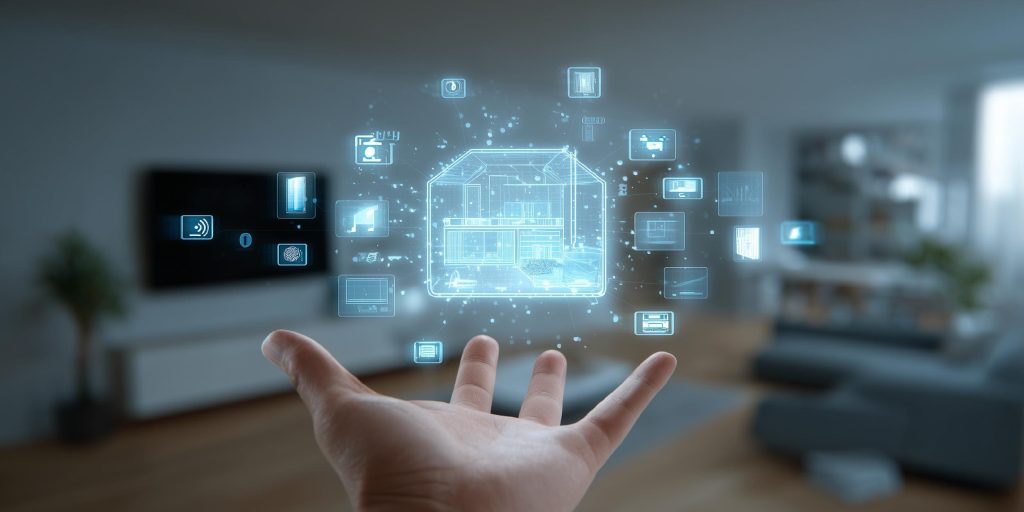
But here is the real question. What is smart home interior design really about? It is not about filling your space with gadgets. It is about making technology disappear into the design so your home feels calm, intuitive, and beautifully organised.
When done right, smart home interior design blends innovation with comfort. The result is a home that responds to you without looking like a tech showroom.
Why Seamless Integration Matters: The Benefits
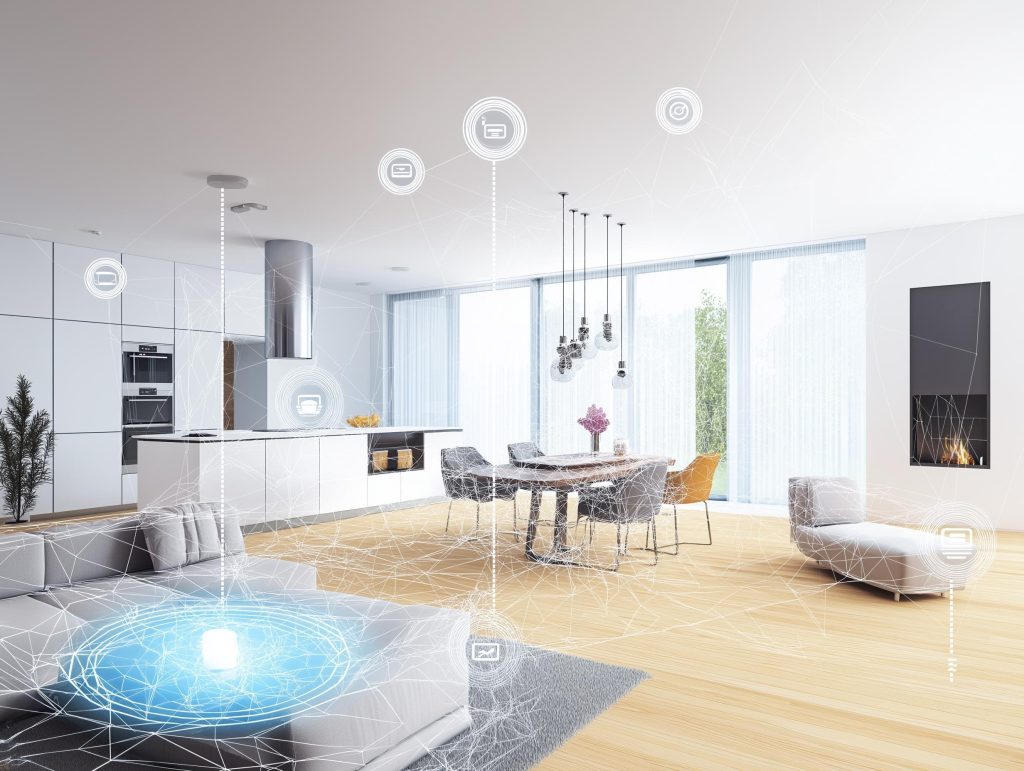
Experience seamless home automation integration for daily ease.
The real benefits of smart homes go way beyond mere convenience. Neat and clean integration ensures technology enhances your lifestyle without disturbing your aesthetic.
A thoughtfully planned interior design of a smart home offers:
Cleaner walls, with no messy wiring
Energy-efficient lighting and climate control
Improved security with discreet systems
Greater comfort through automation
When smart features are built into your home interior design, they support everyday life quietly. No bulky devices. No visual clutter. All you get is invisible devices with smooth functionality.
In many homes today, homeowners are exploring home interior design ideas that combine elegance with innovation. The key is subtlety.
Key Smart Home Technologies for Interior Design and How to Integrate Them
You do not need to buy up every gadget on the market. Choosing the right smart home solutions that suit your space and habits will make a world of difference to how you live.
1. Smart lighting
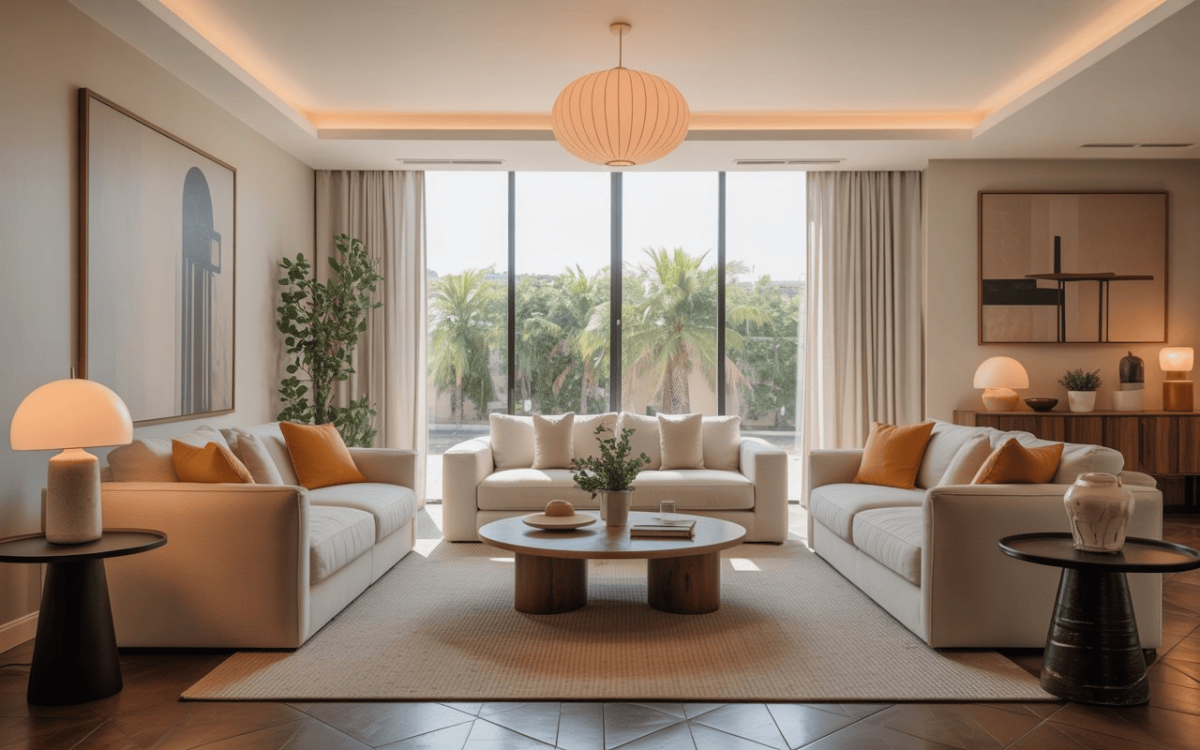
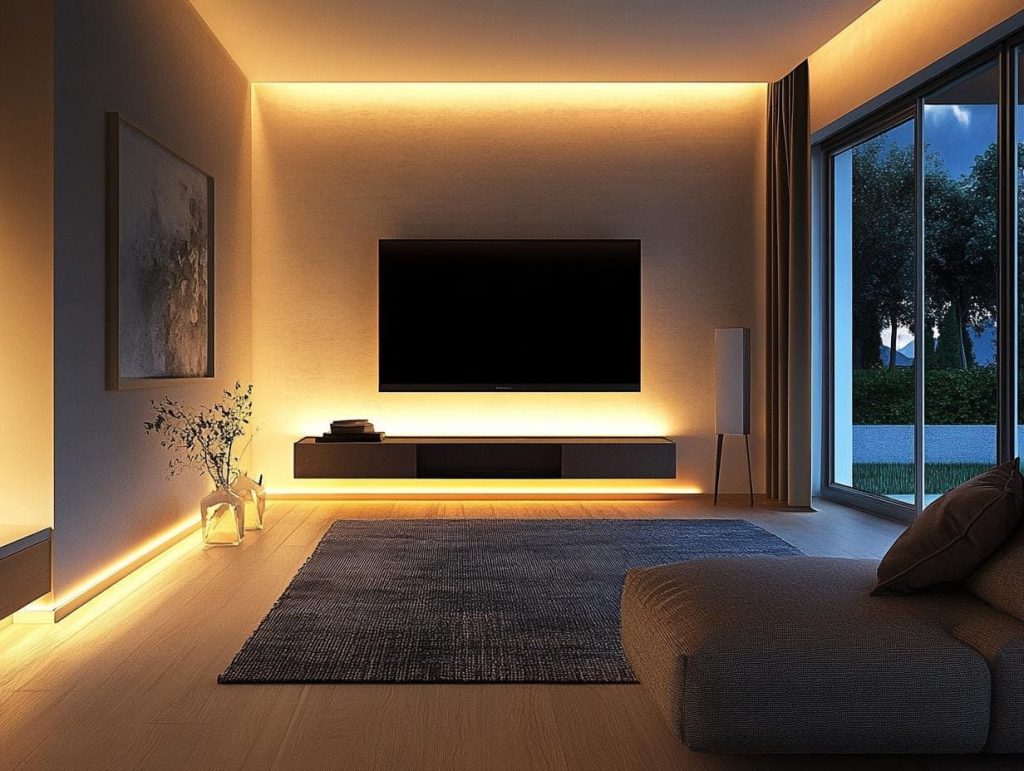
Discover clever home interior design ideas for mood lighting.
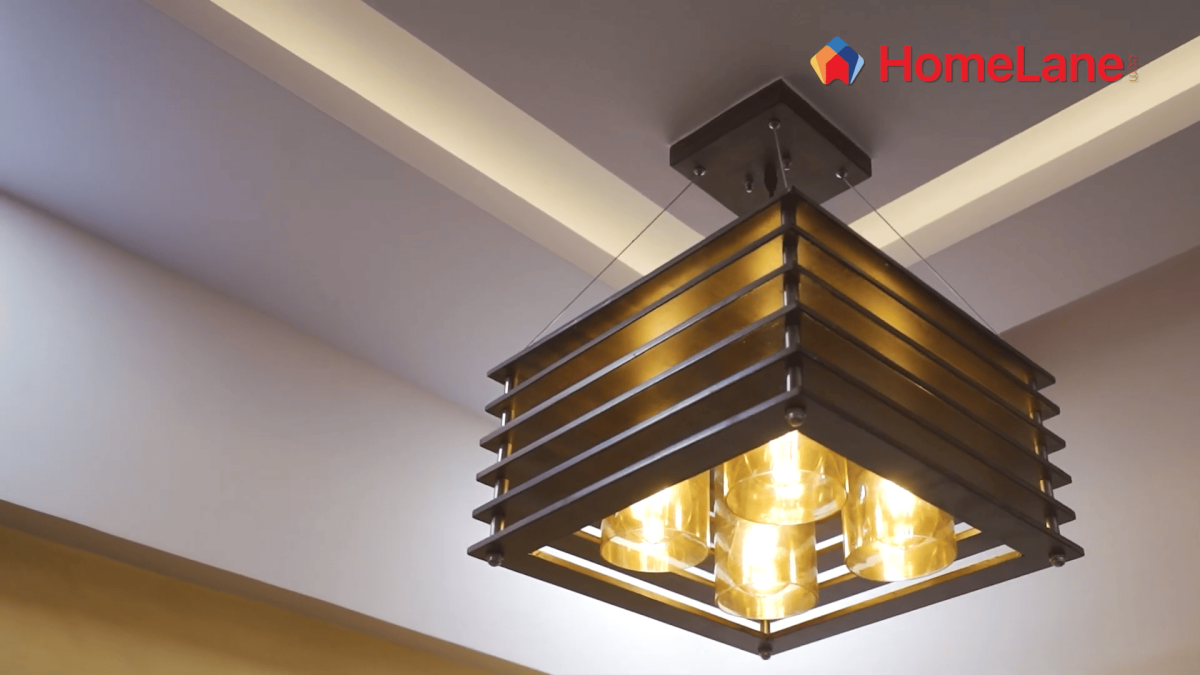
Let’s start with the lighting, often the simplest place to begin. Think: dimmable lights, motion sensor-fitted lamps, and lights that allow you to adjust mood instantly. Hidden LED strip lighting inside coves or under cabinets casts a magical glow.
2. Automated curtains and blinds
Motorised blinds completely do away with the need for unsightly cords and create a polished finish. They can be synced with natural light cycles through the IoT to improve energy efficiency.
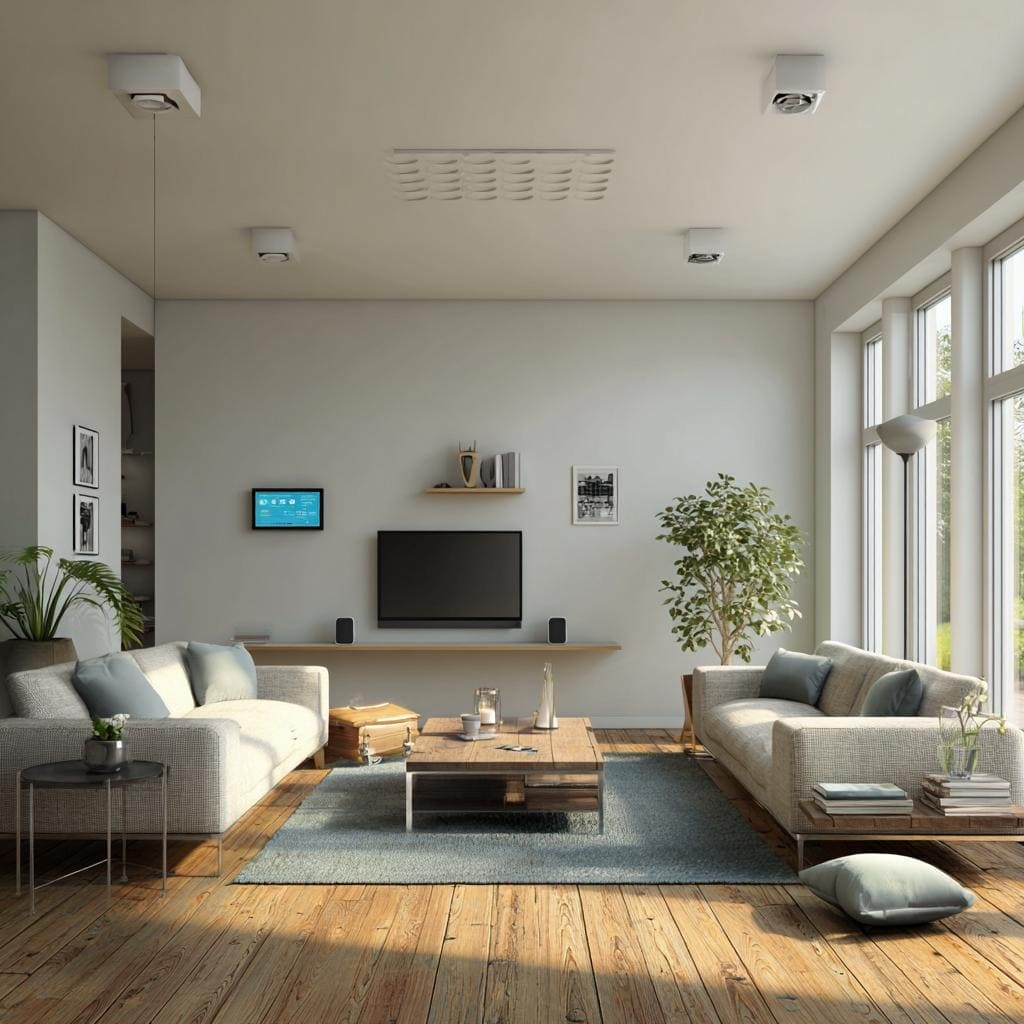
3. Integrated audio systems
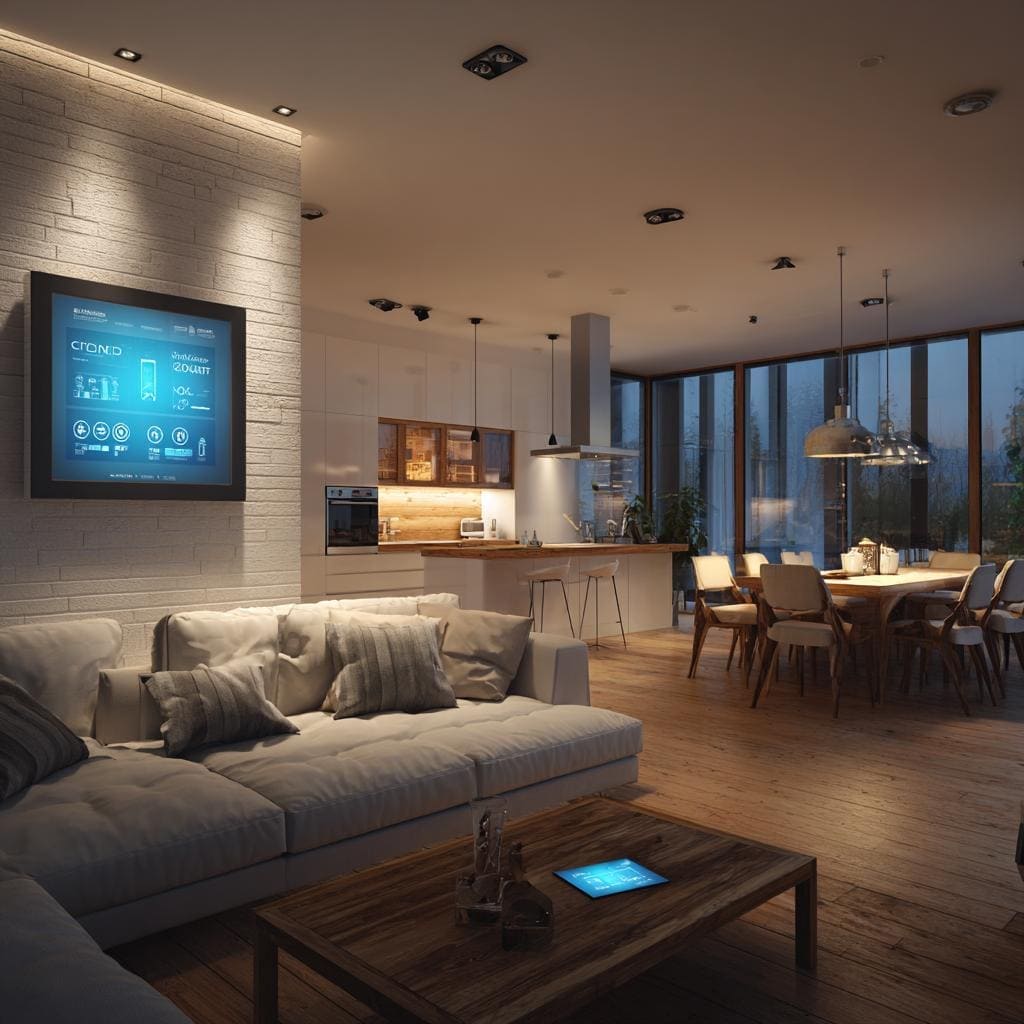
High-end smart home solutions provide total control of your space.
Built-in speakers hidden inside a false ceiling or wall have now replaced the sound systems of yesteryears. Music becomes part of the environment, not an added object.
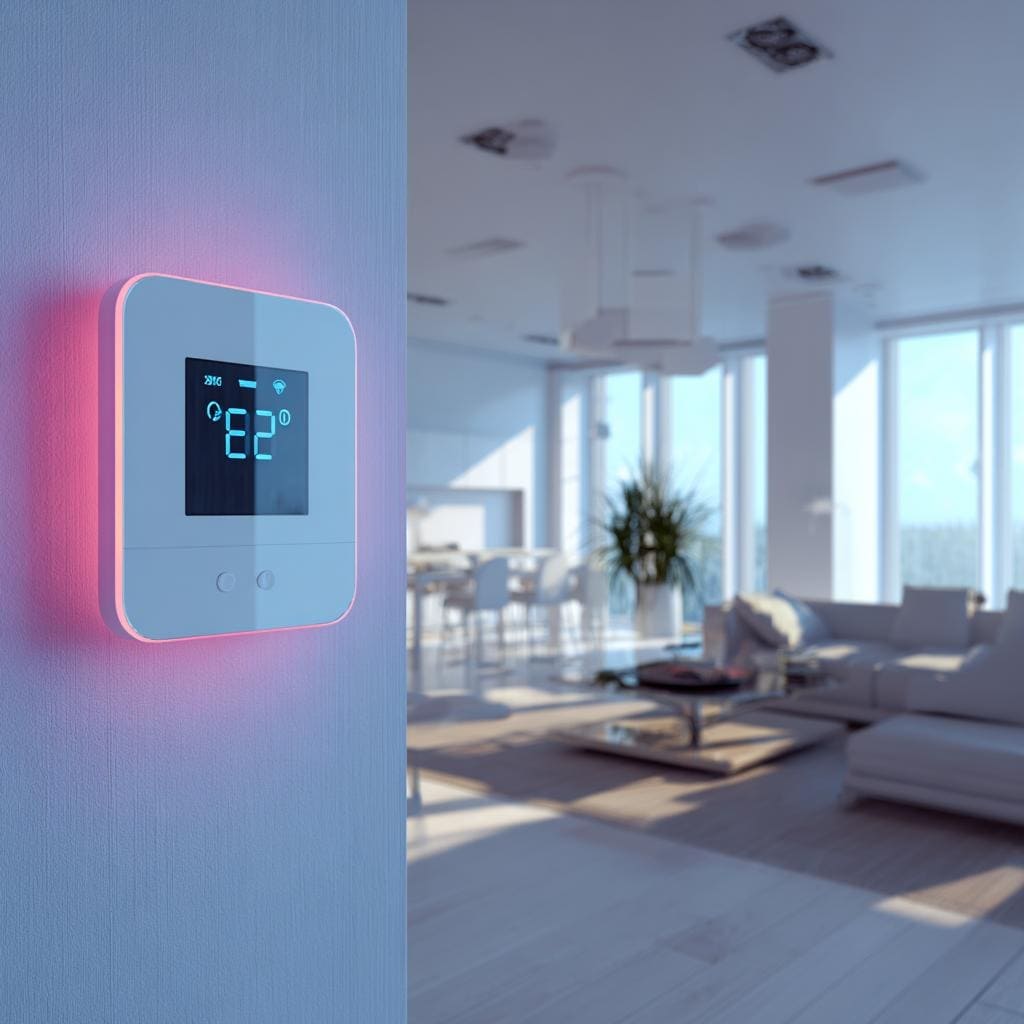
4. Smart climate control
Maximize efficiency and comfort with the benefits of smart homes.
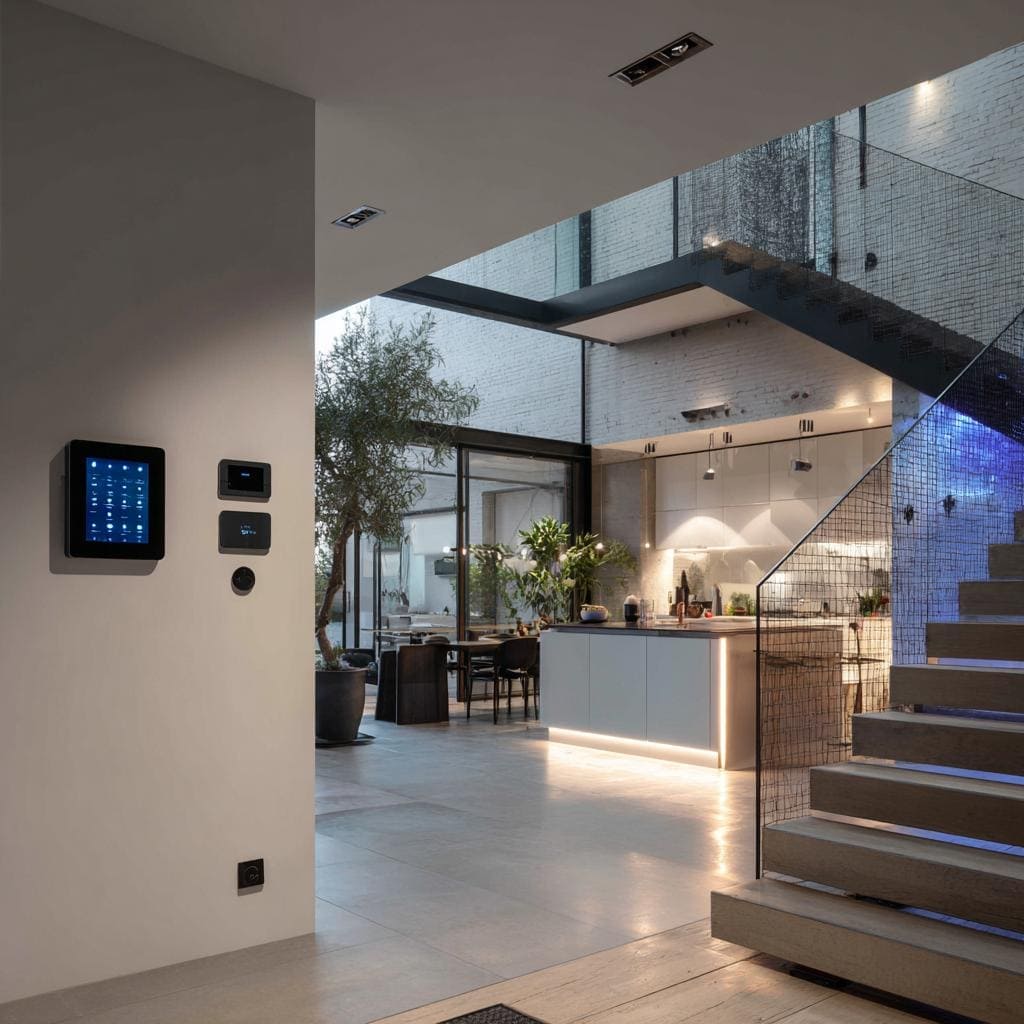
Smart thermostats and AC systems can be integrated inside wall panels or cabinetry, maintaining the flow of your modern smart home interior design.
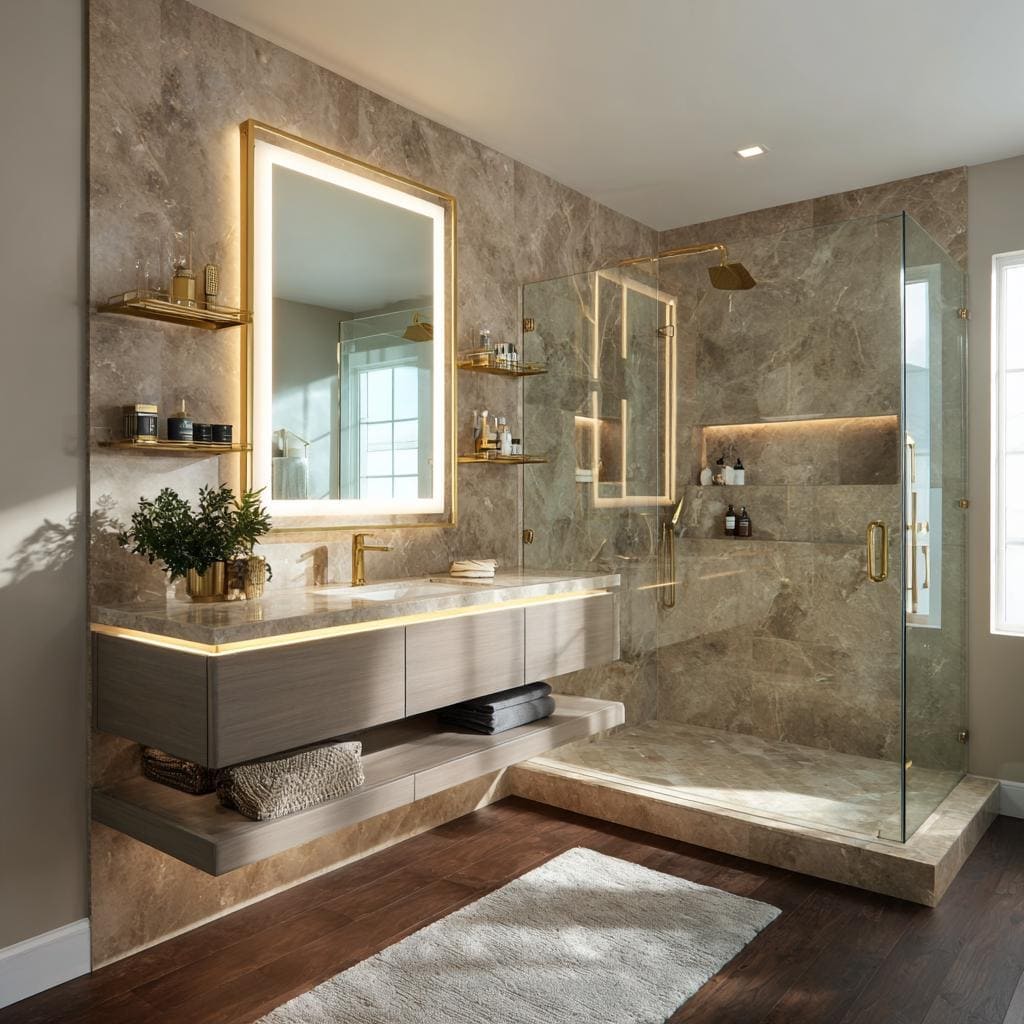
5. Smart mirrors and bathrooms
Adopt futuristic interior design with smart, illuminated mirrors.
In the bathroom, backlit mirrors with built-in displays, touch controls, and temperature monitoring can change your daily routines. These features add a hint of futuristic interior design while maintaining a smart and stylish look.
The secret is thoughtful home automation integration during the planning stage, not as an afterthought.
Designing for Seamless Integration: The Interior Designer’s Role
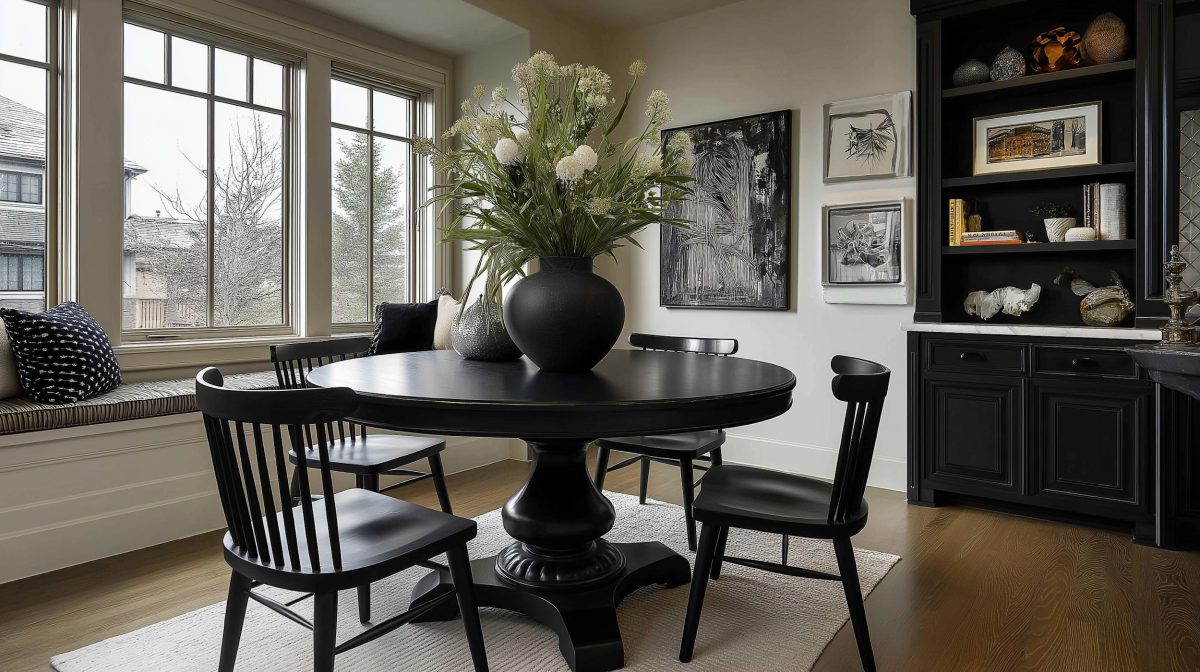
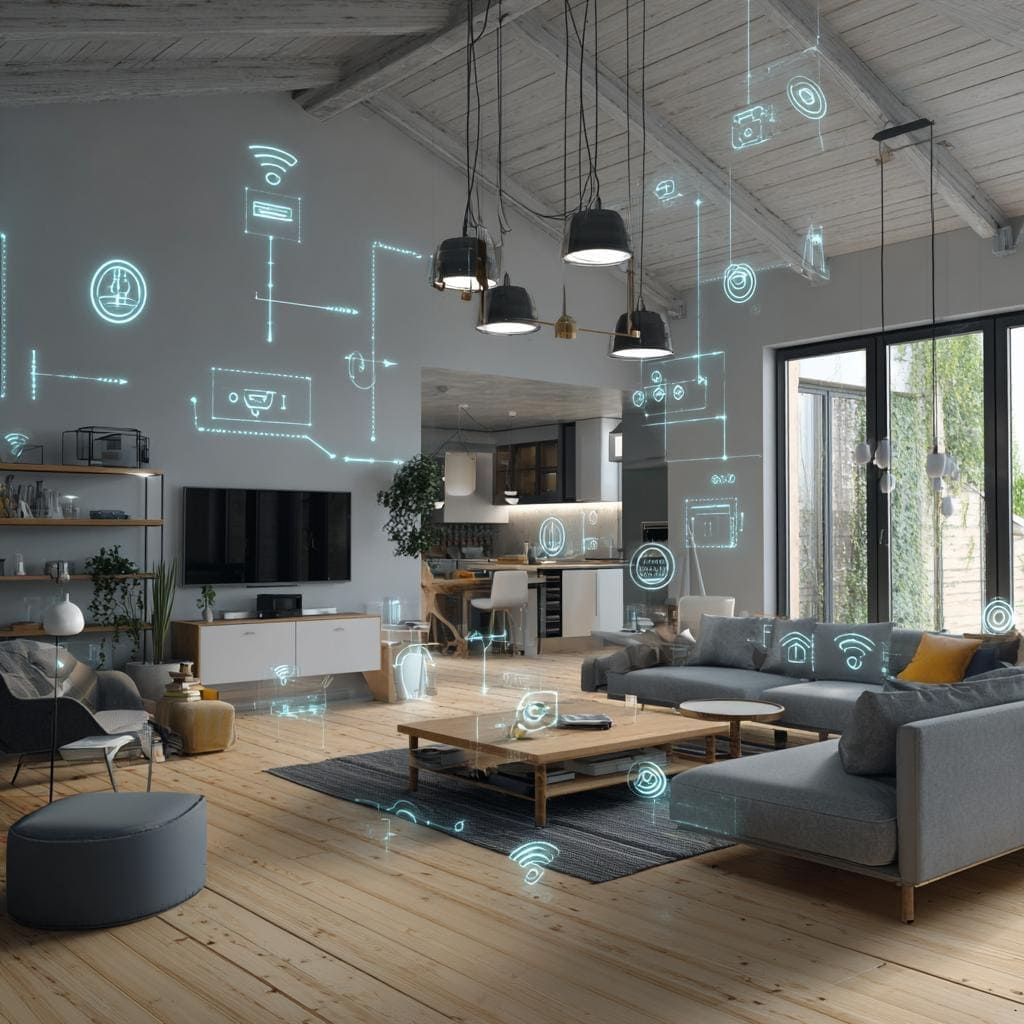
Understand what is smart home interior design for your own space.
Smart technology works best when it’s factored in very early in the design process. This is where professional planning by experts is invaluable.
An experienced designer ensures that the:
Wiring is concealed inside walls or cabinetry
Control panels align with wall finishes
Devices match the overall aesthetic
Furniture placement is well suited to smart layouts
A successful smart home interior design feels like it’s perfectly planned. You should not notice the technology first; you should notice how effortless your home feels!
This approach transforms traditional home interior design into something more intuitive and future-ready.
Challenges and Considerations for Smart Home Integration in India
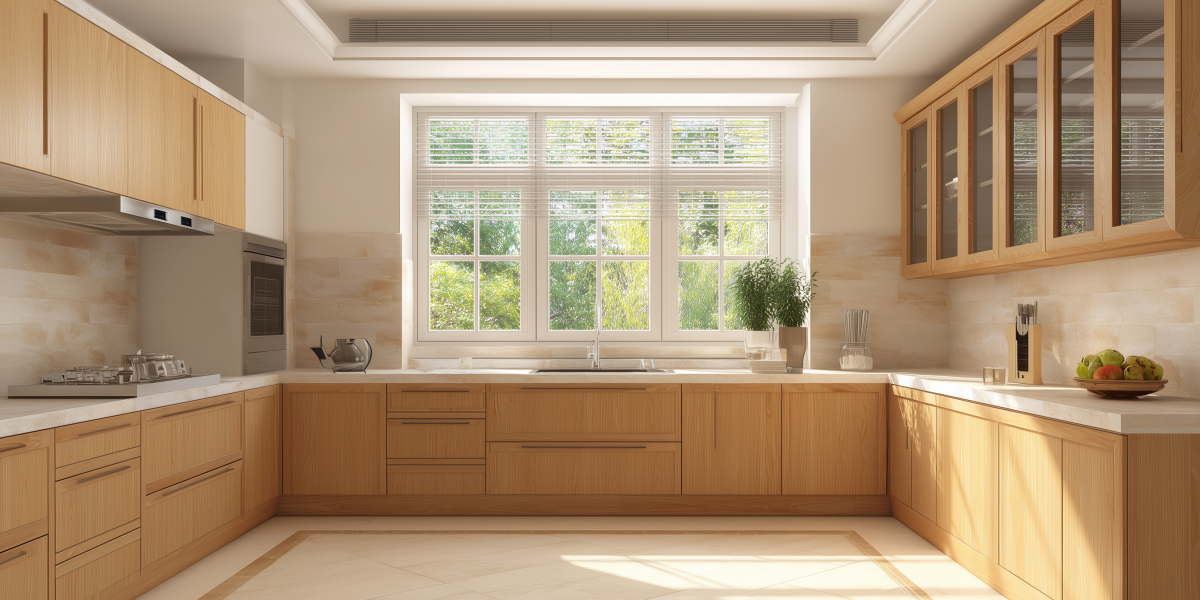
Seamlessly manage your space with advanced smart home solutions.
While smart homes are growing rapidly, its integration in India comes with practical considerations at the most basic level.
Power fluctuations
As power outages are woefully common in India, backup systems and surge protection are important to protect devices.
Internet reliability
Stable connectivity is essential for smooth automation. Planning for strong router placement and signal coverage is a must.
Climate and humidity
Most smart devices need protection from heat and moisture, especially in coastal or high-humidity regions.
Budget planning
Smart features can range widely in cost. It helps to prioritise the essentials first, then upgrade gradually. Create a masterplan that can be fully implemented once finances allow.
Conclusion
Elevate your lifestyle with modern smart home interior design.
Smart living is not about filling your home with flashy devices that look like they are from the space age! It’s all about designing a space that anticipates your needs and supports your lifestyle beautifully.
When technology blends invisibly into the background, your home feels more efficient, comfortable and more luxurious. From lighting to climate control, from security to audio, thoughtful integration turns everyday routines into effortless experiences.
If you are ready to explore smart home solutions that align with your style and space, HomeLane designers can help you plan and integrate technology in a way that feels natural, elegant, and truly future-ready.
FAQs on Smart Home Interior Design Ideas:
1. Which smart devices are essential for a modern living room setup?
Smart lighting, automated curtains, integrated speakers, and voice-controlled assistants are among the most essential additions. They improve comfort and convenience without overcrowding the space.
2. How do I integrate smart lighting with my interior design theme?
Use concealed strip lights, recessed fixtures, and adjustable colour temperatures that complement your wall finishes and décor. Planning placement early ensures clean wiring and a cohesive look.
3. Are there budget-friendly smart home design options available?
Yes, there are many cost-effective smart home interior design options available! Starting with smart bulbs, plug systems, and basic automation hubs allows gradual upgrades. You do not need a full overhaul to begin enjoying smart features. You can even prioritise certain features now, and add on more later; just create a masterplan for now.
4. How do smart mirrors and bathrooms contribute to luxury design experiences?
Smart mirrors with integrated lighting, displays, and touch controls add both functionality and a refined, futuristic touch to bathrooms, enhancing everyday routines.
5. Can I retrofit my existing interiors with smart technology?
In most cases, yes; you can retrofit an existing home with upgraded smart tech. Wireless systems, smart plugs, and surface-mounted devices allow upgrades without major structural changes. However, professional planning ensures better results.










 EXPLORE MORE