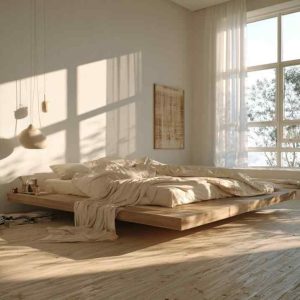
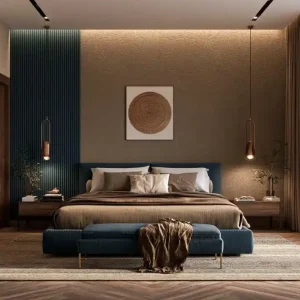
New design perspectives in 2026 offer stylish yet serene options for personal spaces.
HOMELANE EXPERT TIPBy our design team
Choosing wall colours that align with Feng Shui and Vastu principles can enhance your bedroom's restorative atmosphere.
Your bedroom walls don’t have to whisper just because it’s a room for sleeping. They can be warm, earthy, moody, fresh or even a little dramatic, as long as they make the room feel good to come home to.
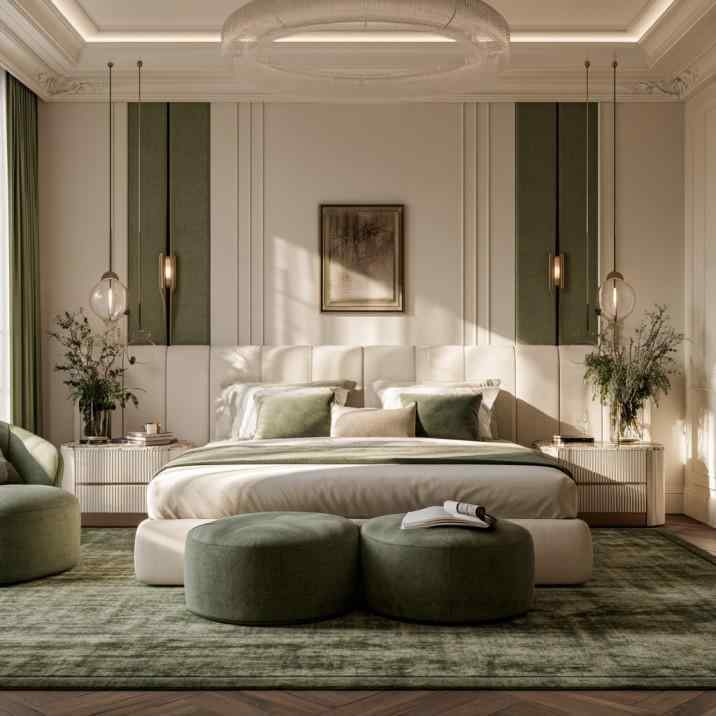
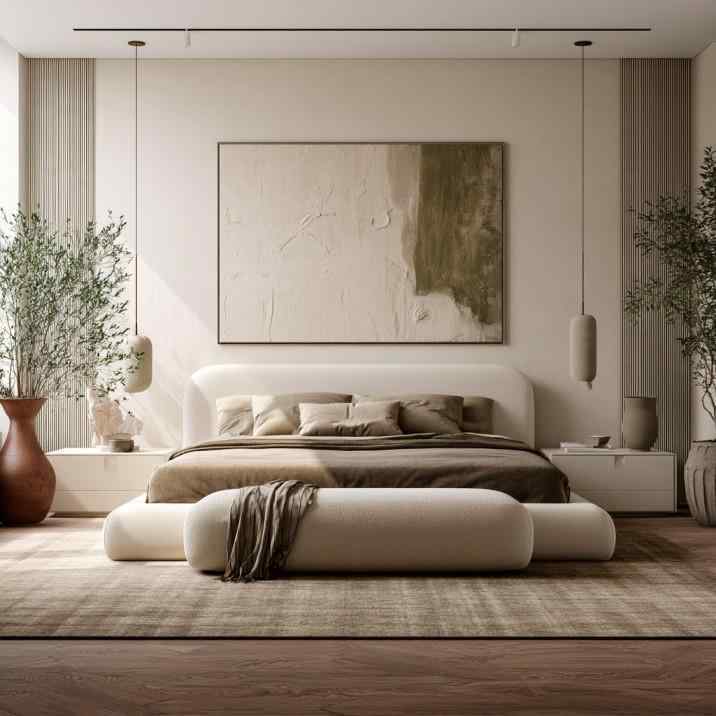
Soft neutral panelling with olive accents shows modern bedroom wall colours at their most elegant.
And that is where choosing bedroom wall colours gets interesting. A shade that looks beautifully sophisticated in one bedroom can turn oddly dull in another. Before falling for a colour name on a paint card, look at your daylight, flooring, furniture and the mood you want to create.
What Are the Best Bedroom Wall Colours for Indian Homes?
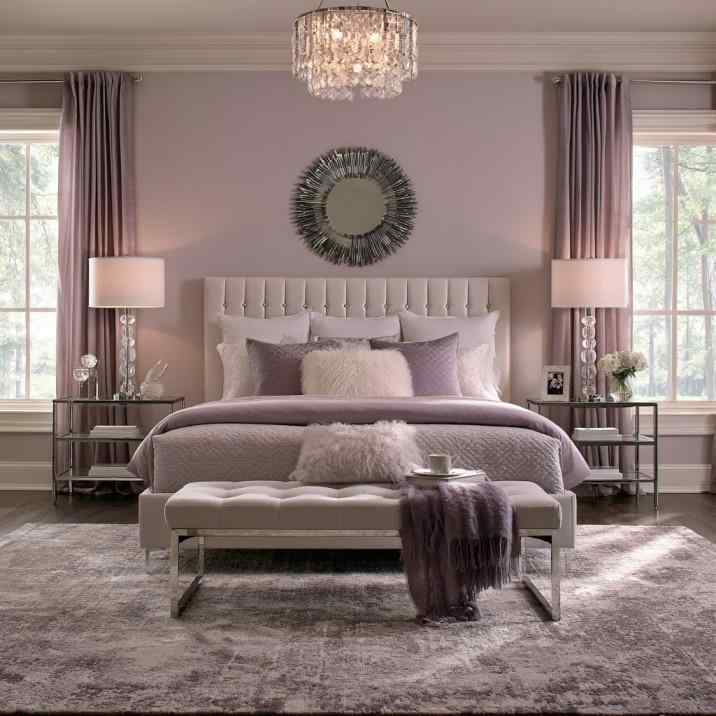
Soft lavender-grey walls with a crystal chandelier create a luxe master bedroom look.
Indian bedrooms often have a wonderful mix of materials to work with: timber furniture, colourful textiles, stone or tiled floors, upholstered headboards and plenty of natural light in some rooms, very little in others.
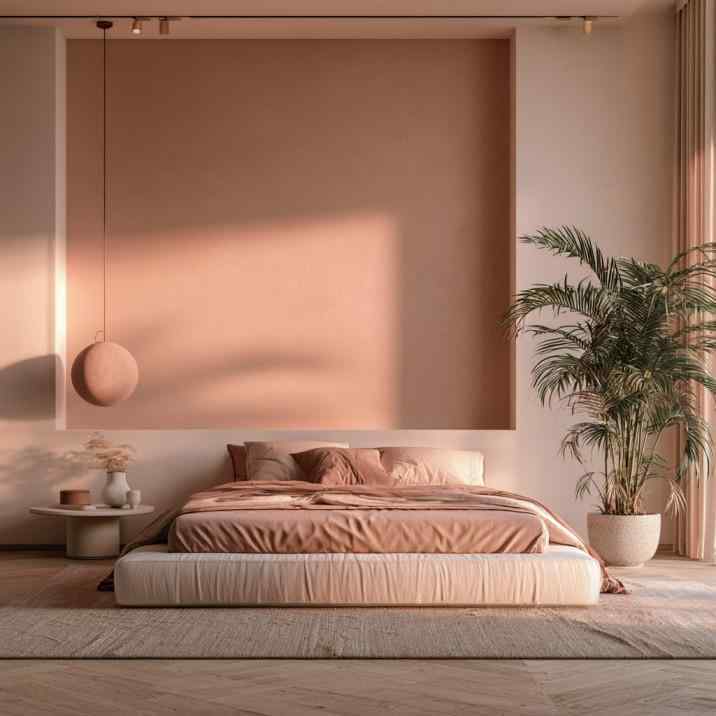
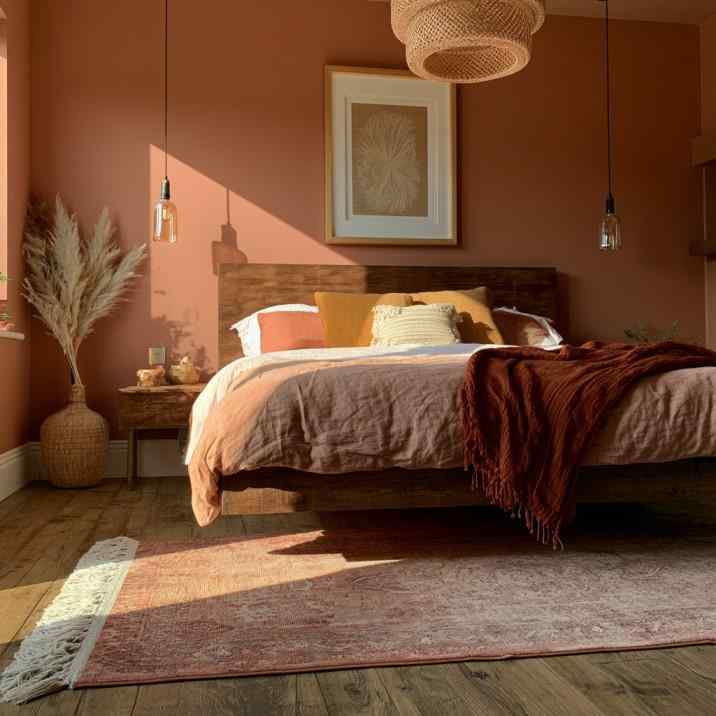
A blush terracotta feature wall brings warmth to modern bedroom wall colours.
Warm neutrals such as ivory, biscuit, mushroom and taupe provide an easy backdrop for these elements. But neutrals aren’t your only safe option. Sage, muted olive, dusty blue, clay and softened terracotta can bring in colour without making the bedroom feel overly energetic.
For something richer, try chocolate brown, deep teal, wine or forest green on one or more walls. These shades can look particularly striking alongside warm timber and cream or beige textiles.
Modern and Simple Bedroom Wall Colours That Work with Different Interior Styles
Earthy clay walls pair beautifully with warm timber furniture and layered linen bedding.
Not every stylish bedroom needs an elaborate paint treatment. Some of the strongest simple bedroom wall colours are also the easiest to live with.
For minimalist interiors, try warm white, mushroom or pale greige rather than a sharp, clinical white. Contemporary bedrooms can handle sage, muted blue, olive or clay, particularly when paired with clean-lined furniture.
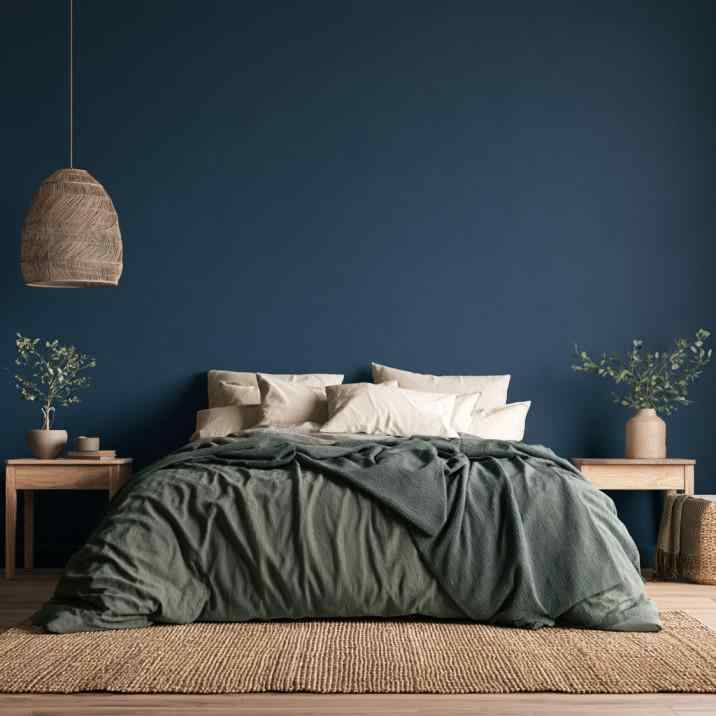
Deep royal blue walls give master bedroom wall colours a rich, cocooning feel.
A more glamorous bedroom might call for deeper master bedroom wall colours such as wine, charcoal-blue or forest green, balanced with lighter upholstery and metallic accents.
The modern bedroom wall colours appearing in current interiors are also becoming warmer and more nuanced. Instead of flat grey, think mushroom or taupe. Instead of bright green, look towards sage and olive. And instead of a predictable beige, consider sand, caramel or a pale clay tone!
How to Choose Bedroom Wall Colours Based on Room Size and Natural Light?
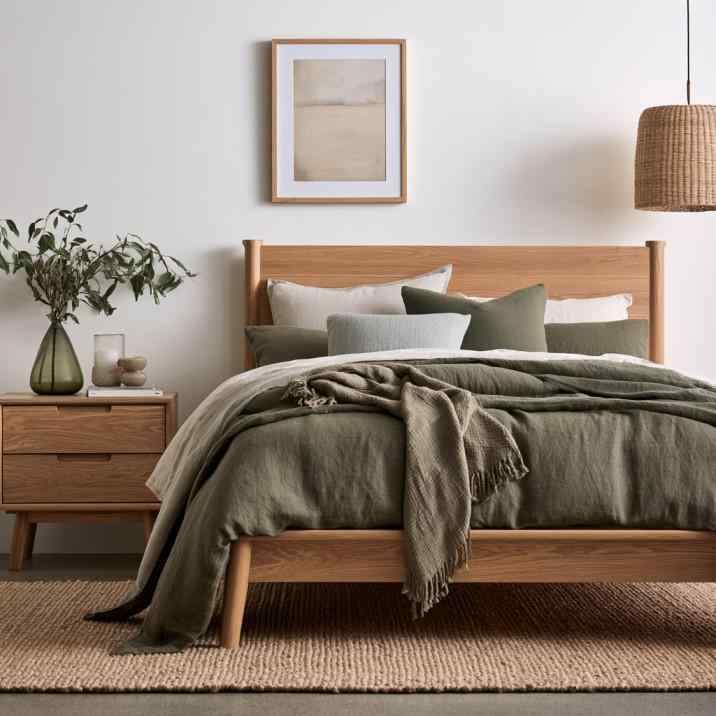
Soft blue-grey is one of the simple bedroom wall colours that suits oak furniture.
In a compact room, using a gentle colour across several walls can actually create a more continuous effect than chopping up the space with one very dark feature wall and three stark white ones. Pale sage, dusty blue, warm beige and soft greige are worth considering.
Larger bedrooms can comfortably take more visual weight. Try a deeper colour behind the bed or carry a mid-to-dark shade across all four walls for a cocooning effect.
Natural light changes everything. A colour exposed to strong sunlight can look noticeably lighter and warmer than the same paint in a shaded room.
Your Bedroom
Colours Worth Trying
Why They Work
Compact and bright
Sage, pale blue, warm greige
Colour without visual heaviness
Compact and low-light
Ivory, sand, warm beige
Keeps the room from feeling dull
Large and sunny
Olive, clay, deeper blue
Can handle greater colour depth
Large and cosy
Cocoa, wine, forest green
Creates a more intimate mood
Lots of dark timber
Cream, muted green, taupe
Balances the weight of the wood
The latest bedroom wall colours may provide inspiration, but the light in your own room gets the final vote.
How to Match Bedroom Wall Colours with Furniture and Décor?
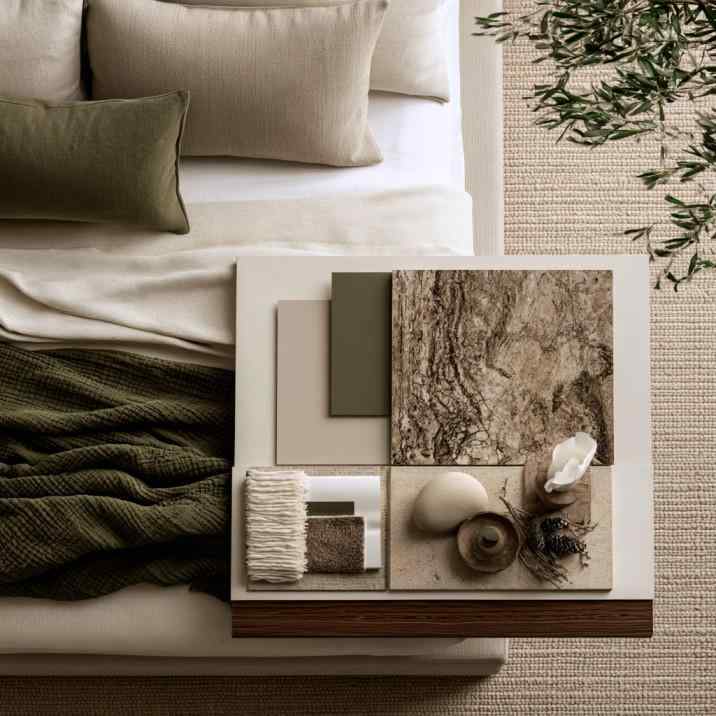
A mood board of muted textures shows how to build bedroom wall colour combinations.
Here’s an easier approach than choosing the wall colour first: start with the things you’re definitely keeping!
If your bed, wardrobe and flooring are all warm-toned, choose paint with compatible warmth. Cream, taupe, muted olive and clay can work beautifully. With pale timber furniture, you can introduce cooler greens, soft blues or warm whites without the room feeling heavy.
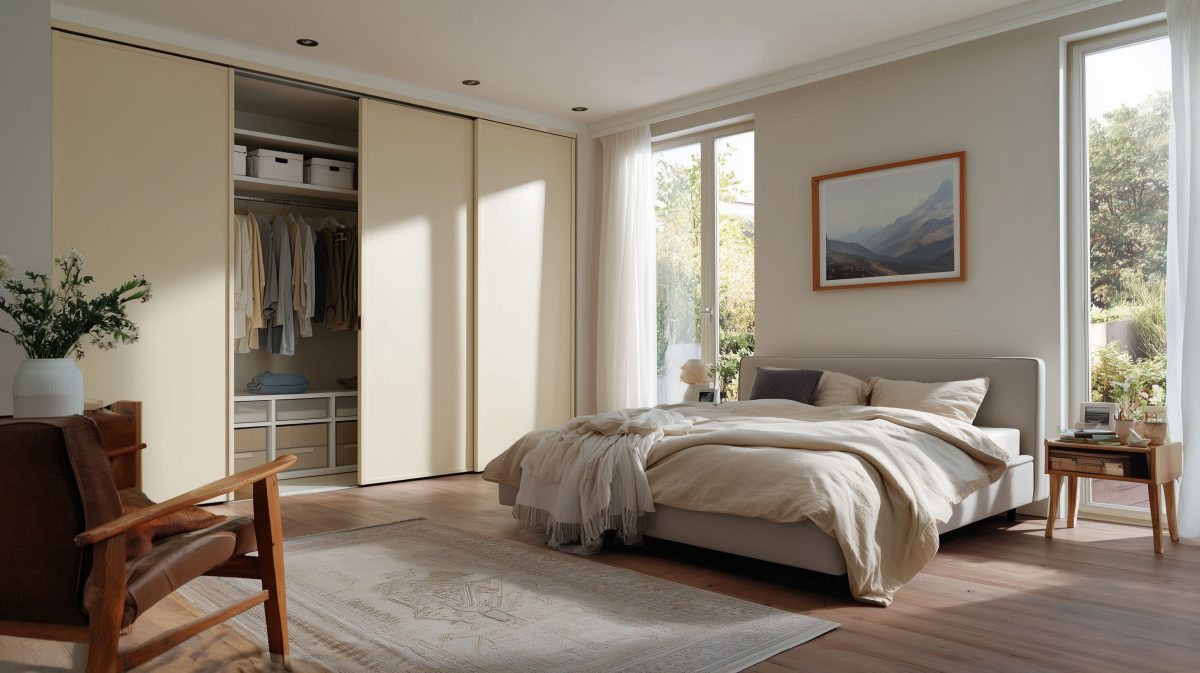
Warm white walls complement a beige upholstered bed for a calm, minimalist bedroom.
Have a beige upholstered bed? Check whether it’s a warm or cool beige before reaching for another beige paint. Often, a contrasting muted colour will give the furniture far more definition.
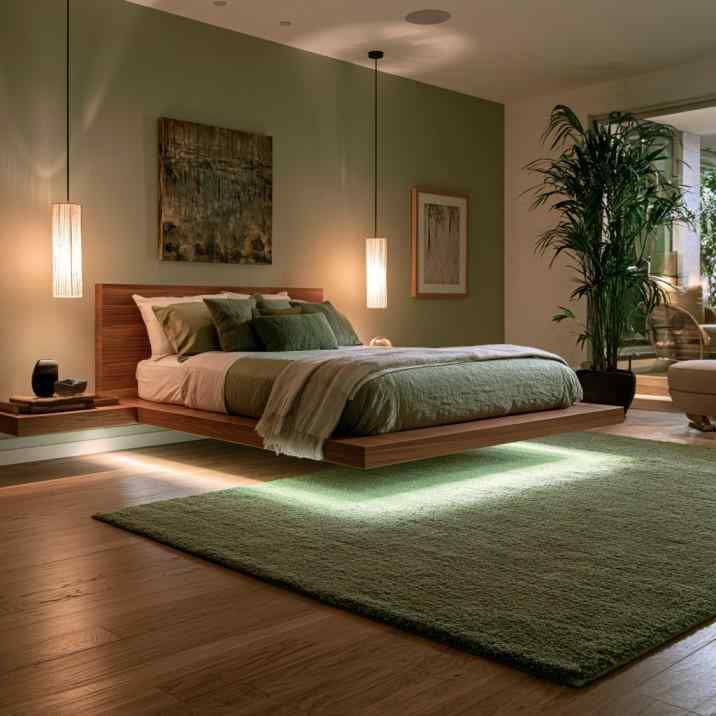
Muted olive green walls are among the latest bedroom wall colours for natural interiors.
Patterned curtains, a favourite painting or an upholstered headboard can also provide your starting point. Pull out the least dominant colour from the pattern and consider a softened version for the walls. It connects the room without making everything look excessively matched.
And remember the ceiling…it doesn’t always have to be brilliant white. A softer off-white can sit far more comfortably with warm wall colours.
What Most People Get Wrong When Choosing Bedroom Wall Colours
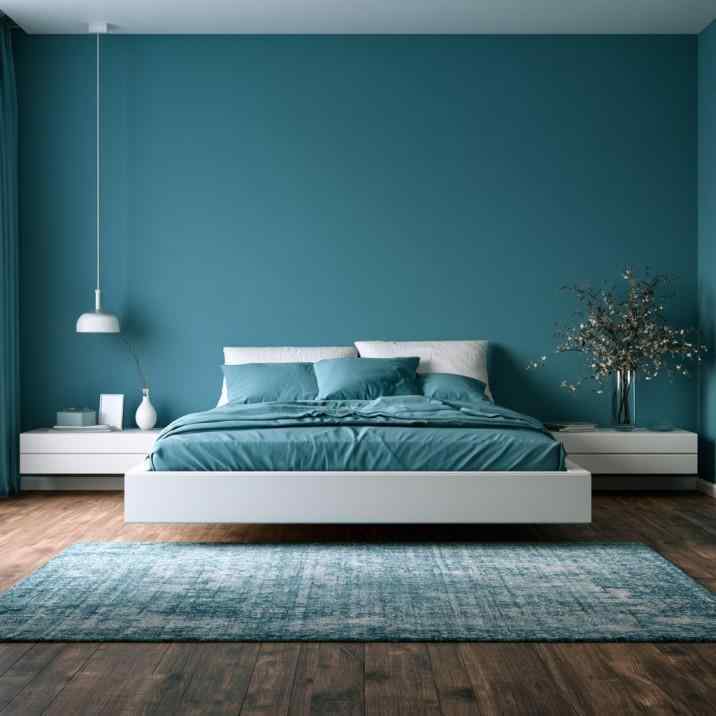
Bright blue walls with white furniture make a fresh bedroom wall colour combination.
The first mistake happens in the paint shop: choosing a colour under completely different lighting from the bedroom!
The second is testing a postage-stamp-sized swatch and expecting it to predict what an entire wall will look like. Paint a generous sample and check it in the morning, afternoon and at night with your actual bedroom lights switched on.
Another common misstep is choosing every finish independently. Beautiful flooring, a beautiful wardrobe and beautiful wall paint don’t automatically make a beautiful room if their undertones fight with one another.
Finally, don’t let trends bully you into a colour you don’t particularly like. The latest bedroom wall colours are useful for inspiration, but you’re the one waking up surrounded by them every morning.
Find a Colour Worth Waking Up To!
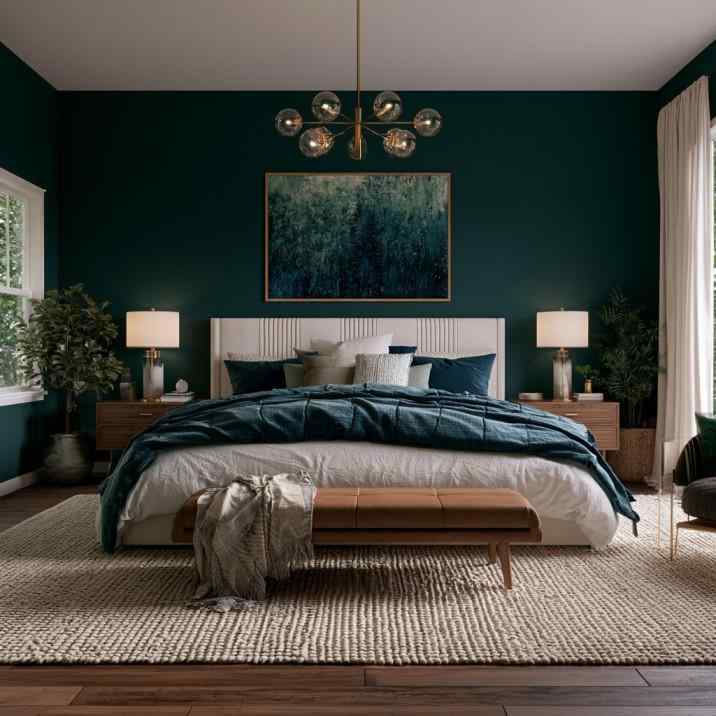
Deep teal walls with a statement artwork add drama to master bedroom wall colours.
The best bedroom wall colours aren’t defined by one particular shade. They’re the colours that make the architecture, furniture and light in your bedroom look better together.
HomeLane designers can help you coordinate wall colours with wardrobes, furniture, lighting and finishes so that the whole bedroom speaks the same design language. Book a free consultation and give your bedroom a colour story that’s anything but sleepy!
FAQs
1. Which colour is best for a master bedroom?
Warm neutrals, sage, muted blue, olive, taupe and earthy tones are versatile choices. For a richer master bedroom, deep green, cocoa, burgundy or blue can work beautifully when balanced with lighter furnishings.
2. Which wall colour makes a bedroom look bigger?
Warm white, pale greige, soft beige, muted sage and dusty blue can all create an open feeling. Keeping large surfaces relatively low-contrast can be more effective than simply painting everything white.
3. What are the latest bedroom wall colours in 2026?
Warm, nature-inspired shades are strong choices for 2026, including mushroom, sage, olive, clay, dusty blue and richer browns and greens. Softer, more nuanced neutrals are also replacing colder greys in many contemporary palettes.
4. Should all the walls in a bedroom be the same colour?
They certainly can be. Using one shade throughout can create a sophisticated, cohesive effect. Alternatively, use a second colour when it helps highlight architecture or adds meaningful contrast.
5. Are dark colours suitable for bedroom walls?
Yes. Deep green, blue, brown and wine can make a bedroom feel intimate and luxurious. Consider room size, daylight and furniture colours, and test the shade before using it across several walls.












 EXPLORE MORE