Top 10 Home Colour Design Guide to Create a Seamless and Stylish Home
By Bivin Peter- January 06, 2026
AI Summary
3 key insights · 1 expert tip
Home colour designs can transform your space by applying colour psychology, the 60-30-10 rule, and texture for a balanced, cohesive interior.
Key Insights:
What You'll Read Here:
Understand colour psychology to evoke specific moods and feelings in different rooms.
The 60-30-10 rule guides dominant, secondary, and accent colours for balanced visual appeal.
Test colours on walls for 48 hours in natural and artificial light before final selection.
HOMELANE EXPERT TIPBy our design team
To ensure a cohesive look, create a whole-home palette of four to five core colours that can be used in varied proportions across rooms.
Imagine walking into a home that feels instantly like you—a space that calms your senses, uplifts your spirit, and tells your unique story without saying a word. What is the single most powerful element that creates this profound feeling? More often than not, it is the masterful application of home colour design.
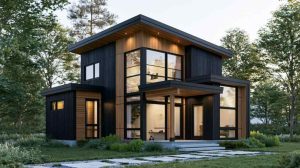
Stylish modern home colour design blending soft pastels and earthy tones
Colour is not merely a decorative afterthought; it is the foundational layer of your home’s personality. A thoughtful home colour design scheme can manipulate perceptions of space, influence mood, and tie disparate elements of your interior into a cohesive whole. Yet, the process of selecting and combining colours can feel overwhelming. Where does one even begin?
This comprehensive guide demystifies the process, breaking it down into 10 actionable steps. We will navigate the journey from initial inspiration to final execution, ensuring your home colour design is not just beautiful on a screen, but transformative in reality.
1. Laying the Groundwork: Understanding the Psychology of Colour
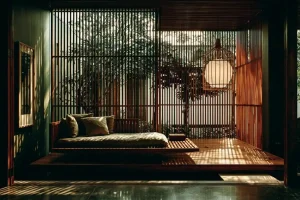
Modern home colour design ideas with creative palette combinations 2026
Before opening a single paint can, it is crucial to understand the emotional language of colour. Colours whisper to our subconscious, evoking specific feelings and behaviours. This understanding is the first principle of a successful home colour design.
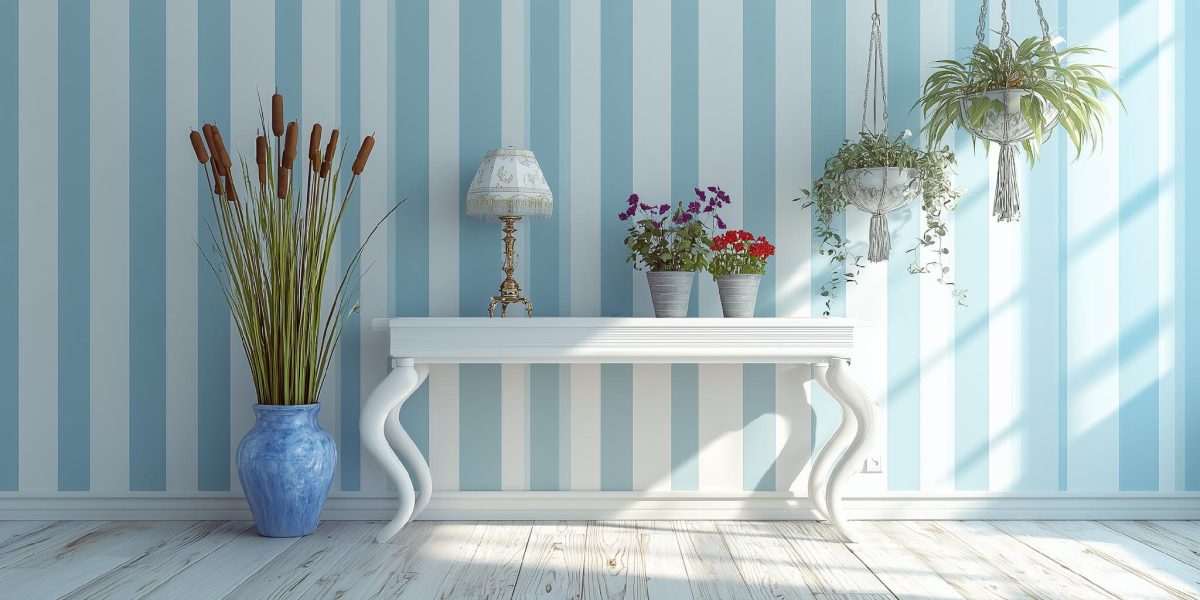
Blues and Greens: Often associated with serenity and tranquillity, these cool hues are perfect for bedrooms and bathrooms where relaxation is key. Sage green, in particular, has emerged as a favourite for its connection to nature and subtle sophistication.
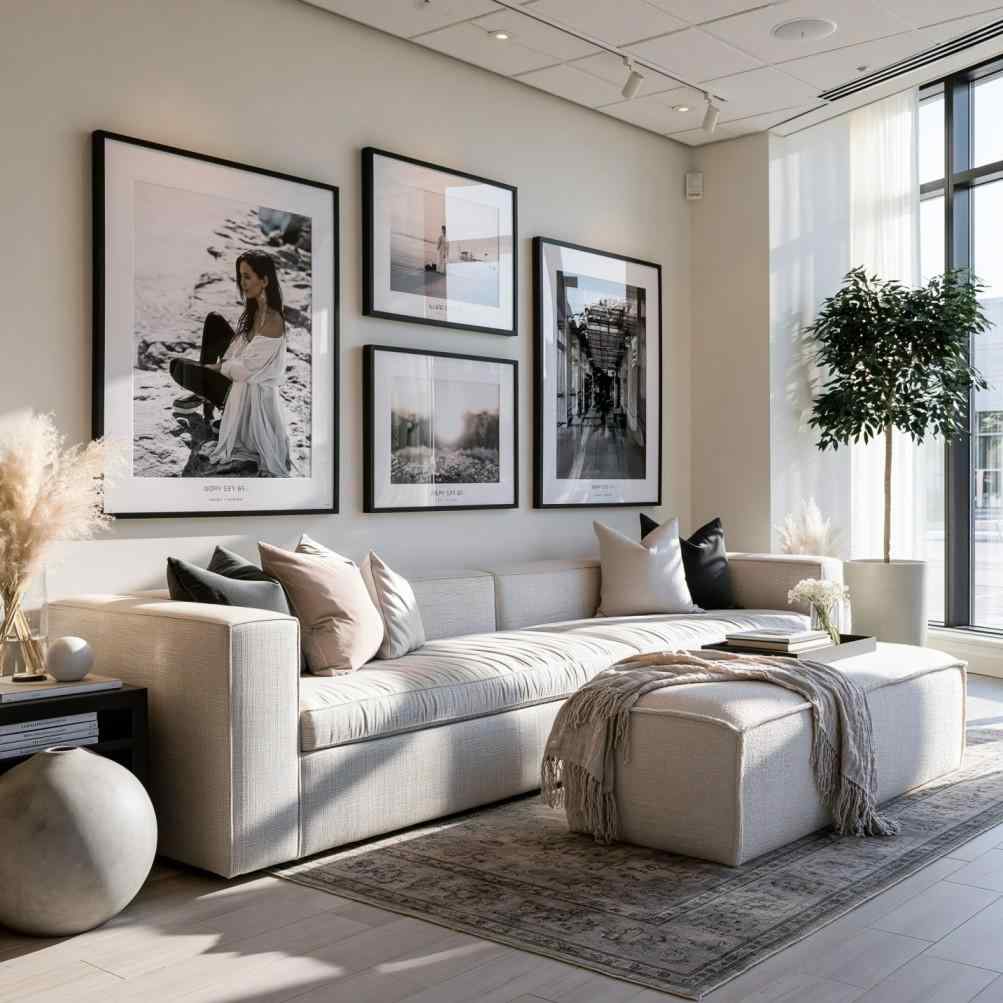
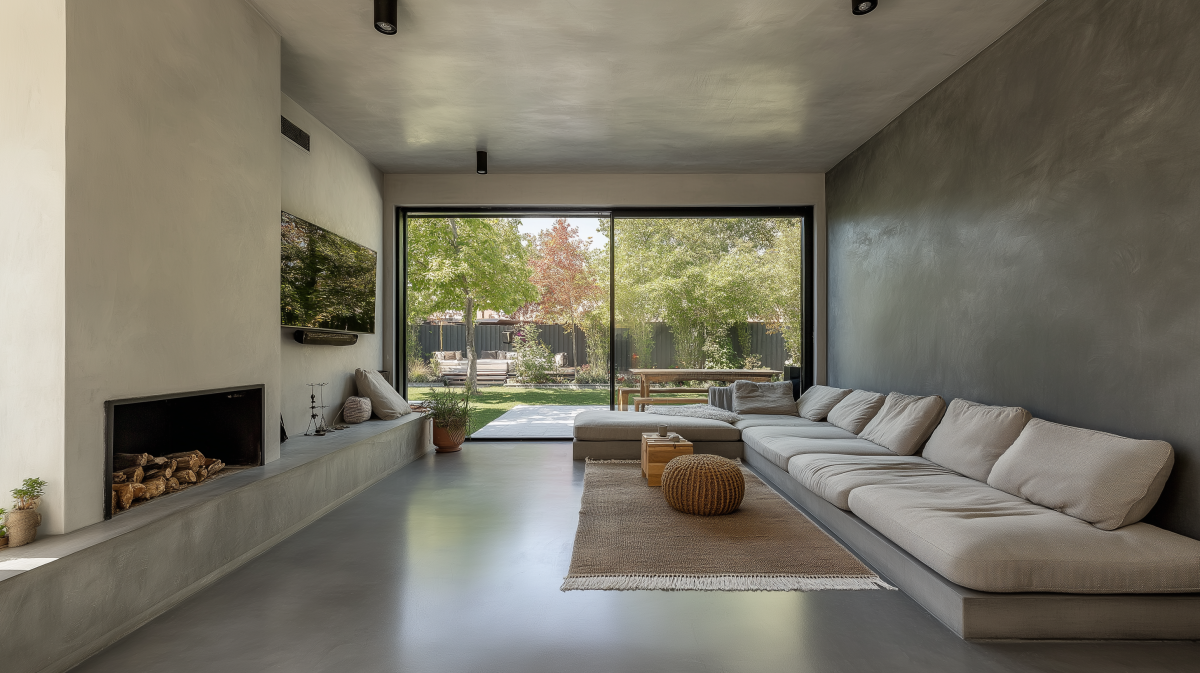
Warm Neutrals (Beiges, Taupes, Warm Greys): These colours create a sense of comfort, warmth, and stability. They form an excellent, non-overpowering base for any home colour design, allowing furniture and art to take centre stage.
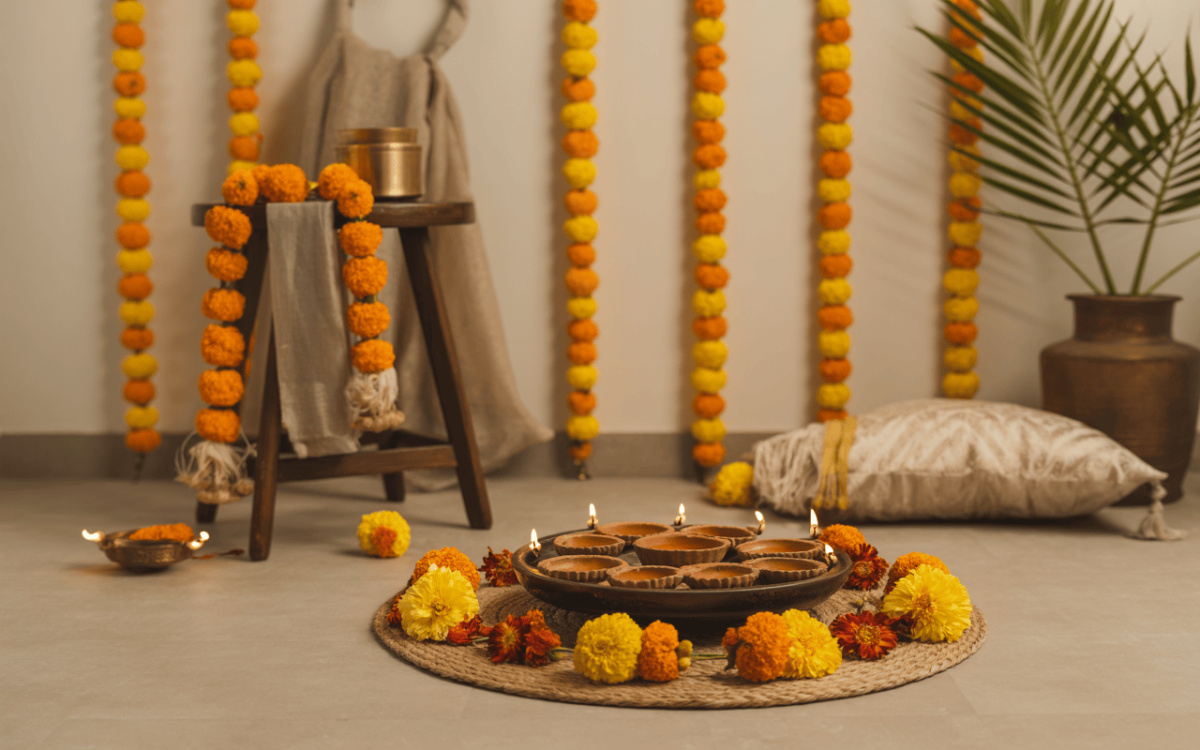
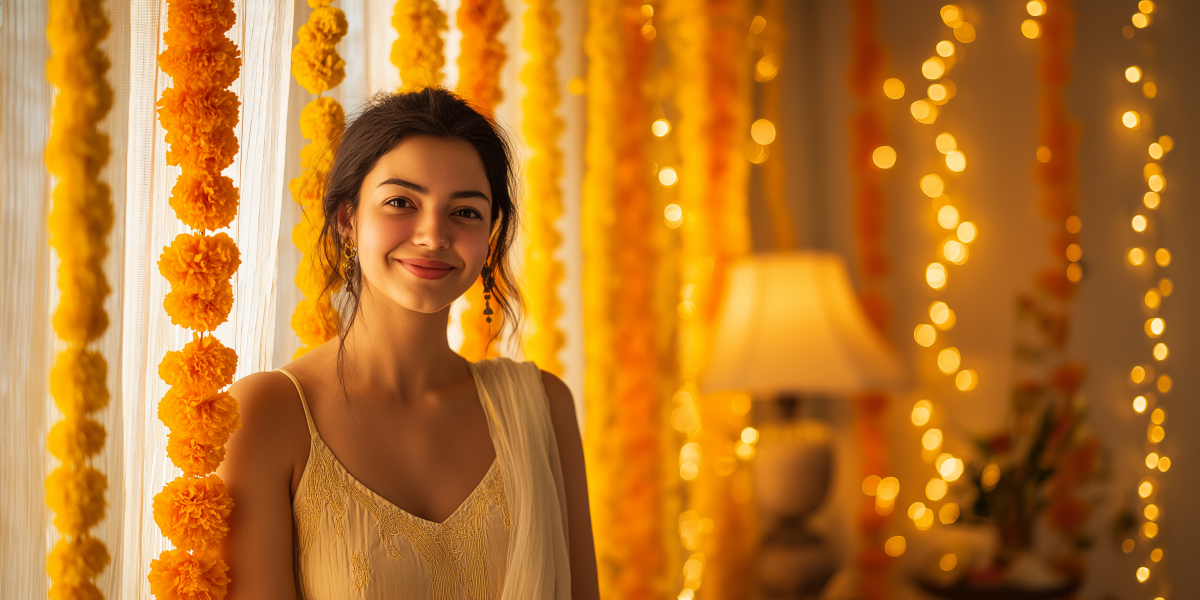
Yellows and Oranges: Energetic and optimistic, these colours can invigorate spaces like kitchens, dining rooms, and home offices. Use them in muted tones or as accents to avoid visual fatigue.
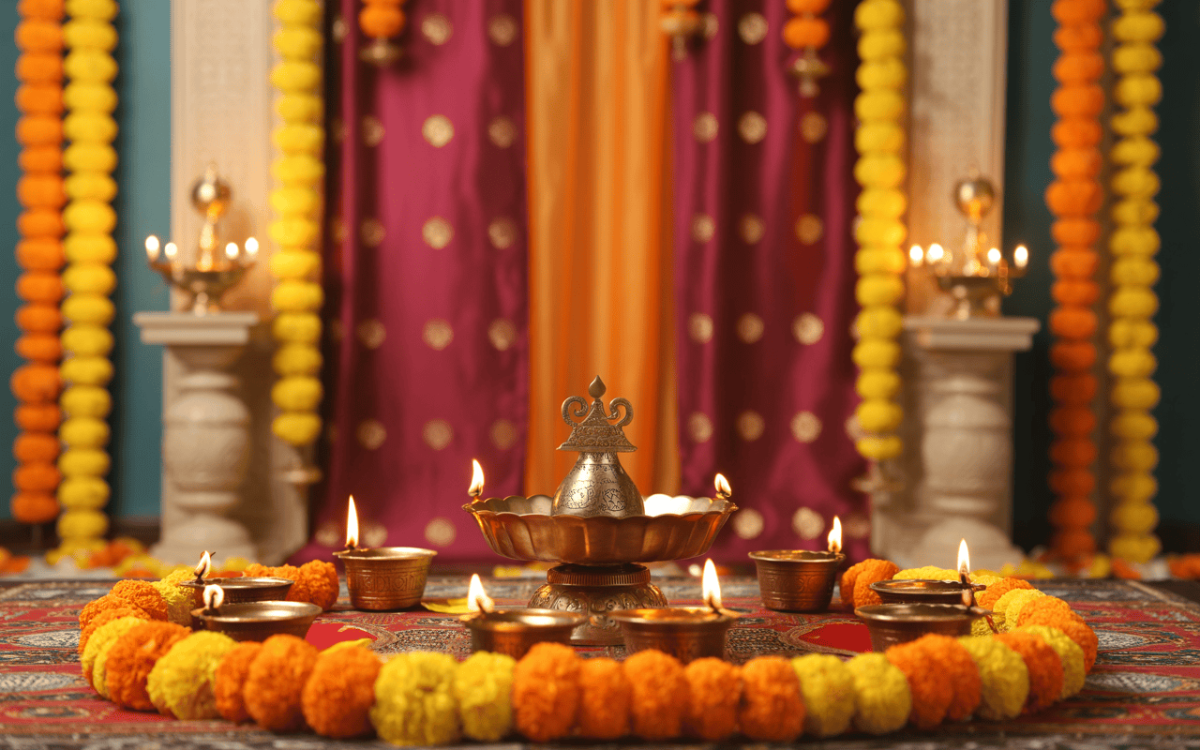
Reds and Pinks: These are colours of passion, drama, and intimacy. A deep burgundy accent wall in a dining room can stimulate conversation, while a soft blush pink in a bedroom adds a touch of gentle warmth.
With this foundational knowledge of colour psychology, the next step is to find a source of inspiration that resonates with your personal aesthetic, setting the direction for your entire home colour design project.
2. Find Your North Star: Seek Cohesive Inspiration
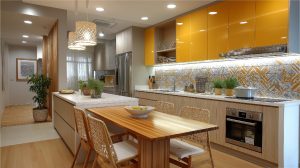
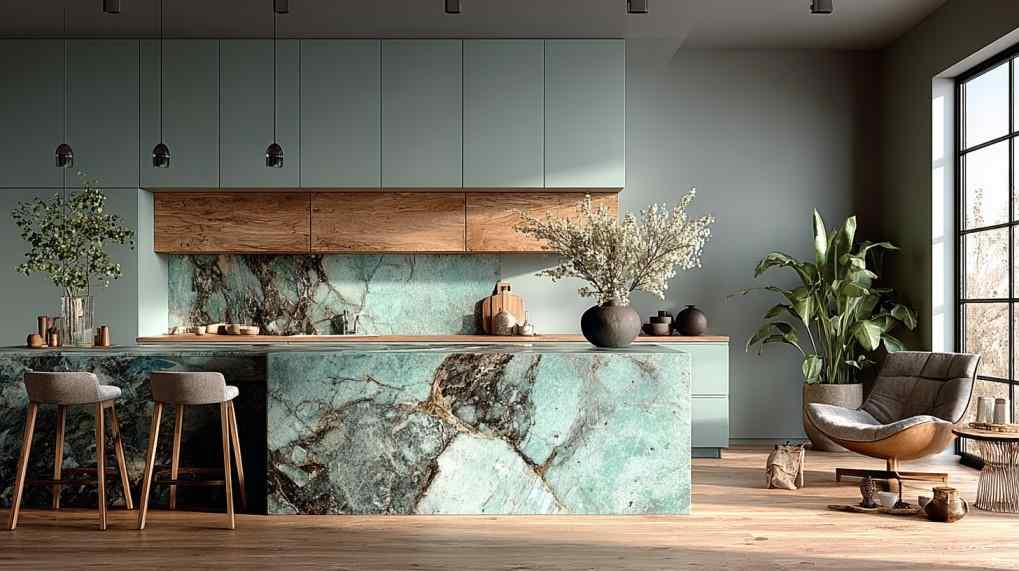
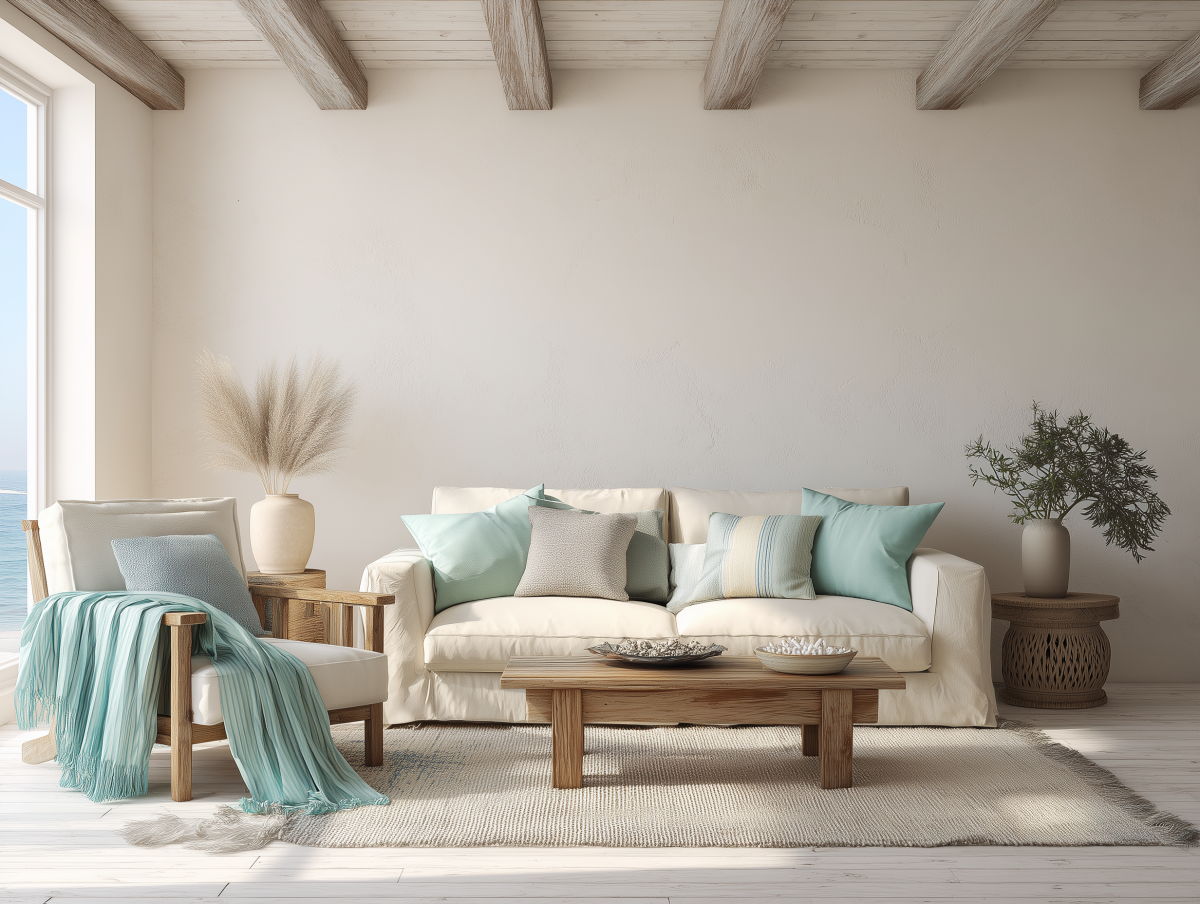
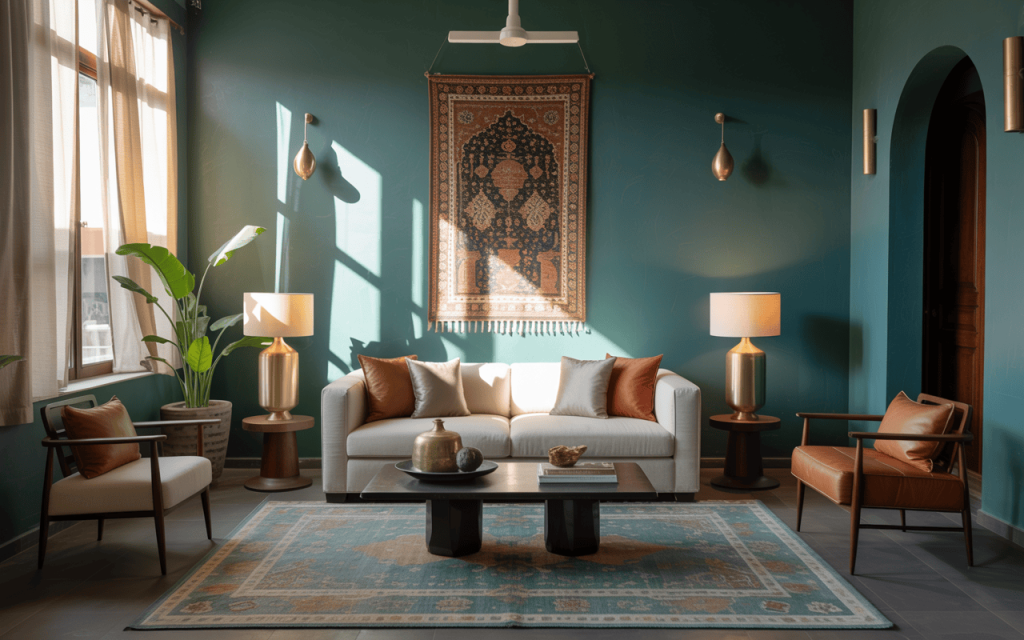
Elegant interior home colour design with teal and warm accents 2026
The most common mistake in home colour design is picking colours in isolation. Instead, look for a single, cohesive source of inspiration. This could be a favourite piece of art, a treasured rug, a patterned fabric from your sofa, or even a photograph from a recent holiday.
This “North Star” provides a pre-curated palette that is guaranteed to work in harmony. Pull out two or three dominant colours and one or two accent shades from this item. This method takes the guesswork out of colour pairing and ensures your home colour design has a personal and authentic feel.
Now that you have a palette in mind, let’s translate those colours onto the walls, starting with the most dominant surface.
3. The 60-30-10 Rule: Your Blueprint for Balance
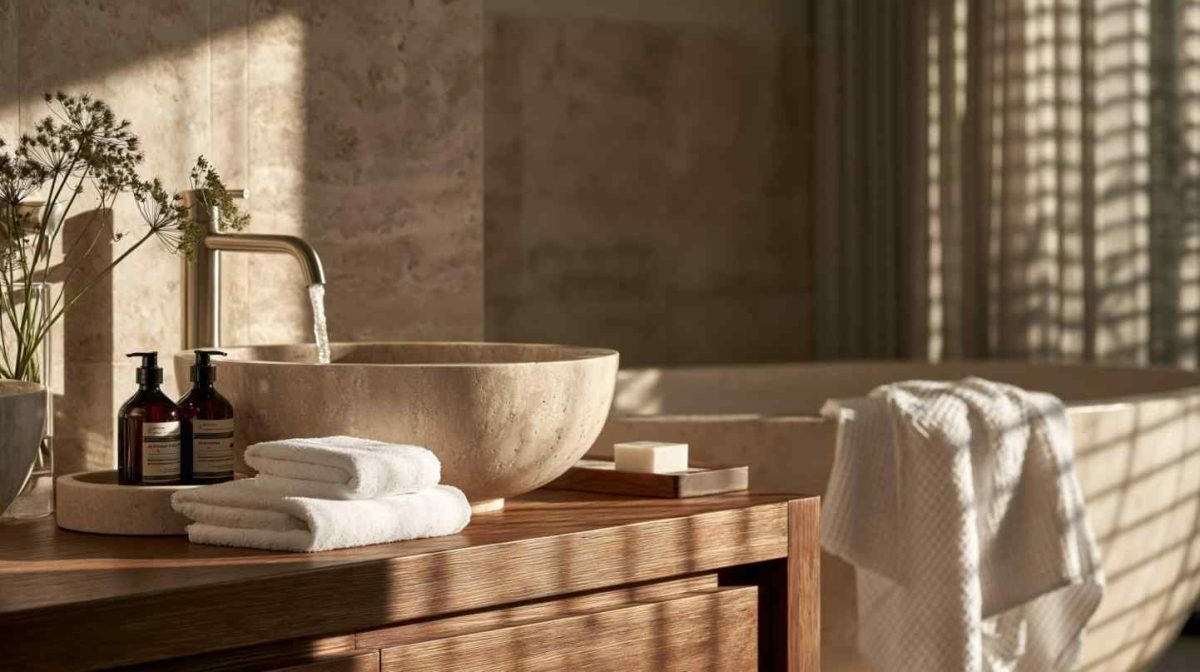
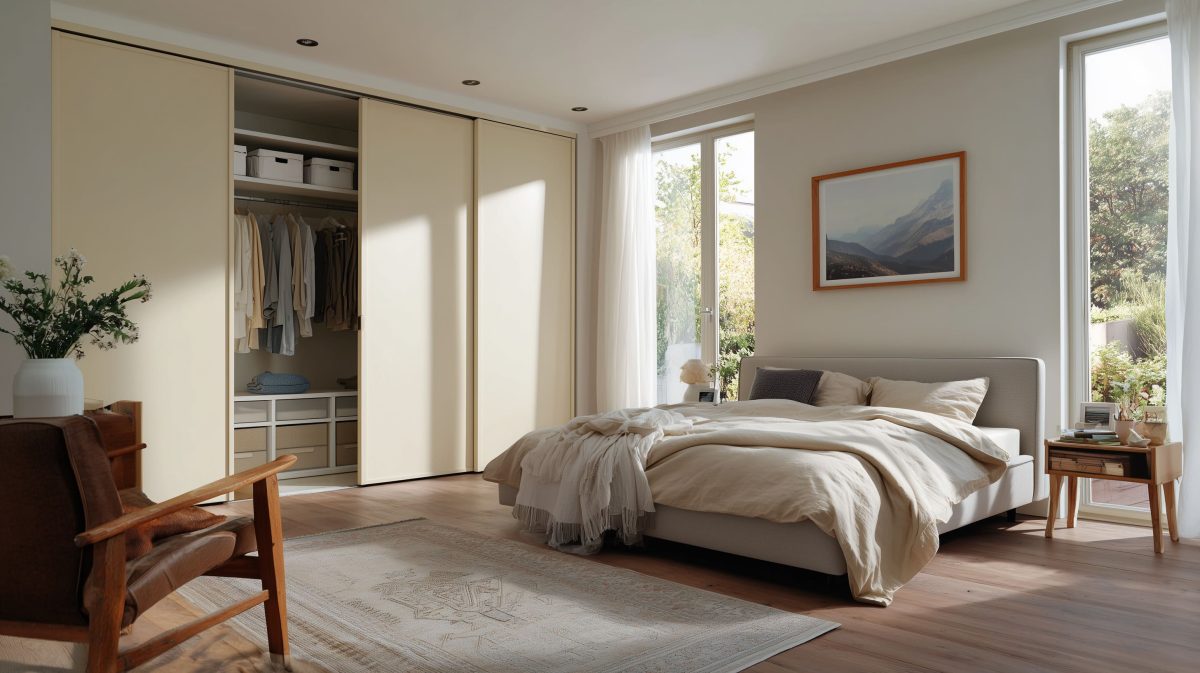
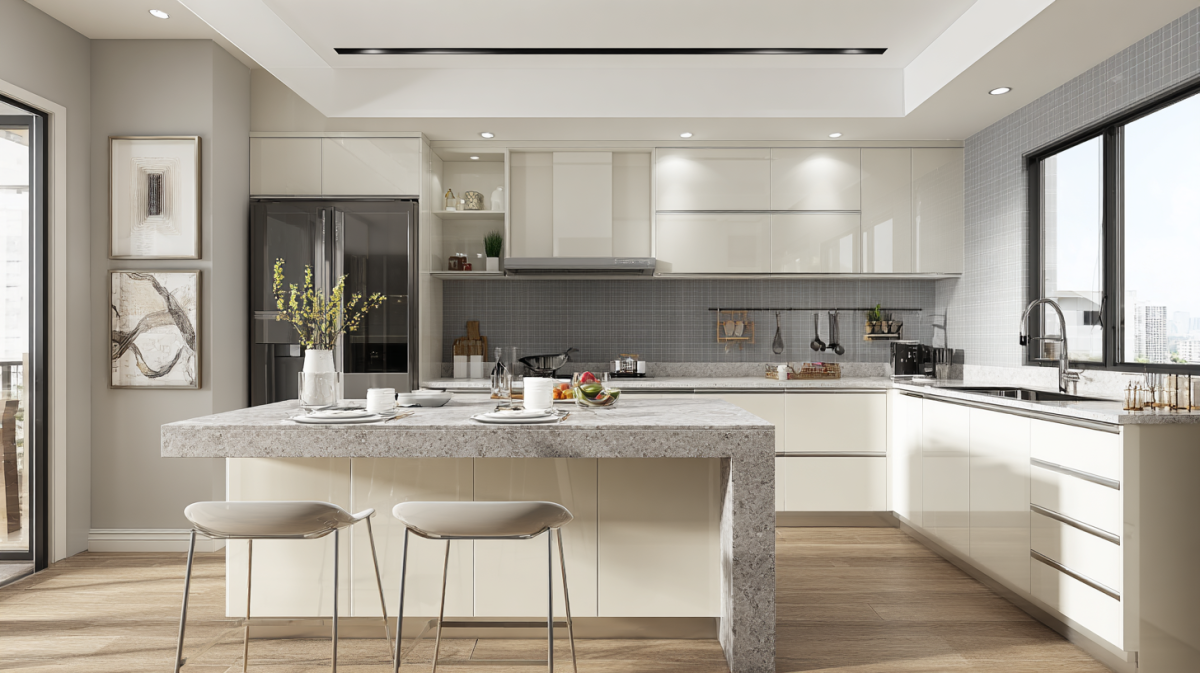
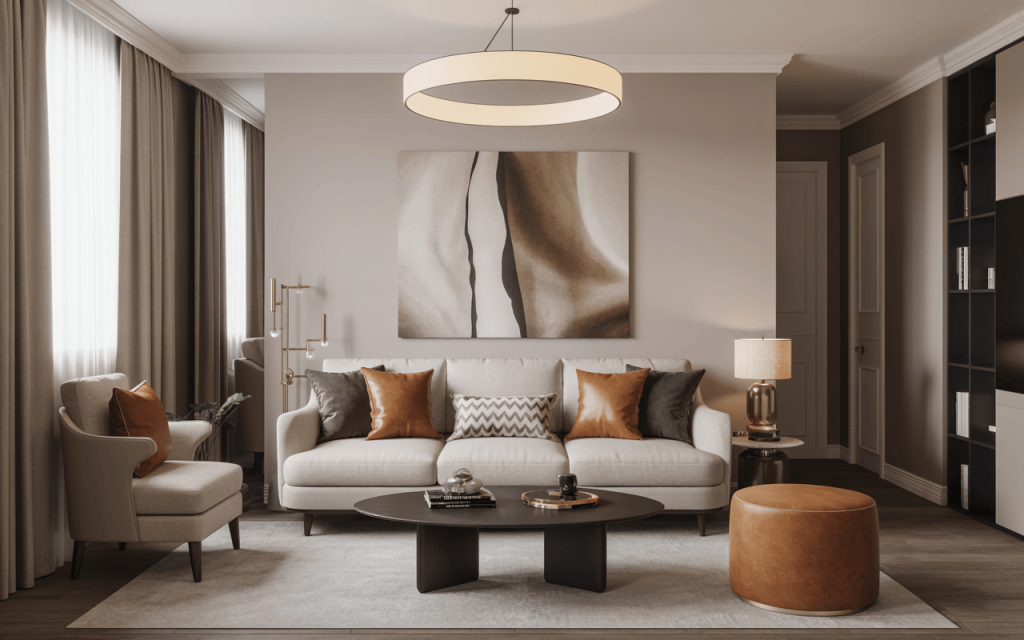
Modern interior home colour design with beige and brown tones 2026
A timeless principle in interior design, the 60-30-10 rule is a foolproof formula for a balanced home colour design.
60% Dominant Colour: This is the main colour that will cover most of the room—typically the walls. It sets the overall tone and should be a neutral or subdued hue.
30% Secondary Colour: This colour provides visual interest and is used for upholstery, curtains, or an accent wall. It should complement the dominant colour but offer a clear contrast.
10% Accent Colour: This is where you can have fun. Used in cushions, artwork, vases, and other small decor items, the accent colour adds a pop of personality and vibrancy.
This rule provides a structured framework, preventing any single colour from overwhelming the space and creating a visually harmonious home colour design.
4. Test, Test, and Test Again: The Non-Negotiable Step
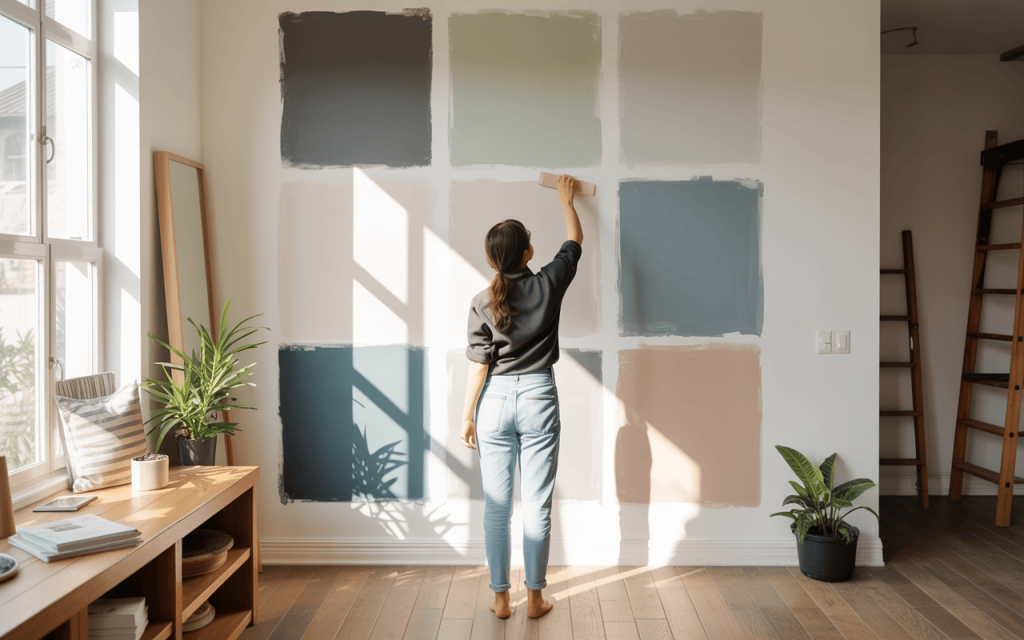
Latest home colour design combinations tested for modern interiors 2026
A colour that looks perfect on a small swatch can look entirely different on your wall, changing with the light throughout the day. Never skip the testing phase.
Purchase sample pots of your shortlisted colours and paint large swatches (at least 2×2 feet) on multiple walls in the room. Observe how the colour looks in both natural and artificial light at different times of the day. Live with these swatches for at least 48 hours before making a final decision. This simple step is the best insurance against costly and disappointing mistakes in your home colour design.
As we consider the application of colour on walls, it’s also vital to look up. The fifth ceiling is a surface ripe with potential, especially in compact rooms.
5. Don’t Neglect the Fifth Wall: Small Bedroom Ceiling Design Ideas
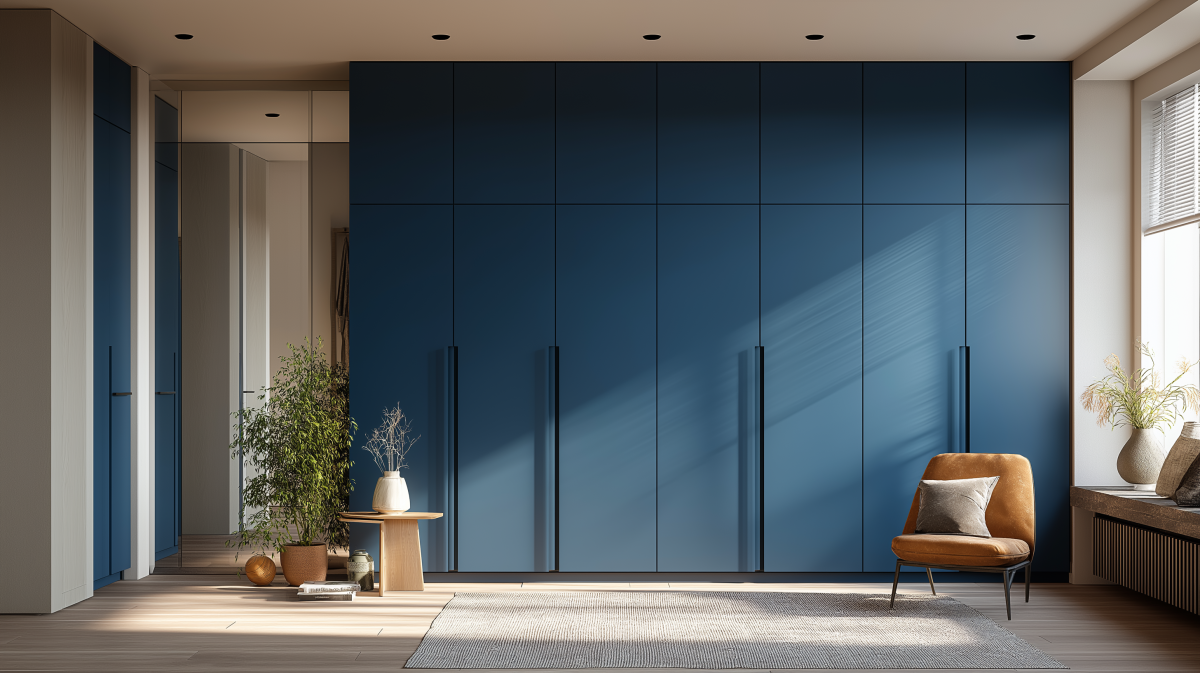
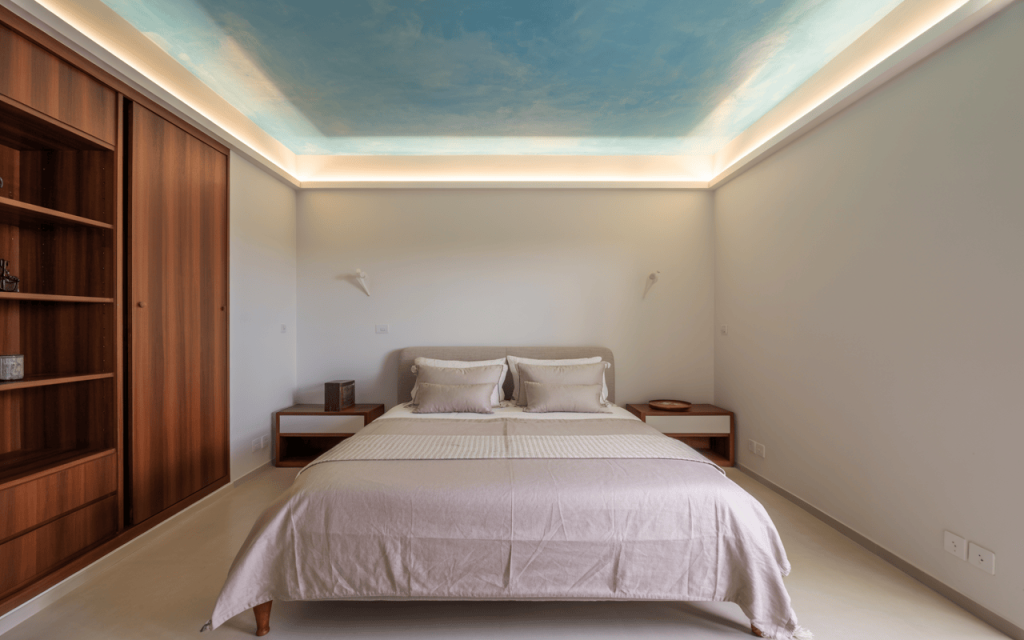
Modern bedroom home colour design with soft neutrals and blue ceiling
The ceiling, often called the “fifth wall,” is a frequently overlooked canvas in home colour design. Moving beyond plain white can add immense character and perceived volume to a room. This is particularly impactful in creating a modern small bedroom ceiling design.
Unique modern small bedroom ceiling design ideas are no longer just about colour, but also texture and form. Consider these small bedroom ceiling design ideas:
A Soaring Effect: Painting the ceiling a light, cool colour like a pale sky blue or a soft grey can make it appear higher.
Cosy Cocooning: For an intimate, cocoon-like feel in a master bedroom, a simple small bedroom ceiling design involves painting the ceiling the same colour as the walls, blurring the boundaries between surfaces.
Architectural Interest: For a small space small bedroom ceiling design, consider adding subtle, slimline beams or a minimalist cove light that can be painted in a contrasting tone to draw the eye upwards.
The Accent Ceiling: One of the most dramatic modern small bedroom ceiling design trends is using a bold, dark, or even patterned wallpaper on the ceiling, turning it into a stunning focal point.
Looking ahead, the small bedroom ceiling design 2026 trend forecast includes matte finishes, earthy mineral paints, and integrated lighting that makes the ceiling glow softly. This thoughtful approach to the fifth wall elevates the entire home colour design scheme.
6. Create a Seamless Flow: The Whole-Home Colour Palette
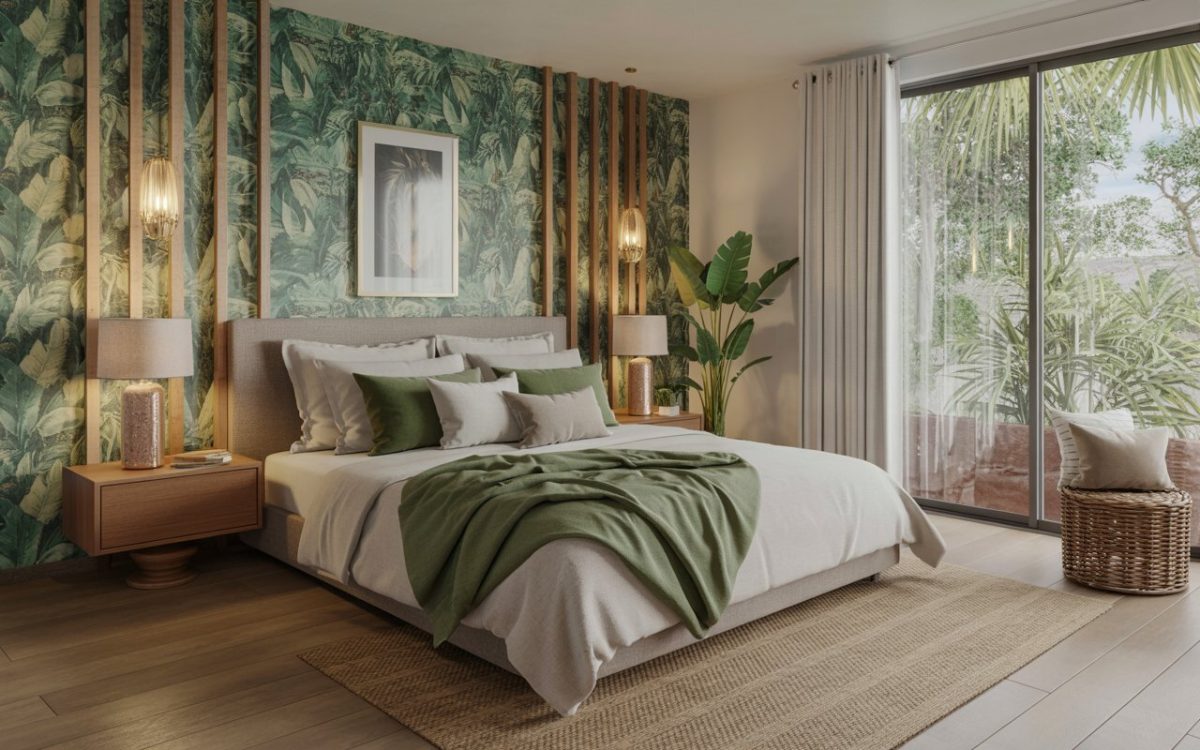
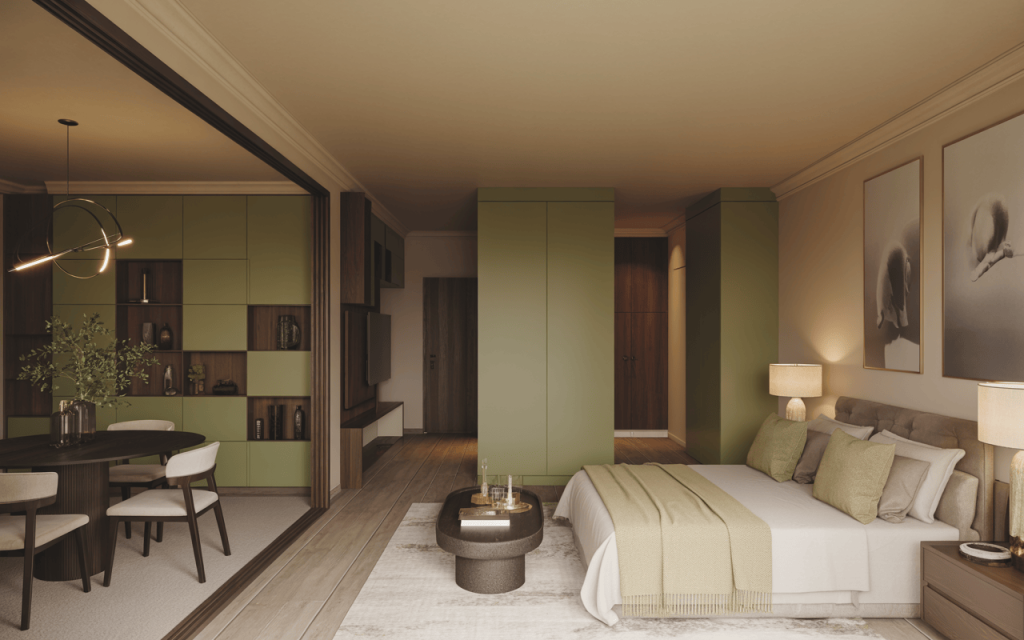
Elegant bedroom home colour design with sage green and wood tones
While each room can have its own character, a disjointed colour journey from room to room can feel jarring. A sophisticated home colour design ensures a sense of flow. Create a whole-home palette of four to five core colours that work well together. You can then use these colours in different combinations and proportions in each room. For instance, a serene blue used in a bedroom can appear as an accent colour in the adjoining living room, creating a subtle and elegant connection.
7. Harness the Power of Neutrals
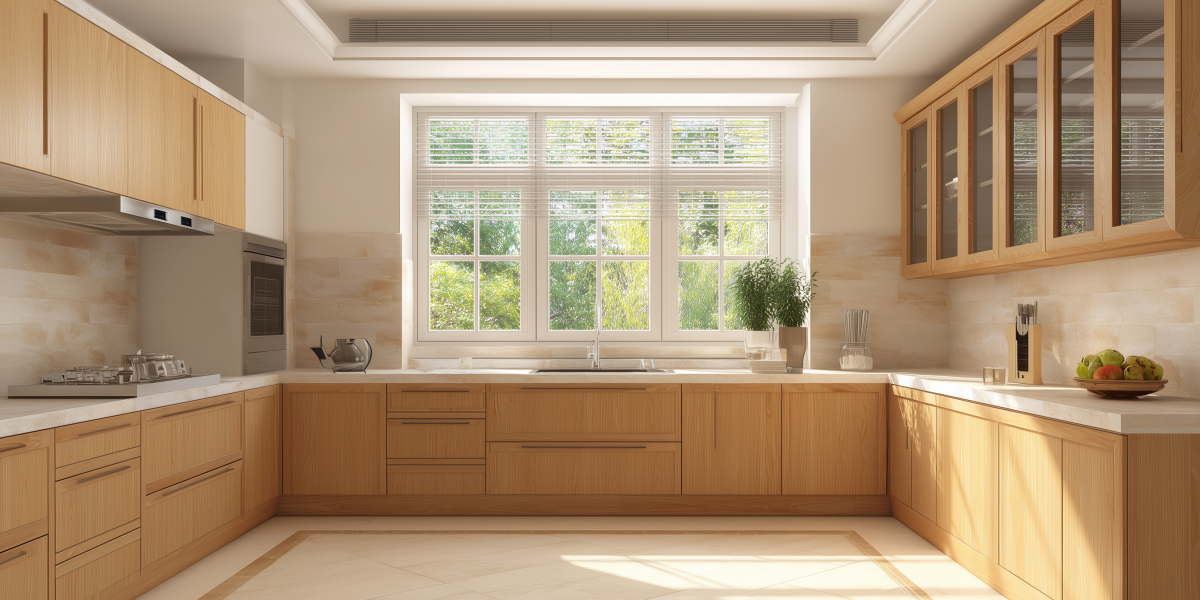
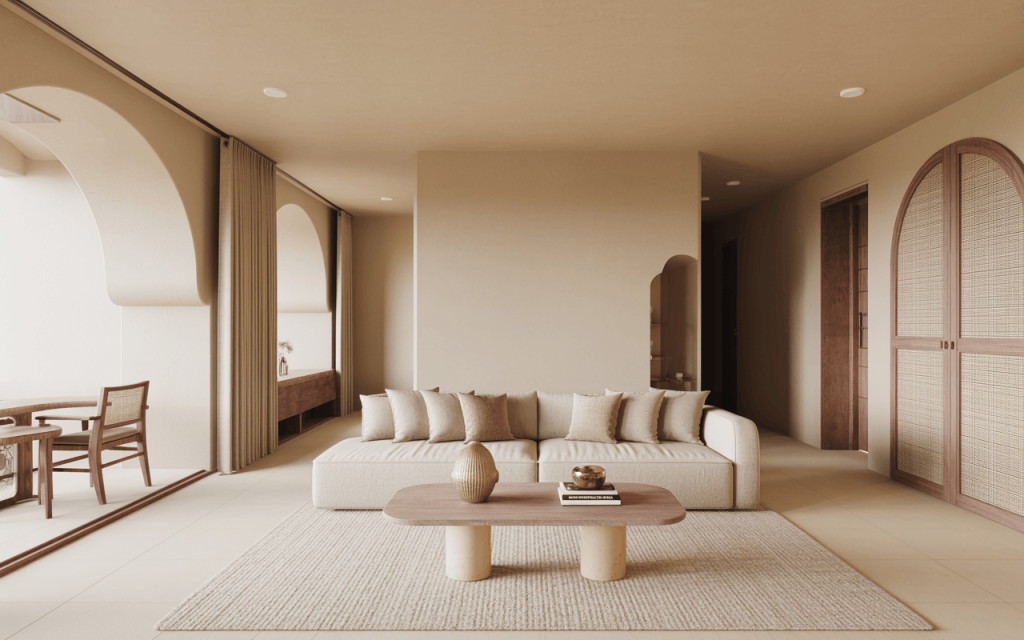
Simple interior home colour design with warm beige and wooden tones
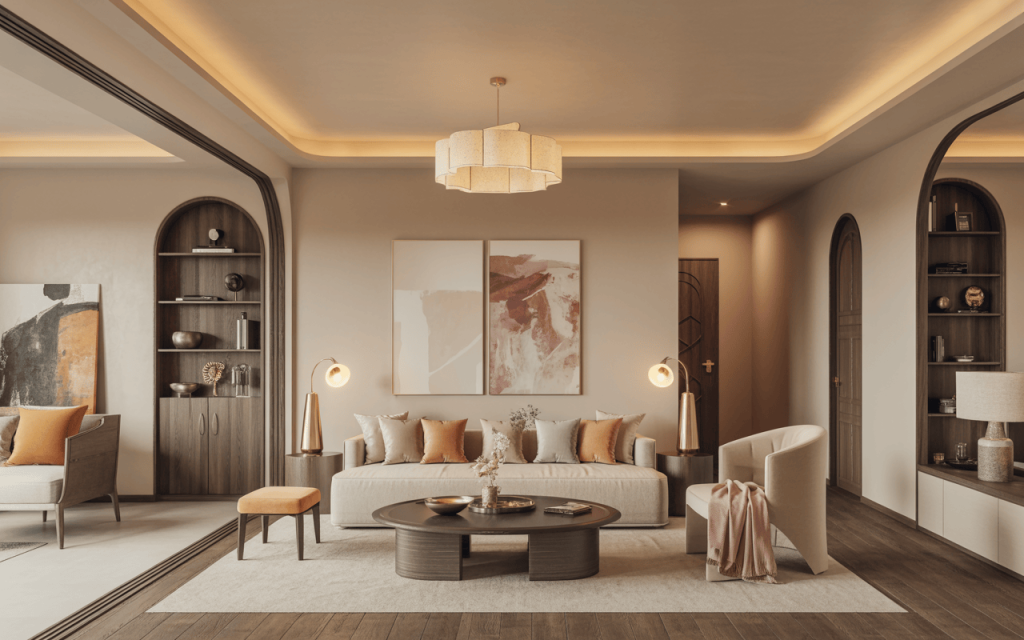
Neutrals are the unsung heroes of home colour design. They are not merely “safe” choices; they are the essential supporting actors that allow other colours to shine. A backdrop of warm greys, beiges, or off-whites provides visual rest, makes spaces feel larger and airier, and offers incredible flexibility for changing decor over time.
When considering small home colour design ideas that make spaces look bigger, light and airy neutrals are almost always the most effective starting point.
8. Incorporate Texture to Add Depth
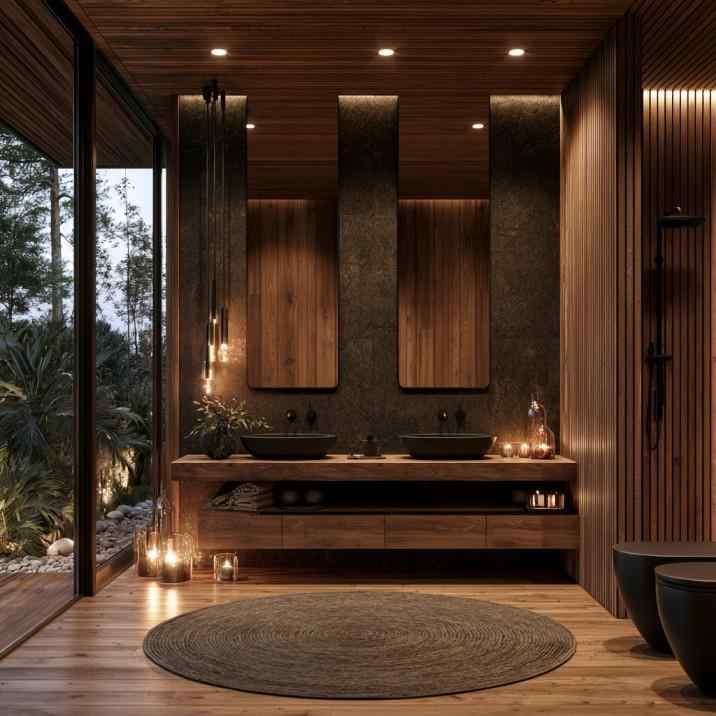
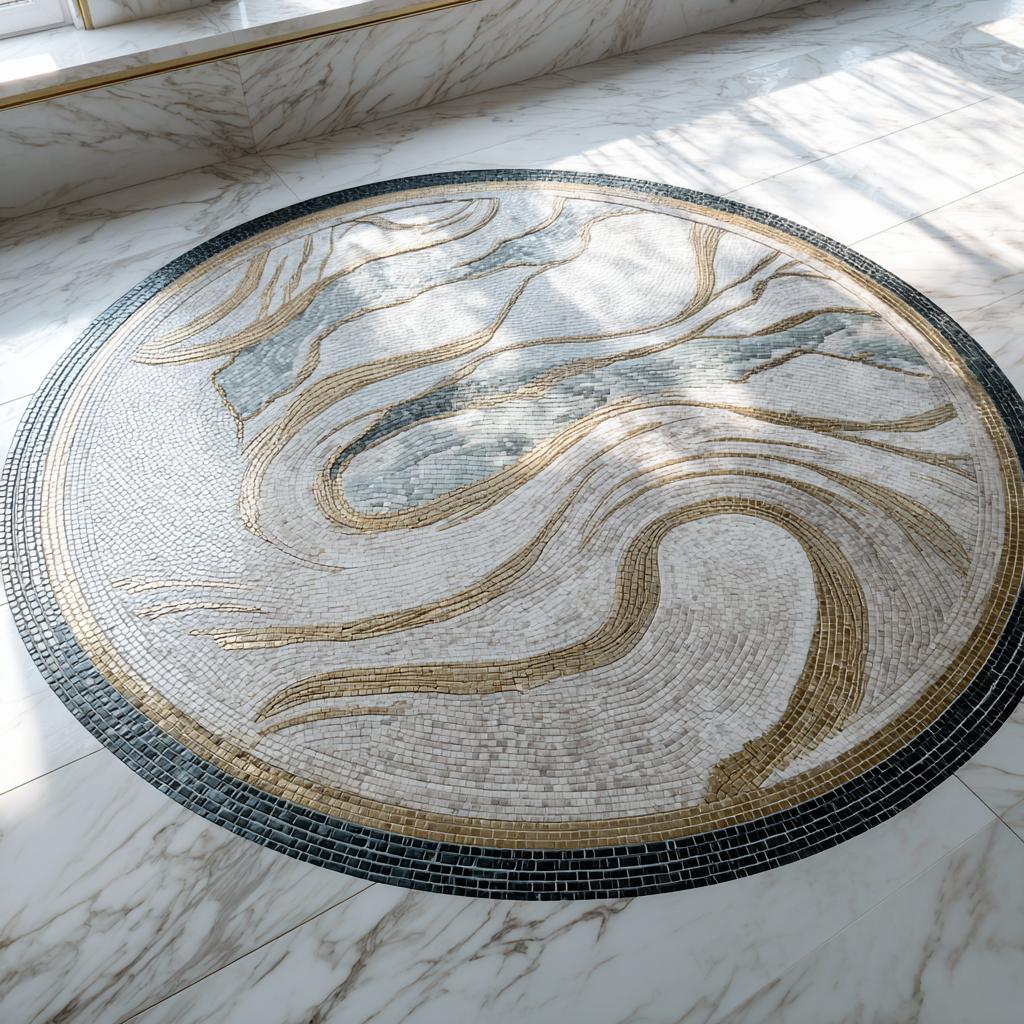
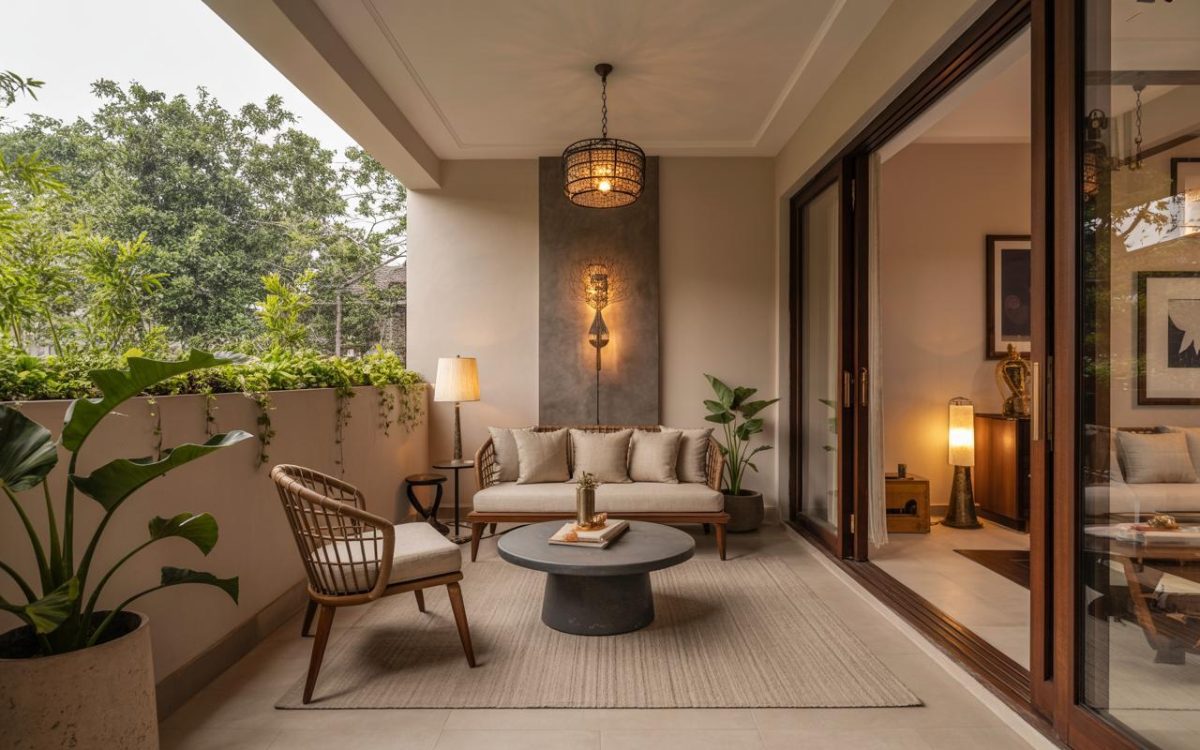
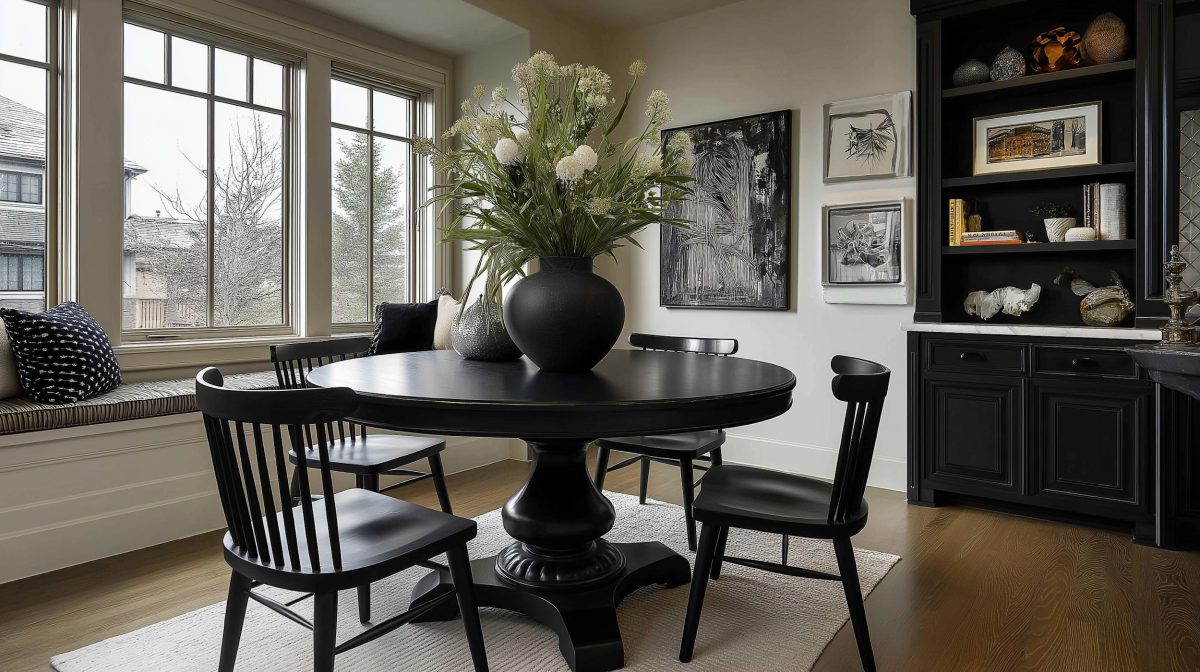
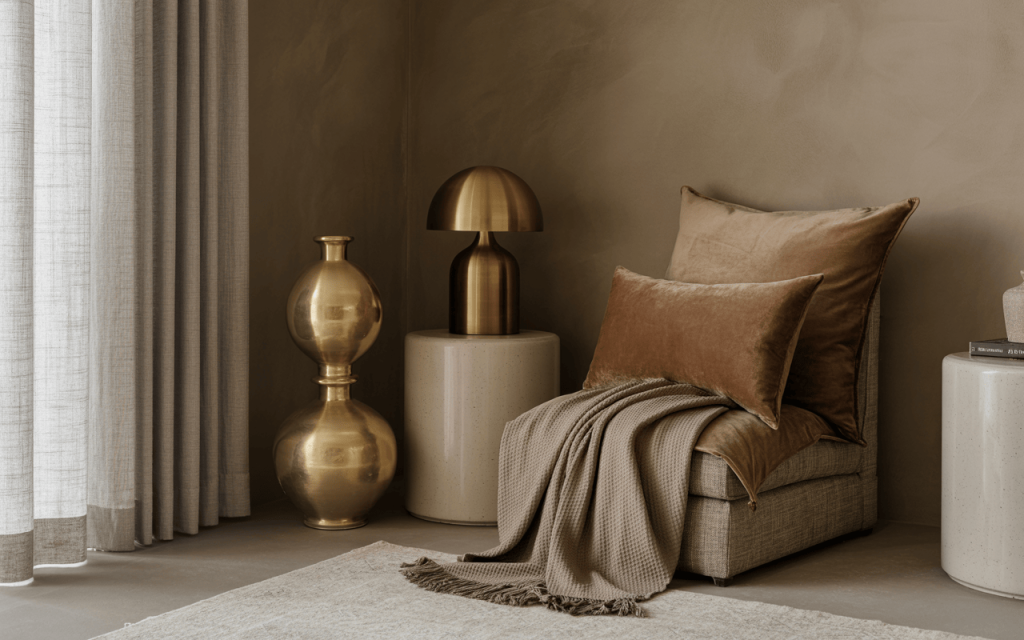
Elegant interior home colour design with warm brown and gold accents
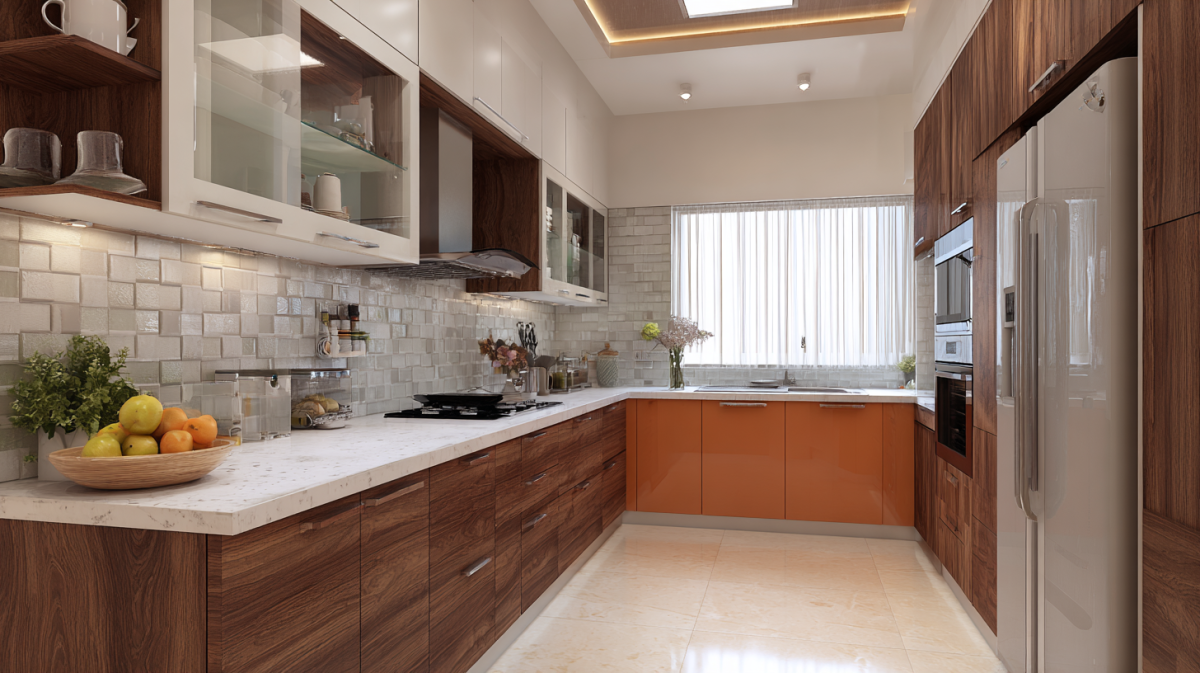
Colour is not just about hue; it is also about texture. A monochromatic room can fall flat without variation in texture. A matte wall finish, a glossy cabinet, a nubby wool rug, and a smooth leather sofa—all in similar tones—create a rich, layered, and tactile experience. This interplay is what separates a basic home colour design from a truly curated one.
With the core principles covered, let’s explore how technology can eliminate the guesswork and bring your vision to life before a single drop of paint is purchased.
9. Visualise with 3D Home Colour Design Tools
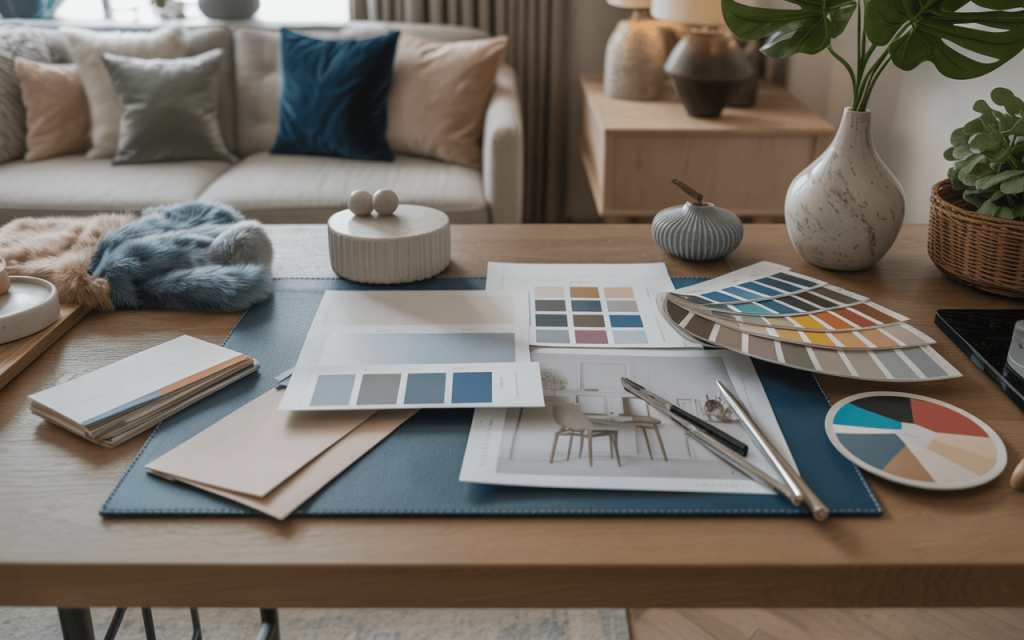
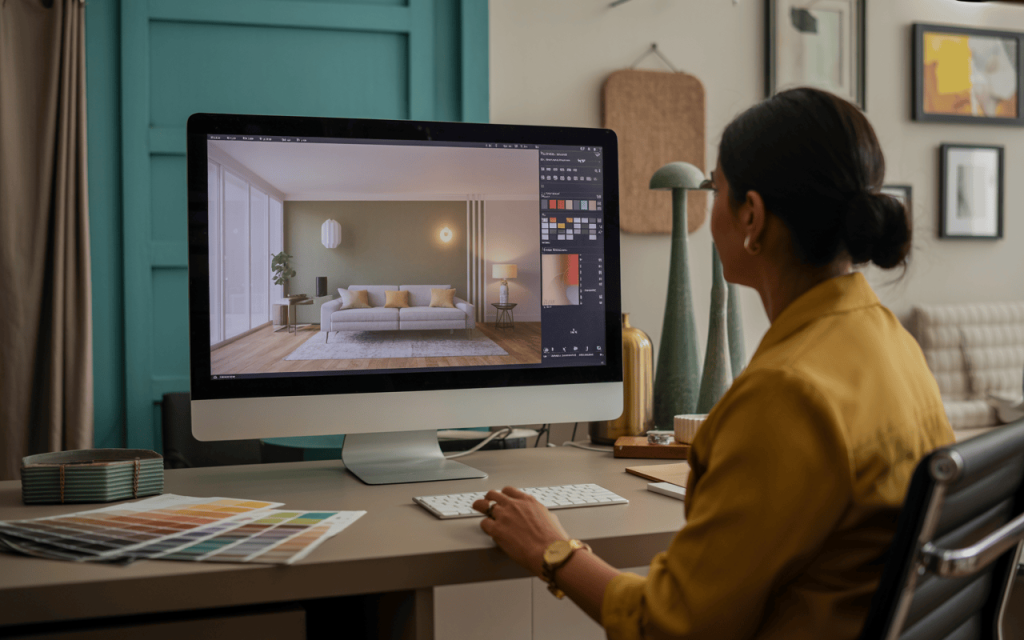
Designer creating latest 3D home colour design using digital tools
One of the biggest advancements in interior design is the advent of 3D home colour design visualisation tools. These digital platforms allow you to upload a photo of your room and experiment with different wall colours, finishes, and even furniture virtually.
So, how can a 3D home colour design help you visualise your dream home? It provides a near-photorealistic preview, allowing you to see how light interacts with your chosen colours at different times of the day. This technology bridges the gap between imagination and reality, giving you the confidence to move forward with bold choices you might otherwise have avoided.
10. The Final Layer: Decor and Accents
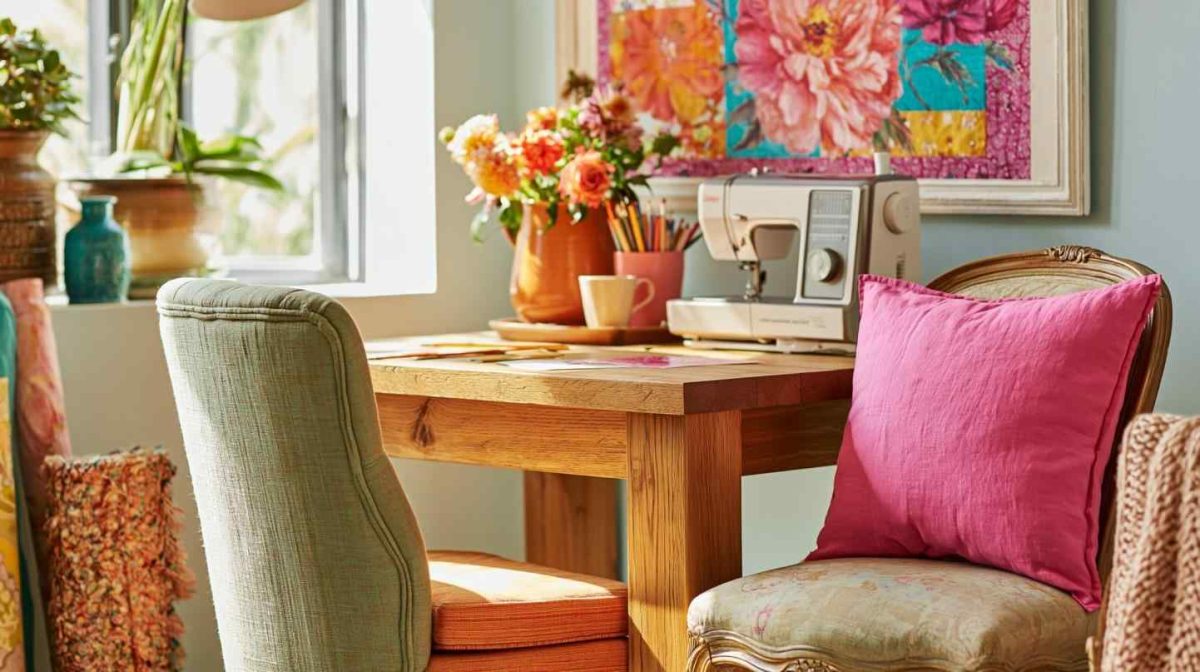
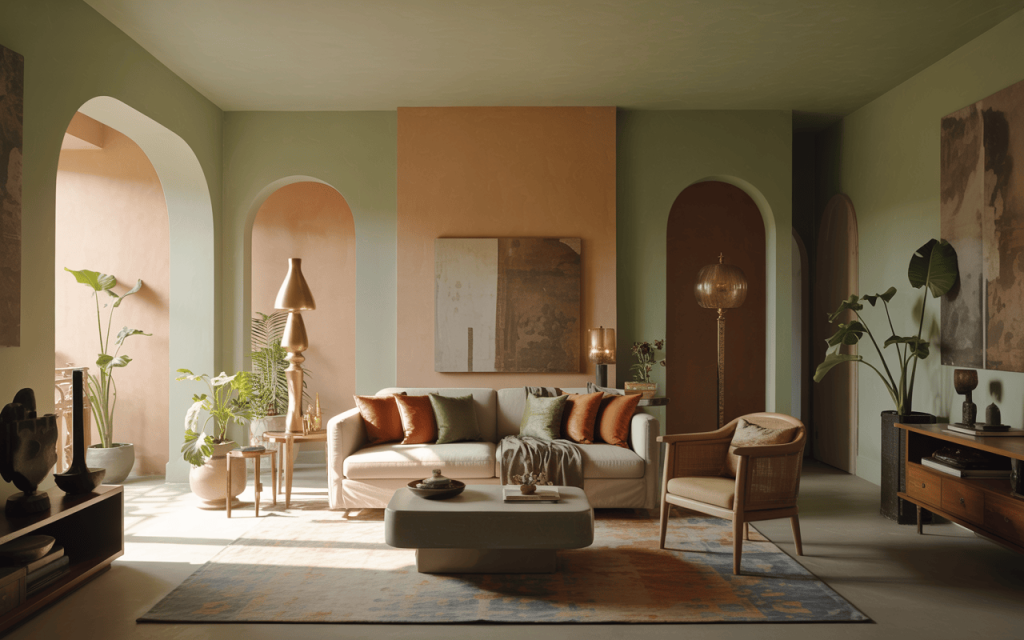
Warm interior home colour design with earthy tones and pastels
Your home colour design extends beyond the paint on the walls. The final layer is brought in through your soft furnishings and decor. Cushions, throws, artwork, and decorative objects are your tools for fine-tuning the colour balance and introducing seasonal refreshes without repainting.
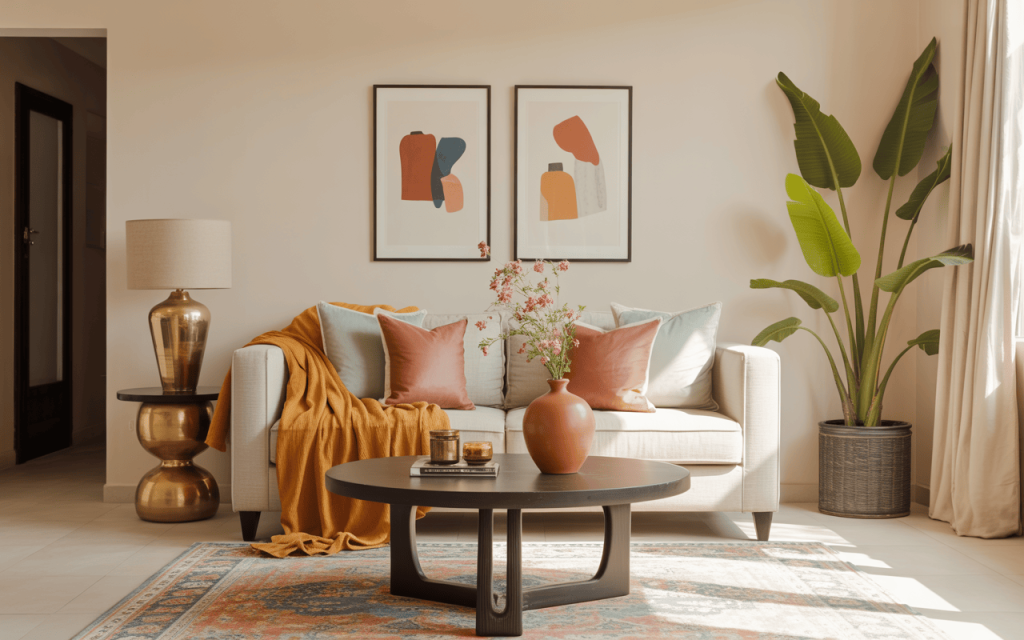
If your room feels too cool, add a terracotta pot or a mustard-yellow throw. If it needs more energy, introduce cushions with a vibrant geometric pattern. This layer gives your home colour design its longevity and adaptability.
Choose Your Favorite Colour For Your Home
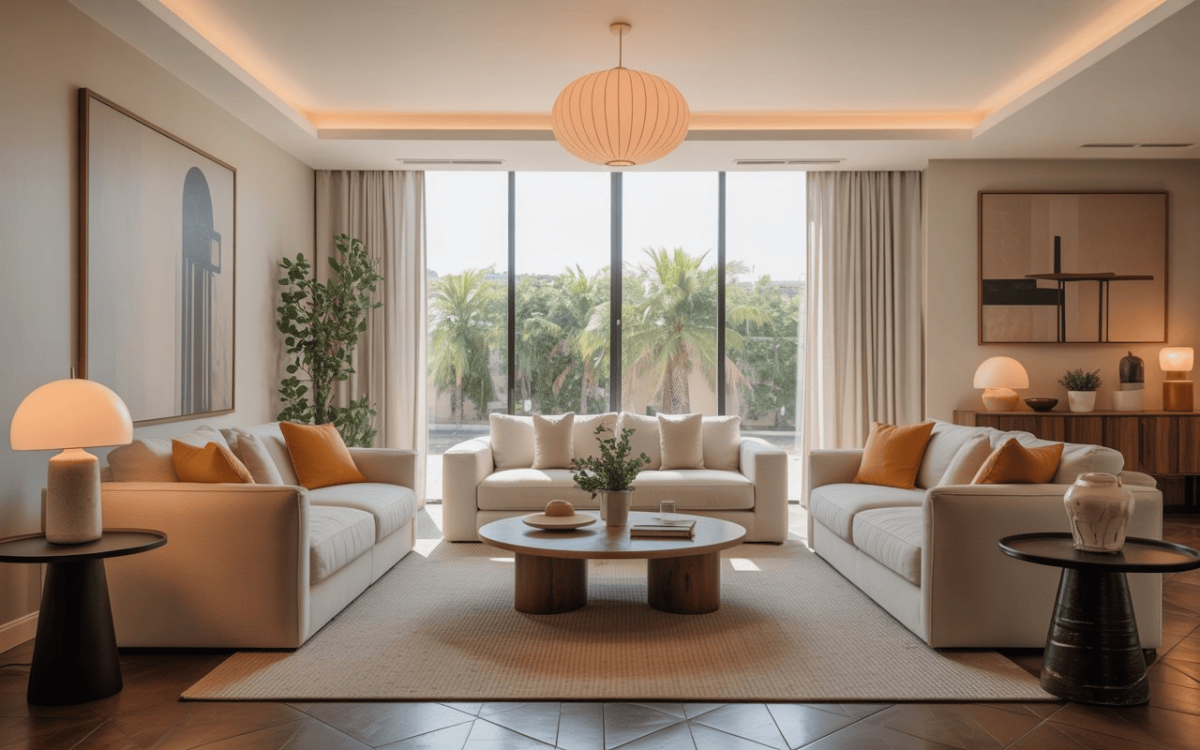
Luxury interior home colour design with warm lighting and soft neutrals
Crafting the perfect home colour design is a journey of discovery—a blend of established principles and personal expression. It requires patience, a willingness to experiment, and a focus on creating a home that is not just visually appealing, but truly feels like your sanctuary. From understanding colour psychology to embracing modern tools and timeless rules, each step brings you closer to a space that reflects your soul.
A beautiful and functional home doesn’t need to be a distant dream—it just needs a clear vision and expert guidance. The perfect home colour design respects your lifestyle, enhances your space, and tells your unique story with elegance and intent.
At HomeLane, we help you build harmony from hue. Our design experts craft personalised colour palettes that work with your space, light, and life. We transform your home with a conscious and cohesive home colour design plan.
FAQs On Home Colour Design
1. What are the latest home colour design trends for 2026?
The forecast for 2026 points towards earthy, grounded palettes inspired by nature. Expect to see rich, muted tones like terracotta, olive green, and clay beige. Biophilic design continues to influence home colour design, with colours that bring the outdoors in. Warm neutrals are replacing cool greys, and textured, matte finishes are gaining popularity over high-gloss paints.
2. Which simple home colour design ideas are perfect for small houses?
For small houses, the best home colour design ideas focus on creating an illusion of space and light. Stick to a light, monochromatic colour scheme for walls, ceilings, and even floors. Using a single colour throughout an open-plan area makes it feel larger. Introduce colour through easily changeable soft furnishings and art rather than dark feature walls, which can make a room feel boxed in.
3. How can a 3D home colour design help you visualise your dream home?
A 3D home colour design tool is a virtual reality platform that allows you to see photorealistic renderings of your space with different colour schemes applied. It helps you visualise your dream home by showing how paint colours look in your actual room with its specific lighting conditions, furniture, and fixed elements. This eliminates the uncertainty of small paint swatches and prevents costly mistakes, ensuring you love the final result before you begin painting.
4. What are some small home colour design ideas that make spaces look bigger?
Effective small home colour design ideas to enlarge a space include painting walls, trim, and ceilings the same light colour to blur boundaries and create a seamless look. Using gloss or semi-gloss paint on woodwork can reflect more light. Another clever idea is to paint a focal wall in a slightly lighter shade than the other walls to make the room feel deeper. Always avoid strong visual breaks in colour, which can chop up the space.









 EXPLORE MORE