Colour Combinations for the Hall: 10 Palettes That Suit Indian Living Rooms
By Usha Balasubramanyan- January 08, 2026
AI Summary
3 key insights · 1 expert tip
Ten timeless colour combinations offer lasting style and versatility for your hall, transforming your entrance into a sophisticated first impression.
Key Insights:
What You'll Read Here:
Neutrals like grey and beige offer enduring charm and flexibility for décor updates.
Bold pairings like navy and white or red and white create dramatic, yet classic, statements.
Consider the 60/40 rule, using a dominant colour for walls and an accent for features.
HOMELANE EXPERT TIPBy our design team
When choosing hall colours, balance a dominant neutral with a vibrant accent colour to create visual interest and a welcoming atmosphere.
Choosing a sofa can take a weekend. Choosing a wall colour can somehow take three months!
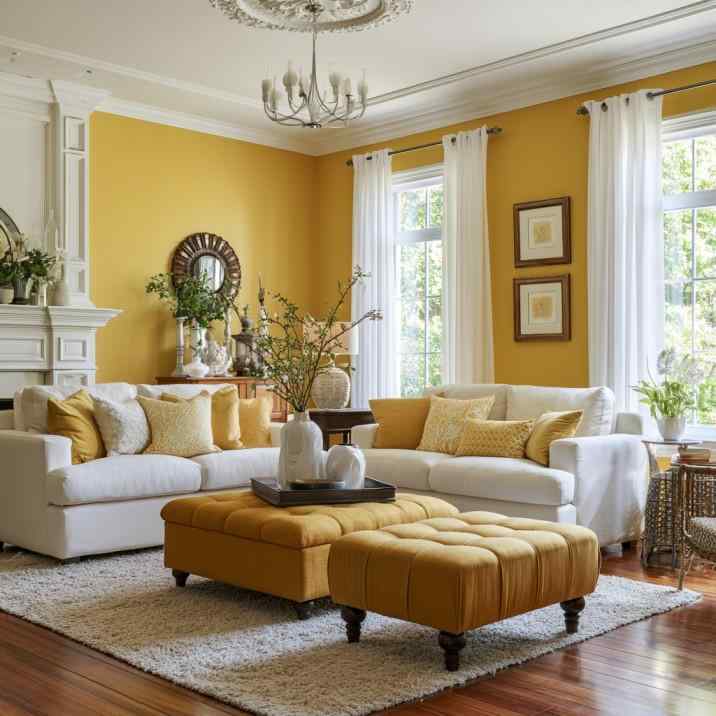
Muted mustard walls with white sofas give this hall a cheerful, warm colour combination.
That’s because the hall usually has to do a lot. It’s where you entertain, relax, watch television and spend time with family. It’s also one of the first spaces visitors see. The right colour palette needs enough personality to be interesting without becoming exhausting to live with.
Rather than picking shades in isolation, think in combinations. Here are ten that work particularly well for Indian living rooms.
Best Colour Combinations for a Hall and Where Each One Works
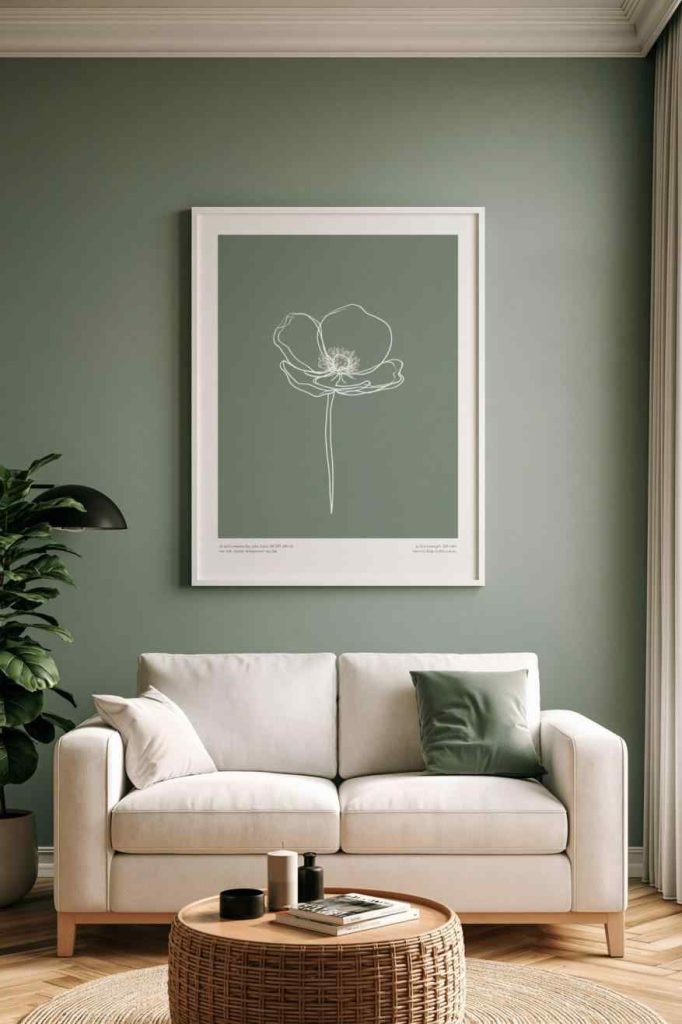
A sage green wall paired with ivory accents brings a fresh, natural feel to the hall.
Colour Combination
Mood
Works Particularly Well In
1. Warm white + beige
Light and timeless
Small or low-light halls
2. Ivory + sage green
Fresh and natural
Rooms with wood furniture and plants
3. Greige + walnut brown
Sophisticated and warm
Contemporary living rooms
4. Cream + terracotta
Earthy and inviting
Indian and eclectic interiors
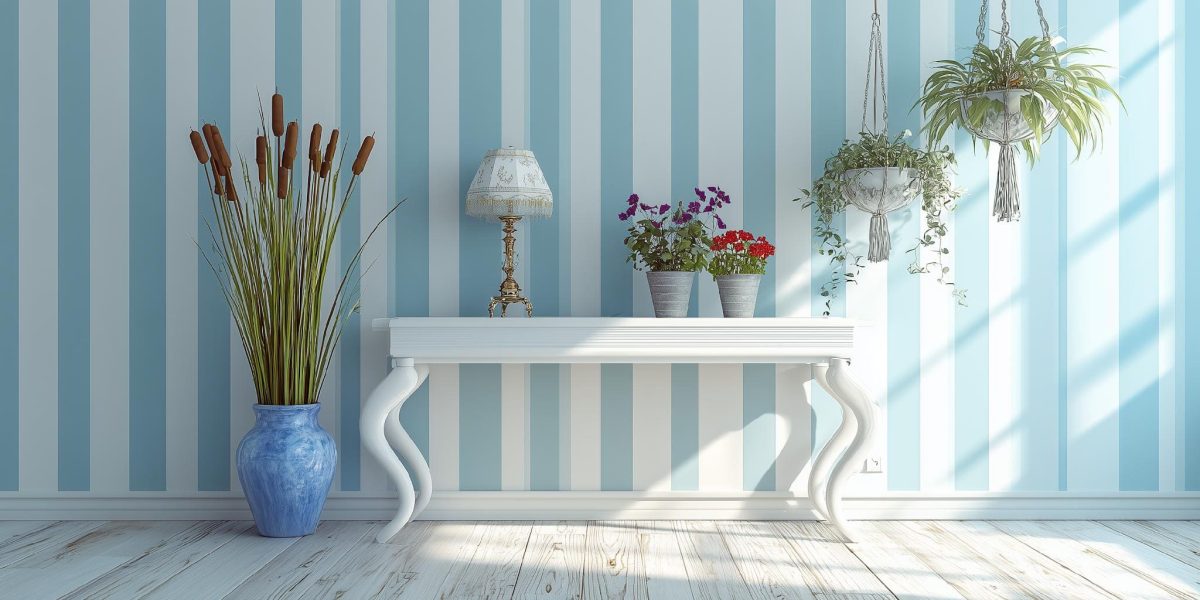
5. White + dusty blue
Airy and relaxed
Bright, compact halls
6. Beige + olive green
Rich but grounded
Larger halls with natural materials
7. Cream + muted mustard
Cheerful and warm
Rooms needing more personality
8. Soft grey + teal
Smart and contemporary
Urban apartments
9. Ivory + burgundy
Dramatic and elegant
Formal living rooms
10. Deep blue + warm beige
Luxurious and balanced
Spacious, well-lit halls
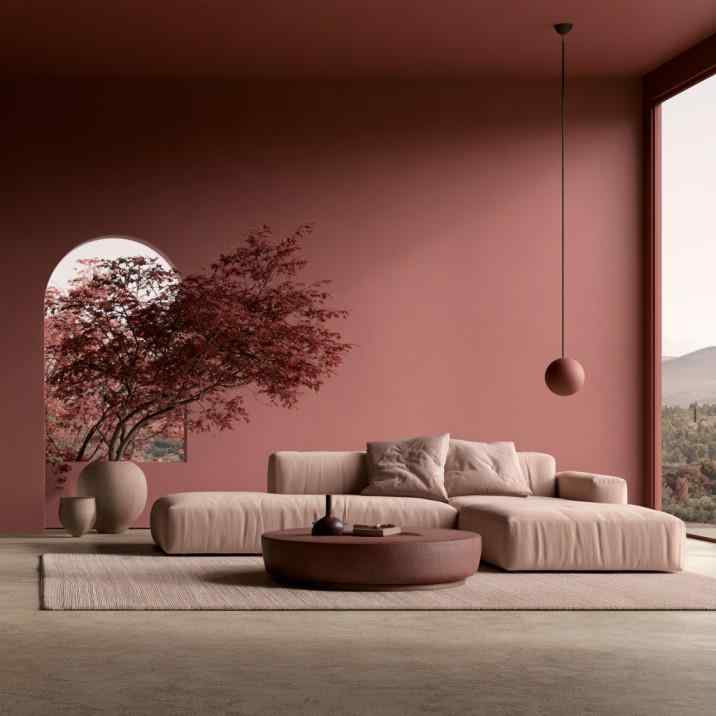
Terracotta walls with a soft beige sofa create an earthy, inviting hall colour palette.
Expert Tips:
Warm white and beige are difficult to go wrong with, but don’t dismiss earthy colours.
Terracotta, olive and muted mustard sit particularly comfortably alongside timber, cane, brass and many of the materials commonly found in Indian homes.
Blue and teal bring in a cooler note. Balance them with warmer flooring, upholstery or timber so the room doesn’t begin to feel too chilly.
Two-Colour Combinations for a Hall: How to Pair a Base and an Accent
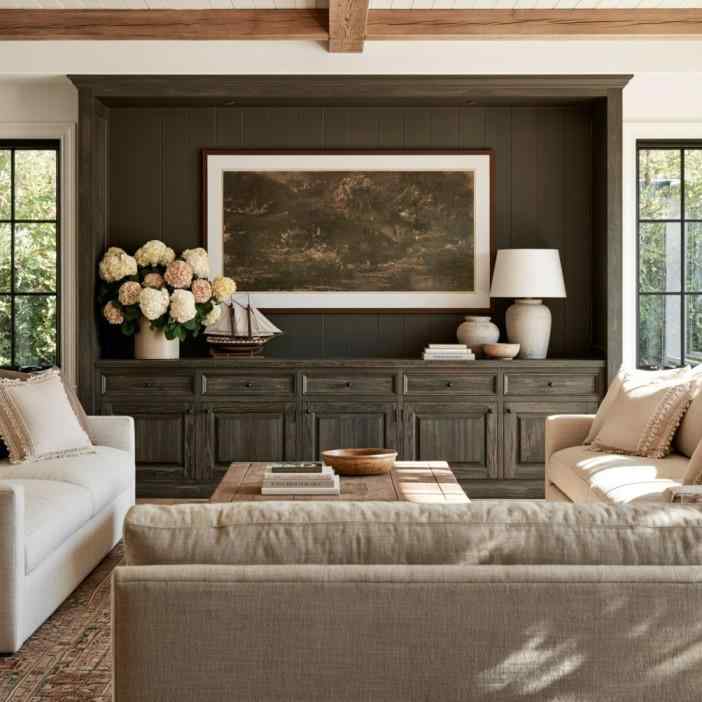
Deep wood-toned panelling with greige sofas makes this hall feel warm and sophisticated.
A successful two-colour combination for a hall doesn’t mean dividing the walls fifty-fifty. One colour should usually take the lead.
Think of warm white, cream, beige or greige as your base. Use it across most walls, then introduce the stronger colour through a feature wall, niche, panelling or architectural element. This lets shades such as olive, terracotta, teal or burgundy make an impact without overpowering the room.
You don’t have to restrict the accent colour to paint either. If the walls are beige and ivory, deep green curtains or a terracotta sofa can complete the palette.
Also look at what is already staying in the room. Flooring, doors, woodwork and large furniture are effectively colours too. Your new wall palette needs to get along with them.
How to Choose Hall Colours by Size, Light and Direction
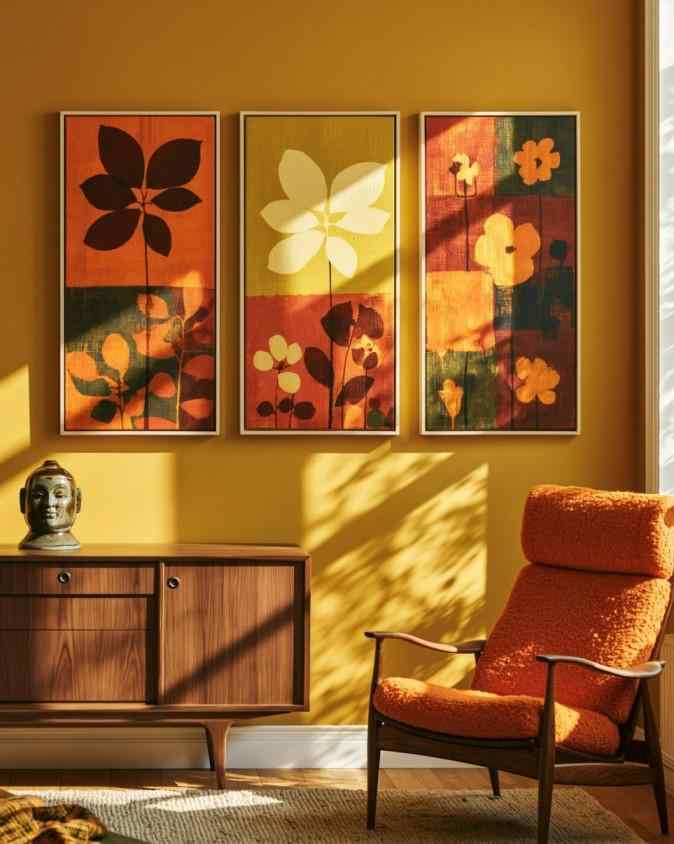
Mustard walls with terracotta accents and timber add bold personality to an Indian hall.
Small halls generally benefit from lighter base colours because they reflect more light and reduce visual heaviness. Warm whites, pale greige, ivory and soft beige are reliable options. This doesn’t mean a compact room has to be completely pale. A darker accent can actually add depth when used selectively.
Large halls can comfortably take stronger colours, but scale still matters. Four walls of deep teal create a very different effect from one teal wall balanced by warm neutrals.
Natural light changes colour dramatically. A hall flooded with daylight can support richer shades, while a darker room may need warmer, lighter tones to prevent it from feeling gloomy.
Direction matters because the quality of daylight changes through the day. Rather than relying rigidly on rules for north-, south-, east- or west-facing rooms, test samples in the actual space. Your windows, neighbouring buildings, balconies and curtains all affect the result.
Which Royal Colour Combinations Make a Hall Look Luxurious?
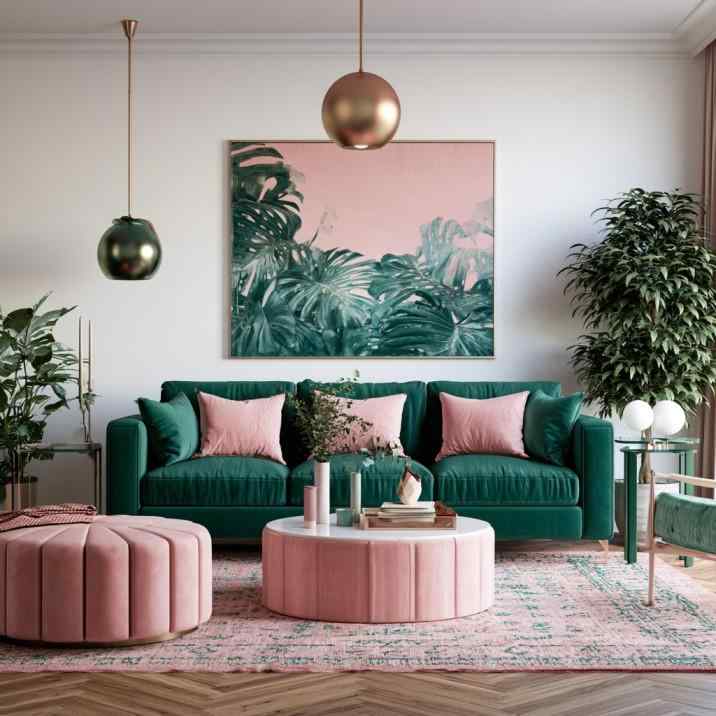
An emerald green sofa against soft pink accents creates a lively two-colour hall palette.
A royal colour combination for the hall doesn’t have to mean maroon walls, gold curtains and everything turned up to maximum grandeur.
For a more contemporary interpretation, try deep navy with warm beige, burgundy with ivory, emerald green with cream, or plum with soft taupe. Add small touches of antique brass, brushed gold or dark timber for richness.
The secret is restraint. Let the jewel tone become the star while quieter neutrals create breathing room around it.
For a modern luxury hall, deep blue with warm beige is particularly effective. The blue brings depth, while beige prevents the scheme from becoming severe. Emerald with cream works beautifully when paired with walnut furniture and subtle brass accents.
Luxury comes from the relationship between colours and materials, not simply from choosing the darkest or most expensive-looking shade on the paint card.
What Hall Colour Mistakes Should You Avoid?
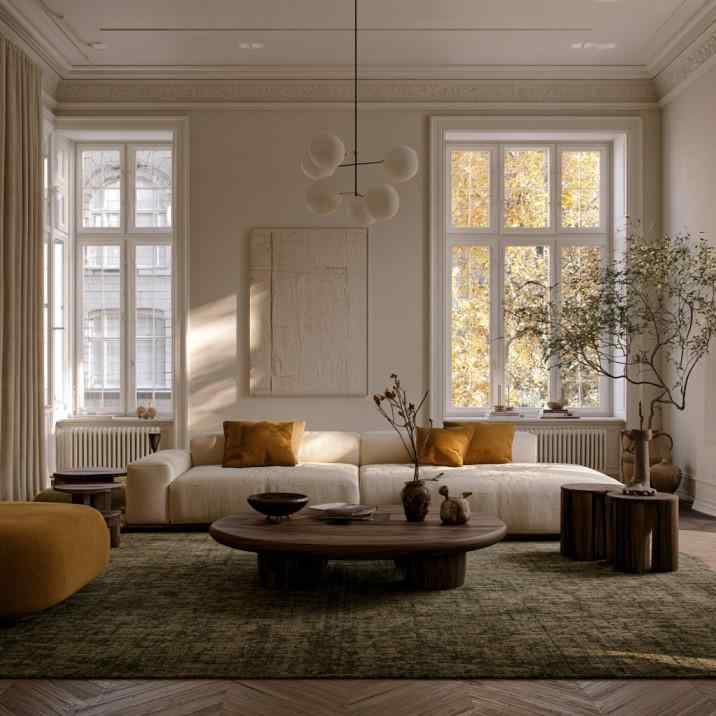
Warm white walls with olive and mustard accents keep this sunlit hall grounded and calm.
Don’t choose paint from a tiny swatch under showroom lighting. A colour covering an entire wall can appear considerably stronger than it did on the card.
Another common mistake is chasing trends without considering existing finishes. The year’s fashionable beige may look distinctly odd beside a cool grey marble floor.
Be careful with too many accent colours too. If the wall is teal, the sofa mustard, the curtains maroon and the rug bright blue, your hall doesn’t need another “pop of colour”. It probably needs somewhere for the eye to rest.
Finally, don’t make every surface the same safe neutral. A hall can be cohesive without being colourless. Texture, timber, upholstery, art and one confident accent can transform even the simplest palette.
Find the Colour Combination Your Hall Can Live With!
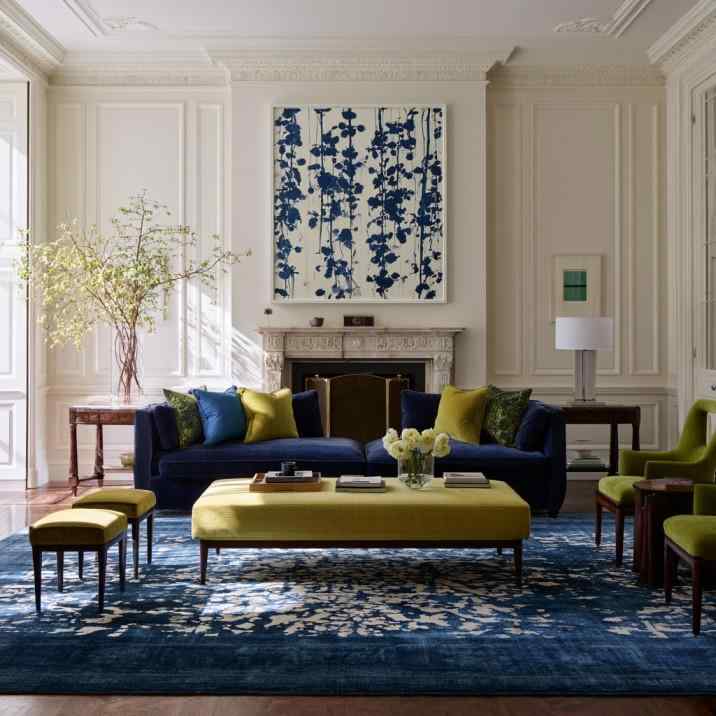
A navy blue sofa and rug against ivory walls create a luxurious royal colour combination.
The best colour combination for a hall isn’t necessarily the boldest one or the shade currently filling your inspiration feed. It’s the palette that works with your room’s light, proportions, furniture and the atmosphere you want to create.
Start with a versatile base, add an accent you genuinely enjoy and repeat those tones subtly through furnishings and finishes. HomeLane designers can help you bring walls, furniture, lighting and decor together into one considered palette. Book a free consultation and give your living room colours that feel every bit as good as they look.
FAQs
1. Which is the best colour combination for a hall?
Warm white with beige is a versatile choice, while ivory with sage, cream with terracotta and greige with walnut work beautifully when you want more character.
2. Which two-colour combination is best?
For a timeless look, try warm white and beige. For more personality, consider ivory and sage green, cream and terracotta, or deep blue and warm beige.
3. What are the 7 types of colour schemes?
The commonly discussed schemes include monochromatic, analogous, complementary, split-complementary, triadic, tetradic and square colour schemes. They describe different relationships between colours on the colour wheel.
4. Which colour makes a small hall look bigger?
Warm white, ivory, pale beige, light greige and other soft colours can help a small hall feel more open by reflecting light and reducing visual heaviness.
5. Which royal colour combination looks good in a hall?
Deep navy with beige, emerald with cream and burgundy with ivory can all create an elegant, luxurious effect. Use the richer shade selectively and balance it with a softer neutral.









 EXPLORE MORE