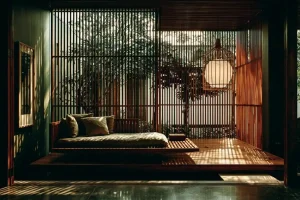
Eco-Friendly Home Interiors That Mix Sustainability with Style
By HomeLane- January 27, 2026
AI Summary
3 key insights · 1 expert tip
Create stylish, sustainable home interiors affordably by using reclaimed materials, plants, and maximising natural light.
Key Insights:
What You'll Read Here:
Opt for sustainable materials like bamboo and rattan, plus low-VOC paints for healthier interiors.
Repurpose old furniture and decor to reduce waste and add unique character to your home.
Maximise daylight and install energy-efficient LED lighting to cut costs and environmental impact.
HOMELANE EXPERT TIPBy our design team
Prioritise locally sourced products to minimise transportation emissions and support artisans, enhancing your home's eco-conscious appeal.
The trend of using eco-friendly home interior design, sustainable products in building materials, furniture and furnishings is here to stay. Designers and homeowners alike have embraced it – thanks to increased awareness about climate changes and other environmental concerns. It’s heartening that most of us try to do our bit starting within our homes, right?
And the best news is that you can do sustainable and eco-friendly home interiors on a budget! As is the popular perception, eco-friendly need not mean industrial, rustic or very basic. With several big brands and smaller designers introducing eco-conscious product lines, you can go green in an aesthetic, stylish way, well within a reasonable budget. So, if you’re planning a home update or renovation, here are Eco-Friendly Home interiors tips for your home:
Switch to Sustainable Materials from Furniture to Finishes
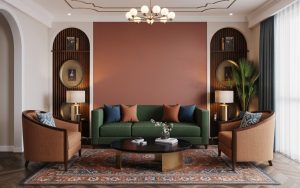
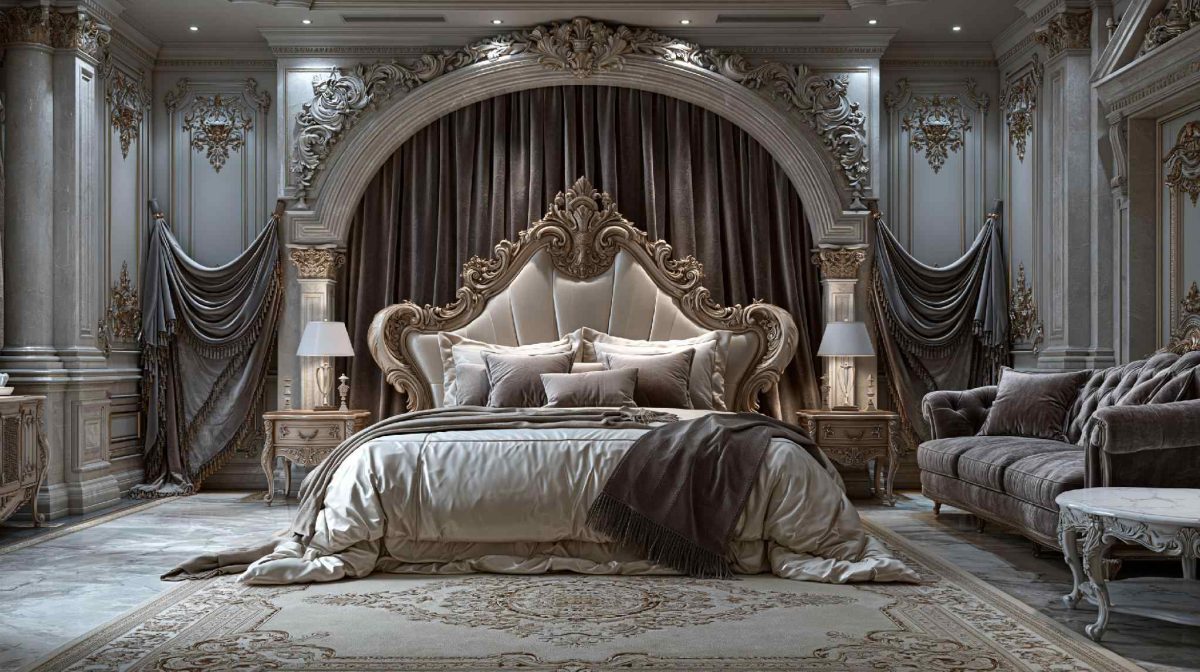
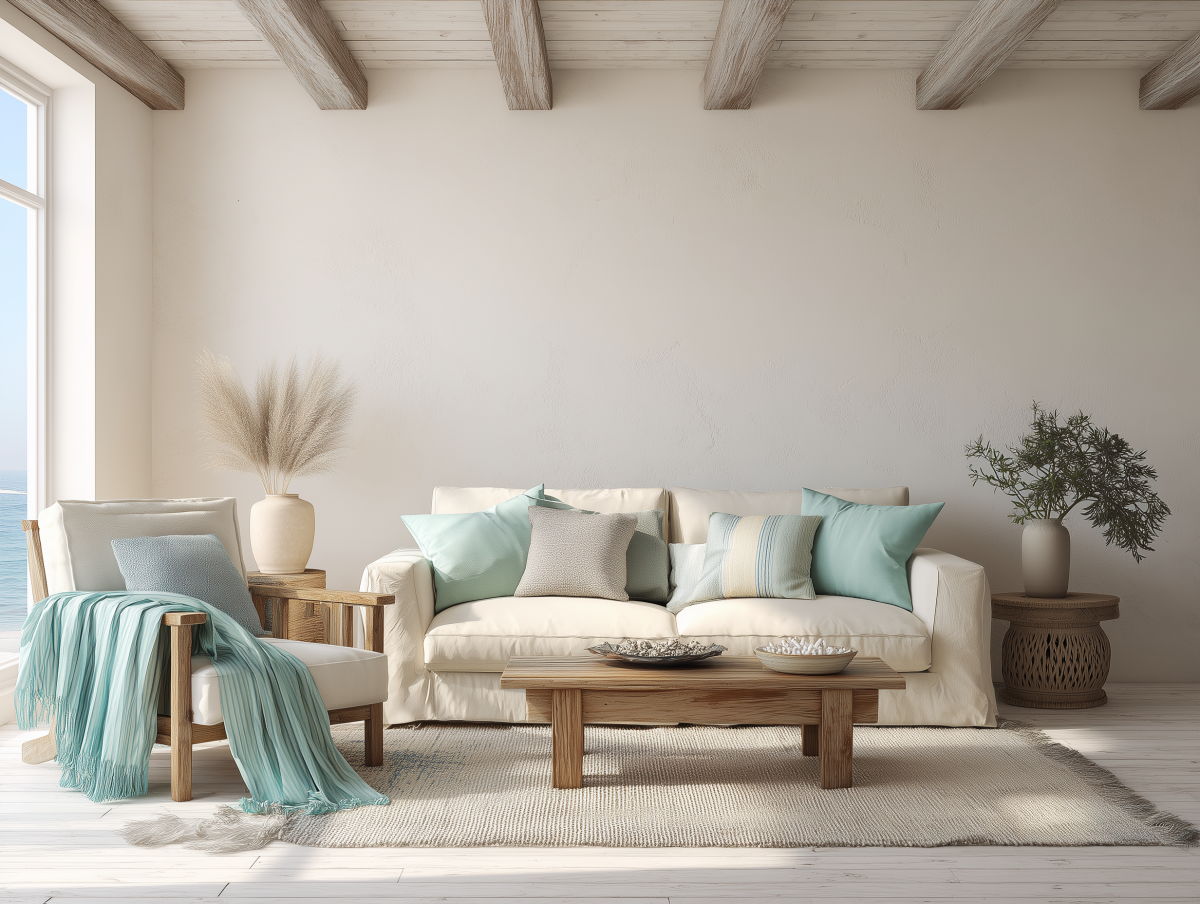
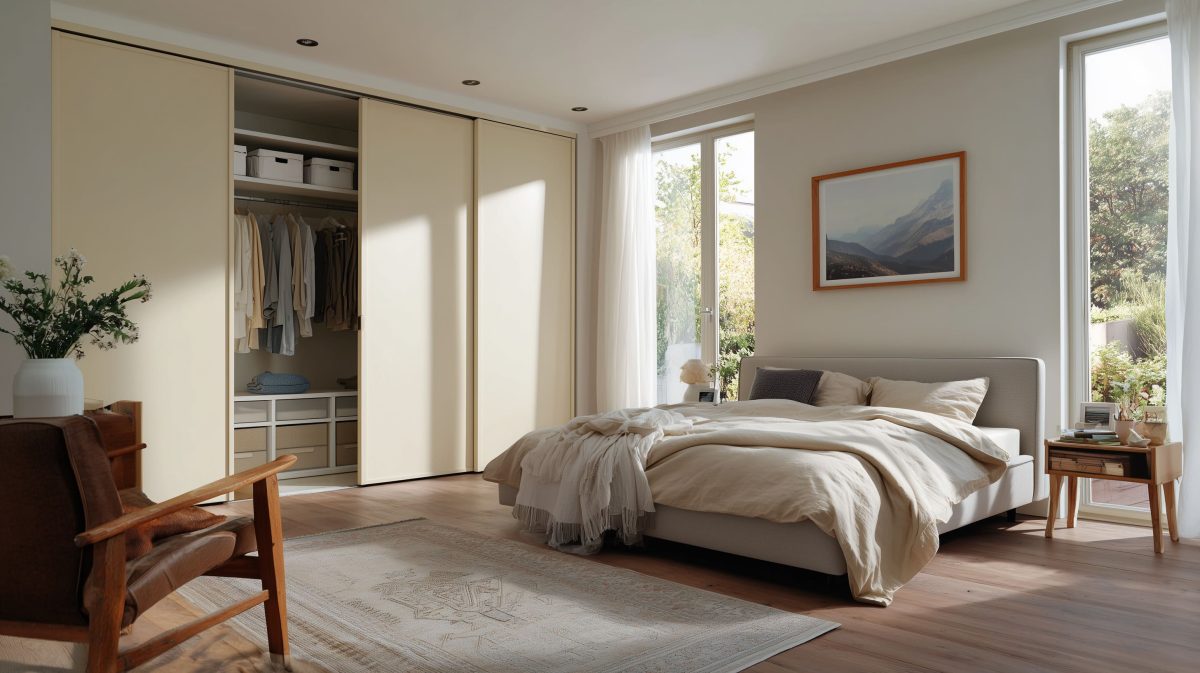
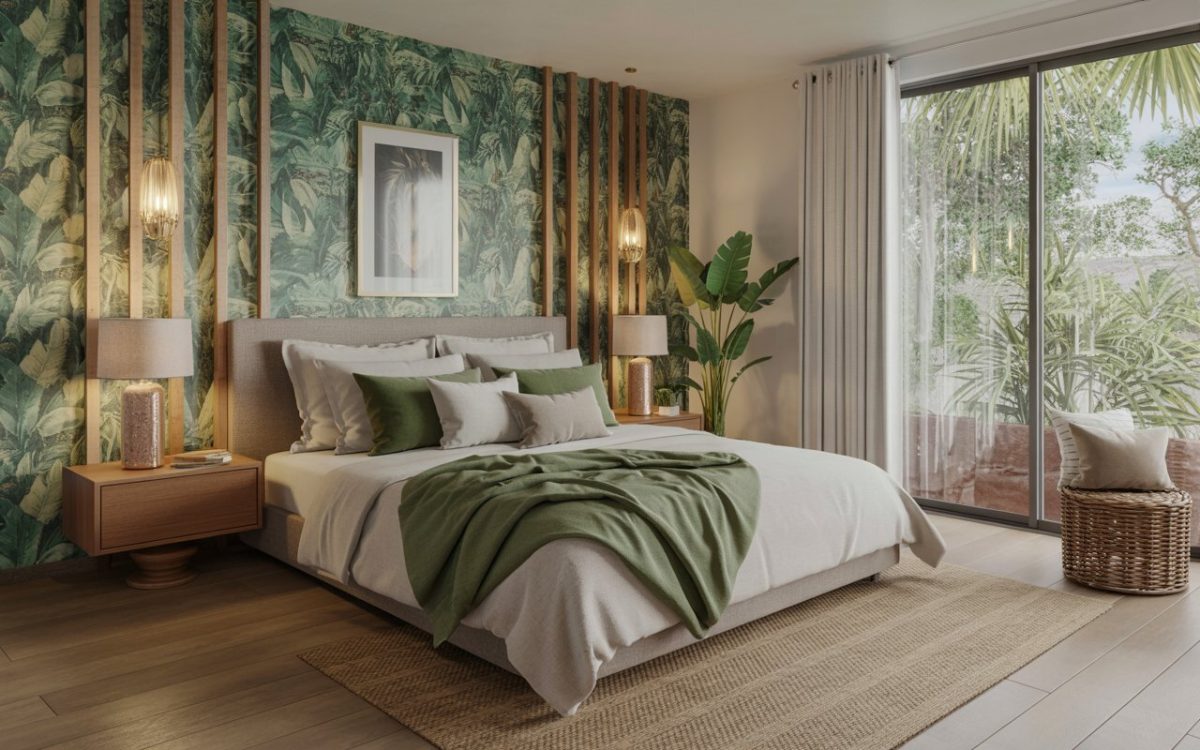
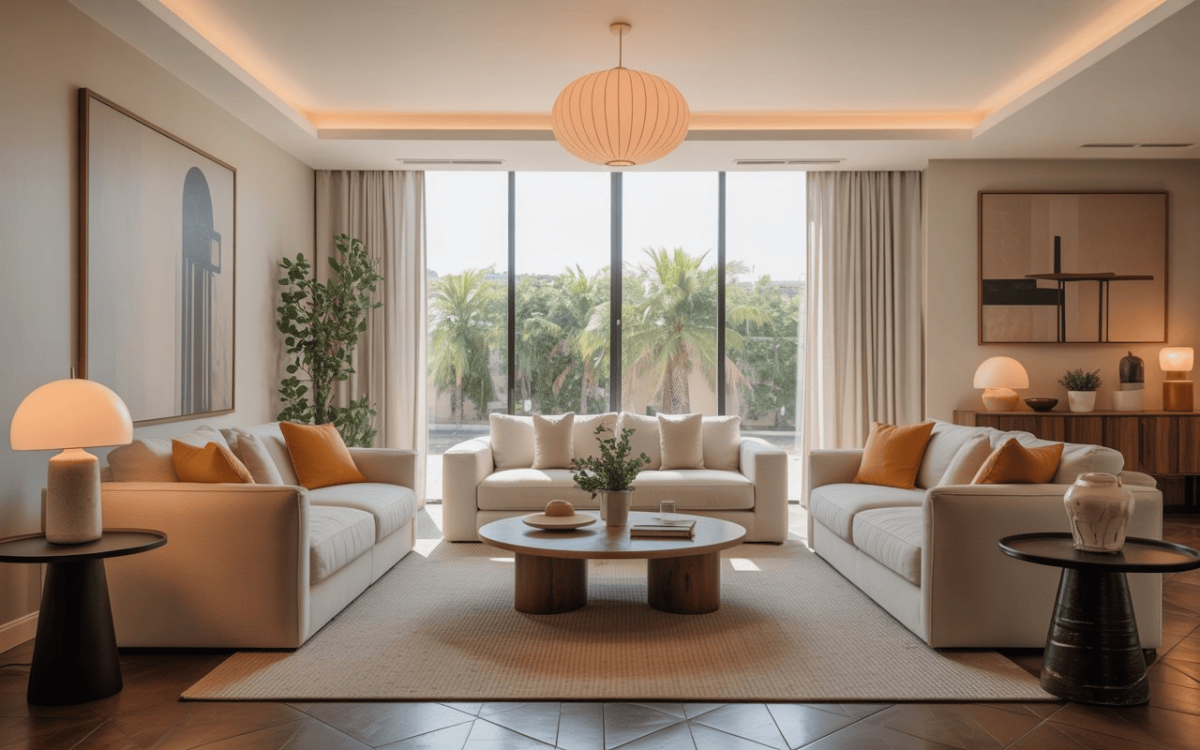
Bring warmth to eco-friendly home interiors with cozy textures and soft hues
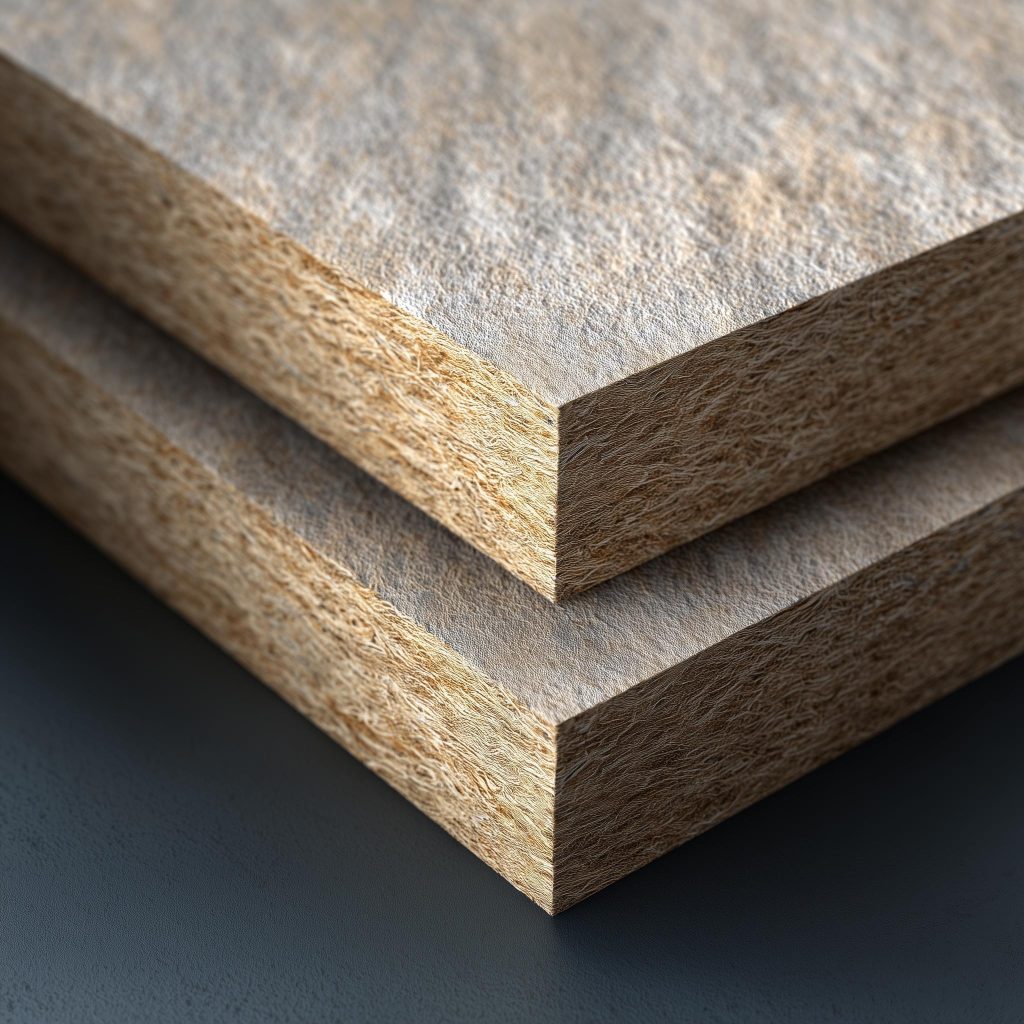
When using wooden furniture, stick to solid wood ones, not plywood, particleboard or fibreboard products that contain formaldehyde. Use reclaimed wood for sturdy outdoor furniture.
Substitute wood in some rooms with rattan or bamboo furniture. The advantage of using bamboo and rattan is that these trees grow fast and renew in just five to seven years. Contrast that with other trees which may take a few decades to fully grow. Rattan armchairs or outdoor furniture make chic statements.
Get stylish cane lampshades for your wall, table or floor lamps. Embellish walls with unique, organic woven pieces.
Use no- or low-VOC (Volatile Organic Compound) products when you choose paints, new furniture, carpets, sealants, varnishes, cleaning products, and air fresheners. When you select a wallpaper, ask for a PVC-free one. In the case of paints, for instance, buy water-based ones that are harmless.
Stay away from synthetic textiles to furnish your home or synthetic stuffing in your pillows. Cotton and silk are much better.
Pick rugs woven from natural materials like jute or hemp.
Reuse, Repurpose, Recycle
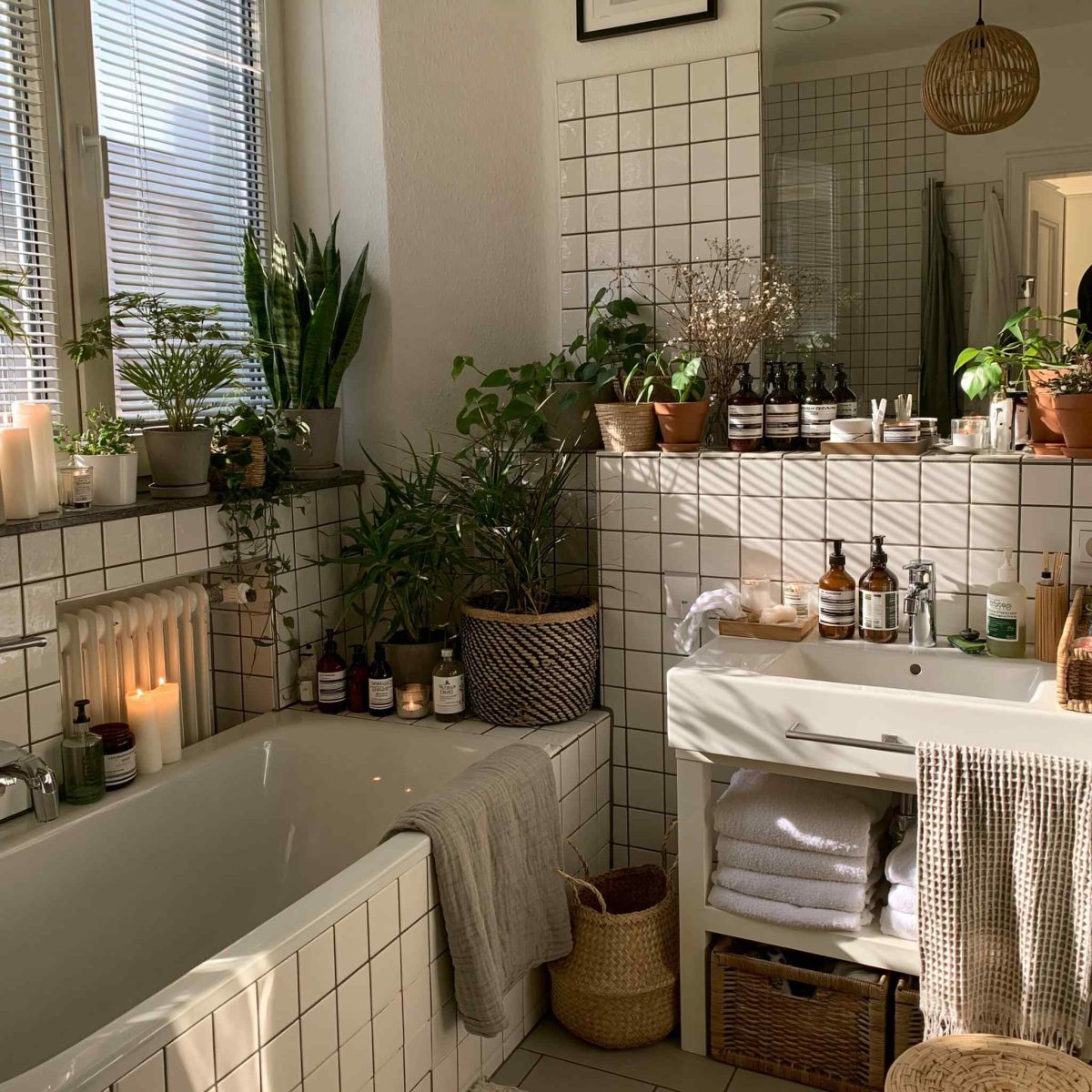
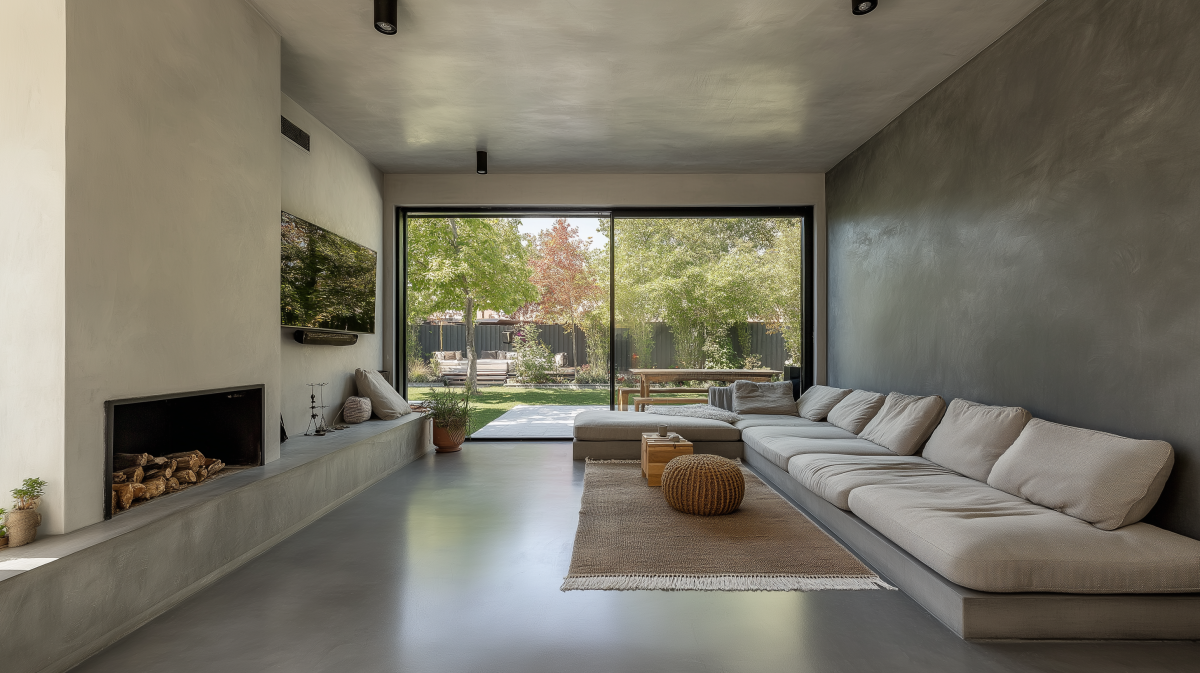
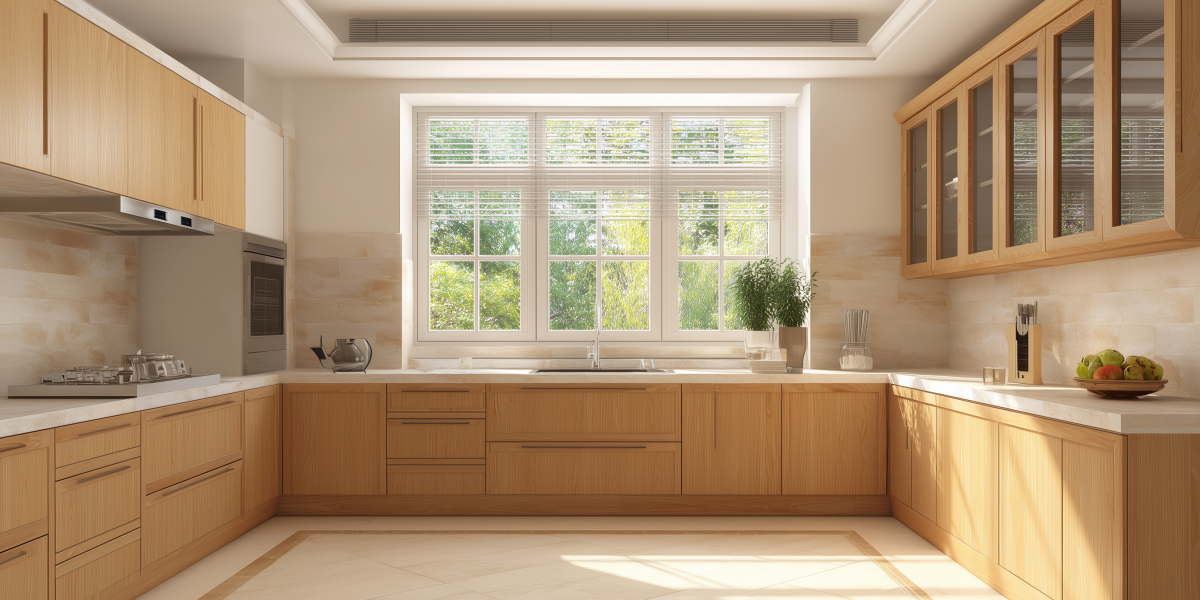
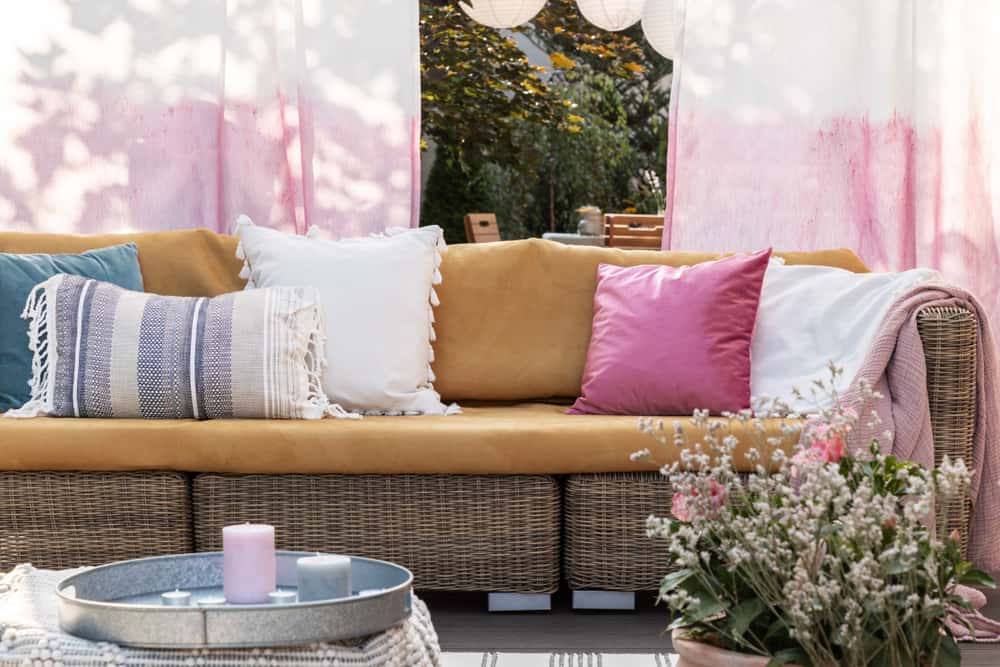
Modern eco-friendly home interiors with handmade décor touches
Recycling or repurposing simply means you aren’t using any new natural resources to create anything from furniture to building materials. In that sense, antiques and used pieces are a great idea. Find them, refurbish them and display them with pride. They always have many stories to tell. Mixing aged pieces with contemporary ones is a trick used by most designers for an eclectic look – borrow that.
Give an old dresser or cupboard a new coat of paint, and new doorknobs.
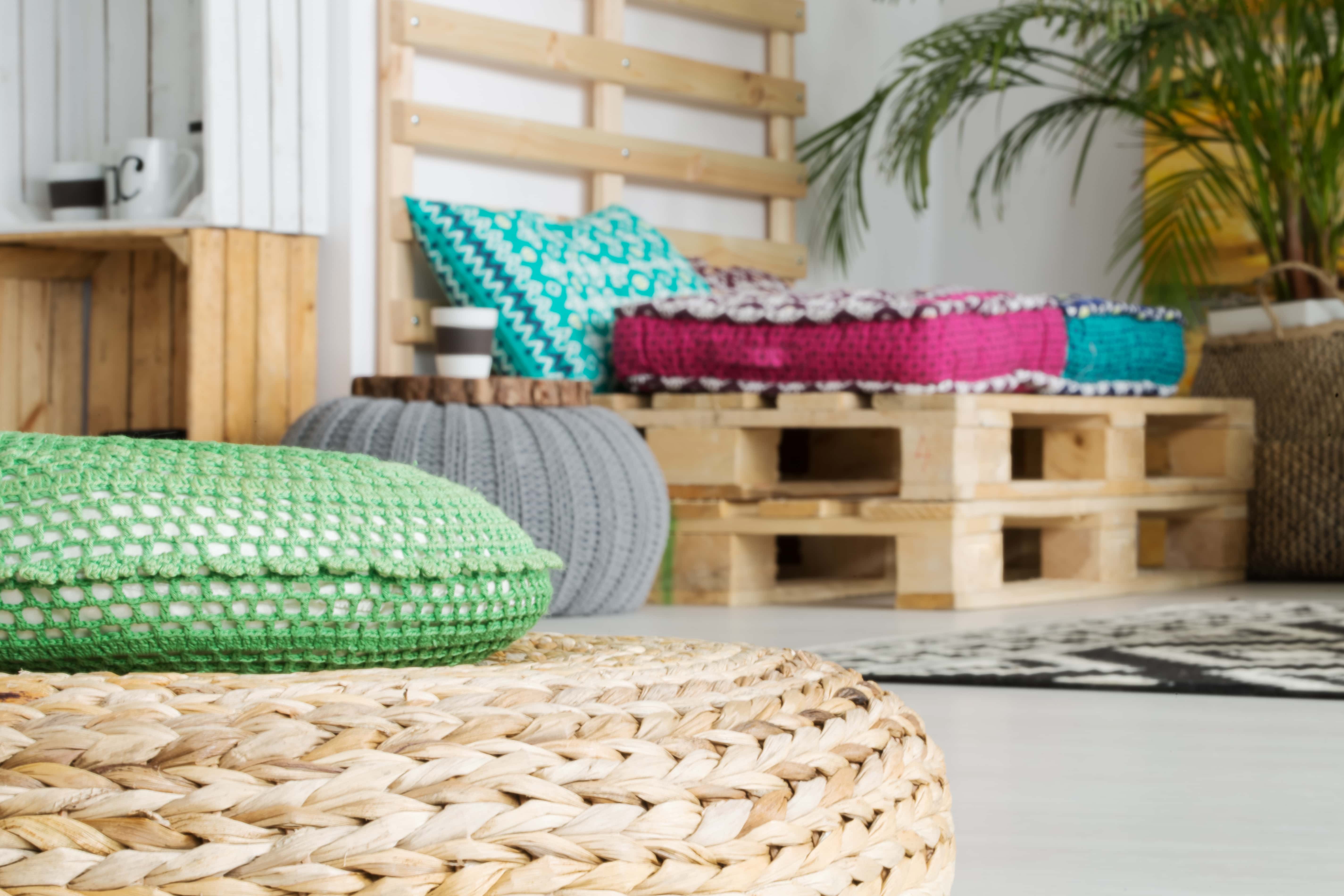
Repurpose old fabric to create brand new pieces, sparking conversations around it. Instead of discarding an old stretch of fabric, cut it, stitch it and embellish it to create unique cushions or curtains. An old trunk can turn into a bedside table.
Buy art made from recycled materials, and hang them in prominent spaces to create an inspiring style statement.
Bring Home Plants and More Plants
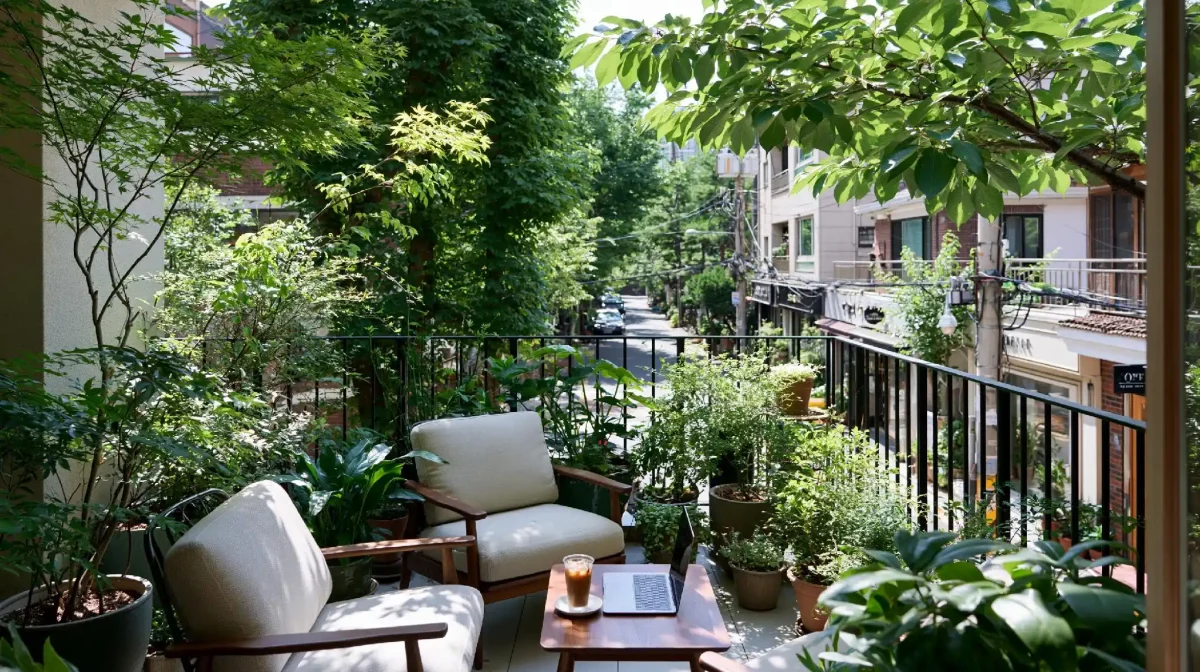
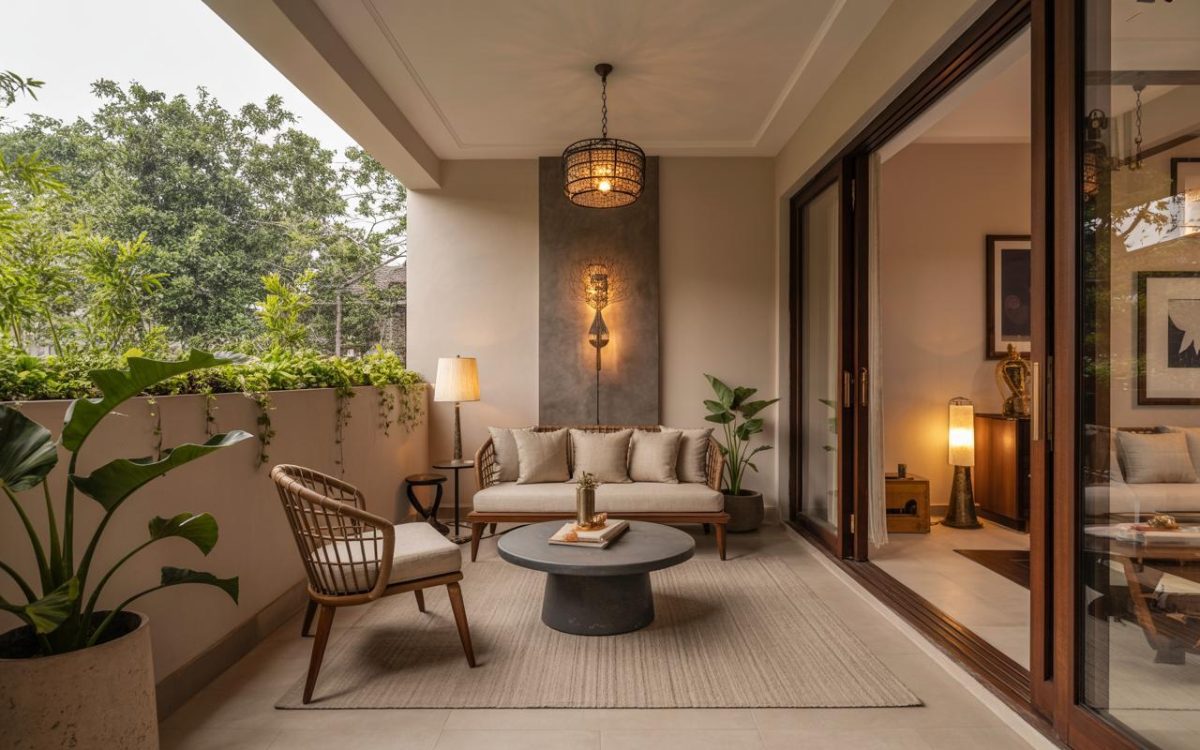
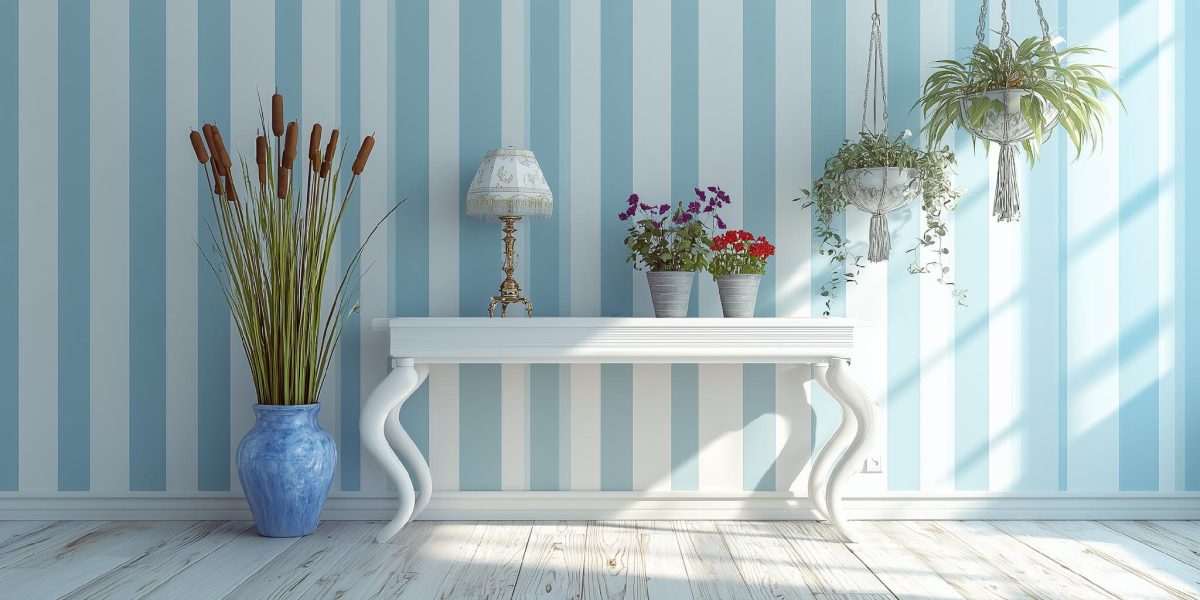
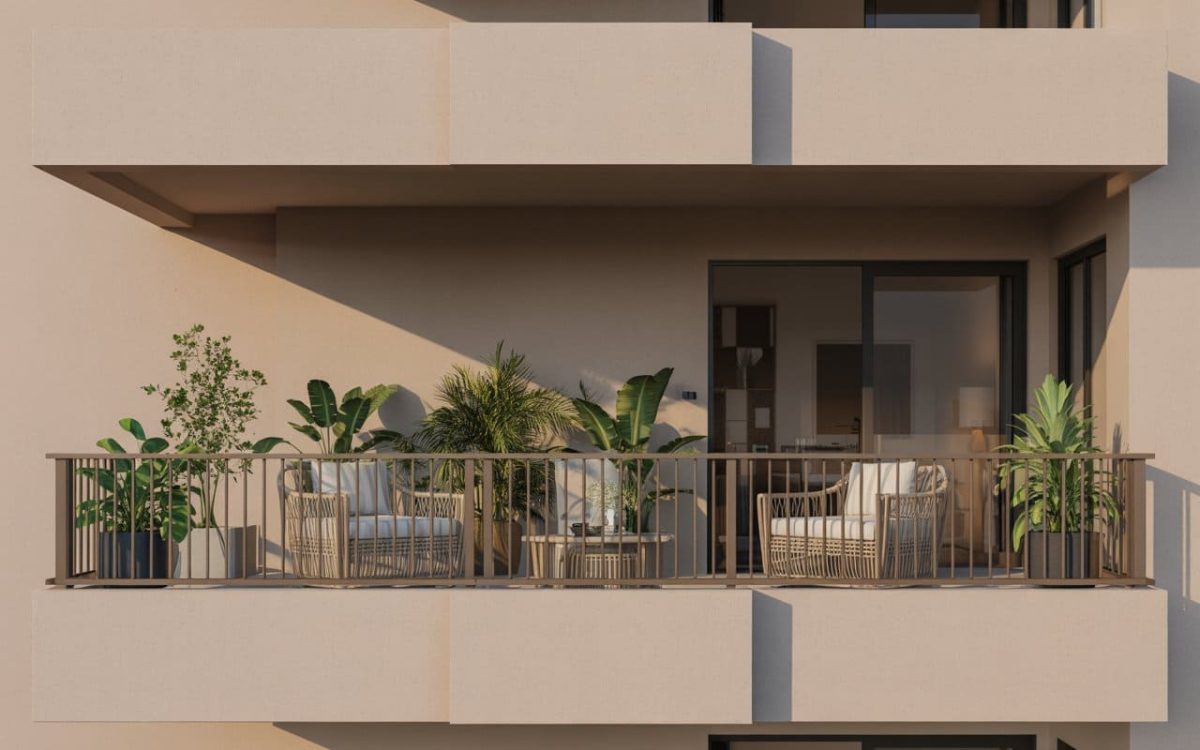
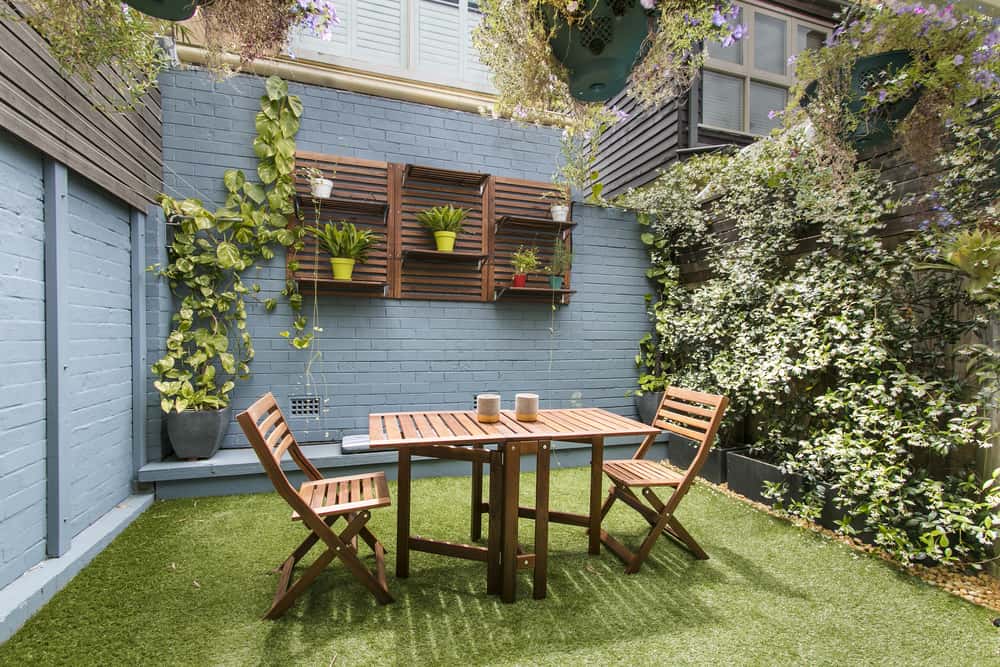
Stylish eco-friendly interior design for a refreshing outdoor retreat
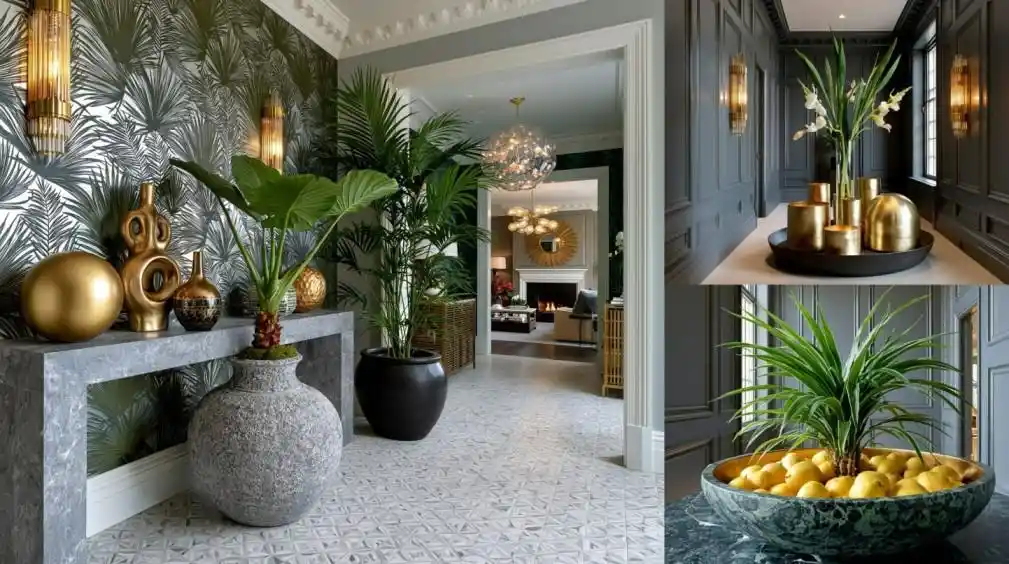
This is the easiest eco-boost you can give your home. If you’re starting from zero, visit a nearby nursery and pick indoor and outdoor plants that suit the sunshine availability and direction of your home. Those like pothos, dracaena, peace lily, and rubber plants are natural air purifiers apart from being good lookers.
Grow a veggie patch in your terrace, backyard, or balcony(especially leafy vegetables, green chilies and lemons). It’s a joy to be able to pluck them off your garden, pesticide-free, and use it in your daily cooking.
Decorate a bare window sill with a group of potted succulents. Plant bamboo or tall palm trees to act as a green boundary for privacy in the compound or your balcony.
A vertical garden or living wall is another wildly popular idea.
Experiment with a variety of planters such as hanging concrete ones, and colossal earthenware cauldrons if space permits.
Say Hello to Daylighting, and Energy-efficient Lighting
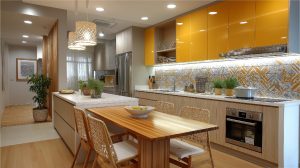
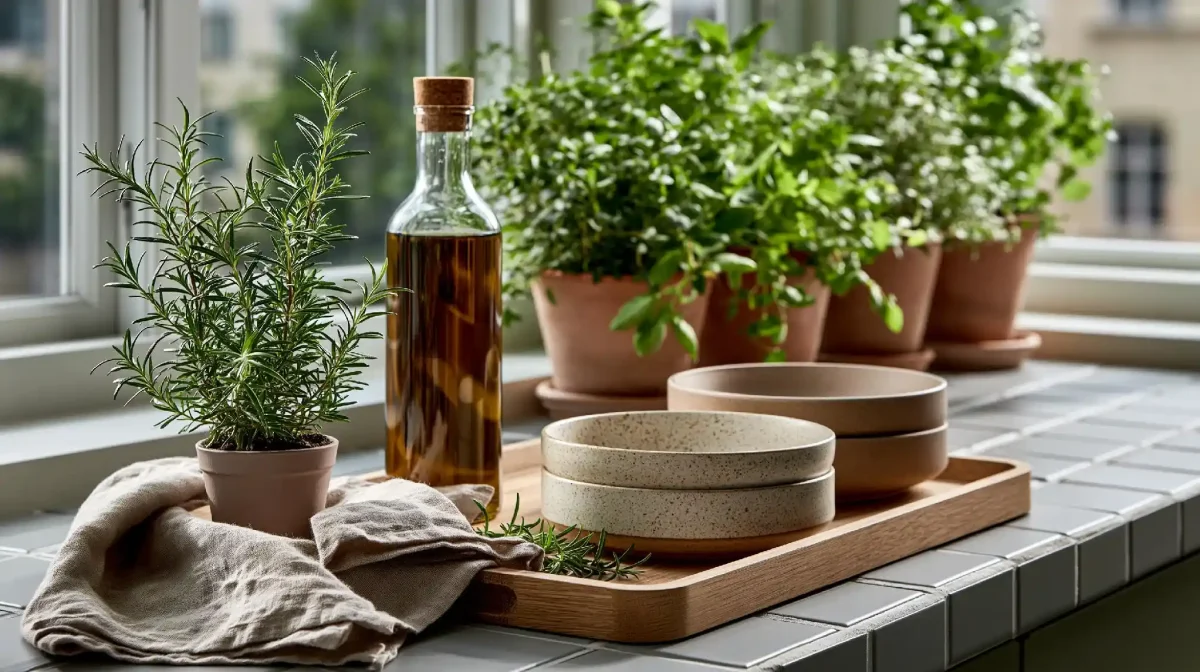
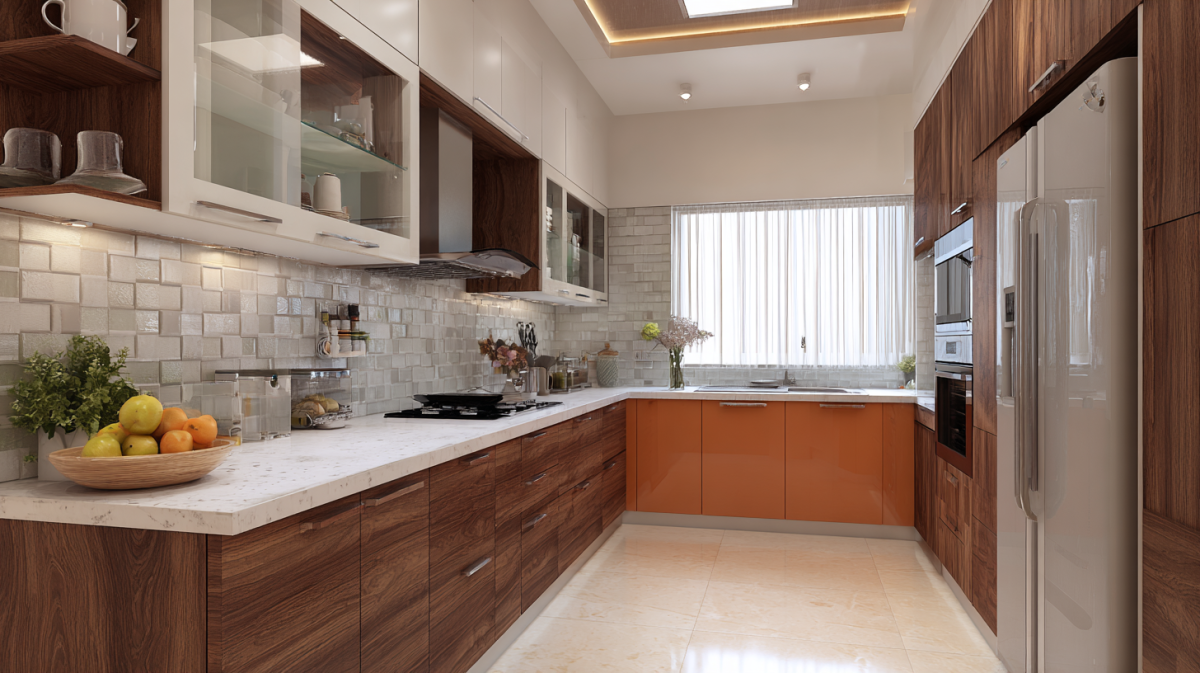
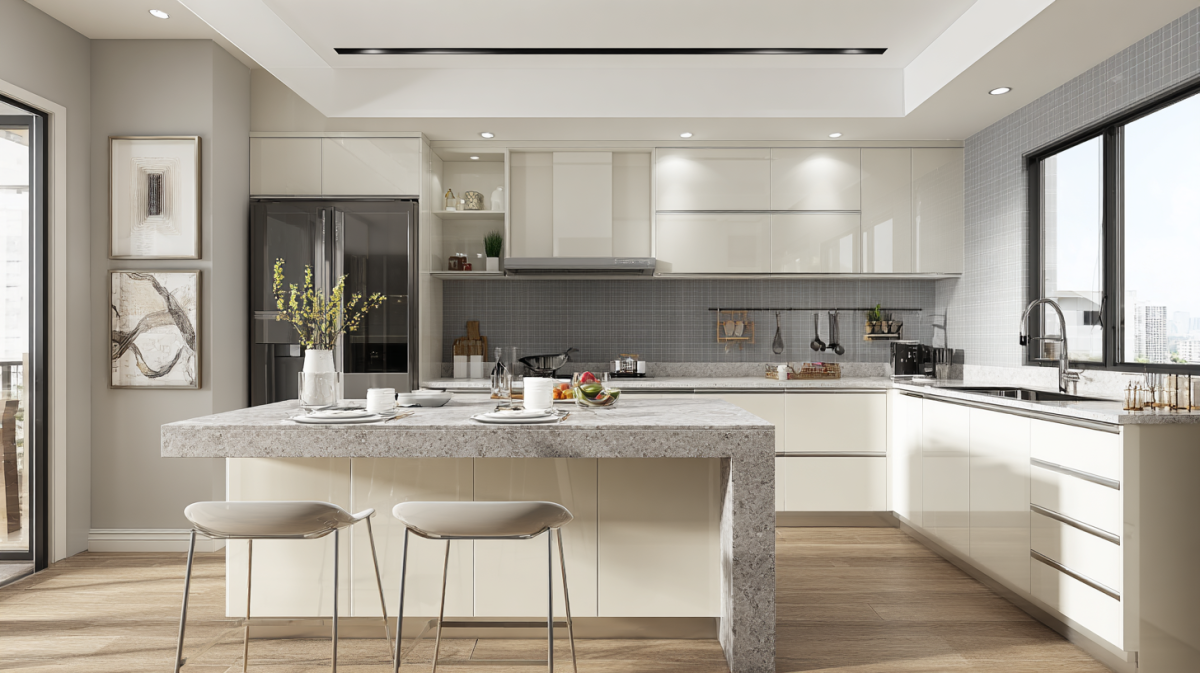
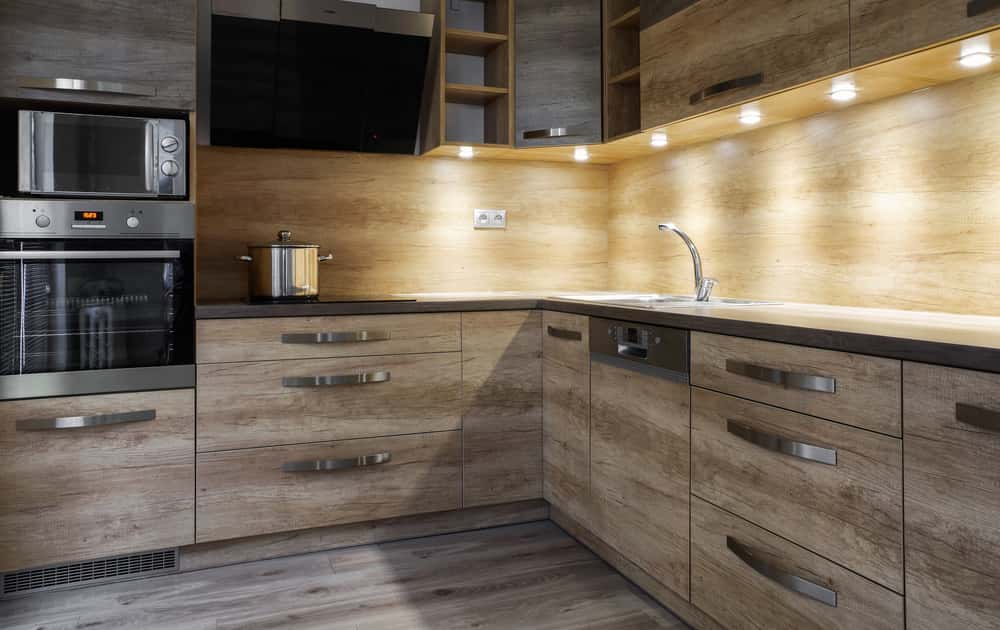
Warm eco-friendly interior design adds elegance to a modern kitchen setup
As much as you can, avoid switching on lights in your home when the sun is out. Let in all the natural light. Use sheer curtains during the day and draw in a night-curtain layer when you need privacy. Use glass or reflective surfaces to give the illusion of a bigger space and add to a room’s brightness. If your home is getting renovated or in the construction phase, opt for skylights or light shafts in darker nooks.
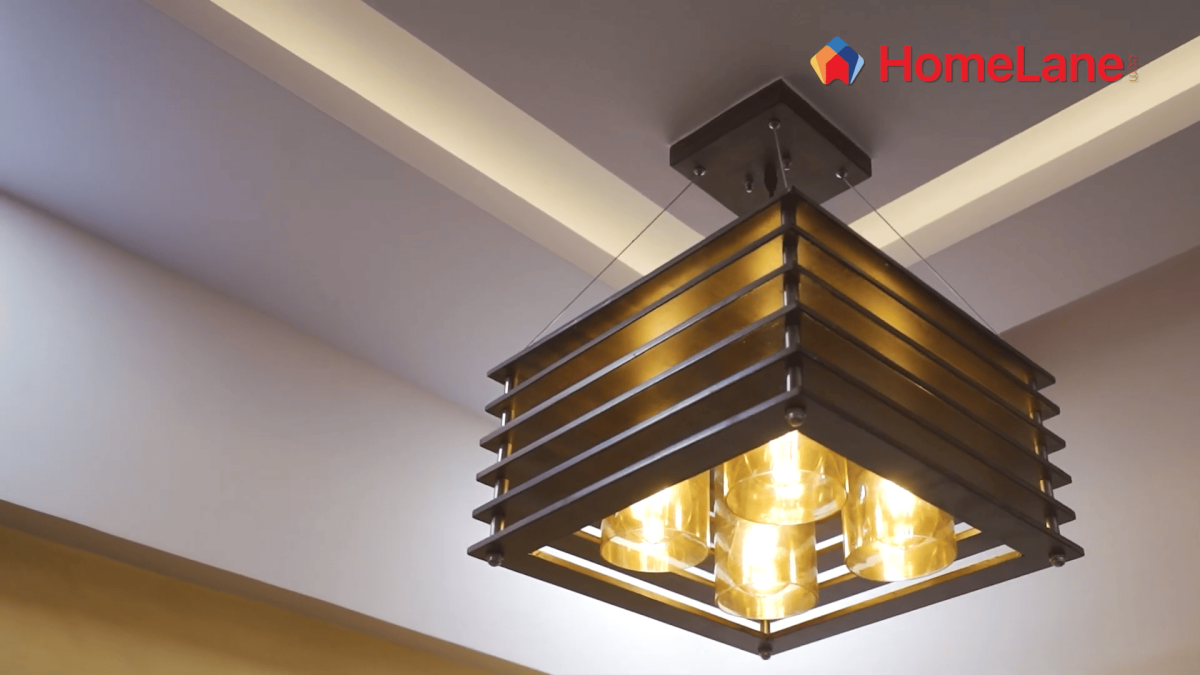
Install energy-efficient lighting. Even small changes like switching all your bulbs to LED will make a significant difference. There are plenty of designer LED lamps and chandeliers available at affordable rates at lighting showrooms now. Create a luxurious look with tape lights on kitchen shelves or above a gallery wall.
Sourced Locally
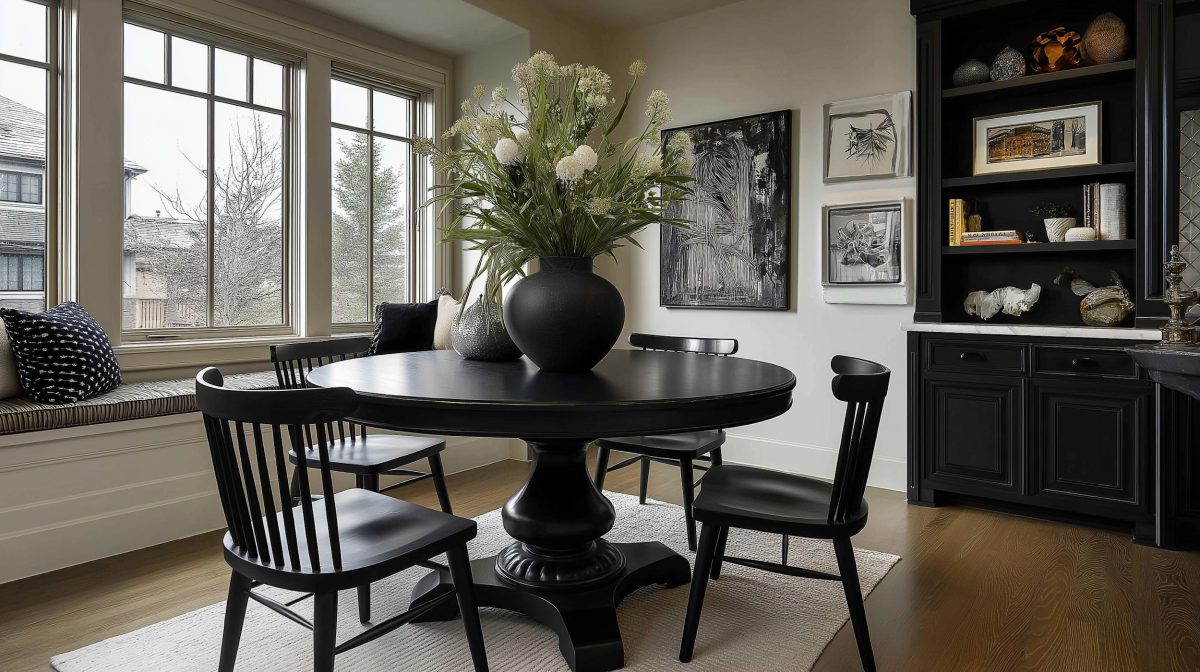
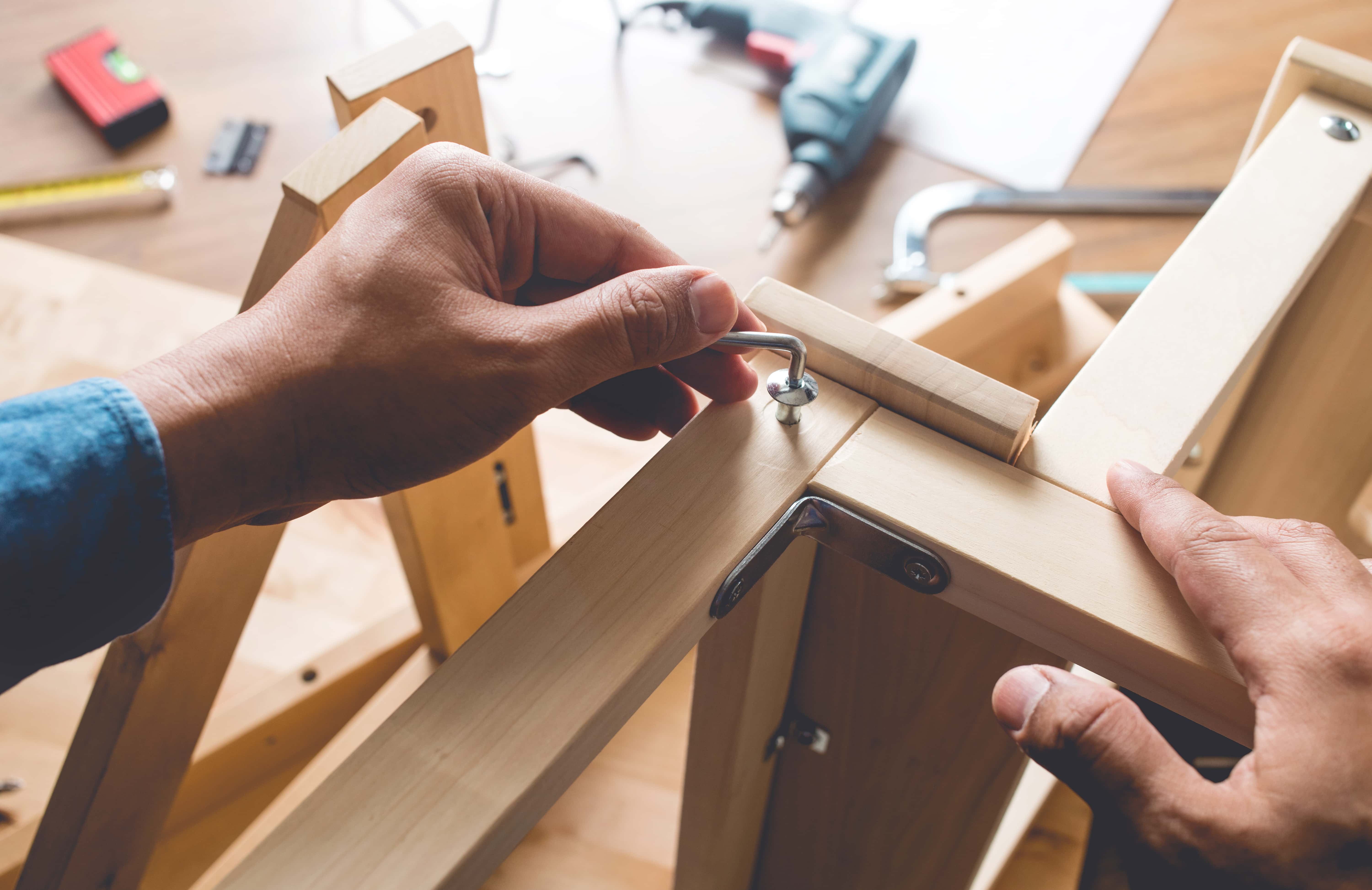
Expert shaping eco-friendly interior design furniture with precision craftsmanship
Get locally crafted products to support the local artisanal community. This reduces your unintentional stress on the environment. Shipping products from various countries each time you buy them may sound fancy, but the carbon footprint it leaves in the form of transportation is enormous. Do it on a budget by purchasing one-of-a-kind pieces by local artisans, or getting it made to order to your tastes.
Visit HomeLane to chat with our home interior experts!
FAQs
1. How can I create eco-friendly home interiors on a budget?
You can design eco-friendly home interiors on a budget by using reclaimed wood, bamboo, and rattan furniture, along with low-VOC paints and natural fabrics like cotton or linen. Repurpose old furniture, buy locally crafted pieces, and use indoor plants to make your space greener and sustainable.
2. What are the best materials for modern eco-friendly home interiors?
The best materials for modern eco-friendly home interiors include bamboo, rattan, reclaimed wood, natural stone, jute, hemp, and cotton. These materials are renewable, non-toxic, and biodegradable, making them ideal for creating sustainable yet stylish interiors.
3. How can lighting enhance eco-friendly interior design?
Lighting plays a key role in eco-friendly interior design. Maximize daylight by using sheer curtains, reflective surfaces, and skylights. Switch to LED lights or solar-powered fixtures to save energy and reduce your carbon footprint while keeping your home bright and modern.
4. What are some easy eco-friendly interior design ideas for apartments?
For small or urban homes, try vertical gardens, bamboo blinds, and recycled décor. Use multipurpose furniture, natural fiber rugs, and local handmade accessories. These simple changes can transform even a small apartment into a modern eco-friendly home interior.
5. What are the key benefits of eco-friendly interior design?
Eco-friendly interior design promotes a healthier lifestyle, reduces environmental impact, and increases energy efficiency. It uses sustainable materials, minimizes waste, and focuses on creating spaces that are both stylish and environmentally responsible.
{“@context”:”https://schema.org”,”@type”:”FAQPage”,”mainEntity”:[{“@type”:”Question”,”name”:”How can I create eco-friendly home interiors on a budget?”,”acceptedAnswer”:{“@type”:”Answer”,”text”:”You can design eco-friendly home interiors on a budget by using reclaimed wood, bamboo, and rattan furniture, along with low-VOC paints and natural fabrics like cotton or linen. Repurpose old furniture, buy locally crafted pieces, and use indoor plants to make your space greener and sustainable.”}},{“@type”:”Question”,”name”:”What are the best materials for modern eco-friendly home interiors?”,”acceptedAnswer”:{“@type”:”Answer”,”text”:”The best materials for modern eco-friendly home interiors include bamboo, rattan, reclaimed wood, natural stone, jute, hemp, and cotton. These materials are renewable, non-toxic, and biodegradable, making them ideal for creating sustainable yet stylish interiors.”}},{“@type”:”Question”,”name”:”How can lighting enhance eco-friendly interior design?”,”acceptedAnswer”:{“@type”:”Answer”,”text”:”Lighting plays a key role in eco-friendly interior design. Maximize daylight by using sheer curtains, reflective surfaces, and skylights. Switch to LED lights or solar-powered fixtures to save energy and reduce your carbon footprint while keeping your home bright and modern.”}},{“@type”:”Question”,”name”:”What are some easy eco-friendly interior design ideas for apartments?”,”acceptedAnswer”:{“@type”:”Answer”,”text”:”For small or urban homes, try vertical gardens, bamboo blinds, and recycled décor. Use multipurpose furniture, natural fiber rugs, and local handmade accessories. These simple changes can transform even a small apartment into a modern eco-friendly home interior.”}},{“@type”:”Question”,”name”:”What are the key benefits of eco-friendly interior design?”,”acceptedAnswer”:{“@type”:”Answer”,”text”:”Eco-friendly interior design promotes a healthier lifestyle, reduces environmental impact, and increases energy efficiency. It uses sustainable materials, minimizes waste, and focuses on creating spaces that are both stylish and environmentally responsible.”}}]}










 EXPLORE MORE