Understand the carcass, the internal structure of a modular kitchen, for enhanced durability and performance beyond just aesthetics.
Key Insights:
What You'll Read Here:
Plywood and HDHMR are top choices for durable, moisture-resistant carcasses in Indian kitchens.
A well-built carcass can last two decades or more with proper care.
Prioritise carcass structure over visible finishes for long-term kitchen stability and function.
HOMELANE EXPERT TIPBy our design team
Invest in high-quality carcass materials like BWP plywood or HDHMR for lasting kitchen integrity, as these are difficult and costly to replace later.
Summary
When you start planning a modular kitchen, most conversations revolve around finishes, colours, and how everything will look. But what really decides how your kitchen performs over time is something you don’t usually see: the carcass in modular kitchen design.
Think of it as the core structure that holds it all together. While shutters bring in style, the carcass is what supports weight, handles daily use, and keeps your kitchen stable for years. Understanding this one element can completely change how you plan your kitchen.
Best for
Homeowners planning a modular kitchen, or anyone wanting to know more about modular kitchens
Expert tip
Always prioritise the structure first. You can update finishes later, but replacing the carcass is expensive and disruptive.
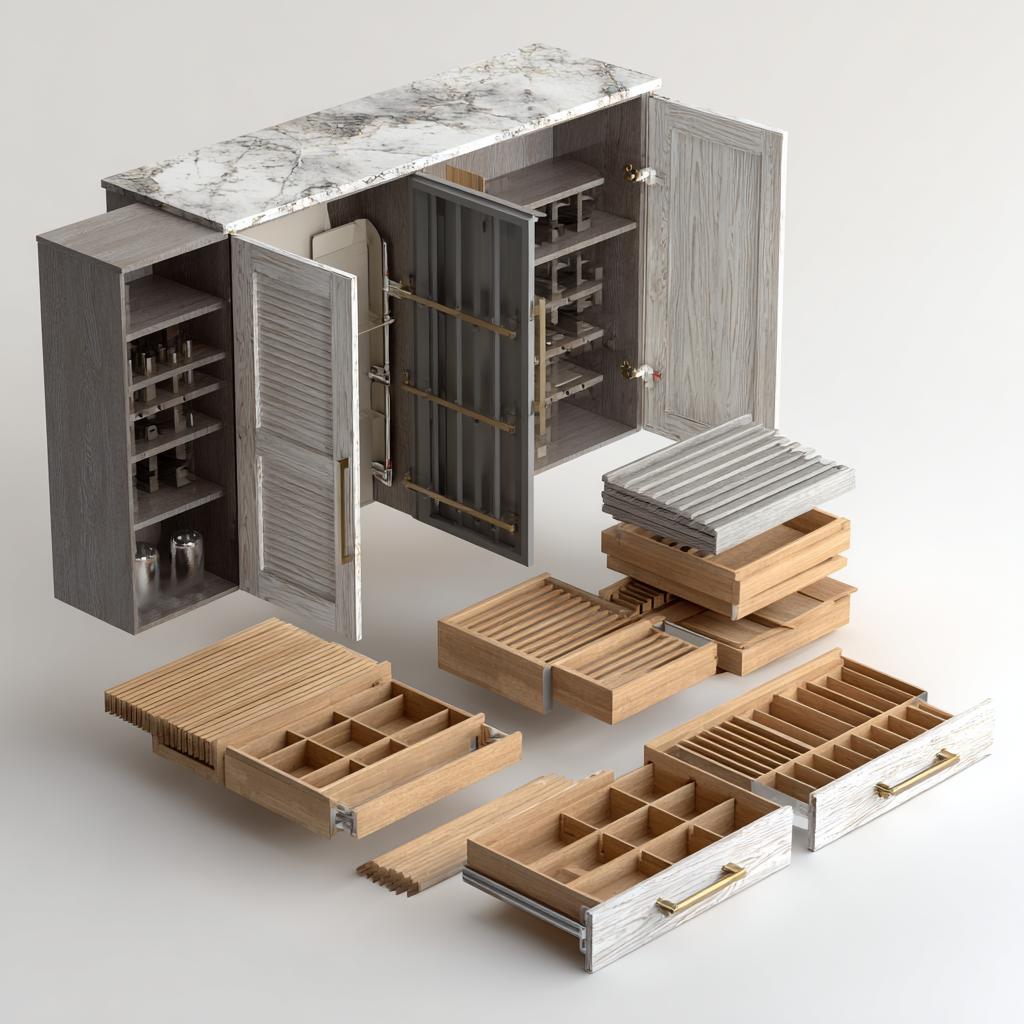
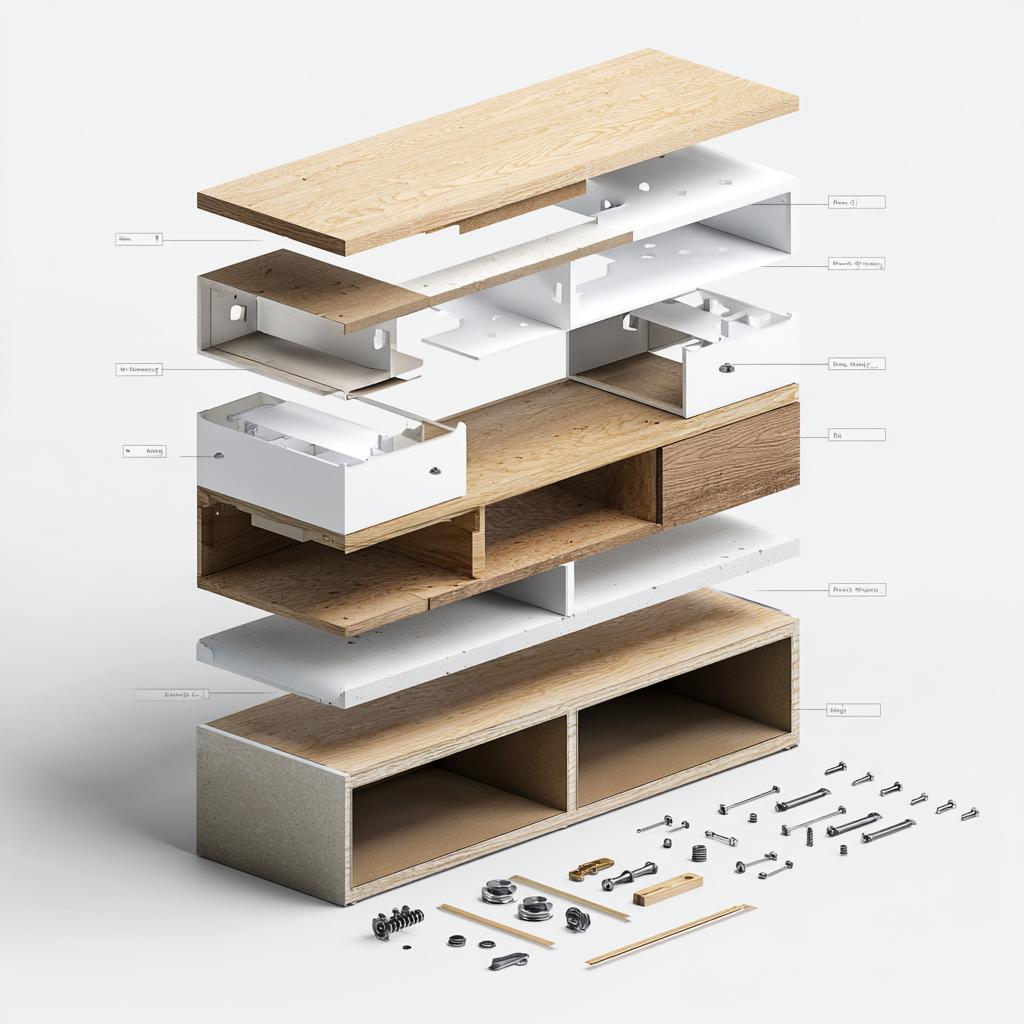
An exploded cabinet view reveals the carcass box structure that supports every modular kitchen unit.
Most people plan their kitchen from the outside in. Colours first. Finishes next. Maybe even handles and lighting. And somewhere along the way, the structure gets reduced to a line item. But here’s the thing. Two kitchens can look exactly the same on the outside and perform very differently over time. One stays solid, aligned, and easy to use. The other starts showing wear much sooner.
That difference usually comes down to one thing, the carcass in modular kitchen design. It’s not the most talked-about part. It’s not even visible once the kitchen is complete. But it quietly decides how well everything else holds up. And once you understand what it does, you start looking at kitchen design very differently.
Here’s the complete lowdown on the carcass types, materials and finishes, and what the differences are between the carcass and the shutters.
What Does the Carcass Mean in a Modular Kitchen?
This exploded view clearly shows how the carcass box sits separately from shutters and drawer fronts.
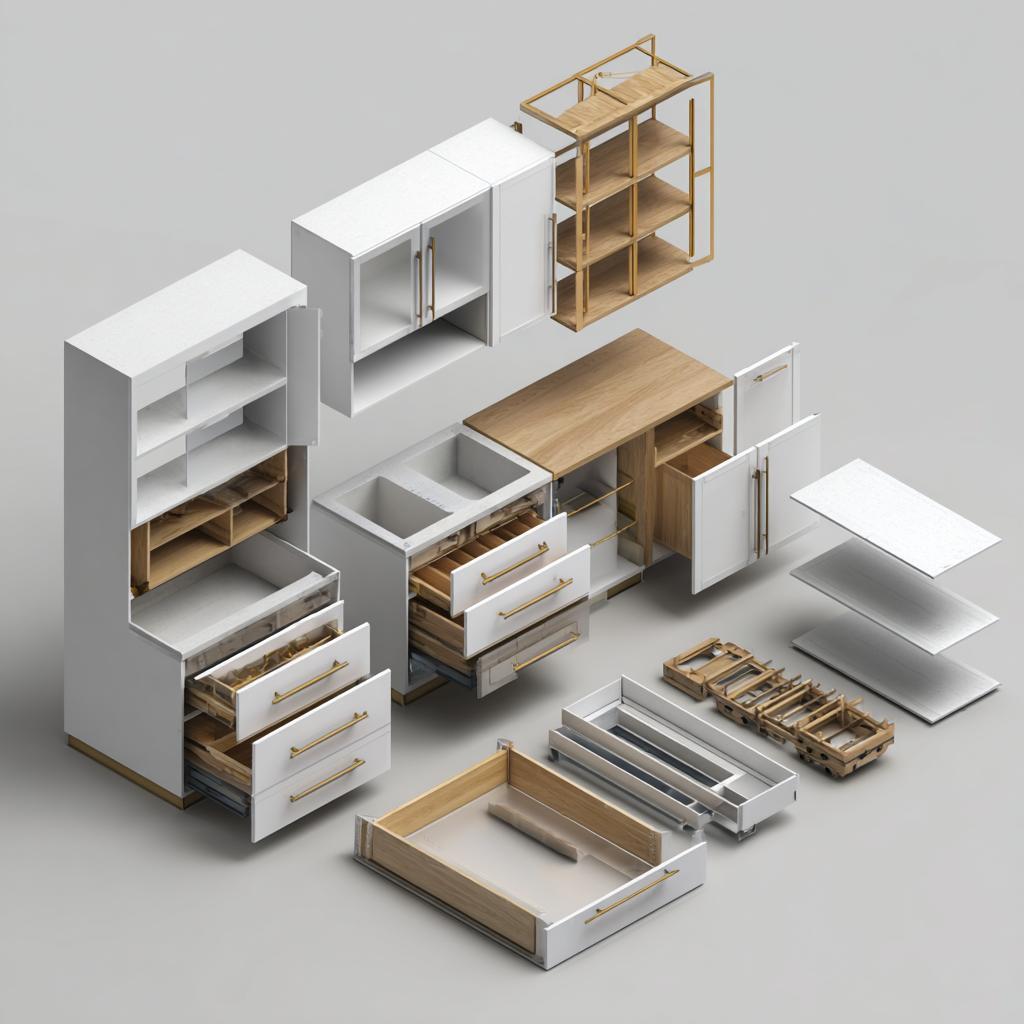
It includes the side panels, top and bottom boards, back panel, and internal shelves. Together, these form the carcass box, which is the base on which everything else is built. Once this structure is in place, shutters, handles, and finishes are added on top. If you remove all the outer layers, what remains is the carcass. That is why it is considered the functional core of your kitchen.
Even if two kitchens look the same from the outside, their durability can differ based on the carcass material used.
Carcass vs Shutters: Key Differences Explained
A layered assembly diagram shows the side panels, shelves, and hardware that form the kitchen carcass.
A common confusion is between carcass and shutters. They are not the same.
The carcass box is the internal structure, the part that supports weight and ensures stability. Shutters, on the other hand, are the visible doors and drawer fronts that define how your kitchen looks. You can change shutters over time to refresh the design.
But the carcass stays. If the carcass is strong, your kitchen continues to perform well even after years of use. If it is not, issues like sagging, misalignment, or swelling can start showing up. That is why experienced designers always suggest investing more in the structure than the surface.
Types of Carcass Materials Used in Modular Kitchens
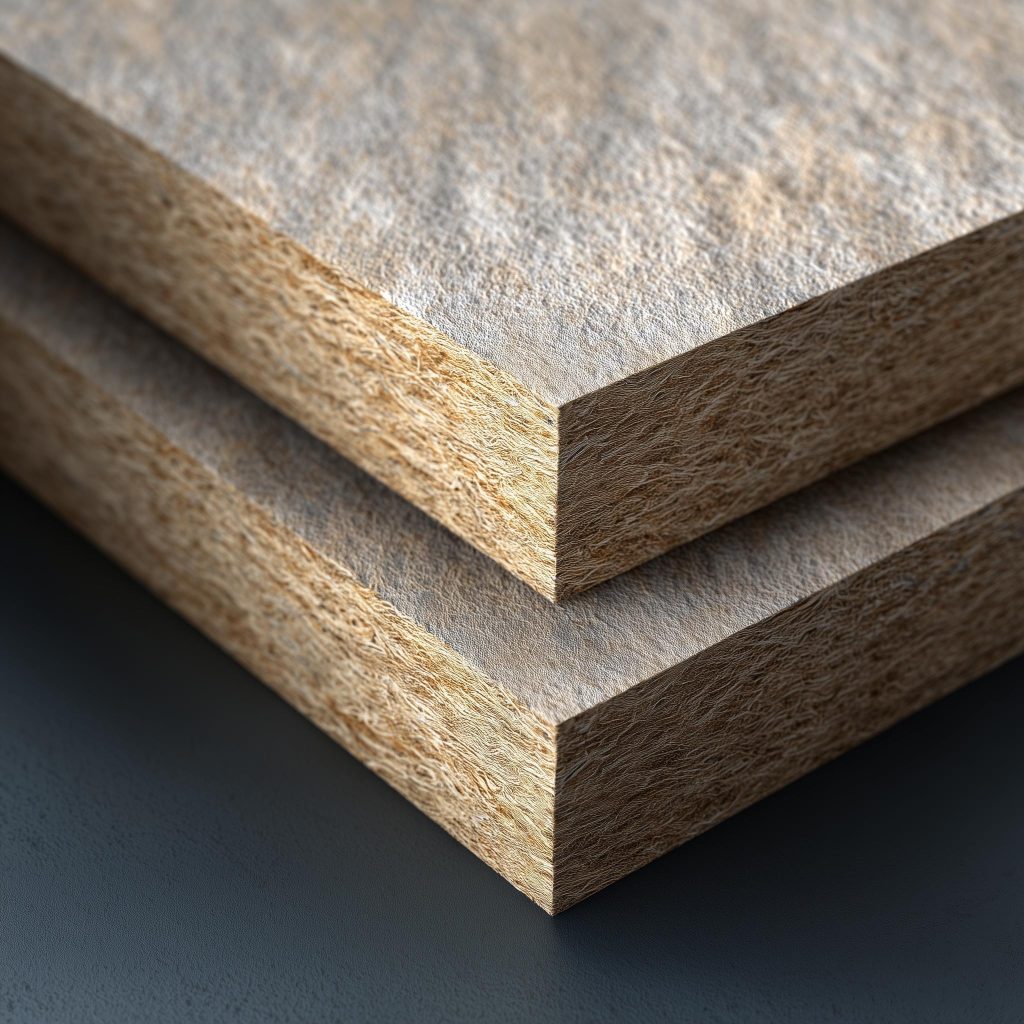
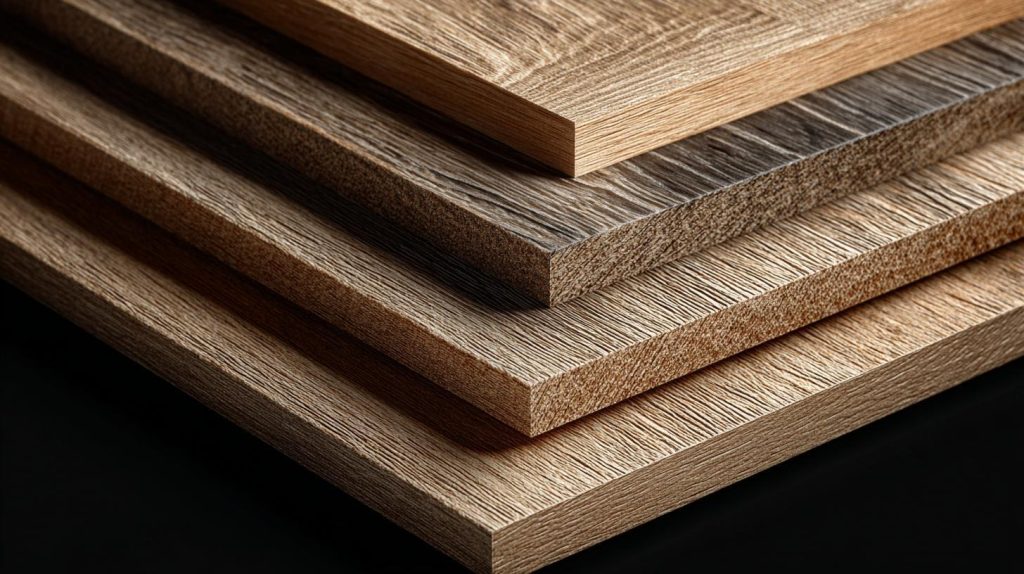
Stacked plywood boards highlight the material choices that directly affect modular kitchen carcass durability.
The material you choose for your carcass directly affects durability and maintenance. Here are the most commonly used options:
Plywood (BWP/BWR): Highly durable and resistant to moisture. BWP (Boiling Water Proof) plywood is especially suitable for Indian kitchens where exposure to water is frequent.
HDHMR (High-Density High Moisture Resistant board): A newer option that offers a smooth finish and good resistance to humidity. It is denser than MDF and performs well in most conditions.
MDF (Medium-Density Fibreboard): Budget-friendly and with a smooth surface, but less resistant to water. It works better in areas with minimal moisture.
Particle Board: Cost-effective but less durable compared to other options. It is more suitable for light-use kitchens or rental setups.
Each material has its place. The right choice depends on how your kitchen is used.
How to Choose the Right Carcass Material
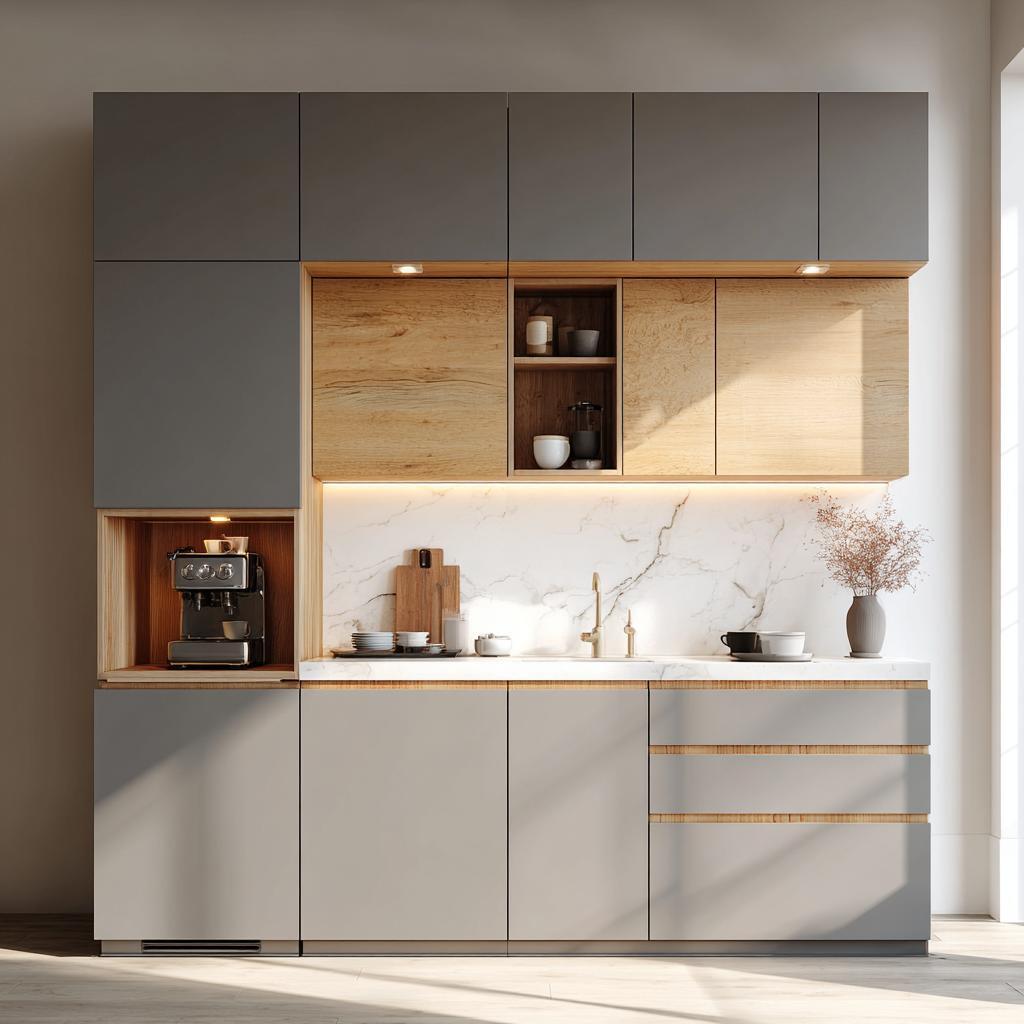
A well-built modular kitchen with mixed finishes depends on the right carcass material for lasting strength.
Choosing the right carcass in a modular kitchen setup is about practicality. Start with the usage. If your kitchen sees daily, heavy cooking, go for moisture-resistant and durable materials like BWP plywood. The areas near the sink especially need stronger protection.
Next, consider your budget. While premium materials cost more upfront, they often reduce maintenance and repair costs later. Also think about compatibility with finishes. Some materials work better with laminates, while others suit acrylic or other finishes. The idea is not to choose the most expensive option, but the one that fits your lifestyle best.
Why Carcass Quality Matters in a Modular Kitchen
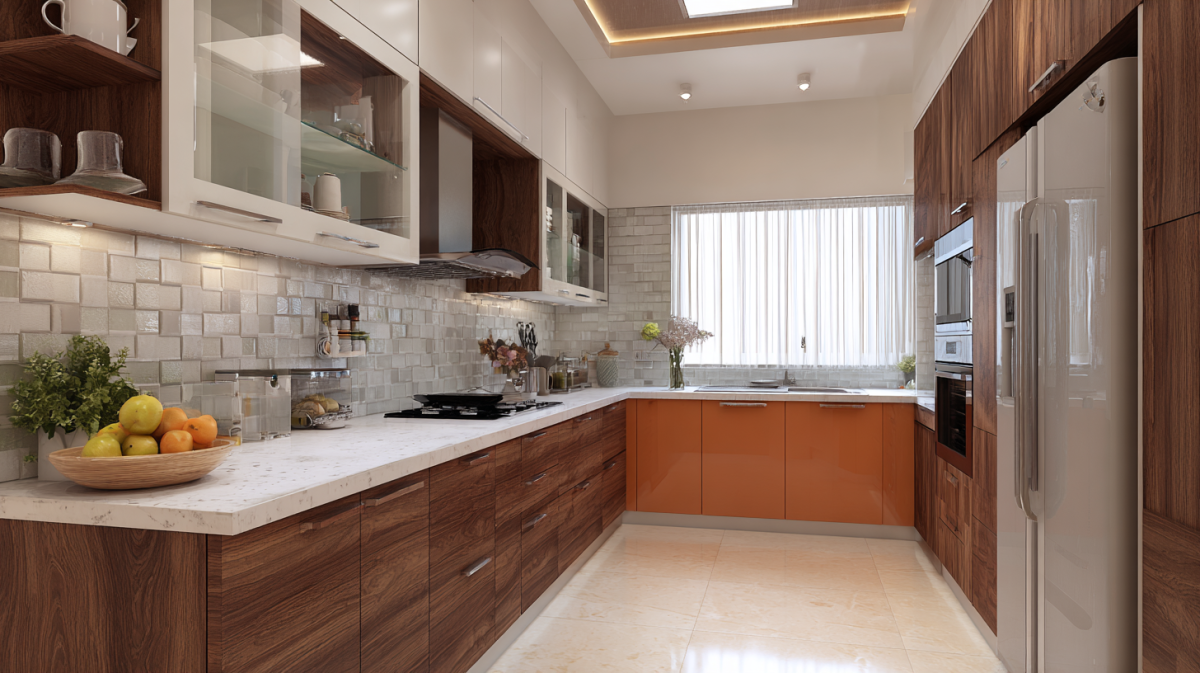
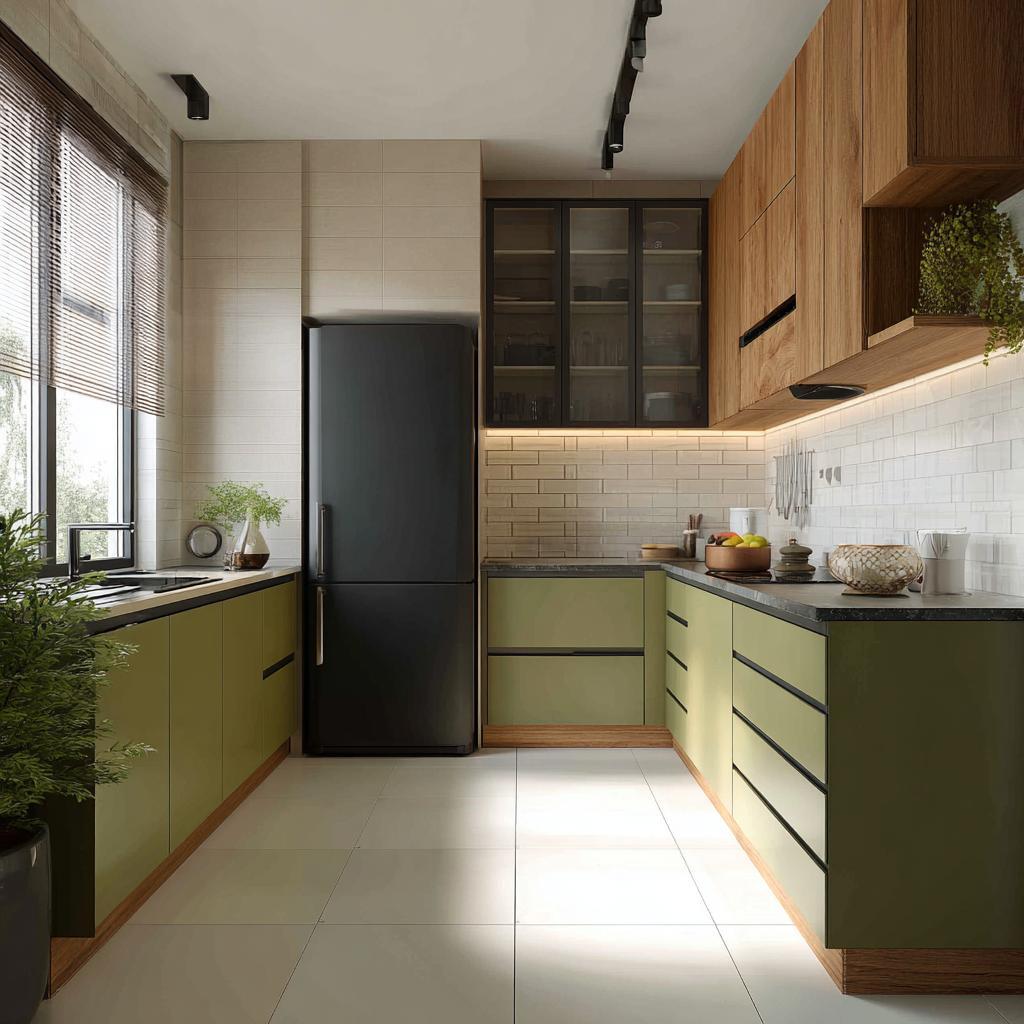
A sturdy green modular kitchen shows how good carcass quality keeps cabinets aligned and stable over time.
The carcass in kitchens goes beyond structure. It directly affects how your kitchen performs every day. A strong carcass keeps the cabinets from bending under weight, and ensures that the drawers slide smoothly, and units stay aligned over time. It also offers better resistance to moisture and wear.
On the other hand, a weak carcass can lead to issues like swelling, chipping, or structural damage. Since the carcass is not easily replaceable, its quality becomes even more important. It may be hidden, but it is where the real value of your kitchen lies.
A Detail You Don’t See, But Always Feel
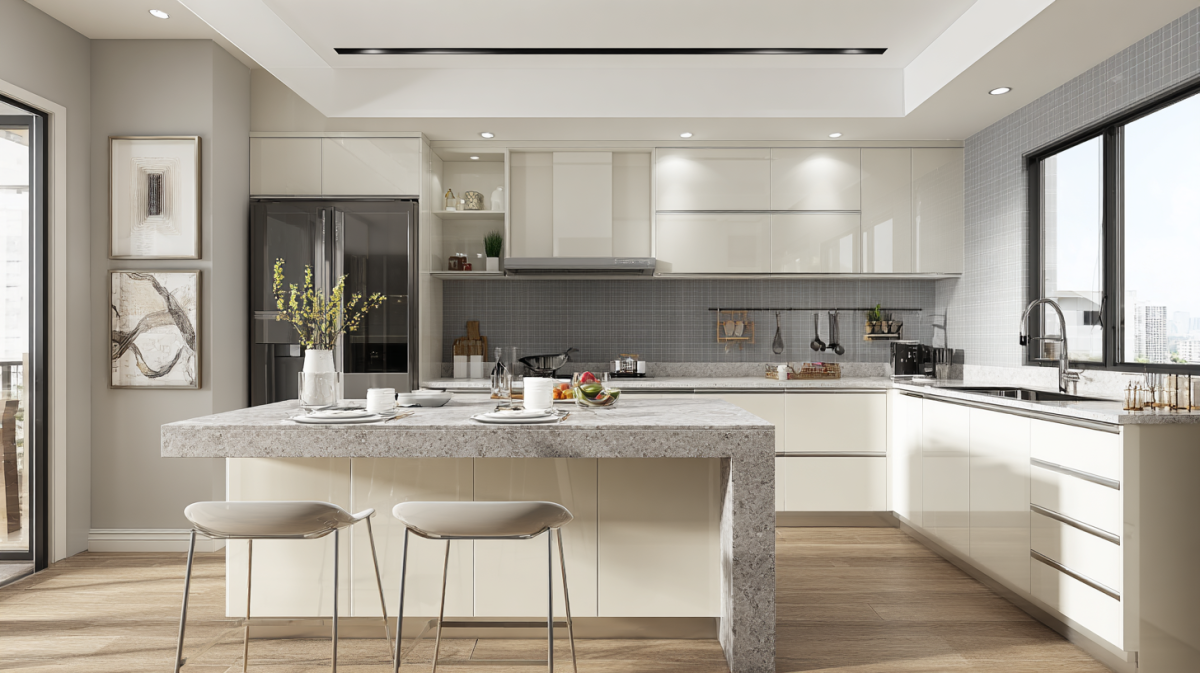
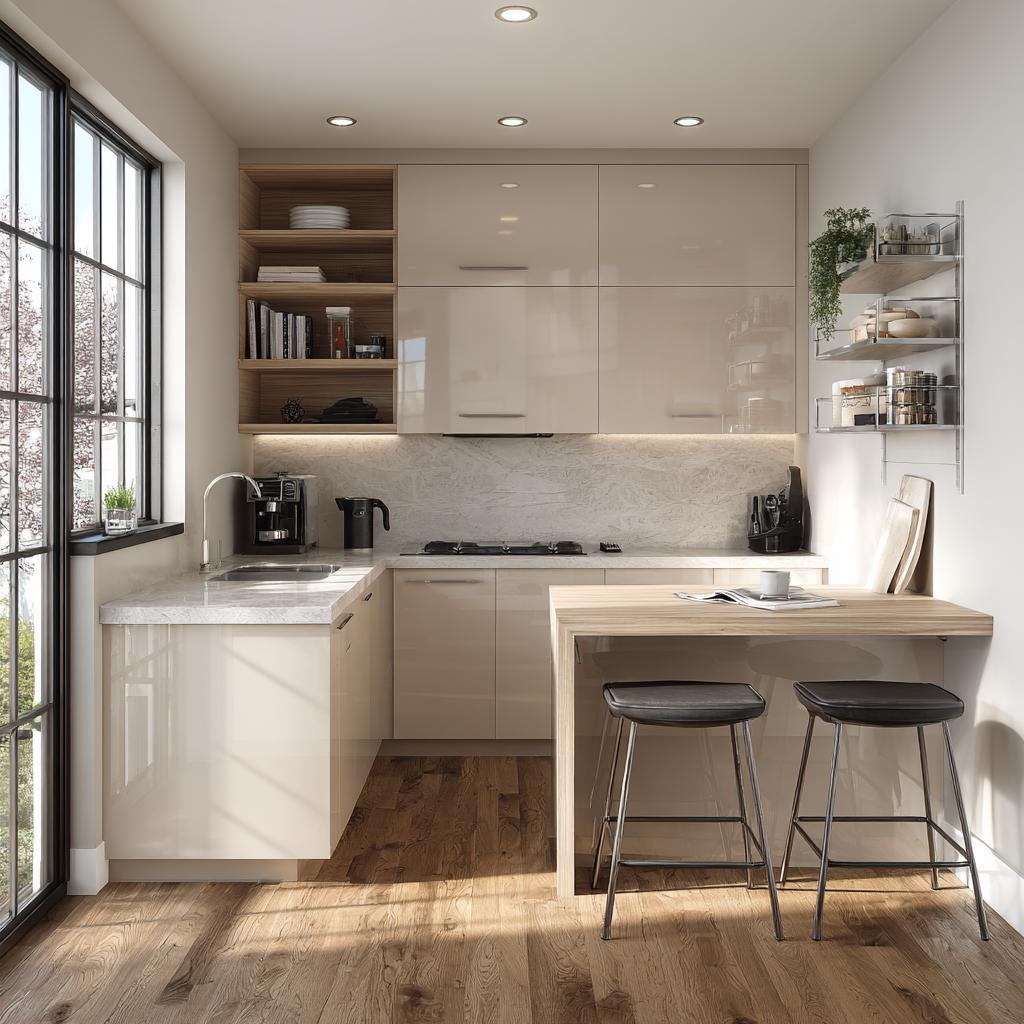
A bright modular kitchen with glossy shutters reminds us that the carcass beneath determines long-term performance.
A well-designed kitchen is not just about how it looks. It is about how it works over time! Once you understand the role of the carcass box, you start making decisions differently. You look beyond finishes and focus on strength, durability, and ease of use.
And that is what makes a kitchen truly long-lasting. Just how we like to do things at HomeLane!
FAQs
1. What does the carcass in a kitchen actually include?
The carcass in a modular kitchen includes the internal cabinet structure, side panels, base, back panel, and shelves. It forms the main support system for all storage units. While it is not visible, it is what holds everything together.
2. What does carcass mean in furniture design?
The meaning of carcass in furniture design is the main structural body of a unit. It is the framework that provides strength and shape before any finishes or decorative elements are added. This applies to cabinets, wardrobes, and other storage units.
3. How is a carcass different from a cabinet frame?
A carcass is the complete box structure of a cabinet, which includes the panels, shelves and so on. A frame, on the other hand, usually refers to just the front support structure. In modular kitchens, the carcass is the full internal unit that supports storage.
4. Which carcass material is best for a modular kitchen?
Materials like BWP plywood and HDHMR boards are generally preferred for their durability and moisture resistance. The best choice depends on your kitchen usage and exposure to water. Investing in a good material ensures long-term performance.
5. How long does a kitchen carcass typically last?
A well-built carcass furniture structure can last two decades or more. The durability depends on the material quality, how you use the cabinets, and maintenance.


















 EXPLORE MORE

