Best Termite Proof Wood in India: Types, Treatment and Cost
By Usha Balasubramanyan- June 11, 2026
AI Summary
3 key insights · 1 expert tip
Choosing wood based on natural termite resistance like teak or sal, or opting for chemically treated plywood and engineered wood, protects Indian home interiors from slow, hidden termite damage.
Key Insights:
What You'll Read Here:
Teak’s natural oils, sal’s density and sheesham’s durability make them the most trusted naturally termite-resistant woods, though none offer complete immunity.
Treated plywood or engineered wood suits furniture at a lower cost, while doors and frames that take more stress hold up better in stronger natural woods like teak or sal.
Fine powder near wooden surfaces, hollow sounds when tapping wood, and tiny surface holes are the earliest signs of termite damage, and regular inspection catches problems before they spread.
HOMELANE EXPERT TIPBy our design team
Ask specifically whether the anti-termite treatment was applied to the plywood core itself rather than just sprayed on the surface after cutting, because a surface-only treatment loses its protection at every cut edge and joint, which is exactly where termites tend to enter first.
Termites settle in quietly and spread through wood before visible damage appears in Indian homes.
You invest in good wood, pick the right finish, and get hold of experienced carpenters who do a lovely job. Then, you expect it to last for years. And one day, you spot fine dust near a cabinet or notice a hollow sound when you tap a surface. That’s usually when the worry kicks in.
Termites don’t show up dramatically. They settle in quietly, spread through hidden spaces, and by the time you notice, they’ve already made themselves comfortable. In Indian conditions, with heat and humidity working in their favour, wood becomes an easy target if it isn’t chosen or treated well. So how do you stay ahead of these pests? What actually works when it comes to termite resistant wood in India? Let’s break it down in a way that helps you make decisions you won’t regret later.
Why Wood and Termites Are a Dangerous Combination in India
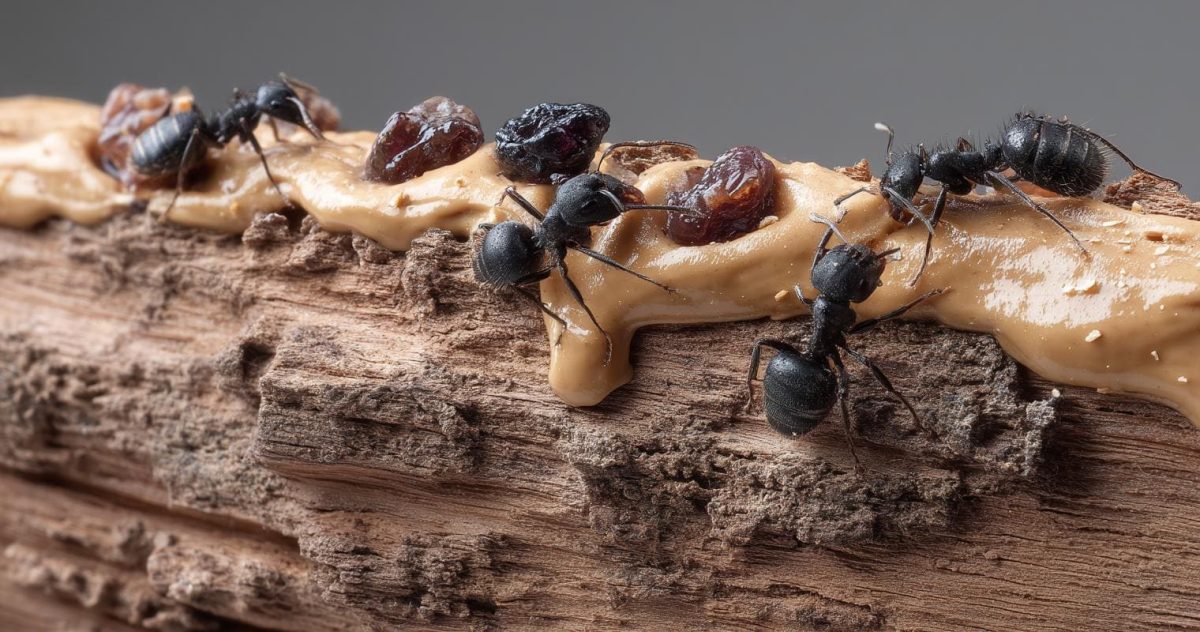
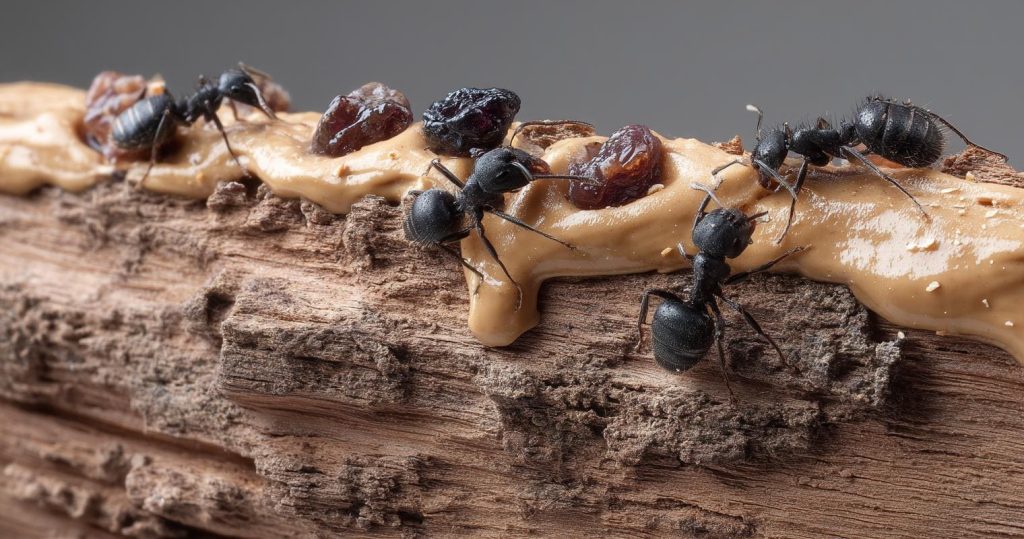
Pest damage on untreated wood highlights why anti-termite treatment matters before installation.
Termites love the same conditions we live in: a combination of warm weather, moisture, and enclosed spaces makes it easy for them to thrive. Once they find wood, they don’t just nibble at it, they so all they can to keep spreading!
And the real problem is not just the damage, but how hidden it is. Termites can travel through tiny cracks, reaching furniture and structural wood easily. So by the time you see outward signs, the damage has usually been building for a while, and it may be too late to save your furniture. That’s why choosing the best wood for termite resistance in India is not just about strength or looks. It’s about preventing a slow, expensive problem.
What Actually Makes Wood Termite Proof?
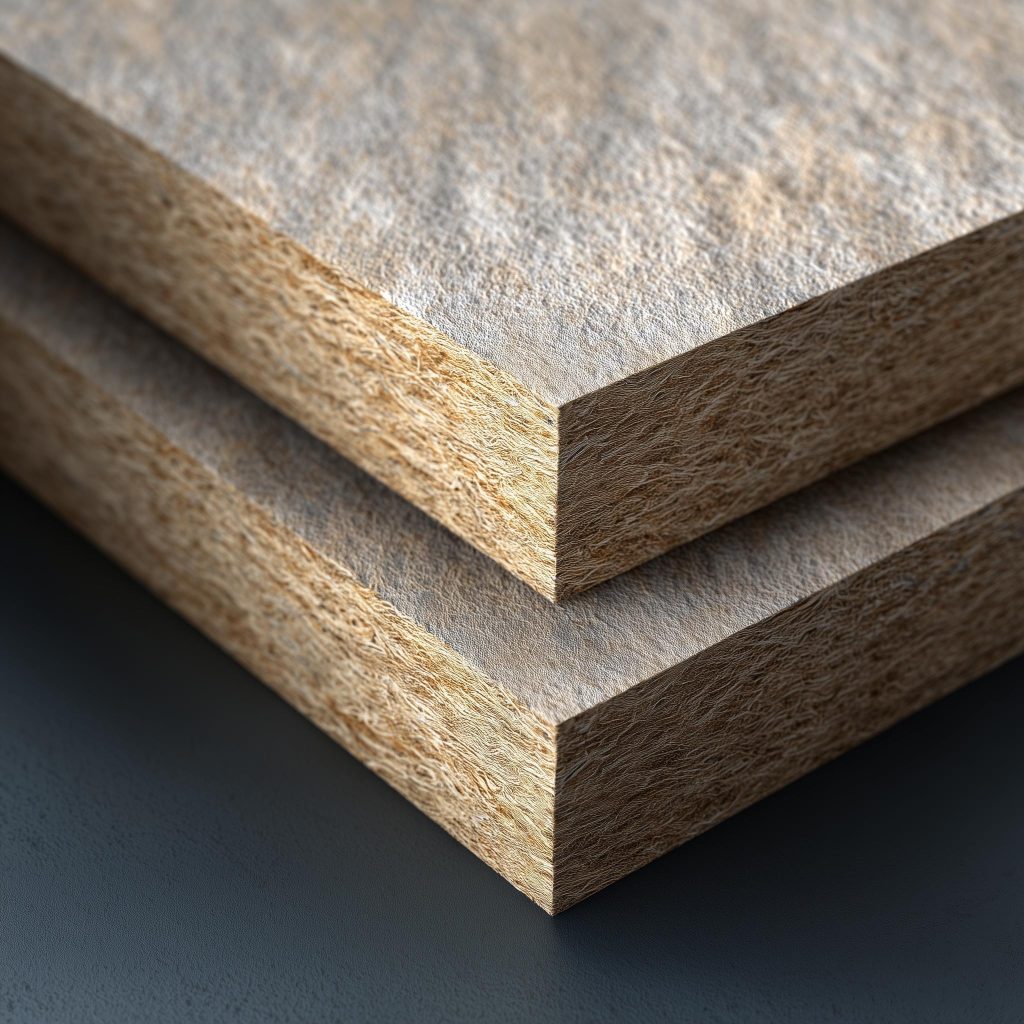
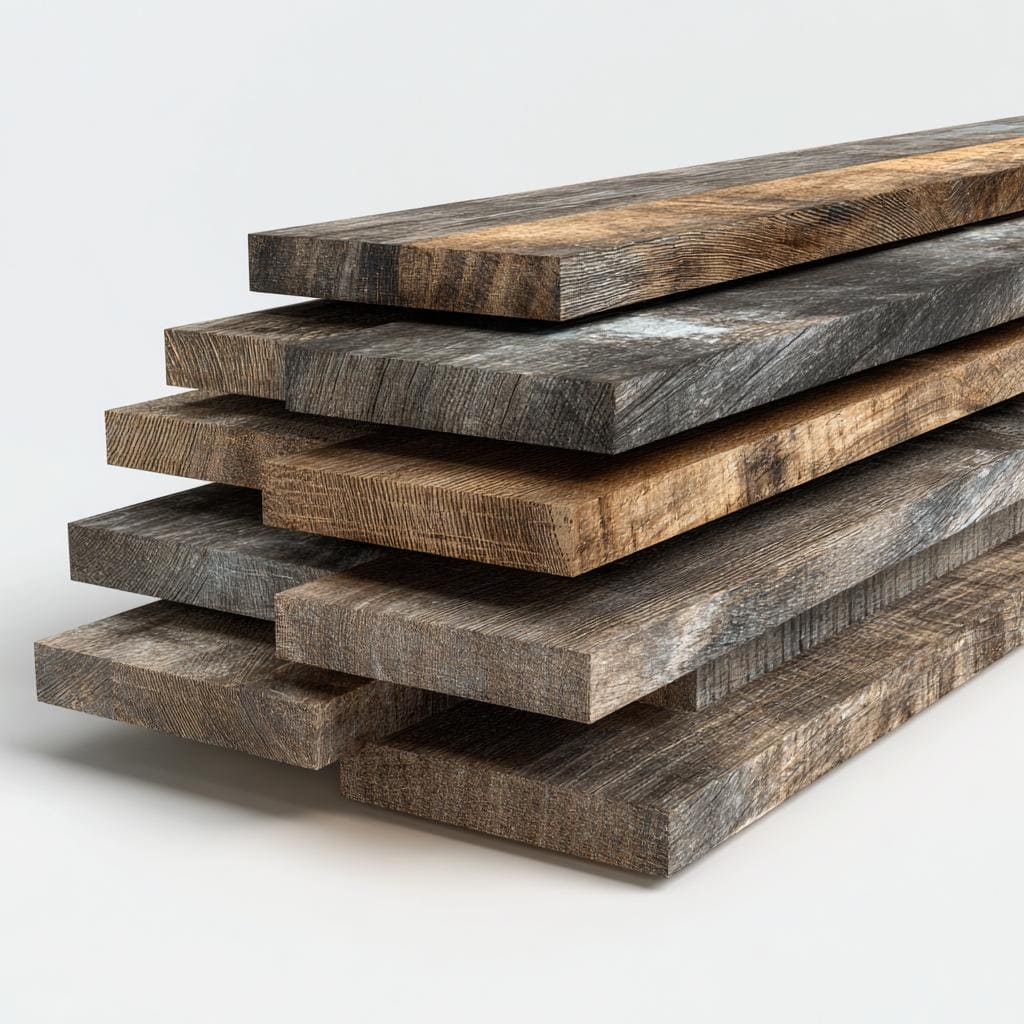
Treated wood planks offer better protection against termites for Indian home interiors.
Let’s clear up a common myth first. There is no such thing as completely termite-proof wood!
Some woods naturally resist termites, mostly because they are dense, or contain oils that repel pests. Other types of wood are treated with chemicals that make them less attractive or harmful to termites. When you hear terms like anti-termite wood in India, it usually means the wood has either natural resistance or has been treated to reduce risk of an infestation. You cannot expect total immunity, but stronger protection.
Best Naturally Termite Resistant Woods Available in India
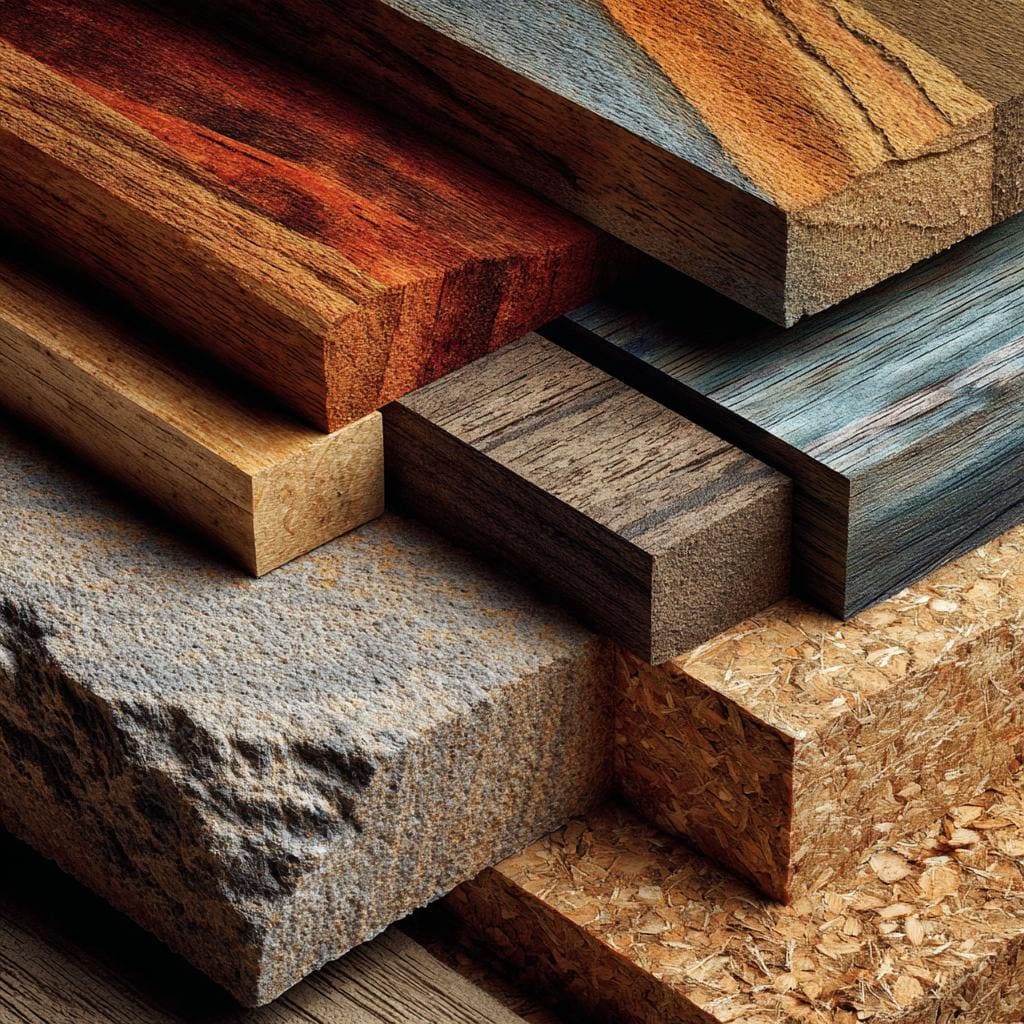
Different wood types vary in termite resistance, making material choice critical for Indian interiors.
Some woods do a better job than others when it comes to handling termites.
Teak is one of the most trusted options. The natural oils in termite resistant teak wood in Indiamake it less appealing to termites and help it last longer. It’s widely used for furniture and doors for this reason.
Sal wood is another solid choice. It’s dense, strong, and not easy for termites to break into.
Sheesham also offers decent resistance and is commonly used in Indian homes.
None of these are invincible, but they give you a stronger starting point compared to softer or untreated woods.
Chemically Treated Wood vs Naturally Termite Resistant Wood
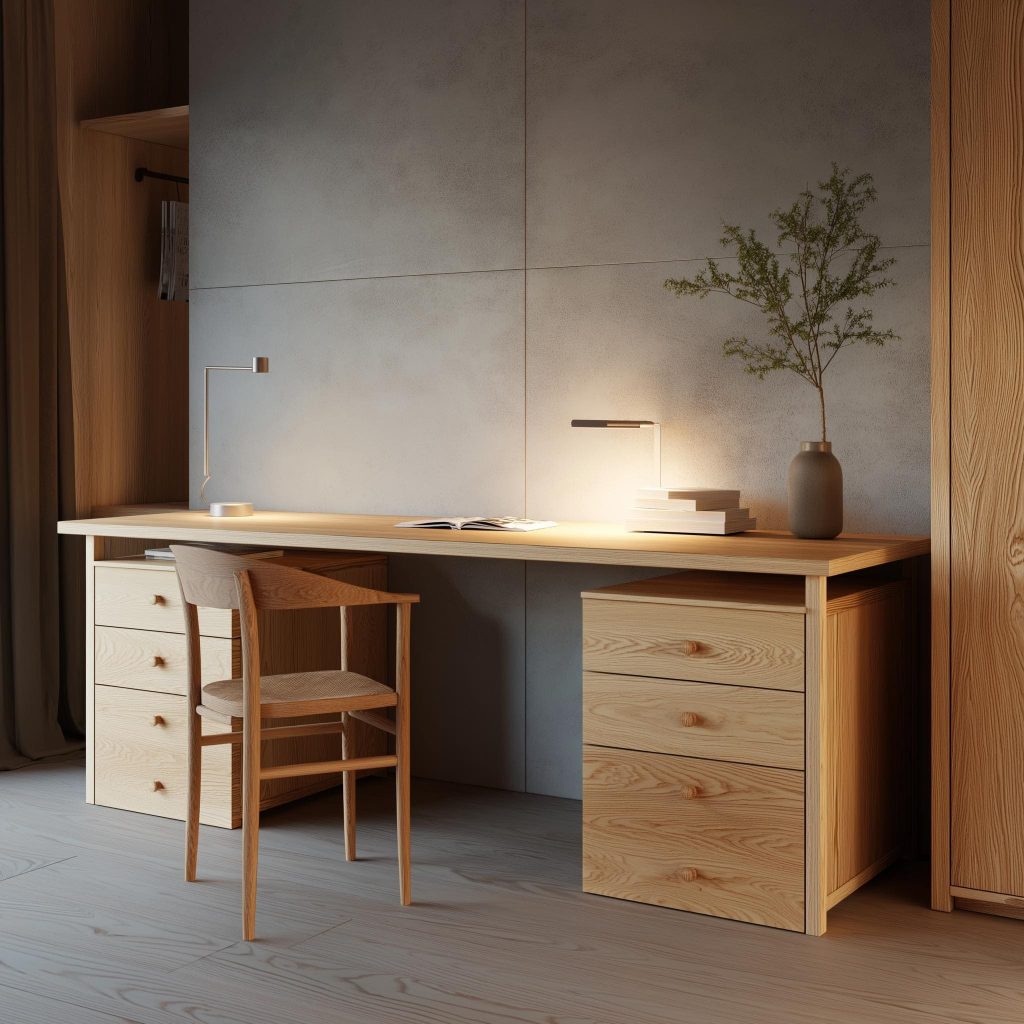
Treated engineered wood furniture like this desk offers practical termite resistance for Indian homes.
Now comes the practical comparison.
Naturally resistant wood depends on its own properties. It’s reliable but usually comes at a higher cost. Chemically treated wood, on the other hand, gets an added layer of protection through anti-termite solutions. This means even less resistant wood can perform better after treatment. For many homeowners, this becomes a more budget-friendly way to get decent protection. The choice really depends on where you’re using it. For heavy-use or exposed areas, stronger natural wood makes sense. For interiors, treated wood can work just as well.
Termite Proof Wood for Different Uses: Furniture, Flooring and Doors
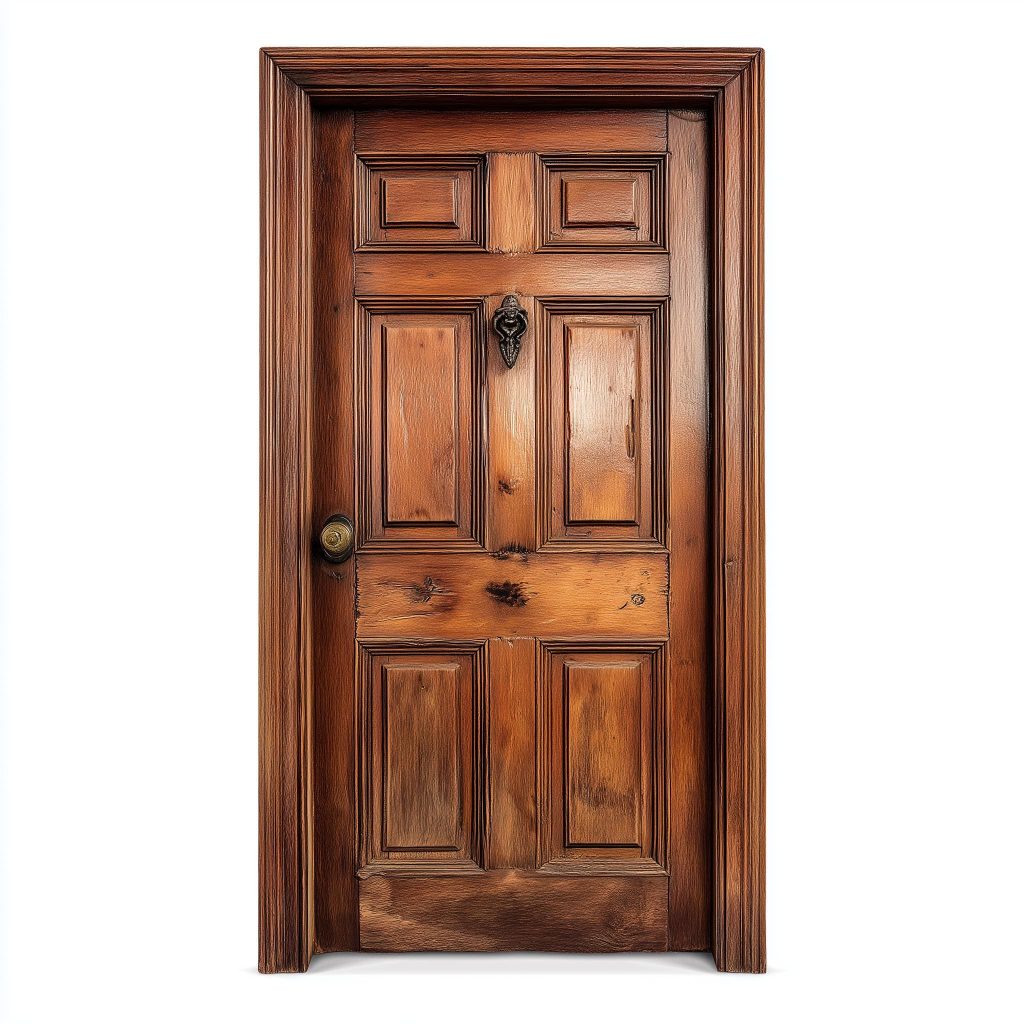
Solid wood doors made from teak or sal offer strong termite resistance for high-use areas in India.
Not all parts of your home need the same type of wood.
For furniture, treated plywood or termite resistant engineered wood in India works well. It keeps costs in check while offering reasonable protection. For doors and frames, stronger woods like teak or sal are a better fit. These areas take more stress and need durability along with termite resistance. Flooring needs extra care. Engineered wood with proper treatment works better than solid wood in most Indian conditions, especially where moisture is involved.
Termite Proof Wood Cost in India: What Each Type Will Set You Back
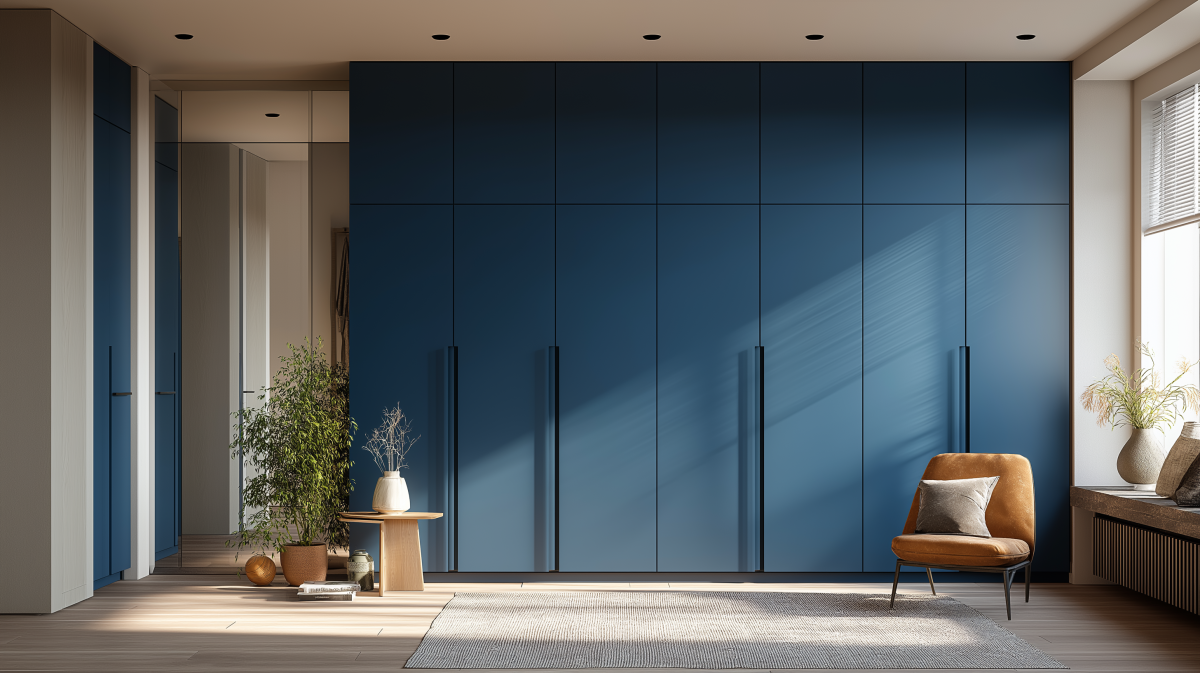
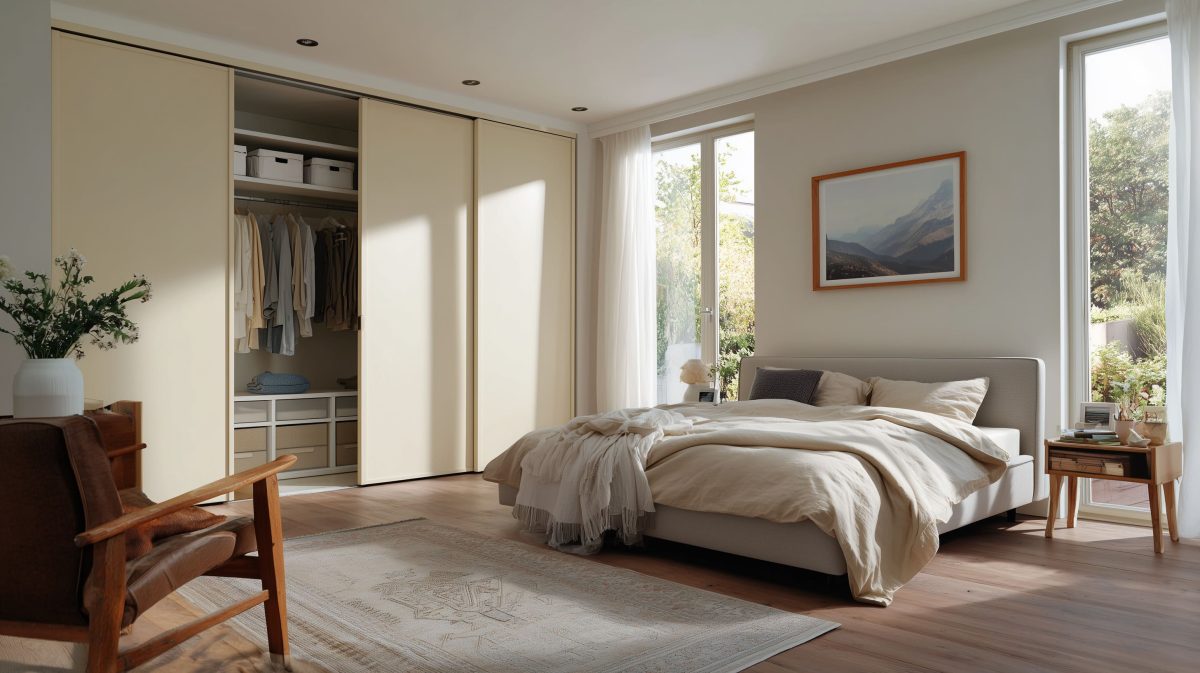
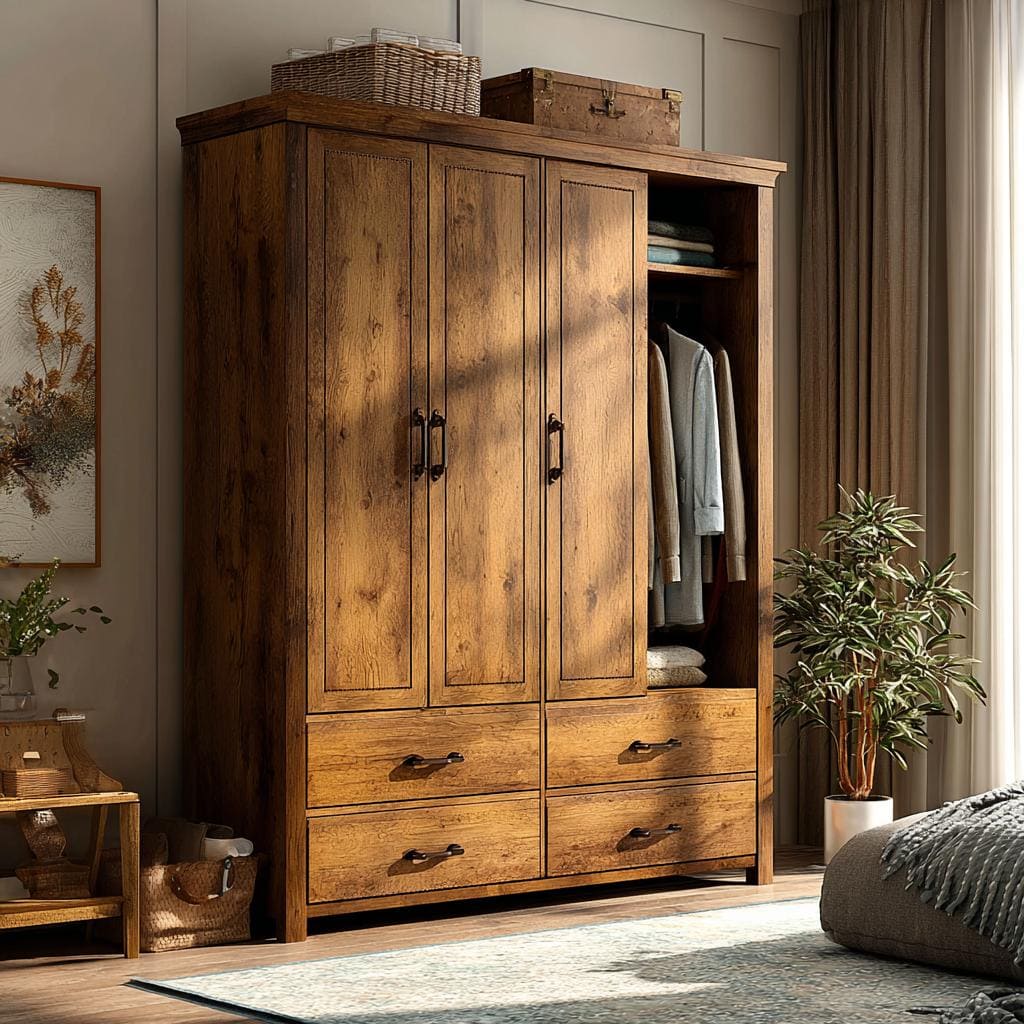
A solid wood wardrobe made from treated or naturally resistant wood lasts longer in Indian conditions.
If you’re looking for termite proof plywood in India, there are plenty of options available that balance cost and protection.
Teak is expensive, but it’s worth paying for the added durability and natural resistance to pests. Sal and sheesham are more affordable and perform well, too. Treated plywood and engineered boards fall in the mid-range and are widely used for interiors. Treatment adds to the overall cost, but it’s usually worth it.
How to Identify Termite Damage in Wood Before It Spreads
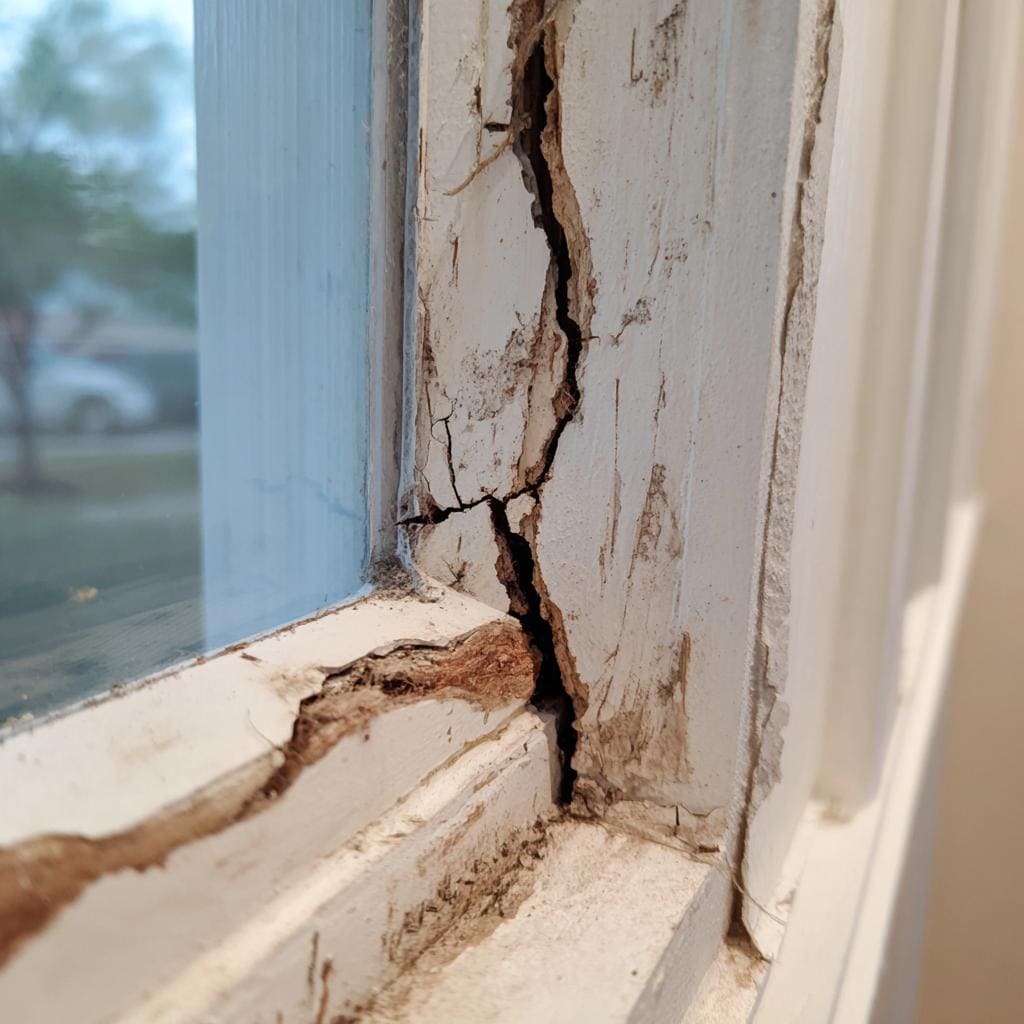
Cracked and hollow window frames are a clear sign of termite damage that spread unnoticed over time.
Fine powder near wooden surfaces, inside drawers and on the floor is almost always the first sign of these pesky critters. Hollow sounds when tapping wood indicate internal damage. and watch out for tiny holes forming on the surface.
Checking your furniture and woodwork regularly helps catch issues before they spread.
How to Protect Any Wood from Termites in the Long Term
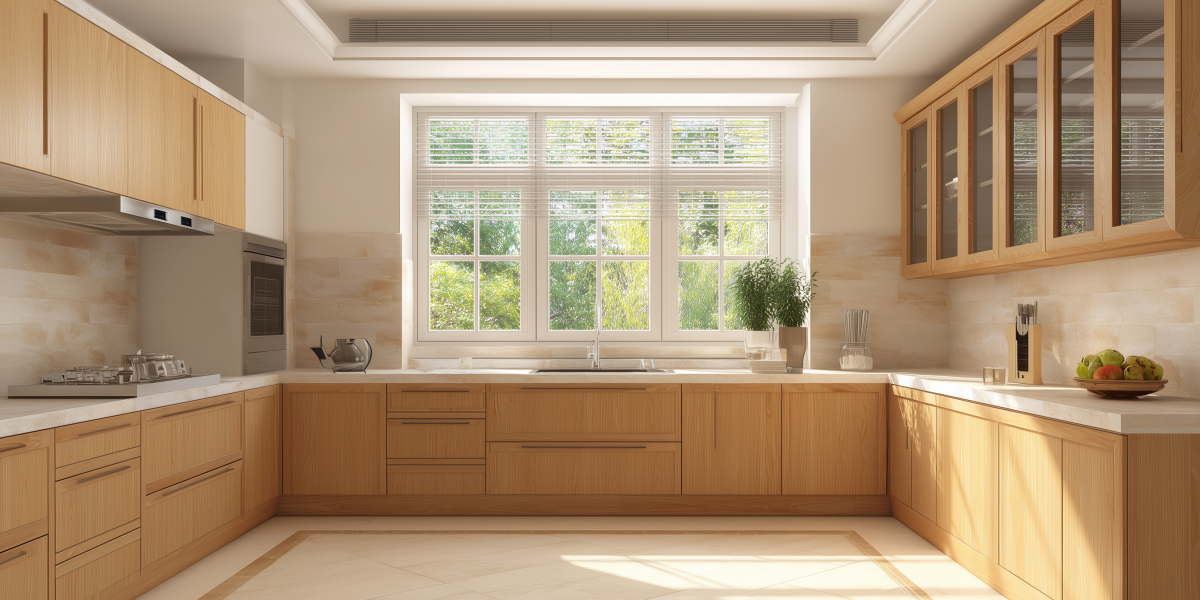
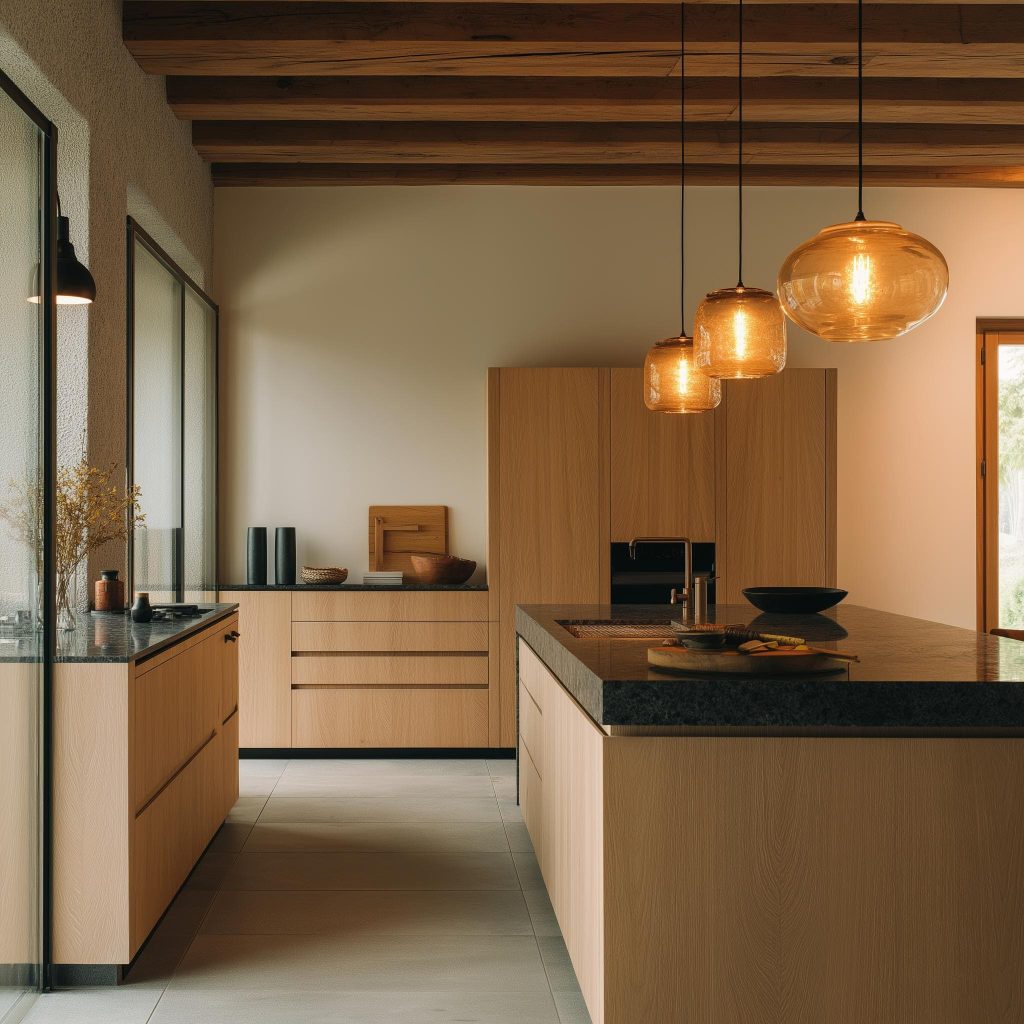
Treated plywood kitchen cabinets with a clean wood finish offer reliable termite resistance in India.
Start with proper treatment at the time of installation. That first layer of protection matters more than most people realise. Keep moisture under control, because damp conditions make it easier for termites to thrive. Regular checks help you stay ahead of problems. Adding polish or protective coatings can also extend the life of your wood. It’s not about doing one big thing. It’s about doing a few small things consistently.
Making Wood Work for You, Not Against You
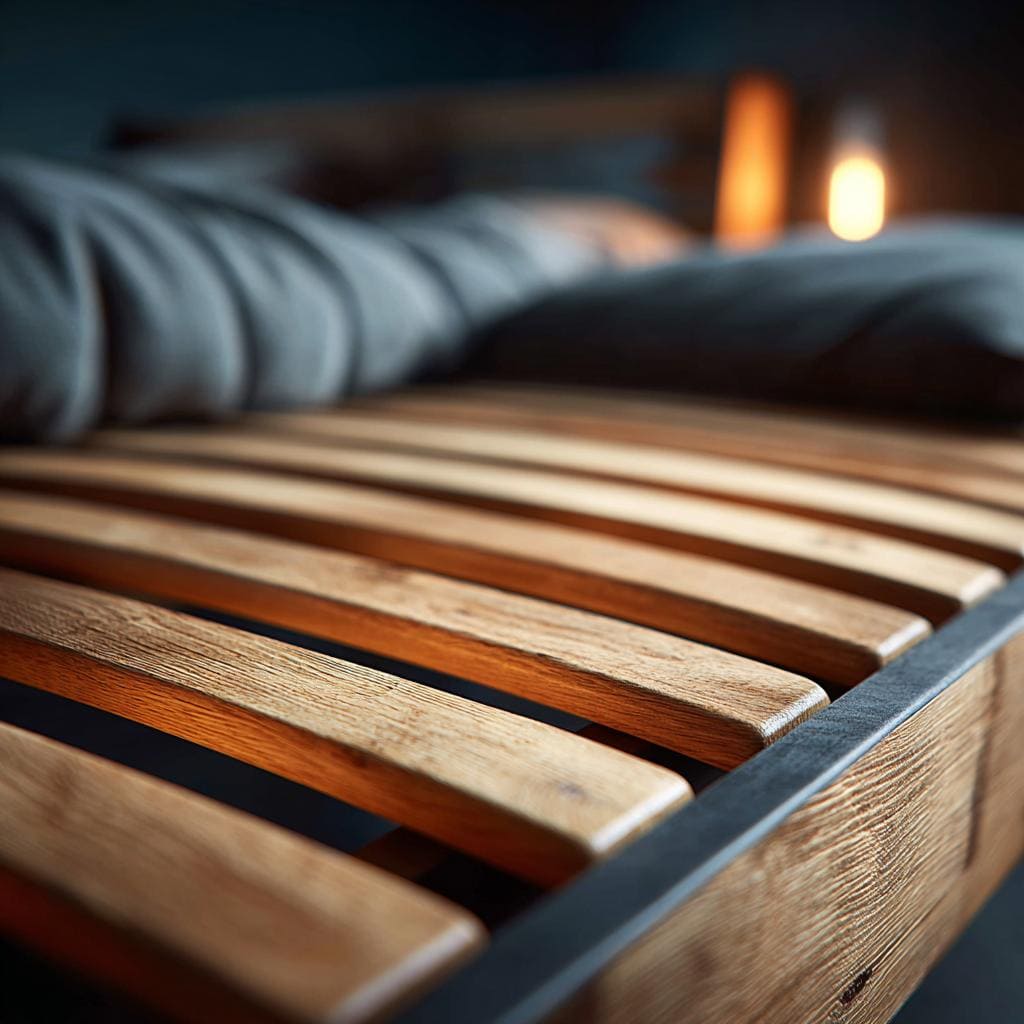
Properly treated wood bed frames resist termite damage and last longer in Indian home interiors.
Wood adds warmth and character to any home, but only if it’s chosen and maintained properly. When you pick the right materials and take a few preventive steps, you avoid a lot of stress later.
If you’re planning interiors and want to get this right from the start, a bit of expert guidance goes a long way. At HomeLane, designers help you choose termite resistant wood in India that fits your space, budget, and everyday use.
FAQs
1. Which is the most termite proof wood in India?
Teak is considered one of the most resistant options because of its natural oils, but no wood is completely immune to termite attack.
2. Is teak wood completely termite proof?
Teak offers strong resistance, but it is not fully termite proof and still benefits from proper treatment and care.
3. Is sal wood termite resistant?
Sal wood is dense and durable, which makes it more resistant than many other commonly used woods.
4. What is the difference between termite-resistant and termite-proof wood?
Termite-resistant wood slows down or reduces damage, while termite-proof suggests complete protection, which does not truly exist.
5. Is chemically treated wood safe for indoor use in India?
Yes, treated wood is generally safe when proper processes and materials are used during treatment.
6. Which plywood is termite-proof in India?
Treated plywood designed for termite resistance is widely available and commonly used for interiors.















 EXPLORE MORE