Particle Board: Advantages, Disadvantages and Uses Guide
By Usha Balasubramanyan- April 27, 2026
AI Summary
3 key insights · 1 expert tip
Particle board is a budget-friendly engineered wood option ideal for modular furniture and light-use areas, offering smooth finishes and easy installation.
Key Insights:
What You'll Read Here:
Particle board is significantly cheaper than plywood or solid wood.
It’s sensitive to moisture and less strong than solid wood or plywood.
It’s lightweight and easy to cut, making it good for quick installations.
HOMELANE EXPERT TIPBy our design team
Use particle board for wardrobes and storage units in dry areas, but avoid it for furniture in bathrooms or kitchens near water sources.
Summary
Particle board is everywhere, yet most people are unsure if it is a smart choice or a compromise. It looks good, fits budgets, but raises questions about durability and long-term use. Understanding the advantages and disadvantages of particle board helps you use it where it works best and avoid costly mistakes where it does not. It gives you clarity so you can choose confidently instead of second-guessing later.
Best for
Budget-friendly particle board furniture, light-use areas, and modular setups where cost, finish, and quick installation matter more than heavy-duty performance.
Expert tip
HomeLane designers suggest using particle board for wardrobes, storage units, and panels, but avoiding it in areas exposed to moisture or heavy load.
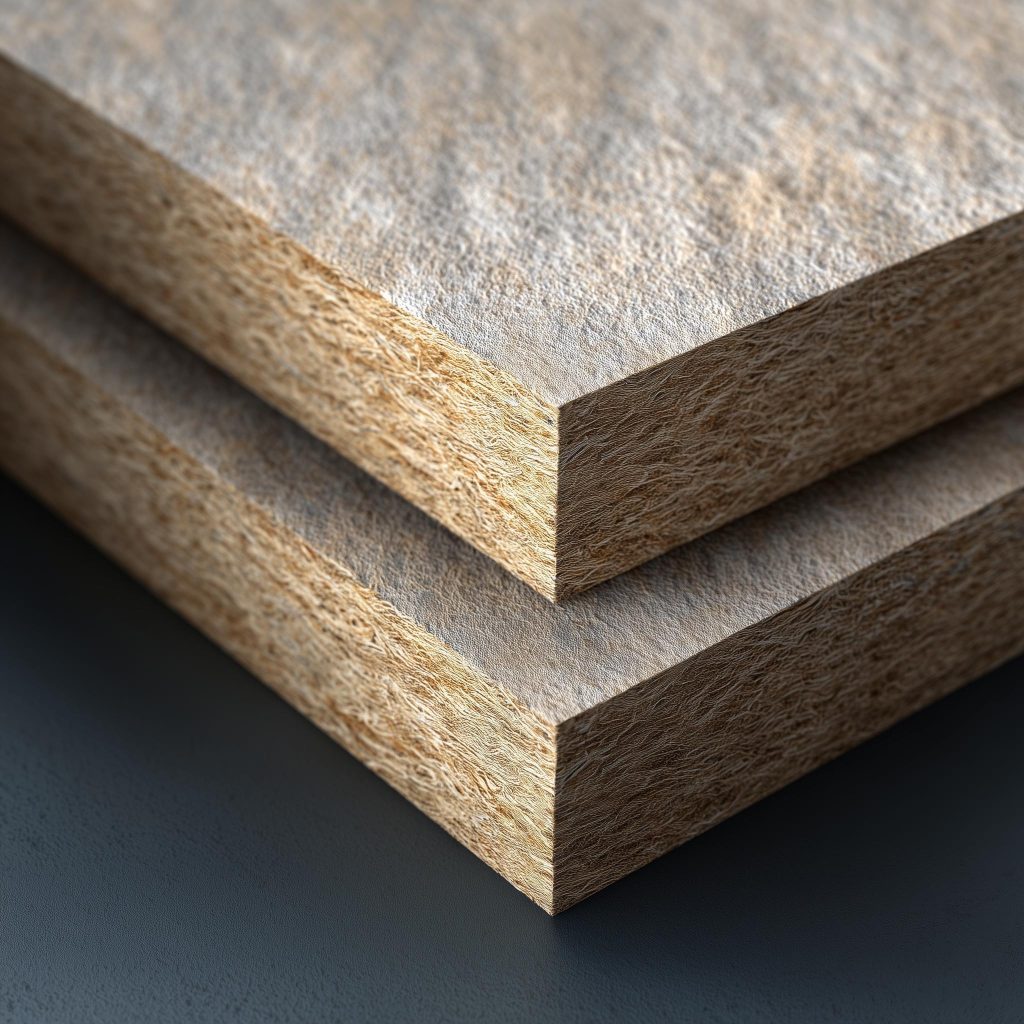
High-quality particle board furniture with sturdy build and smooth layered design
Let’s start with something most homes already have! Take a good look around your home.
There is a good chance at least one piece of furniture, maybe your wardrobe, a table, or even a cabinet, is made of particle board, a material widely used in interior design. Low-cost kitchens in rental homes are also often made of this versatile material. It is popular for a reason. It is affordable, easy to work with, and looks neat when finished well.
But is it always the right choice? Let’s break it down in a way that actually helps you decide. Once you understand where it fits best, choosing the right materials becomes much easier.
What Exactly is Particle Board? A Quick Overview
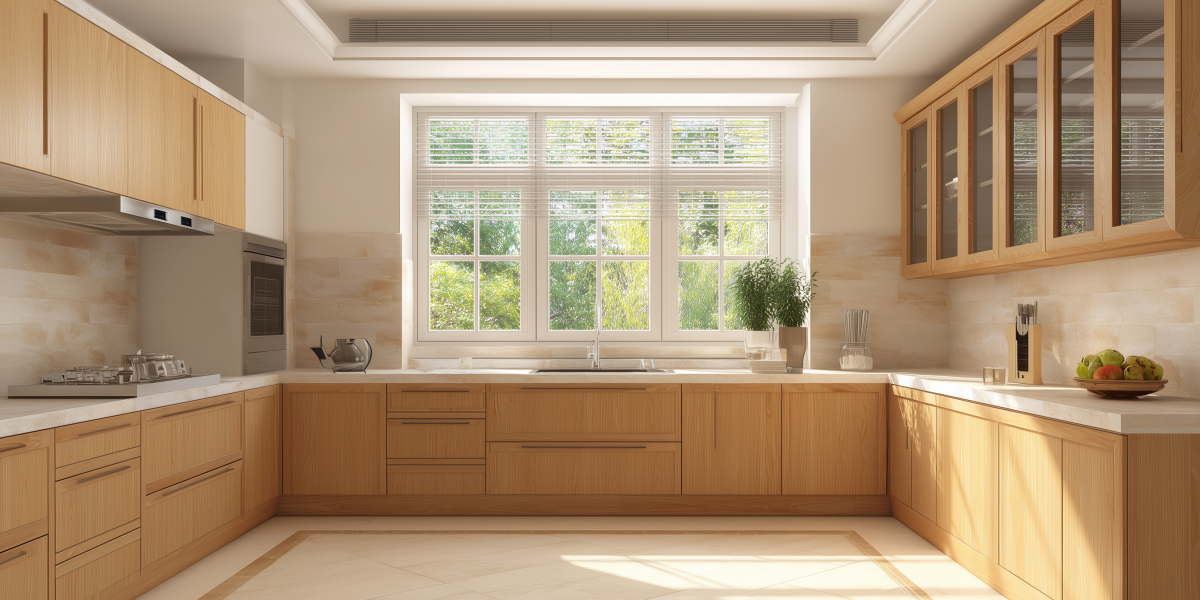
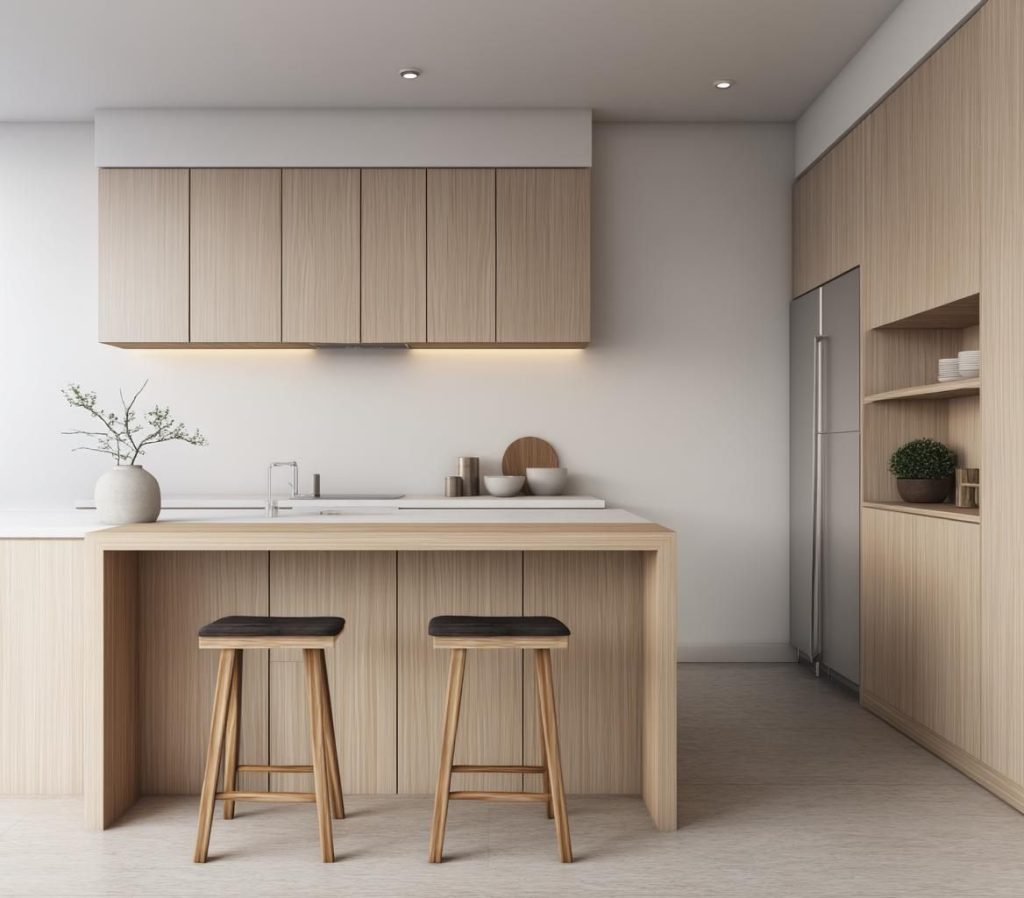
Stylish pre laminated particle board kitchen with clean lines and modern functionality
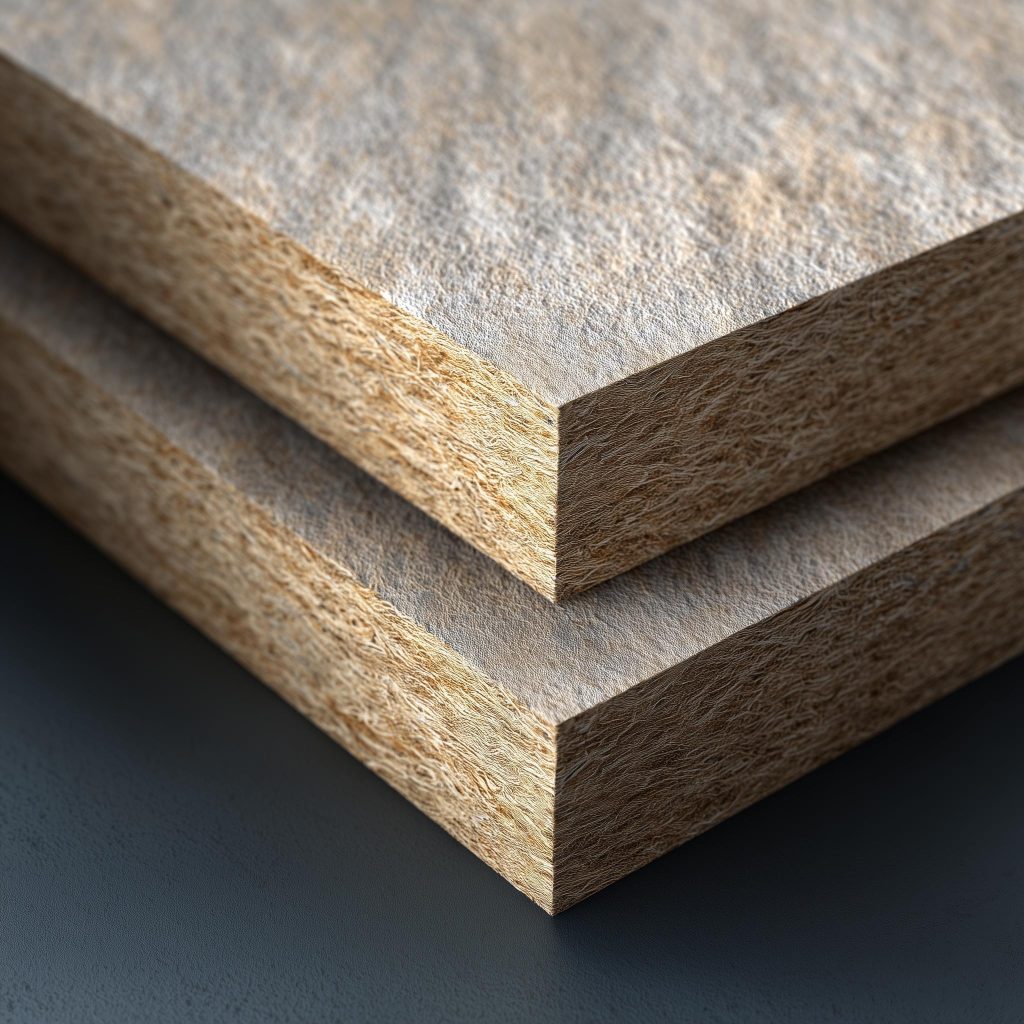
If you have ever wondered what is particle board, here is the simple version. It is made by compressing wood chips, sawdust, and resin together into flat boards, heat-pressed under pressure in a factory. These are then cut, finished, and often covered with laminates on one or both sides.
That is why you will often see terms like pre laminated particle board or laminated particle board in furniture descriptions. It is not solid wood. It is engineered to be cost-effective and very easy to manufacture. This makes it widely accessible and commonly used across many types of furniture.
Advantages of Particle Board
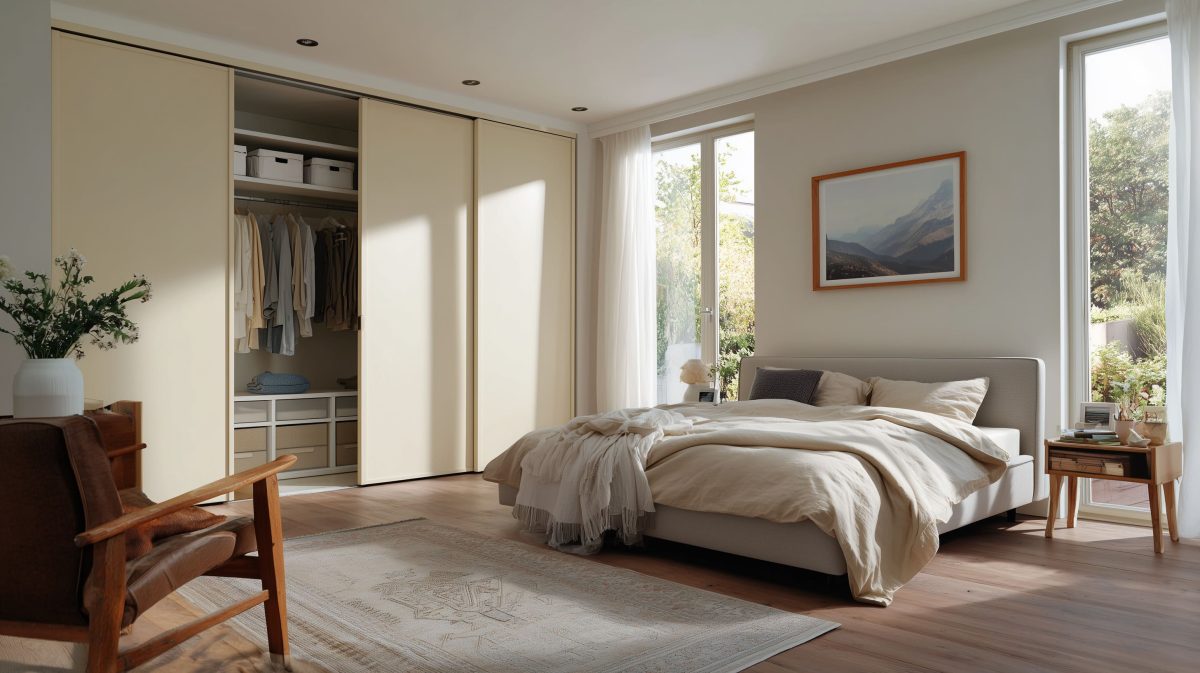
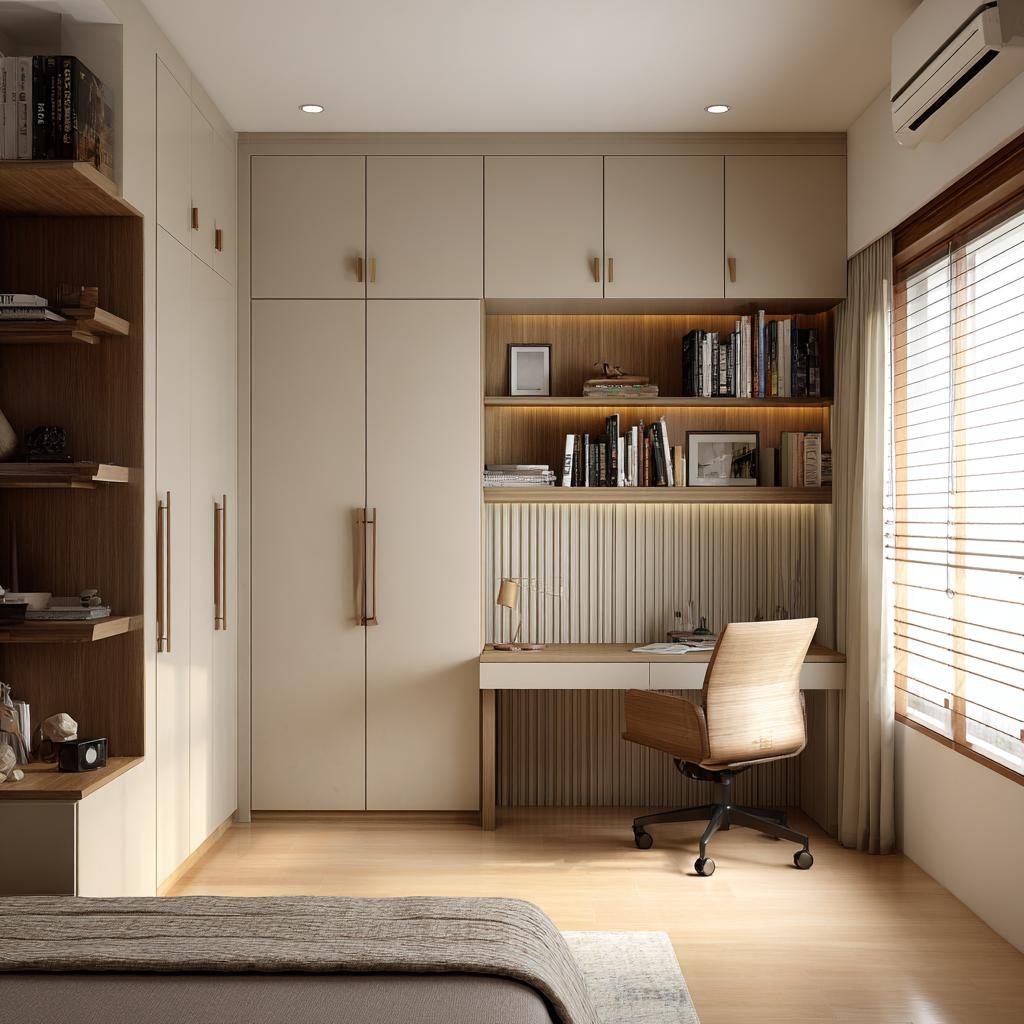
Functional particle board wardrobe with study area and smart storage solution
Let’s start with why people choose it. One of the biggest advantages of particle board is its affordability. It is significantly cheaper than plywood or solid wood, which makes it a popular option for modular furniture.
It also has a smooth surface, which makes it ideal for laminates and finishes. It’s very easy to cut and work with, too. This is why particle board furniture designs often look clean and modern. Another benefit is consistency. Since it is factory-manufactured, you get uniform thickness and finish across pieces.
It is also lightweight compared to other materials, which makes handling and installation easier. For furniture like a particle board wardrobe, particle board table, or particle board dressing table, it works quite well when used correctly.
Disadvantages of Particle Board
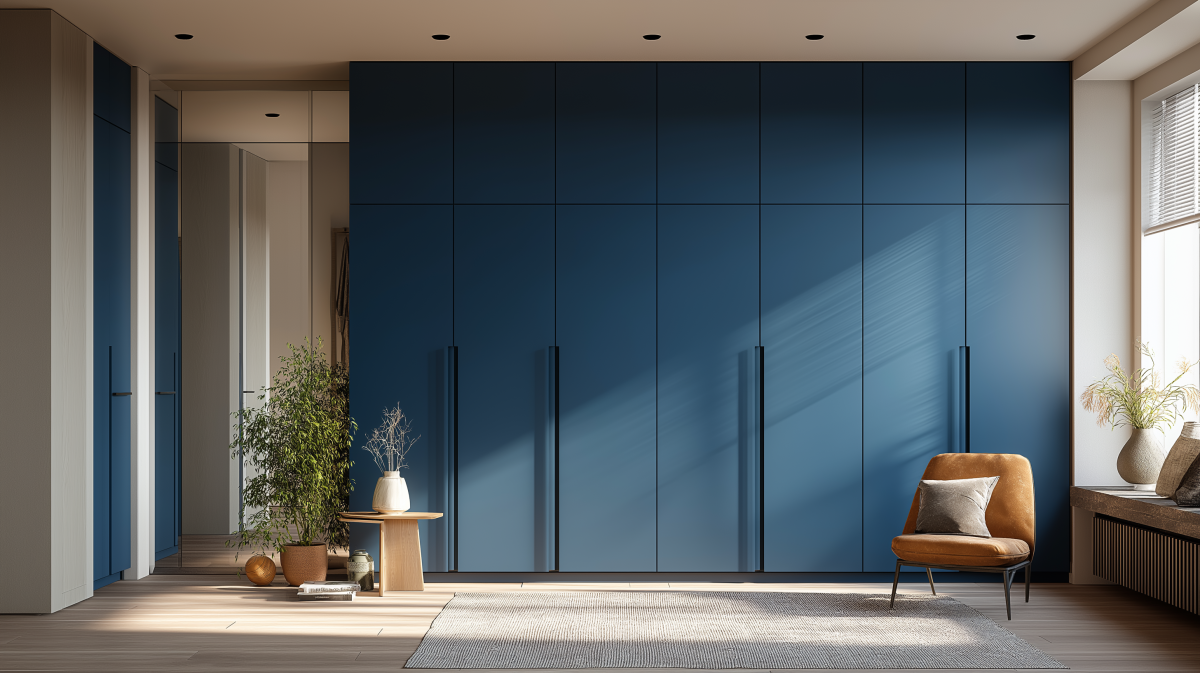
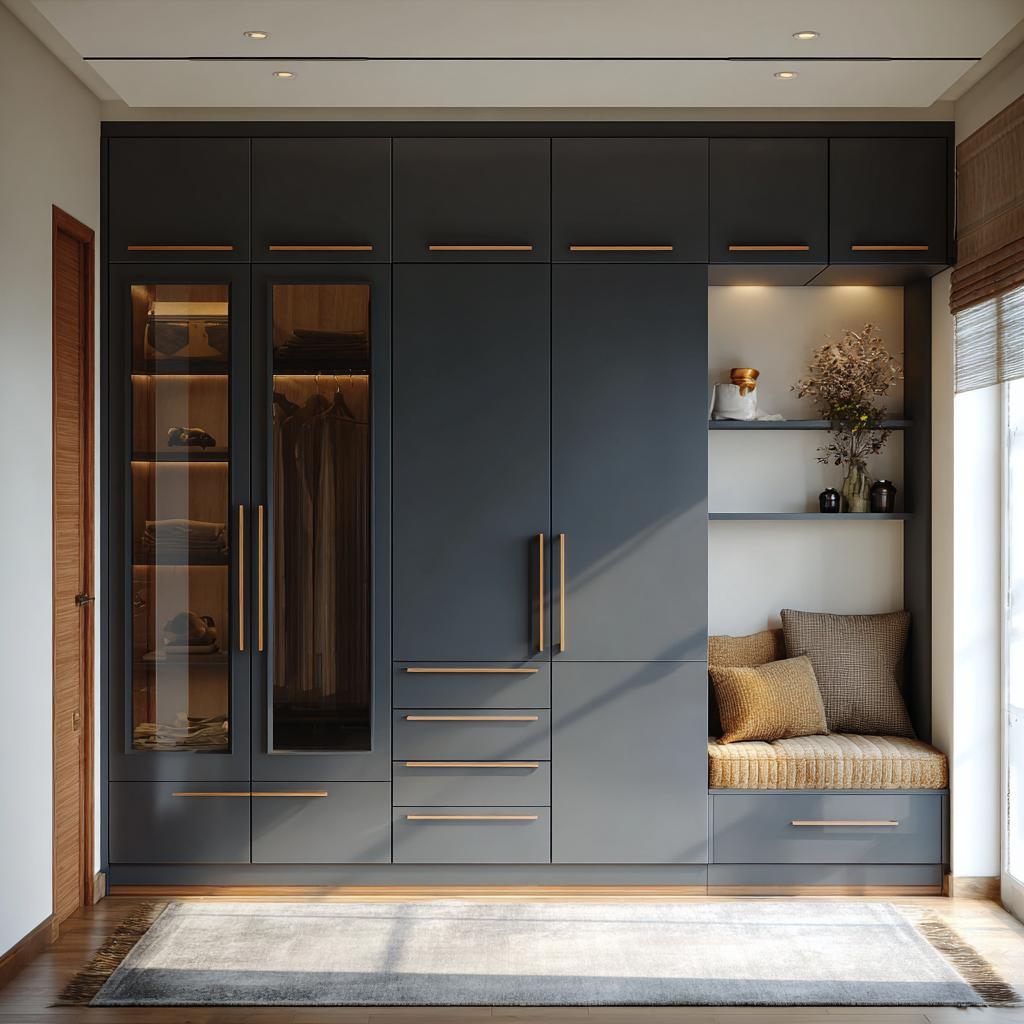
Stylish particle board wardrobe with smart storage and cozy seating space
Now let’s talk about the limitations.
The biggest drawback is moisture sensitivity. Particle board does not handle water well. It can swell or lose strength if exposed to moisture over time. This makes it the less-preferred choice for high-moisture areas like bathrooms and kitchens. Even if it is, in fact, used in a kitchen, it should not be used next to the sink or cooking hob.
It is also not as strong as plywood or solid wood. Heavy loads or constant stress can cause it to weaken. This means that it cannot be used for drawers, shelves or other areas where weight-bearing capacity is important. Edge durability is another concern. Particle board can chip or crumble at the edges if not handled carefully. If sealed perfectly, this concern can be addressed well.
For items like a particle board bed or particle board almirah, this means you need to be mindful of usage and weight. So while it works well in many situations, it is not a one-size-fits-all material. Knowing its limits helps you avoid disappointment later.
Common Applications of Particle Board
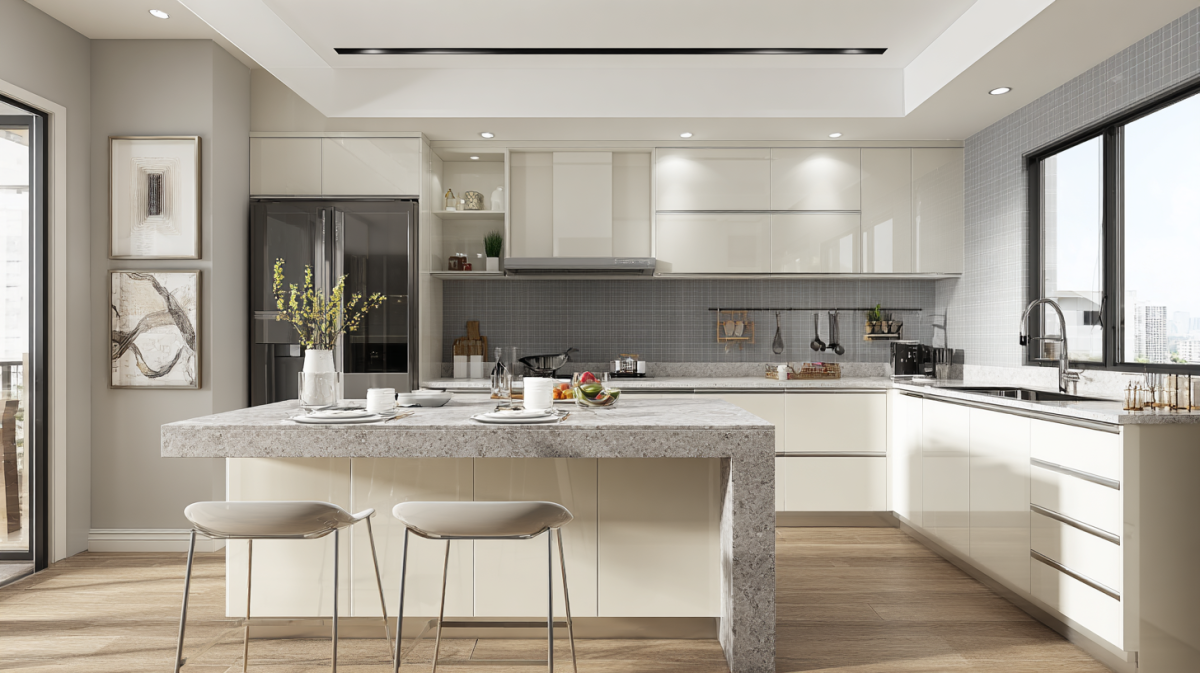
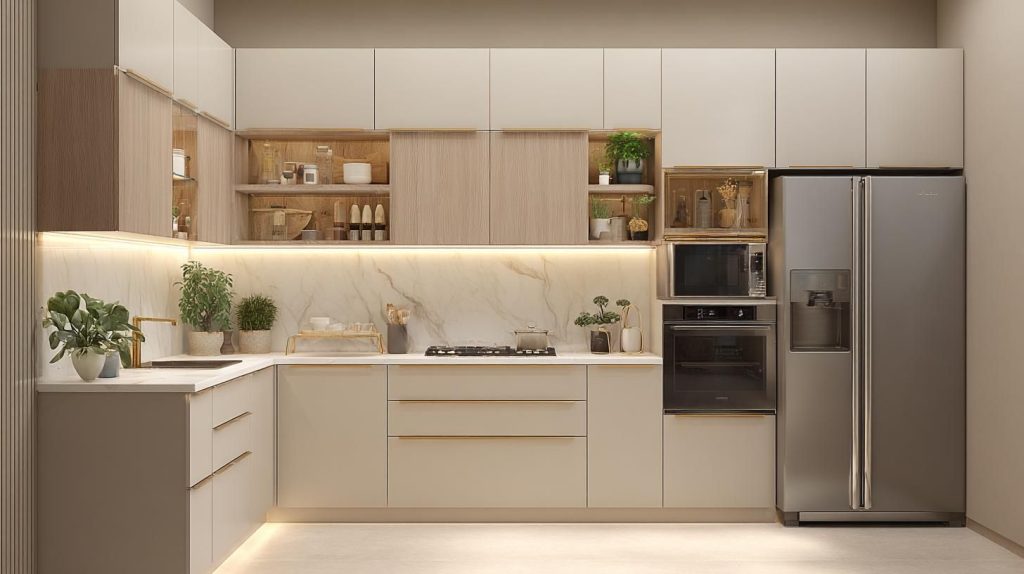
Modern laminated particle board kitchen with sleek cabinets, built-in appliances, and warm lighting
Particle board is widely used in everyday furniture. It is common in wardrobes, cabinets, shelves, and modular kitchen units. You will also find it in beds, tables, and storage units where heavy load is not a constant factor.
Because of its smooth finish, it works well for laminated surfaces and modern designs. It is especially popular in ready-made and modular furniture setups. You will often see it in urban homes where quick installation and affordability are key.
When and When Not to Choose Particle Board Furniture
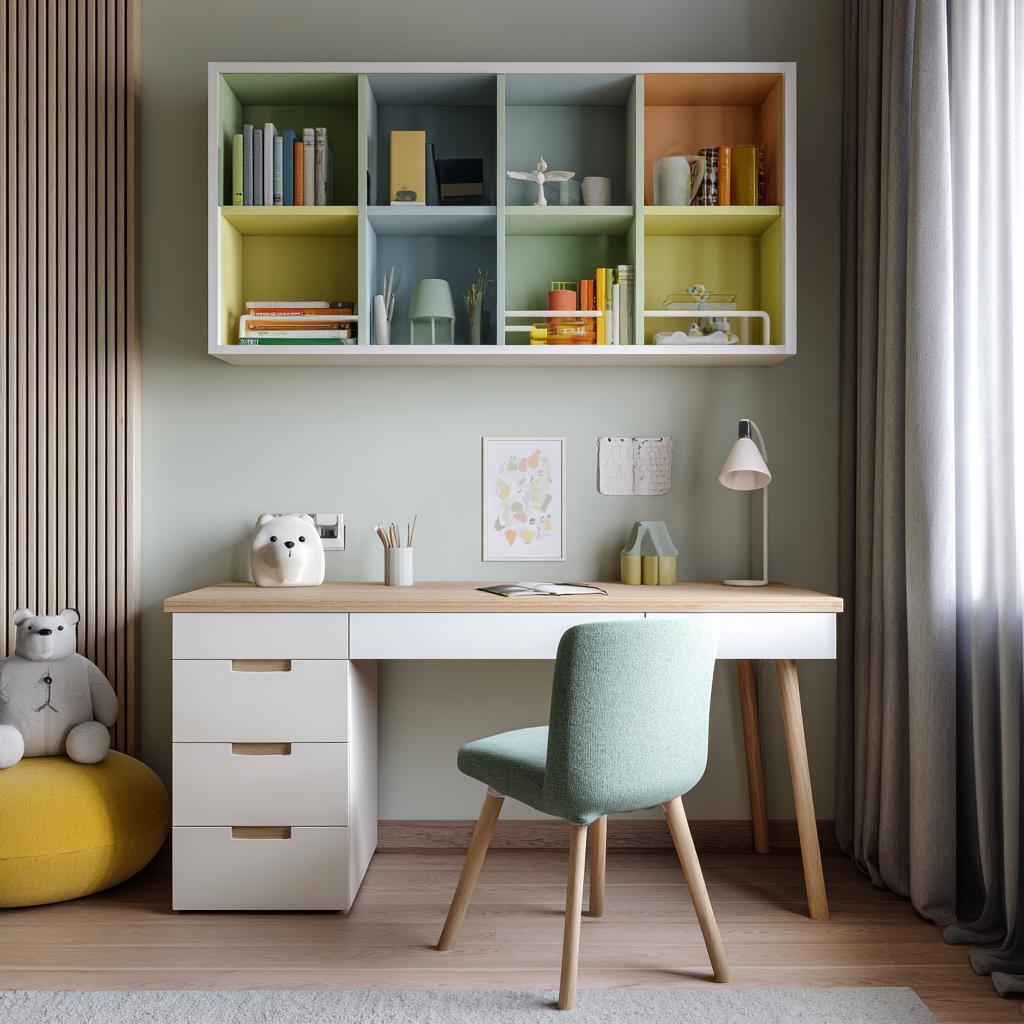
Creative particle board furniture desk with storage and playful modern design
This is where clarity helps. Choose particle board when you want something budget-friendly, neat-looking, and easy to install. It works well for indoor furniture that does not face heavy wear or moisture.
Avoid it in areas like bathrooms, outdoor spaces, or heavy-duty furniture. It is also not ideal if you expect the furniture to last for decades under heavy use. Think of it as a practical choice, not a permanent one. When used in the right context, it delivers good value for money.
A Material That Works When Used Right
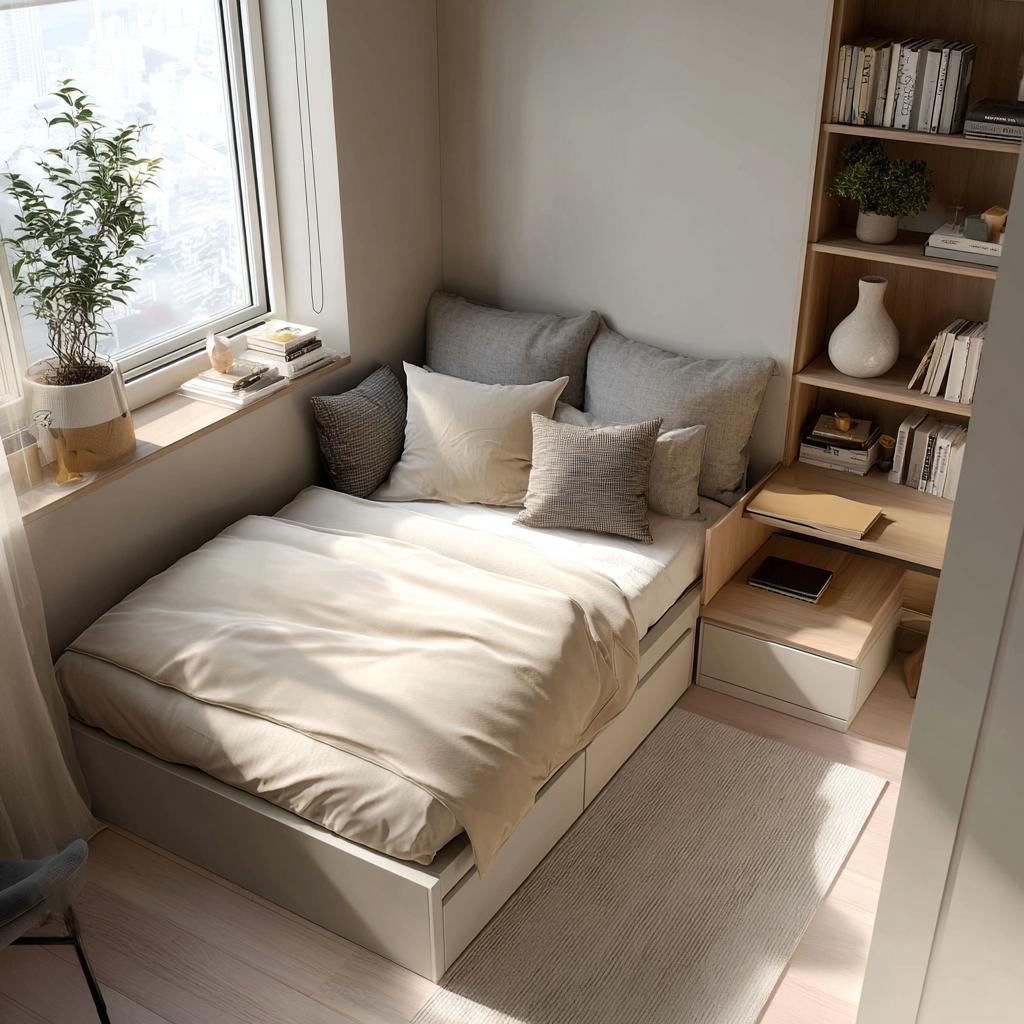
Space-saving particle board bed with storage and functional modern design
Particle board is not a bad choice, regardless of anything you may have heard to the contrary! It just needs to be used wisely. When you understand its strengths and limits, it becomes a very useful option for modern homes.
The key is knowing where particle board furniture fits into your space. And if you are planning your interiors, HomeLane can help you choose the right materials for the right purpose so your home looks good and works well over time. The right material choice can make everyday use feel easier, and the materials you choose last longer.
FAQs
1. Is particle board considered an eco-friendly material?
It can be relatively eco-friendly because it uses wood waste like sawdust and chips. However, the resins used in manufacturing may affect its overall environmental impact. Choosing low-emission variants can make it a better option.
2. Can particle board be easily finished or laminated?
Yes, it has a smooth surface that works very well with laminates and finishes. This is why it is commonly used in pre-finished particle board furniture. It also allows for a wide variety of colours and textures.
3. What are the sound-insulating properties of particle board?
Particle board offers moderate sound insulation due to its dense composition. It can help reduce noise slightly but is not a primary soundproofing material. It works best as a secondary layer; not really a main solution.
4. How durable is particle board furniture in high-traffic areas or for long-term use?
It is less durable than plywood or solid wood in high-traffic areas. Over time, it may weaken if exposed to heavy use or stress. Proper usage can still extend its lifespan by quite a few years.
5. Is particle board furniture prone to chipping or crumbling at the edges?
Yes; the edges can chip or crumble if not properly sealed or handled carefully. Using edge banding can help improve both the durability and the finish. Careful handling during installation also makes a noticeable difference.


















 EXPLORE MORE