Heritage Interior Designs: 5 Ways to Elevate Traditional Homes
By Bivin Peter- March 19, 2026
AI Summary
3 key insights · 1 expert tip
Heritage interior design blends timeless craftsmanship and cultural narratives, creating luxurious and personal homes that honour the past while embracing modern functionality.
Key Insights:
What You'll Read Here:
Authentic heritage design prioritises longevity and graceful aging in materials like solid wood, natural stone, and metal accents.
Diverse heritage styles, from Rajasthani Havelis to British Colonial, can be thoughtfully mixed to create unique, personal spaces.
Integrating modern amenities requires careful planning to conceal technology and maintain the historical aesthetic integrity of the home.
HOMELANE EXPERT TIPBy our design team
When integrating heritage elements into modern spaces, focus on selecting a few impactful "hero" pieces rather than overcrowding with too many antique items.
Does a home ever truly feel like a sanctuary if it lacks a story? In an era of flat-pack furniture and cookie-cutter minimalism, many homeowners find themselves yearning for something deeper, more tactile, and infinitely more personal in their home interior design. There is a profound magic in walking into a room that feels as though it has breathed the air of several generations. This is the essence of heritage interior design. It is not about living in a museum; rather, it is about curating a space where the elegance of the past meets the functionality of the present. By weaving historical narratives into the very fabric of a home, one creates a living environment that is both prestigious and comforting.
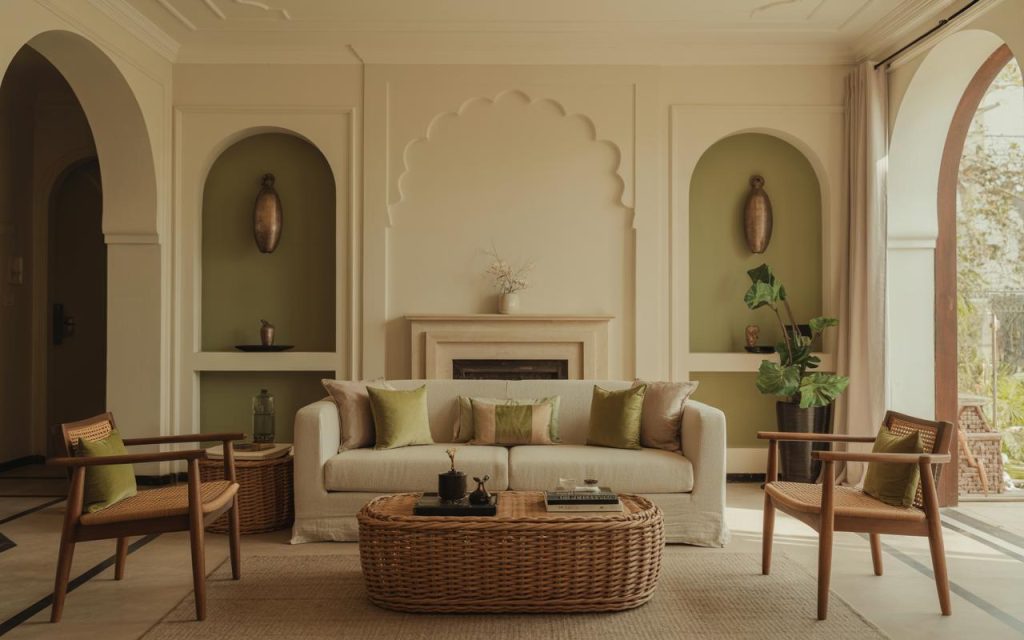
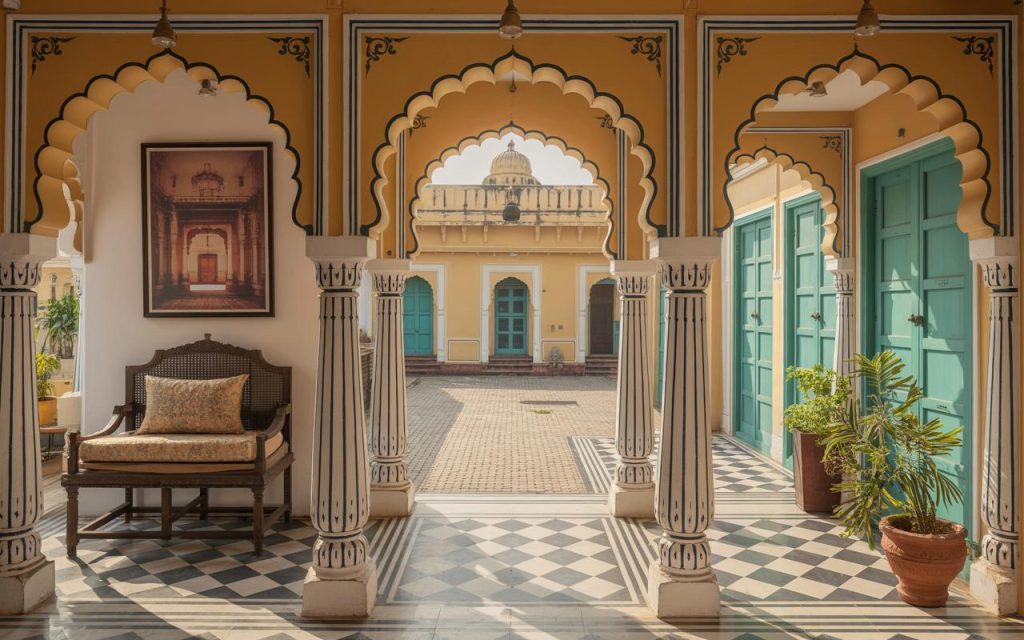
Heritage interior design with arches and classic wall niches
Whether you reside in a sprawling ancestral bungalow or a compact urban apartment, the principles of heritage interior design can be applied to instill a sense of permanence and character. This guide explores how to honour the craftsmanship of yesteryear while enjoying the comforts of today.
1. Understanding the Core Principles of Heritage Interior Design
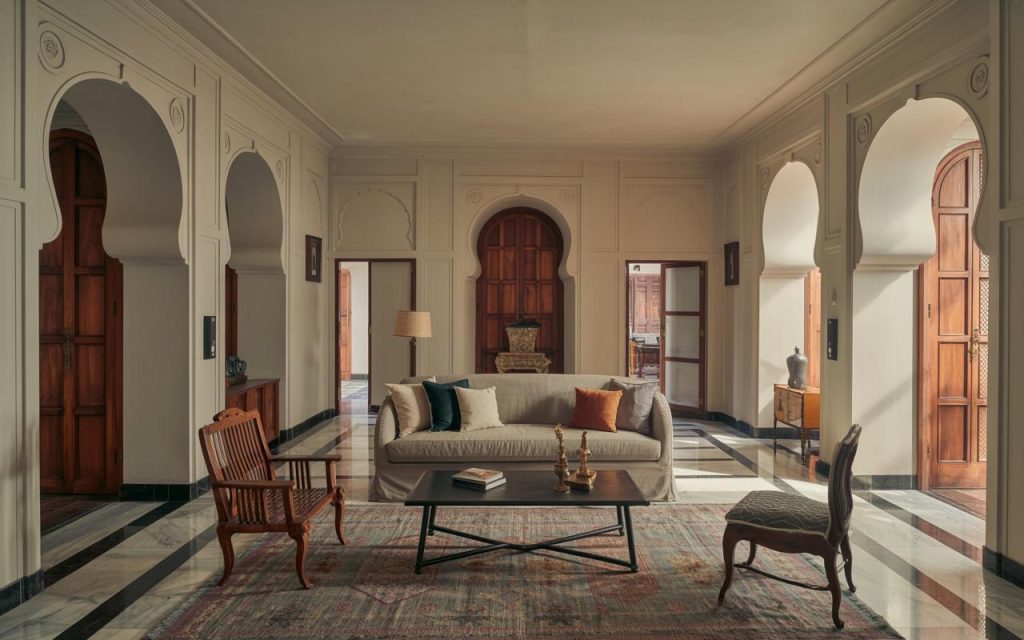
Heritage house design with arches and intricate heritage wall design
To truly appreciate heritage interior design, one must look beyond the surface level of “old-fashioned” aesthetics. The core of this style lies in authenticity, craftsmanship, and the preservation of architectural integrity. Unlike vintage or retro styles, which often focus on specific decades of the 20th century, heritage interior design draws inspiration from classical eras, colonial influences, and traditional regional craftsmanship.
The primary objective is to celebrate the “bones” of a building. If a home possesses original features like high ceilings, arched doorways, or intricate cornices, these become the focal points. The philosophy here is one of stewardship; the homeowner acts as a guardian of history. By focusing on heritage decoration, one ensures that every piece of furniture or art tells a story of cultural significance.
As we move from the foundational philosophy, the next step involves identifying the specific physical components that bring a heritage interior to life.
2. Key Elements that Define a Heritage House Design
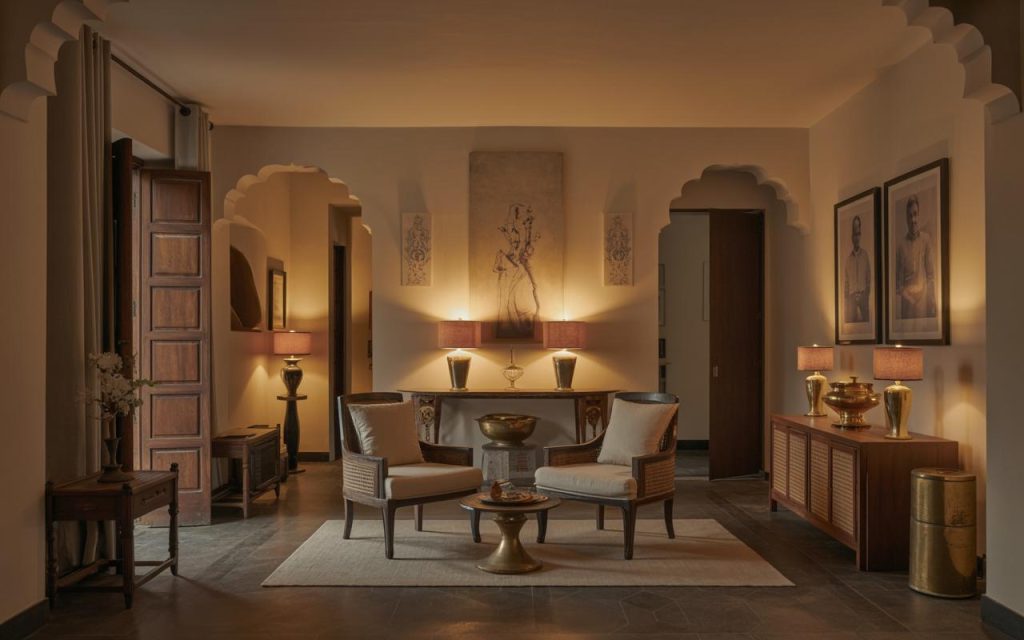
Heritage interior with traditional decor and heritage decoration accents
What makes a heritage house design stand out from a modern one? It is often found in the weight and texture of the materials used. In a heritage interior, materials are chosen for their longevity and their ability to age gracefully.
Solid Wood: Grand mahogany, rich teak, or deep rosewood are staples. These woods are often carved with motifs that reflect local artistry.
Natural Stone: Floors made of polished marble, Kota stone, or terracotta tiles provide a cool, earthy foundation that is quintessential to Indian heritage interior design.
Metal Accents: Brass, copper, and wrought iron are used for hardware, lighting fixtures, and decorative screens.
Textiles: Hand-loomed fabrics, silks, and embroidered tapestries add layers of warmth and visual interest.
A successful heritage interior balances these heavy elements with light and space. For instance, a heritage wall design might feature lime-wash finishes or wainscoting to provide a textured backdrop for antique portraits or handcrafted mirrors.
With the materials settled, it is fascinating to see how these elements shift across different cultural landscapes.
3. Exploring Diverse Styles within Heritage Interior Design
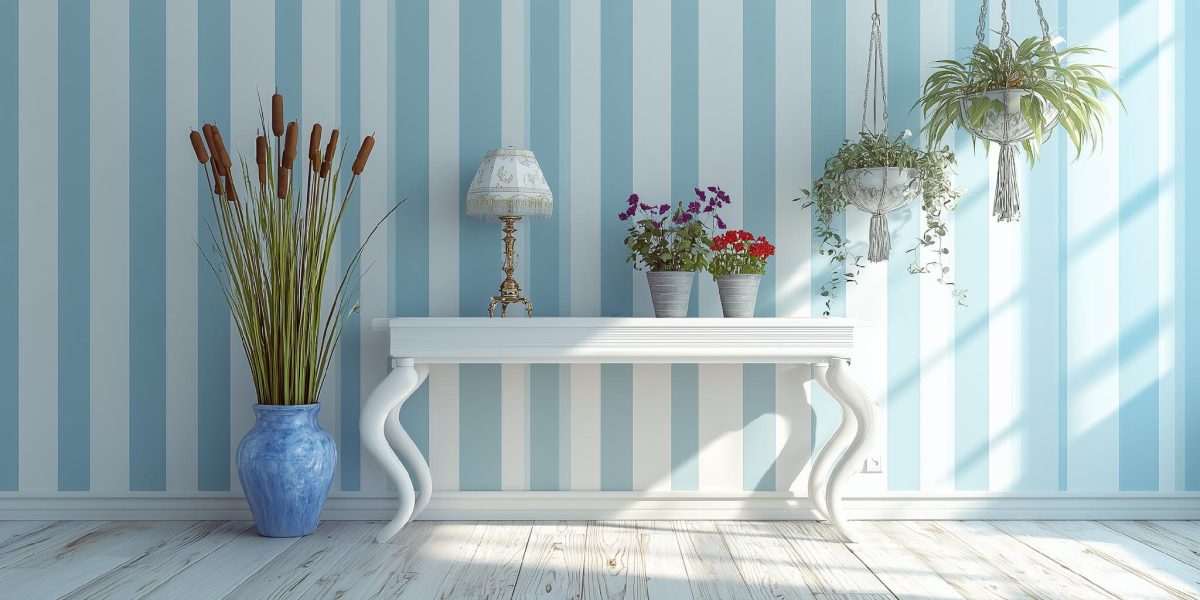
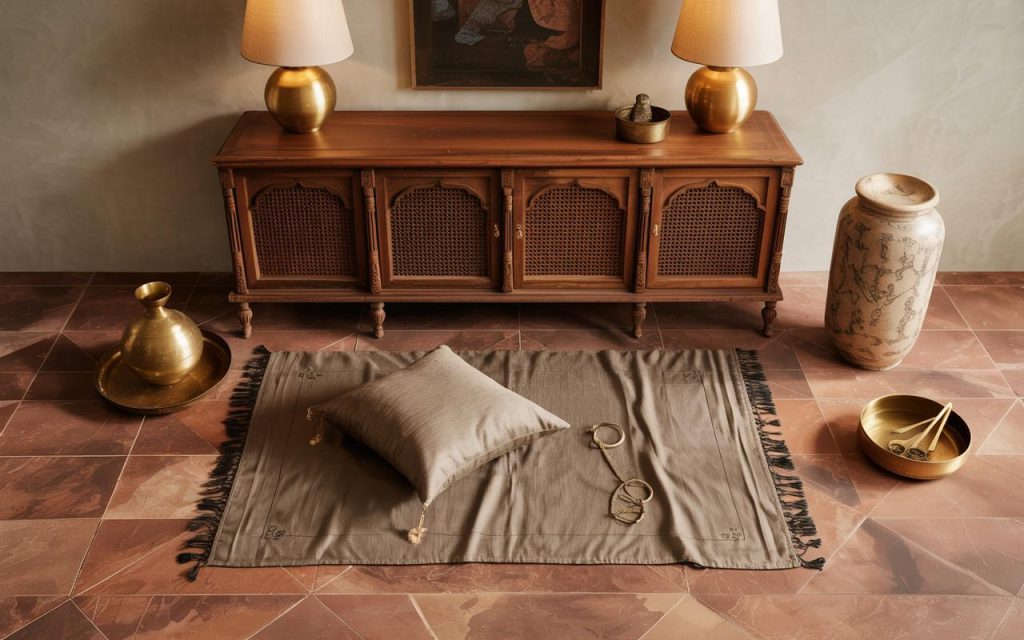
Heritage house design featuring vintage heritage decoration wooden console
The beauty of heritage interior design is its incredible diversity. In India, this could manifest as the regal opulence of Rajasthani Havelis, the airy and rhythmic courtyards of Chettinad homes, or the stately symmetry of British Colonial bungalows.
In a heritage room design inspired by the Victorian era, one might see darker wood tones and floral wallpapers. Conversely, a Mughal-inspired heritage interior would lean towards intricate jali work, arched niches, and soft silk upholstery. Each style requires a specific eye for heritage decoration to ensure the look remains cohesive rather than cluttered.
Modern homeowners often choose to “mix and match,” perhaps placing a traditional Indian jhoola (swing) in a room with neoclassical wall mouldings. This creates a unique dialogue between different eras of heritage interior design, making the space feel evolved rather than decorated in one go.
While the aesthetic rewards are high, working with history presents its own set of unique hurdles.
4. Navigating Challenges in Heritage House Design
Heritage house design featuring vintage heritage decoration wooden console
Adopting a heritage interior design approach is not without its difficulties. One of the most common challenges is the maintenance of old materials. Reclaimed wood can be susceptible to pests, and original stone flooring may require specialised sealing. Furthermore, the sheer scale of traditional furniture can sometimes overwhelm smaller modern rooms.
When planning a heritage room design, scale and proportion are vital. It is important to select “hero” pieces that reflect heritage interior design without crowding the floor plan. Lighting is another hurdle; traditional homes were designed for natural light and oil lamps, so integrating modern electrical layouts into a heritage wall design requires careful concealment of wires to avoid breaking the visual spell.
Despite these challenges, the result is a home with an irreplaceable soul. The key lies in how we interpret these old-world values for a 21st-century lifestyle.
5. Sophisticated Modern Interpretations of Heritage Interior
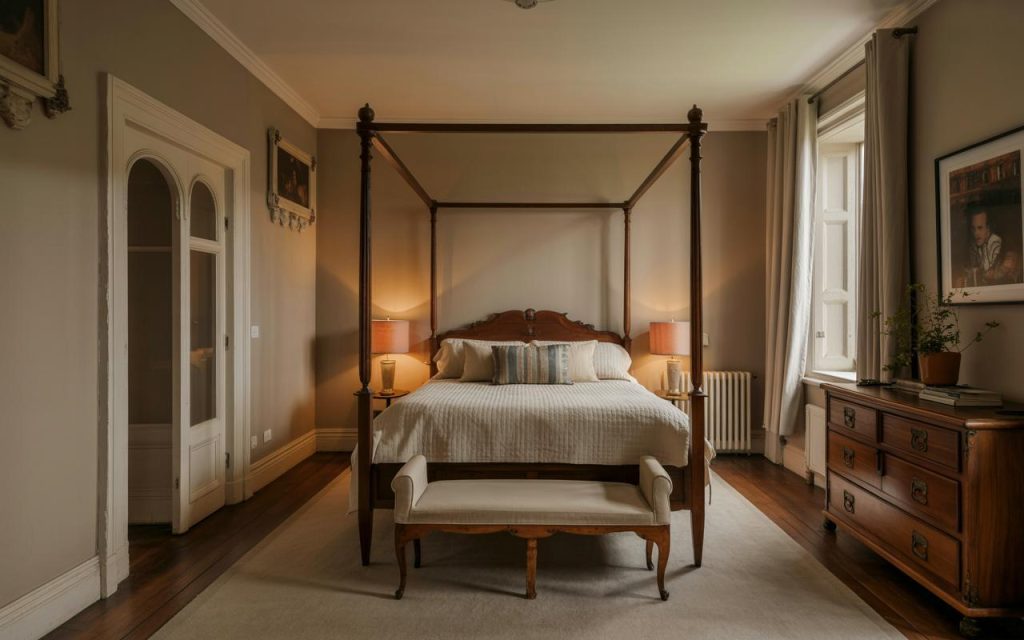
Heritage bedroom design featuring heritage interior and decoration
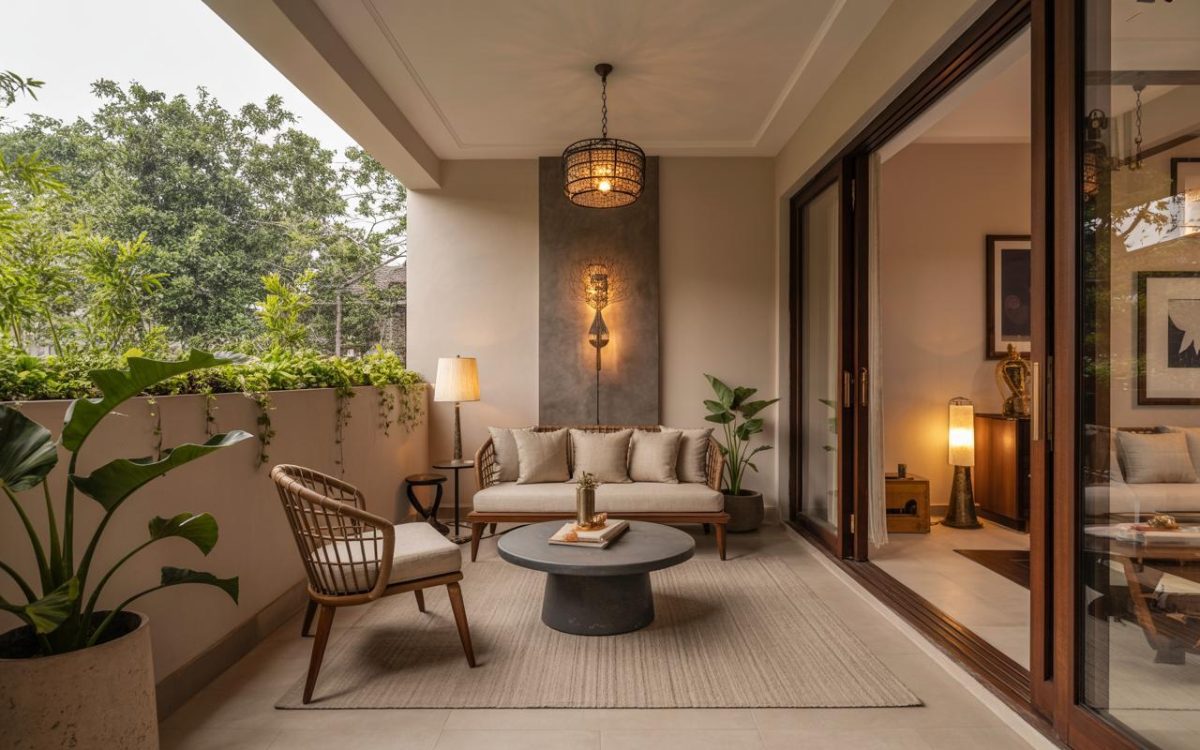
You do not need to live in a palace to enjoy heritage interior design. The modern interpretation of this style is often referred to as “Heritage Chic” or “New Classicism.” This involves taking the best parts of heritage decoration and pairing them with clean, contemporary lines.
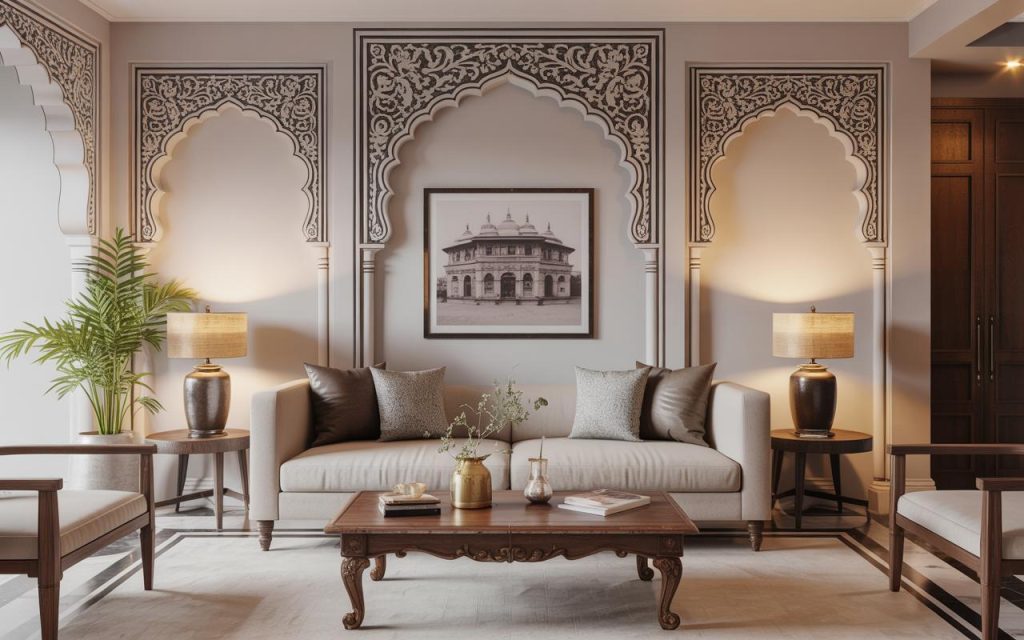
For example, a modern living room might feature a sleek, neutral sofa, but it is anchored by a massive, hand-carved coffee table that exemplifies heritage interior design. A heritage wall design can be achieved by using traditional motifs in a monochromatic colour palette, giving a nod to the past without feeling dated.
In a modern heritage room design, the “less is more” rule often applies. Instead of filling a room with antiques, one might choose a single, stunning heritage interior element, such as a reclaimed wooden door converted into a headboard, to act as a conversation starter.
As we look toward the future of our homes, it becomes clear that the past is our most reliable compass.
Weaving Your Own History
Heritage interior design with intricate heritage wall design
Embracing heritage interior design is a journey of discovery. It requires patience to find the right pieces and a keen eye to balance old-world charm with modern-day convenience. Whether it is through a detailed heritage wall design or the careful curation of a heritage interior, your home can become a beautiful bridge between the stories of the past and the memories you are yet to create.
At HomeLane, we help you build elegance from essentials. Our experts craft interiors that work hard and look good, seamlessly blending heritage interior design with modern functionality.
FAQs On Heritage Interior Design
1. What defines “heritage interior design” compared to just using antiques?
Heritage interior design is a holistic approach that focuses on the architectural soul and cultural narrative of a space, whereas using antiques is simply the act of placing old objects in a room. Heritage design involves using heritage decoration, traditional materials, and historical layouts to create a cohesive atmosphere that honours a specific era or craftsmanship.
2. What types of materials are commonly used in heritage interiors?
A heritage interior typically features natural, durable materials such as solid teak or mahogany, marble, terracotta, brass, and copper. In heritage house design, you will also find hand-woven textiles like silk and linen, as well as lime-based wall finishes that provide a sense of age and texture.
3. How do you choose the right colour palette for a heritage design?
For an authentic heritage interior design, look to historical pigments. This often includes deep jewel tones like emerald and burgundy, or earthy neutrals like ochre, terracotta, and cream. When designing a heritage room design, the palette should complement the natural tones of the wood and stone used in the space.
4. Can modern amenities be integrated into a heritage interior?
Yes, modern amenities can be seamlessly integrated into a heritage interior. The secret is “hidden technology,” where appliances are built into custom cabinetry and wiring is concealed within a heritage wall design. This allows you to enjoy the comforts of smart home technology without disrupting the historical aesthetic of your heritage house design.










 EXPLORE MORE