13 Smart Kids Wardrobe Designs with Stylish and Flexible Storage
By Usha Balasubramanyan- March 17, 2026
Designing a wardrobe for children is about much more than finding space for clothes. It is about creating a system that supports everyday routines, grows with your child, and keeps bedrooms feeling calm rather than chaotic. From school uniforms and play clothes to books, toys, and bags, kids tend to accumulate a lot more than we expect.
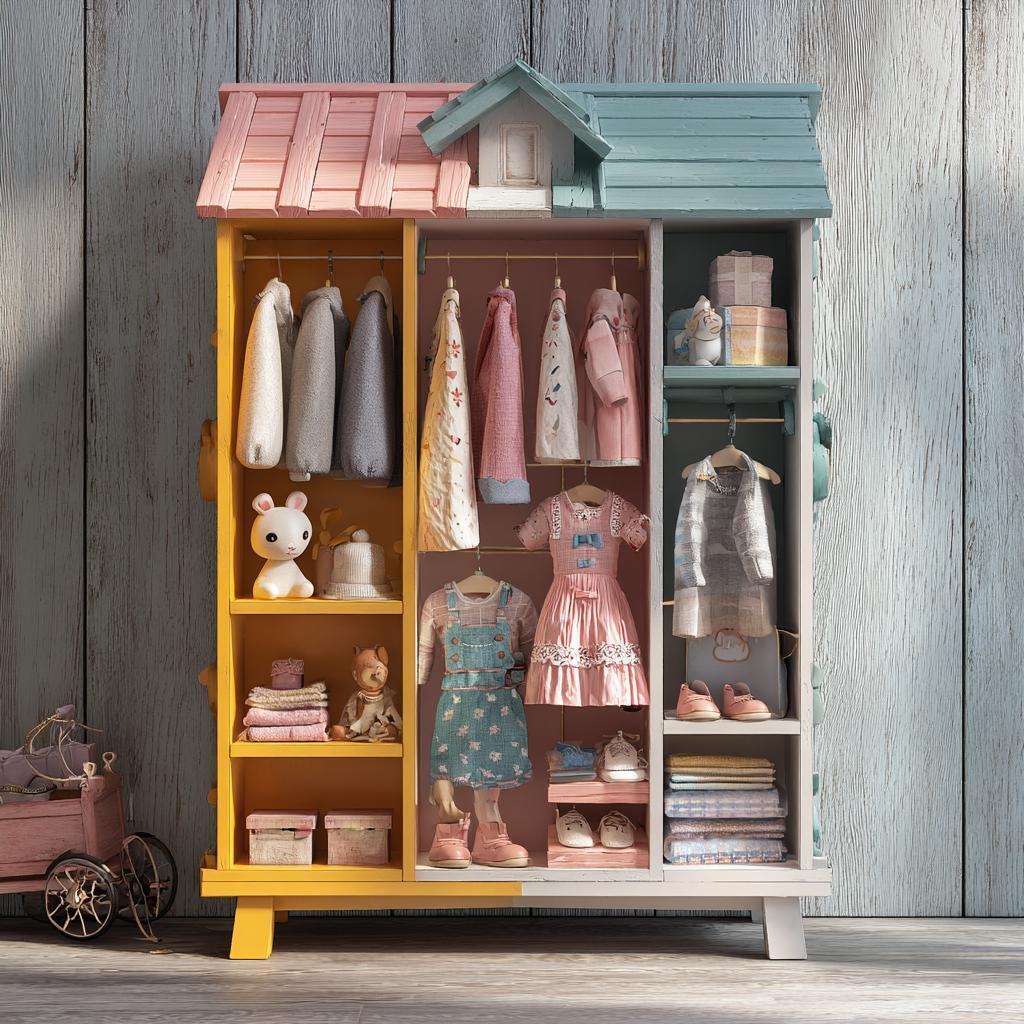
Modern kids wardrobe design with playful storage and pastel colors
A thoughtfully put-together kids wardrobe design can reduce daily stress, encourage independence, and make tidying up far less of a struggle. With the right balance of storage, safety, and flexibility, it becomes one of the most hardworking pieces of furniture in your home.
Let us explore how to design a kids wardrobe that works like a dream!
Why a Functional Wardrobe Matters for Kids
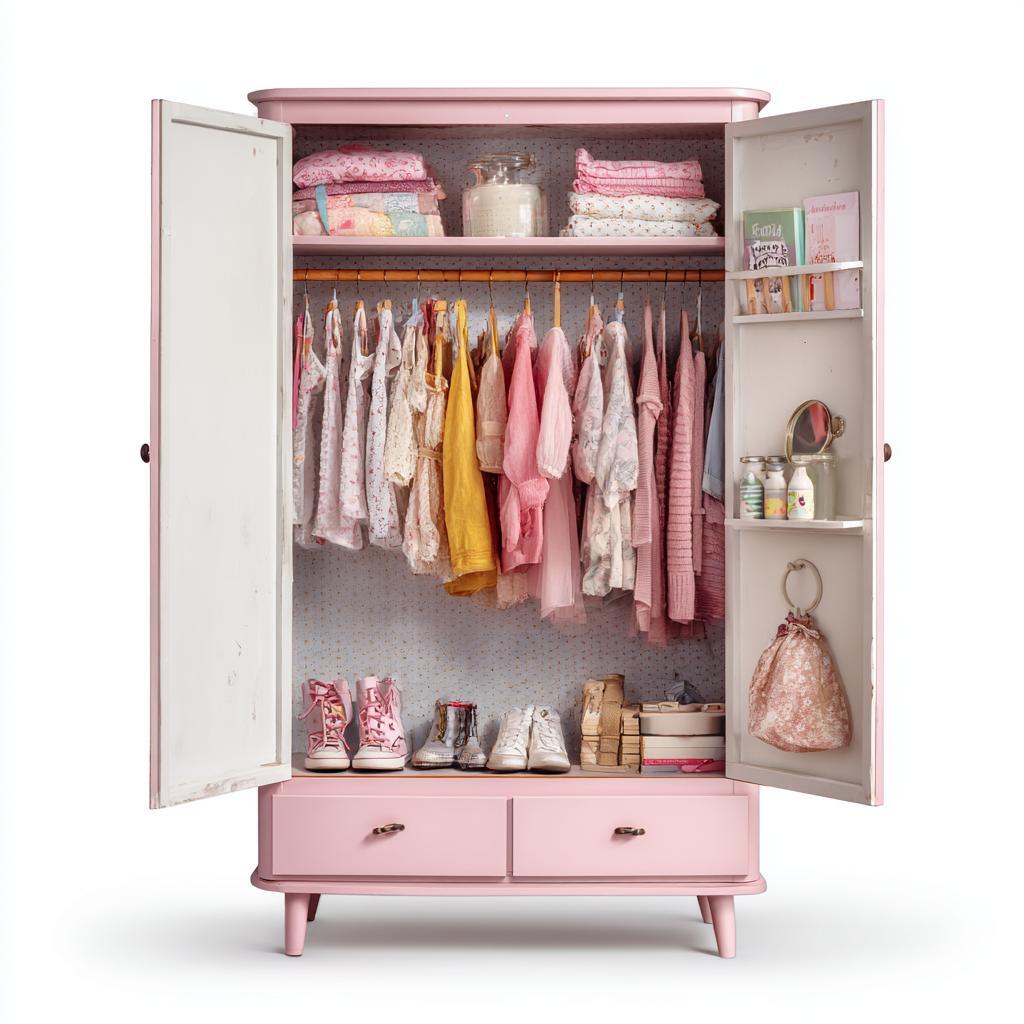
Kids room wardrobe design with pastel colors and organized storage
Children need spaces that are easy to use. When a wardrobe is designed at their height and around their routines, it naturally becomes part of their everyday life. They can see their clothes, choose what to wear, and put things away without constant nagging.
A functional modern kids’ wardrobe design also helps parents stay sane! Demarcated sections for uniforms, casual wear, shoes, and accessories mean fewer crazed searches on busy mornings. And over time, kids learn where their things belong, which builds responsibility in a beautifully age-appropriate way.
Just as importantly, a well-organised wardrobe keeps bedrooms visually calmer. When clutter is hidden or neatly arranged, the room feels more spacious and restful, which is especially important for young minds.
Things to Consider Before Designing a Kids Wardrobe
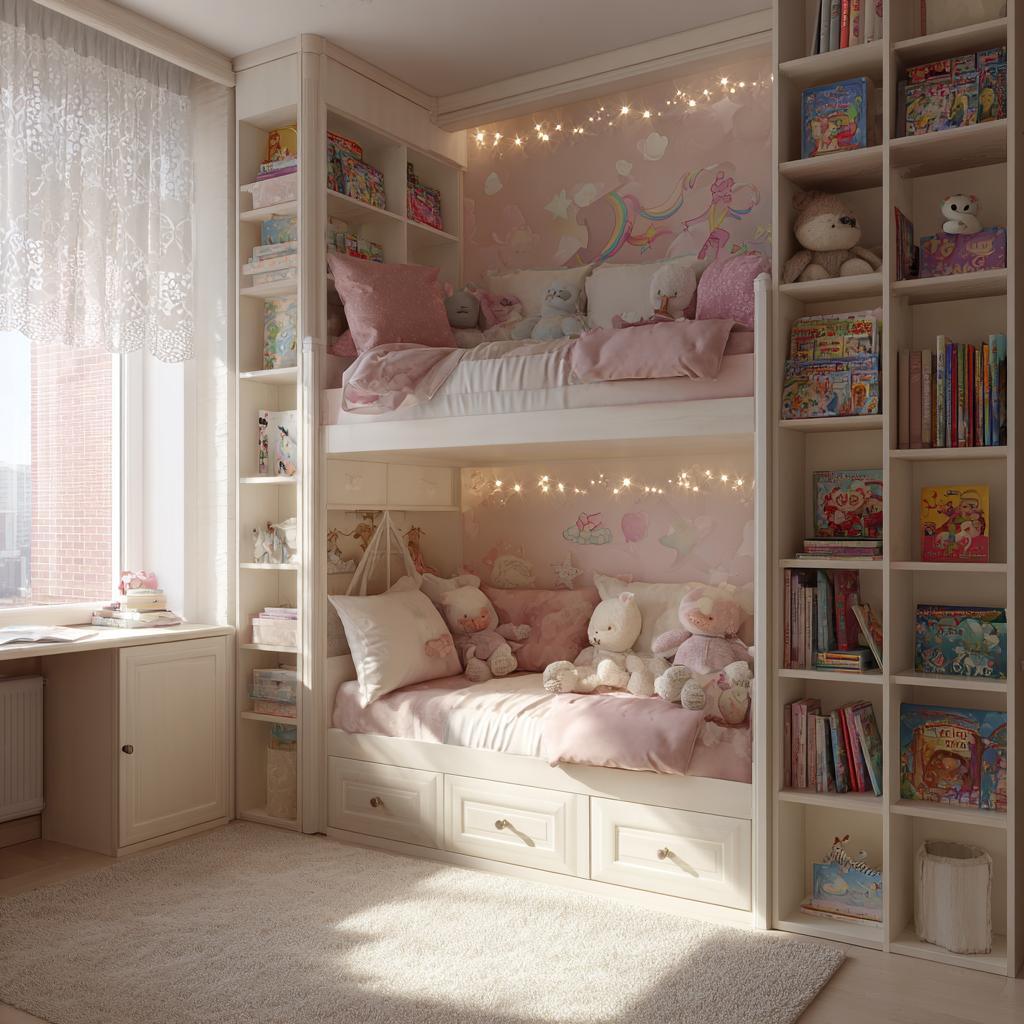
Kids bedroom wardrobe designs with bunk storage shelves and books
Before jumping into finishes and layouts for your kids’ room wardrobe design, it helps to step back and plan with intention.
Start by considering your child’s current age and future needs. Toddlers (say ages 3 to 5) need lower storage and open access, while older children require more hanging space and drawers. Teenagers will probably need zones for accessories, sportswear, or any hobby-related items.
Room size and layout also play a role. In compact bedrooms, sliding wardrobes or integrated study-and-wardrobe units help save space. In a room that’s larger, there’s enough space for full-height wardrobes with mixed storage.
Safety, of course, is non-negotiable. Rounded edges, sturdy construction, soft-close drawers, and secure fittings prevent accidents. Ventilation is equally important, especially in humid climates, to keep clothes fresh.
Finally, think long-term. Shelves with adjustable heights, drawers on the outside, and modular interiors allow kids’ bedroom wardrobe designs to evolve as your child grows.
13 Smart Kids Wardrobe Design Ideas
1. Low hanging rods
Kids wardrobe design with pastel storage shelves and hanging space
Placing hanging rods at child-friendly heights allows kids to access clothes independently and build daily routines.
2. Open shelves for daily wear
Frequently used clothes can be grabbed easily when stored on open shelves, reducing mess and decision fatigue.
3. Closed cabinets for seasonal storage
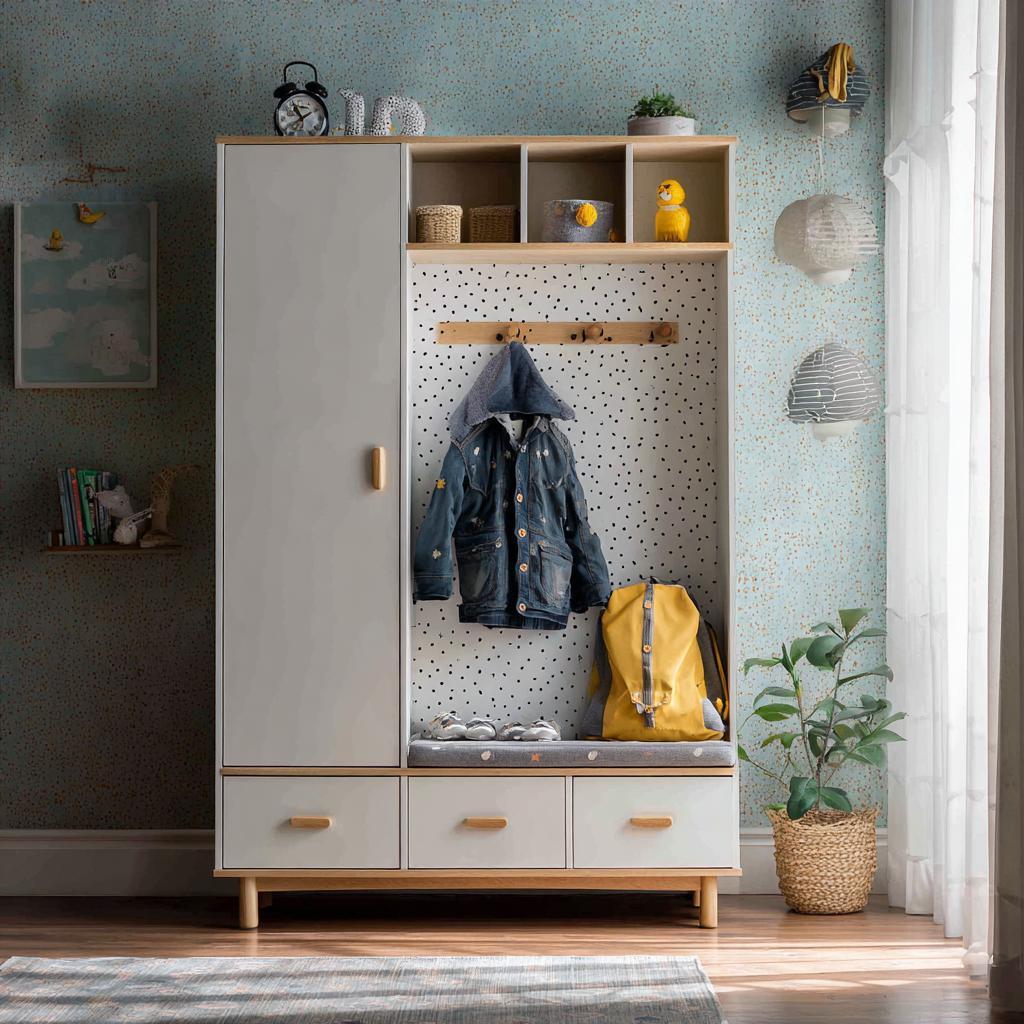
Boy kids wardrobe design with open storage hooks drawers shelves
Use closed sections for rarely used items (winter wear, party clothes) to keep the wardrobe looking neat.
4. Pull-out baskets for small stuff
Modern kids wardrobe design with pastel colors open shelves storage
Baskets are perfect for socks, belts, toys, and accessories that tend to disappear easily.
5. Colour-coded storage cubbies
Assign colours or labels to sections so kids know exactly where things belong.
6. Kids wardrobe design with a study table
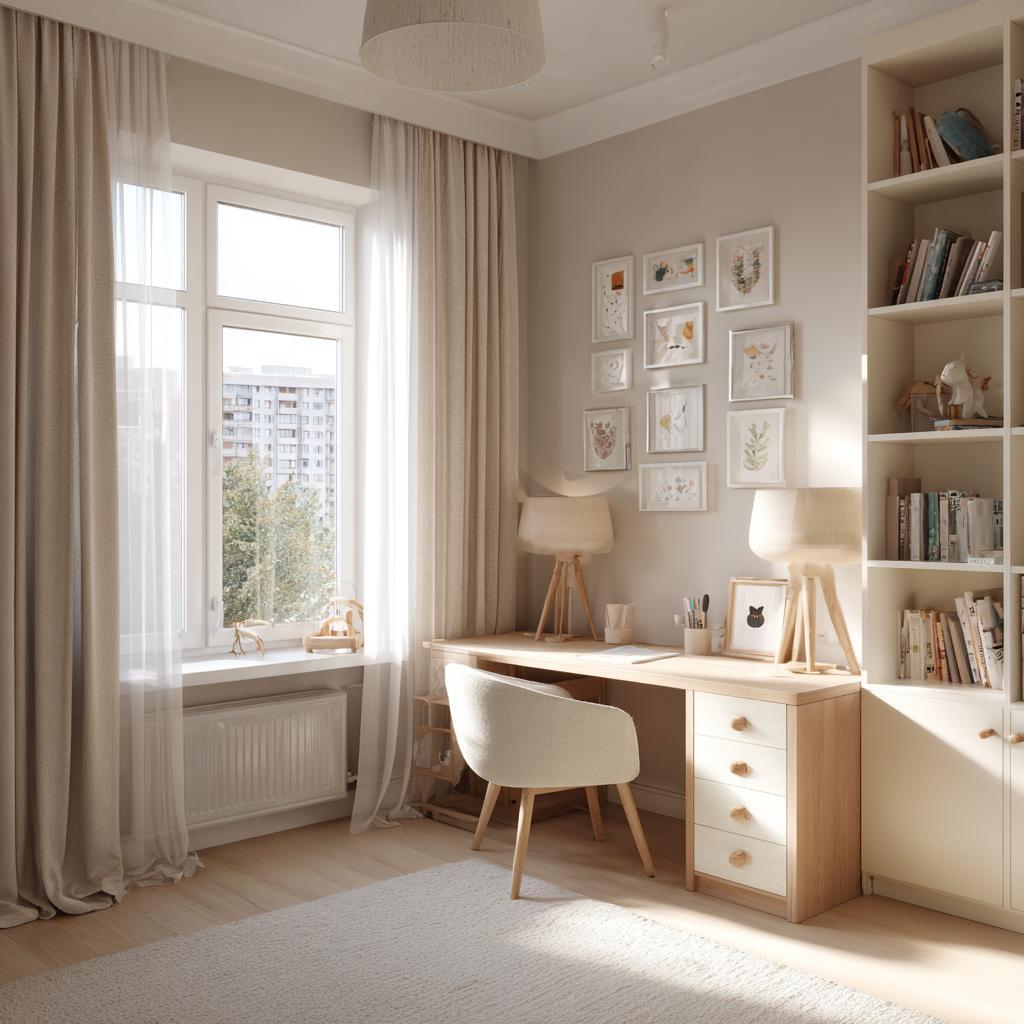
Kids room wardrobe design with study corner modern storage shelving
This saves space and creates a focused learning corner.
7. Sliding doors for compact rooms
Sliding shutters don’t need swing space, which makes them the better choice for smaller bedrooms.
8. Pin-up boards and message boards
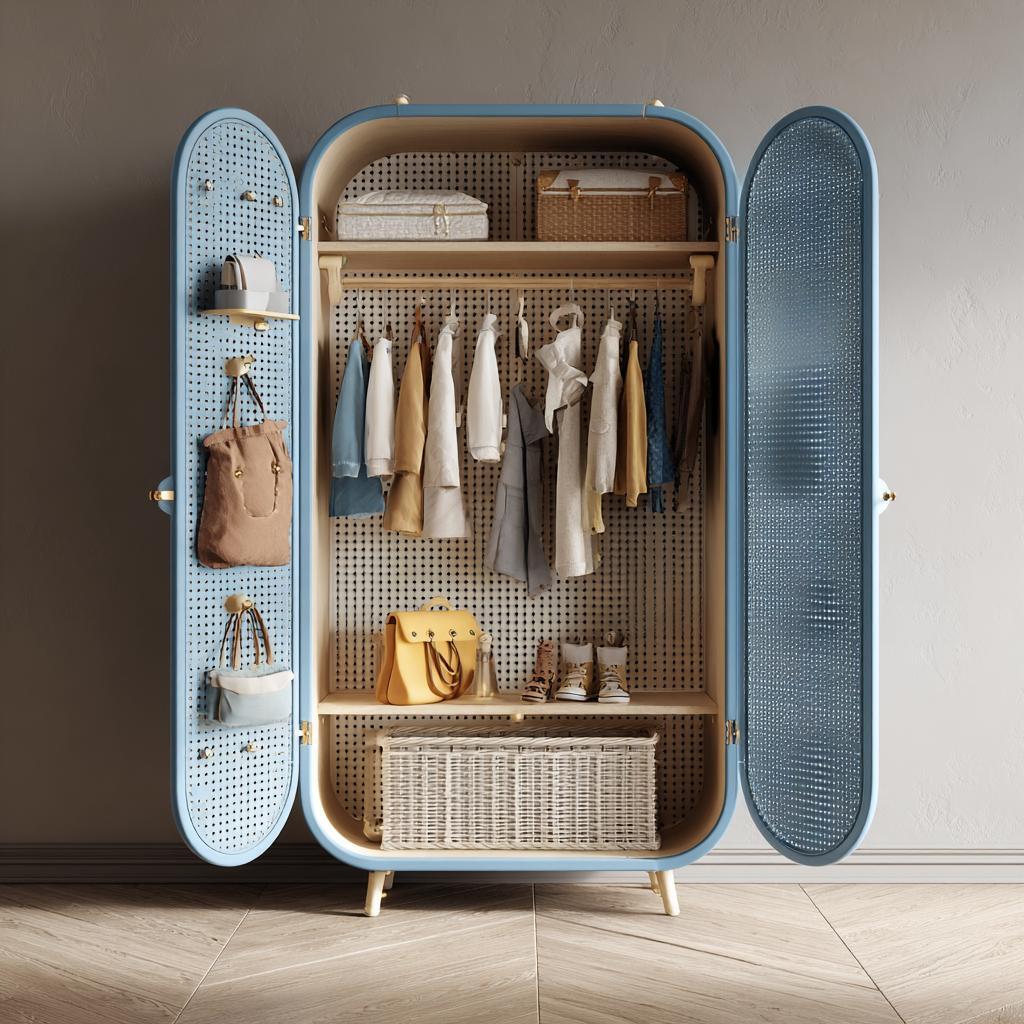
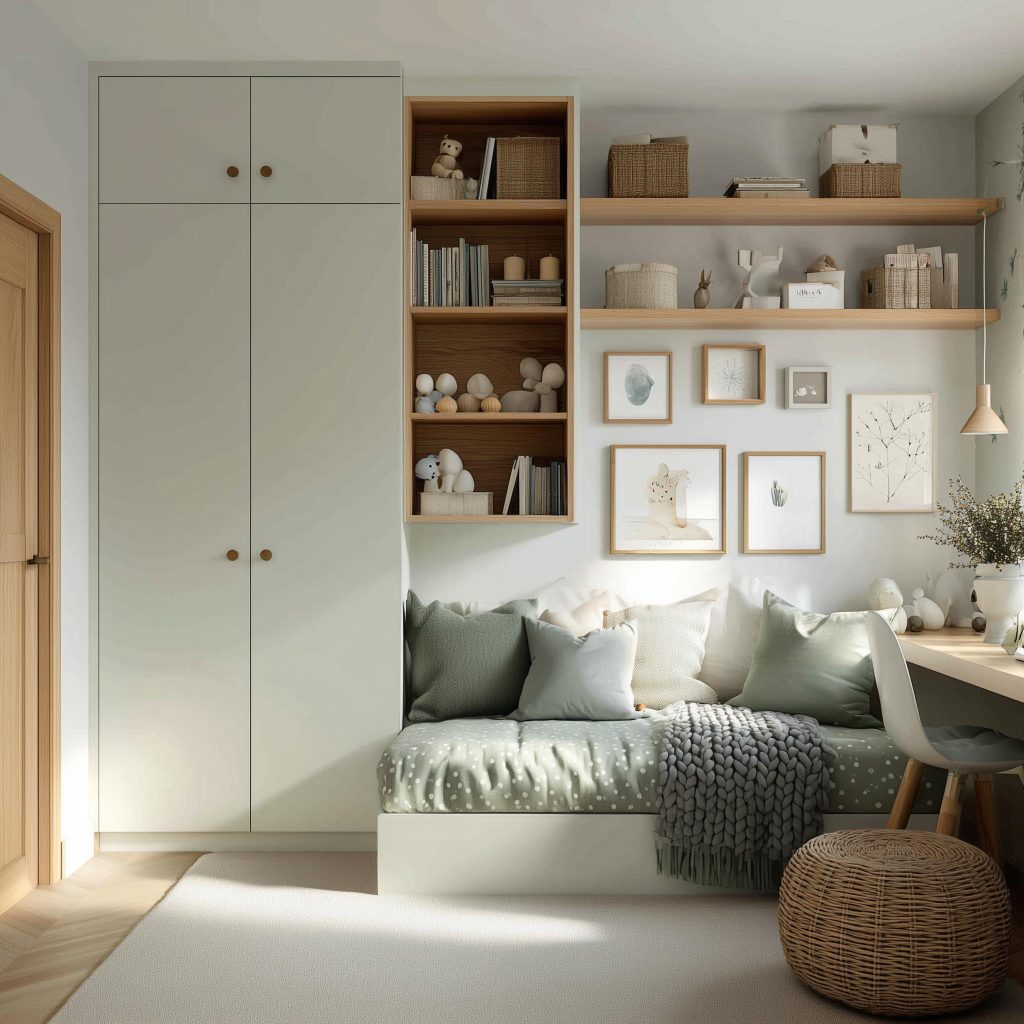
Modern kids wardrobe design with seating nook, open shelves, playful storage
Scribbles encourage creativity. Inside shutters or side panels can double up as message boards or art displays.
9. Mirrors placed at kid height
A child-height mirror encourages independence and builds confidence.
10. Pull-down mechanisms for top storage
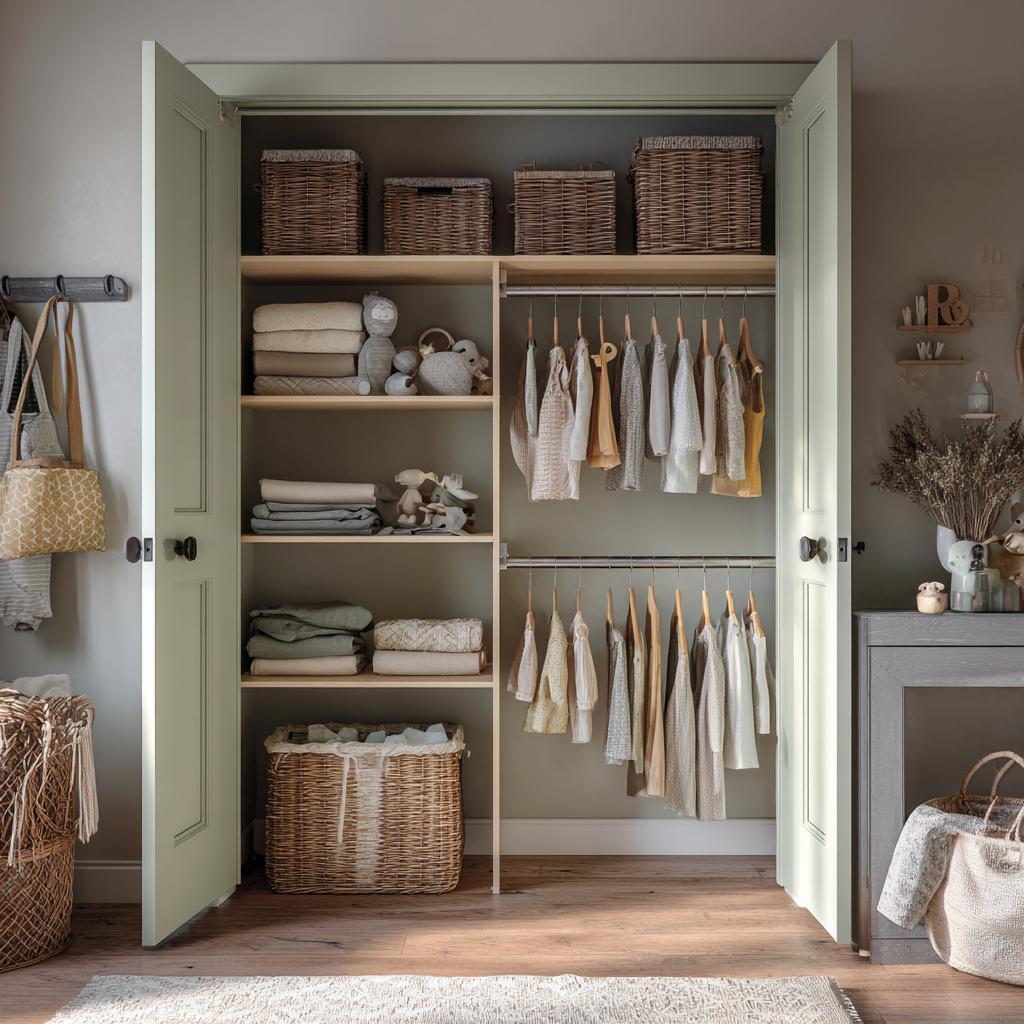
Kids bedroom wardrobe designs with open shelving, hanging space, soft neutral tones
These make higher sections accessible and practical, even for younger children.
11. Open cubbies for bags and shoes
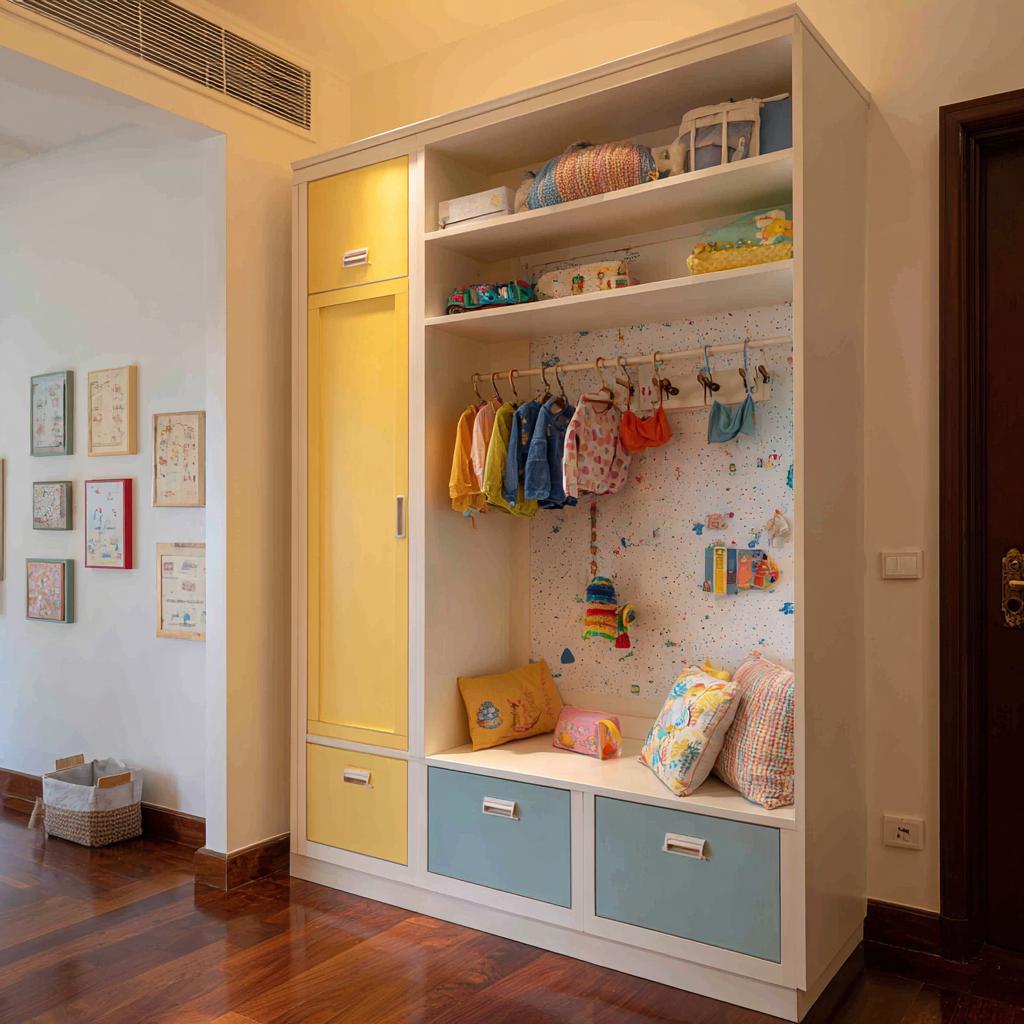
Modern kids wardrobe design with built-in storage, cozy seating, soft pastel palette
Dedicated cubbies prevent clutter from spreading across the room.
12. Hidden laundry sections
A pull-out hamper keeps worn clothes out of sight and rooms looking tidy.
13. Convertible interiors
Design interiors that can be reconfigured as clothing and storage needs change over time.
Tips to Keep Kids’ Wardrobes Organised
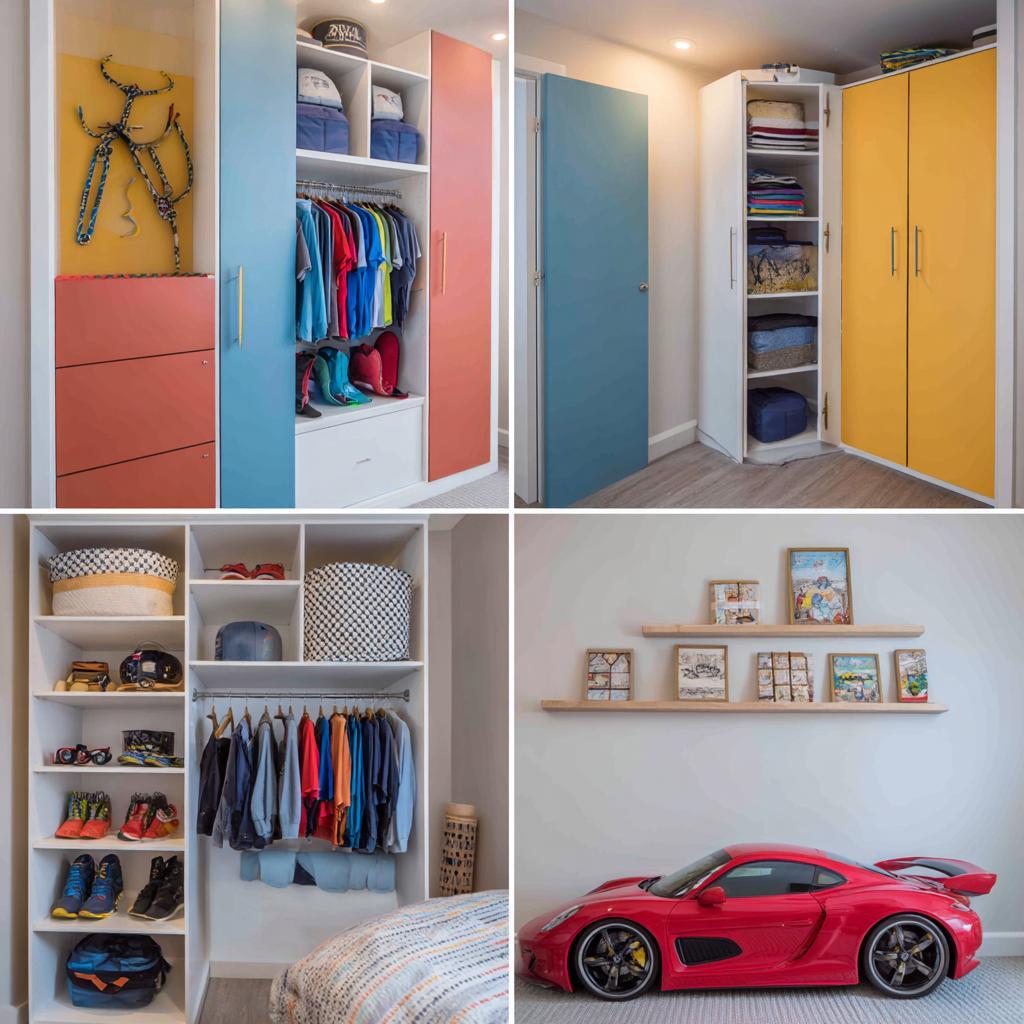
Boy kids wardrobe design with colorful storage, open shelves, and sliding panels
Even the smartest kids wardrobe design benefits from simple habits. Encourage children to return clothes to the same place every day. Clear sections and visual cues make this easier.
Rotate clothes with the seasons, so only what is currently worn stays within reach. This reduces clutter and helps kids have fewer, easier choices. Never, ever overcrowd shelves, as packed spaces tend to become messy all-too-quickly.
A short monthly tidy-up works wonders. It keeps the wardrobe functional and teaches kids how to maintain their space without feeling overwhelmed.
Best Materials for Durability and Safety
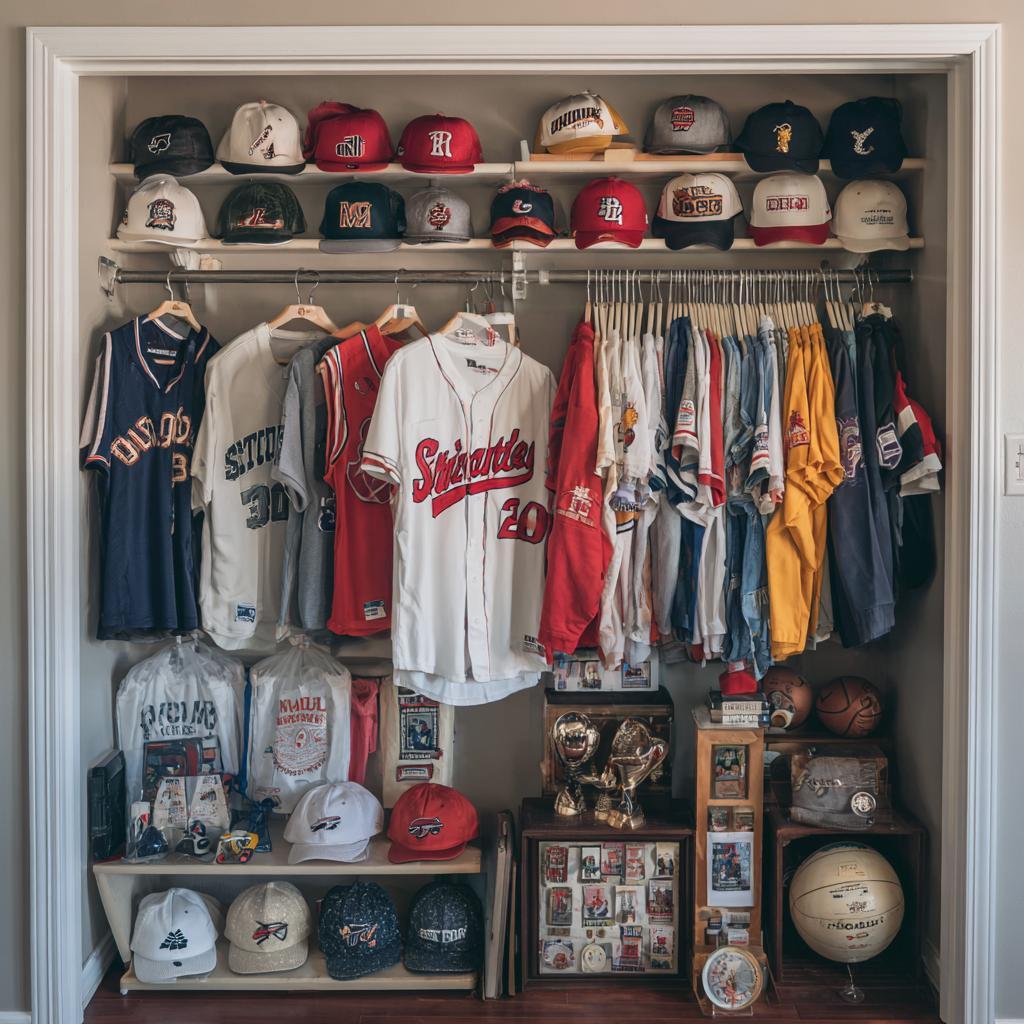
Kids bedroom wardrobe designs showcasing sports-themed storage for growing boys
Kids wardrobe designs need to handle daily wear and tear, which makes material choice crucial.
Engineered wood is a strong and reliable option for structure. Laminate finishes are ideal for kids rooms as they are scratch-resistant, easy to clean, and available in many colours and textures. Matte finishes tend to hide fingerprints better than glossy ones.
Hardware matters a great deal too. Soft-close hinges and drawers reduce injuries to little hands and improve longevity. Rounded edges and smooth finishes further enhance safety. Sliding wardrobe designs for kids bedrooms should be top hung for added safety.
At HomeLane, kids’ wardrobes are designed with durability, safety, and adaptability in mind, ensuring they remain functional well beyond early childhood.
Designing a Wardrobe That Grows with Your Child
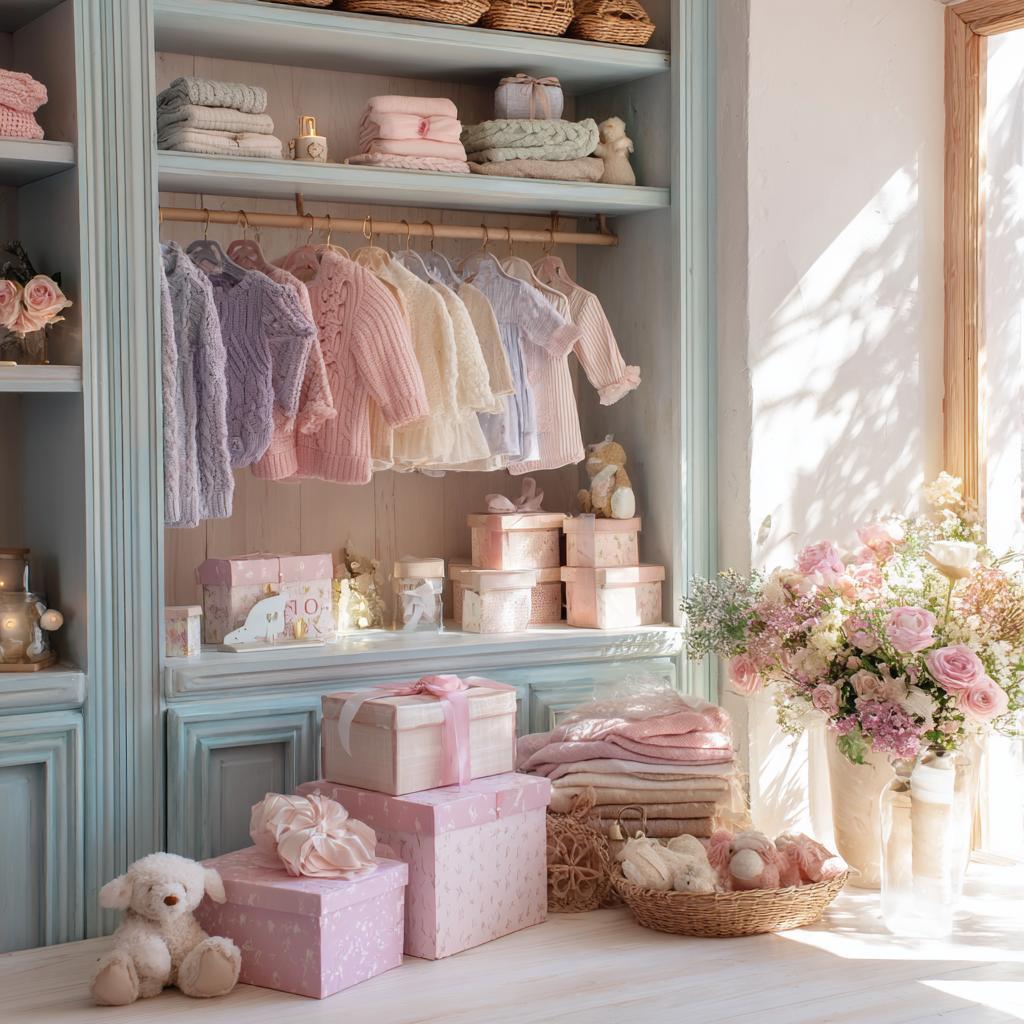
Wardrobe design kids with pastel shelves for cozy nursery storage
Children grow quickly, and their storage needs change just as fast. A wardrobe that works at age five may not suit a ten-year-old. This is why flexibility should be built into the design from the start.
Your kids wardrobe internal design should be detailed out with care. Adjustable shelves, removable drawers, and modular layouts allow interiors to be reconfigured instead of replaced. Neutral exterior finishes also help the wardrobe stay relevant as tastes change.
By planning ahead, you can do away with the need for frequent renovations and can also ensure the wardrobe continues to support your child through different life stages.
While function is key, style should not be overlooked. A wardrobe that looks good encourages kids to take pride in their space. Choose finishes that complement the room rather than overpower it. A kids wardrobe design with a study table neatly integrates your child’s needs into one unit.
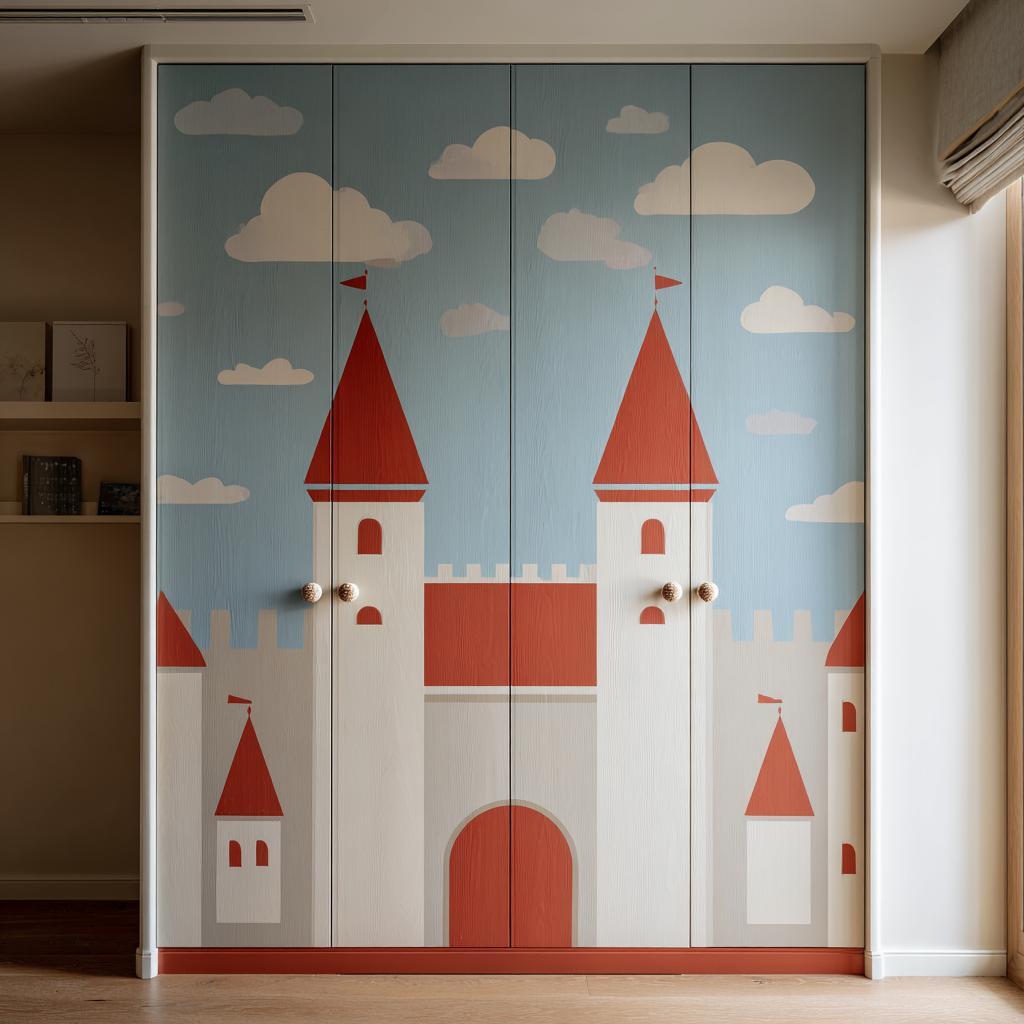
Soft colours, subtle patterns, and clean lines create a balanced look. Playful elements can be introduced in the kids wardrobe door designs through handles, interior colours, or accessories rather than bold external finishes, which children may outgrow quickly.
Let’s Get Started!
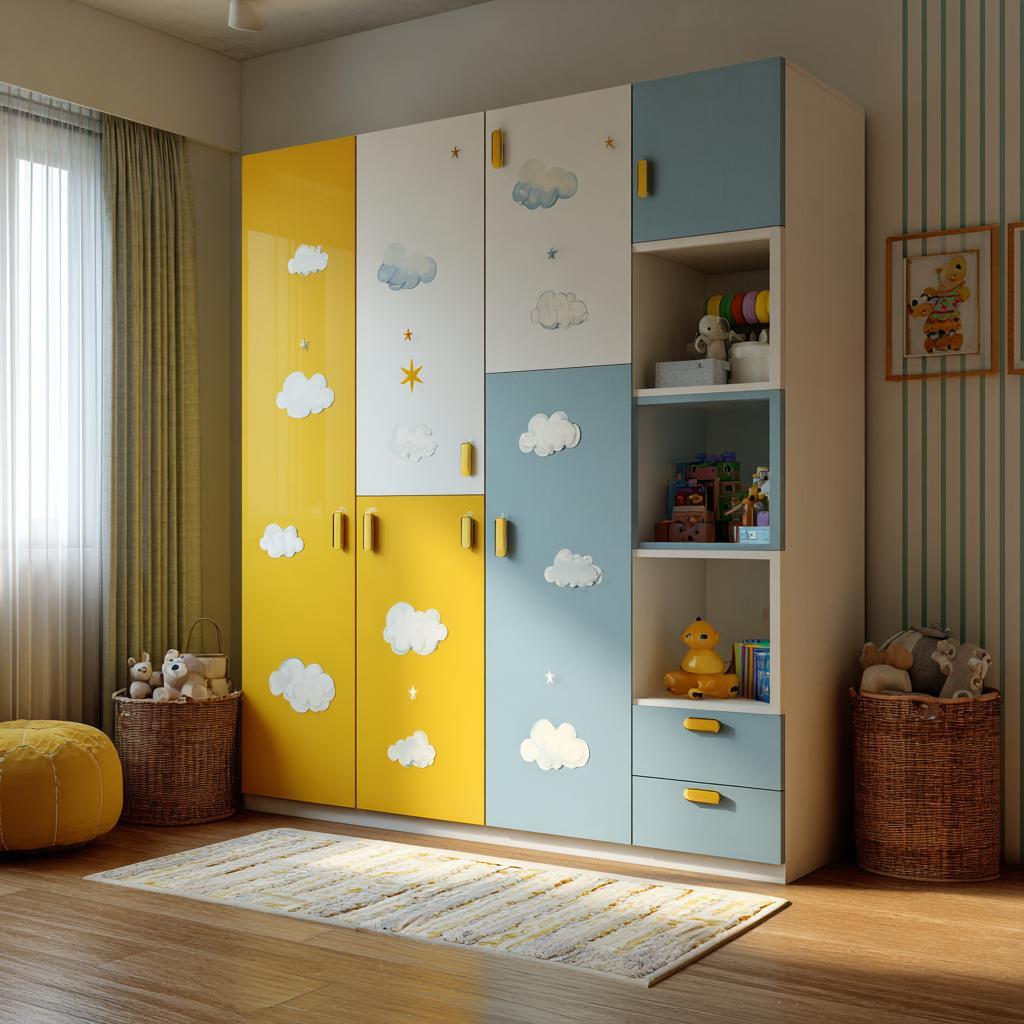
Bright cloud themed kids room wardrobe design for cheerful modern bedrooms
A kids wardrobe is one of the most important pieces of furniture in a child’s room. When designed with care, it simplifies routines, reduces clutter, and helps your little ones become more independent over time.
The best kids’ wardrobe designs factor in safety, flexibility, and ease of use; while still leaving room for personality and growth. With the right planning, a wardrobe becomes more than storage. It becomes a quiet support system for everyday life!
1. What should be included in a kid’s wardrobe design?
A mix of hanging space, drawers, shelves, open sections, and safe hardware works best.
2. How to choose the right wardrobe size for kids?
Plan based on room size and future needs. A kids’ room design with the wardrobe should be planned with adjustable storage that can grow with your child.
3. Which materials are best for wardrobes designs for kids?
Engineered wood (MDF, HDF, HDHMR) with laminate finishes offers durability, safety, and easy maintenance.
4. How to organise a wardrobe for children effectively?
Use clear sections, labels, and low storage zones so kids can manage their belongings independently.
5. Are open or closed wardrobes better for kids?
A combination works best. Open sections are great for daily use, while closed units keep the room looking tidy. Modern kids bedroom wardrobe designs are designed with the child’s needs in mind, so you can also take their inputs into consideration.















 EXPLORE MORE