Best Kitchen Electrical Points Planning Guide Before Installation
By Usha Balasubramanyan- January 09, 2026
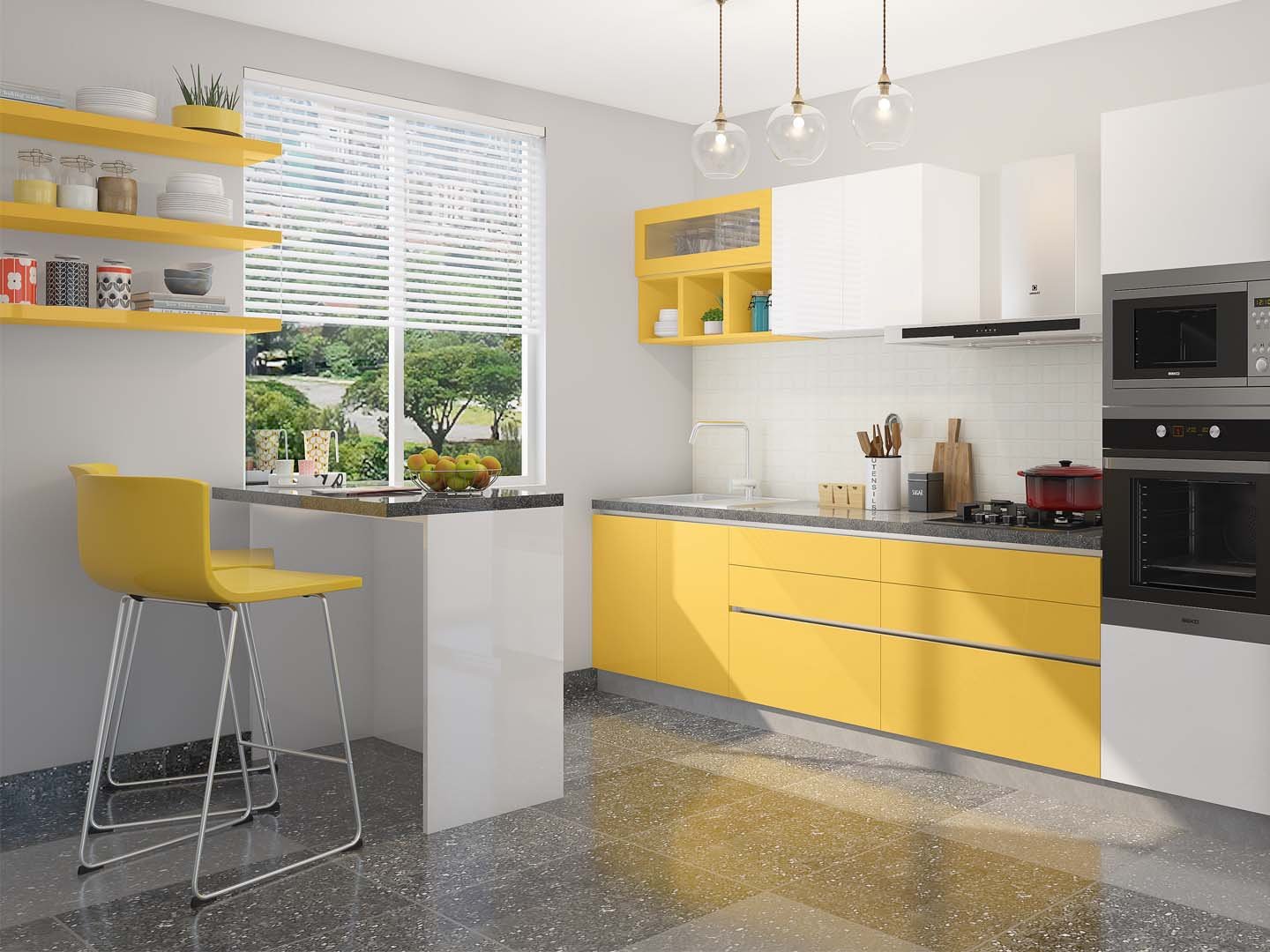
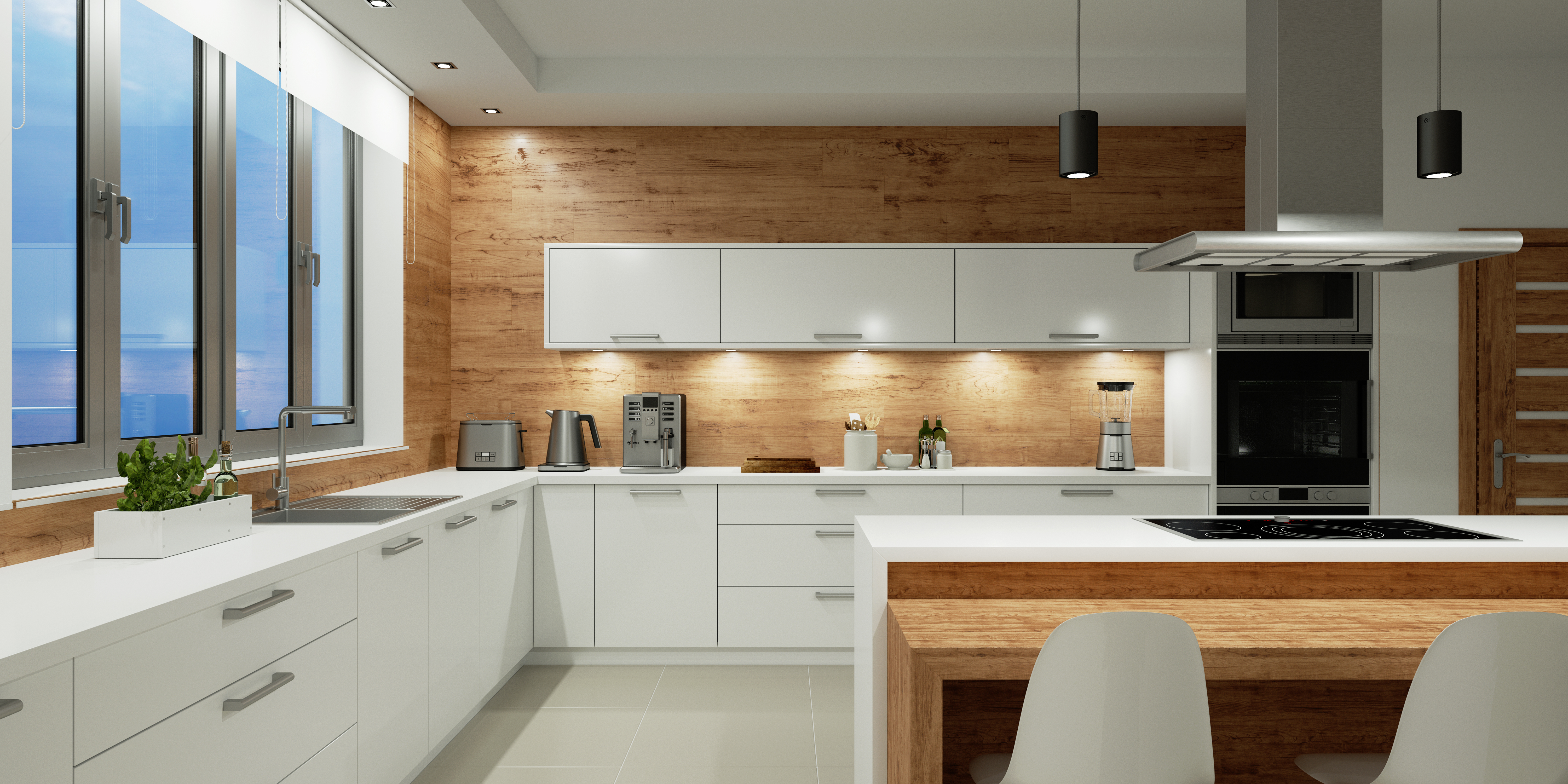
When planning your Kitchen interior design and modular kitchen, the layout must be organized while keeping your appliances in mind. Where will you be plugging in the coffeemaker in the morning? What is the power consumption of your side-by-side refrigerator? Can the microwave and OTG share the same socket? We are here to give you a ready reckoner for the electrical points in your kitchen.
Different Kitchen Appliances And The Power They Require:
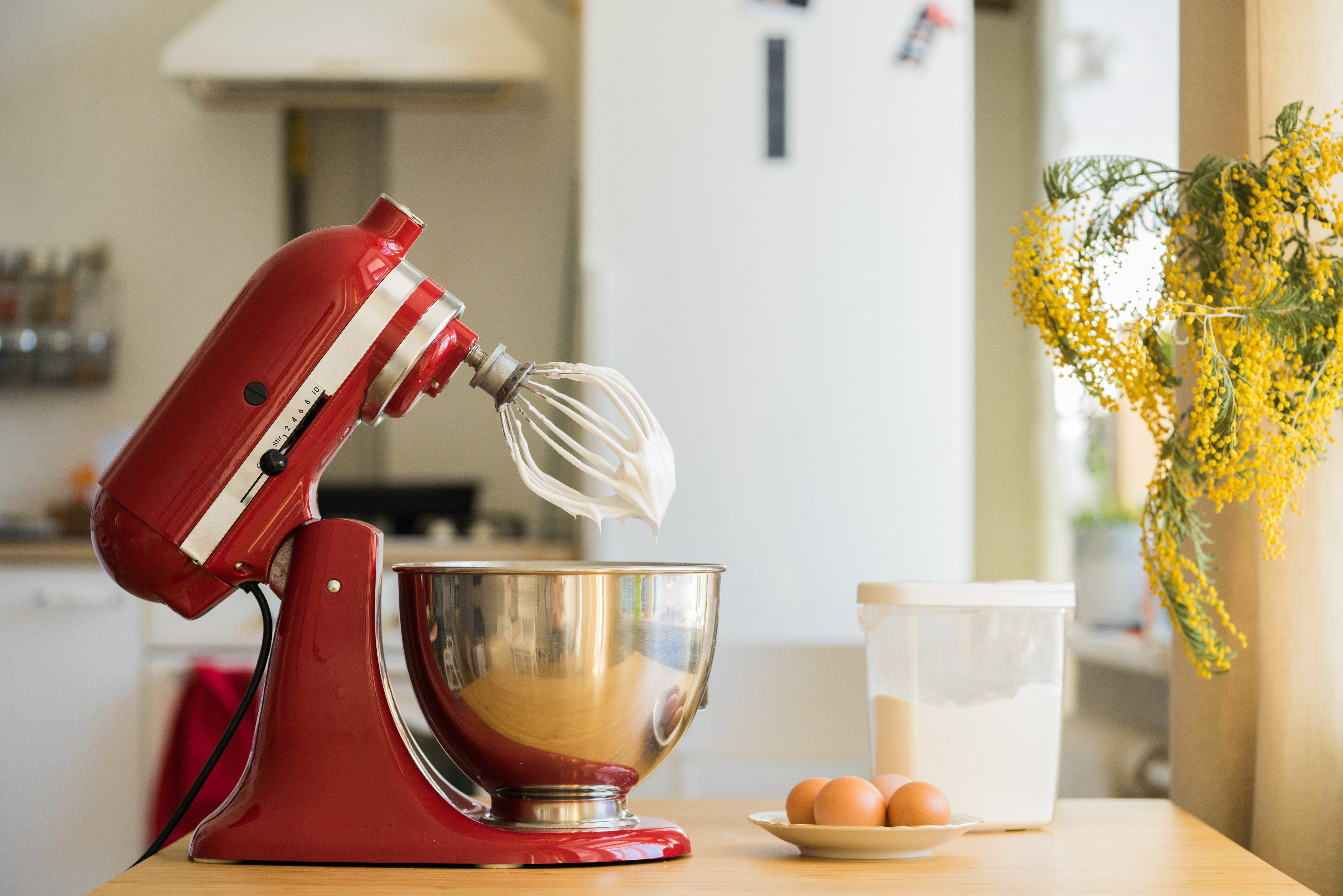
Mixer grinder
A mixer-grinder uses 5 amps only. Consider where you will be using this appliance most frequently, and locate the electrical points accordingly. Hand mixers also use 5 amps.
Kitchen electrical points for convenient and safe appliance usage
Hob
Standard hobs require a 5 amps power socket with a switch that is usually placed just above the countertop, to one side of the space left for fitting the hob. More sophisticated hobs with heating coils could require 15 amps power, so do check with the manufacturing specifications.
Chimney
A 5 amps socket that is placed at the height of 7 feet is required for the chimney.
Microwave and OTG
Microwave and OTG require separate 15 amps sockets with a switch.
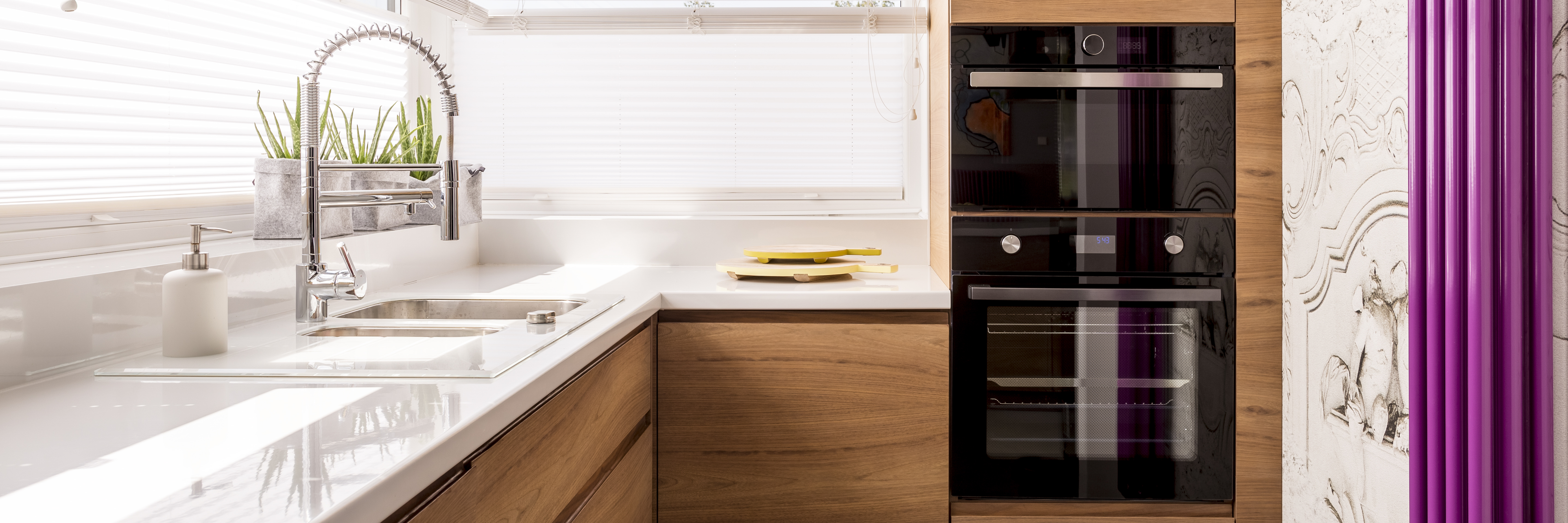
Kitchen electrical points ensure safety, efficiency and modern appliance use
Water Purifier/ RO
Usually placed close to the sink for ease of plumbing, the water purifier/RO system needs a 6 amps socket.
Refrigerator
The fridge requires a 5 amps connection, usually provided close to the ground. Also consider the placement of a voltage stabiliser if there is no inbuilt stabiliser for the model you are choosing, or if there are a lot of voltage surges in your neighbourhood.
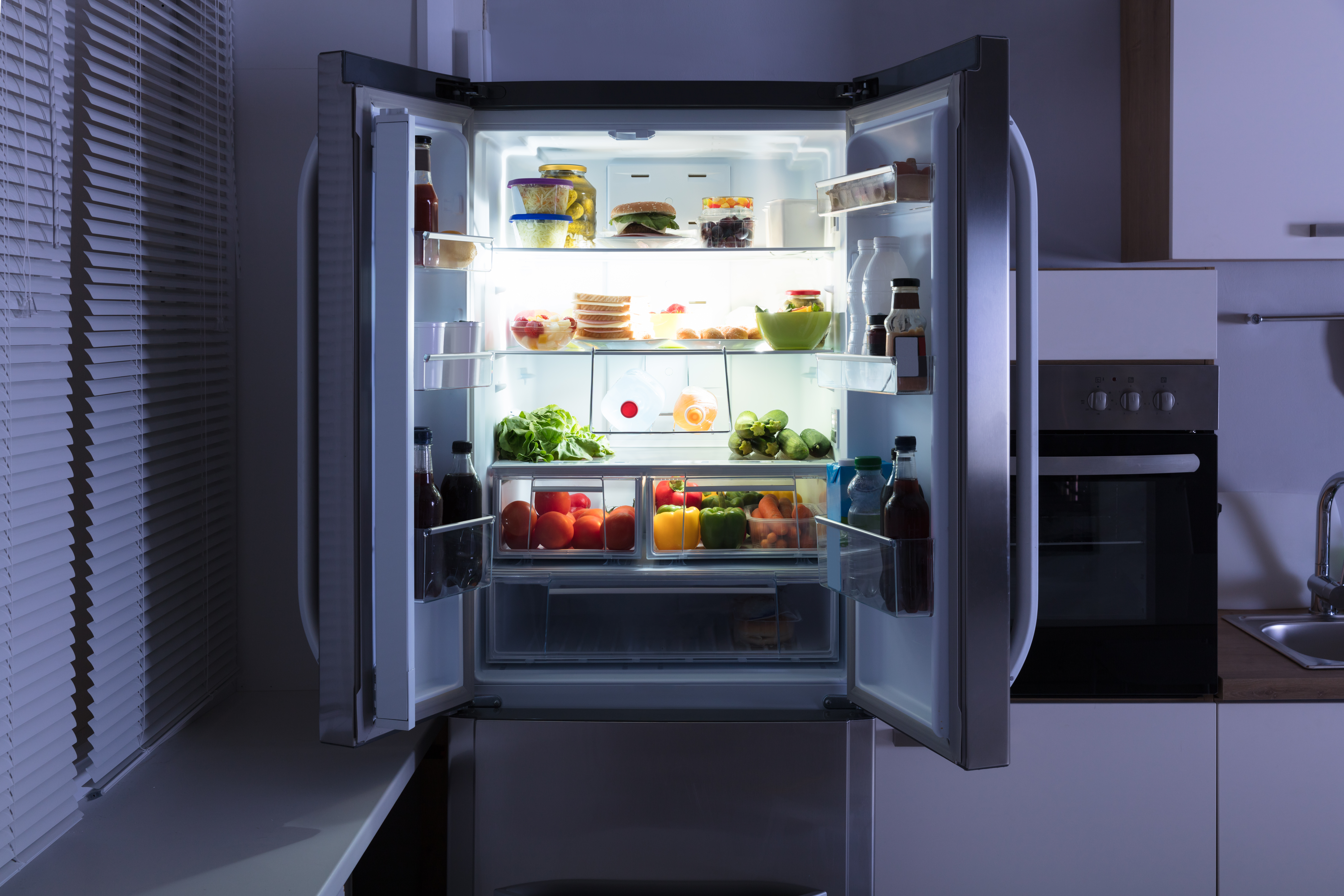
Efficient kitchen electrical points planning for safe refrigerator and appliance use
Dishwasher
The dishwasher should be located below the counter and right next to the sink so that it can be loaded and accessed easily. You will require a 15 amps powerpoint for the dishwasher.
Hot Water Geyser
A geyser requires a 15 amps power socket. The ideal location is above the sink, for ease of plumbing and so that you can get hot water where you need it most.
Toaster
A four-slice toaster will also need a 15 amps socket. Sandwich makers and grills also require 15 amps.
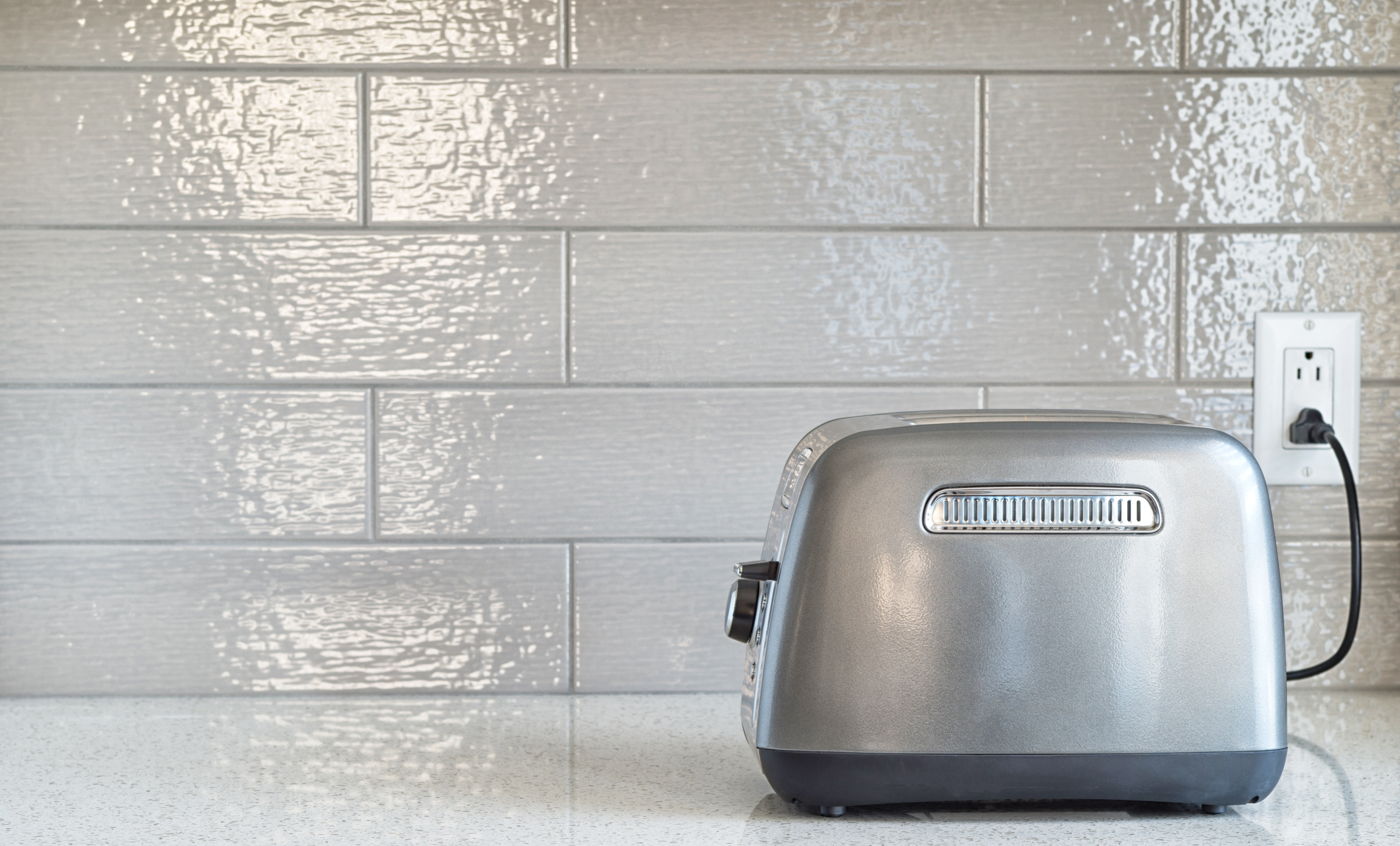
Smart kitchen electrical points placement for safe and convenient countertop appliances
A Hot Plate
An electric cooking hot plate requires a 15 amps power socket.
Coffeemaker
Coffeemakers work on a 5 amps socket connection.
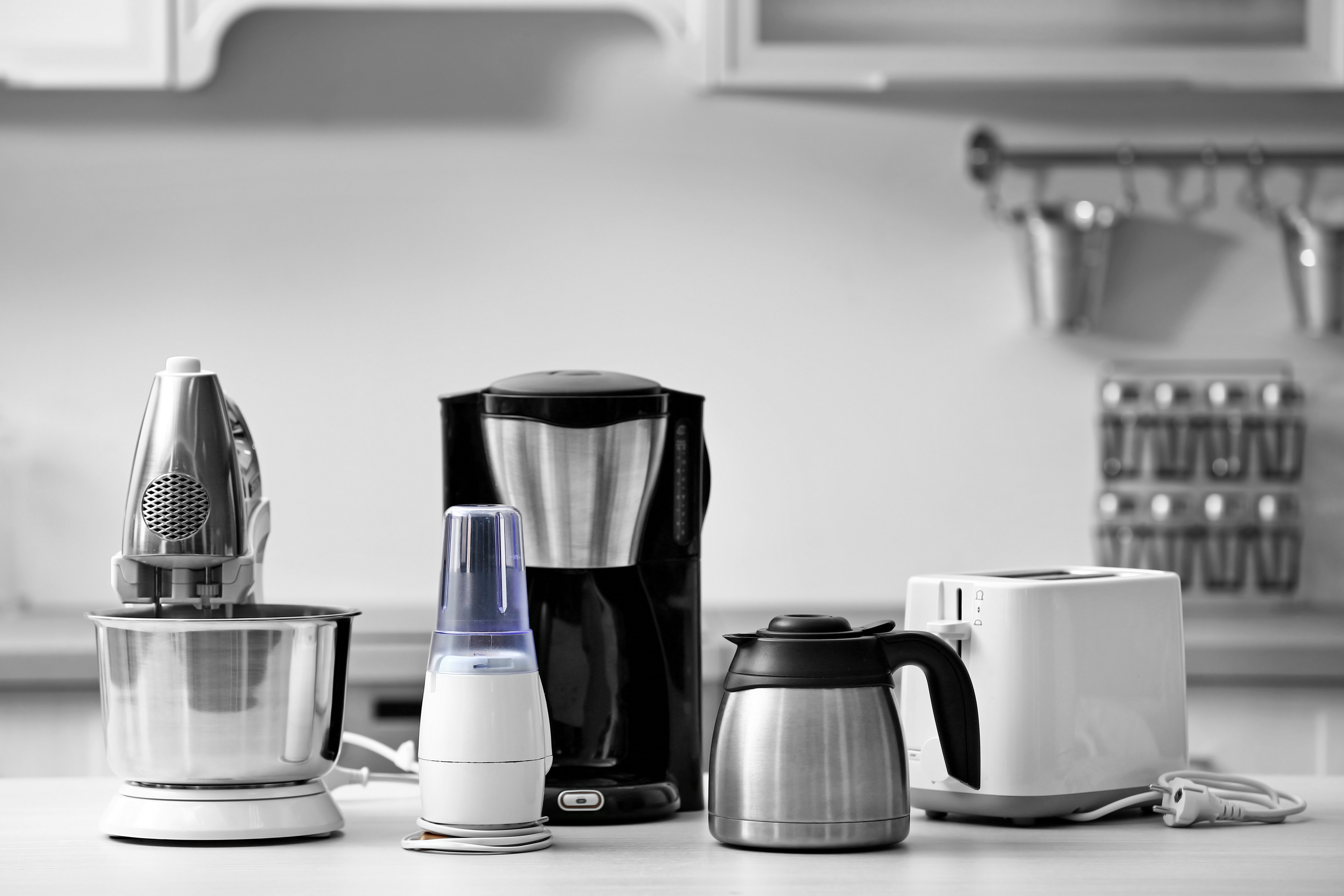
Efficient kitchen electrical points for safely running multiple appliances at once
Planning Electrical Points for Kitchen Lighting
Your kitchen needs to have adequate light that is both functional and aesthetic.
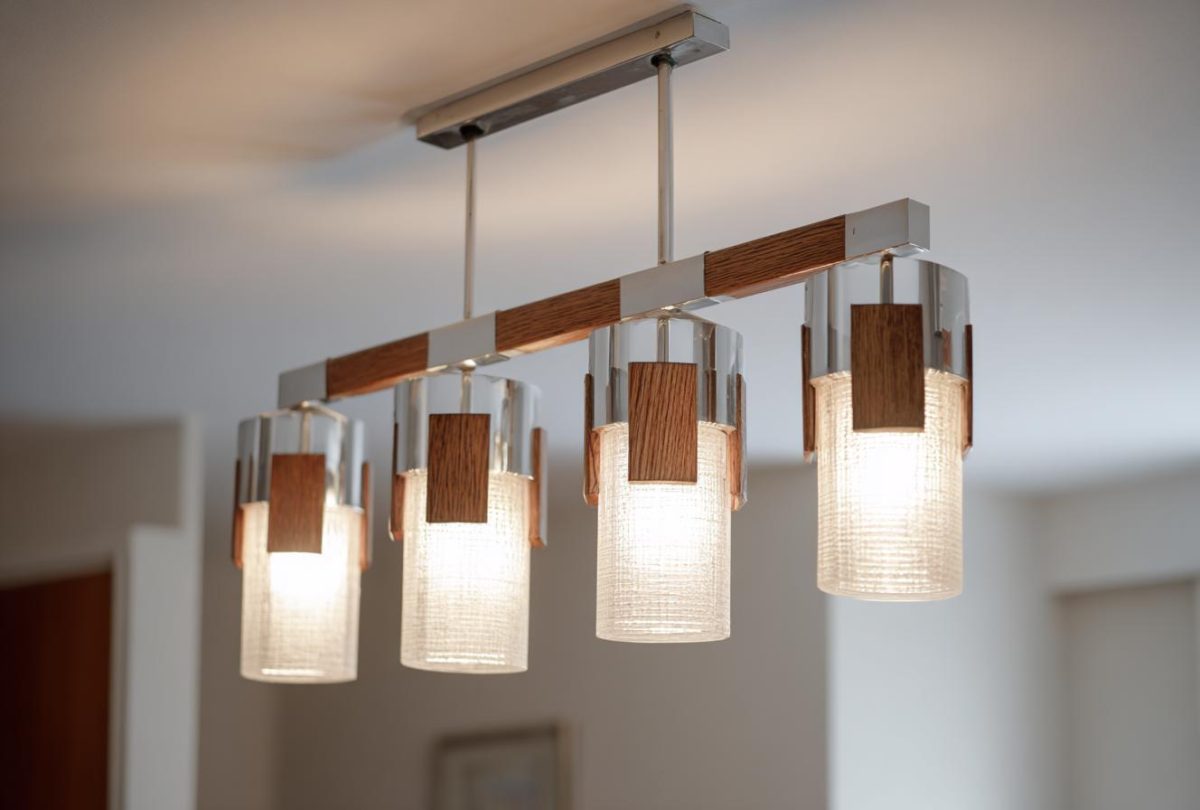
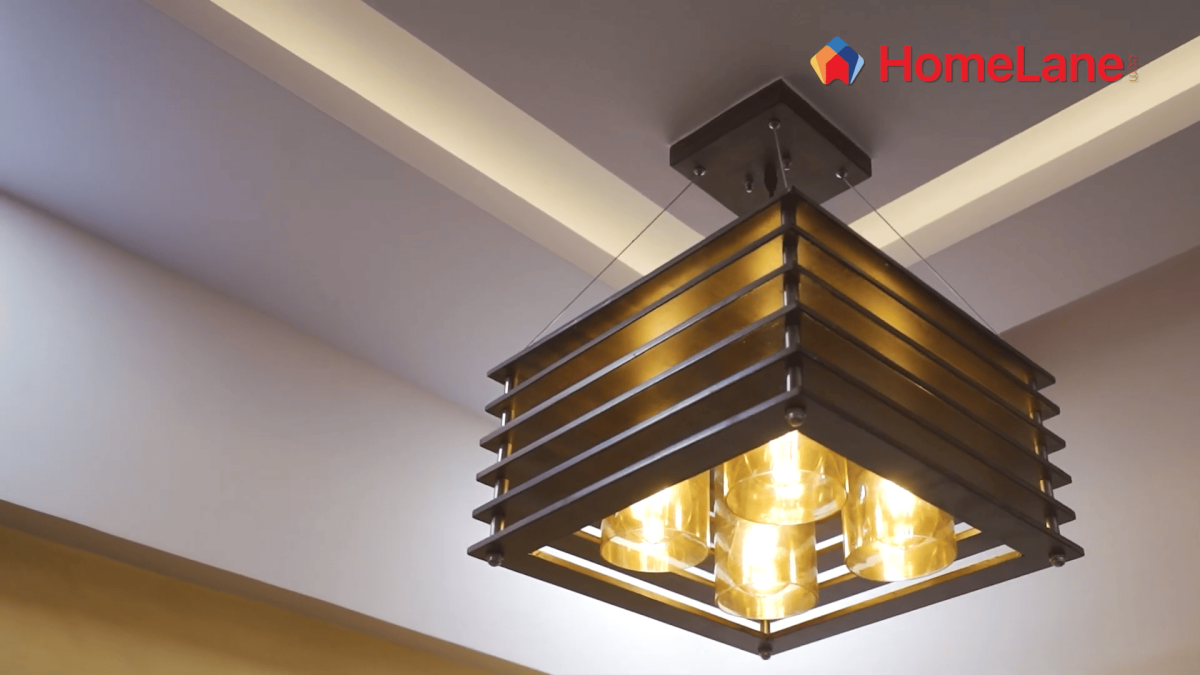
Ambient lighting will be the main source of light and can be from ceiling-mounted or pendant lights.
Task lighting illuminates work surfaces and cabinetry and can take the form of strip lighting below the overhead cabinets.
Accent lighting adds a decorative touch; think in terms of cabinet lights, drop lights above the breakfast counter, or picture lights over artwork on the wall. When planning lighting, it’s also useful to consider how different fixtures and placements can influence the overall modular kitchen design price.
Smart kitchen electrical points planning for a modern, efficient modular kitchen
Things To Considered When Planning Electrical Points:
when planning electrical points in the kitchen, keep these things on mind.
Do ensure that points are easily accessible in case the appliance needs to be unplugged. For instance, if the socket is located behind the dishwasher, you will need to move the entire unit out before unplugging it.
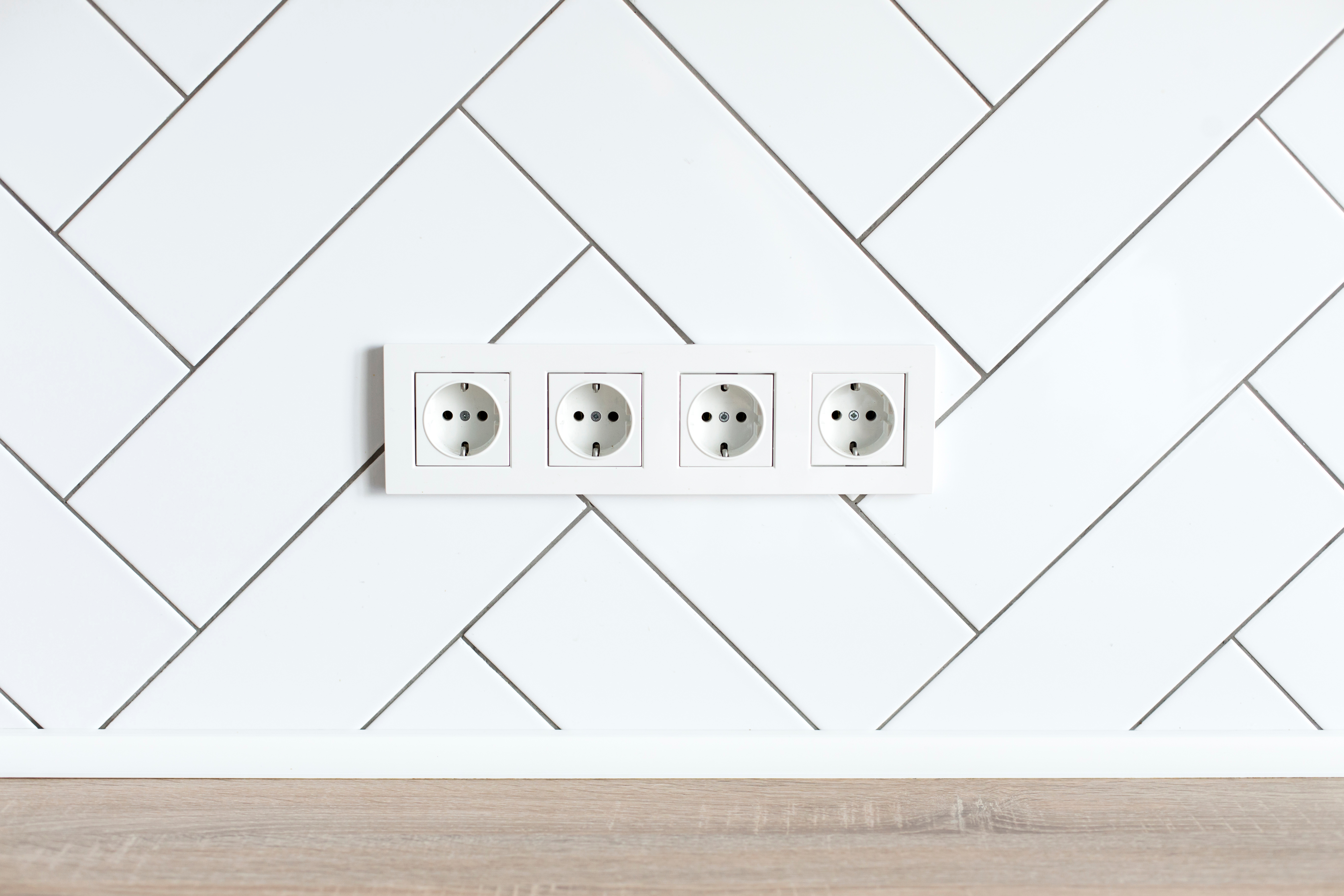
Group the sockets for items like a toaster, coffee percolator, sandwich maker and so on, and provide them close to the breakfast counter for ease of use. It would be best if you have multi-amp sockets (5/15 amps) as most appliances, irrespective of the plug shape can be plugged into these.
An excellent way to plan the locations of sockets is first to consider appliances that are fixed (chimney, hob, dishwasher, OTG and microwave) separately, and then consider appliances that can be moved around from place to place. Think: is there anything that could move out to the utility area, in case you don’t want to crowd the kitchen with too many appliances?
As a thumb rule, any heating appliance will need 15 amps.
The sockets for your mixer-grinder, OTG, microwave, juicer, blender, and other appliances connected with food preparation can be grouped near the prep counter.
If you would like to have lights inside the cabinets or below the overhead cabinets, do let the designer know and they will plan the points accordingly.
The chimney usually comes with inbuilt lights.
Plan for some extra sockets if you feel you may need them, as once the tiling is done, it’s not possible to add on. You may want to buy some more appliances a few years down the line.
You can ask your electrician to add a two-way switch to turn the main lights on and off. They can be operated from outside the kitchen as well as inside. This way, you will not have to enter a pitch dark kitchen and grope around for the switches in the dark!
Well-planned kitchen electrical points for safe and efficient appliance use
All this talk about power seem overwhelming? Do call on the HomeLane team who will take care of all these details to give you the dream kitchen you have been imagining.
FAQs On Kitchen Electrical Points
1. Why is planning electrical points important in a modular kitchen?
Planning electrical points in a modular kitchen is essential to ensure safe, efficient, and convenient appliance usage. Proper placement helps avoid overloading sockets, reduces the risk of electrical hazards, and ensures that every appliance functions smoothly without extension cords or rewiring later.
2. How many electrical points are required in a modular kitchen?
The number of electrical points in a modular kitchen depends on the appliances used. Typically, you’ll need separate points for the refrigerator, microwave, OTG, chimney, hob, dishwasher, water purifier, toaster, mixer-grinder, coffeemaker, hot plate, and kitchen lighting, along with a few extra points for future needs.
3. Which kitchen appliances require a 15-amp power socket?
Appliances that generate heat usually require a 15-amp socket. These include the microwave, OTG, dishwasher, hot water geyser, electric hot plate, toaster, sandwich maker, grill, and some advanced hobs with heating coils.
4. Which kitchen appliances can run on a 5-amp socket?
Low-power appliances such as mixer-grinders, hand mixers, coffeemakers, standard hobs, chimneys, and refrigerators usually operate on a 5-amp socket, as per standard electrical requirements.
5. How should electrical points be planned for kitchen lighting?
Kitchen lighting requires separate electrical points for ambient lighting, task lighting, and accent lighting. Ceiling lights or pendants provide overall illumination, while under-cabinet strip lights improve visibility on work surfaces and accent lighting enhances aesthetics.

































 EXPLORE MORE