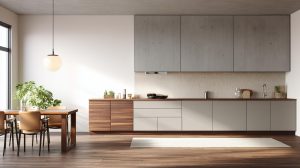
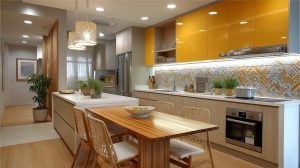
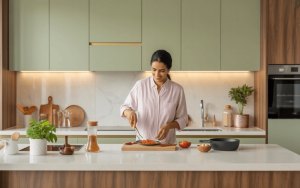
Vintage rugs instantly add warmth and personality to kitchens by softening hard surfaces and introducing unique colour and texture.
Key Insights:
What You'll Read Here:
- Low-pile, flat-weave rugs are best for kitchens as they are easy to clean and don’t trap crumbs.
- Timeless patterns like Persian or Turkish designs hide stains well and add enduring character.
- Runners suit galley kitchens, while larger rugs can define zones in open-plan spaces.
HOMELANE EXPERT TIP By our design team
To create a welcoming kitchen, select a low-pile vintage rug with a timeless pattern that complements your existing decor and provides comfort underfoot.
A kitchen isn’t just a place to cook. It’s where the day begins, bleary-eyed and hopeful, with that first sacred cup of coffee. It’s where leftovers taste better at midnight, where secrets tumble out between bites of something probably not very healthy. Life happens here—messy, wonderful life—even more so in thoughtfully designed spaces built around modular kitchen designs.
But most kitchens? They don’t get the memo. Too bright. Too polished. A little too… surgical. Like a room waiting for something to happen, not a room where things do.
What’s missing?
Cozy.
And the secret weapon? Not a gadget. Not a pricey light fixture.
A vintage rug.
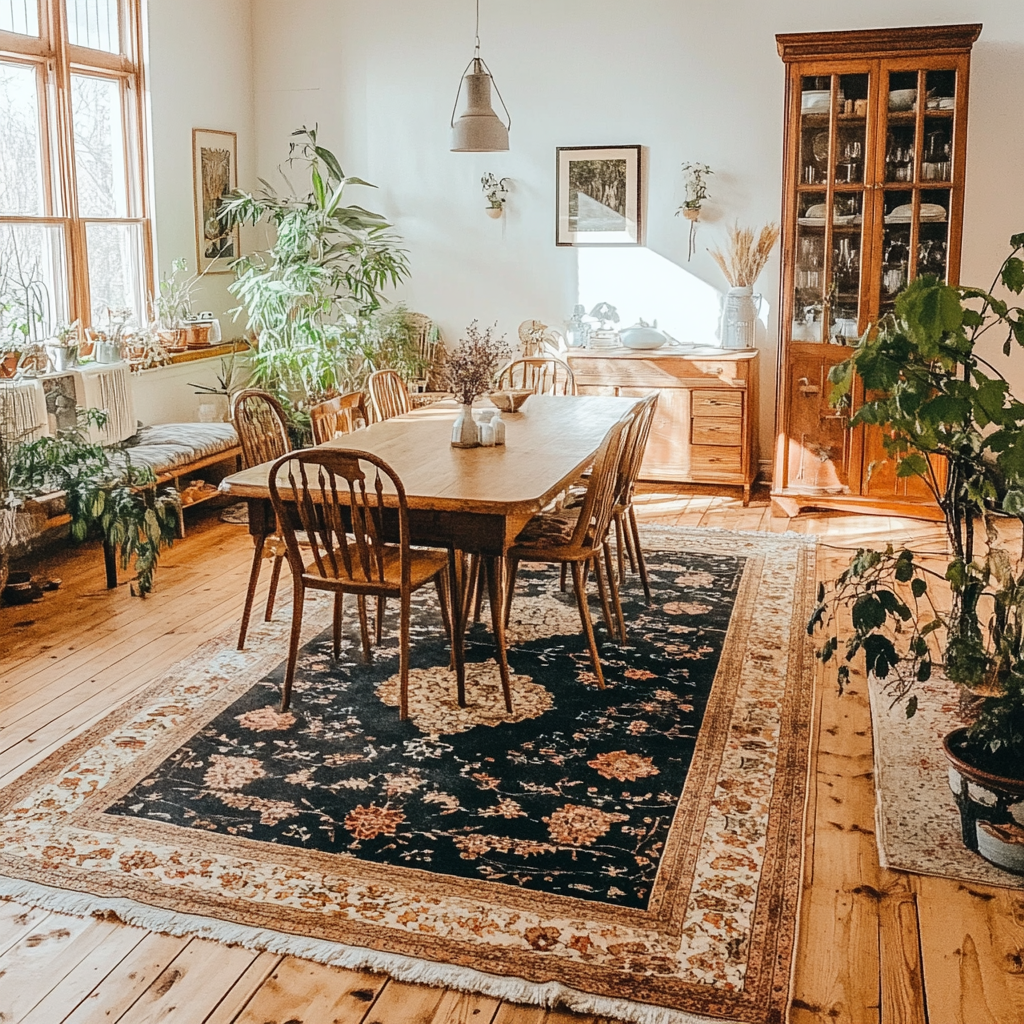
Yes, a rug—in the kitchen. A little soft rebellion against cold floors and stainless steel. The kind of rug that’s been places, seen things. Worn just enough to tell a story, but still soft underfoot. It brings warmth. Texture. Personality. Suddenly, the kitchen isn’t just where meals happen—it’s where life lingers.
Why a Vintage Rug Works Wonders
1. Instant Warmth Underfoot
Step onto something soft while making your morning tea with a vintage rug, and suddenly, your kitchen feels less like a workspace and more like a home.
Imagine those early winter mornings—feet hitting the cold floor as you shuffle to make coffee. Now imagine stepping onto a soft, worn-in rug, its fibres carrying the warmth of a hundred sunrises before it. That’s comfort. That’s luxury without the price tag.
2. Colour, Texture, and Personality in One Stroke
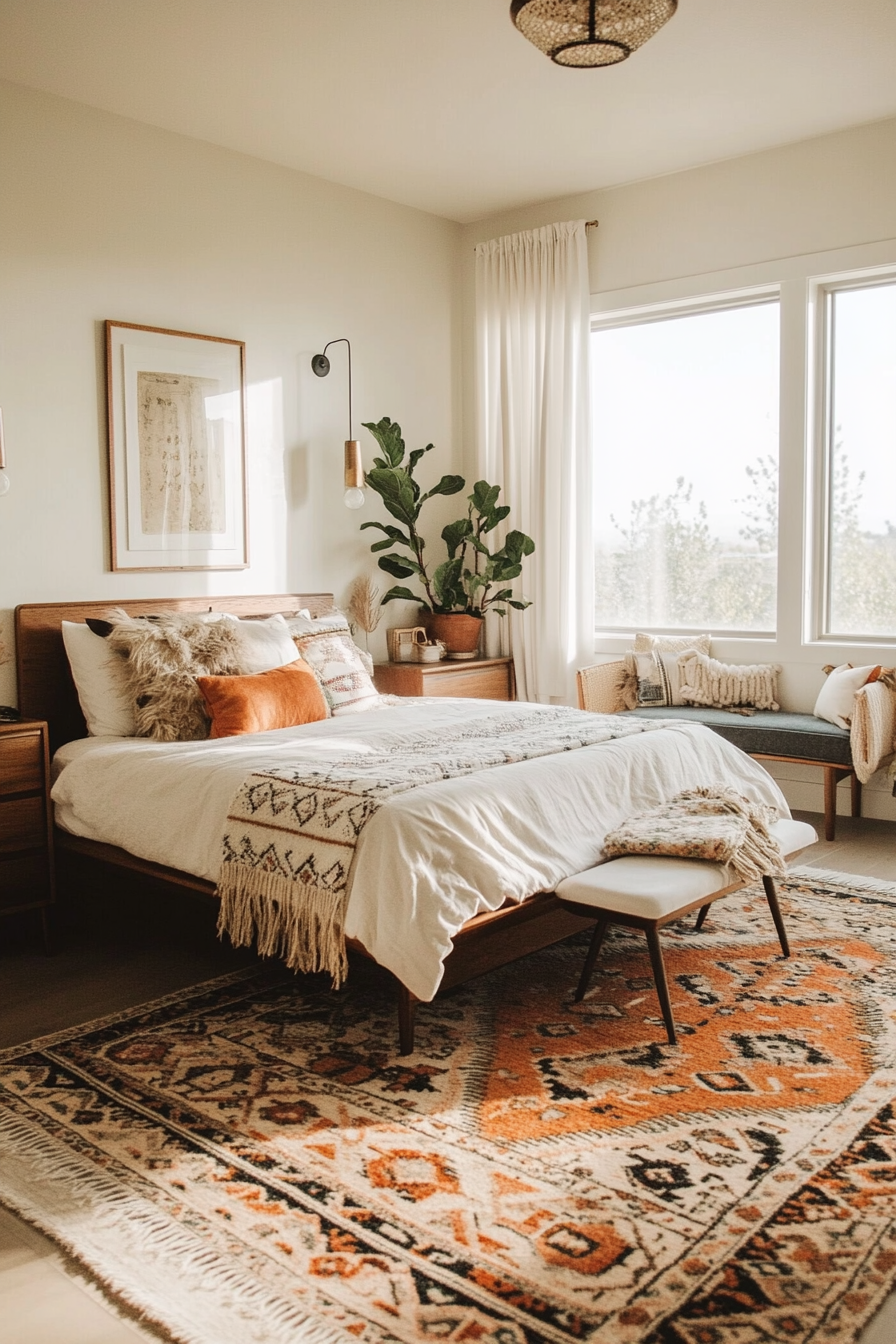
A vintage rug is a statement. Whether it’s deep Persian reds, muted Turkish blues, or faded ochres, it introduces colour in a way that feels lived-in, not trendy. The worn-in texture tells a story. And kitchens need stories.
More than that, a rug brings contrast. Think about it: kitchens are filled with sleek, hard surfaces—granite, steel, polished tile. A rug softens that. It creates visual balance, making the space feel more inviting.
3. Bridges the Gap Between Old and New
Modern kitchens are sleek, but sometimes they lack soul. A vintage rug brings in history, craftsmanship, and an element of the unexpected. It softens sharp edges, makes the space feel layered, curated, intentional.
It’s like adding a piece of art to the floor—a reminder that kitchens should be just as carefully designed as any other room in the house.
4. Noise Reduction and Comfort
Hard surfaces mean noise—clattering dishes, beeping appliances, footsteps bouncing like echoes in a canyon. A rug quiets it all. Absorbs sound, softens the space. In open-concept homes, it keeps conversations from feeling like public announcements.
5. Defines a Space in Open-Concept Kitchens
Without a rug, the kitchen can feel like it’s floating—just another part of a big, undefined space. A rug says, Nope. This is its own zone. No walls needed. Just warmth, structure, and a sense of place.
6. Adds an Element of Surprise
A rug in a kitchen? Unexpected. But once you see it, it clicks. Designers love this trick—adding one thing slightly out of place to make a space feel alive. A vintage rug does exactly that.
How to Choose the Perfect Vintage Rug
1. Go for Low-Pile or Flat-Weave
Kitchens are busy. Skip the thick, plush stuff. Flat-weave rugs don’t trap crumbs, clean up easy, and still look incredible.
2. Look for Timeless Patterns
Persian, Turkish, Moroccan—classic, not trendy. Intricate patterns hide stains better than solid colours, and they belong, like they’ve been there forever.
3. Consider Size
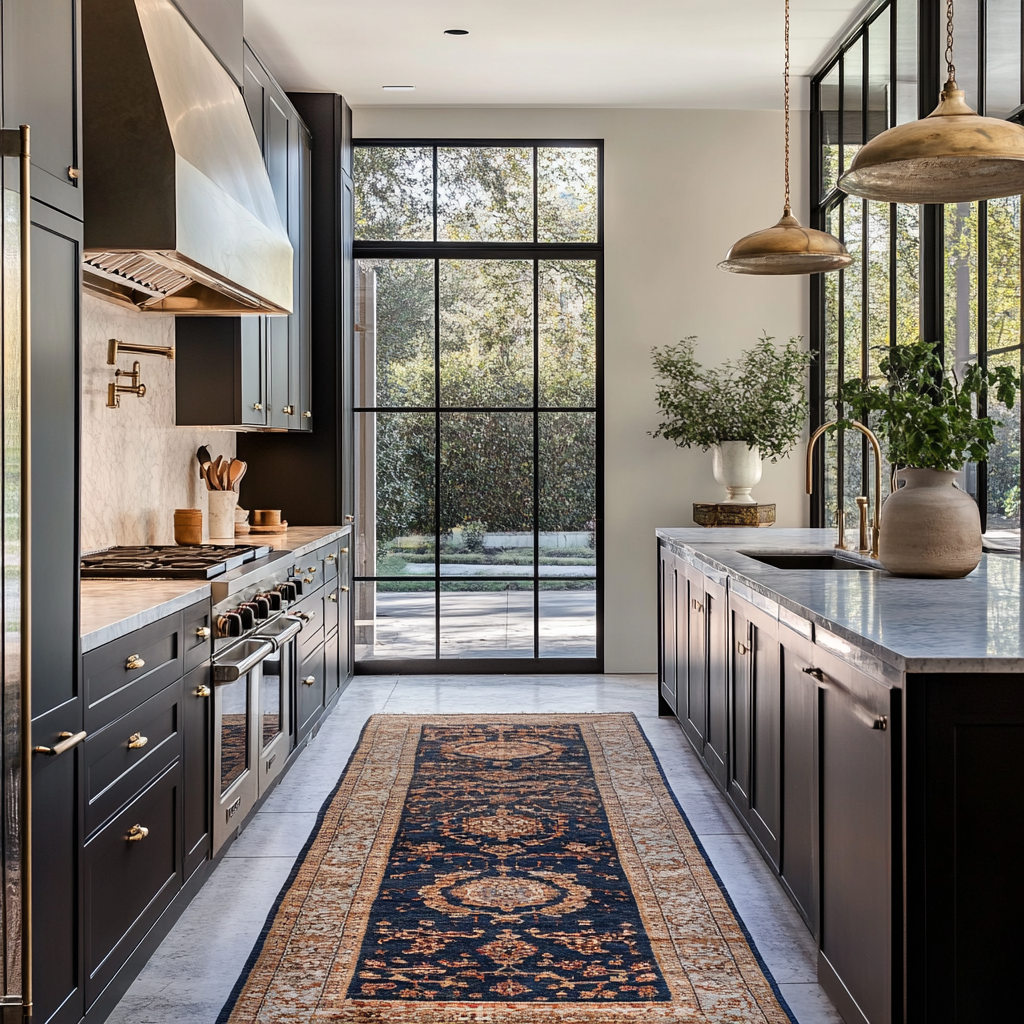
- Galley kitchen? A runner keeps things cozy without crowding.
- Large kitchen? A rug by the sink or under a table creates a warm, inviting nook.
- Open kitchen? A big rug grounds the space, making it feel more intimate, more intentional.
A small change, a big impact—because even kitchens deserve a little soul.
4. Don’t Fear Wear and Tear
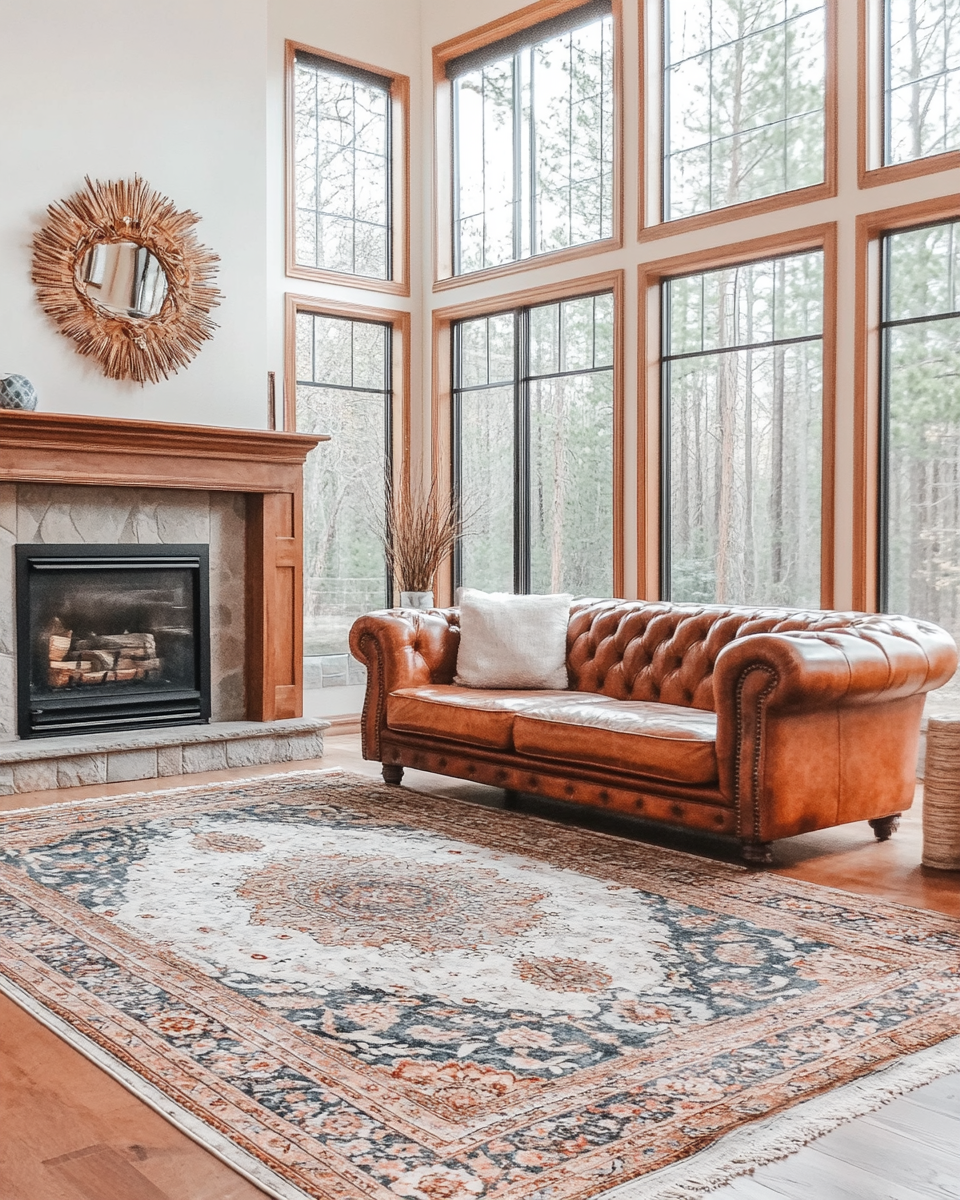
Vintage rugs are meant to be lived on. A little fading or fraying only adds to the charm. If anything, minor imperfections make them even more inviting.
In fact, a rug that already has a bit of history is often better. It means you won’t stress over every spill or scuff. It’s already lived a life—now it’s just continuing its journey in your home.
How to Care for a Kitchen Rug
- Vacuum regularly. Crumbs will happen. Stay on top of them.
- Spot clean with mild soap and water. Most vintage rugs are made from natural fibres that can handle a little water.
- Rotate it occasionally. This helps even out wear and prevents fading in one spot.
- Use a rug pad. This keeps it from slipping and adds an extra layer of cushioning.
The Big Idea
A kitchen should feel like the heart of the home—not just a place to cook, but a place to gather, to linger, to enjoy—all while reflecting your modular kitchen price and personal style. And a single, well-chosen vintage rug can change everything. It’s warmth underfoot. It’s character. It’s history.
It’s the missing piece.
So, if your kitchen feels cold, if it lacks something you can’t quite put your finger on—start here without worrying about increasing your modular kitchen price. Find a rug. Lay it down. Watch what happens.
Bring Warmth to Your Home with HomeLane
A cozy kitchen starts with the right choices. Whether it’s finding the perfect rug or designing an entire space that feels warm and inviting, HomeLane’s experts make it easy. Book a free consultation today and bring effortless style to your home.
FAQ’s on kitchen rugs
1. Are kitchen rugs a good idea for modern kitchens?
Yes, kitchen rugs are a great addition to modern kitchens. They soften hard surfaces, add warmth, and introduce personality to otherwise sleek spaces. A well-chosen rug can balance the polished look of modular kitchens and make the space feel more inviting and lived-in.
2. What type of kitchen rugs are easiest to clean?
Low-pile or flat-weave kitchen rugs are the easiest to maintain. They don’t trap crumbs easily and can be vacuumed or spot-cleaned without hassle. Materials like cotton or wool blends are durable and handle everyday spills better, making them practical for busy kitchens.
3. Can you put a vintage rug in the kitchen?
Absolutely, vintage rugs work beautifully in kitchens. Their worn-in texture and intricate patterns help hide stains while adding character. Since they’re already aged, minor spills or wear won’t feel like damage—just part of their evolving story.
4. Where should you place a kitchen rug?
Kitchen rugs can be placed in high-use areas like in front of the sink, along a galley layout as a runner, or under a small dining nook. Placement should enhance comfort while defining zones, especially in open-concept kitchens.
5. What size kitchen rug should I choose?
The ideal size depends on your kitchen layout. Runners work best in narrow kitchens, while medium rugs suit sink or prep areas. Larger rugs can anchor open kitchens. Always ensure the rug fits the space without obstructing movement or appliances.











 EXPLORE MORE