When it comes to outdoor spaces like a lawn, garden, or patio, there’s always so much that can be done. The possibilities are endless, but there’s a recent trend that has been sweeping vision boards for the outdoors of a home – outdoor kitchens, a refreshing contrast to the typical kitchen interior design setup indoors. That’s right.
Outdoor kitchens are an efficient, yet unique way of utilising and maximising the potential of any open space you may have. Now, if you’re wondering what exactly outdoor kitchens are, there’s really no need. The concept is self-explanatory – an outdoor kitchen is any cooking space that is located in an open space like a garden or lawn.
Kitchens of this type feature much of the same infrastructure as any indoor kitchen, or rather, can feature the same infrastructure and then some. From hardware like sink and tap fittings to storage like cabinetry and more, an outdoor kitchen can accommodate it all. And, because they’re located in the open, they can also feature funky bits of cooking equipment that wouldn’t normally be feasible within the confines of an indoor kitchen. Think: masonry ovens or a complete barbequing/grill set?
Why Should you Consider Them?
Now, while outdoor kitchens may seem like a desirable design solution for the great outdoors of your home, it’s important to understand the advantages and disadvantages of a setup like this one – what they bring to the table and what’s important to consider before diving right in.
One of the biggest advantages of an outdoor kitchen is, of course, the entertainment space that it provides. An area like this one is great for throwing parties, giving way for the greatest of gatherings and is also an extremely efficient way of hosting guests. It elegantly combats the issue of having to run back and forth between a living room and the kitchen, as happens often in the case of a totally indoor set-up.
Everyone shares the same space, without any inconvenience, and that makes things all the better.
What’s more, kitchens of this style are entirely customisable. You’re not limited by pre-existing boundaries, walls and spaces. You can design this kitchen according to your exact vision. In this case, the design follows you and not the other way around.
And, of course, the most alluring advantage – open-air cooking. Open-air cooking provides an instant solution to boring ol’ dinner menus, giving you the chance to expand your culinary options. From barbecuing to open-air grilling and baking, the air in the cooking process, is said to elevate the quality of food, as well.
That being said, no design solution is all pros and no cons.
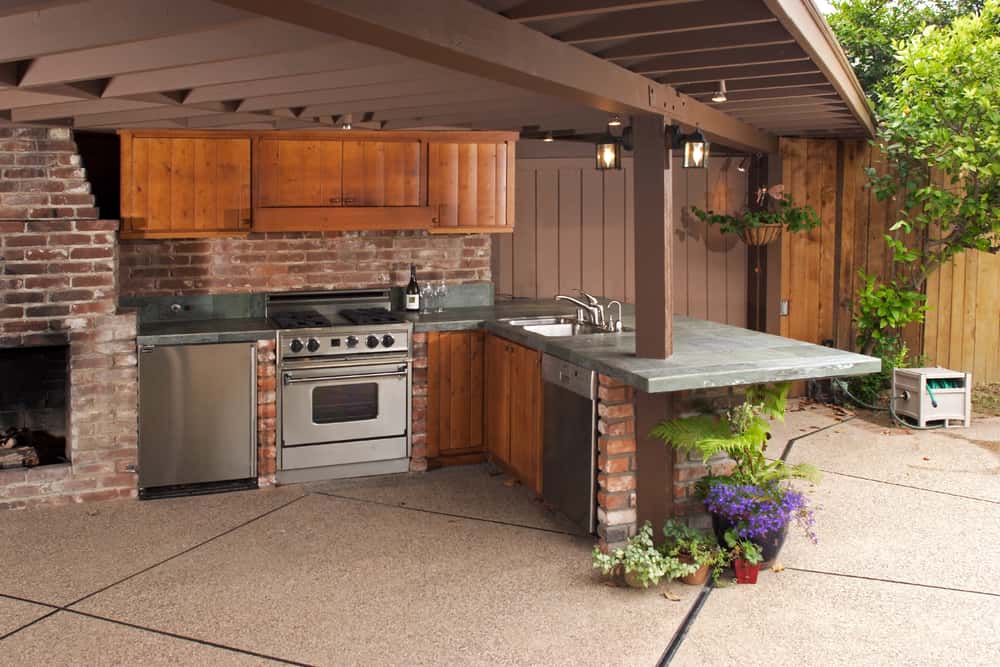
Cons of Outdoor Kitchens
Outdoor kitchens can eat into your open-air space. If you’re working with a smaller outdoor space, a kitchen of this type may not be the best addition as it may cause your space to look cramped and crowded. It’s important to retain the openness of the great outdoors, so this is an important consideration when it comes to kitchens in this style.
What’s more – like with any outdoor space that is used to entertain people, the weather is a factor that has to be kept in mind at all times. With cooking and kitchen equipment in place as well, it becomes that much more important to come up with adequate weatherproofing solutions and protect your kitchen set up, both at time of use, and no use.
Lastly, economics. Outdoor kitchens aren’t the cheapest additions when it comes to home improvement. From landscaping and planning to installations, design solutions and added costs of security and weather-proofing, the setting up of an outdoor kitchen can be a costly affair—often even higher than the typical modular kitchen design price for indoor spaces.
All things considered, outdoor kitchens can be a great addition to your home, should you do it in a way that best suits your outdoor space.
Here are some of the most trending outdoor kitchen designs to inspire you.
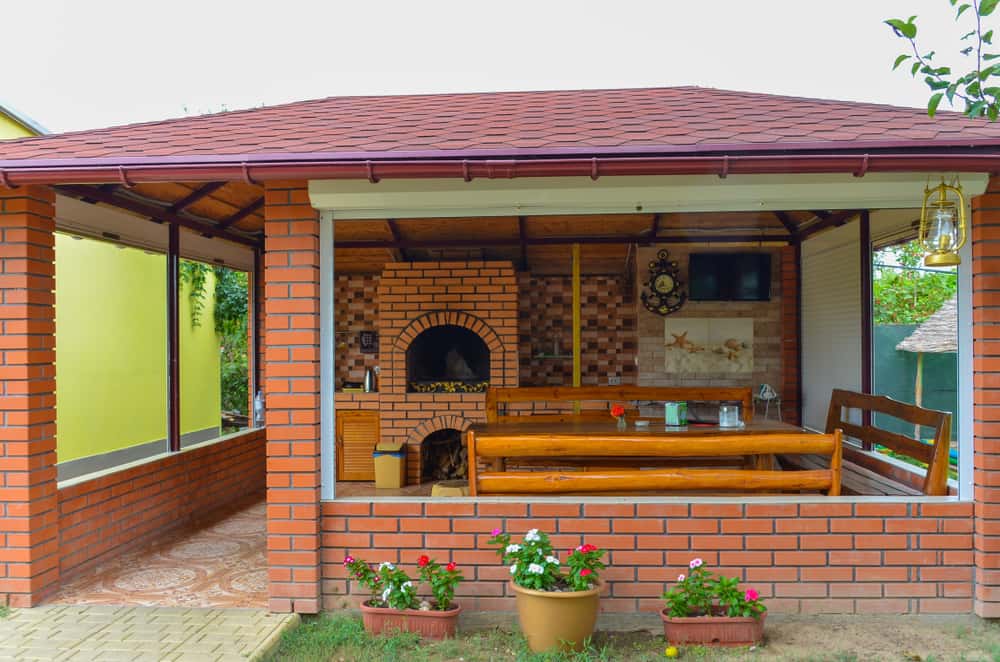
Semi-Outdoor
With the simple installation of a sliding glass door or similar panelling, you can completely transform your kitchen from being indoor to outdoor. It also serves as the perfect weather-proofing solution. When guests are over, simply leave the doors open and your kitchen will now be one with the great outdoors.
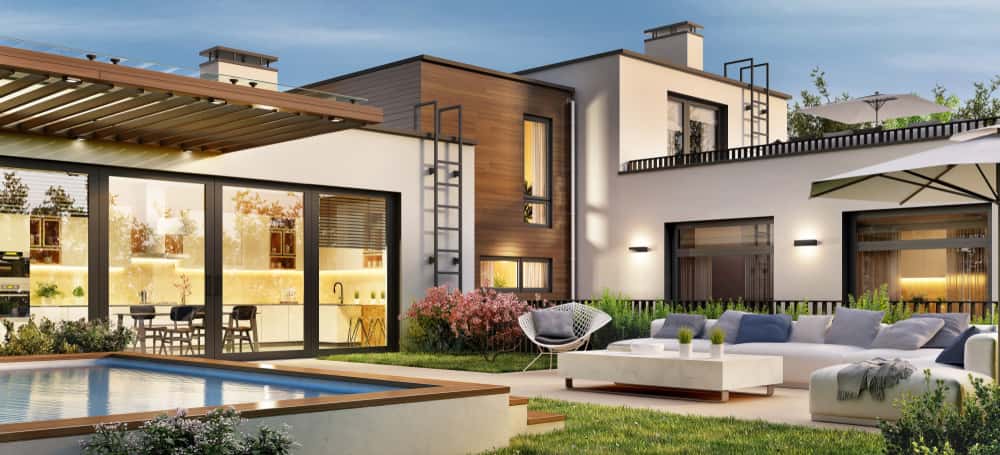
Go Rustic
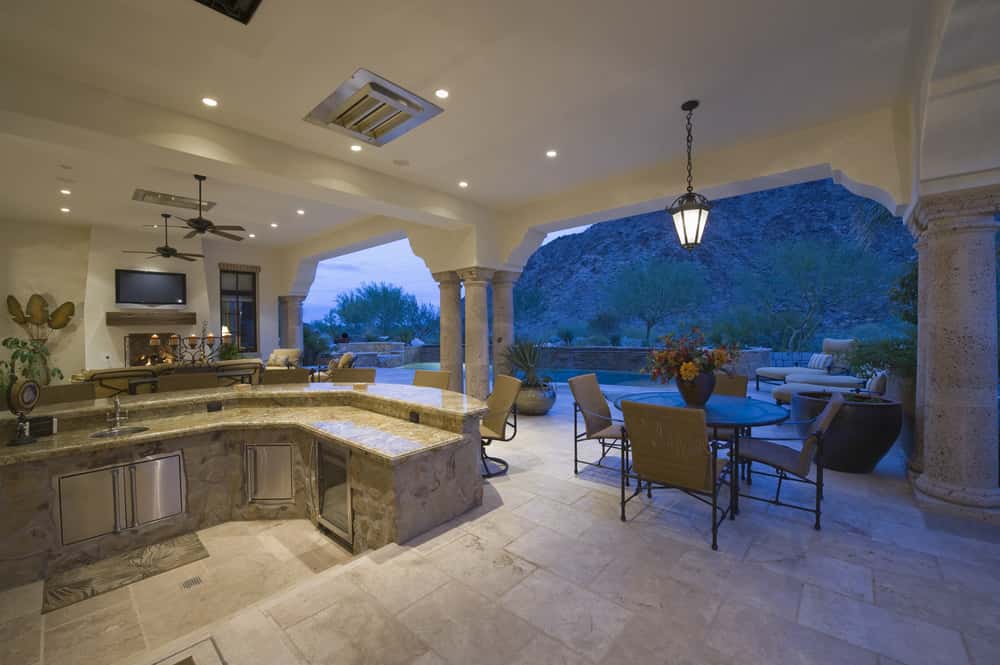
There is no better way to live your farmhouse-kitchen dreams than to have an outdoor kitchen. From stoneware and wooden panelling to full-on wood-fired ovens, outdoor kitchens lend themselves perfectly to the rustic, earthy vibe. You can use materials like brick, stone and granite to complete the look.
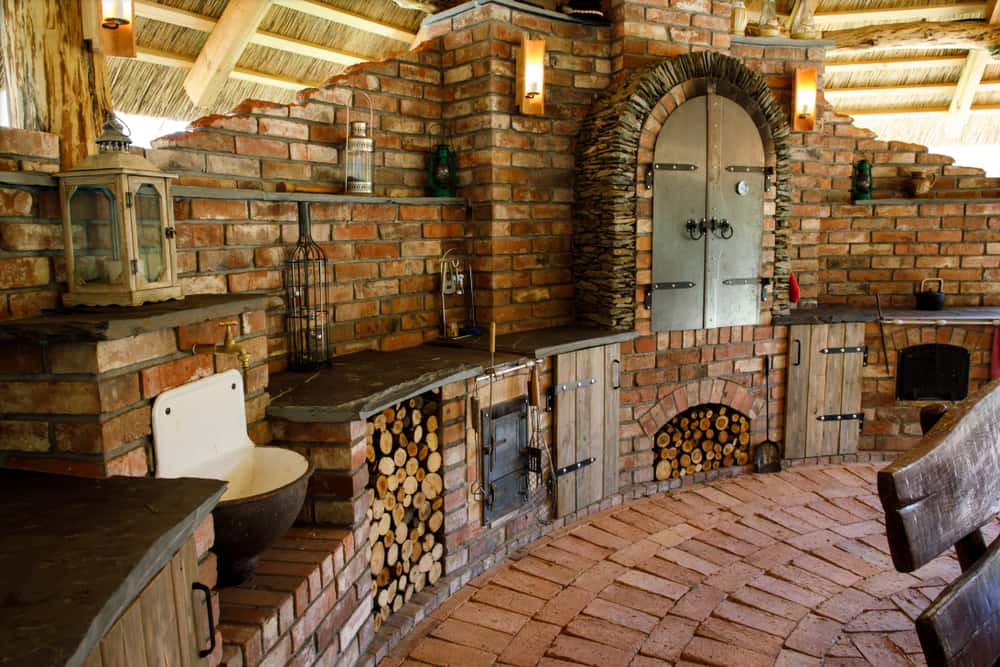
A Dining Room Outdoors
When it comes to an outdoor kitchen, who says the kitchen is the only one that can move outside. Many outdoor kitchens also accommodate a dining and seating area alongside. After all, one of the biggest wins when it comes to an outdoor cooking space is the fact that everyone can be together. Add a dining table to the mix and you’ve got the idyllic outdoor kitchen set up.
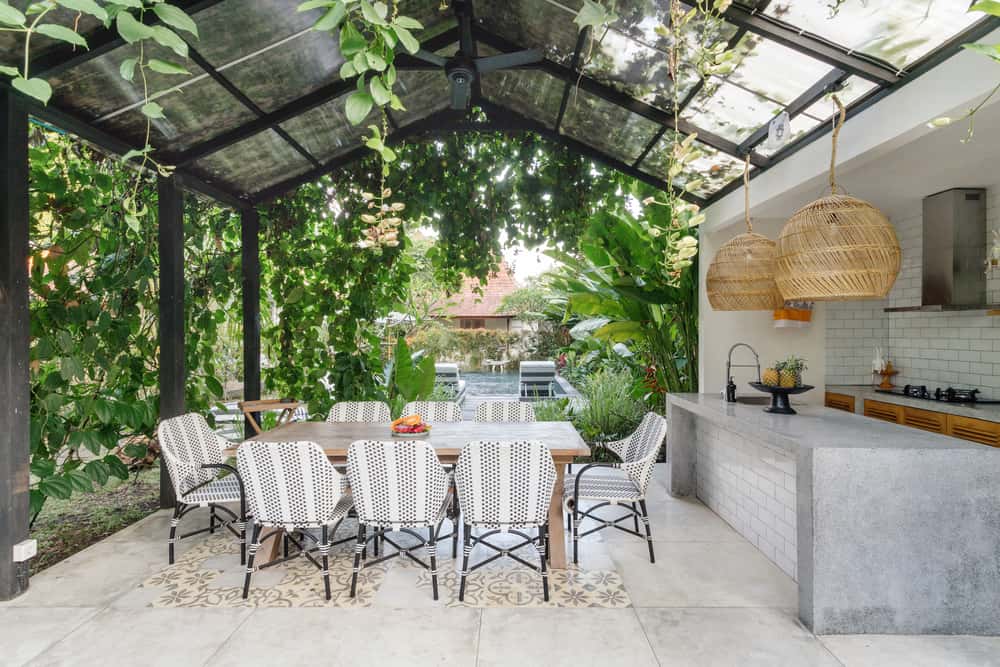
Outdoor kitchens are a great way to add value to your home and take things up a notch when it comes to home improvement. But it’s important to go into it with your eyes wide open. The expert design solutions at HomeLane are always ready to help you kickstart that journey. So, reach out and get started!
FAQs On Outdoor Kitchens
1. What are outdoor kitchens and how do they work?
Outdoor kitchens are cooking spaces set up in open areas like gardens, patios, or lawns. They include essentials such as grills, sinks, countertops, and storage, allowing you to prepare and cook meals outside while enjoying fresh air and social gatherings.
2. What are the benefits of installing an outdoor kitchen?
Outdoor kitchens enhance entertainment by creating a shared cooking and dining space. They reduce indoor heat, offer flexibility for grilling and baking, and allow hosts to interact with guests easily without moving between indoor and outdoor areas.
3. Are outdoor kitchens suitable for small spaces?
Outdoor kitchens can work in small spaces if designed efficiently. Compact layouts with essential appliances and smart storage help maintain openness. However, careful planning is important to avoid overcrowding and ensure the space still feels comfortable and functional.
4. How do you protect an outdoor kitchen from weather damage?
Weatherproofing is essential for outdoor kitchens. Use durable materials like stainless steel and stone, install covers or pergolas, and protect appliances with waterproof fittings. Proper drainage and regular maintenance also help extend the lifespan of the setup.
5. What design styles work best for outdoor kitchens?
Popular outdoor kitchen styles include rustic, modern, and semi-outdoor designs. Rustic setups use natural materials like wood and stone, while modern designs focus on sleek finishes. Semi-outdoor kitchens with sliding doors offer flexibility between indoor and outdoor spaces.




















 EXPLORE MORE