We all love the sound and smell of a crackling tadka, don’t we? Unfortunately, it also splatters oil droplets and lets out a lot of fumes in the kitchen — especially in a busy kitchen interior design where daily cooking is constant.
A kitchen chimney is an appliance that removes gas, flue and smoke produced by your stove, throwing it out into the atmosphere. It is usually placed vertically above the stove, to ensure the smooth flow of gases and fumes through them, and drawing in the air into the combustion, in a ‘chimney effect’.
Read on for a quick, comprehensive guide on kitchen chimneys and what to look for when you buy one for your kitchen.
Benefits of a Kitchen Chimney
Kitchen chimneys today are modern and stylish and add an architectural element to the space, often influencing the overall modular kitchen price depending on the model selected. However, their real function is keeping the cooking space free of noxious fumes, grime, and oil while making the space breathable. Unlike exhaust fans, windows, and doors that do the same, chimneys do it much more quickly, effortlessly, and smoothly.
Kitchen chimneys run on a motorized mechanism that pulls out fumes faster than regular ventilation while replacing it with cleaner air. Besides funnelling away the fumes, chimneys also keep unwanted rodents and insects out of the kitchen by creating an environment where they can’t survive, making them an important consideration when evaluating the modular kitchen design price.
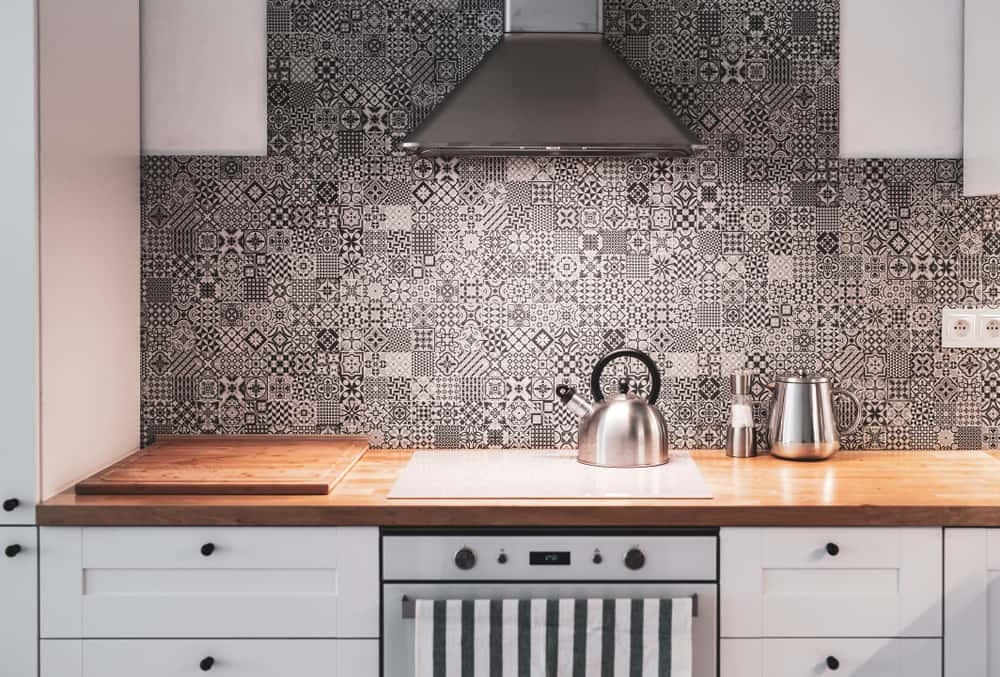
Types of Kitchen Chimneys
Chimneys are classified based on the type of filters, kind of installation and fittings used. You should pick one depending upon the shape and structure of your kitchen as well as the amount of free space above your stove.
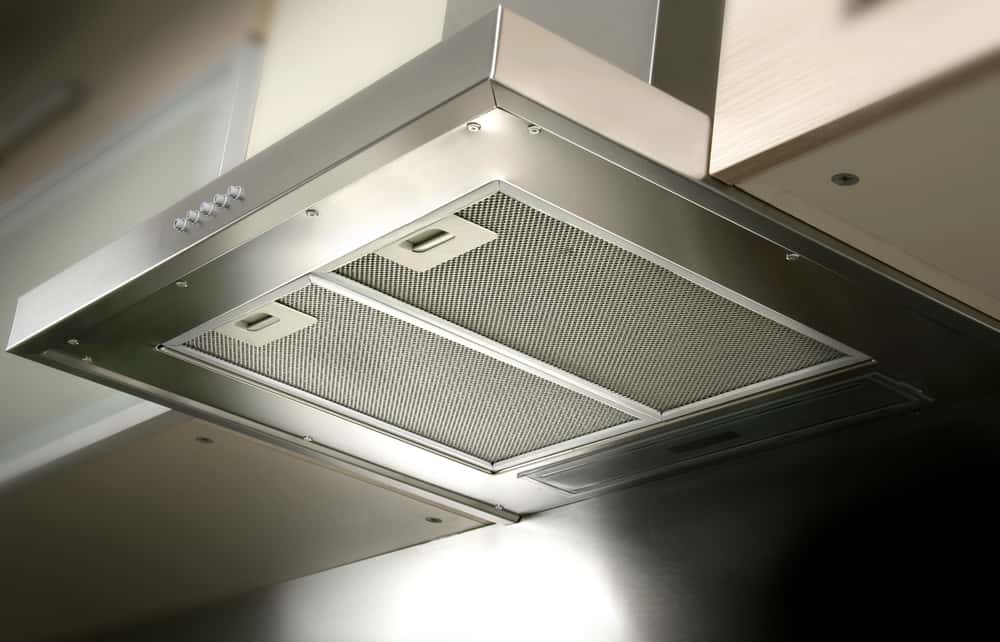

Chimney Based on Installation:
- Wall Mounted Chimney – mounted on the wall on one side.
- Ceiling-Mounted Chimney – hangs above the stove and is perfect for an island kitchen.
Chimney Based on Filters:
- Mesh or Cassette Filter: Here, many layers of steel or aluminium mesh filters trap particles and allow the smoke to escape freely. They are high maintenance and reduce the filter’s suction capacity.
- Baffle Filter: Steel, a slatted design that is easier to clean than a mesh filter. The filter panels allow the smoke to escape easily while stopping the grease from doing so.
- Carbon or Charcoal Filter: It is made up of charcoal slate with holes in it, and removes bad odour.
Chimney Based on Fittings:
- Duct and Ductless (Recycling): Chimneys with ducts channel gases, heat, and smoke out through a PVC or aluminium pipe. A ductless or recycling chimney only recirculates the heat, grease and smoke that it absorbs, so it can only remove odours and not the other substances.
Features of Modern Kitchen Chimneys
Look for these essential features when you buy a chimney.
- Auto-cleaning facility: This will decide whether your chimney needs zero or low maintenance.
- Sealed motor: Check whether the motor is sealed. This will ensure that it doesn’t allow smoke or dust particles to get in.
- Detachable oil collector: This is essential if your chimney has to collect oil particles and keep your kitchen grime free.
- Minimum noise: You don’t want a noisy chimney to ruin your cooking experience, right?
- Filter-less: Pick a chimney that has no filters to avoid regular cleaning and scrubbing.
- Maximum suction power: If most of your cooking involves oils and spices, you would need a powerful exhaust in the chimney to absorb the fumes and heat.
- Soft-touch controls and energy-saving LED lamps are other features that you could look for.

Typical Kitchen Chimney Sizes
Kitchen chimneys generally come in two sizes, 60 cm and 90 cm. You should choose one depending on your kitchen size and type of cooktop. A 60 cm one is popular for Indian kitchens with two- or three-burner gas stoves. If you have a bigger cooktop, opt for a 90 cm wide chimney.
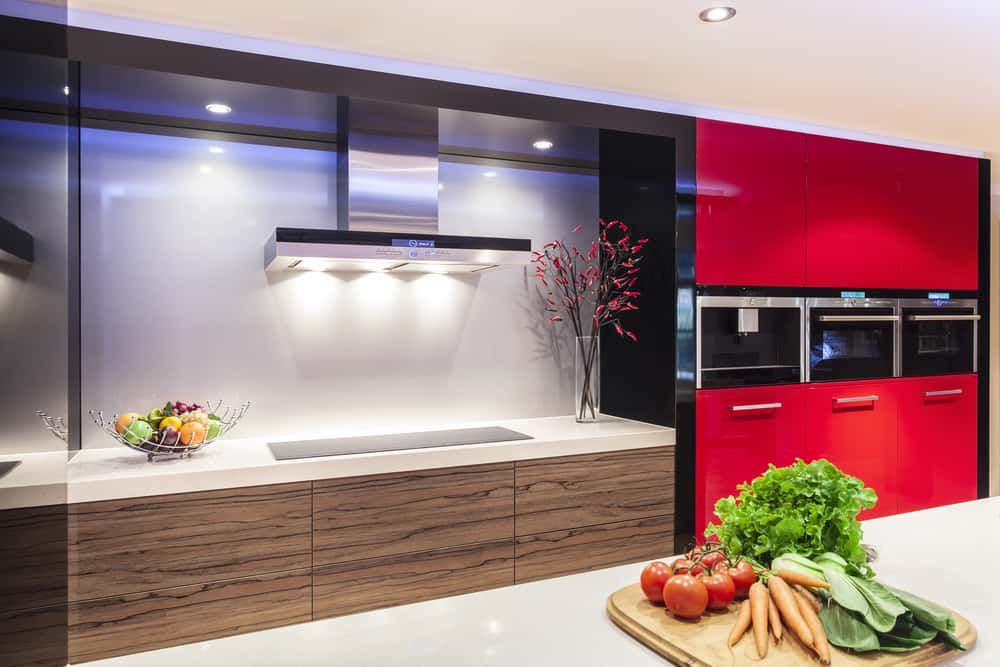
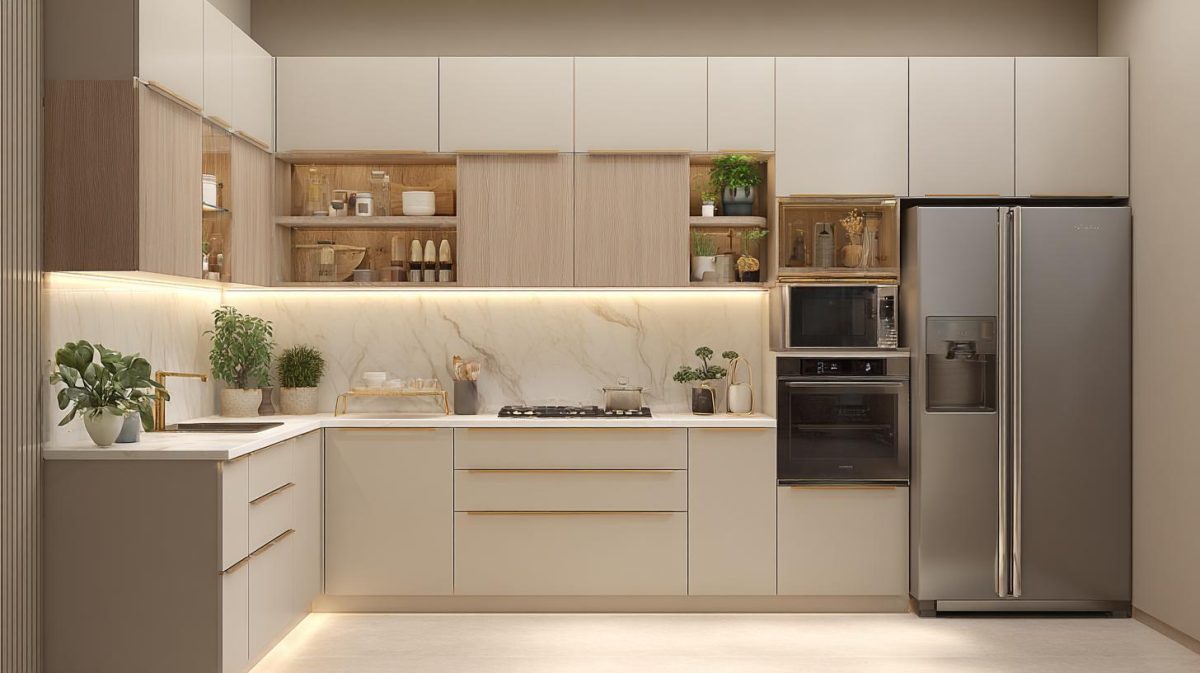
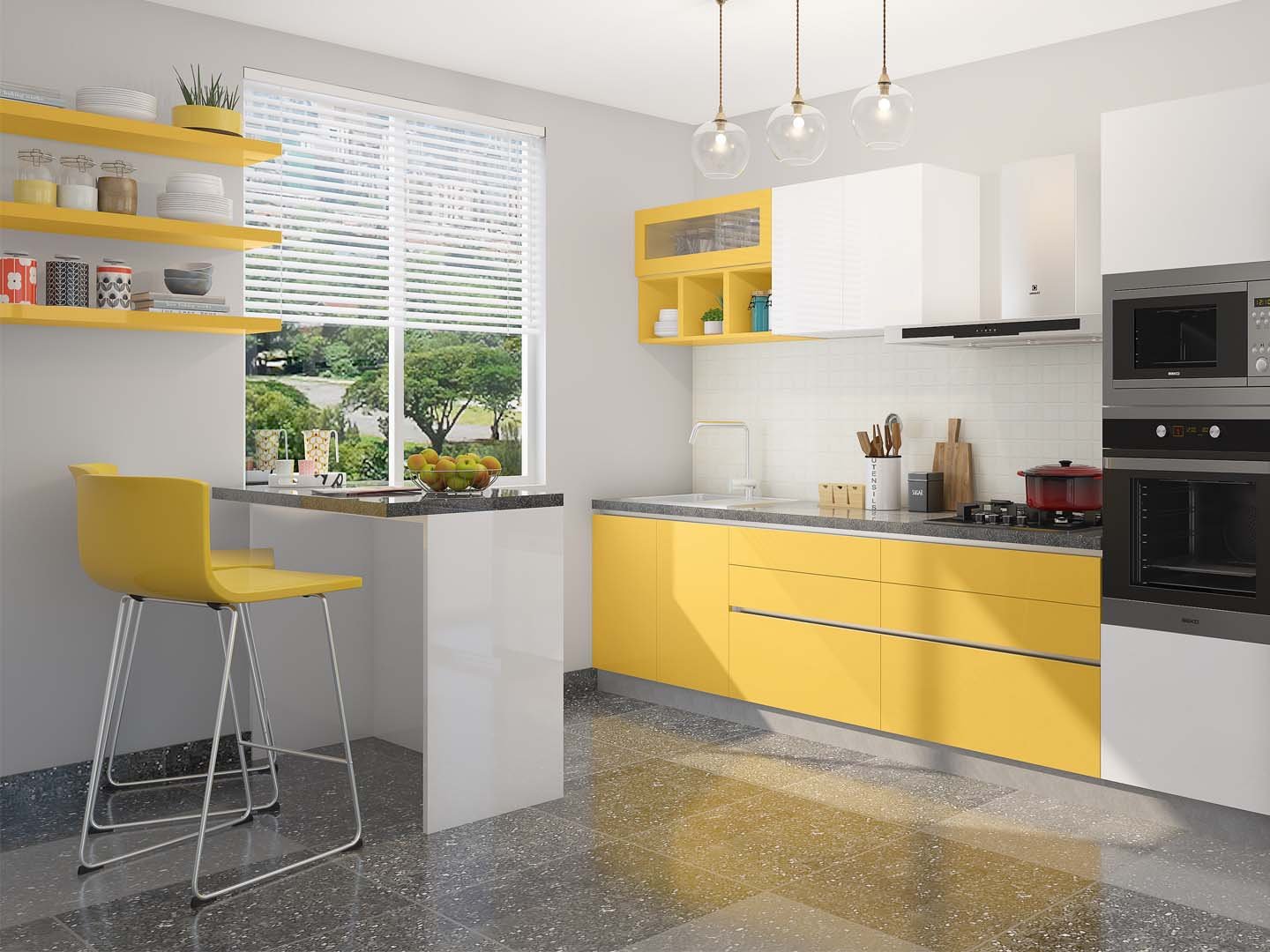
As you can see, kitchen chimneys come in a variety of styles. You can also match the size, design and style of overhead cabinets with the design of your chimney.
Need help with choosing the right kitchen chimney and other appliances? Talk to HomeLane’s design experts today to get all the right advice. Also, check out our modular kitchen designs that suit your need and get your kitchen designed hassle-free.
FAQ’s on Kitchen Chimney
1. What is a kitchen chimney and how does it work?
A kitchen chimney is an appliance installed above the stove that removes smoke, heat, grease, and fumes from cooking. It uses a motor to suck in polluted air and either expels it outside (ducted) or filters and recirculates it, keeping your kitchen fresh and clean.
2. Which is better: kitchen chimney or exhaust fan?
A kitchen chimney is more powerful and efficient than an exhaust fan. It removes smoke, oil particles, and odors faster using strong suction, while exhaust fans mainly circulate air. For heavy cooking, especially with oil and spices, a chimney offers better performance and cleanliness.
3. How do I choose the right kitchen chimney size?
Choosing the right kitchen chimney depends on your stove size. A 60 cm chimney works well for 2–3 burner cooktops, while a 90 cm chimney is ideal for larger stoves. Always match the chimney width with your cooktop to ensure maximum suction and efficiency.
4. What is the difference between ducted and ductless kitchen chimneys?
Ducted kitchen chimneys expel smoke and heat outside through a pipe, offering better ventilation. Ductless chimneys filter air and recirculate it back into the kitchen, mainly removing odors. If possible, ducted models are preferred for Indian cooking due to higher efficiency.
5. Which filter is best for a kitchen chimney?
Baffle filters are considered the best for most kitchens, especially for Indian cooking. They efficiently separate grease and are easy to clean. Mesh filters require frequent maintenance, while carbon filters help remove odors but are usually used in ductless chimneys.
6. Are auto-clean kitchen chimneys worth it?
Yes, auto-clean kitchen chimneys are worth it as they reduce maintenance effort. They use heat or centrifugal force to collect oil in a separate container, preventing clogging. This improves efficiency, saves time on cleaning, and extends the lifespan of the chimney.







































 EXPLORE MORE