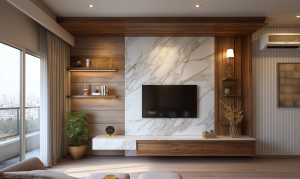
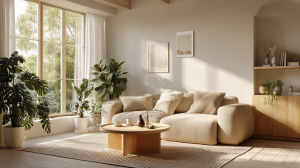
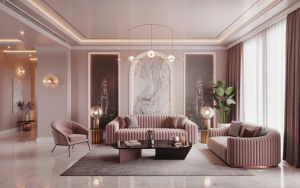
Employ light colours, mirrored surfaces, and multi-functional furniture to instantly expand and brighten small living rooms, creating a more spacious feel.
Key Insights:
What You'll Read Here:
- Light-toned colour palettes like whites and pastels visually expand small living rooms by reflecting light.
- Mirrors strategically placed on walls can create the illusion of depth and height, making spaces feel larger.
- Opt for lightweight, multi-purpose furniture, such as storage ottomans or sofa-beds, to maximise available floor space.
HOMELANE EXPERT TIP By our design team
To enhance spaciousness, ensure wall and ceiling colours are light and consistent, and match curtain hues to walls for a seamless visual extension.
When you finalise on a home, it is the most thrilling feeling. But when it comes to setting up and planning it all out, it is not all rainbows and sunshine. Especially if you are working with limited space. We have all been there – our bedrooms are spacious but our living rooms are difficult to work with or vice versa. It can definitely be tricky to do a space justice and make it look as open as possible, but it is something that can be done with just a bit of extra thought.
When it comes to small living rooms, it is really important to understand the pros and cons of the space you’re working with and take it from there. For instance, pay attention to the ceiling, pay attention to the floor, and the tiling. When you have a good idea of the details, it’s just a matter of moving a few things around and making your space look bigger and brighter.
Here are a few ways you can do just that.
Choose the Right Colour Palette
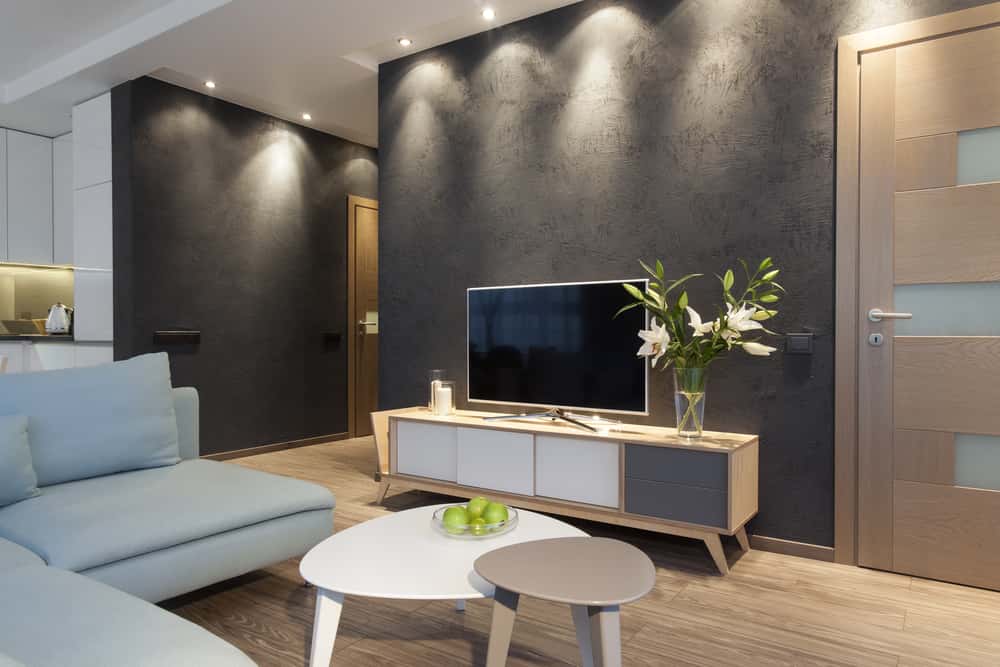
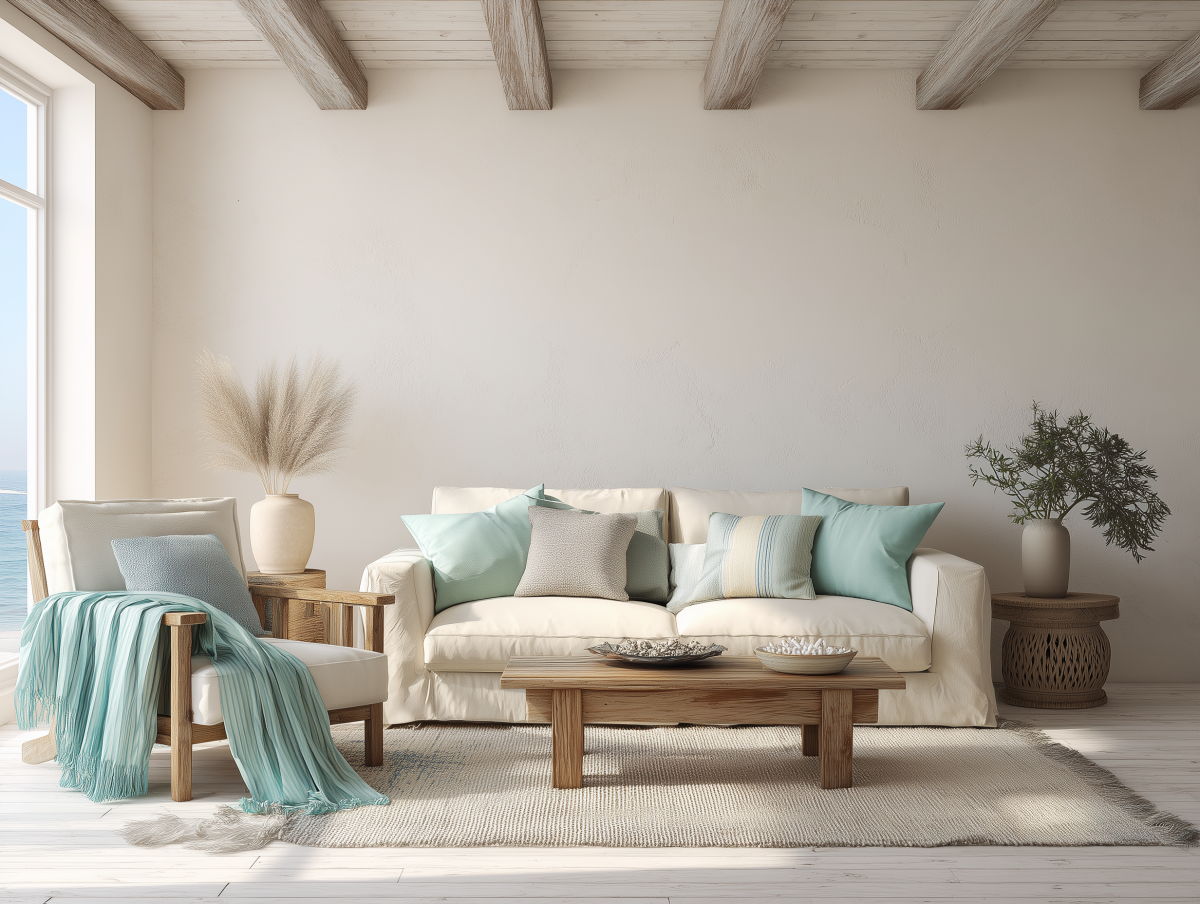
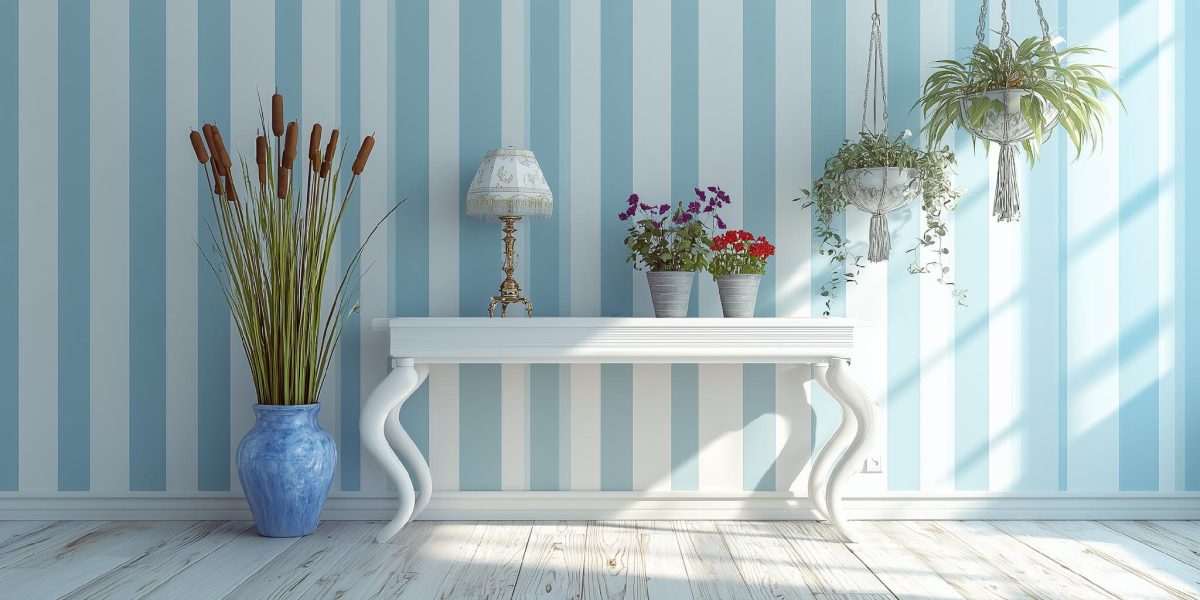
In the case of smaller living rooms, the right colour palette is always, ALWAYS, light-toned. Whites, creams, light greens, blues and yellows are the best way to go. Light colours instantly open up a space and make them look bigger and brighter. When planning your living room design, remember that dark and heavy colours like navy blue, royal purple, and black can weigh down your living room and make the space look a lot more closed in than it actually is.
Keep in mind that choosing a cool-toned colour scheme doesn’t mean you can’t have a colourful room. All you need to do is make sure that you’re working with different hues of the same scheme.
Match the Curtains and Colour
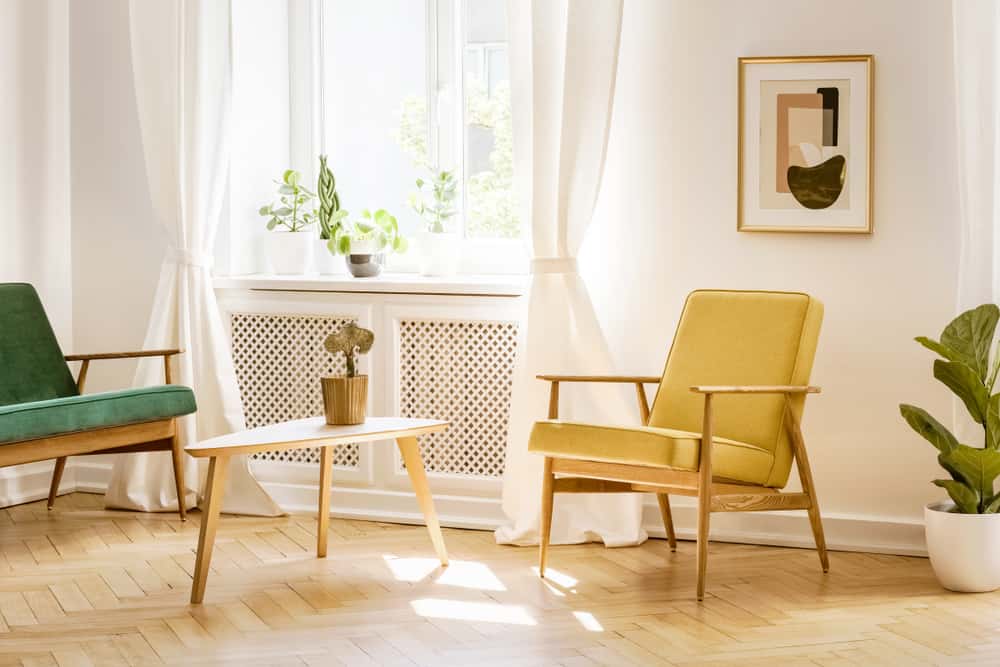
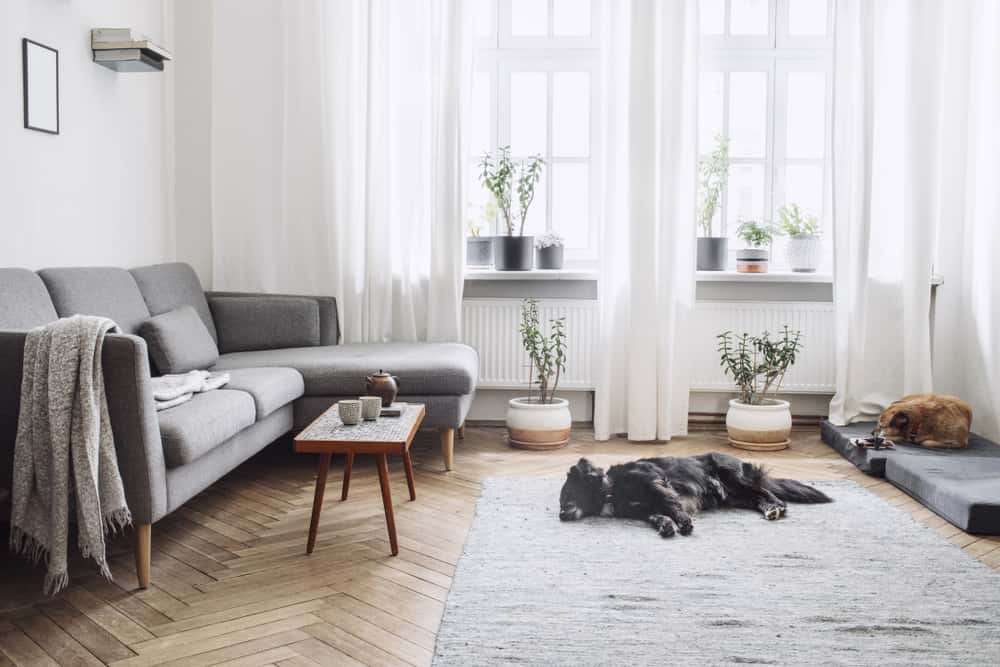
This easy trick is something that escapes many, but is extremely effective. When picking your curtains, try your best to match them with the walls to give the illusion of an even bigger space. Curtains that are light in colour and close to the shade of the rest of the room don’t take up that much space in a person’s view of the room and so, open up the room a lot more.
Be Smart About Storage
Storage is always a priority when it comes to one’s home. But if you’re working with a smaller living room, try your best not to cramp the space up with too much storage-based furniture. Shelves and cabinets should be incorporated carefully and in a minimal fashion. Try installing a single vertical shelf and using a storage piece like a trunk that can also double up as seating.
In a small living room, it is key that you leave as much room empty as possible, as these spaces can look crowded very quickly.

Smart Furniture
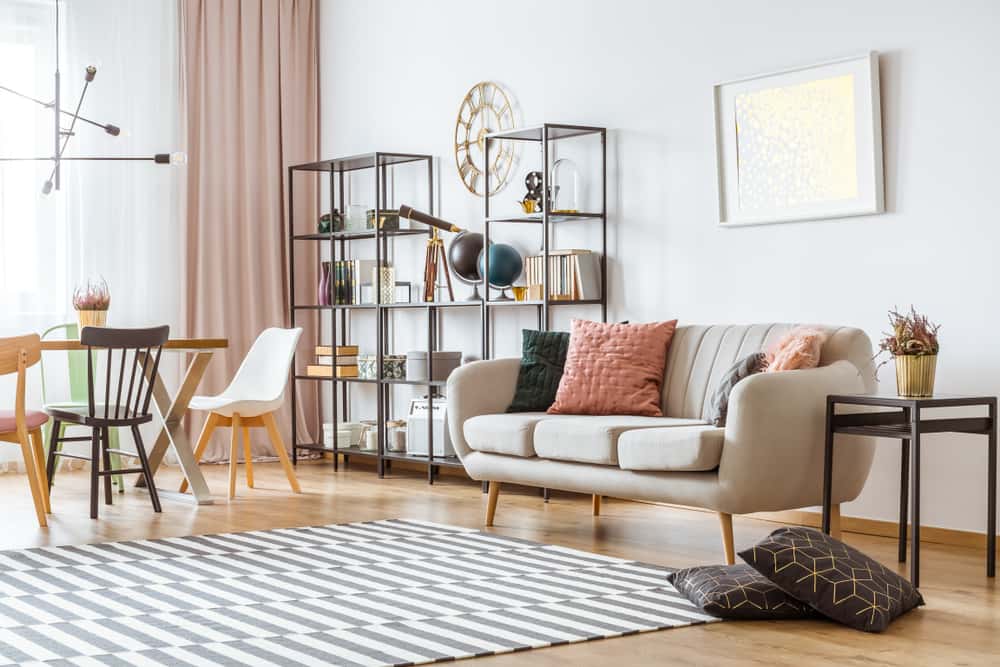
Speaking of furniture, it’s extremely important to invest in smart, functional and portable furniture. Once again, try not to avoid heavy, clunky pieces of furniture that can weigh down the room and take up a lot of space. Instead, opt for lightweight, multipurpose furniture. Centre tables that have a bit of storage space, sofas that extend into pull out beds or can expand into larger seating areas, and more would be ideal as they create room in your space, making it appear bigger.
Light Textures and Textiles
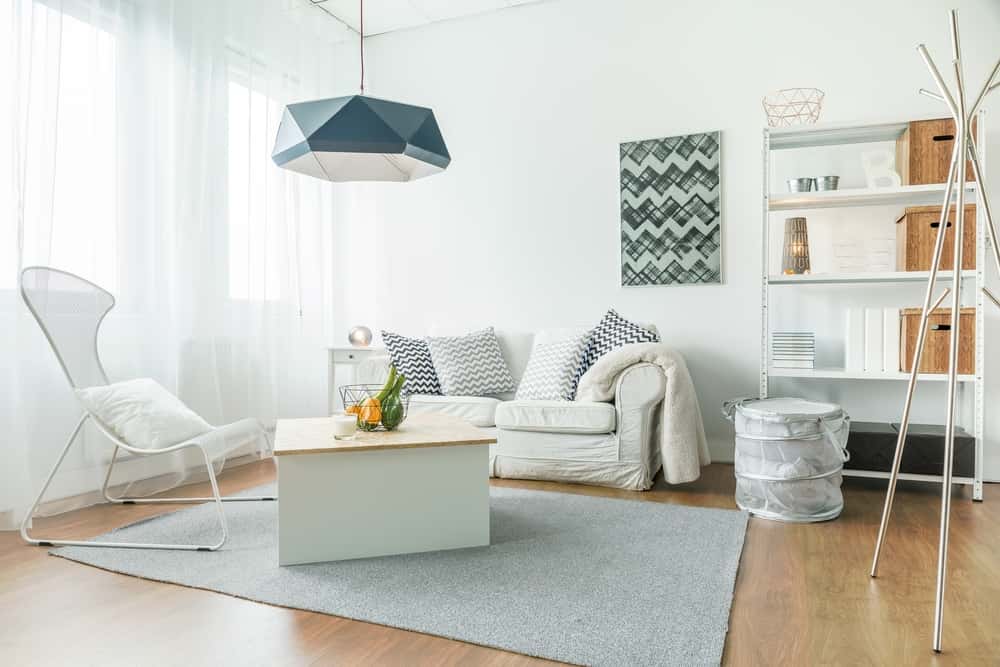
As far as possible, try to use lightweight fabrics like linens, sheer cottons, and the like. Whether it’s your curtains, upholstery or wall hangings, it’s best to use lighter fabrics as they, once again, open up the space, giving your living room a more spacious appearance.
Mirror, Mirror…not Necessarily on the Wall
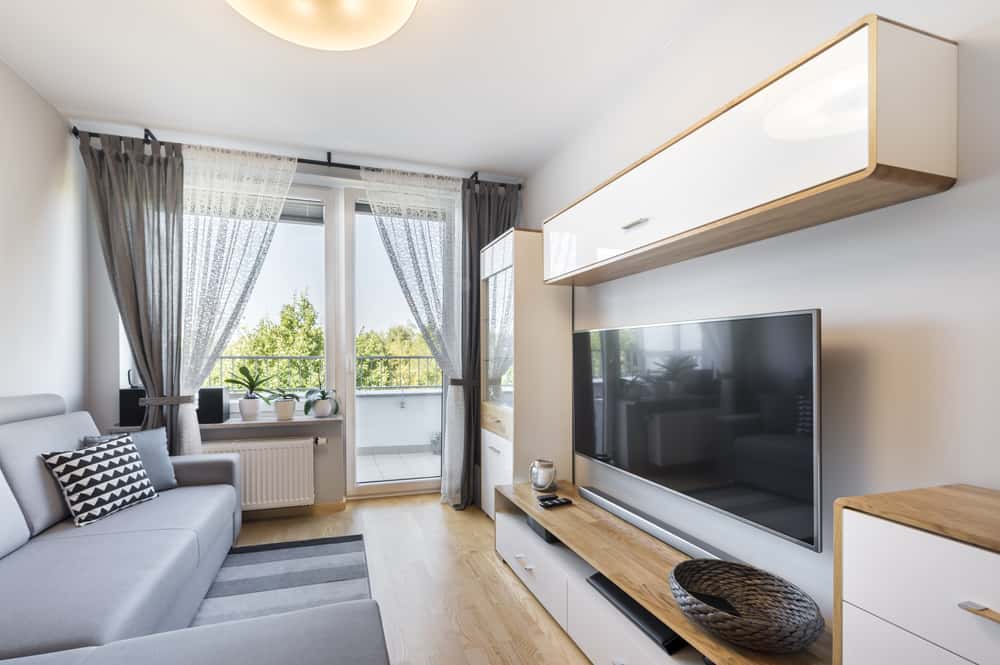
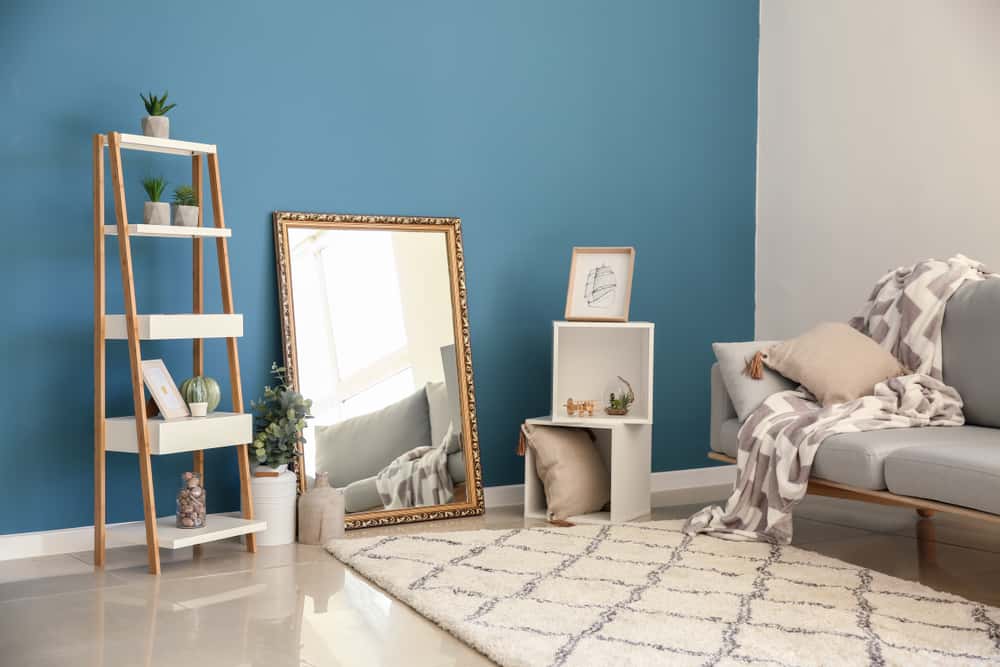
Mirrors are the slickest and easiest way to give your living room so extra dimension and depth. No matter where they’re placed, they always give the illusion of depth and height. So, if you’ve got your hands on a length-wise floor mirror, place it against the wall in one of the corners of your living room and watch the space open right up.
If you’re working with wall mirrors, try gathering different sized mirrors and arranging them on one wall as opposed to one huge wall mirror. This takes the illusion of spaciousness up a notch.
Don’t Underestimate Lighting
Lighting is one of those elements of interior design that can really impact the vibe of your space. When it comes to a smaller living room, it’s important to understand the effect that different kinds of light and light fixtures can have on the appearance of the space.
While it can be really tempting to use floor lamps to make the space feel cosy and homely, it’s usually smarter to use wall lamps and wall fixtures for lighting – at least for the most part. As far as you can, avoid taking up floor space with objects, so the room can look as uncluttered as possible.
Smaller living rooms don’t have to be a disadvantage or a ‘con’ when it comes to your home. Using these tips and tricks, you can easily shape your space to look bigger and brighter.
If you’re looking to kickstart your living room switch-up, but have no idea where to start, all you need to do is get in touch with our team of experts at HomeLane. With their creative ideas and expertise, they’re sure to help you out and get you going in the direction you want.
FAQs On Small Living Room Look Bigger
1. How can I make a small living room look bigger instantly?
To make a small living room look bigger, use light colour palettes like whites, creams, or pastels. Keep furniture minimal and choose multi-functional pieces. Adding mirrors and ensuring good lighting can instantly create a sense of openness and make the room feel brighter and more spacious.
2. What colours make a small living room look bigger?
Light and cool tones such as white, beige, soft blue, and pale green work best to make a small living room look bigger. These shades reflect light and create an airy feel, while darker colours tend to absorb light and make the space feel more compact and enclosed.
3. Do mirrors really help a small living room look bigger?
Yes, mirrors are one of the easiest ways to make a small living room look bigger. They reflect natural and artificial light, creating an illusion of depth and height. Placing a large mirror or grouping smaller mirrors strategically can visually expand the space.
4. What type of furniture is best for a small living room?
Lightweight, compact, and multi-purpose furniture works best in small living rooms. Opt for pieces like storage ottomans, sofa-cum-beds, or slim coffee tables. Avoid bulky furniture, as it can make the room feel cramped and reduce the available visual space.
5. What textures and fabrics work best for small living rooms?
Lightweight fabrics like linen, cotton, and sheer materials are ideal for small living rooms. These textures allow light to pass through and create an airy feel. Heavy fabrics, on the other hand, can make the room feel dense and visually smaller.










 EXPLORE MORE