Traditional Furniture Designs That Bring Vintage Style into Modern Homes
By HomeLane- January 15, 2026
Love TV shows about design? Can’t get enough of the different styles and furniture pieces in them? (In particular, the traditional looking ones). Do you love collecting antique furniture for your own home? Or just like to admire them when you come across it? If you are nodding yes to these, keep reading because we have the lowdown on traditional furniture’s role in home interior design—the history and the evolution. After all, other furniture designs have their roots in traditional furniture design. Let’s begin in the 16th century.
Jacobean Era Furniture Design
We can easily identify geometric and symmetrical designs in Jacobean era furniture. The home interiors were straightforward. They carved intricate geometric motifs on the furniture for decoration. The carvings were complicated and beautiful. Jacobean era furniture was the first one to emphasize the three-dimensional visual appeal of a furniture piece. Before the Jacobian era, they built the English furnishing items only to be seen in a single dimension. They were bulky. It all changed during the Jacobean era. This was the first time when designers started focusing on comfort. They designed beautiful chairs, considering the comfort and circumstances of people using them. Chairs were specifically created for the court ladies who used to wear hoop-style dresses. Nowadays, we see upholstery almost everywhere. The credit goes to Jacobean furniture designers for bringing it to the mainstream. If ornate carvings, straight lines, and dark finish is your style, then maybe Jacobean furniture is your go-to style.
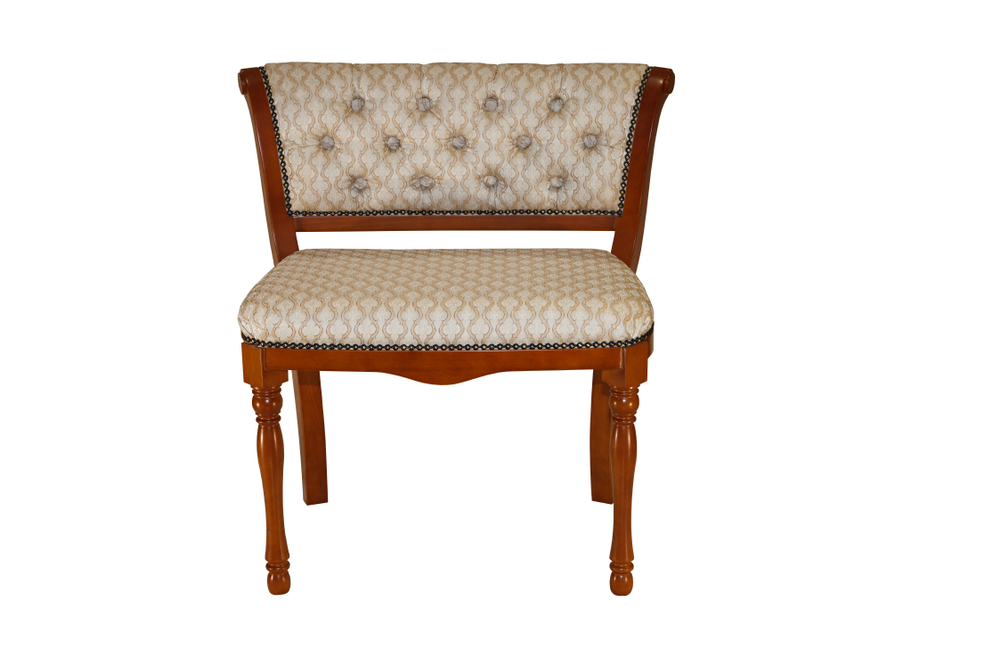
Classic traditional furniture piece adding comfort and royal elegance
William and Mary Furniture Style
The end of the sixteenth and beginning of the seventeenth century is known as William and Mary furniture style. It was a transitional style between Mannerist and Queen Anne furniture styles. This era of design was a combination of straight and curved lines. You can also see the elaborate, intricate, and fine art of carving. Woodturning and japanning were first seen during the William and Mary furniture style. Many British rural homes still display sturdy furniture styles from this era. Oriental lacquer work, trumpet turned leg, and Spanish ball feet are all characteristics of William and Mary Furniture.
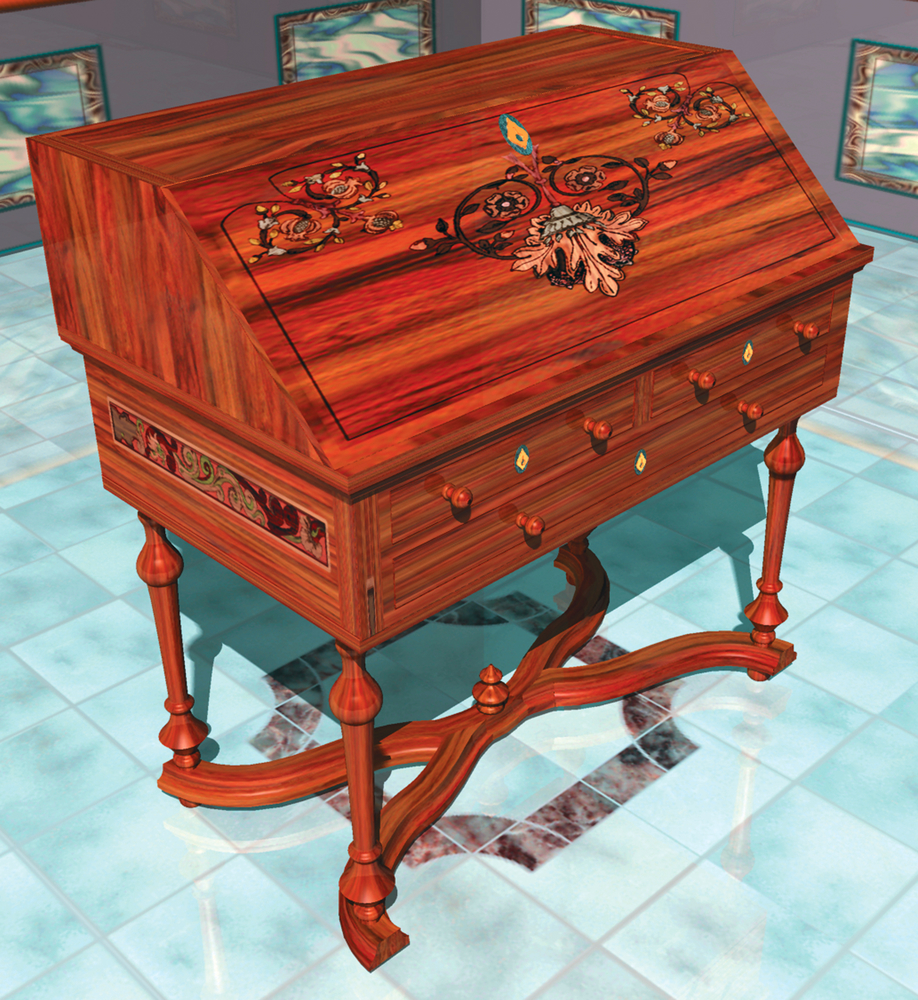
Graceful traditional wooden furniture desk with intricate artistry
Queen Anne Furniture Era
Lighter, smaller, and more comfortable than its predecessors are the words used to describe Queen Anne’s furniture style. Fiddle-backed chairs, bat-wing-shaped drawer pulls, and cabriole legs are some of the top furniture designs from this era. Cushioned seats and bookcases were also popular during this period. They often used curved lines, mostly in C or S in the Queen Anne Era Furniture.
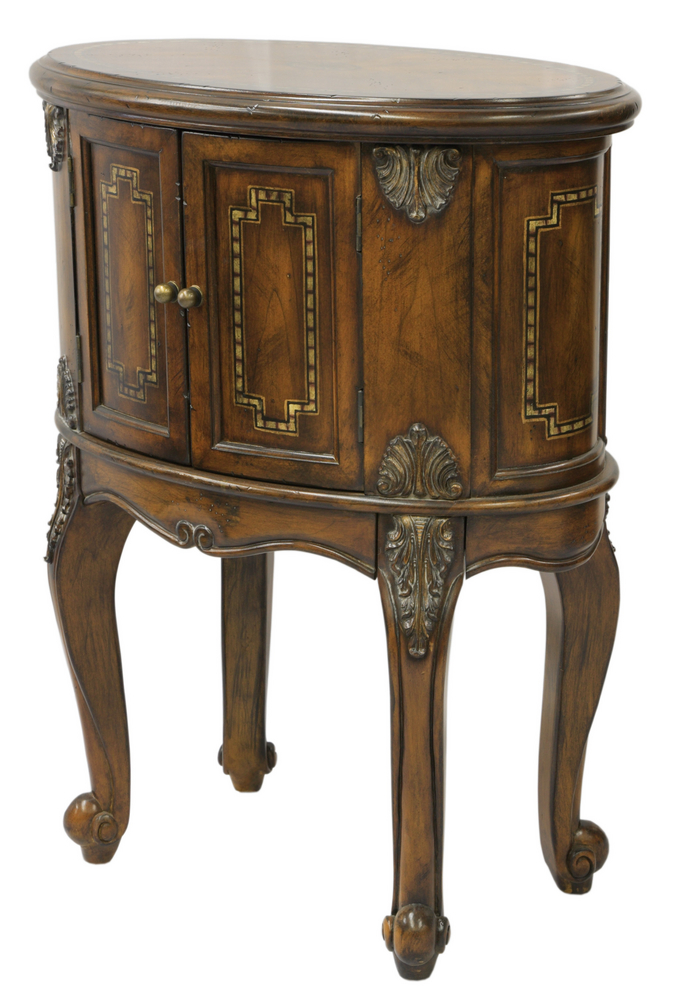
Classic traditional furniture cabinet with vintage charm and detailing
Pennsylvania Dutch Furniture
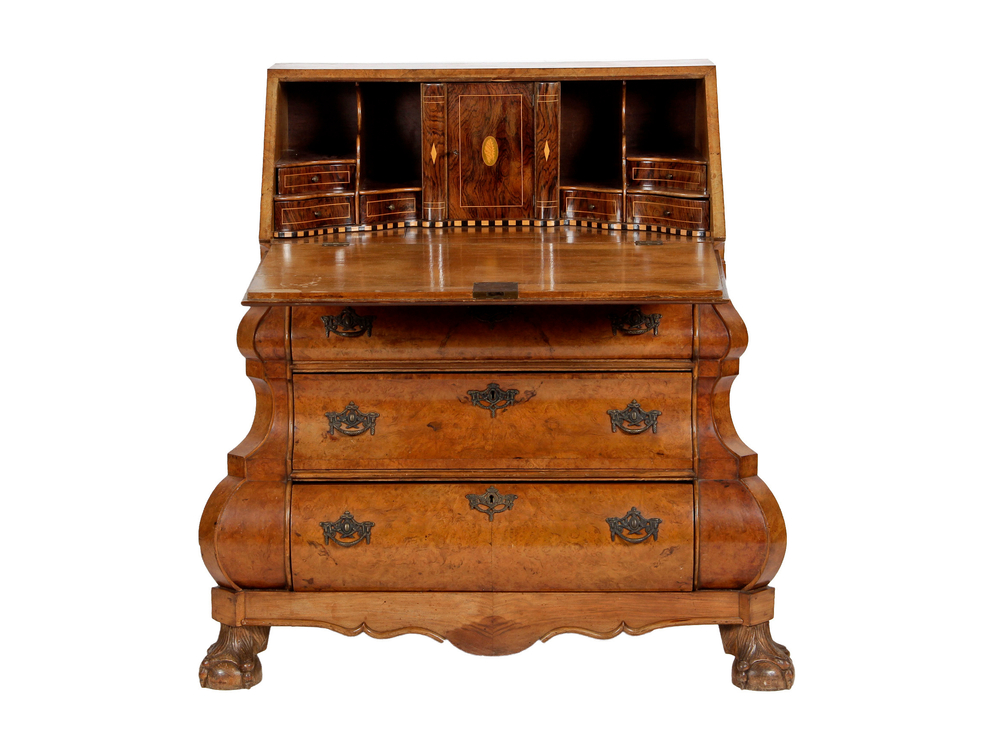
Between (1720–1830) german furniture designers arrived in Pennsylvania Dutch colonies. German woodworking techniques were the highlight of this period of home interiors. The designers and artisan fused the art and technique of English colonies and German technique. The interiors of this era emphasized on functionality and utility of products. Stability and longevity are two known characters of Pennsylvania dutch furniture. Shrank cupboards and sawbuck tables are some of the still popular furniture pieces of this era. They painted furniture with lively colours to make an otherwise dull room bright and cheerful.
Elegant traditional wooden furniture desk with antique craftsmanship
Louis XVI
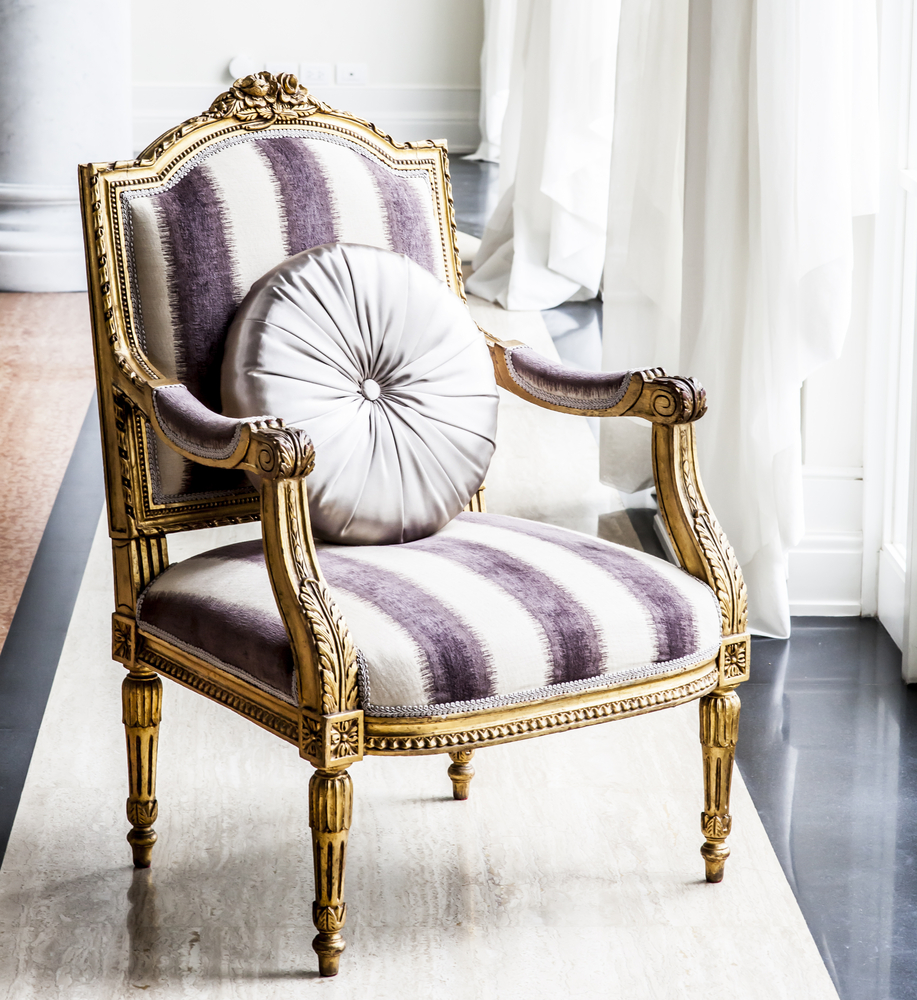
Sophisticated, calm, refined and symmetrical are the four words that can summarise Louis XVI furniture style. The artisans of this era brought elegance and neoclassicism to their furniture. They created most of this furniture for Queen Marie Antoinette for her many palaces and apartments.
Luxurious traditional furniture chair with classic gold detailing
Chippendale Furniture Style
This style of furniture designing is created by a cabinetmaker from London, Thomas Chippendale. He combined multiple styles (French, Gothic, Chinese, and Queen Anne) of furniture designing and created rich, unique, and elegant designs. This style overlaps with the era of Queen Anne furniture style. Some of the Chippendale style’s main features are ball and claw feet, cabriole legs, and broken pediment scroll top on tall cases.
Graceful traditional furniture carving adds royal charm to home décor
Hepplewhite Furniture
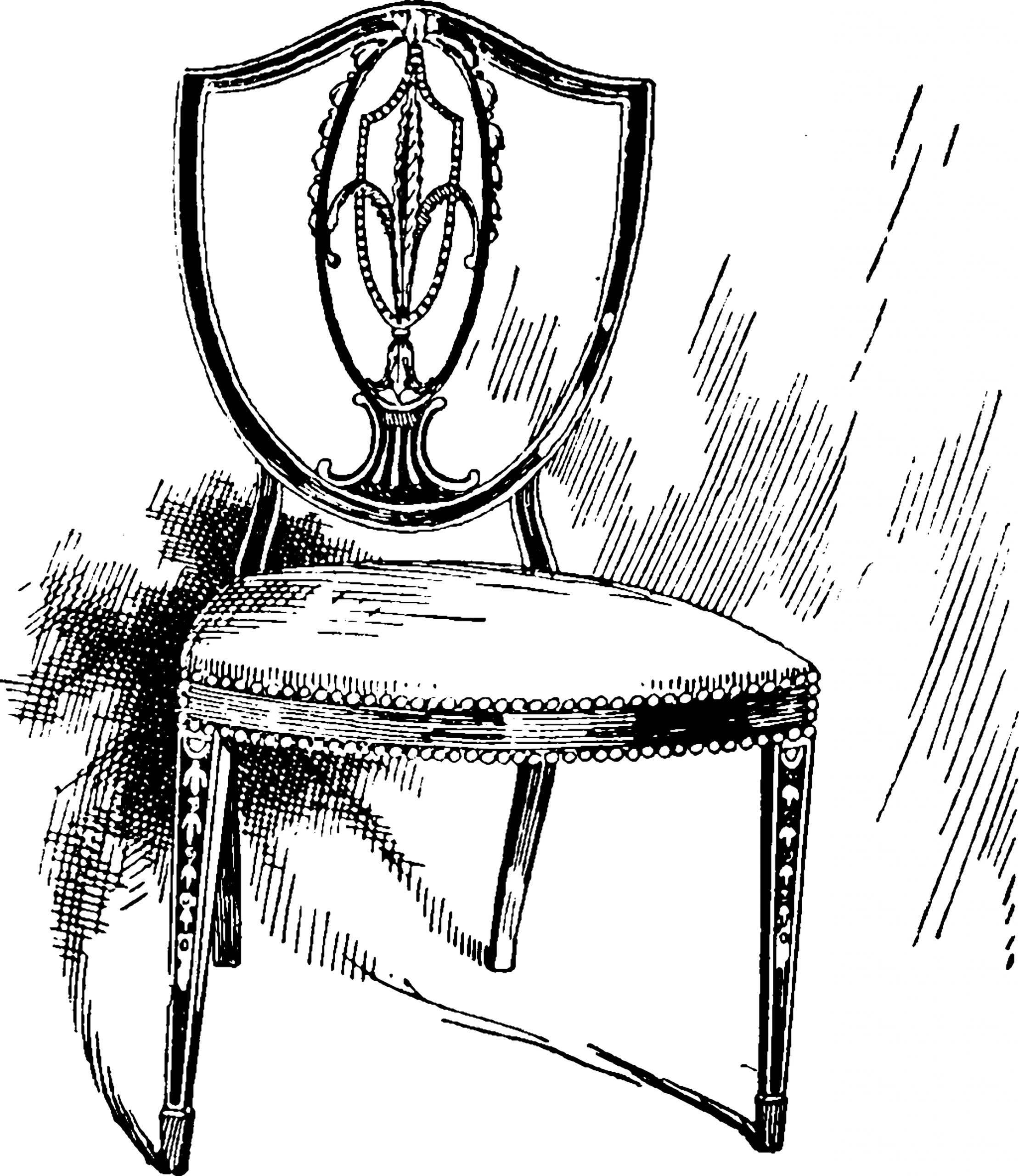
We know another London furniture designer named George Hepplewhite for his monumental work during the seventeenth century. We can characterize his style as straight-legged chairs, shield-shaped chair backs, and curved chair arms.
Beautiful traditional furniture designs showcasing artistic vintage chair style
Sheraton Furniture Style
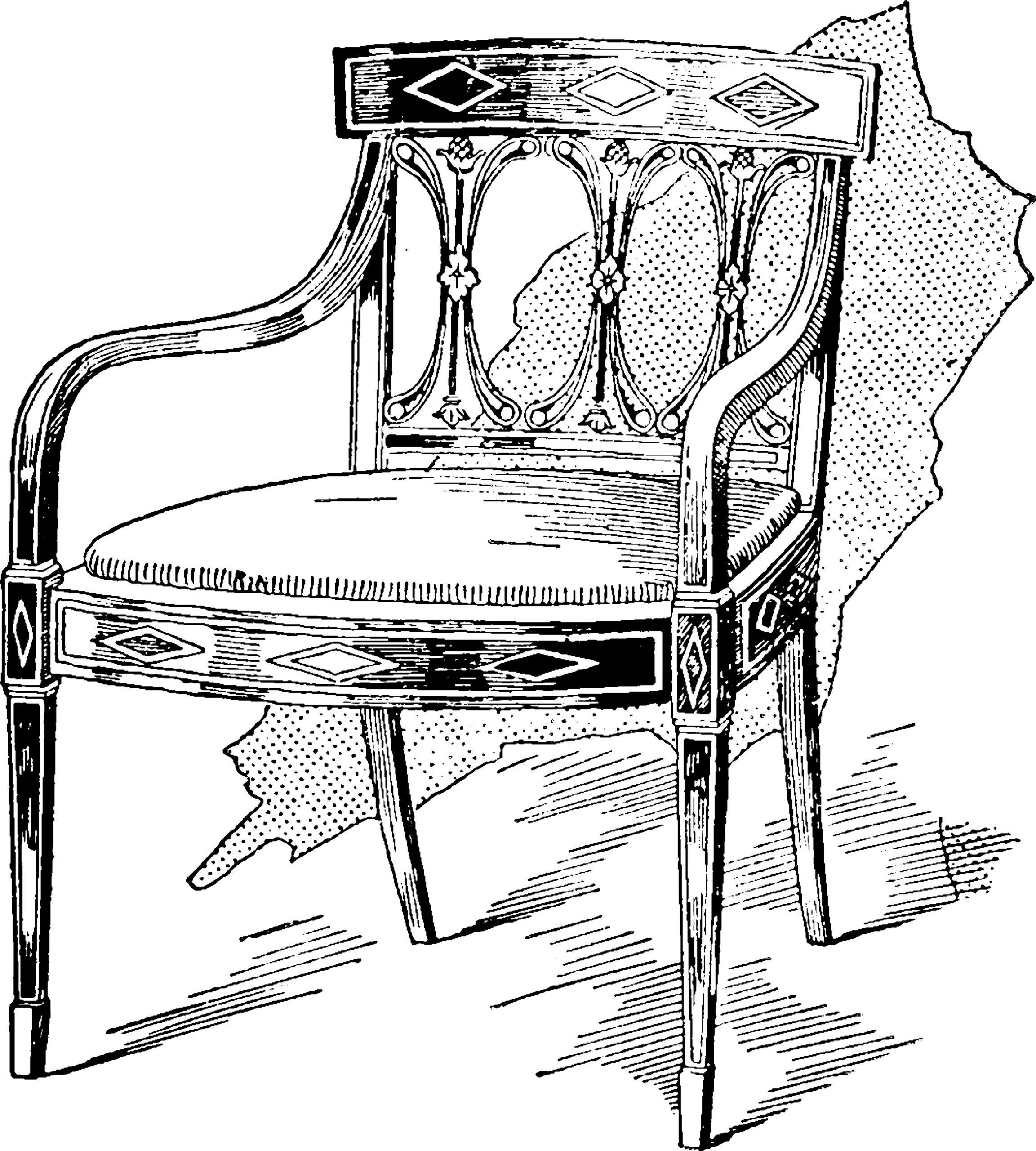
Thomas Sheraton was one of the three pillars of English furniture design, along with Thomas Chippendale and George Hepplewhite. Contracting veneers, straight lines, and simple structures are key characteristics of the Sheraton style. His work was the inspiration behind most of the eighteenth-century furniture.
Charming traditional furniture designs featuring a classic artistic armchair
American Empire
Three key features of the American Empire furniture style are bulkiness representing strength and stability, Greek and Roman motifs, and lots of ornamentation. This style of furniture communicates luxury and prosperity.
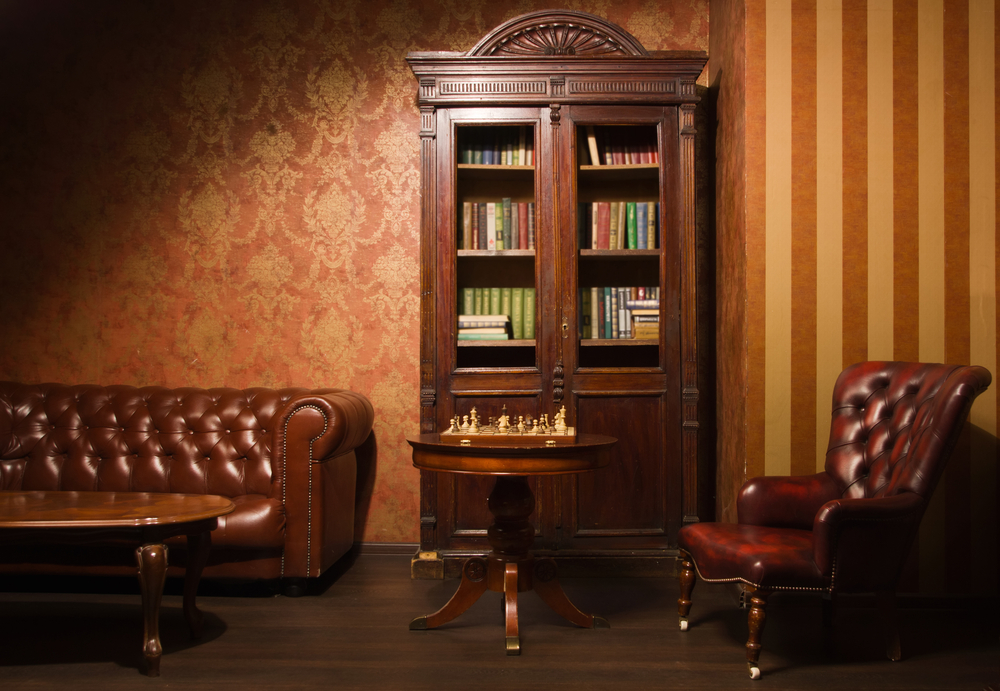
Classic traditional wooden furniture creating timeless living room charm
Victorian Furniture Designs
Yes, you guessed it right, this style of furniture design is named after Queen Victoria of the English Victorian Period. Elaborate ornamentation, dark finish, and romantic influence are three key characteristics of this traditional furniture style.
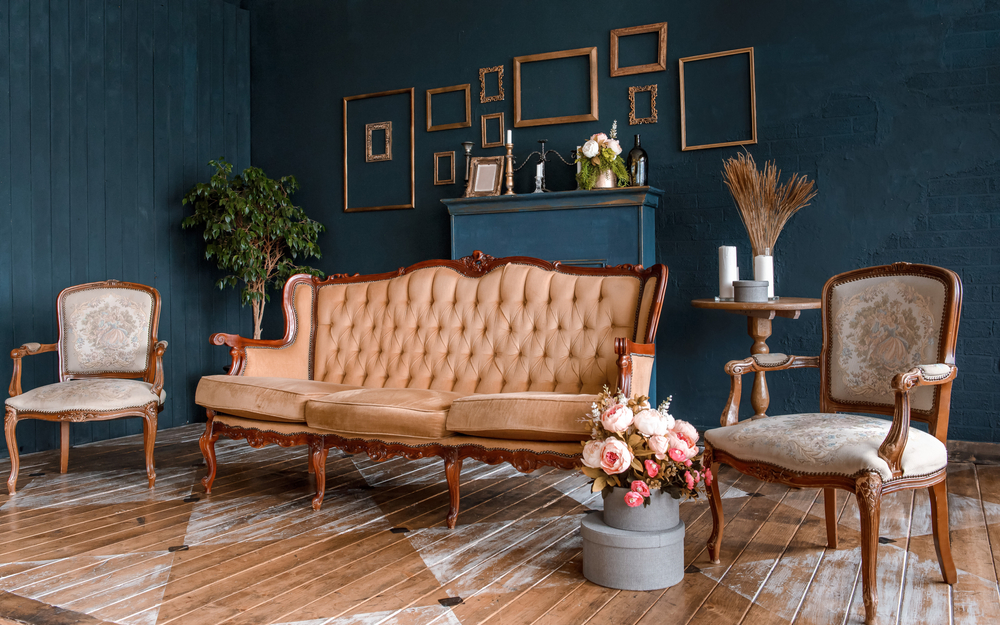
Charming traditional furniture designs enhancing vintage home interiors
Scandinavian Furniture Style
Twentieth-century introduced us to Scandinavian contemporary design. This style of furniture design has received immense popularity in recent years. The whole concept of Scandinavian contemporary is about simplicity, functionality, and minimalism. This style first emerged in five Nordic countries of Sweden, Norway, Denmark, Finland, and Iceland. IT is generally created with natural wood.
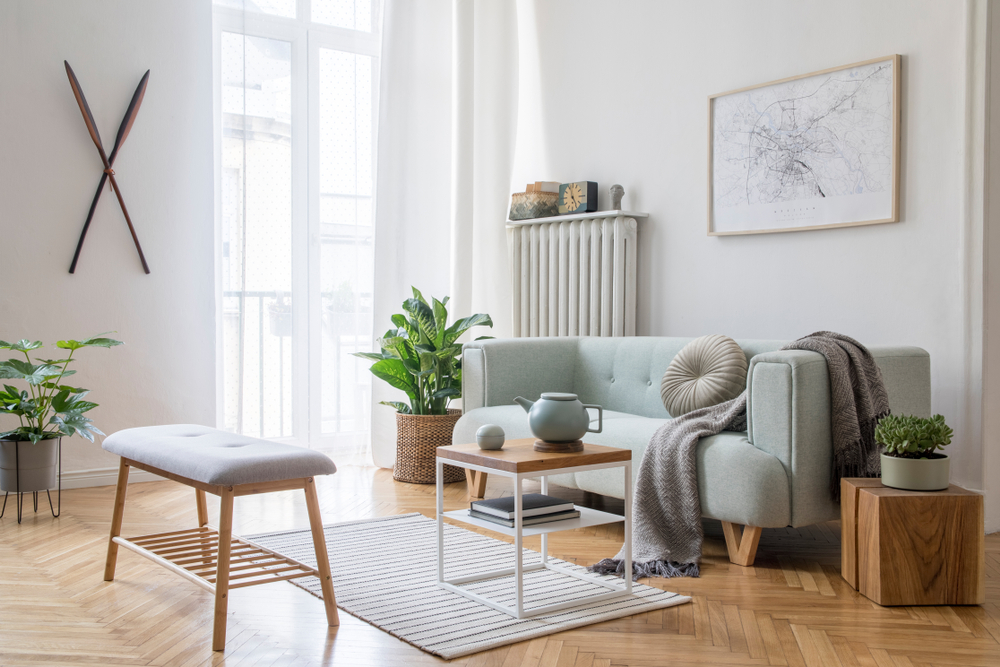
Chic traditional wooden furniture elevating a bright and stylish living room
Traditional furniture styles can be unique and truly interesting. Many people now prefer some mix of traditional designs with modern ones. It is a fun way to fill your home with gorgeous antiques. Interior designers at HomeLane are experienced and can help you in styling your home interiors in an aesthetic yet functional way. You don’t have to give up on style for functionality or vice versa. They will make sure that you get a desirable home interior and use it to the fullest.
FAQs
1. Which are the most famous traditional furniture styles?
Some of the most popular traditional furniture designs include the Jacobean, Queen Anne, Chippendale, Hepplewhite, Sheraton, and Victorian styles. Each era brought distinct motifs, carvings, and upholstery techniques that continue to inspire modern interiors.
2. Why is traditional wooden furniture still popular today?
Traditional wooden furniture remains timeless due to its durability, artistry, and warmth. The use of natural woods like oak, teak, and walnut gives every piece character and longevity, making them heirloom-worthy investments that blend beautifully with modern décor.
3. What materials are used in traditional wooden furniture?
High-quality woods like mahogany, teak, oak, cherry, and walnut are commonly used in traditional wooden furniture. These materials are chosen for their strength, rich grain, and ability to hold detailed carvings.
4. How do I identify authentic antique traditional furniture?
Authentic traditional furniture designs often have hand-carved details, dovetail joints, brass or bronze fittings, and a patina that develops with age. You can also look for unique craftsmanship marks or original joinery techniques that indicate authenticity.
5. How can I maintain traditional wooden furniture?
To maintain traditional wooden furniture, clean it regularly with a soft cloth, avoid direct sunlight, and use mild wood polish to preserve its shine. Refrain from using harsh chemicals, as they can damage the finish and natural grain.



























 EXPLORE MORE