How Colours Psychology Transforms Your Home Into a Mood Boosting Living Space
By HomeLane- January 27, 2026
Designing is a task that requires skills, creativity and innovation. In this fast-paced world, there are multiple trends that are constantly changing, and in the world of home interior designs, these changes make a considerable amount of difference. From colours to the furniture, it is essential to make choices about every minute thing to have a presentable home!
The choice of colours plays an important role in the overall look of a home. Keeping the need for aesthetic and colour coordination apart, the psychology of what colour you choose also deeply impacts your moods, perspectives, and behaviors. The energies that the colours possess have been linked to certain moods due to connotations and perceptions about the same.
Here are a few colours you could style into your home or workspace and make it beautiful as ever!
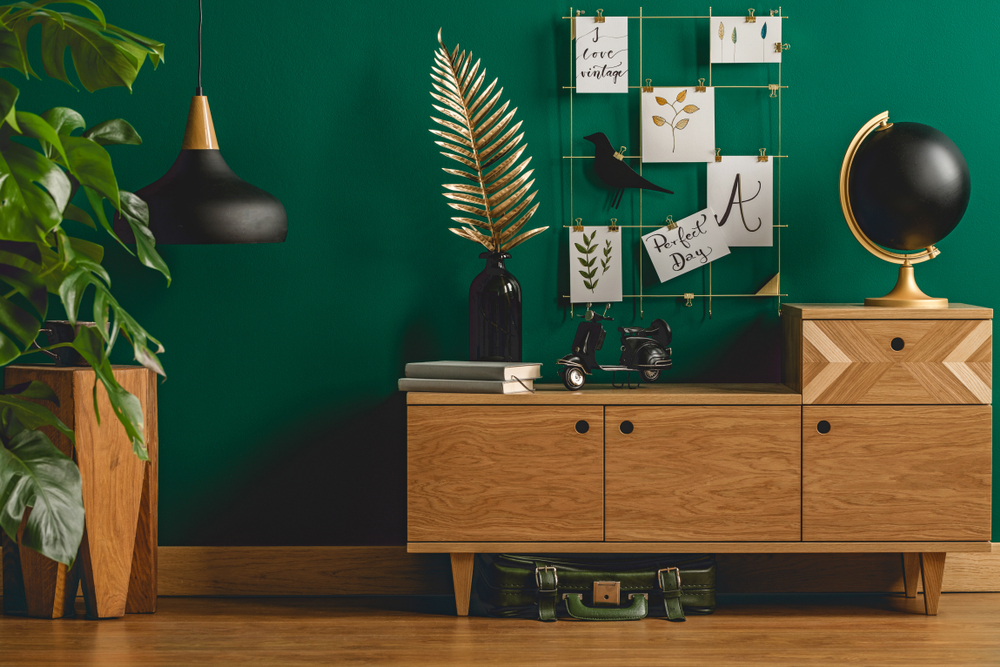
Leafy Green
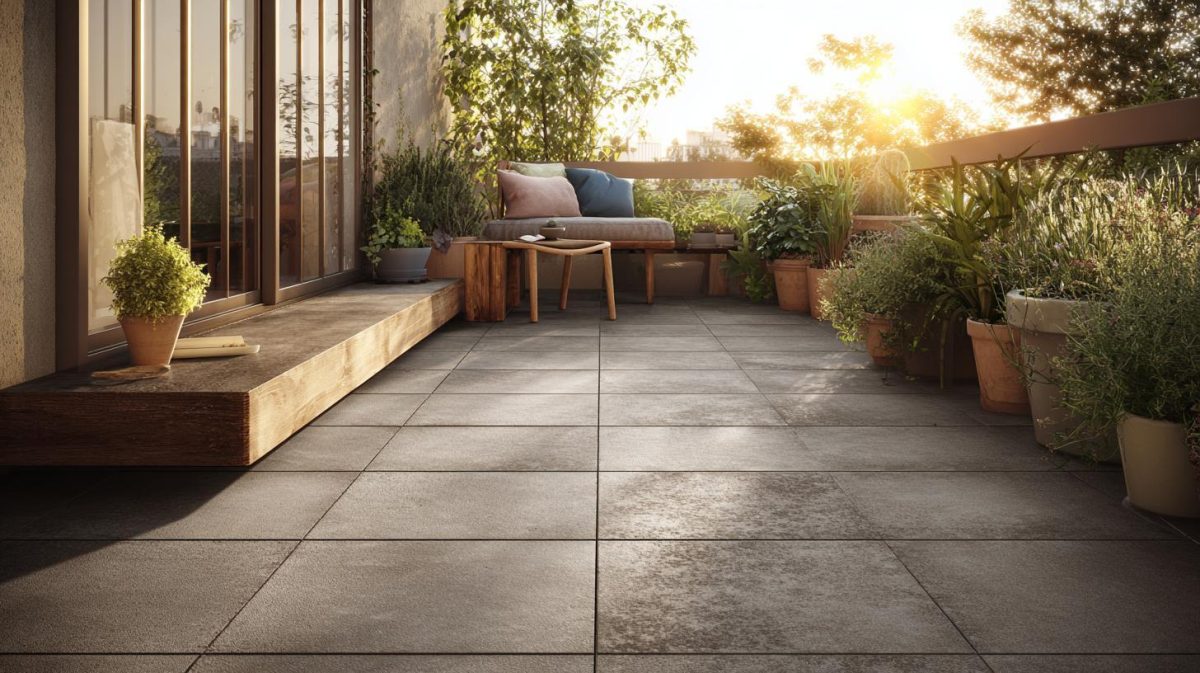
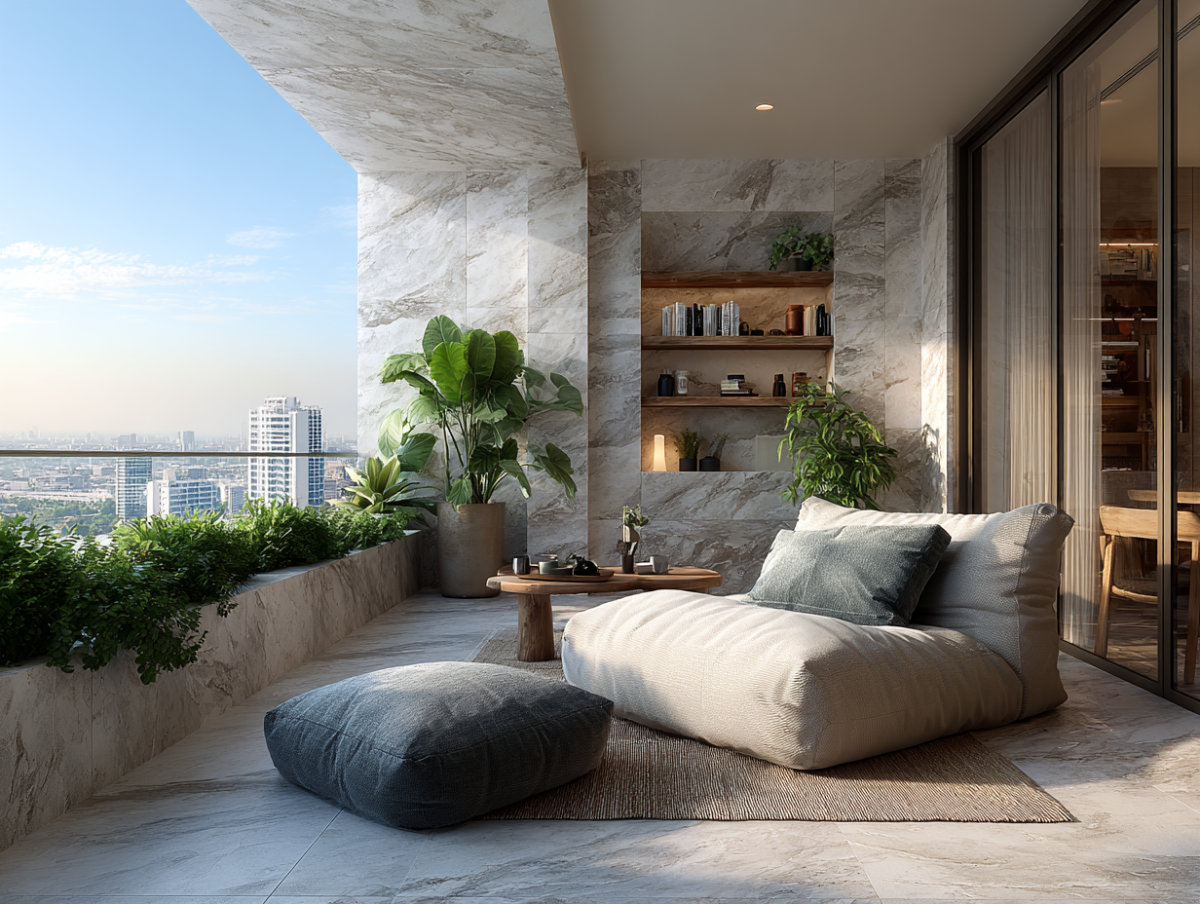
Enhance spaces with best colour psychology using warm wood and green tones
Choose emerald green or hunter green to go for an intense and elegant look for your seating area. Painting a single wall green with shades of grey on the other gives the seating area a touch of class. A lighter shade of green like a sage green would suit best in a child’s room where the door could be of this colour. This colour connotes a soothing effect while it helps with focus and creativity.
Warm Yellow
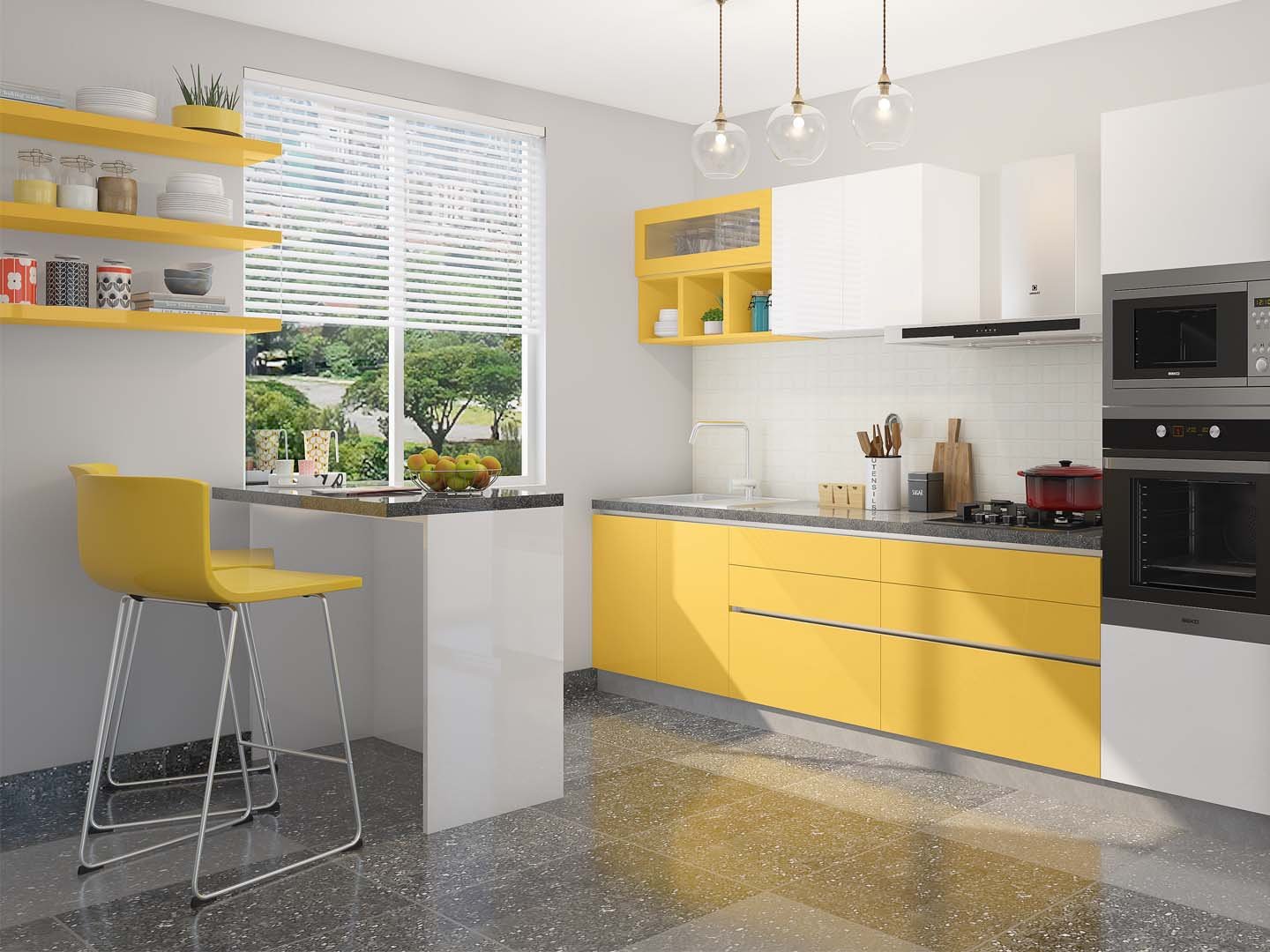
Design best colour psychology workspace with energizing yellow accents
It’s a colour that stands for communication, creativity, and sunshine. There are multiple shades of yellow, which enable it to be incorporated into any setting. Too much of it could cause stress, anxiety, or reflect a dull environment but, if coupled with suitable shades, then it can lead to great interiors for a home workspace paired with teak wood shelves and a white table lamp.
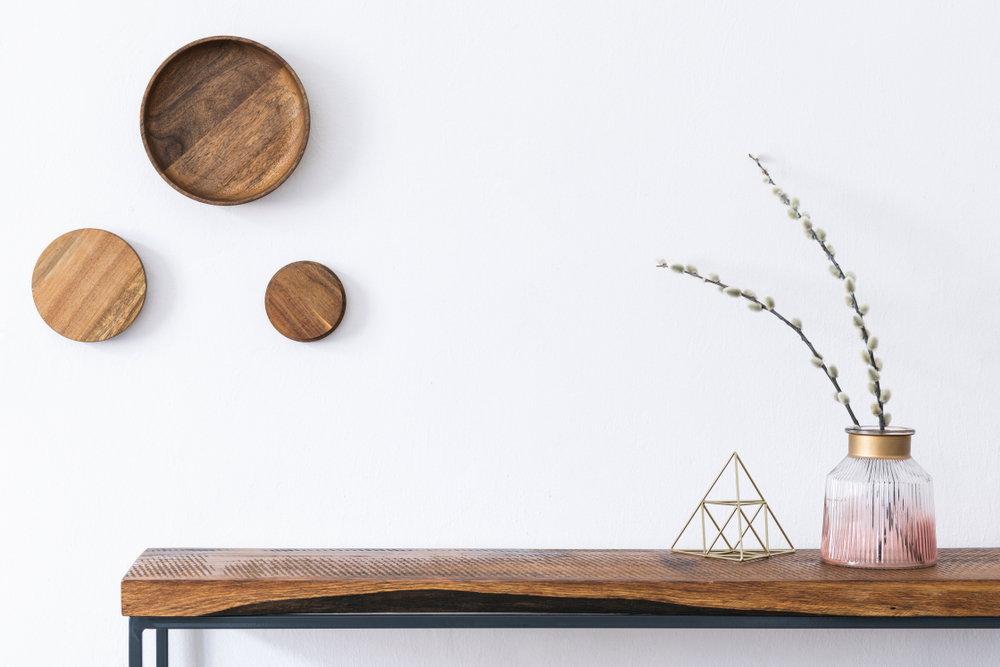
Earthy Brown
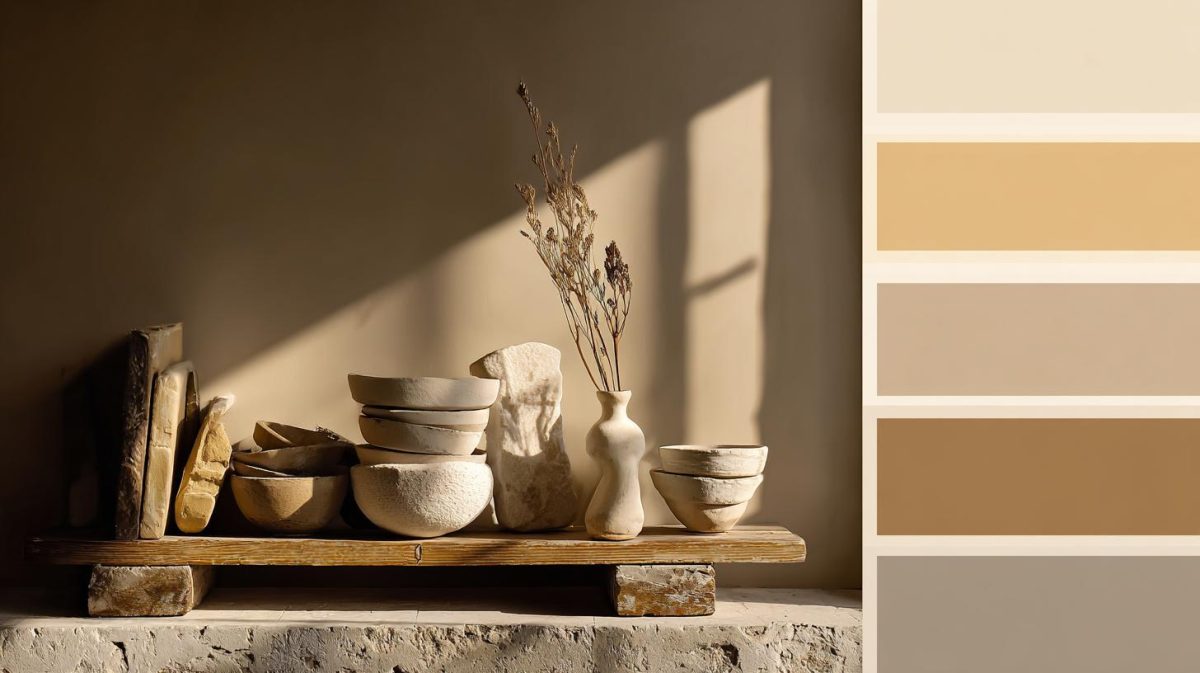
Create best colour psychology interiors with calm wood and white balance
This is one colour that accentuates any interior design and has a charm of comfort build around it. Pair it up with wooden furniture, a fireplace, and wall pieces that compliment the mood. Brown as a colour represents a home-like feeling that synchronizes tones of leather, natural elements, and wooden accessories.
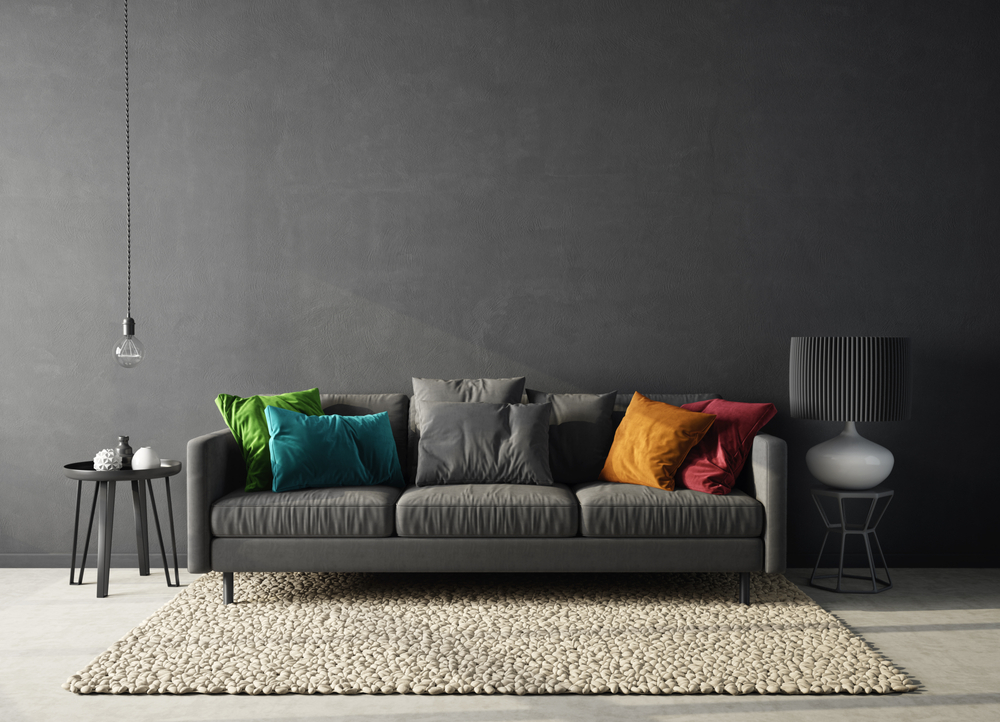
Bold Black
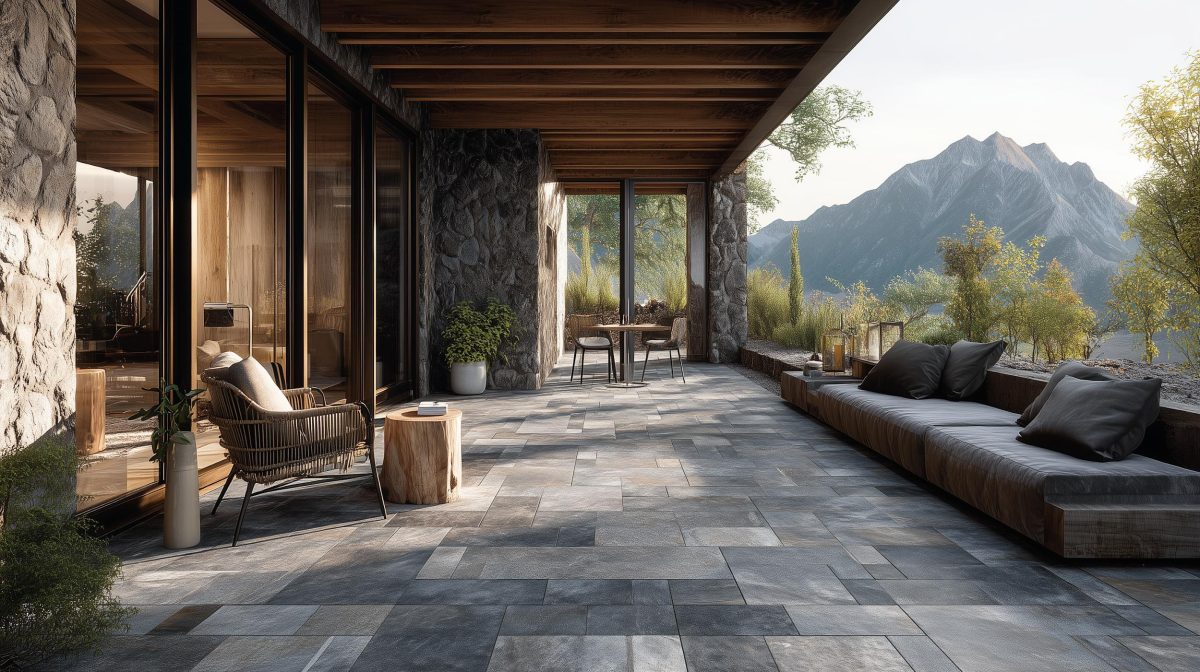
Elevate colours psychology interiors with bold cushions on dark backdrops
A timeless colour that represents luxury and sophistication like no other. Incorporating a colour as dark as this has the potential to make interiors look overwhelming as well, but a good balance of it can go a long way. The texture of black used and the material used to incorporate this colour also plays a huge role in the look and feel that it emits. For example, matte black furniture and glossy black appliances have an oomph factor to it that defines the style which no other colour would. Involving in black for interiors is a bold move and can be challenging but it could be incorporated in terms of carpets or marble table tops for starters, and then dive into using textures and paints for the rest of the room.
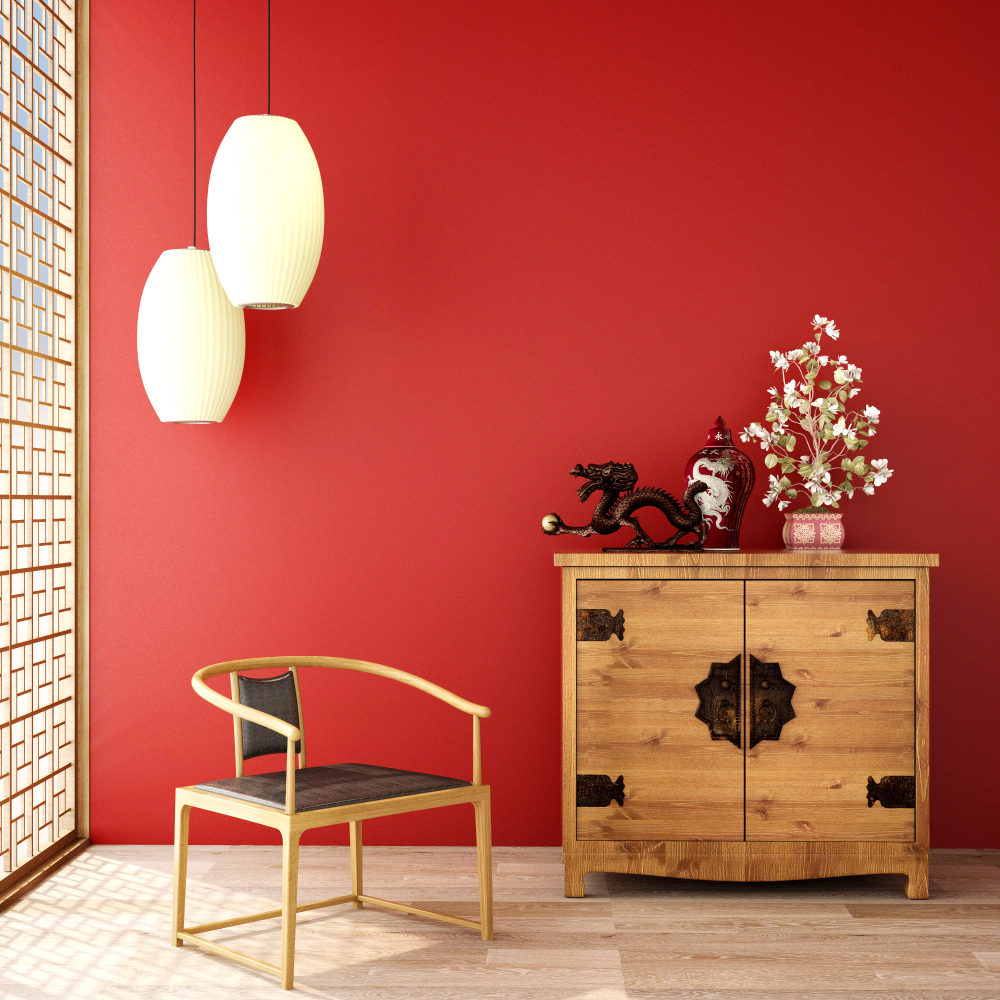
Cherry Red
Decorate colours psychology spaces using bold red and wooden accents
This is a colour well known for its multiple connotations. From danger to passion, the shades of red need to be selected very wisely for interiors. It is bold and passionate for lighter shades of red and earthy with a feeling of warmth, creating a cosy ambience that can also be perceived as rusty and dramatic. It works best for spacious halls/entertainment spaces and is a bold choice for a bedroom. However, a single wall of rusty red in a bedroom could help build a healthy aura that encourages creativity and stimulates the brain.
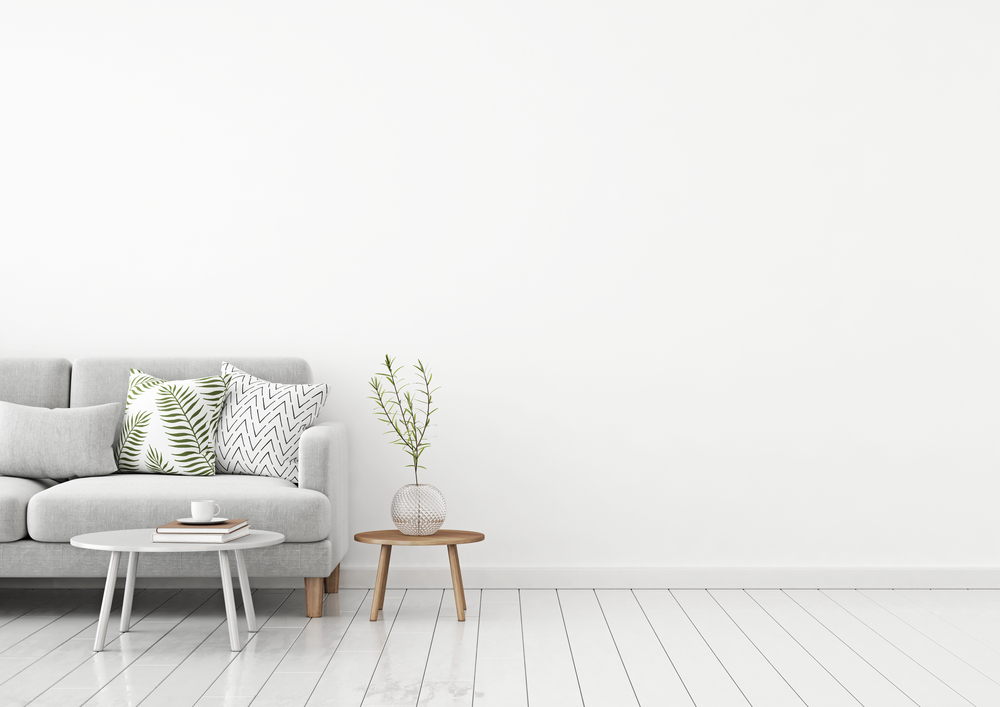
Calming White
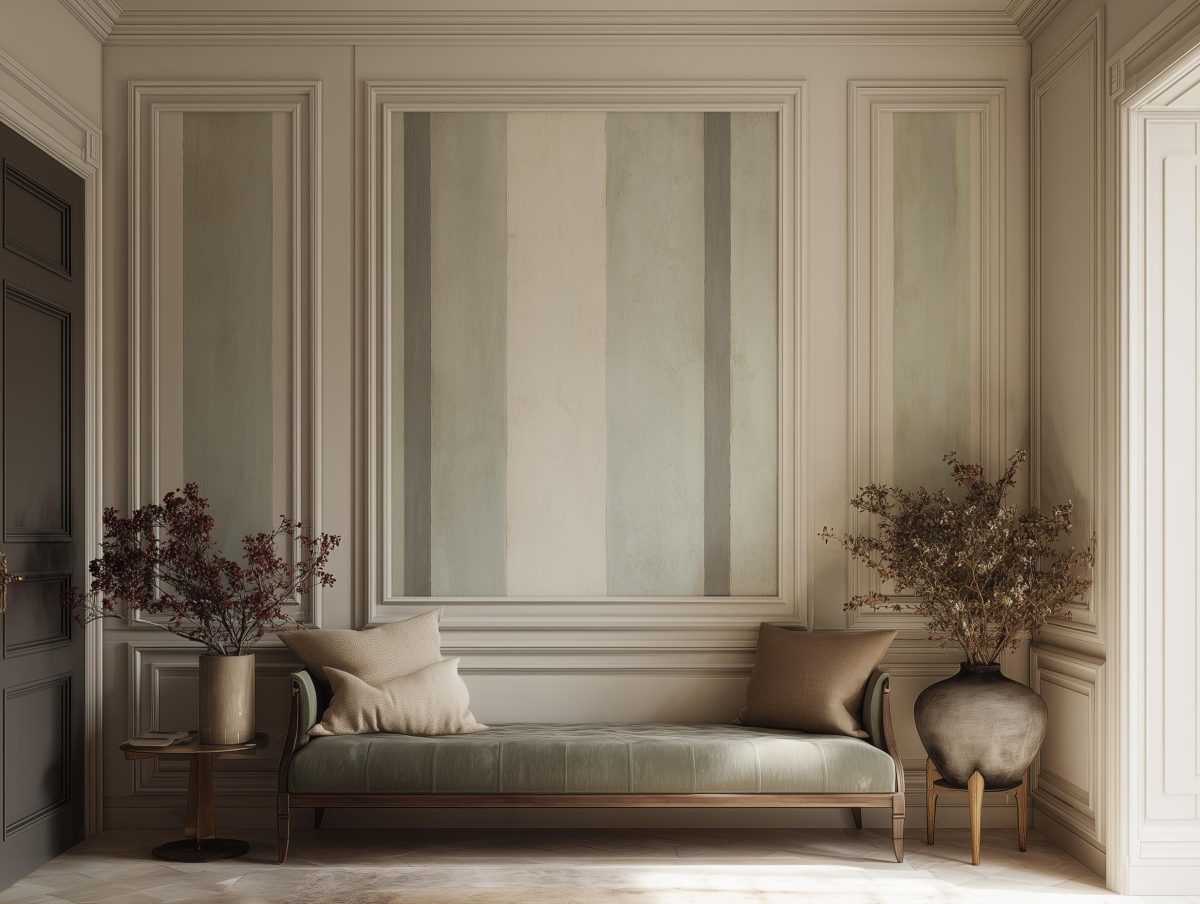
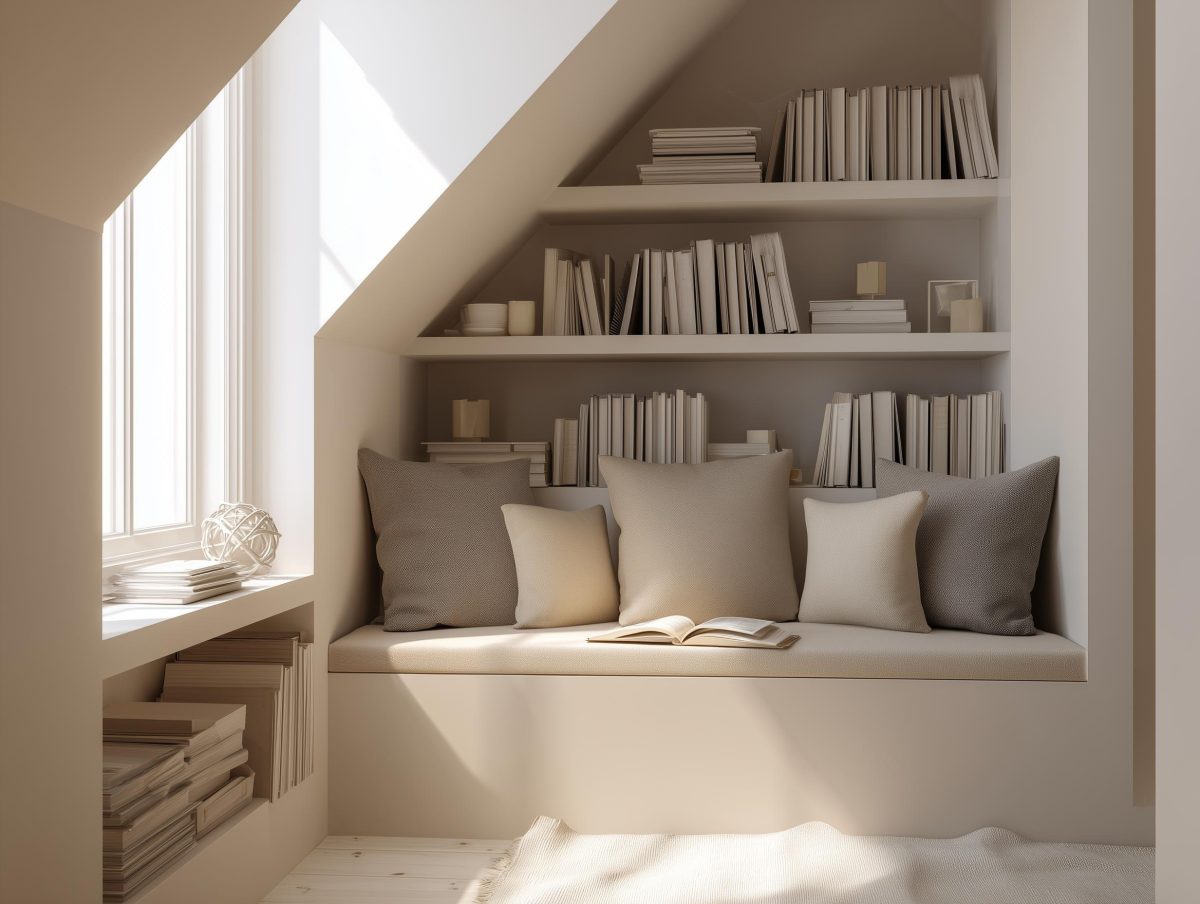
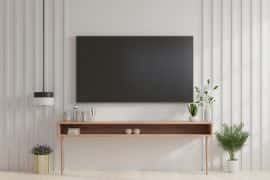
Style best colour psychology spaces with white tones and leafy accents
Often called a blank palette, white is a symbol of discipline, luxury, and purity. All-white walls with matching furniture have been a trend in recent years. As modern as the approach is, white is often misinterpreted as cold and boring. This is a possibility if not accompanied by suitable accessories on the side. White rooms are best for study and workspaces which involve saplings and plants that give it a refreshing look. Curtains and canopies made of georgette can change the look of a corner in an instant. It gives it an instant classic and royal touch while being mellow and setting a comfortable vibe.
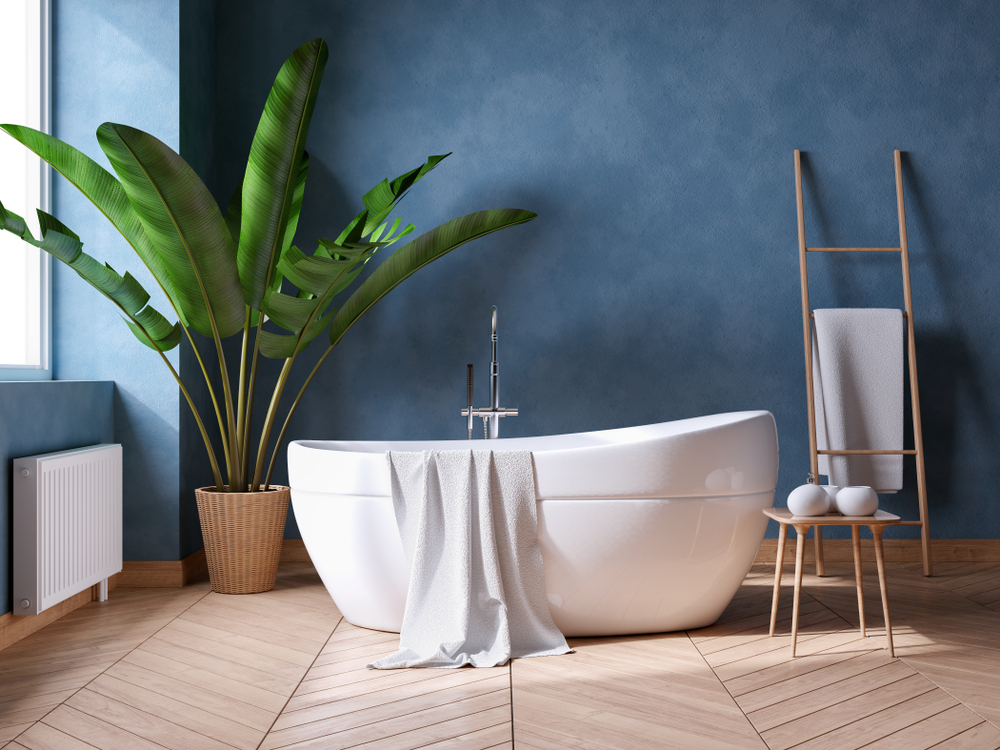
Breezy Blue
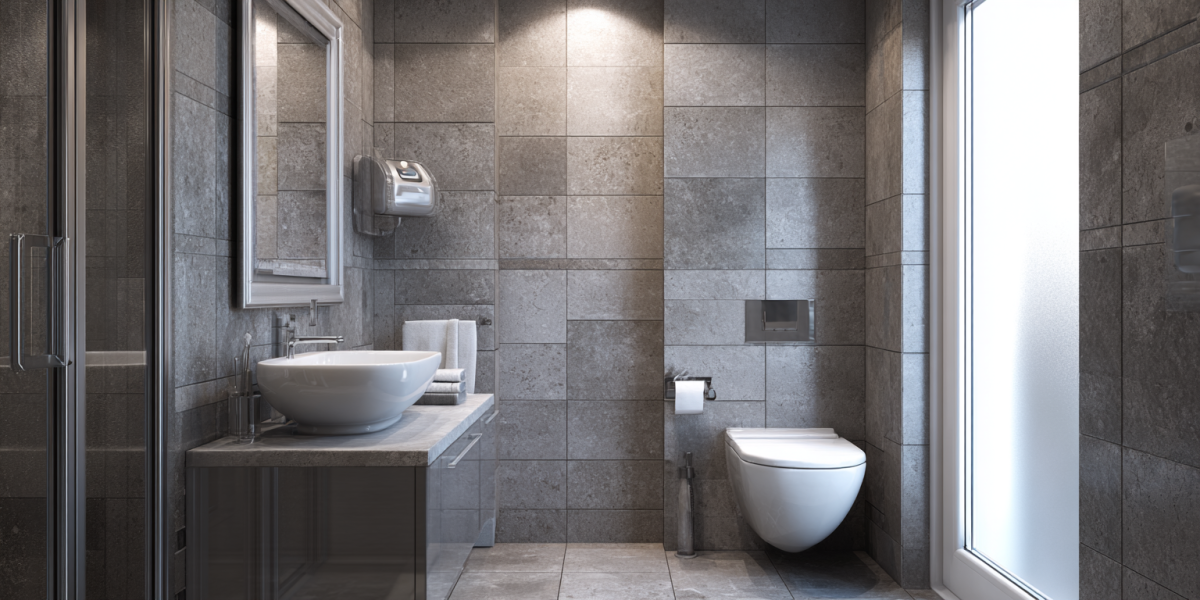
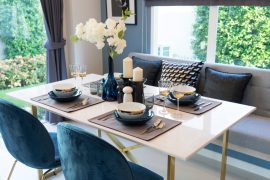
Design best colour psychology bathrooms using blue tones and greenery
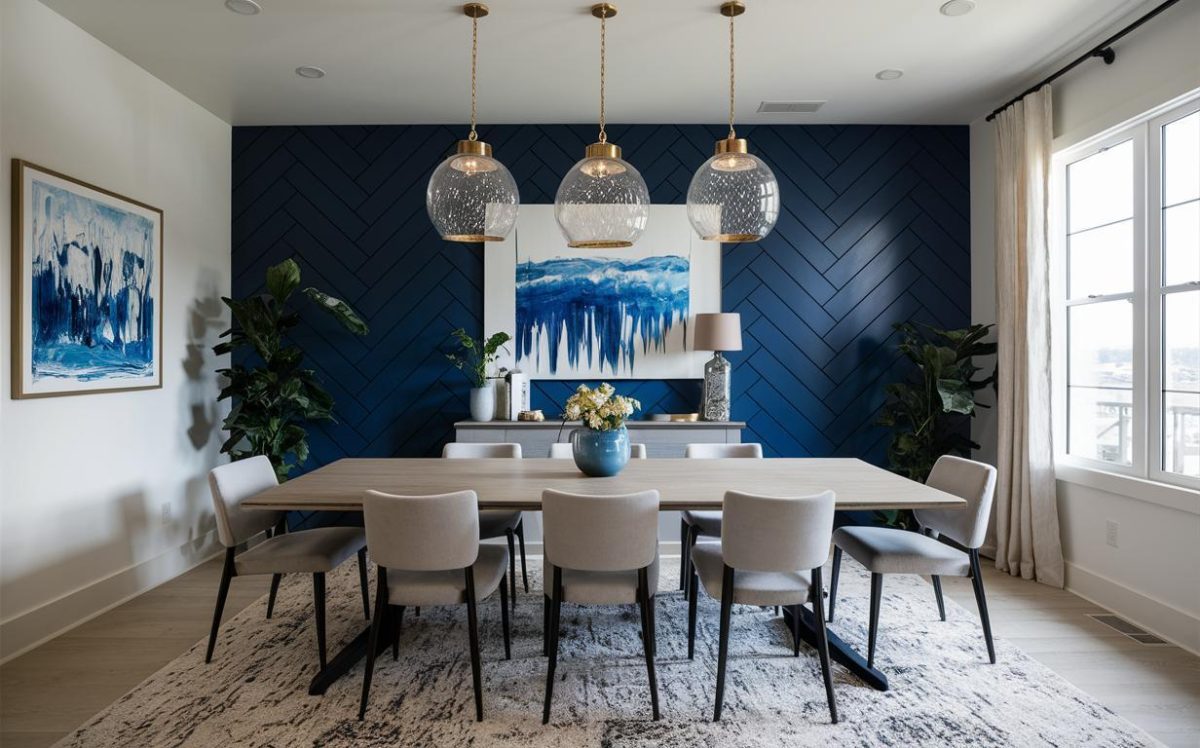
A unanimous choice of all is the colour blue. Apart from being a universal colour that matches the sky, it brings together a feeling of serenity and calmness. From a master bedroom to washrooms, blue goes with absolutely everything! A room for your child can be painted blue with patterns of clouds or a dining area with shades of royal blue; both are ways to incorporate the same colour differently. Royal blue paired with dim yellow lights is the perfect mood for wine and dine with soft jazz music playing in the background. It always has and always will be the safest colour to experiment with.
The choice of including colours in your life is by itself a major step towards you investing in a better quality of life. Hence, it is of utmost importance to choose interiors based on how you feel like an individual and what you would like to feel when in that space. The purpose of each room designed is different, and therefore, thinking about how a third person would feel in that room is also an essential thought to have. So go on, paint your lives colourful!
For any assistance, we at HomeLane are just a call away!
FAQs
1. What is colour psychology in interior design?
Colour psychology is the study of how colours affect mood, emotions, and behaviour. In interior design, colours psychology helps create spaces that feel calm, energetic, or luxurious depending on the chosen palette.
2. How does colour psychology impact home interiors?
According to colours psychology, each hue carries emotional energy. For instance, green promotes calm and creativity, yellow sparks communication, and blue creates serenity. Using the best colour psychology helps homeowners design spaces that improve comfort and productivity.
3. Which are the best colours for positive energy at home?
Based on the best colour psychology principles, shades like leafy green, warm yellow, and breezy blue create uplifting and peaceful environments. These colours encourage balance, focus, and relaxation in home interiors.
4. How can I choose the best colour combinations for my home?
Choose colours based on the psychology behind them and the room’s purpose. For example, calming whites and blues work for bedrooms or studies, while bold blacks and cherry reds suit modern living or entertainment rooms.
5. Why is understanding colour psychology important in interior design?
Understanding colours psychology ensures your interior spaces feel cohesive and emotionally balanced. The best colour psychology choices can improve mood, enhance creativity, and make rooms look more harmonious.
{“@context”:”https://schema.org”,”@type”:”FAQPage”,”mainEntity”:[{“@type”:”Question”,”name”:”What is colour psychology in interior design?”,”acceptedAnswer”:{“@type”:”Answer”,”text”:”Colour psychology is the study of how colours affect mood, emotions, and behaviour. In interior design, colours psychology helps create spaces that feel calm, energetic, or luxurious depending on the chosen palette.”}},{“@type”:”Question”,”name”:”How does colour psychology impact home interiors?”,”acceptedAnswer”:{“@type”:”Answer”,”text”:”According to colours psychology, each hue carries emotional energy. For instance, green promotes calm and creativity, yellow sparks communication, and blue creates serenity. Using the best colour psychology helps homeowners design spaces that improve comfort and productivity.”}},{“@type”:”Question”,”name”:”Which are the best colours for positive energy at home?”,”acceptedAnswer”:{“@type”:”Answer”,”text”:”Based on the best colour psychology principles, shades like leafy green, warm yellow, and breezy blue create uplifting and peaceful environments. These colours encourage balance, focus, and relaxation in home interiors.”}},{“@type”:”Question”,”name”:”How can I choose the best colour combinations for my home?”,”acceptedAnswer”:{“@type”:”Answer”,”text”:”Choose colours based on the psychology behind them and the room’s purpose. For example, calming whites and blues work for bedrooms or studies, while bold blacks and cherry reds suit modern living or entertainment rooms.”}},{“@type”:”Question”,”name”:”Why is understanding colour psychology important in interior design?”,”acceptedAnswer”:{“@type”:”Answer”,”text”:”Understanding colours psychology ensures your interior spaces feel cohesive and emotionally balanced. The best colour psychology choices can improve mood, enhance creativity, and make rooms look more harmonious.”}}]}















 EXPLORE MORE