Wet and Dry Kitchens That Make Cooking Cleaner and Smarter
By Usha Balasubramanyan- March 14, 2026
AI Summary
3 key insights · 1 expert tip
Separate wet and dry kitchen zones to effectively manage cooking mess and heat, enhancing home flow and keeping main spaces clean.
Key Insights:
What You'll Read Here:
Wet kitchens handle heavy cooking, washing, and cleaning, while dry kitchens are for prep and serving.
Ventilation is crucial to contain cooking fumes and heat, making the separation effective.
Compact homes can adapt this layout with clever planning, partitions, and smart storage solutions.
HOMELANE EXPERT TIPBy our design team
Prioritise durable, moisture-resistant materials and efficient workflow in the wet kitchen; use sleek, clutter-free finishes in the dry zone.
These days, the kitchen is rarely just a place where cooking happens. In a well-planned modular kitchen design, it is where mornings begin, guests wander in with cups of tea, and half the household seems to gather at the same time! With so much going on, it’s only natural to want a kitchen that can handle the mess without putting it all on display.
Clear difference between dry kitchen and wet kitchen design concepts
Just why more homeowners are warming up to the idea of splitting the kitchen into two zones, one that does the heavy lifting, and another that stays neat and welcoming. In other words: a wet and dry kitchen! Such a simple shift in thinking, but it makes everyday cooking and hosting feel so much easier.
Introduction to the Wet and Dry Kitchen Concept
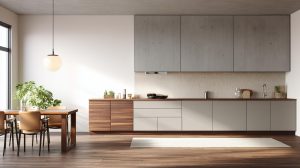
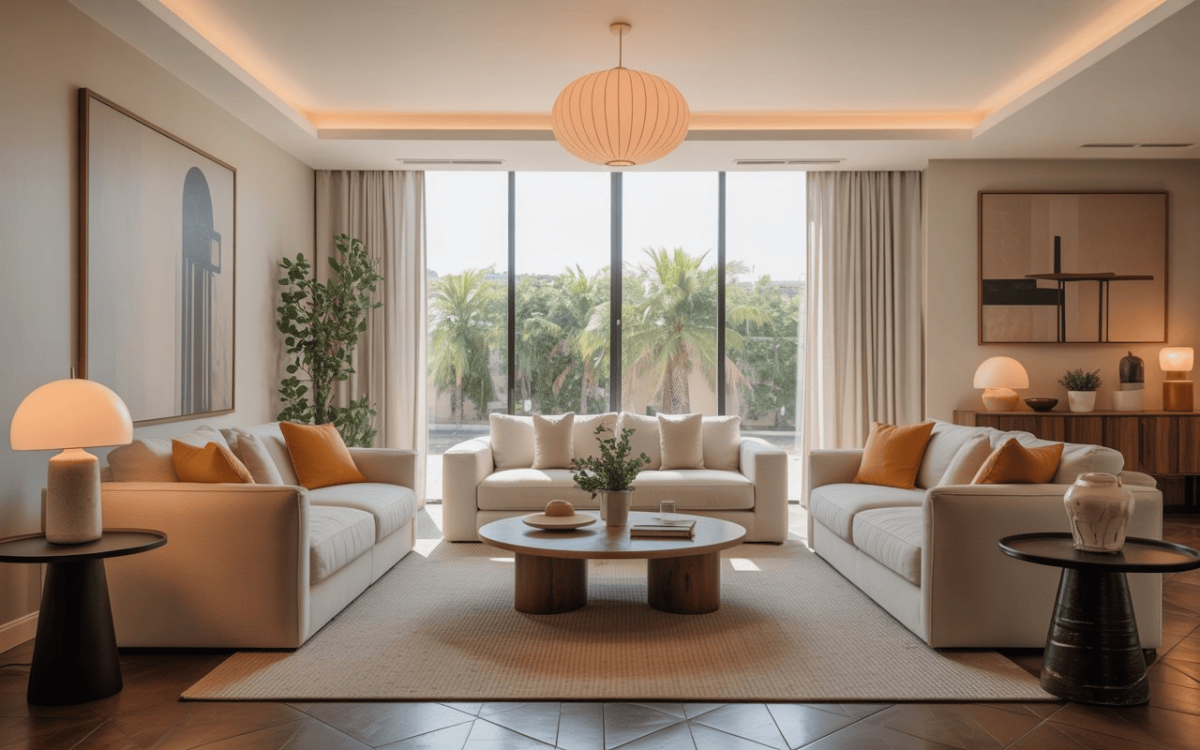
Modern wet and dry kitchen concept showcasing smart layout planning
Kitchens have changed a lot over the years. They are no longer tucked away, purely functional spaces. Today, kitchens are social, visible, and deeply connected to how homes are lived in. That shift is exactly why the wet and dry kitchen concept is catching on so quickly.
At its simplest, this approach separates heavy-duty cooking from lighter, everyday tasks. One zone handles the mess, heat, and aromas, while the other stays clean, presentable, and ready for company. A thoughtfully planned wet and dry kitchen gives you the freedom to cook the way you like, without worrying about what the rest of the home looks or smells like.
Advantages of a Dry Kitchen and Wet Kitchen Layout
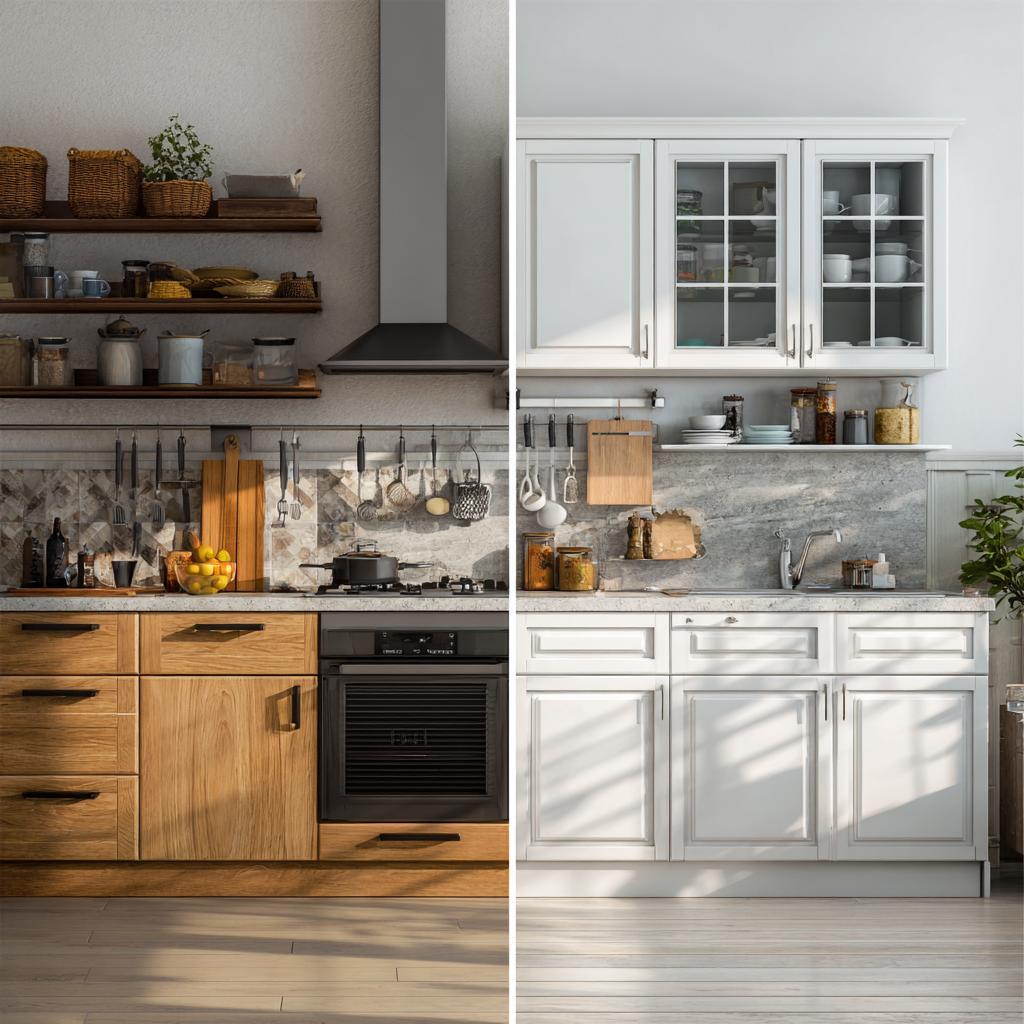
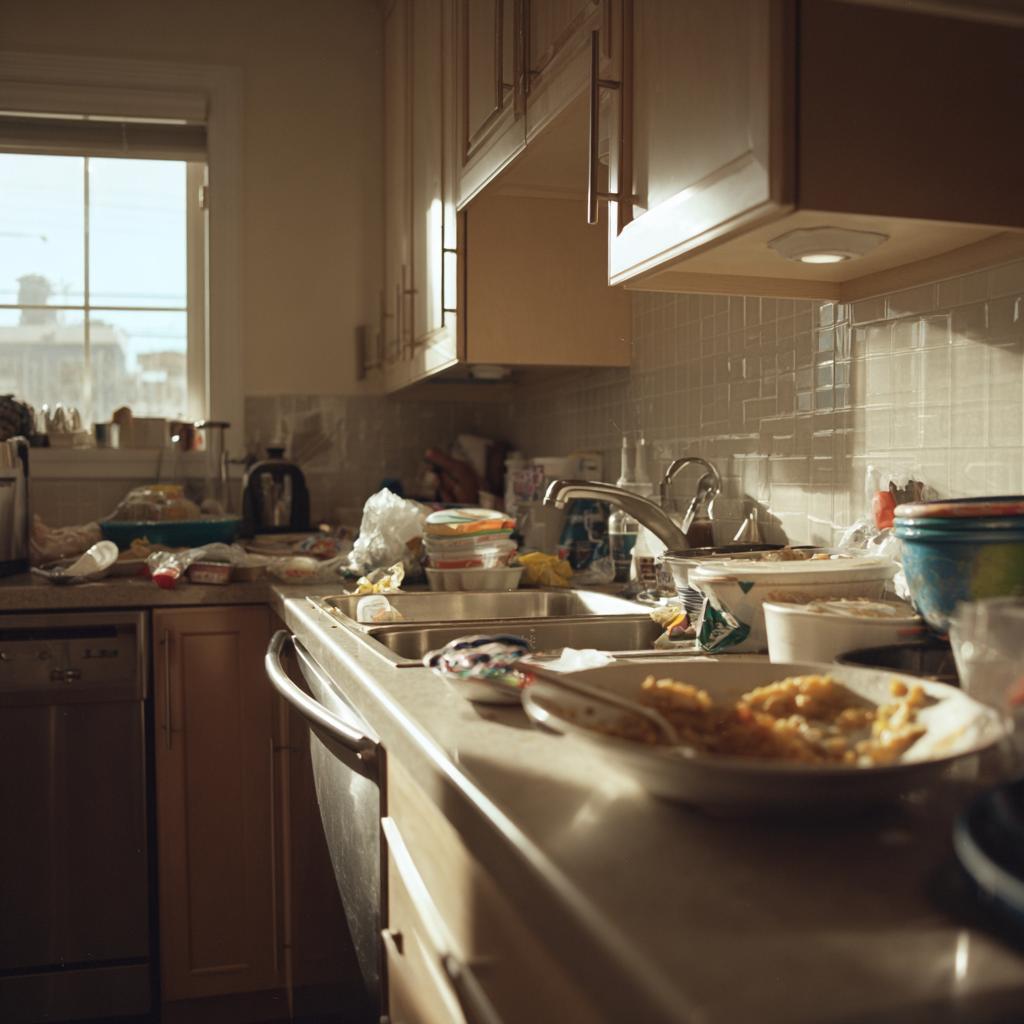
Difference between dry kitchen and wet kitchen shown through everyday usage
One of the biggest benefits of having a dry kitchen and wet kitchen setup is control. Strong smells, oil splatter, and noisy appliances stay contained in the wet kitchen, leaving the dry kitchen comfortable and welcoming.
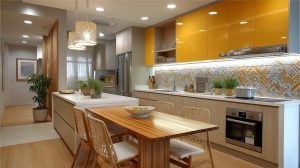
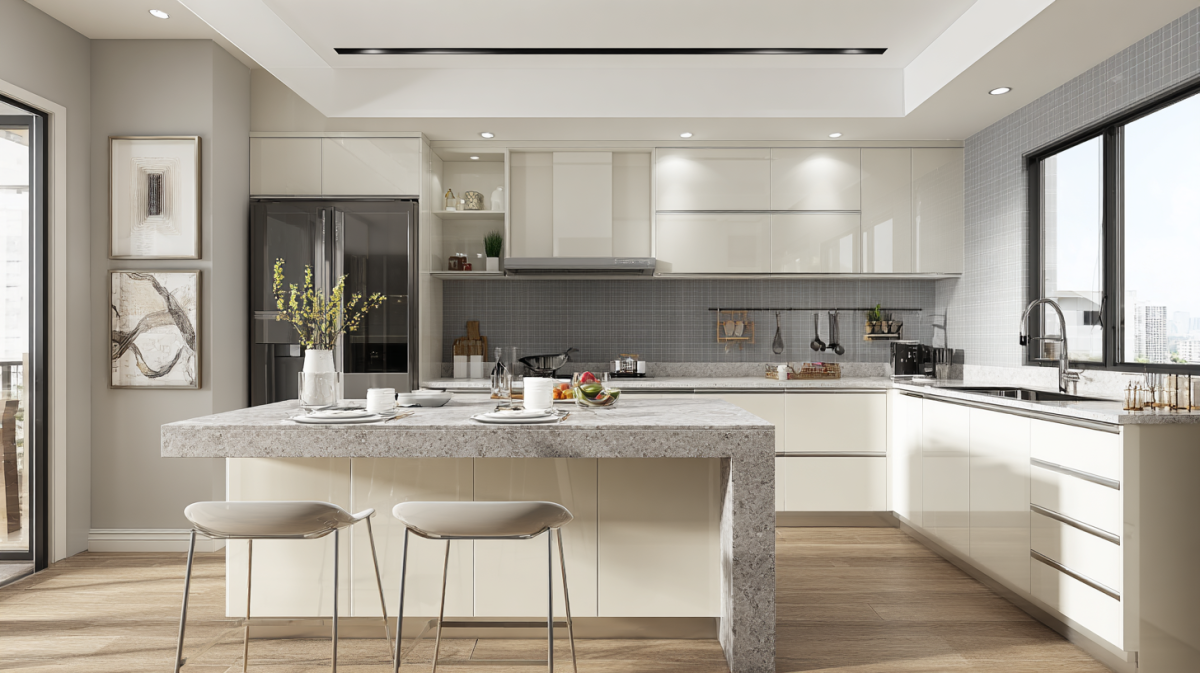
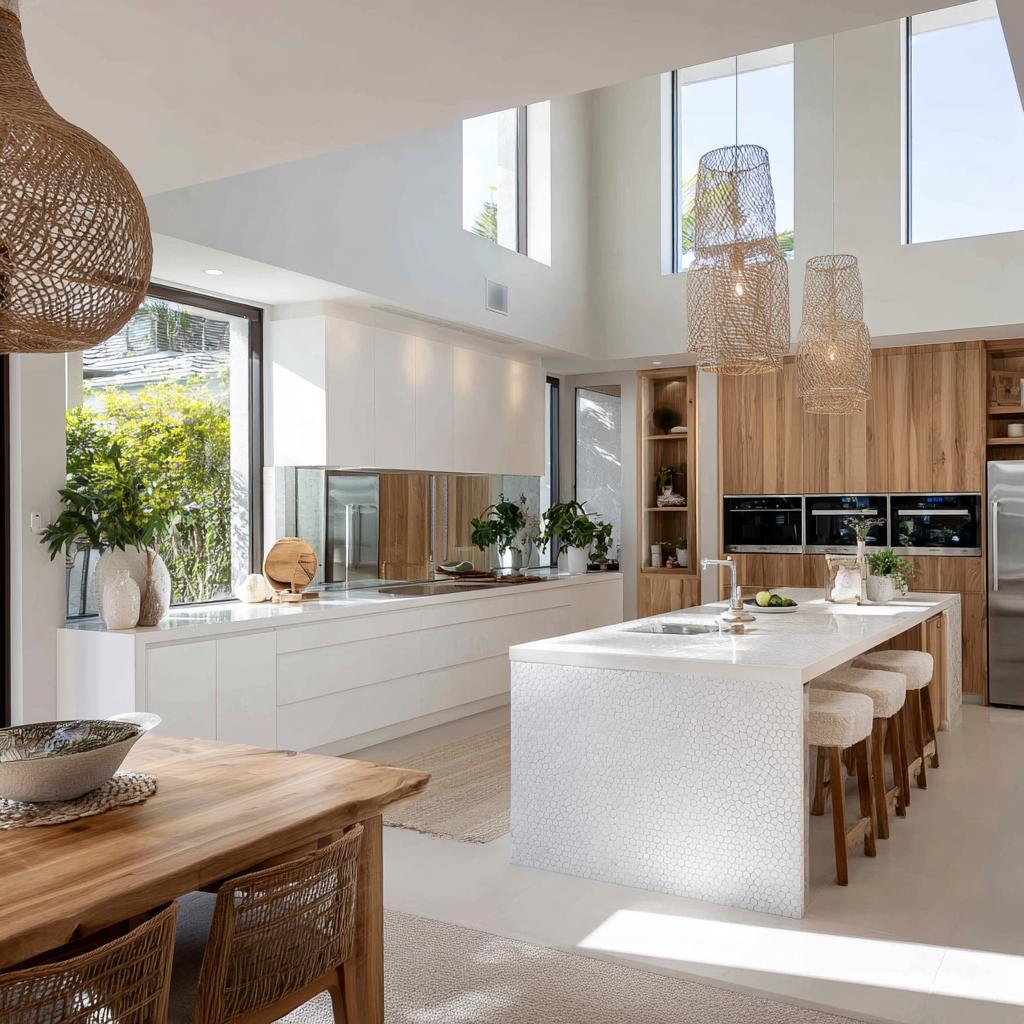
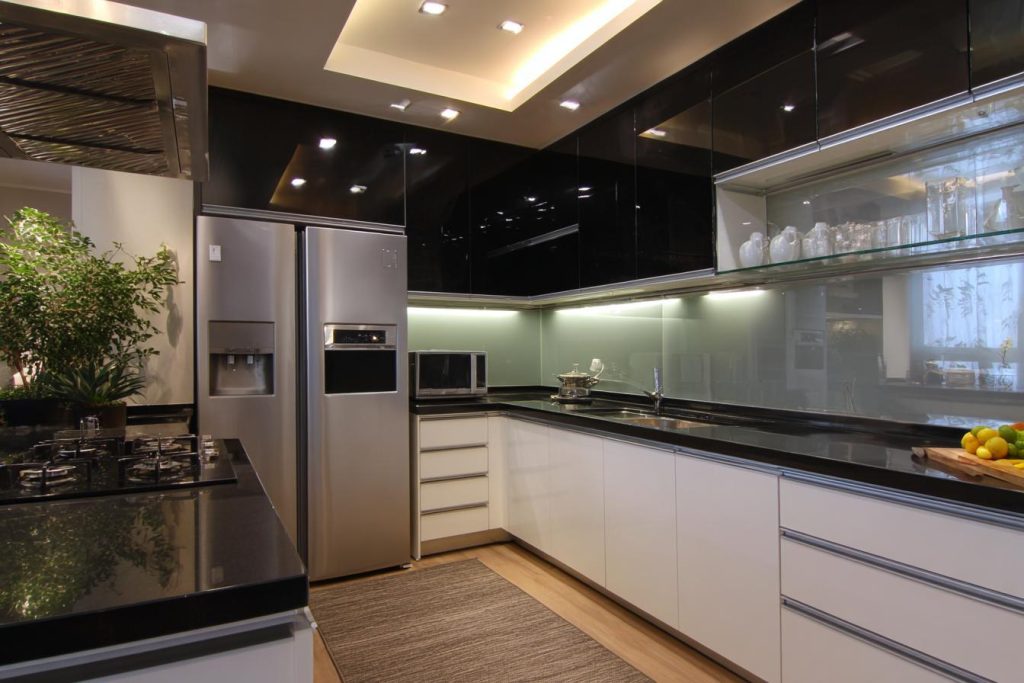
Wet and dry kitchen concept with modern island and zoning
This layout also makes entertaining easier. You can prep, cook, and clean behind the scenes while the dry kitchen stays neat for serving or casual conversations. Over time, this separation also helps visible finishes last longer, since most wear and tear happens in the wet zone.
Designing Your Wet Kitchen: Functionality First
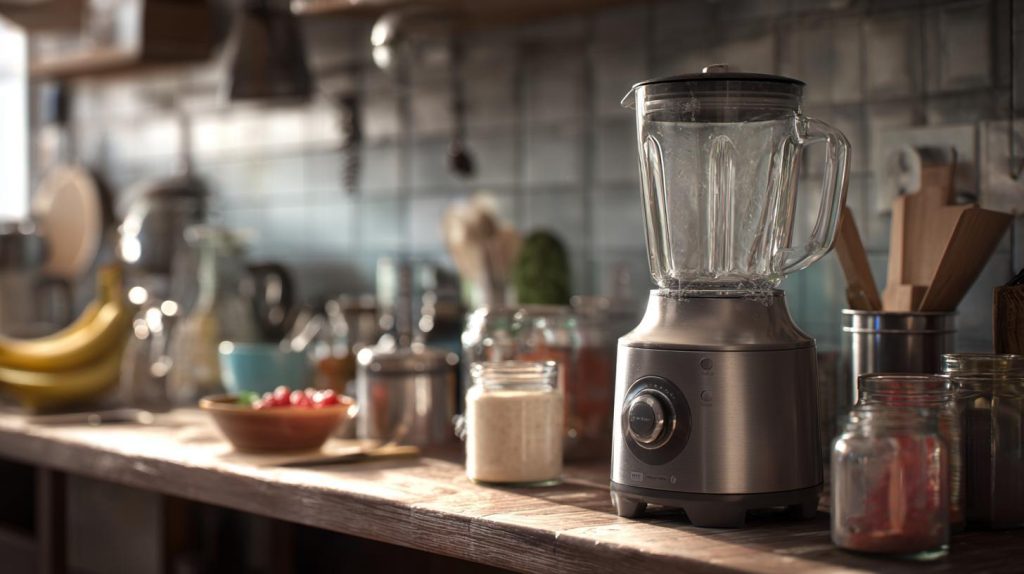
Wet and dry kitchen concept showcasing countertop appliance workflow separation
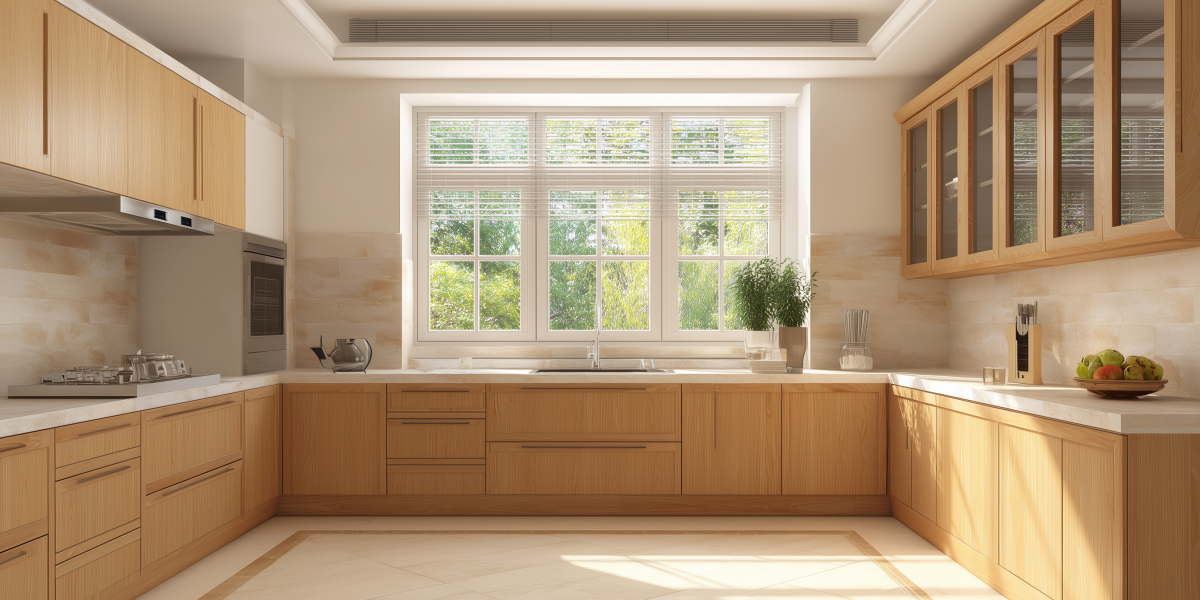
The wet kitchen is where the real work happens. This space should prioritise efficiency, durability, and ease of cleaning above all else, which is the backbone of good wet and dry kitchen design.
Layout matters here. Washing, chopping, cooking, and cleaning areas must be clearly laid out, so movement feels natural. Make sure that the materials used are able to handle heat and moisture with ease, and the storage keeps oils, spices, and cookware within easy reach.
In apartment-style homes, compact planning and strong ventilation play a crucial role in making the space work efficiently.
Designing Your Dry Kitchen: Style and Social Hub
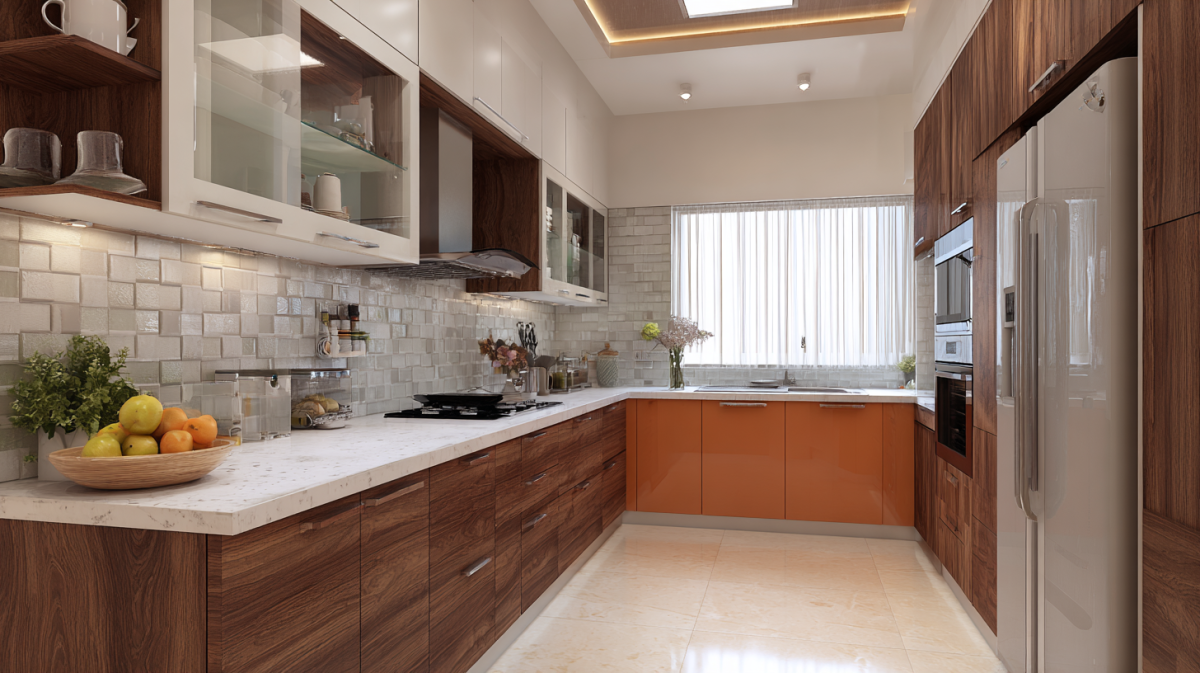
Modern wet and dry kitchen design with sleek modular cabinetry
The dry kitchen is often what people see first, particularly in open-plan homes. This is where the kitchen meets the living or dining space, and where design takes centre stage.
Here, finishes can be sleeker and lighter, with clutter kept to a minimum. Appliances such as ovens, microwaves, or coffee machines usually live here. Storage focuses on presentation and ease of access rather than heavy-duty use.
A well laid out dry and wet kitchen layout plan allows the dry kitchen to feel like a natural part of the home, while staying connected to the wet zone.
Integration Strategies: Connecting the Wet and Dry Kitchen Zones
Wet and dry kitchen concept showing functional separation for baking
A successful dual kitchen should feel connected, not disconnected.
Sliding doors, glass partitions, or shutters are great as a wet and dry kitchen divider. They let you separate spaces when needed while keeping movement easy. Think of shutters that swing open both ways; useful when you’re carrying heavy dishes to and fro! When open, both kitchens function as one continuous space.
Using similar colours or finishes across both zones also helps maintain visual flow, even when the functions differ. This is especially important when you choose to create a separate wet and dry kitchen within a limited footprint.
Common Mistakes to Avoid
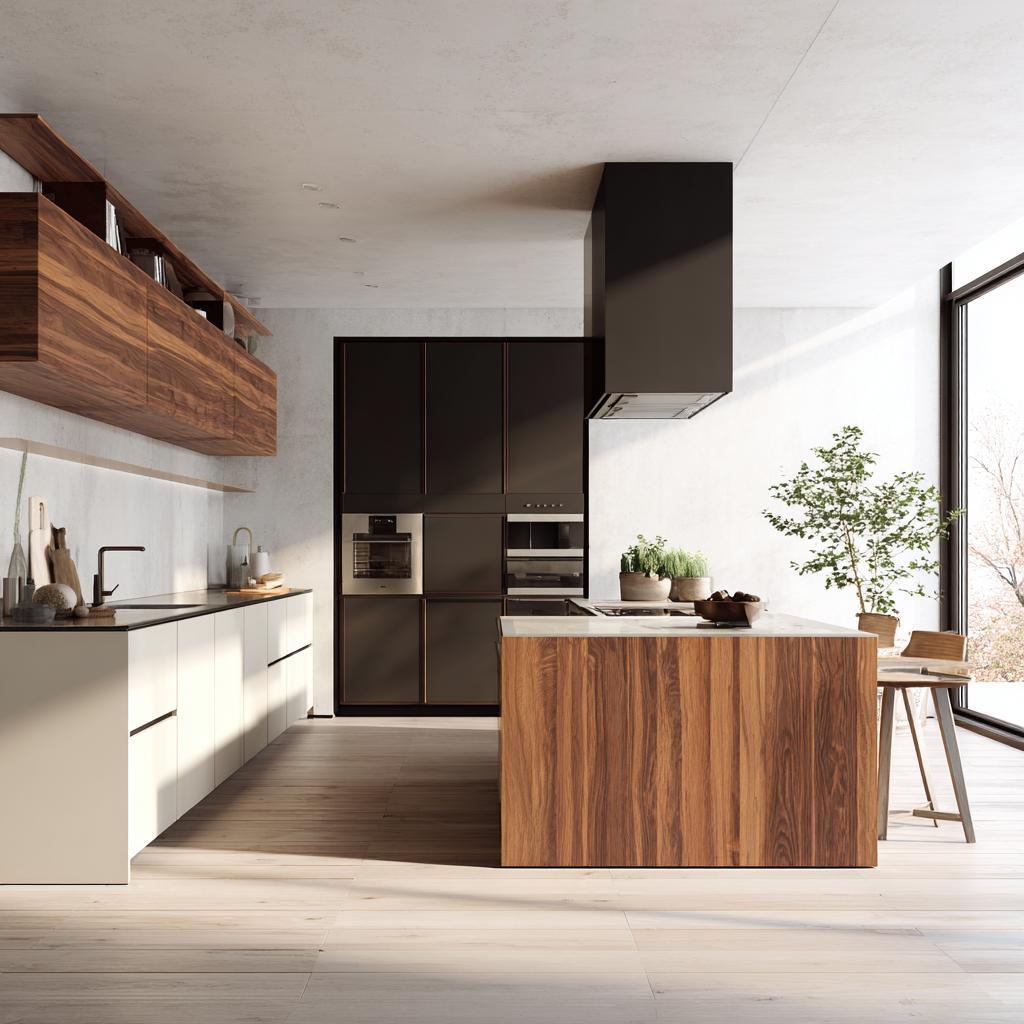
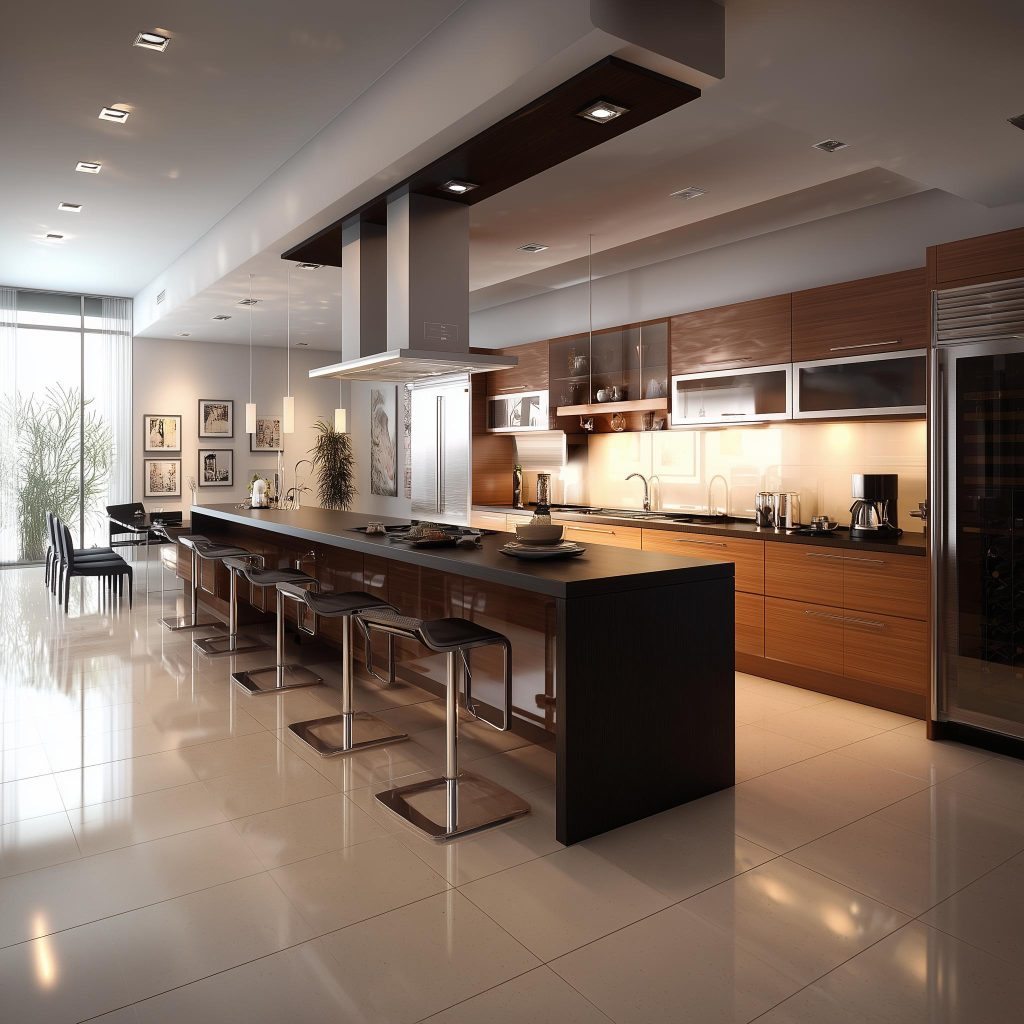
Dry kitchen and wet kitchen layout highlighting modern island planning
One common mistake is underestimating how much space the wet kitchen needs. If it feels cramped, cooking quickly becomes frustrating.
Another issue is weak ventilation. Without it, the difference between dry kitchen and wet kitchen areas becomes meaningless, as smells and heat travel freely.
Some homeowners also over-style the dry kitchen and forget daily practicality. Even a showpiece kitchen needs sensible storage and usable counter space.
Why This Kitchen Setup Just Makes Sense
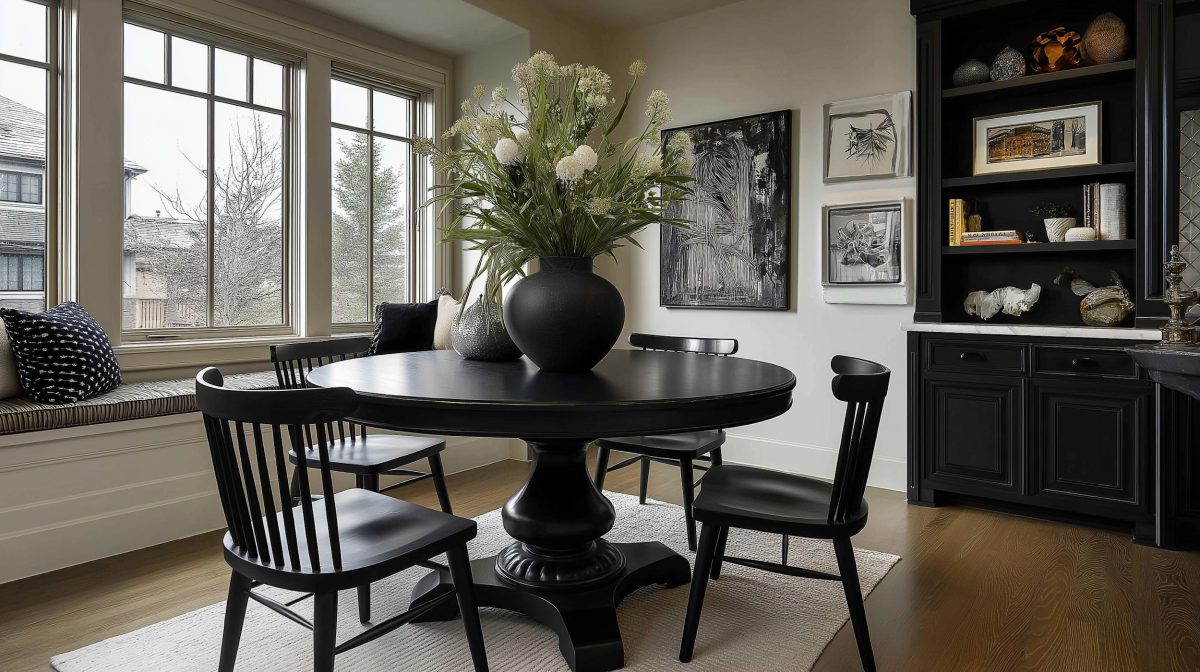
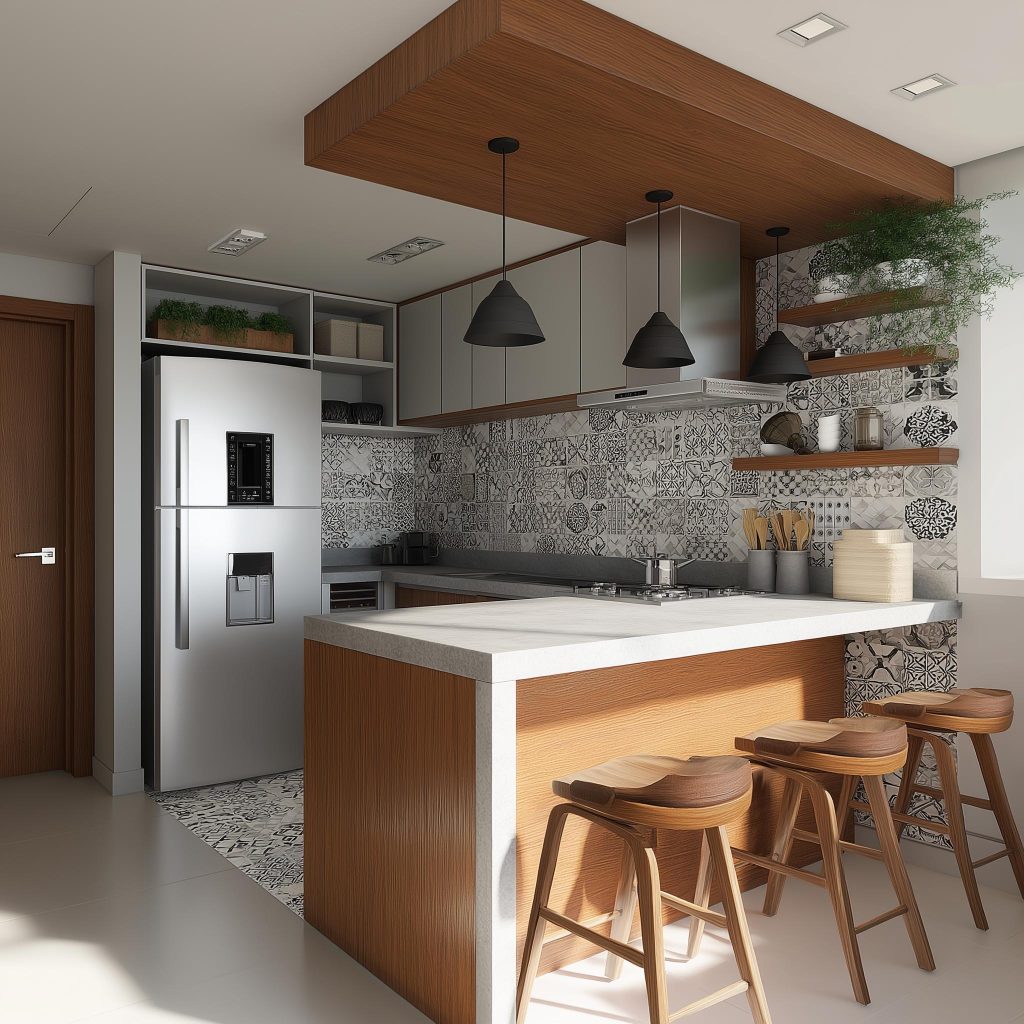
Wet and dry kitchen design showcasing spacious island and functional zones
When you think about how kitchens are actually used everyday, the wet and dry layout feels like a natural step forward! Here, you can cook freely without worrying about making a mess. And you can still enjoy a kitchen that’s free of clutter, and feels welcoming when people drop by.
The beauty of this setup is its flexibility. It works just as well in apartments as it does in larger homes, and it can be adapted to suit your cooking habits and space constraints. With the right planning, a dual kitchen does not feel like an extra feature, it simply feels easier to live with.
At HomeLane, we design your kitchen exactly the way you use it. If you would like to have a wet and dry kitchen setup, our designers can help you plan layouts, materials, and transitions that work together effortlessly.
FAQs
1. What exactly is a “wet kitchen” and a “dry kitchen”?
A wet kitchen is used for all the heavy cooking, washing, and cleaning, while a dry kitchen handles lighter tasks like serving and meal prep. For instance, messy grinding of dosa batter would happen in the wet kitchen, while the dosas might actually be made in the dry area!
2. Why should I consider having a wet and dry kitchen?
It helps manage mess and heat more effectively while keeping the main kitchen space tidy and welcoming.
3. Is a wet and dry kitchen concept only for large homes?
No, even compact homes can adapt this idea with clever planning and sliding or glass partitions.
4. What kind of ventilation is needed for a wet kitchen?
A strong chimney or exhaust system is essential to handle fumes and maintain comfort across both zones.
5. Can the dry kitchen be part of an open-plan living area?
Yes, dry kitchens work especially well in open layouts and blend seamlessly with living and dining spaces.
6. What are the best materials for a wet kitchen?
Moisture-resistant cabinets, easy-to-clean countertops, and durable wall and floor finishes work best.















 EXPLORE MORE