Elevate your kitchen shelves from functional to fabulous with smart styling tricks, focusing on decluttering, material mixing, and creating visual interest for a magazine-worthy look.
Key Insights:
What You'll Read Here:
- Mix materials like wood, glass, and ceramics for texture and visual appeal.
- Use trays and organizers to create zones, making storage neat and accessible.
- Incorporate layers, art, and plants to add depth, personality, and breathability.
HOMELANE EXPERT TIP By our design team
When styling kitchen shelves, balance frequently used items at the front with less-used objects at the back to maintain both accessibility and visual order.
Shelving systems are an innate part of any well-organized kitchen and play an important role in kitchen interior design. Open shelves or closed cabinets, any storage space can use a little pizazz. The idea is to look both interesting and pulled together. The first step, of course, is to declutter any defunct objects and clean the shelf thoroughly to remove any dust. Wooden shelves may require a new coat of varnish. This is vital to maintaining your kitchen design.
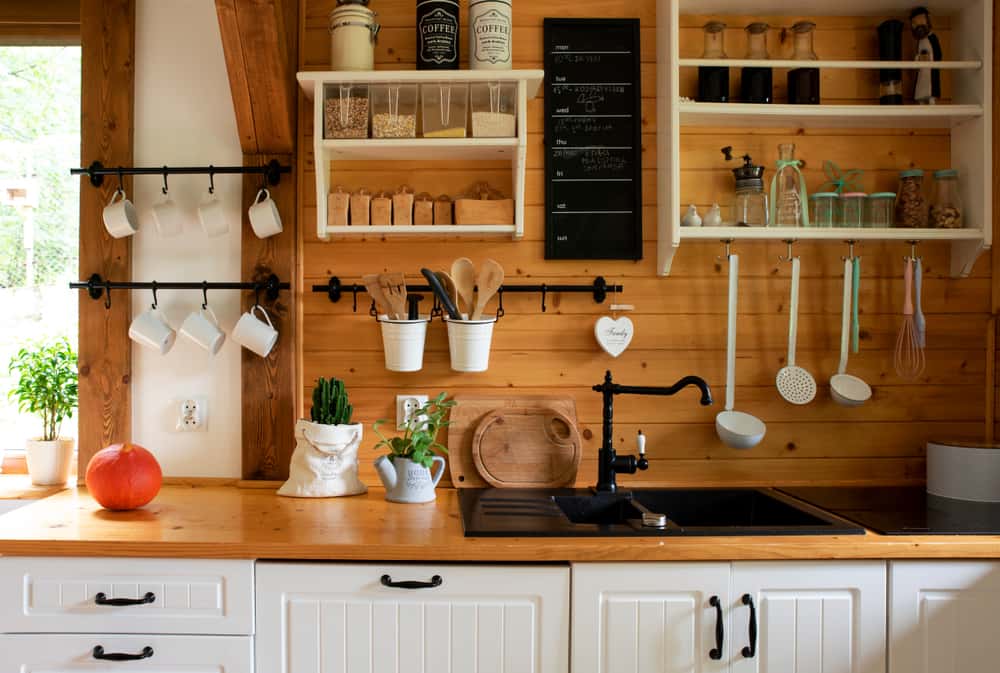
Once that’s done, try any of these 10 tricks to make your kitchen look magazine-worthy:
1. Use Mixed Materials
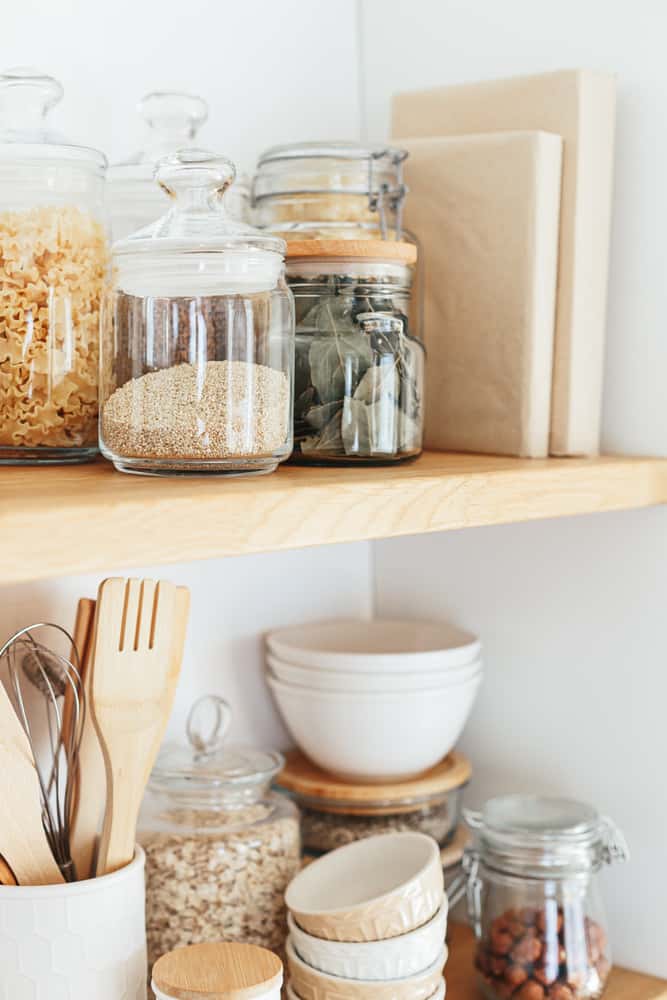
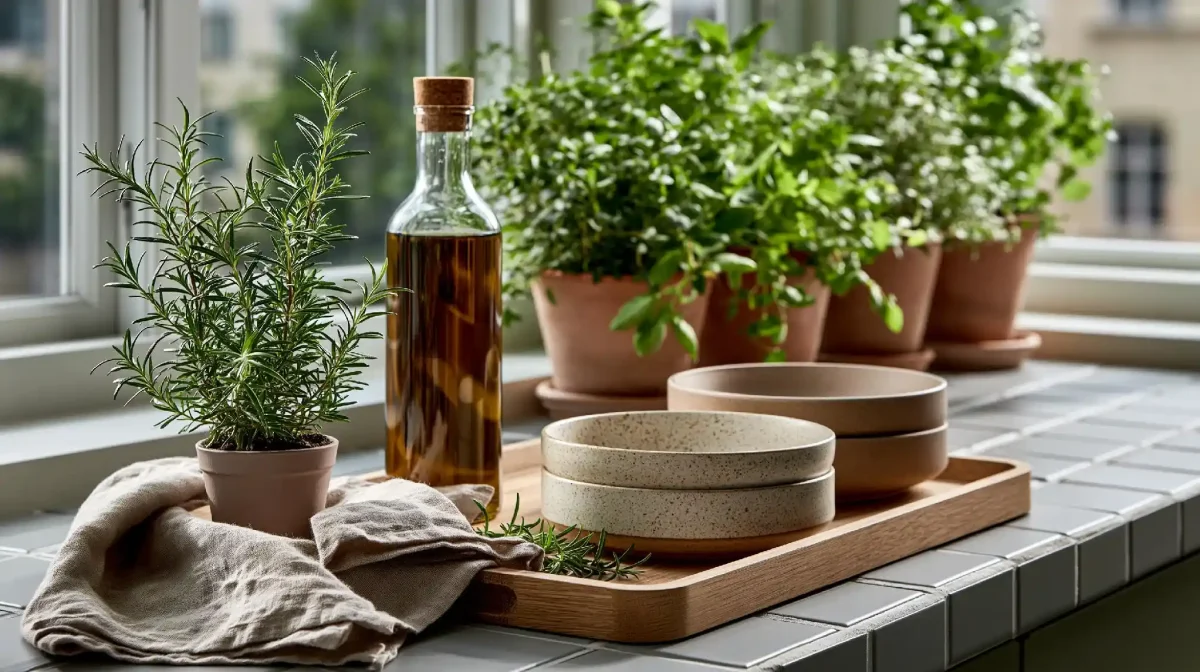
Add texture and interest to an open shelf by displaying objects made from different materials next to each other. A plant can be added to break the monotony of dinnerware. Cookbooks can be used to support utensils. Mix objects made of ceramics, glass, metal, and wood on the same shelf. If you have closed cabinets, choose handles and door pulls in metallic colours, or try ornate ceramic drawer handles.
2. Trays and Organisers
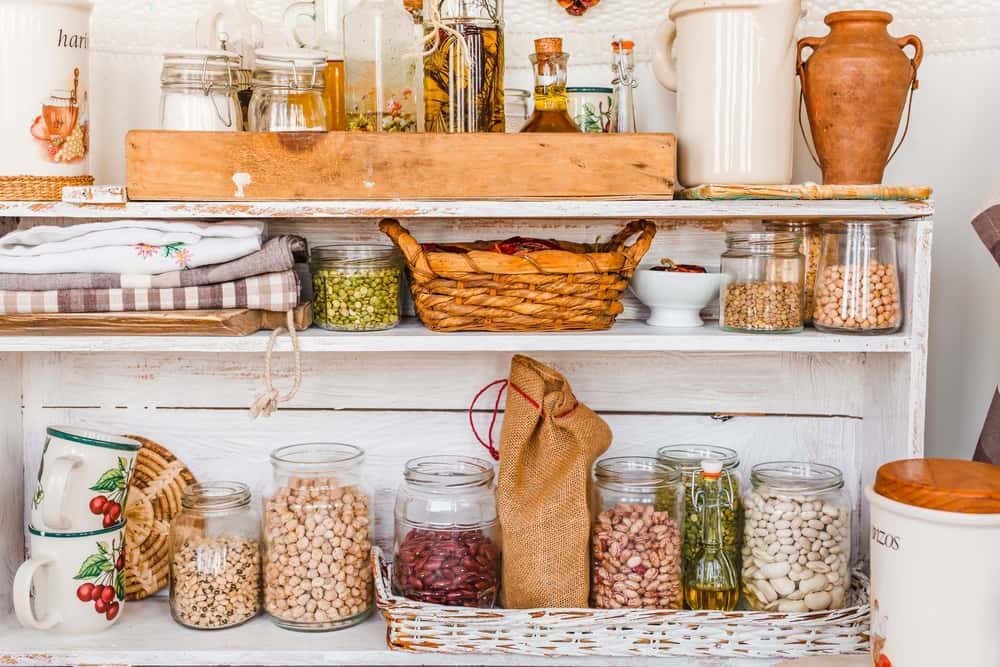
Large, un-sectioned spaces can become unwieldy. Introduce trays on big shelves to create neat zones for particular items. Cutlery trays are easily available to stack silverware, for example. Use simple plastic bins or metal hooks for closed cabinets and label them if required.
3. Add Layers and Depth
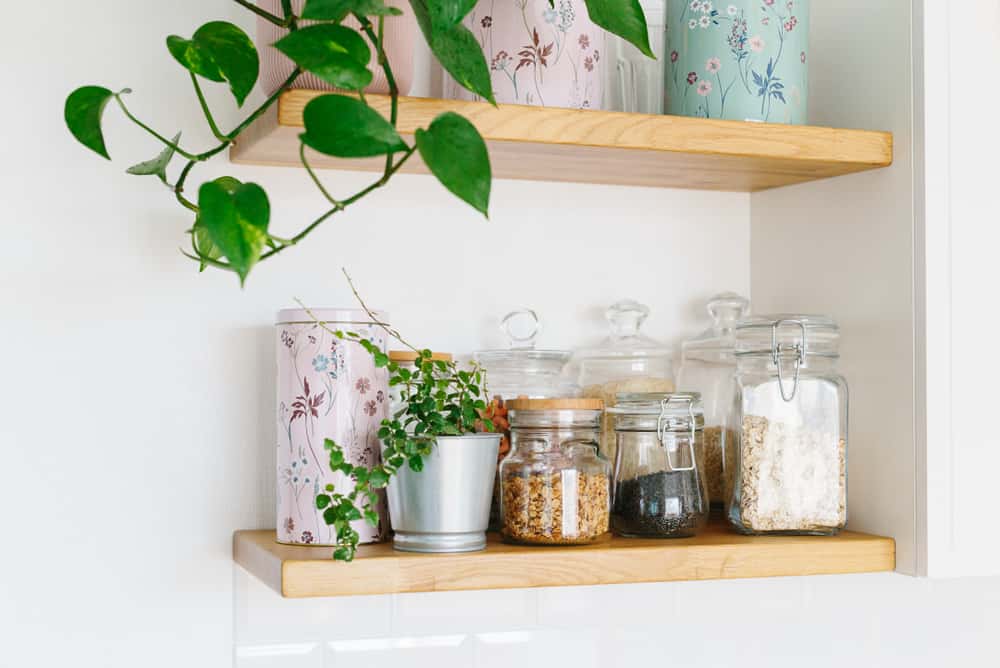
Storing everything in a single-file manner will make the layout flat and boring. Place the least often used objects at the back. Keep frequently used objects at the front of a shelf. Two or three layers work best for most shelves. Larger objects can be placed at the back.
4. Plan Corner Storage
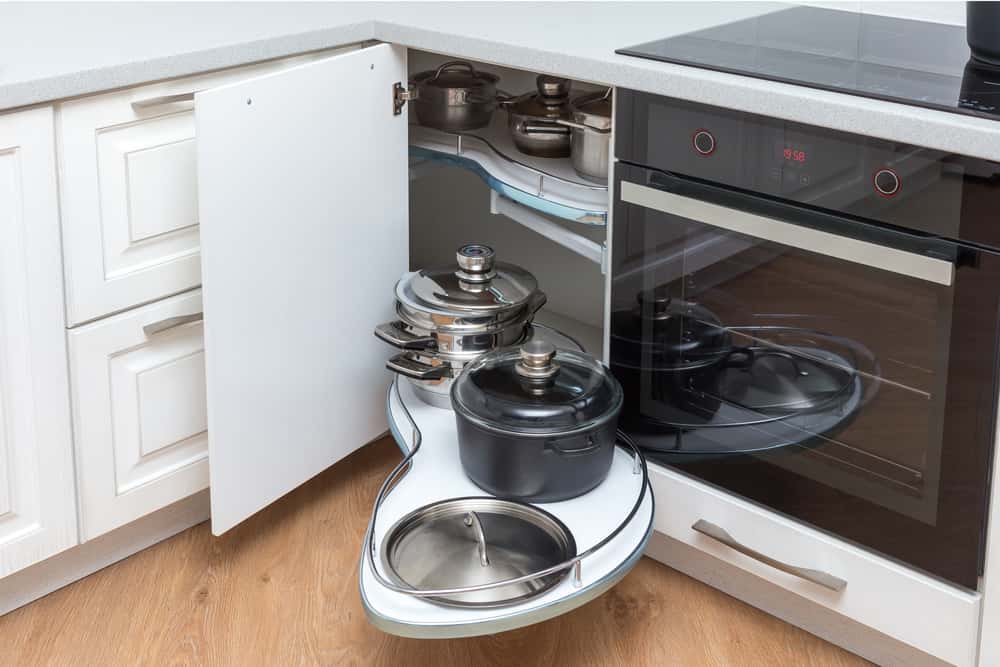
Add shelves to an otherwise awkwardly shaped corner of the kitchen. It will help by adding storage to an otherwise neglected part of the kitchen. If the area is hard to reach, open shelves may work best here. For closed cabinets, add rotating shelves that can pop out. A rotating shelf or a lazy Susan might also be great for hard to reach areas.
5. Keep Symmetry and Balance in Mind
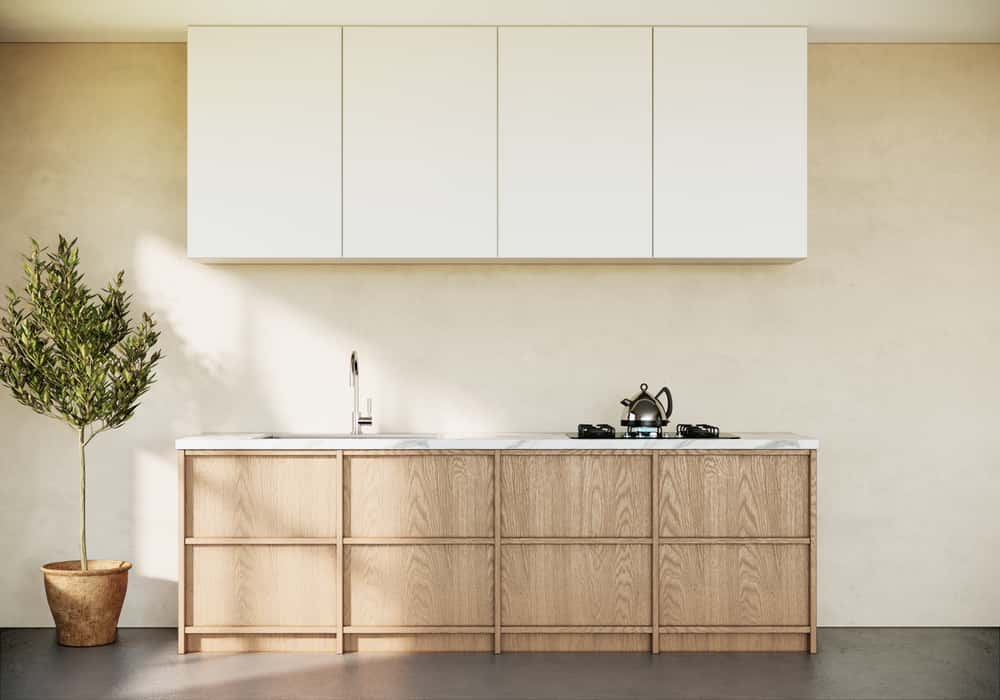
If possible, create symmetry shelves on either side of a focal point in the kitchen. For example, you could add an open shelf on either side of the sink at the same height. Or, add cabinets on either side above the stove. This can make a kitchen look incredibly neat and curated.
6. Create Zones
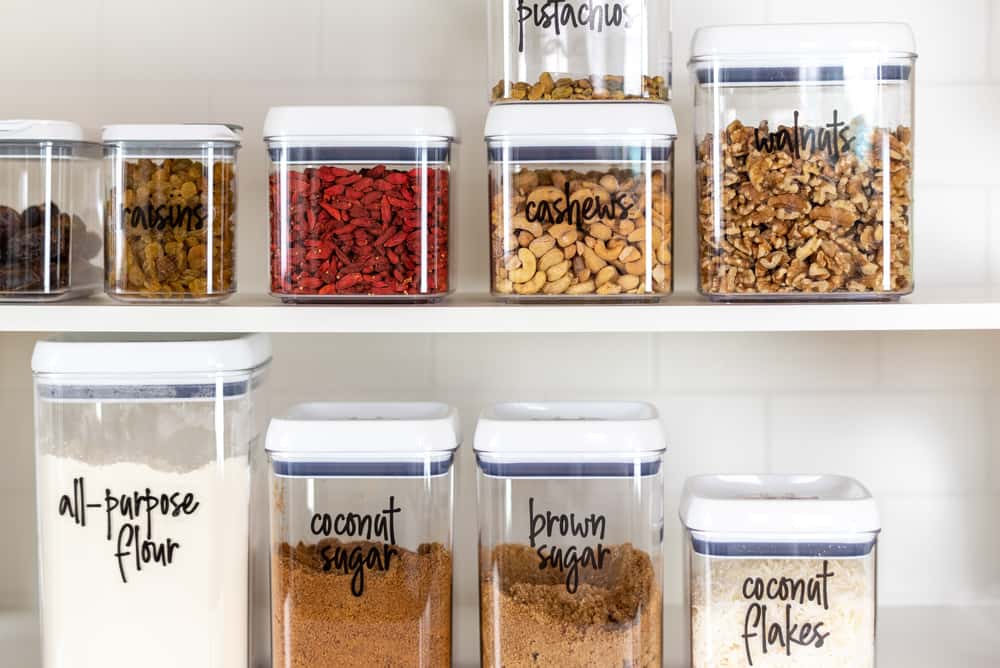
Organise the pantry by zones. Use separate sections for spices, grains, oils and sauces. It makes cooking easier because it is easy to see where everything is. It looks elegant as well, which is a definite bonus. You can also zone by recipe – keep all pasta supplies on one shelf, and all baking supplies on another.
7. Add Art and Plants
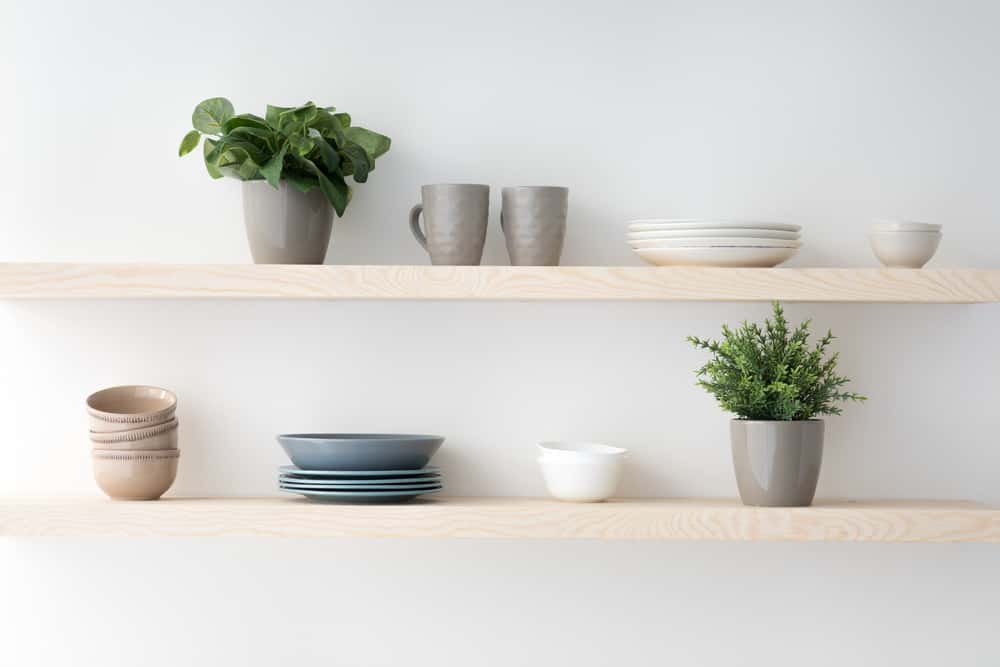
The kitchen may be a very functional part of the home, but that should not make it devoid of joy. Place art prints that bring you joy or display decorative utensils. Plants make any room better, and the kitchen is no exception. Place easy-to-maintain plants on a kitchen shelf or on top of a cabinet to add breathability. Add edible herbs, such as basil, mint, coriander or oregano, which can be used directly while cooking. A printed quote that lifts the spirits is also a good idea.
8. Don’t Forget Pops of Colour
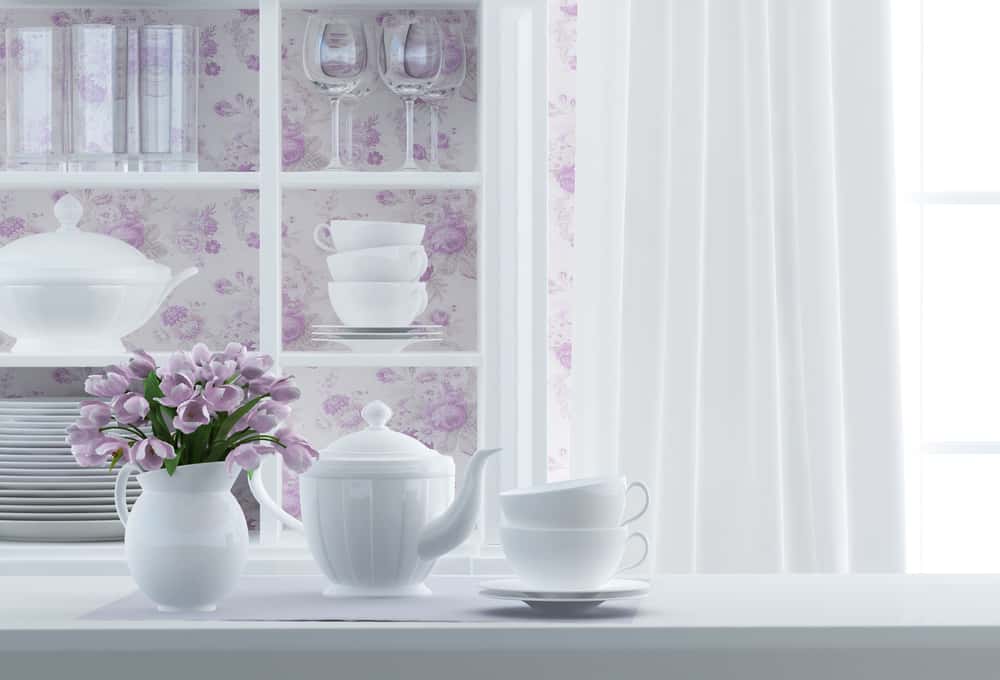
Creating a stunning backsplash is a great way to add texture and colour to the kitchen. Shelves can look especially chic with an accent wallpaper or an interesting material that matches the backsplash. Wood panels and colourful tiles can be used as sophisticated options.
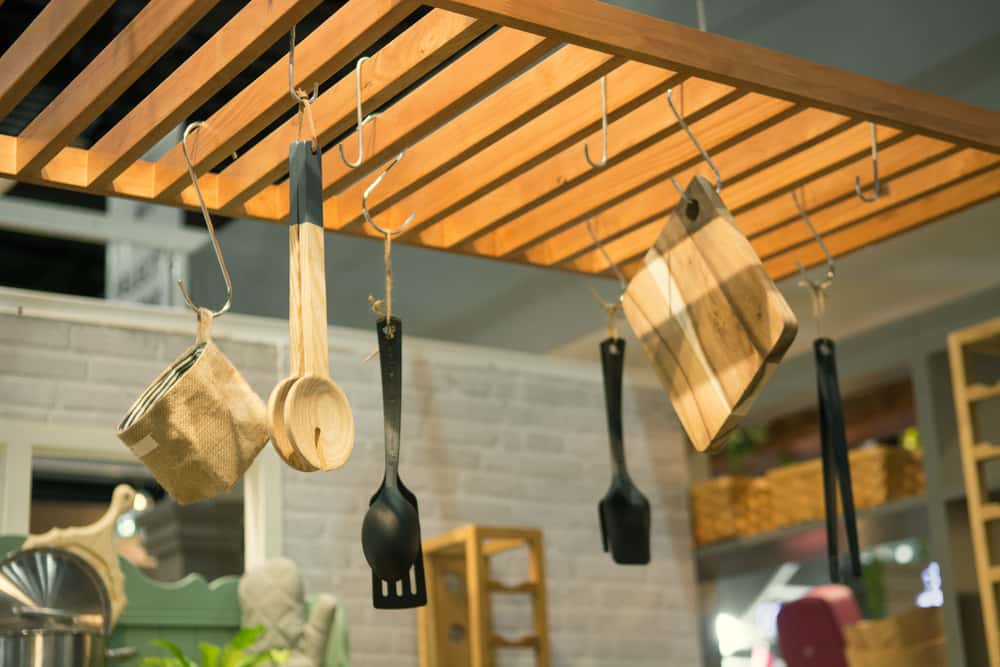
9. Add Some Hanging Storage
If storage is running short, try using vertical space. Add a ceiling hook to store pans or ladles. Ensure that it is not uncomfortably high or dangerously low. Alternatively, add hooks to a towel rod to store pots and pans on the wall. This can add some quirk and charm to your kitchen.
10. Choose Your Palette Wisely
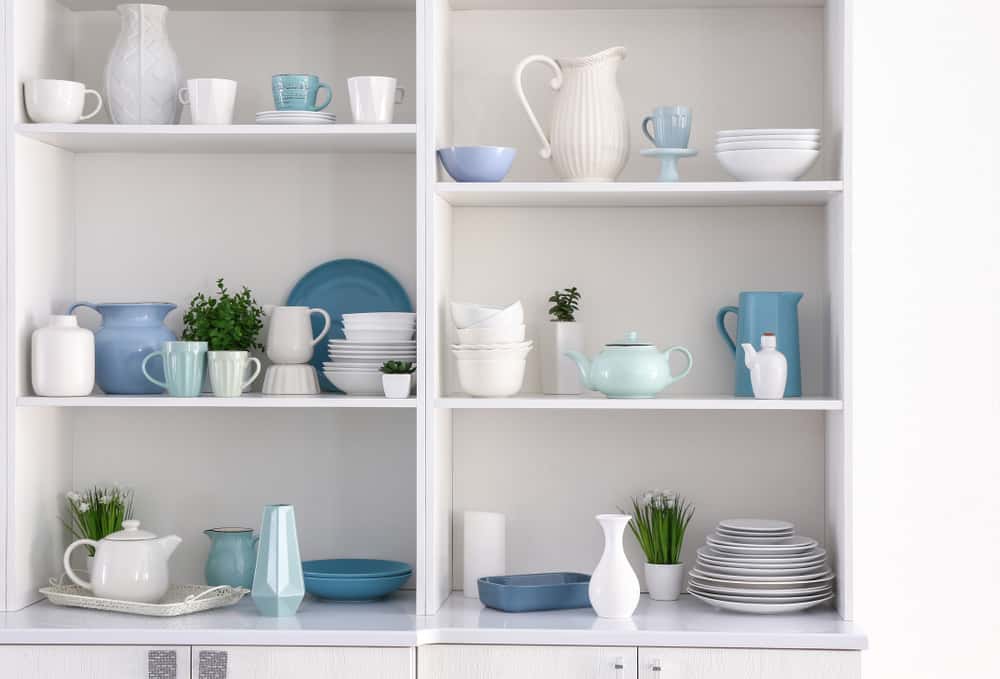
Too many colours can be distracting to the eye. Try to place objects in the same colour family on one shelf. It can look cohesive, especially if followed symmetrically on either kitchen side. Matching dinnerware sets can also be displayed in this way, even when planning within a practical modular kitchen design price.
Modular kitchens and open shelving have become the interior design choices du jour, and they have to be styled to look good. A few simple tweaks can make shelves look well-organized and aesthetically pleasing. Creating a storage system in the kitchen is also important from a functional perspective. In the end, the best way to organize a kitchen is to allow you to cook in a relaxed environment. The best place to find modular kitchen designs is HomeLane. You can find kitchen designs that are both practical and graceful.
FAQs On Styling Tips for Kitchen shelves
1. How can I style kitchen shelves to look organised and aesthetic?
Start by decluttering and cleaning your shelves thoroughly. Then, group similar items, add layers with varying heights, and mix materials like glass, wood, and ceramics. Keeping a balance between functional items and decor elements helps create a well-organised yet visually appealing kitchen shelf setup.
2. What are the best styling tips for kitchen shelves in small spaces?
For compact kitchens, focus on vertical storage, open shelving, and minimal clutter. Use trays and organisers to define zones and keep essentials accessible. Light colours, compact decor, and multi-purpose items can make kitchen shelves look stylish without overwhelming limited space.
3. What should I display on kitchen shelves for a stylish look?
A mix of practical and decorative items works best. Display dinnerware, glass jars, cookbooks, plants, and small art pieces. Adding herbs or decorative utensils introduces freshness and personality, making your kitchen shelves feel lively and thoughtfully curated.
4. Are open shelves better than closed cabinets for styling a kitchen?
Open shelves offer more styling flexibility and create an airy, modern look. They allow you to showcase decor and everyday items, unlike closed cabinets. However, they require regular maintenance and organisation to avoid a cluttered appearance.
5. What are some space-saving ideas for kitchen shelf organisation?
Use vertical space with hooks, hanging rods, or stacked organisers. Corner shelves and rotating units can optimize hard-to-reach areas. Adding trays or bins helps segment large shelves, making storage more efficient and easier to maintain.











 EXPLORE MORE